 Complete Gardening
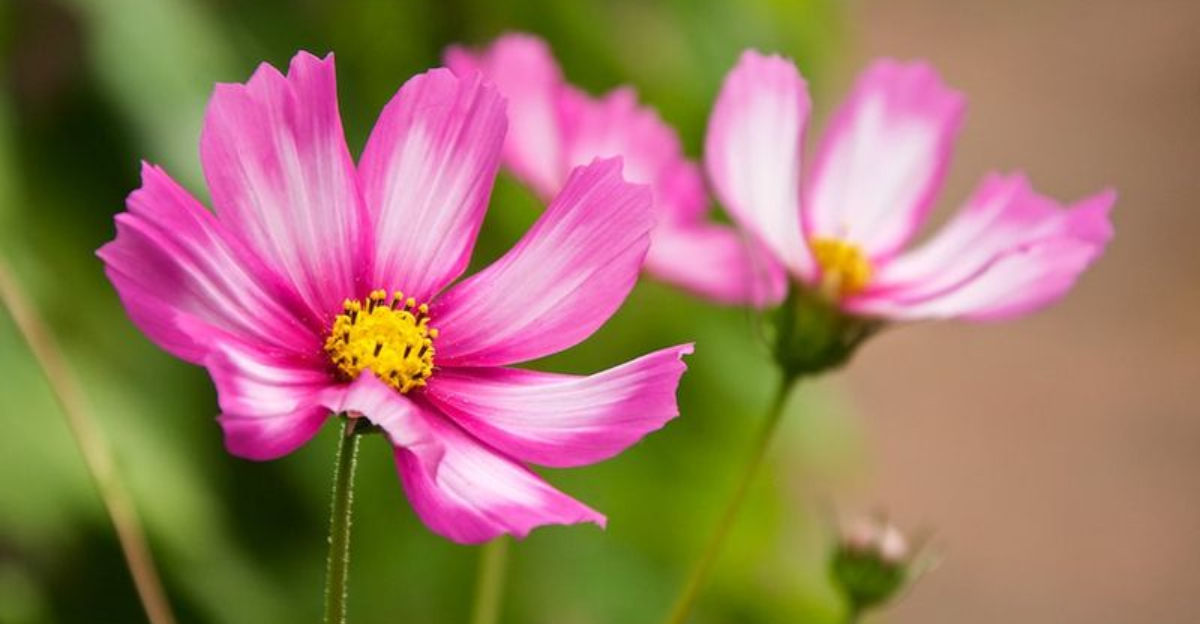
Peonies are beloved for their stunning blooms, but they aren’t the only option for gardening enthusiasts. Whether you’re looking for variety, different blooming times, or unique color palettes, there are plenty of beautiful plants to consider. This blog will explore 37 exquisite alternatives to peonies, each with its own charm and reason to be part of your garden.
1. Ranunculus
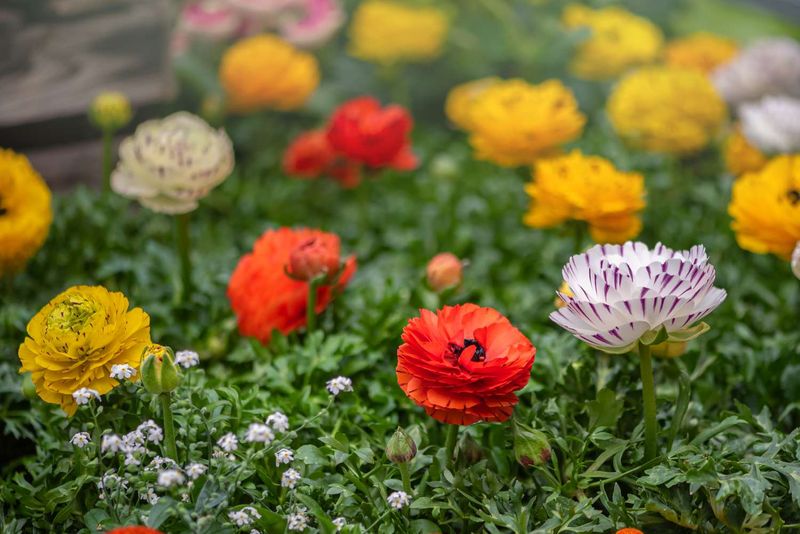
Ranunculus flowers are renowned for their lush, multi-petaled blooms that come in a dazzling array of colors. These flowers, often resembling a painter’s palette, are perfect for those who love a splash of color in their garden. Their soft, romantic appearance makes them a favorite for weddings and bouquets. Did you know that Ranunculus is also known as the “Buttercup” due to its resemblance to the wild buttercup flower?
Ranunculus prefer cooler climates and well-drained soil. They thrive in spring, offering a burst of color when many gardens are just waking up.
2. Dahlia
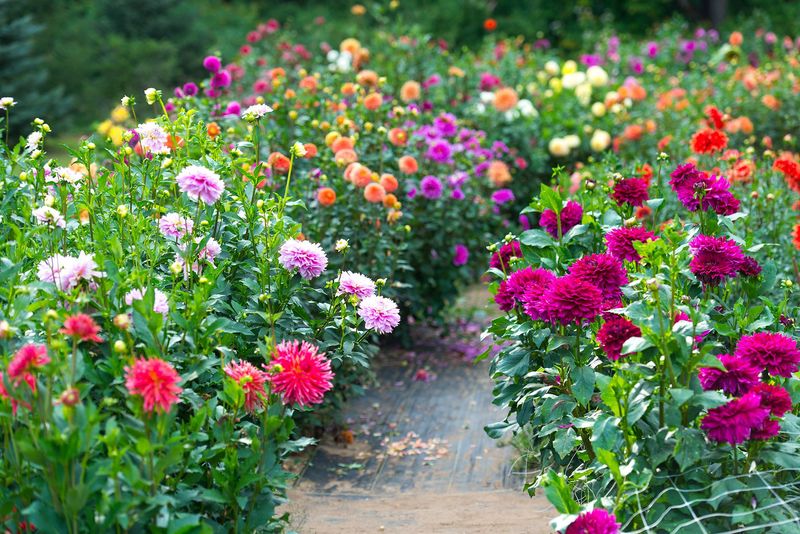
Dahlias are a spectacular addition to any garden, exhibiting a stunning variety of colors, shapes, and sizes. Known for their striking geometric petals, they have a unique ability to stand out in any floral arrangement.
Originally from Mexico, Dahlias were once used by the Aztecs for food and ceremonial purposes. Today, they come in almost every color except blue. Their tuberous roots make them perennial, perfect for gardeners who enjoy long-lasting blooms.
Whether planted in beds or containers, Dahlias bring a touch of elegance and drama to any outdoor space.
3. Anemone
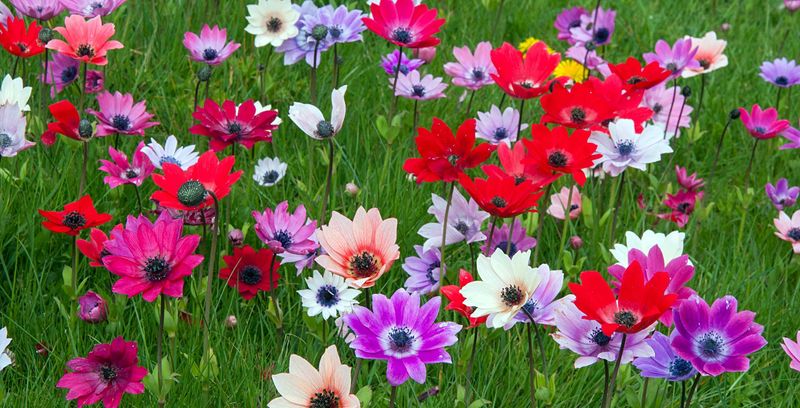
Anemones, with their delicate petals and vibrant colors, evoke a sense of springtime joy. Often referred to as “wind flowers,” their gentle sway in the breeze makes them seem alive with motion.
These flowers are perfect for adding a light, airy feel to your garden. Native to both temperate and subtropical regions, Anemones come in various species, each with its own charm. Known for their symbolic meanings of protection and anticipation, Anemones are a thoughtful addition to any garden.
Their easy-to-grow nature makes them ideal for gardeners of all levels.
4. Iris
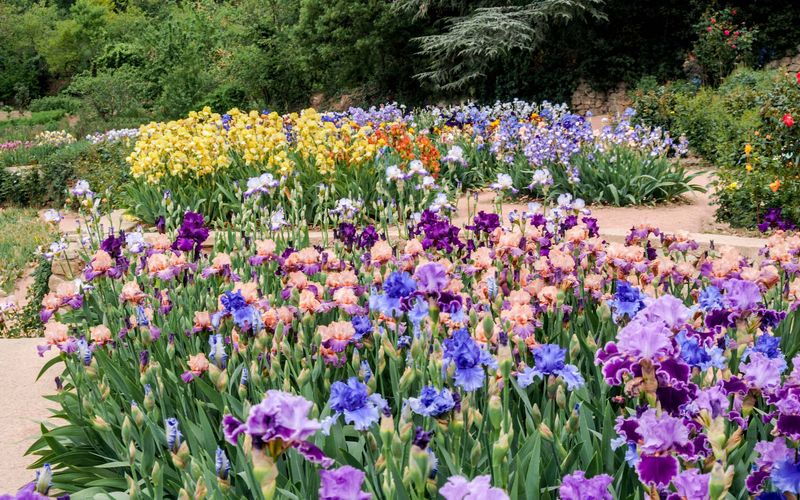
The Iris, named after the Greek goddess of the rainbow, is celebrated for its strikingly beautiful flowers and tall, graceful stems. With a vast range of colors, Irises are perfect for adding vertical interest to your garden.
These perennial blooms are incredibly versatile, thriving in a variety of climates and conditions. Irises are known for their resilience and ability to attract pollinators, including bees and butterflies.
Whether planted along borders or in decorative pots, they provide a timeless elegance that transforms any garden into a painter’s masterpiece.
5. Zinnia
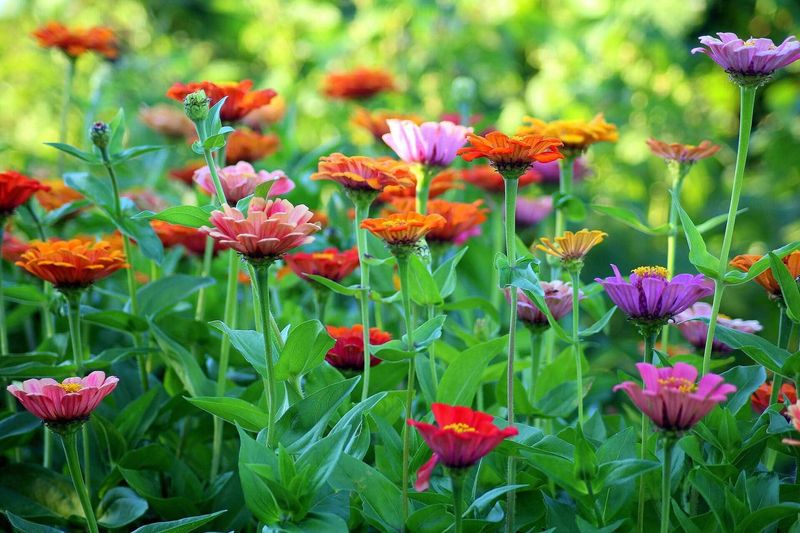
Zinnias are beloved for their bright, cheerful blooms that can light up any garden space. Known for their wide range of vivid colors and long-lasting flowers, they are perfect for cut arrangements and summer displays.
Originating from Mexico, Zinnias thrive in sunny environments and are incredibly easy to grow, making them a favorite among beginner gardeners. Their drought tolerance and ability to attract pollinators such as butterflies make them both practical and beautiful.
With minimal care, Zinnias can transform a garden into a lively, colorful oasis.
6. Cosmos
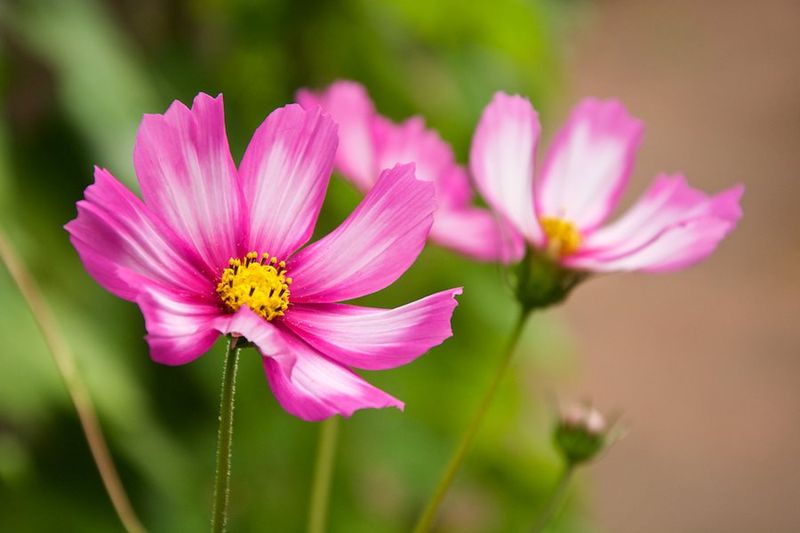
Cosmos flowers bring a touch of whimsy to any garden with their feathery foliage and daisy-like blooms. Known for their easygoing nature, they are a joy to grow and provide blossoms from summer until the first frost.
Cosmos come in a variety of colors, including pink, white, and orange. Their low maintenance needs make them perfect for gardeners seeking a relaxed gardening experience. These flowers are also a haven for pollinators, attracting bees and butterflies in droves.
Plant them in sunny spots for a carefree, enchanting garden display.
7. Clematis
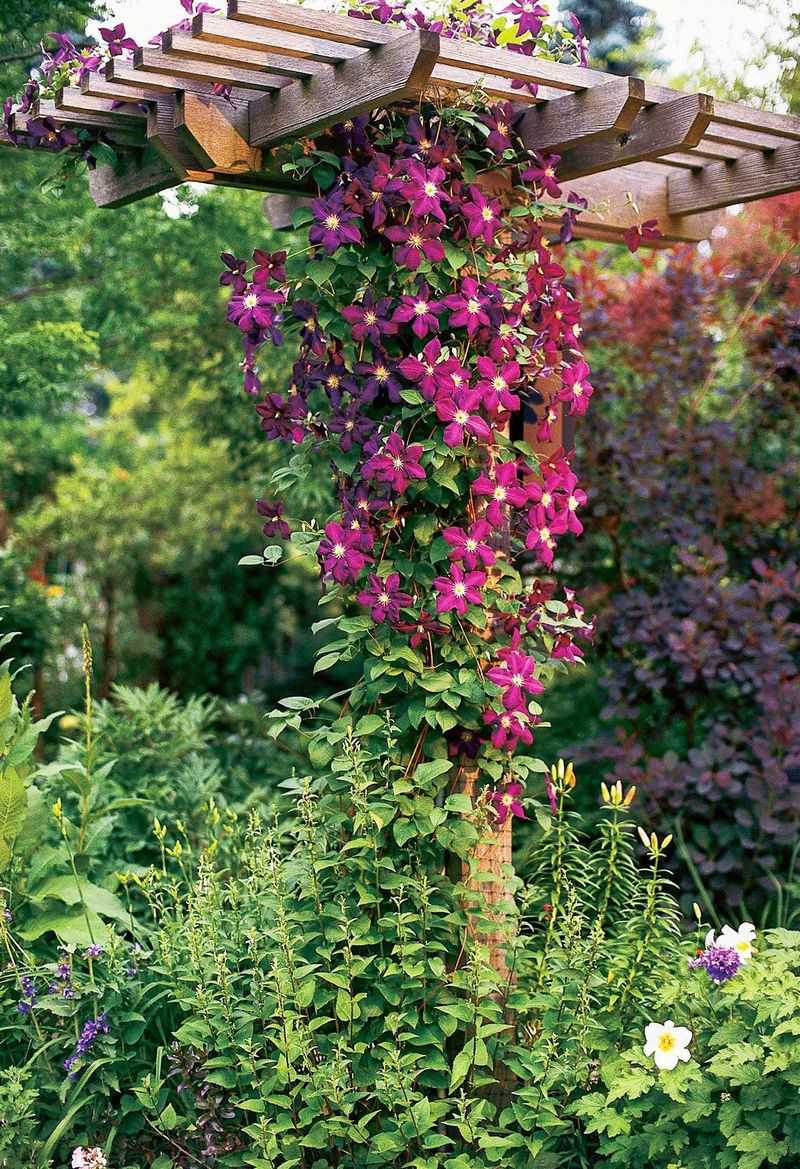
Clematis, often called the “queen of climbers,” adds a vertical dimension to gardens with its prolific blooming and twining vines. Known for their large, star-shaped flowers, Clematis vines are perfect for covering fences, trellises, and pergolas.
With over 300 species, Clematis offers a wide range of colors and blooming times, making them versatile and exciting for garden design. These plants prefer sunny locations with cool roots, so mulch well to keep them thriving.
Clematis exemplifies elegance and can transform any vertical space into a floral spectacle.
8. Daylily
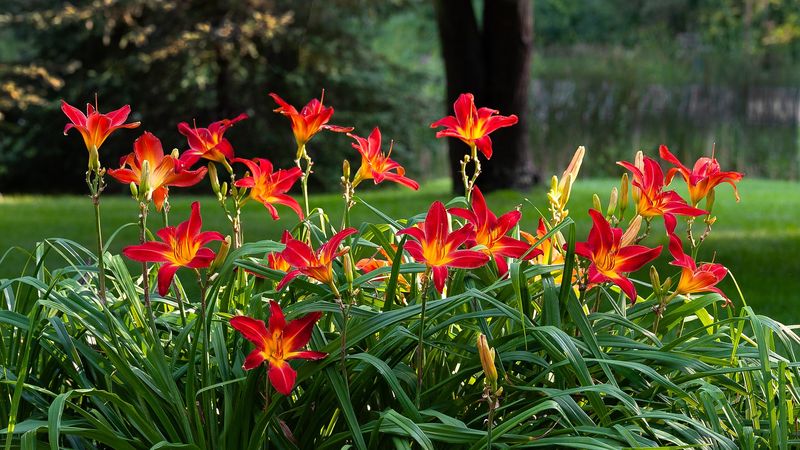
Daylilies are known for their robust nature and showy, trumpet-shaped flowers that bring bursts of color to gardens. Despite their name, each bloom lasts only a day, but the plant produces multiple flowers over an extended period.
These perennials are incredibly resilient, thriving in a variety of conditions and requiring minimal care. Their ability to adapt makes them ideal for less experienced gardeners.
With a rainbow of color options, Daylilies can add a touch of spontaneity and continuous beauty to your garden setting.
9. Lupine
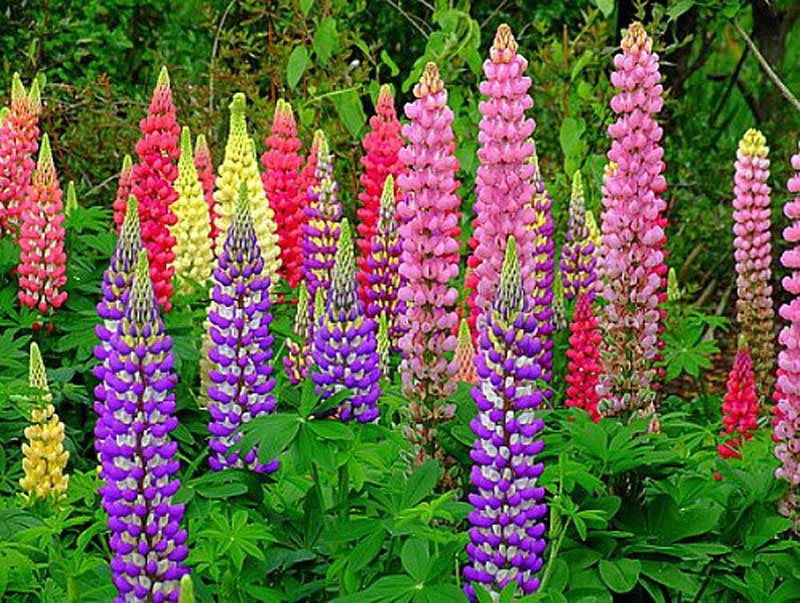
Lupines bring a sense of grandeur to gardens with their tall spires and dense foliage. Known for their nitrogen-fixing capabilities, they enrich the soil while providing a spectacle of blooms.
Originating from North America, Lupines are adaptable and thrive in cooler climates. Their vibrant colors range from blue and purple to pink and white, creating a stunning visual effect.
Lupines are perfect for cottage gardens and wildflower meadows, adding a touch of wild elegance and benefiting the surrounding ecosystem.
10. Hydrangea
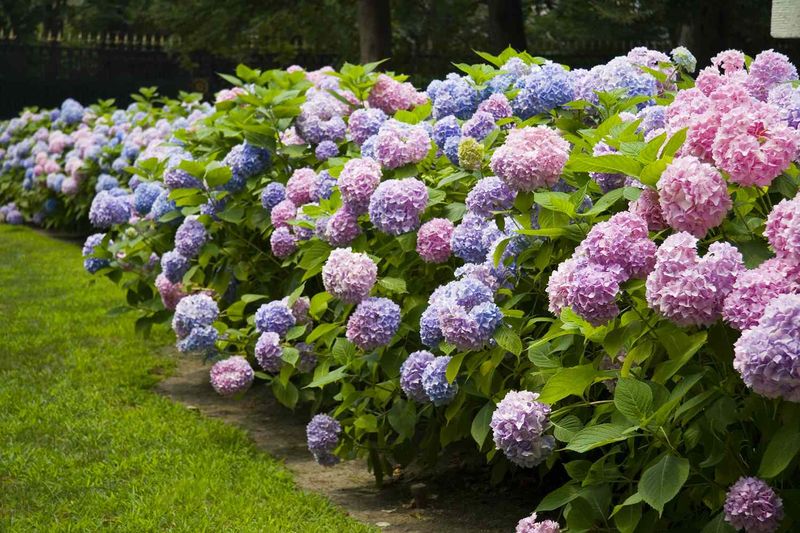
Hydrangeas are admired for their lush, voluminous blooms and ability to change color based on soil pH. These shrubs bring a classic charm to gardens, with flowers ranging from blue to pink to white.
Native to Asia and the Americas, Hydrangeas thrive in well-drained, moist soil and can flourish in both sun and partial shade. Their long blooming season makes them a favorite for gardeners seeking lasting color.
Whether in borders or as focal points, Hydrangeas add a timeless beauty to any garden.
11. Lavender
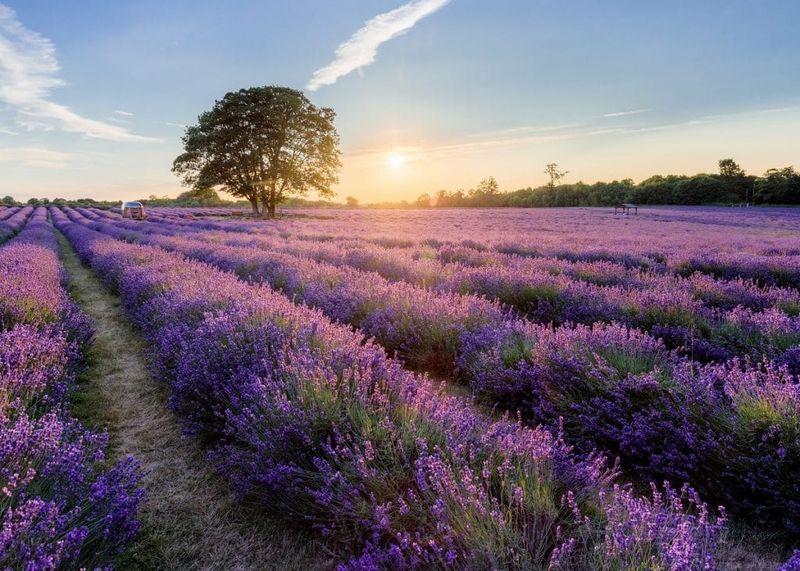
Lavender is cherished for its soothing fragrance and beautiful, silvery foliage. Known for its calming properties, it’s a staple in both gardens and herbal medicine.
Originally from the Mediterranean, Lavender thrives in sunny, dry conditions, making it perfect for rock gardens and borders. Its purple blooms attract pollinators, contributing to a healthy garden ecosystem.
With its aromatic presence and drought tolerance, Lavender is an excellent choice for those seeking a low-maintenance, fragrant garden addition.
12. Astilbe
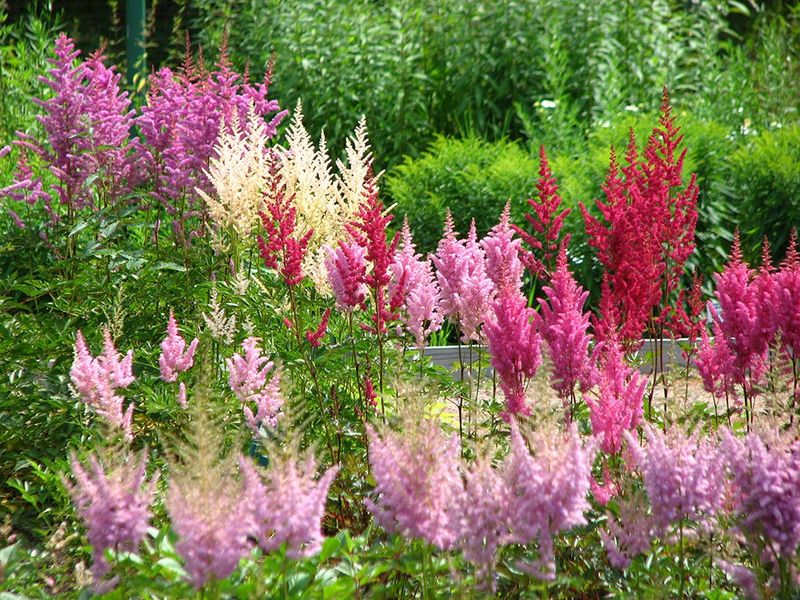
Astilbe is a shade-loving perennial known for its elegant, feathery plumes that rise above fern-like foliage. They bring texture and softness to garden settings, particularly in shaded areas.
These plants are perfect for woodland gardens or damp, shaded beds, requiring little more than consistent moisture to thrive. Astilbe comes in various colors, including pink, white, and red, adding subtle charm wherever planted.
Their ability to brighten darker garden spots makes them invaluable for creating depth and interest.
13. Foxglove
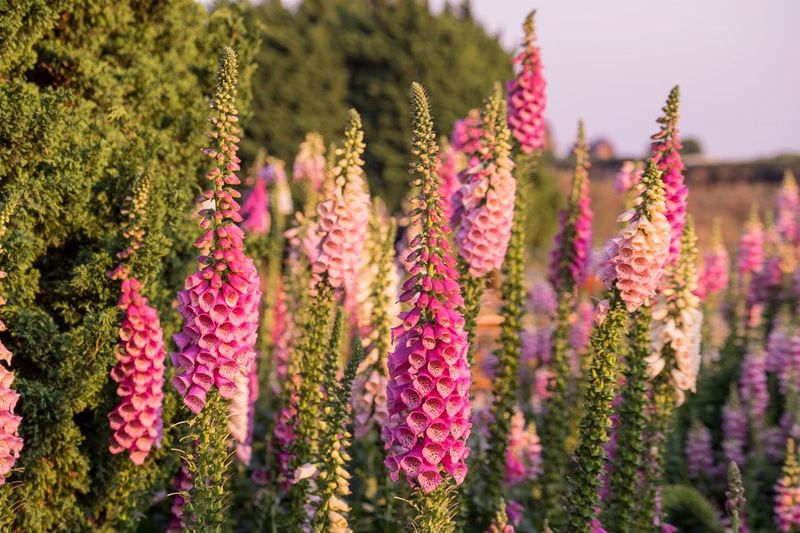
Foxgloves, with their stately spikes of tubular flowers, add a touch of elegance and vertical interest to gardens. Known for their biannual bloom cycle, they provide beautiful displays every other year.
These plants, loved by pollinators, originate from Europe and thrive in well-drained, sunny locations. Their pastel shades of pink, purple, and white enhance any cottage or wildlife garden.
Caution is advised, as Foxglove is toxic if ingested, but their beauty is unmatched in the garden landscape.
14. Bleeding Heart
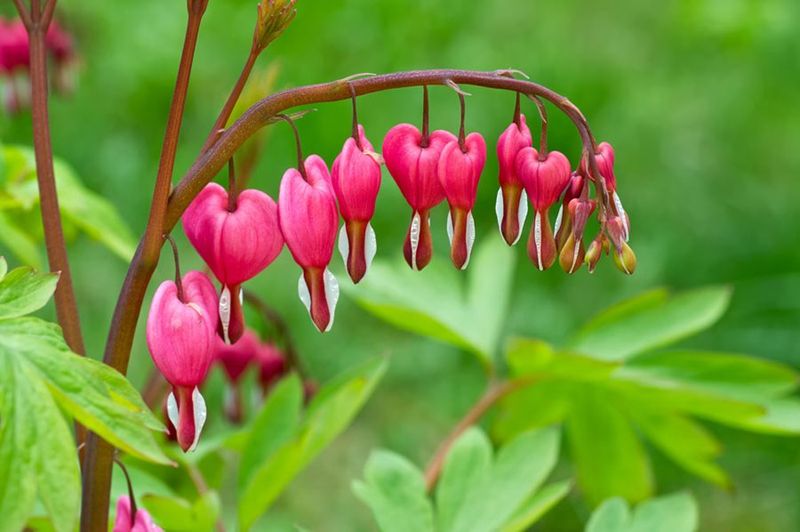
Bleeding Hearts captivate with their heart-shaped flowers that dangle from arching stems. These enchanting plants bring a romantic, nostalgic feel to shaded garden corners.
Native to Asia and North America, they prefer cool, moist environments and are often found in woodland gardens. Their blooms, appearing in spring, add a delicate touch to any garden setting.
Despite their fragile appearance, Bleeding Hearts are hardy perennials, delighting gardeners with their unique form and soft color palette.
15. Coneflower
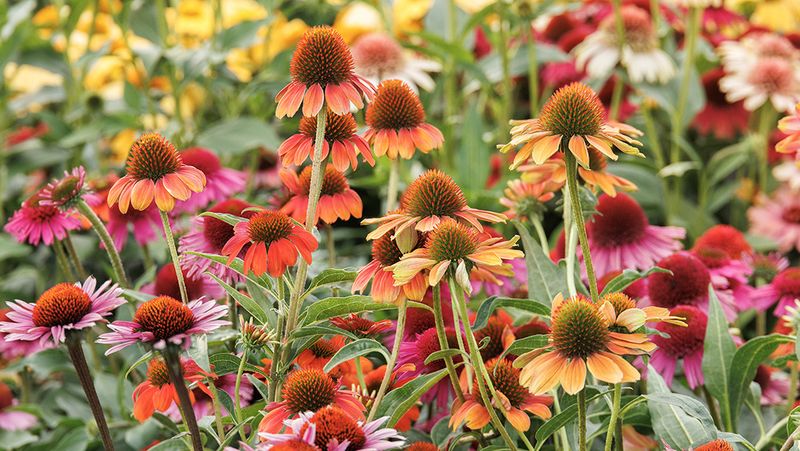
Coneflowers, or Echinacea, are adored for their daisy-like appearance and resilience. Known for their medicinal properties, they are a staple in both wildflower meadows and traditional gardens.
These perennials thrive in sunny locations, offering blooms throughout the summer. Their ability to attract pollinators like bees and butterflies makes them valuable for biodiversity.
With vibrant colors ranging from purple to pink, Coneflowers add both beauty and ecological benefits to any garden.
16. Cannas
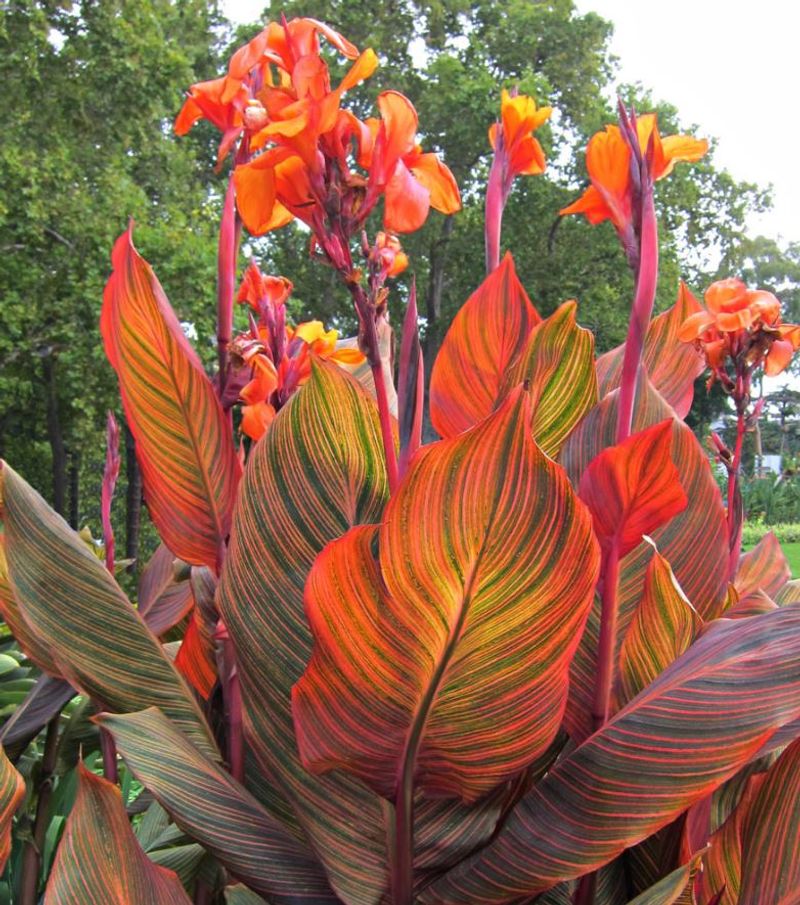
Cannas bring a taste of the tropics to gardens with their broad, banana-like leaves and strikingly vibrant flowers. These bold plants create a dramatic effect, perfect for those who love a touch of the exotic.
Cannas thrive in sunny, warm environments and are often used in water gardens or as focal points in landscape designs. Their ability to grow in wet, marshy areas makes them versatile additions to diverse garden settings.
With their vivid colors and lush foliage, Cannas are a feast for the eyes.
17. Caladium
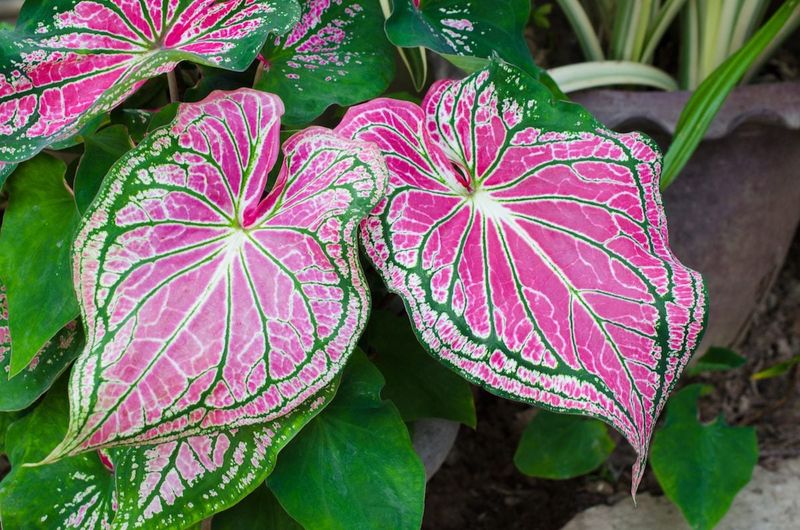
Caladiums are celebrated for their stunning foliage, featuring heart-shaped leaves in vibrant patterns and colors. These plants are perfect for adding visual interest to shaded garden areas.
Native to South America, Caladiums thrive in warm, humid conditions, making them ideal for indoor gardens or shaded outdoor beds. Their unique leaf patterns range from red and pink to white and green, offering endless design possibilities.
Caladiums add an artistic touch to any garden, turning ordinary spaces into visually captivating environments.
18. Begonia
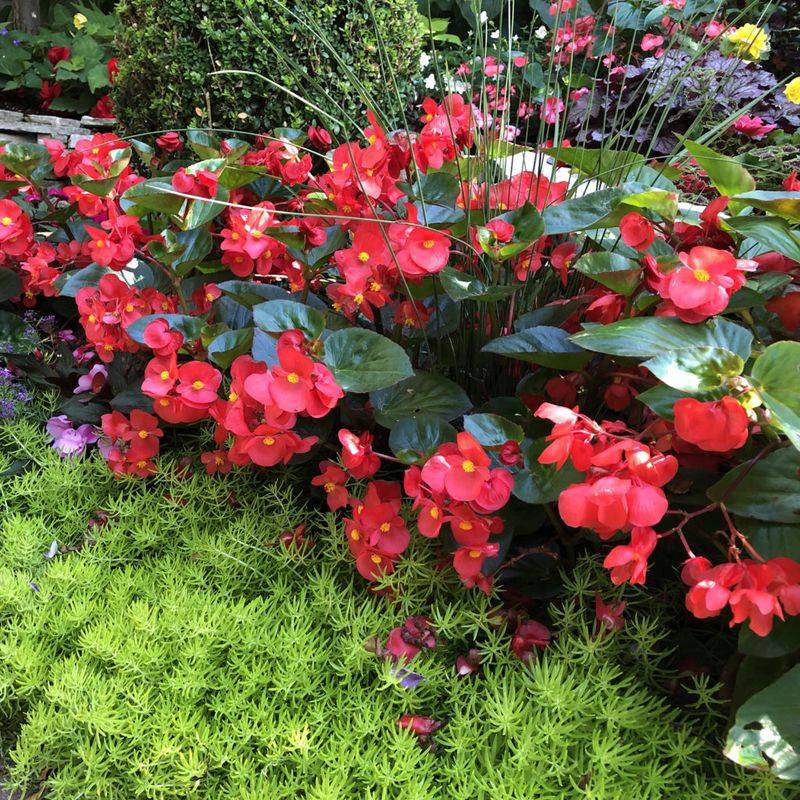
Begonias are versatile plants known for their vibrant blooms and attractive foliage. These plants are suitable for a variety of settings, from hanging baskets to shaded garden beds.
With a wide range of species, Begonias offer flowers in shades of red, pink, and white, along with distinctive, often patterned leaves. They thrive in humid conditions with indirect light, making them ideal for both indoor and outdoor gardens.
Begonias provide continuous blooms and add a touch of color to otherwise overlooked spaces.
19. Gladiolus
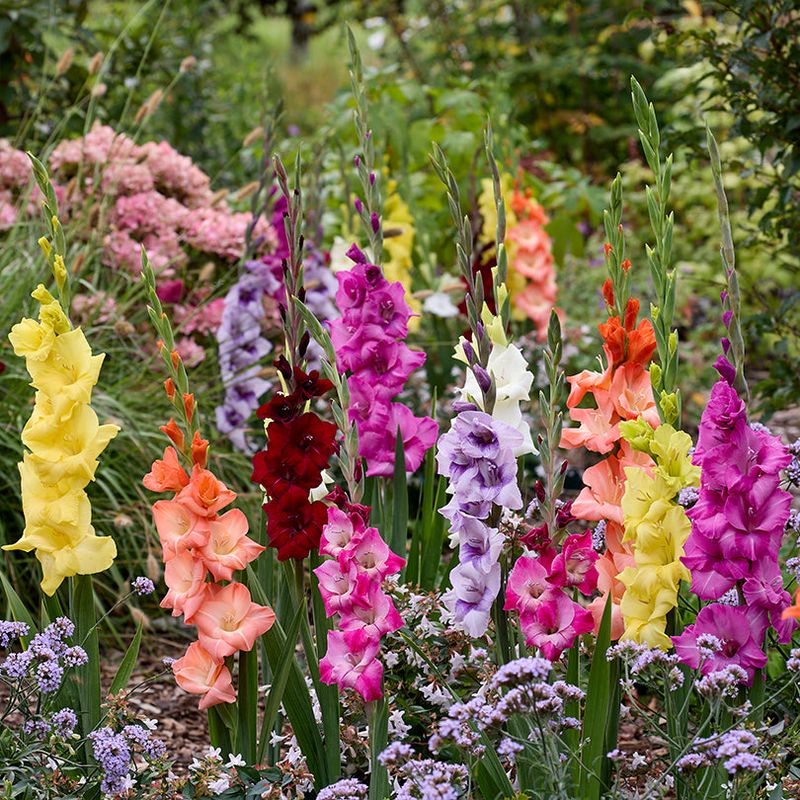
Gladiolus, known for their tall, sword-like spikes, bring a touch of drama and elegance to gardens. With an array of colors from soft pastels to vibrant hues, they make stunning cut flowers.
These plants thrive in sunny, well-drained locations and are often used in borders or as focal points in landscape designs. Gladiolus bulbs are easy to plant and care for, making them accessible for gardeners of all skill levels.
Their towering presence adds stature and visual interest to garden settings.
20. Peony Rose
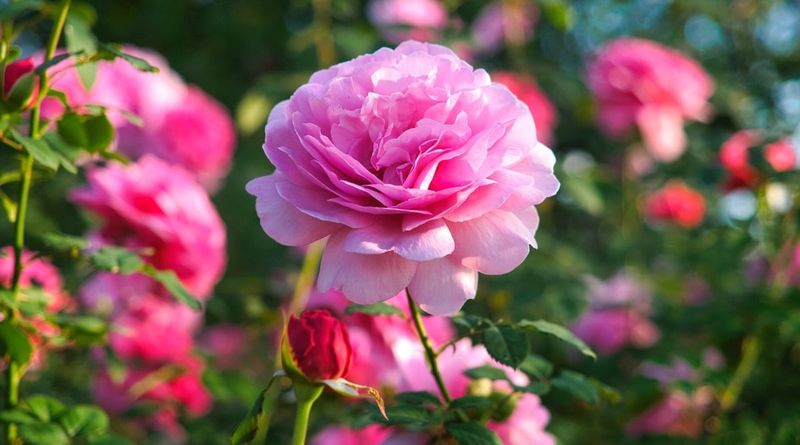
Peony Roses, distinct from traditional peonies, offer lush, rose-like blooms that bring elegance and fragrance to gardens. Known for their hardiness, they thrive in a variety of climates.
These shrubs prefer sunny locations and well-drained soil, rewarding gardeners with bountiful blooms each spring. Their ability to attract pollinators adds ecological value to their aesthetic appeal.
With their classic beauty and delightful scent, Peony Roses are a timeless addition to garden landscapes.
21. Sedum
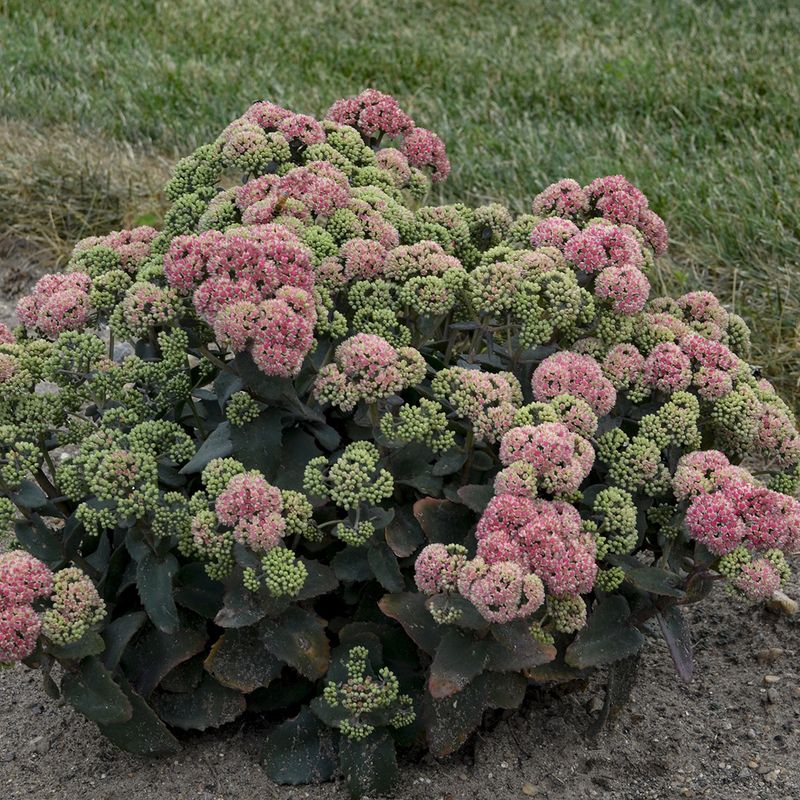
Sedums, or stonecrops, are beloved for their succulent leaves and ability to thrive in rocky, dry conditions. These hardy plants are perfect for rock gardens and xeriscaping.
With over 600 species, Sedums offer a variety of forms and colors, from low-growing ground covers to upright flowering stems. Their drought tolerance and ability to attract pollinators make them a practical choice for sustainable gardening.
Sedums add texture and interest to gardens, particularly in challenging growing environments.
22. Lilac
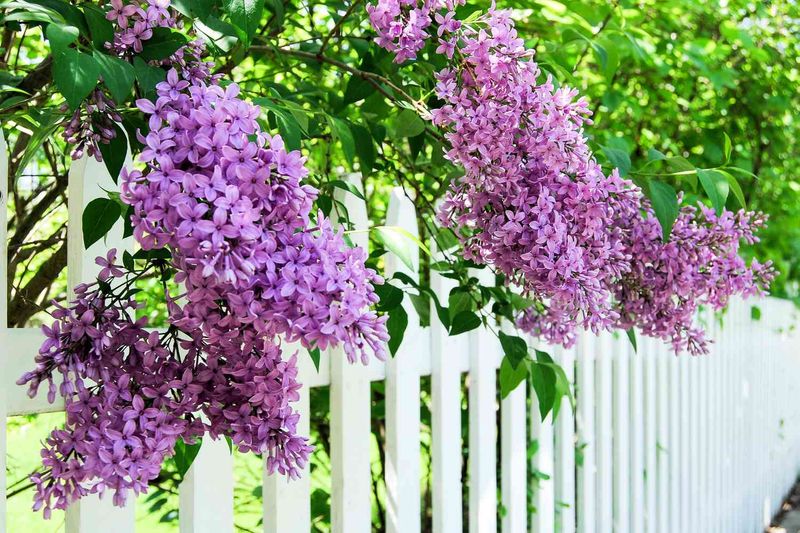
Lilacs are cherished for their intoxicating fragrance and beautiful clusters of purple flowers. These shrubs bring a sense of nostalgia and romance to any garden setting.
Thriving in well-drained soil and sunny locations, Lilacs bloom in late spring, offering delightful scents that attract pollinators. Their long-lasting blooms and ease of care make them a favorite for traditional and cottage gardens.
With their charming presence and delightful aroma, Lilacs create a peaceful garden retreat.
23. Sweet Pea
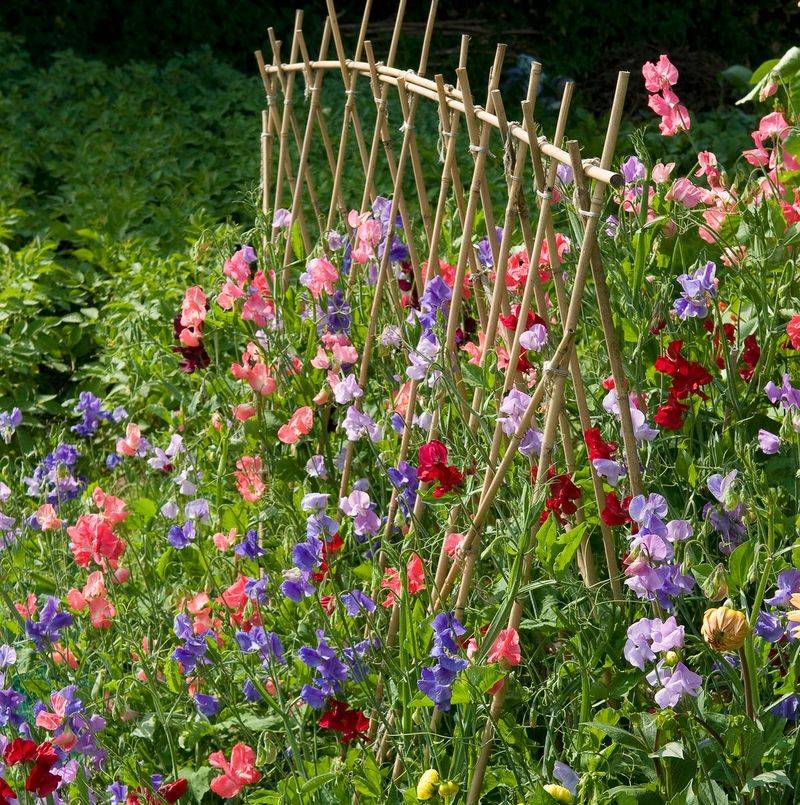
Sweet Peas, with their delicate blooms and captivating scent, bring a sense of charm and elegance to gardens. Known for their climbing habit, they are perfect for trellises and fences.
Originally from the Mediterranean, Sweet Peas thrive in cooler climates and require well-draining soil. Their pastel flowers in pink, purple, and white are a favorite for cut arrangements.
Sweet Peas add a romantic touch to gardens, offering both visual beauty and delightful fragrance.
24. Hibiscus
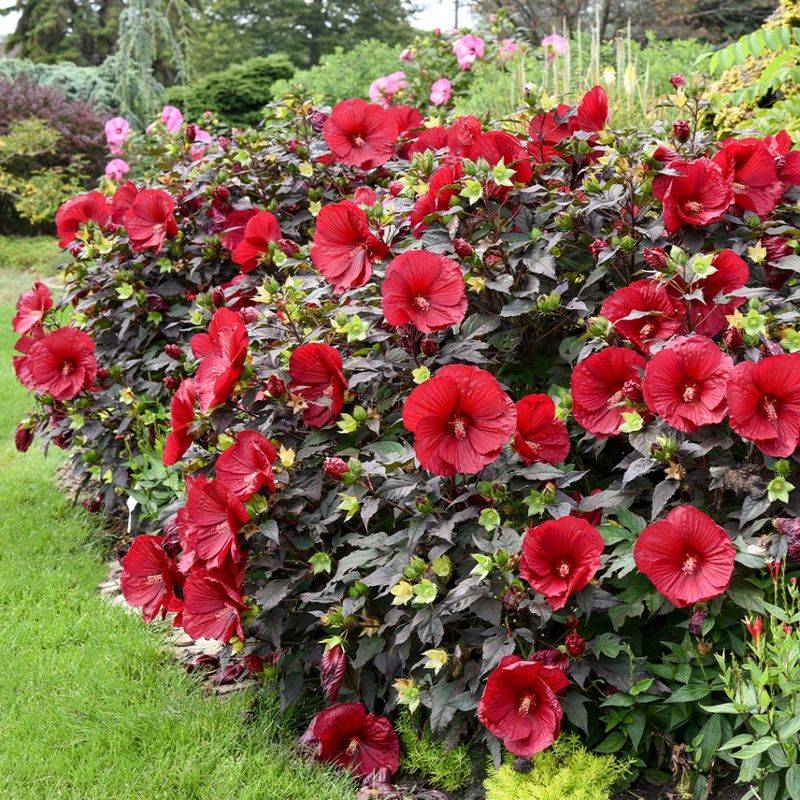
Hibiscus plants are renowned for their large, showy flowers that bring a tropical flair to gardens. These plants thrive in sunny, warm environments, making them ideal for container or landscape planting.
With their radiant blooms and lush foliage, Hibiscus attracts pollinators and adds a vibrant touch to any garden. Their ability to bloom continuously throughout warm months makes them a favorite for those seeking lasting color.
Whether used as a focal point or in mass plantings, Hibiscus transforms any garden into a tropical paradise.
25. Coreopsis
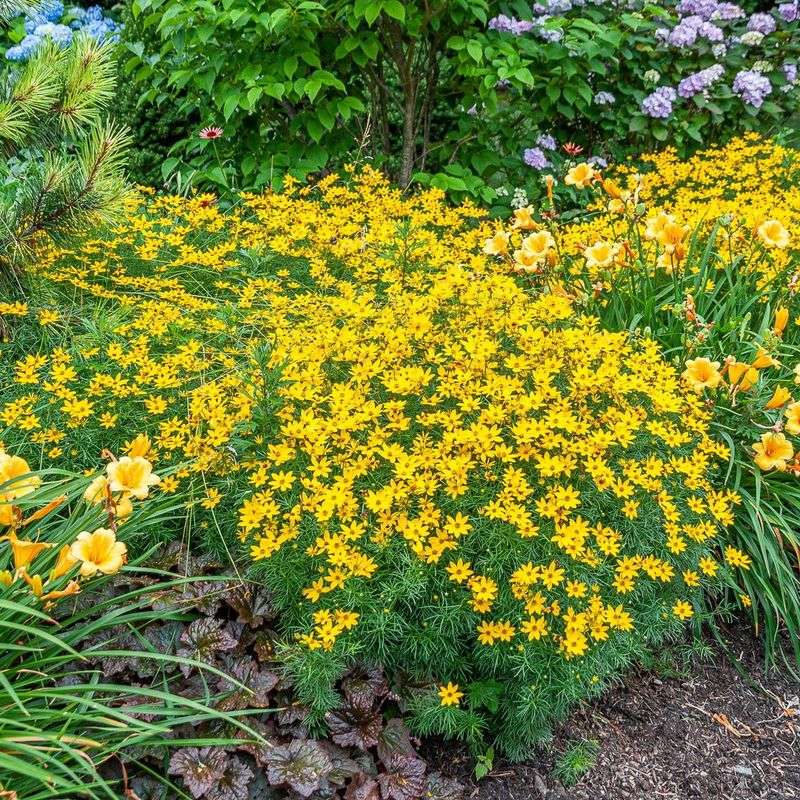
Coreopsis, often called tickseed, is adored for its bright, cheerful flowers that can light up any garden space. Known for their long blooming season, they provide continuous color from early summer to fall.
These perennials thrive in sunny locations and are drought-tolerant, making them ideal for low-maintenance gardens. Their ability to attract butterflies adds ecological value to their aesthetic appeal.
With their sunny disposition and ease of care, Coreopsis adds joy and vibrancy to garden settings.
26. Pansy
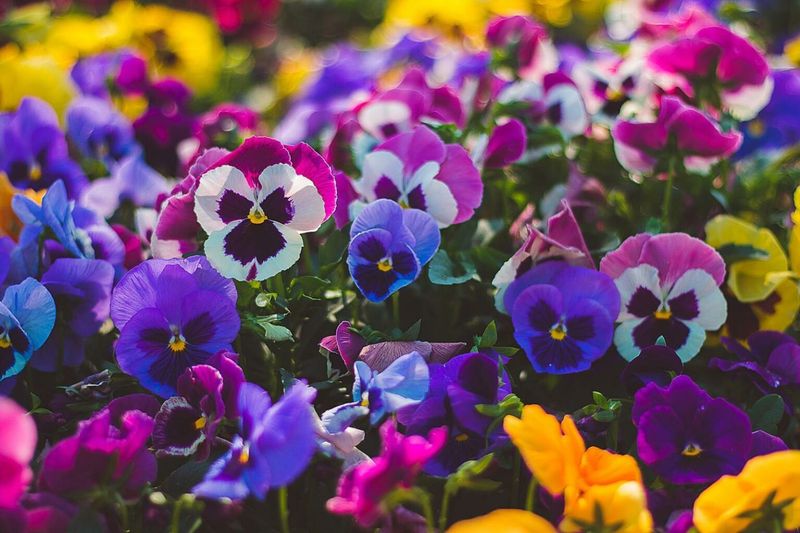
Pansies are beloved for their vibrant colors and charming “faces.” These cool-weather annuals are perfect for adding color to spring and fall gardens.
With their wide range of hues, including purple, yellow, and white, Pansies are versatile and can be planted in beds, borders, or containers. Their ability to withstand cooler temperatures makes them ideal for bridging the gap between seasons.
Pansies offer a cheerful addition to gardens, providing continuous blooms and delightful color.
27. Snapdragon
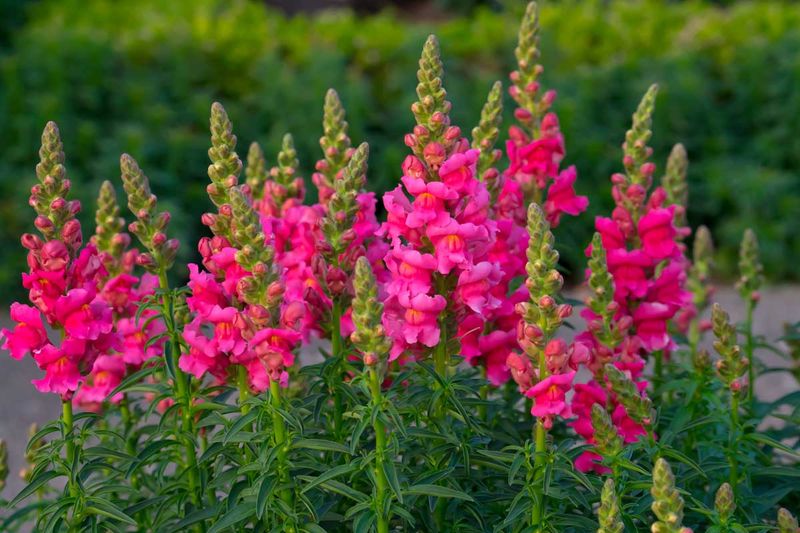
Snapdragons bring a touch of whimsy to gardens with their tubular flowers and range of vivid colors. Known for their vertical growth, they add height and interest to garden borders.
These annuals thrive in sunny, well-drained locations and are easy to grow, making them popular for gardeners of all experience levels. Their ability to attract pollinators like bees and hummingbirds adds ecological value.
With their playful blooms and ease of care, Snapdragons create a lively garden display.
28. Marigold
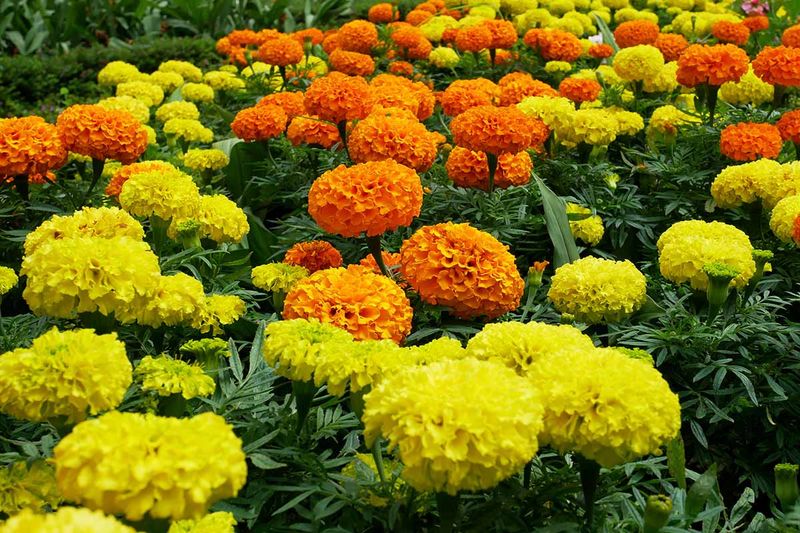
Marigolds are celebrated for their vibrant colors and ability to deter garden pests. These hardy annuals are perfect for adding a splash of color to summer gardens.
With their cheerful orange and yellow blooms, Marigolds are easy to grow and thrive in sunny locations with well-drained soil. Their natural pest-repelling properties make them a valuable companion plant.
Marigolds bring both beauty and practicality to gardens, offering continuous blooms and natural pest control.
29. Petunia
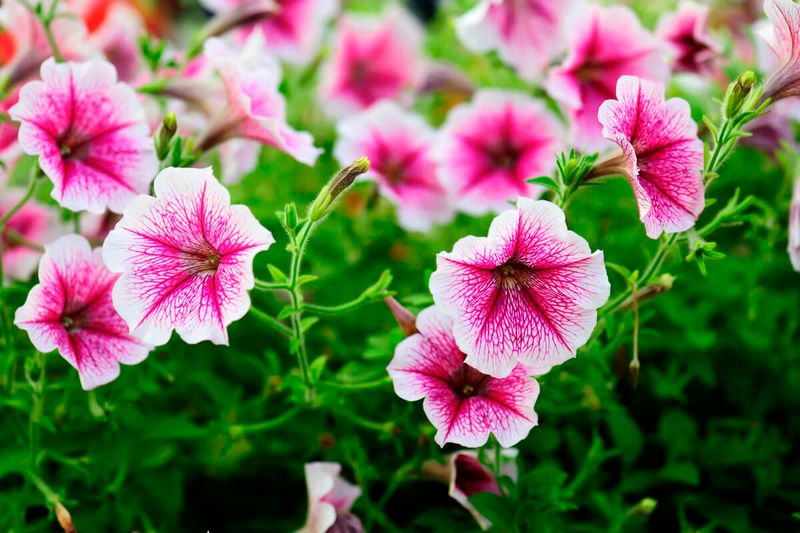
Petunias are a favorite for hanging baskets and containers, known for their prolific blooms and wide range of colors. These annuals provide a long season of beauty, from spring through fall.
With colors spanning from pink and purple to white and red, Petunias offer versatility and ease of care. They thrive in sunny locations and well-drained soil, making them ideal for both novice and experienced gardeners.
Petunias add cascading beauty and vibrant color to any garden setting.
30. Geranium
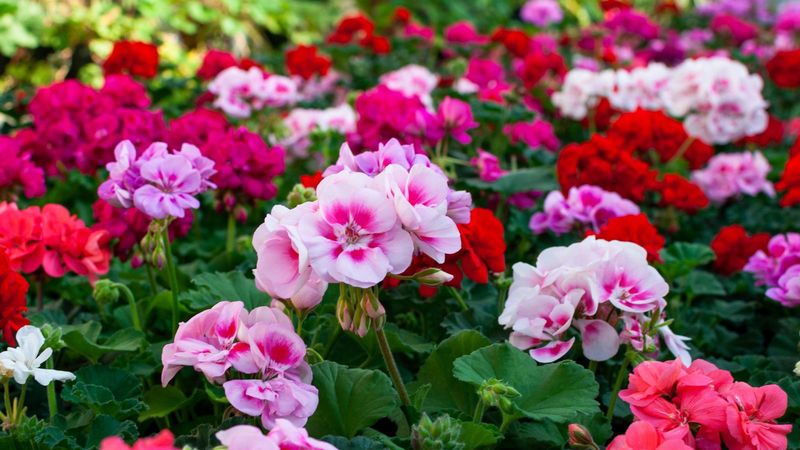
Geraniums are versatile plants, known for their clusters of vibrant flowers and aromatic foliage. These perennials are well-suited for container planting and garden beds alike.
With their wide range of colors, including red, pink, and white, Geraniums add a classic charm to any garden. They thrive in sunny conditions and are relatively easy to care for, making them a popular choice among gardeners.
Geraniums bring continuous color and a touch of nostalgia to garden landscapes.
31. Salvia
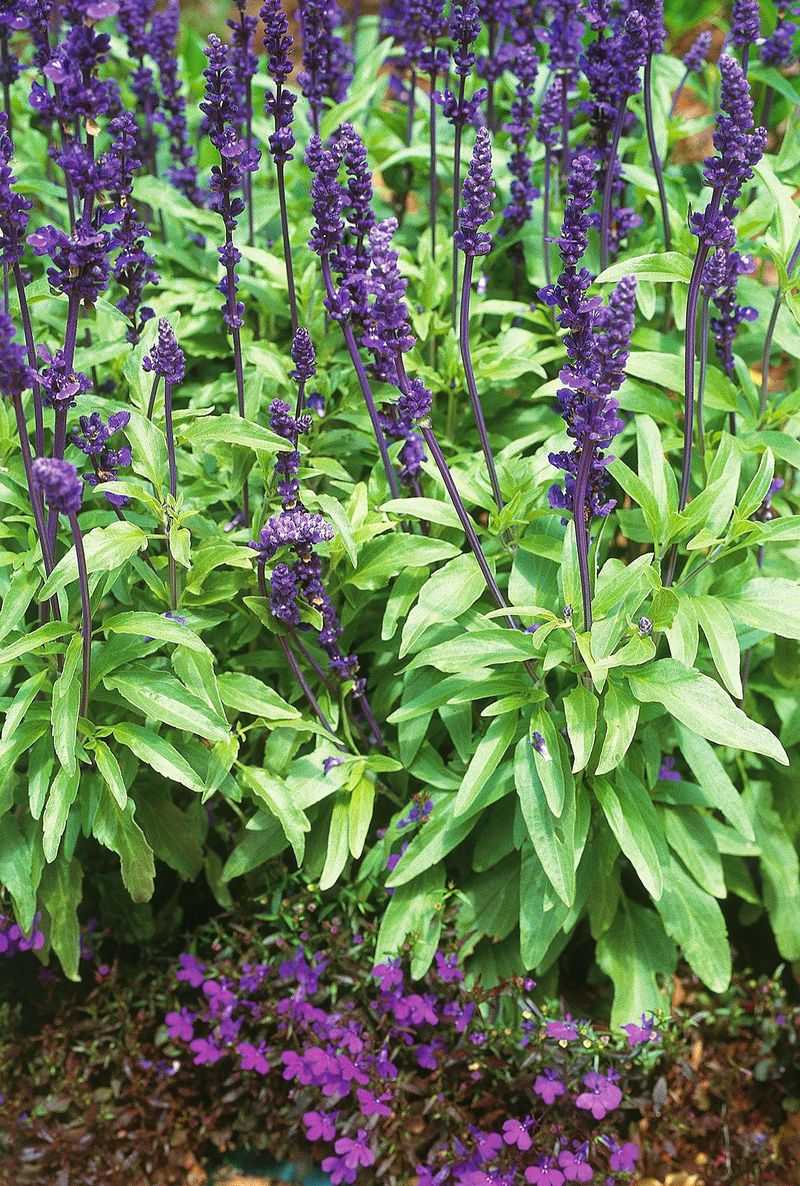
Salvias, known for their spiky blooms and aromatic foliage, are a must-have for any garden seeking to attract pollinators. These perennials thrive in sunny, well-drained locations, offering vibrant colors from spring through fall.
With species ranging from blue and purple to red and white, Salvias provide a diverse palette for garden design. Their drought tolerance and ease of care make them ideal for sustainable gardening.
Salvias add vertical interest and ecological value to any garden setting.
32. Yarrow
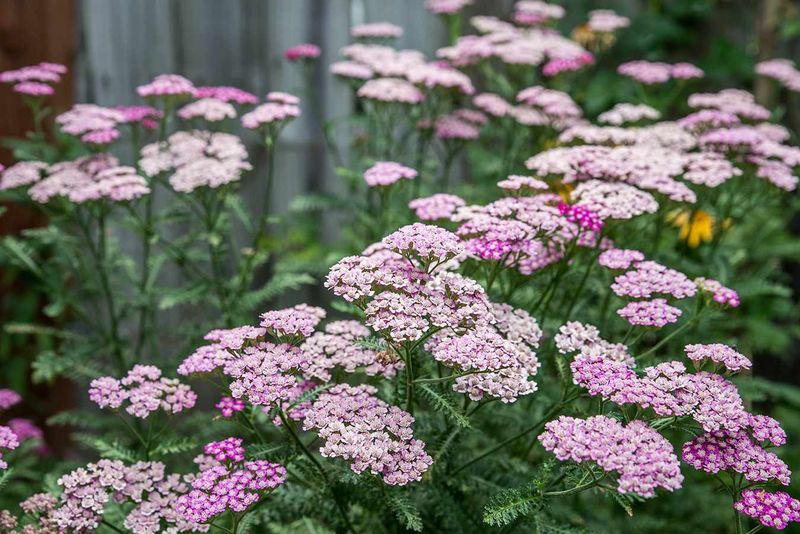
Yarrow is celebrated for its clusters of tiny flowers and fern-like foliage, bringing a wild, natural feel to gardens. Known for its medicinal properties, Yarrow is a staple in herbal medicine gardens.
These hardy perennials thrive in sunny, well-drained locations and require minimal care, making them ideal for low-maintenance gardening. Their ability to attract butterflies and resist deer adds ecological benefits.
With its rustic charm and practicality, Yarrow enhances garden landscapes with grace and resilience.
33. Heuchera
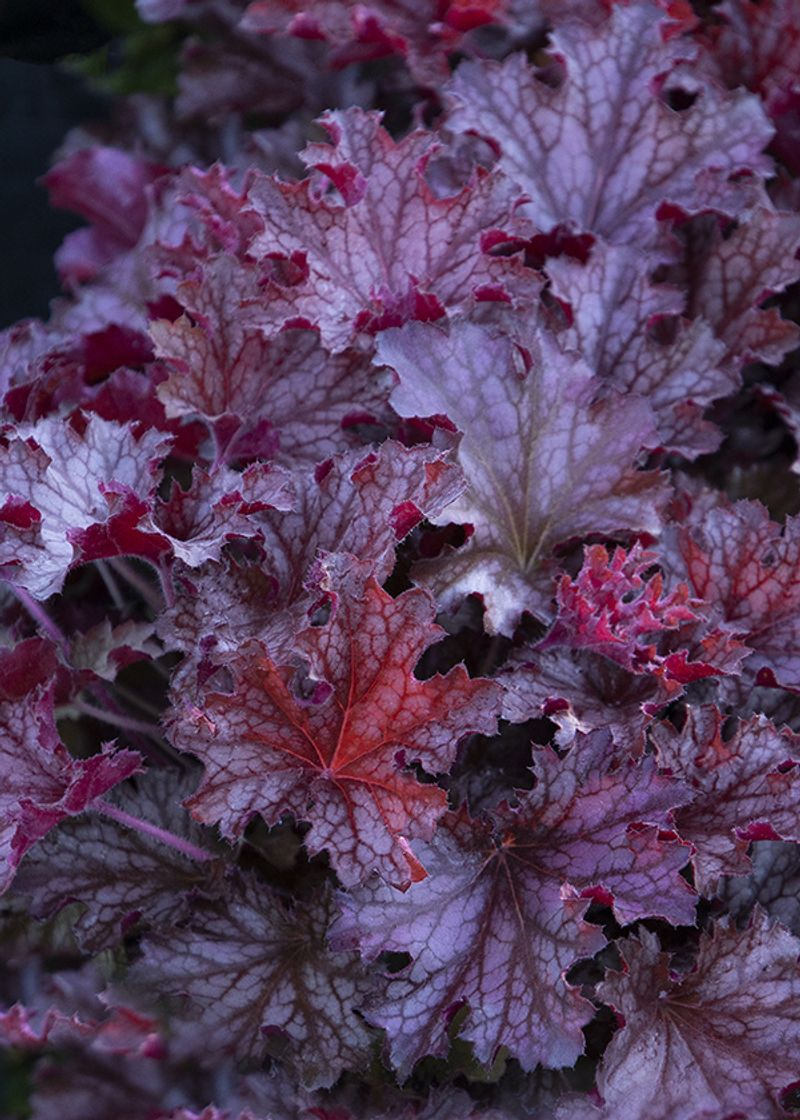
Heuchera, or coral bells, are admired for their vibrant foliage and delicate flowers. These perennials bring color to shaded areas, with leaves in shades of pink, red, and green.
Native to North America, Heuchera thrives in well-drained, shaded locations, adding depth and interest to garden beds. Their small flowers attract pollinators, supporting local ecosystems.
With their stunning foliage and ease of care, Heuchera adds texture and color to any garden setting.
34. Alyssum
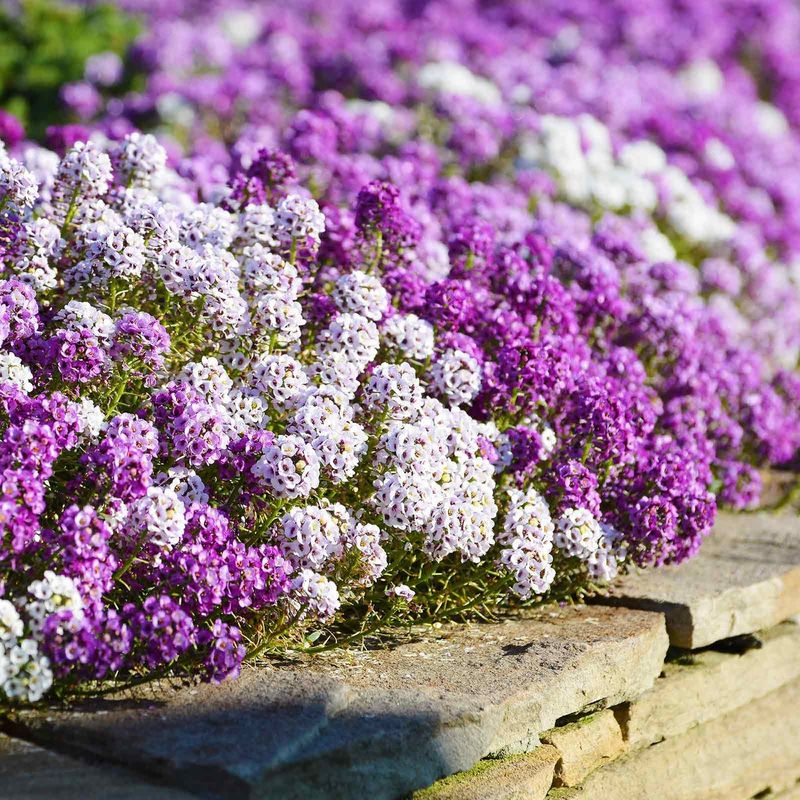
Alyssum is beloved for its sweet fragrance and delicate, carpet-like blooms. These annuals are perfect for adding texture and scent to garden borders and containers.
With their tiny flowers in shades of white, purple, and pink, Alyssum thrives in sunny locations and well-drained soil. Their compact growth habit makes them ideal for edging and filling in gaps in garden beds.
Alyssum adds a touch of fragrance and charm, creating a welcoming garden atmosphere.
35. Lisianthus
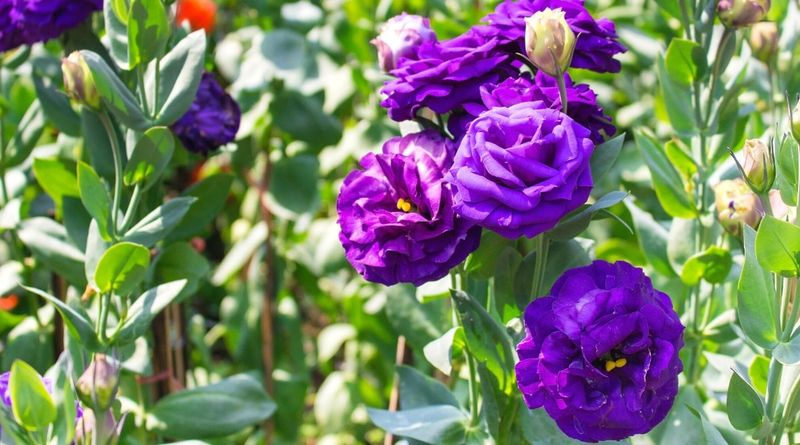
Lisianthus brings elegance to any garden with its rose-like appearance. Known for its stunning, delicate petals, it blooms in shades of pink, white, and purple.
This plant thrives in well-drained soil and full sun, making it perfect for summer gardens. Its blooms last long, providing a continuous display.
Interesting fact: Lisianthus is often used in bridal bouquets due to its romantic appeal. Its elegance and variety make it a delightful choice for gardeners seeking something truly unique.
36. Liatris
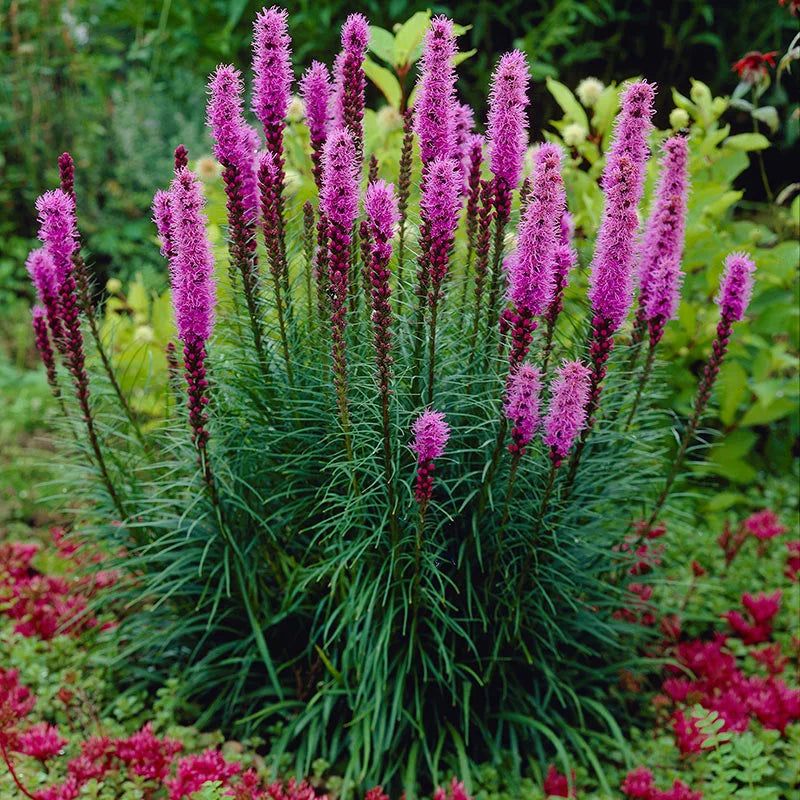
Liatris, commonly known as blazing star, is a tall perennial with spikes of purple flowers. Its unique structure adds vertical interest to gardens.
Liatris attracts pollinators like butterflies, enhancing the ecological value of your garden. It prefers sunny spots and well-drained soil.
Fun fact: Liatris is often used in floral arrangements for its striking appearance and long vase life, making it a favorite among florists.
37. Hellebore
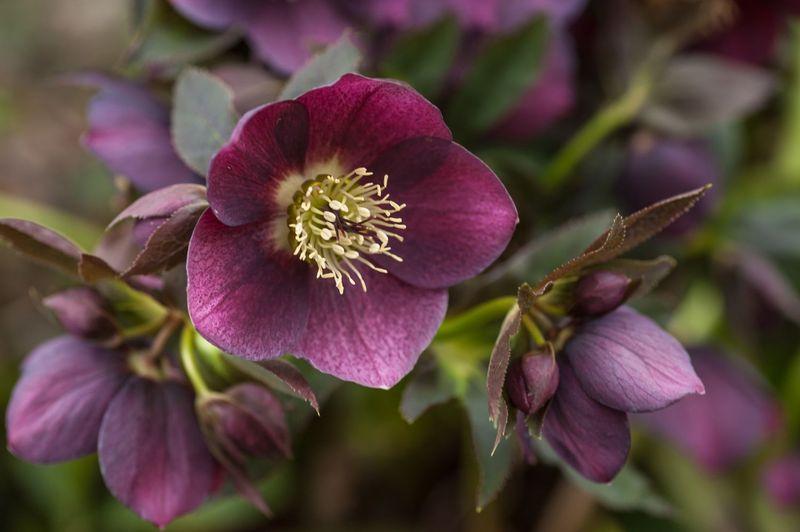
Hellebores, also known as winter roses, bloom in early spring, bringing color when most other plants are dormant. Their nodding flowers come in a variety of hues from pink to deep purple.
These perennials are shade-tolerant, making them perfect for woodland gardens. They are also deer-resistant, adding to their appeal.
Did you know? Hellebores have been cultivated since ancient times for their beauty and resilience in challenging climates.