
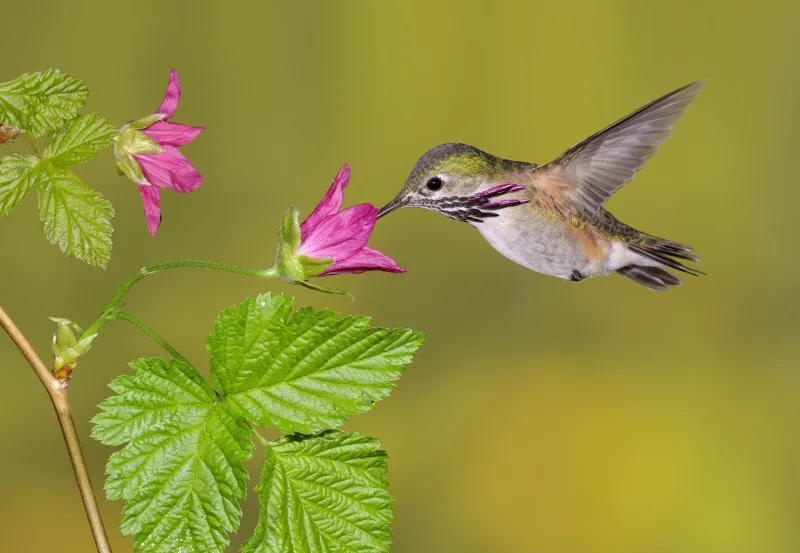
Plenty of California yards see regular bird visitors even when no feeder is hanging anywhere. Birds are looking for food, cover, and water, and a yard can offer all three in ways that are easy to miss.
Plants, layers of vegetation, and a clean shallow bath do much of the work. Here is how they fit together, and how to match them to your own corner of the state.
A yard can offer more than one reason for birds to visit
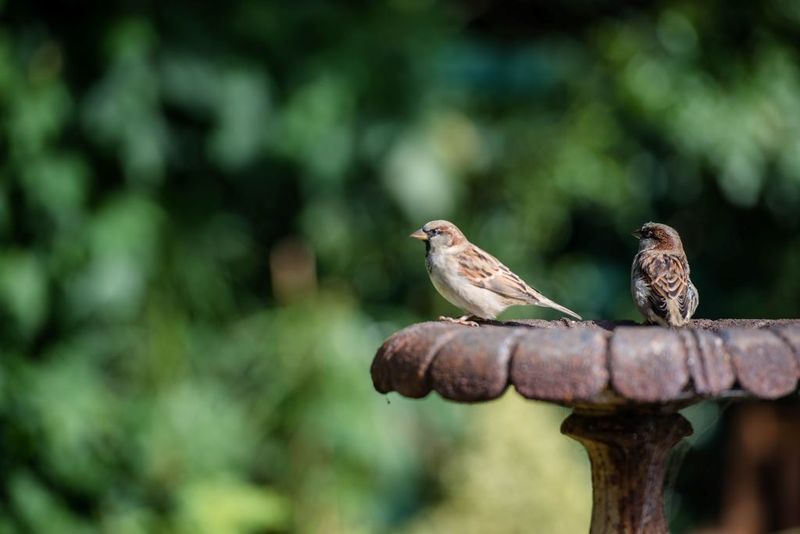
A feeder is one way to give birds food, but it is not the only way. A yard can also supply seeds, berries, nectar, and insects through its plants, along with places to hide, perch, and nest.
Birds that never visit a feeder may still find plenty to use.
Researchers in Southern California looked at this idea during winter. In a 2023 study of residential yards in Greater Los Angeles, native-landscaped yards were associated with greater bird richness and abundance than non-native-landscaped yards.
The difference was strongest for species linked to tree- and shrub-dominated habitats. Richness means the number of different species, and abundance means how many birds were counted.
It helps to know what the study did not do. It did not compare yards with feeders to yards without them, and it did not show that the native yards had no feeders.
It also found an association, so it cannot say native plants alone caused the differences.
The study also found that bigger yards and yards closer to urban greenspace tended to see more birds. So the habitat idea is sound and worth trying, but no yard is guaranteed a crowd.
Think of it as stacking the odds in your favor, one useful feature at a time, while the results depend on where you live.
Plants keep a varied food supply in the yard
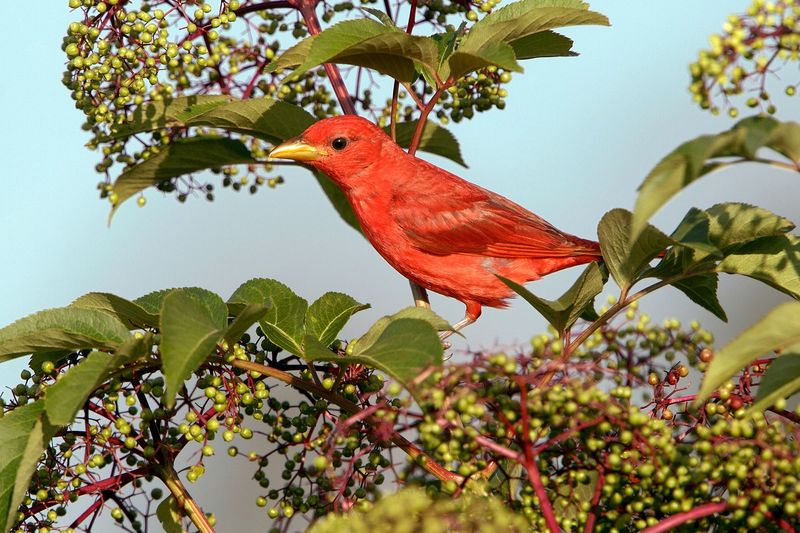
Walk a healthy yard in fall and you may spot berries ripening, seed heads drying, and flowers still open. Each of these feeds different birds.
Some eat fruit, some pick seeds, hummingbirds sip nectar, and many songbirds hunt insects among the leaves.
Cornell Lab guidance on providing seeds and shelter for backyard birds points out that a mix of plants supplies food across the year while also giving birds cover. Plants do more than feed, too.
They offer twigs, fibers, and fluff that birds gather for nest building.
Insects deserve special mention. Many birds lean on them heavily, especially when feeding young.
Cornell’s advice on growing native plants to bring birds to your garden connects plant variety with the insects that live on those plants.
A practical way to use this is to look at your yard by season. Is there something to eat in late summer, when the dry heat bites?
What about winter, or early spring? Filling a gap with one well-suited plant is a modest, doable step.
Natural food has limits. A yard may not meet every species’ needs in every season, and some birds will still pass through to find resources elsewhere.
That is normal, and it is no sign you did something wrong.
Layers of vegetation offer shelter and places to move
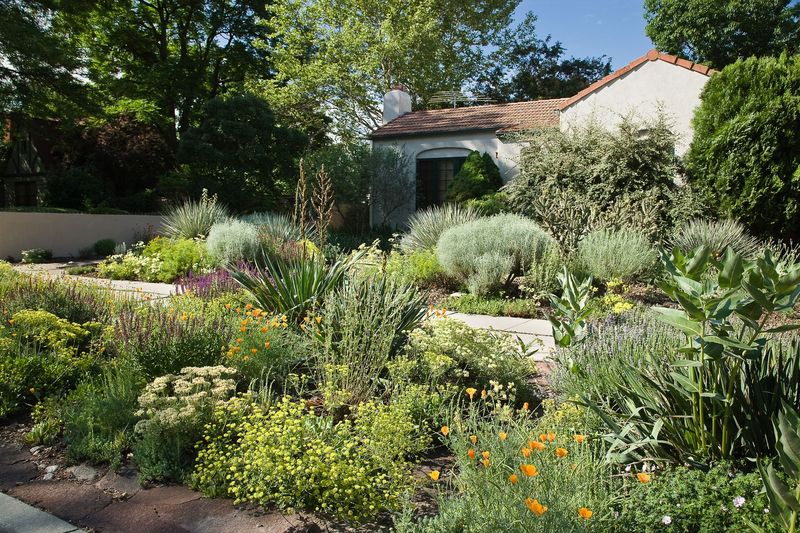
Food gets a bird’s attention, but cover decides whether it stays. A yard with only lawn and a fence gives little room to hide from a hawk or rest between meals.
Add a tree, a few shrubs, and some low plants, and the same space suddenly offers many options.
Think in layers. Tall trees give lookouts and possible nest sites.
Shrubs offer quick shelter and protected nesting spots, while low plants and leaf litter suit birds that forage near the ground. Cornell Lab’s guidance on seeds and shelter for backyard birds describes how plants at different heights give birds places to perch, hide, and nest.
Connection matters too. Plantings that link up, even loosely, let birds move from one spot to the next without crossing wide open ground.
A hedge along a fence line that meets a tree canopy works better than isolated single plants.
You do not need a full redesign. Try adding one shrub near an existing tree, or let a corner of the yard grow a bit fuller.
Small changes like these build structure over time.
If you live in a fire-prone area, spacing and placement matter, and the section on hazards below covers that. Layers can be planned with that in mind.
Choose California plants to fit the site
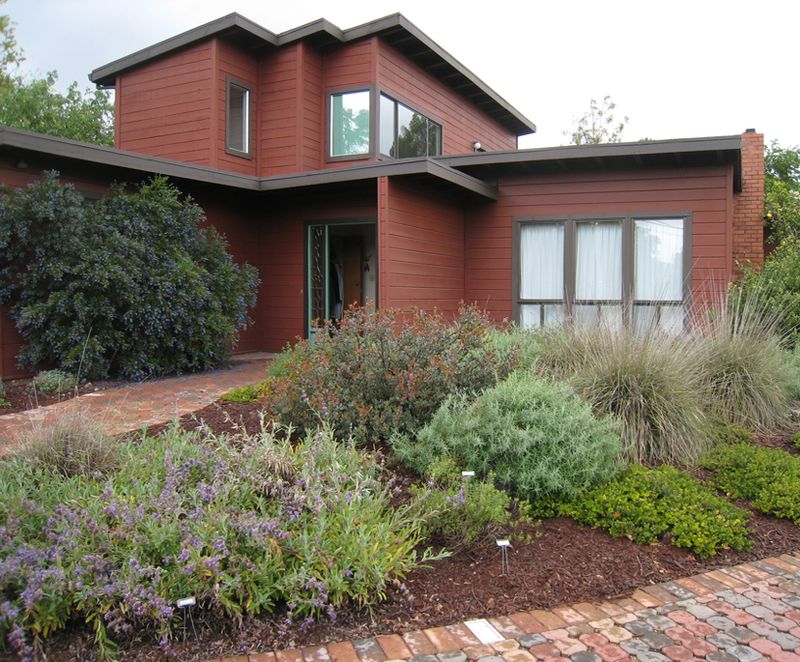
California covers coastal fog belts, hot inland valleys, mountain foothills, and desert edges, so no single plant list works everywhere. The Greater Los Angeles study named oaks (Quercus), toyon (Heteromeles), and manzanitas (Arctostaphylos) among plants associated with bird feeding preferences in that area.
They are good ideas to research, not orders.
The authors of the same Ecosphere study also suggested that yards with more than 20 percent native tree cover and 40 percent native shrub cover could have a greater effect on winter birds. Those numbers come from the study area.
They are not a statewide target, so treat them as a rough reference point.
The better question is what fits your yard. California Native Plant Society guidance encourages gardeners to consider regional climate and microclimate, sun, soil, and drainage, and to choose plants native to their own region.
Here is a quick way to start. Notice where sun lands in summer, where water pools in winter, and how your soil feels.
Then look for plants native to your area that suit those conditions.
Not every California native belongs in every yard. A shrub that thrives on a dry slope may struggle in a damp, shaded corner.
Matching plant to place helps it survive on less water, which suits our dry summers.
A shallow bath can offer another resource
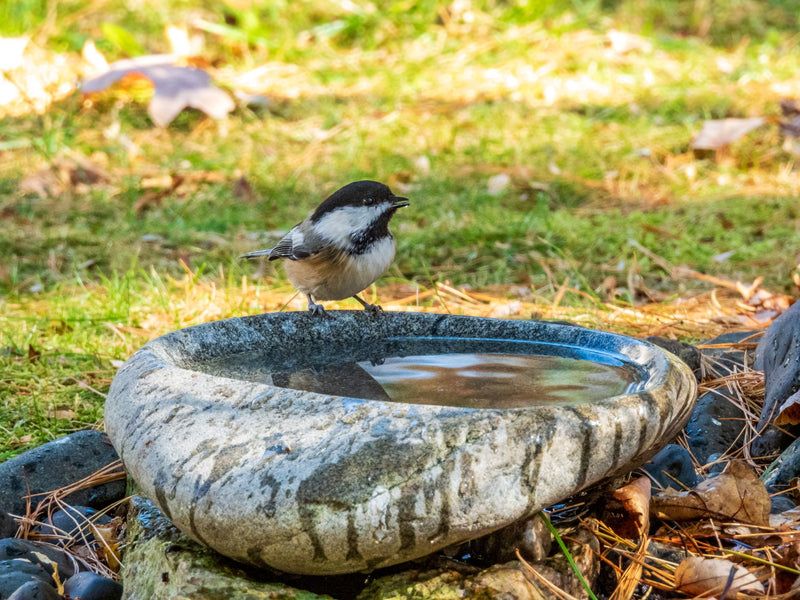
Water draws birds that never touch seed, including some that ignore feeders entirely. Birds drink and bathe to keep feathers in shape, and in dry California summers a dependable source can stand out.
A bath is easy to set up and cheap.
Depth is the key detail. Cornell Lab birdbath guidance recommends water about 1 inch deep at the edge and no more than 2 inches in the middle.
A shallow saucer with stones or perches added is one simple option. Change the water every day or two so it stays fresh.
Placement matters for safety. Birds are vulnerable while bathing, so offer nearby perches where they can dry off and escape.
Leave open ground between the bath and dense shrubs, since that is where cats can hide.
Cleaning takes a little care. The CDC, in its guidance for bird hobbyists, advises wearing disposable gloves when cleaning birdbaths and washing your hands afterward.
Frequent water changes also keep the bath from becoming a mosquito nursery. Make it a habit you tie to something else, like morning coffee.
A bath you keep up beats a fancy one you forget.
Reduce hazards around the habitat you create
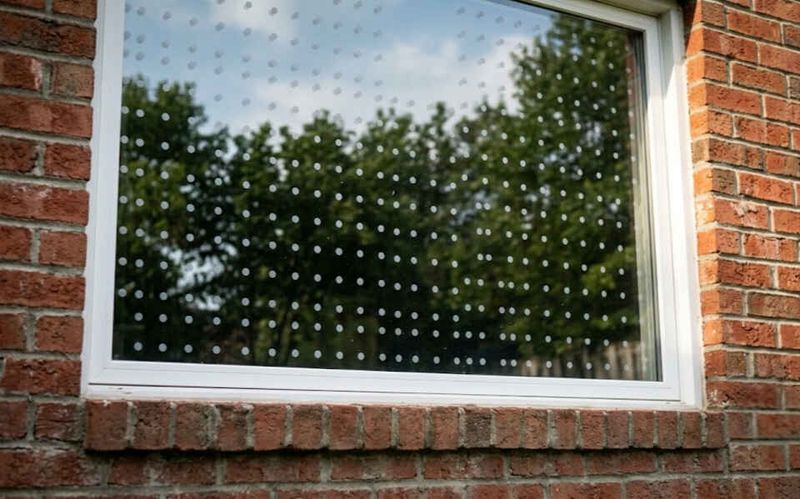
A welcoming yard should also be a safe one. Two common hazards are pesticides and window collisions, and both have practical fixes.
Neither takes much time.
The National Park Service, in its conservation at home guidance for birds, recommends reducing or stopping pesticide use. Birds that eat insects can be affected when those insects are gone or contaminated, so a lighter touch helps.
For windows, USGS guidance on birds hitting windows says effective patterns go on the outside of the glass and use a 2-inch-by-2-inch grid. Patterns on the inside tend to leave reflections that birds still see.
Start with the windows nearest your new plantings.
If you live in a fire-prone area, remember that wildlife-friendly planting does not override defensible-space rules. Check current CAL FIRE defensible space requirements and your local ones, since local agencies may have stricter standards.
Plan plant spacing and placement near the house with those rules in mind. You can still build habitat farther out or in areas where rules allow.
Feeders are optional, and results vary
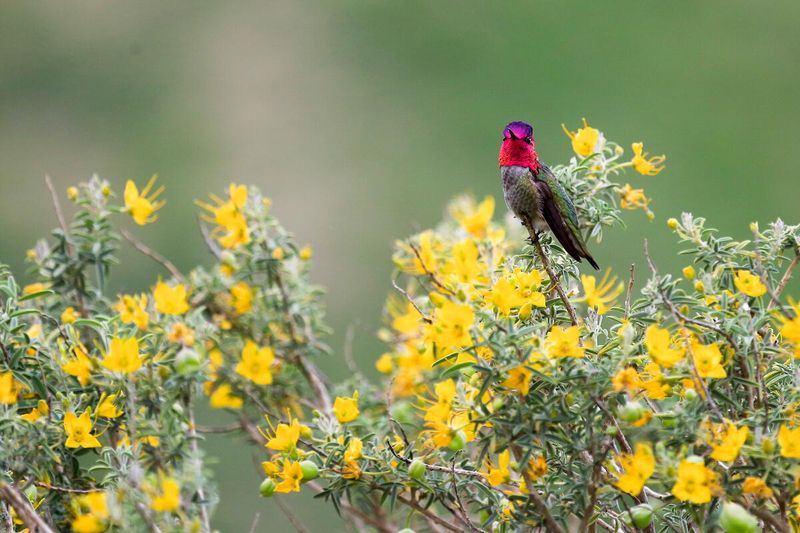
Habitat can offer real food and cover, but the Greater Los Angeles study did not establish that the yards it looked at lacked feeders. It supports the value of native landscaping there, not feeder independence.
Feeders are neither required nor off limits.
Research reviews describe mixed effects of supplemental feeding. A 2008 review of supplementary feeding points to both potential benefits and risks, and a 2018 review of health hazards to wild birds notes that poor upkeep can contribute to disease spread.
If you use a feeder, keep it clean.
Bird activity will vary with yard size, nearby greenspace, location, season, and what the birds need. Build habitat because it adds value over time, not to hit a bird count.
A garden that offers food, cover, and water keeps giving, one season after another.