 Complete Gardening
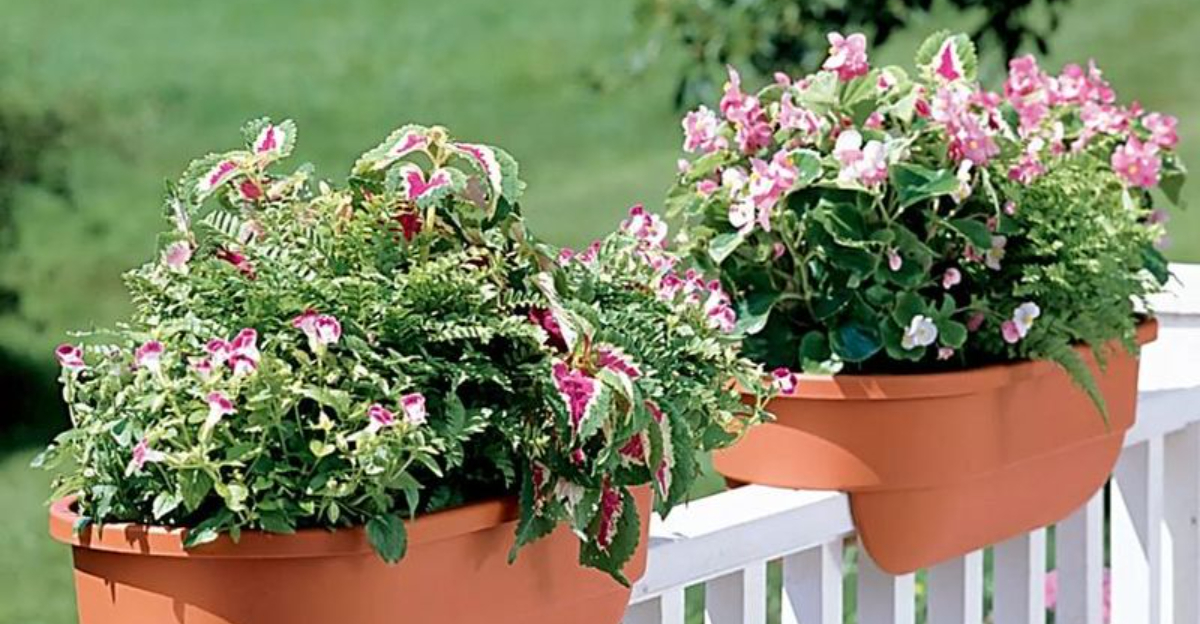
Gardening on a balcony during a sweltering June can be challenging, but with the right strategies, you can keep your plants thriving.
Here are 12 essential tips to help you beat the heat and maintain a vibrant balcony garden.
1. Water Early (and Sometimes Twice a Day)
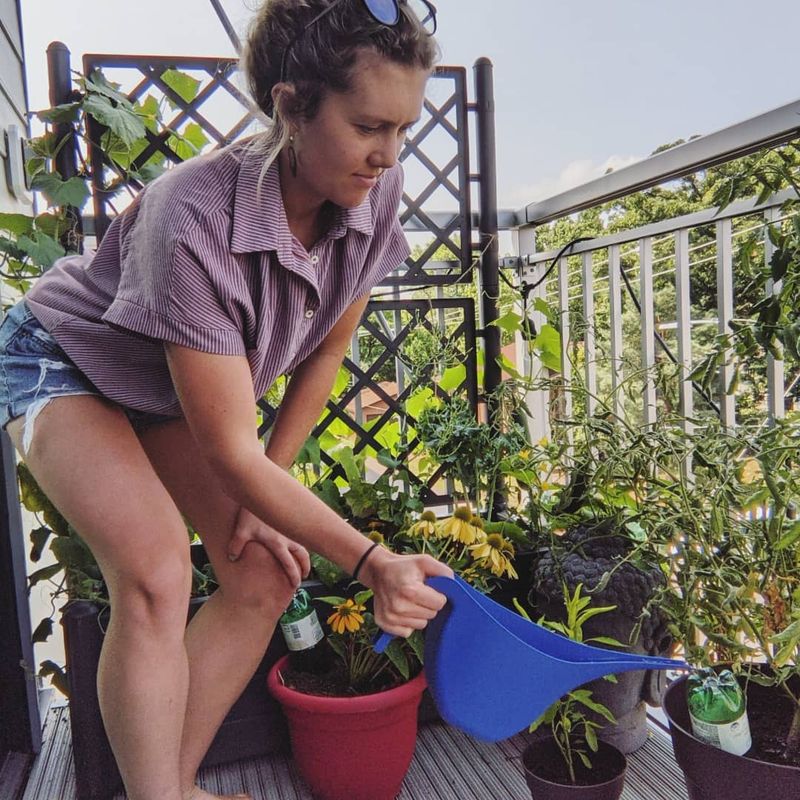
The early morning calm is not just beautiful; it’s the perfect time to water your plants. As the sun rises, the temperature quickly follows, and watering early allows the roots to absorb moisture before it evaporates. On days when the sun blazes its fiercest, a second watering in the evening might be your garden’s saving grace. Containers can dry out rapidly, so ensuring they remain hydrated is crucial to the health of your plants. With such diligence, your balcony garden will thrive even under the hottest June sun.
2. Use Self-Watering Pots or Water Reservoirs
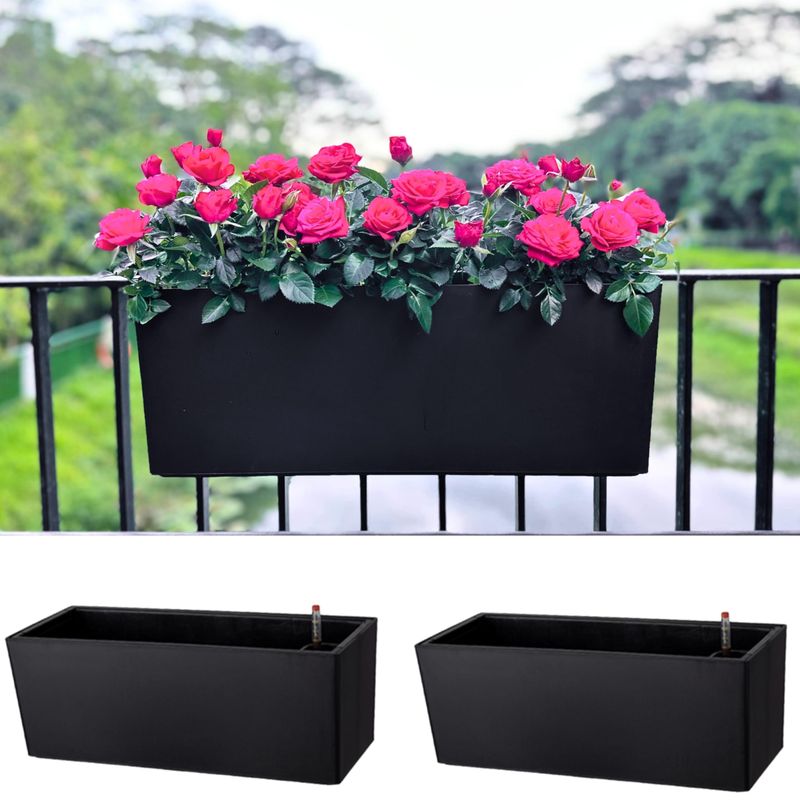
Life’s hustle can keep you away from your beloved plants, but self-watering pots can bridge that gap. These clever inventions store excess water in a reservoir, gradually releasing it as the soil dries. Paired with a layer of mulch, this setup can significantly reduce the need for frequent watering. The mulch acts as a protective barrier, retaining moisture and keeping roots cool. Whether you’re at work or away for a weekend, this system ensures your plants remain lush without constant attention, making balcony gardening more manageable in the scorching heat.
3. Add Shade—Even a Little Makes a Big Difference
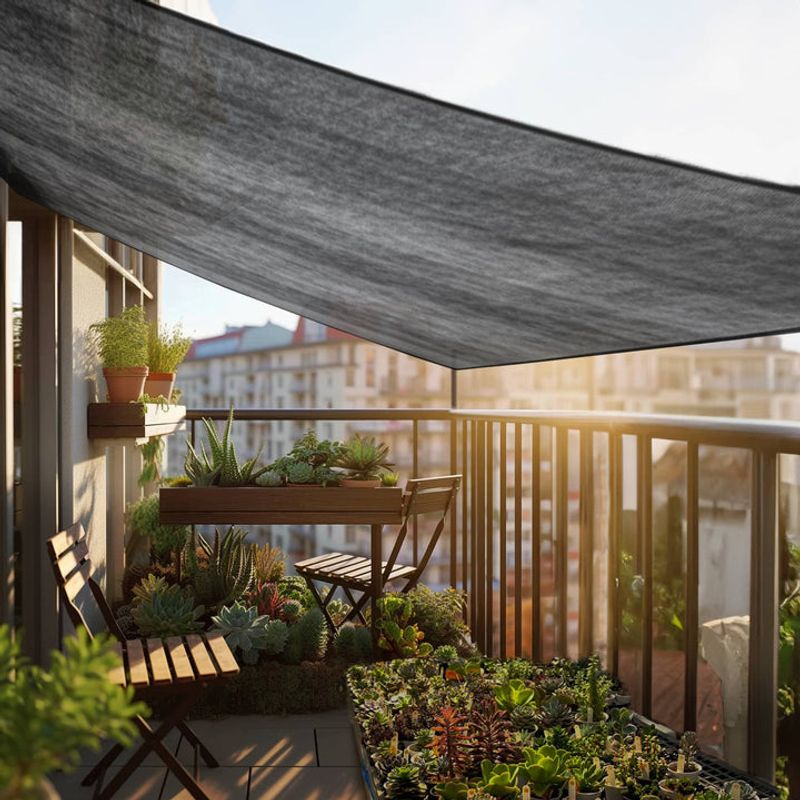
When the sun is relentless, a bit of shade can drastically change the environment for your plants. Use shade cloths, umbrellas, or even an old sheet to diffuse harsh afternoon sunlight. Many plants, including vegetables and flowers, only require six hours of direct sunlight, making any additional sun exposure a potential source of stress. By providing a respite from the glaring rays, you’re not only protecting your plants but also creating a more pleasant environment for yourself to enjoy your green sanctuary.
4. Choose Heat-Tolerant Plants
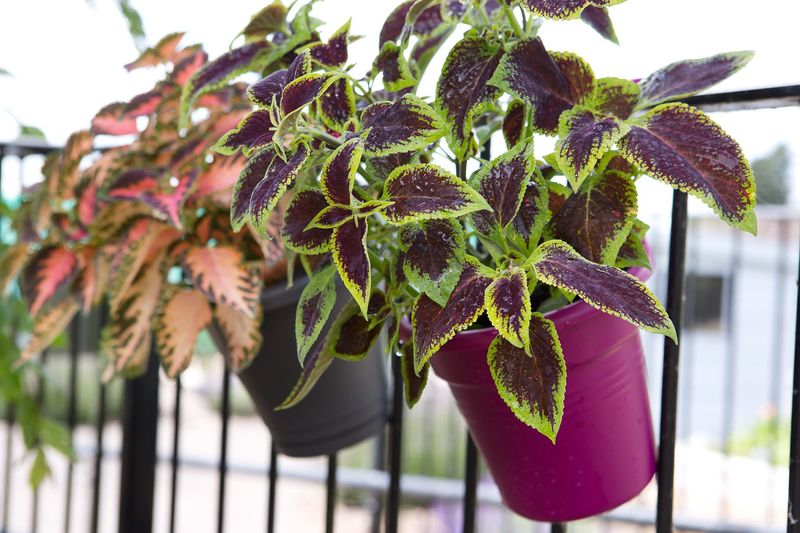
Not all plants wilt under the sun’s intense gaze. Selecting heat-tolerant varieties such as basil, rosemary, cherry tomatoes, peppers, and succulents can make a significant difference. These plants not only withstand full sun but thrive in its warmth, offering vibrant growth and rich flavors. By focusing on these sun-loving species, you’re setting your garden up for success, even in the hottest parts of June. This strategy allows you to enjoy a bountiful, resilient garden that’s less vulnerable to the whims of temperature fluctuations.
5. Avoid Black or Metal Pots
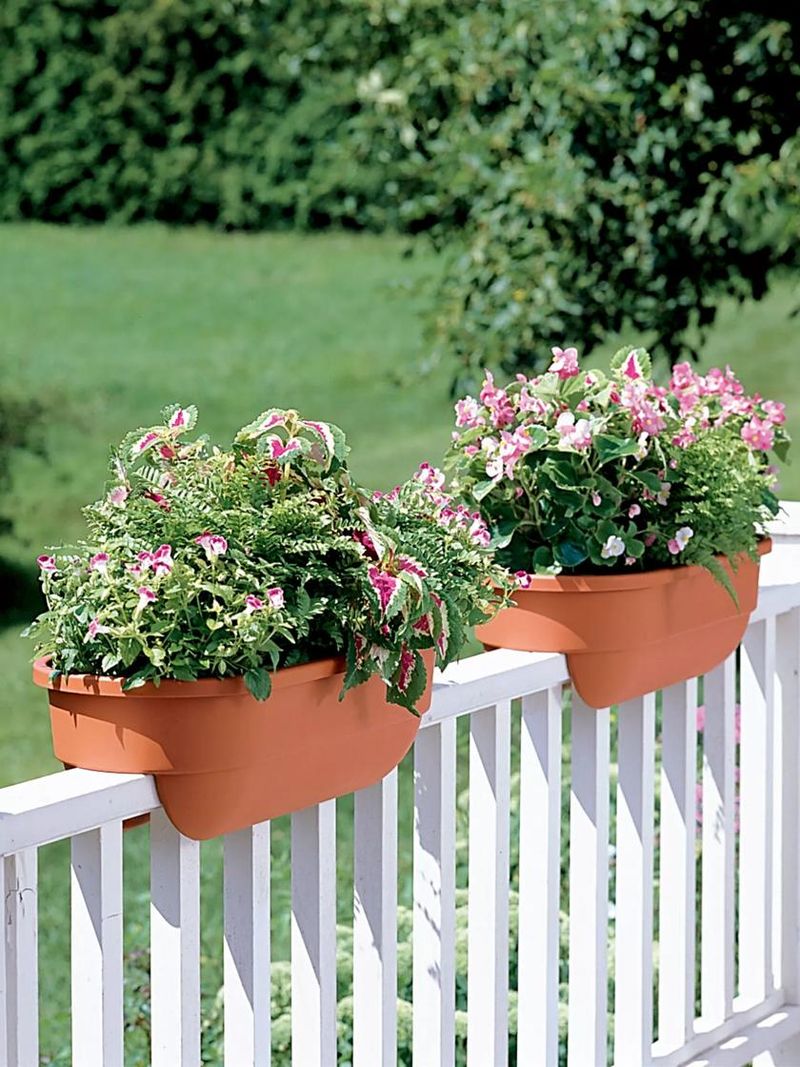
Black and metal pots may be stylish, but they can become plant-cooking devices by absorbing and retaining heat. Opt for light-colored, glazed ceramic pots or fabric grow bags instead. These alternatives help insulate plant roots from extreme heat, preventing them from overheating. The right choice of container plays a vital role in maintaining a healthy plant environment. With a bit of consideration, your balcony can become a cooling oasis for your plants, inviting relaxation and growth even on the hottest summer days.
6. Group Pots Together
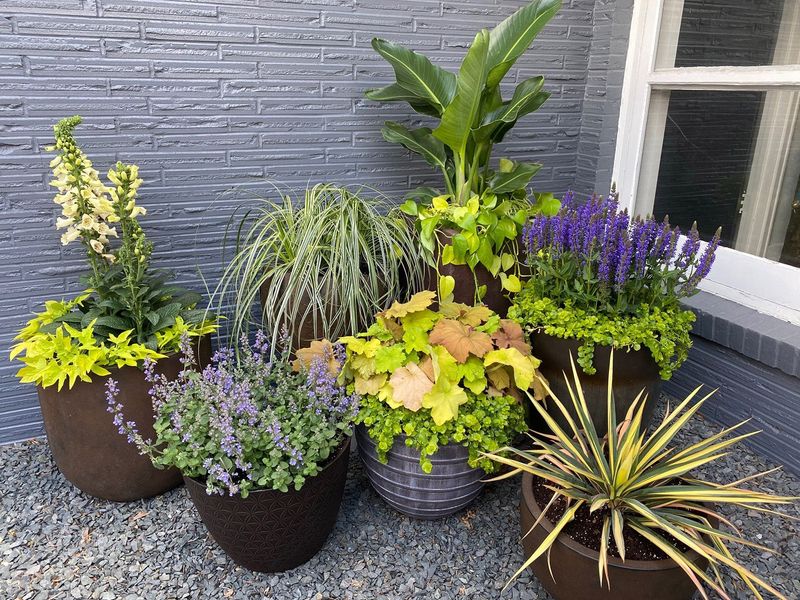
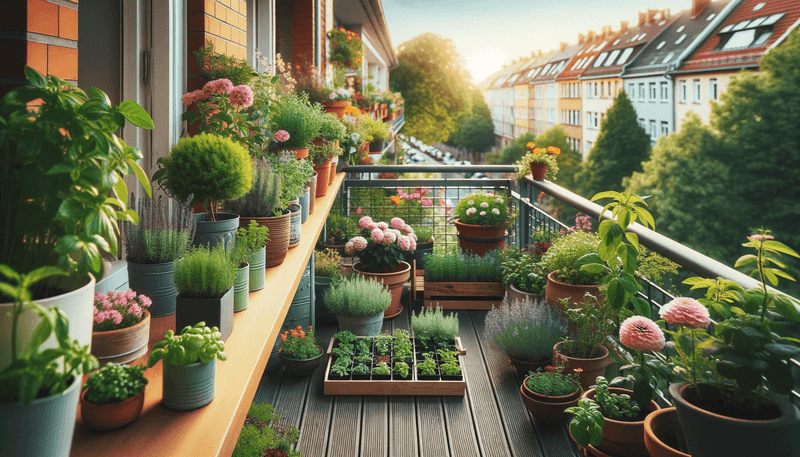
Creating a community among your plants can do wonders for their well-being. By grouping pots together, you foster a humid microclimate that reduces water evaporation and shields plants from harsh winds. This setup also saves time and effort when it comes to watering and shading, making your gardening routine more efficient. The collective warmth and protection provided by clustered pots can lead to a thriving, interconnected garden. This strategy celebrates the power of togetherness, reflecting nature’s own penchant for community.
7. Mulch Your Containers
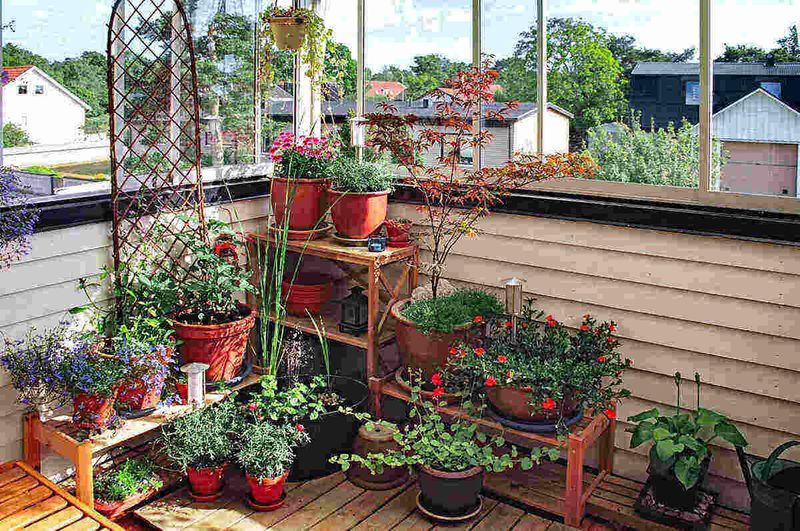
Mulching isn’t just for sprawling gardens; it’s equally effective for potted plants. By topping your soil with materials like straw, shredded bark, or dried leaves, you create a barrier against water loss and soil overheating. This practice not only conserves moisture but also regulates soil temperature, ensuring your plants’ roots remain cool and moist. It’s a simple yet powerful tool in your arsenal against the summer heat, turning your balcony into a sustainable, resilient garden paradise.
8. Elevate Your Pots
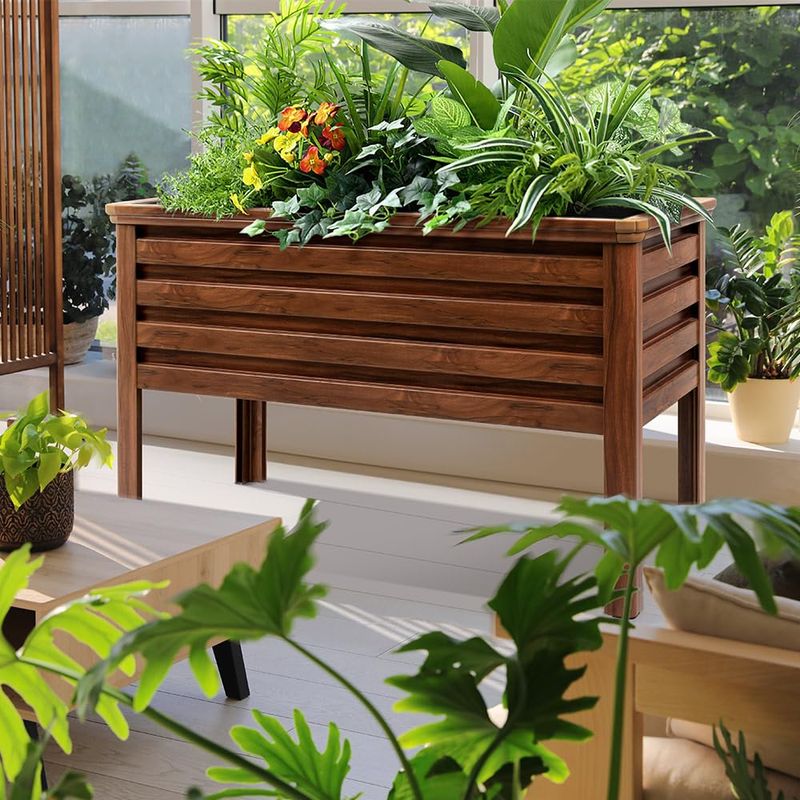
Lifting your pots off the balcony floor can significantly impact their health. By placing containers on pot feet, bricks, or trays, you enhance air circulation beneath them, reducing heat buildup. This elevation not only prevents the floor from absorbing and radiating heat but also helps in drainage. Such a simple adjustment can make your balcony garden a more hospitable environment, allowing your plants to flourish even during peak summer temperatures. This method exemplifies how small changes can lead to big benefits in gardening.
9. Fertilize Carefully
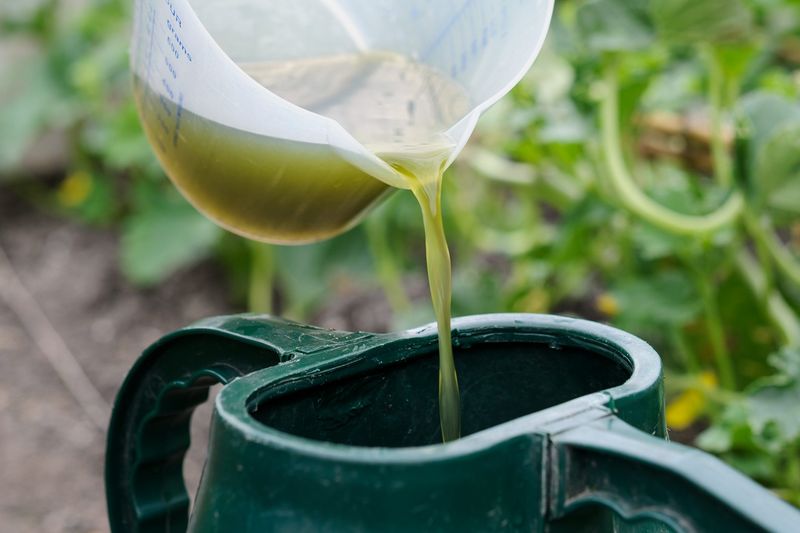
Heat-stressed plants require gentle care, especially when it comes to feeding. Over-fertilizing can harm them further, hence using a diluted liquid fertilizer once a month is advisable. Alternatively, during intense heat waves, it might be best to hold off altogether to prevent “burning” your plants. This careful approach ensures that your plants receive the necessary nutrients without added stress, helping them remain vibrant and healthy throughout the summer. Thoughtful fertilization is key to maintaining a flourishing balcony garden.
10. Harvest Often
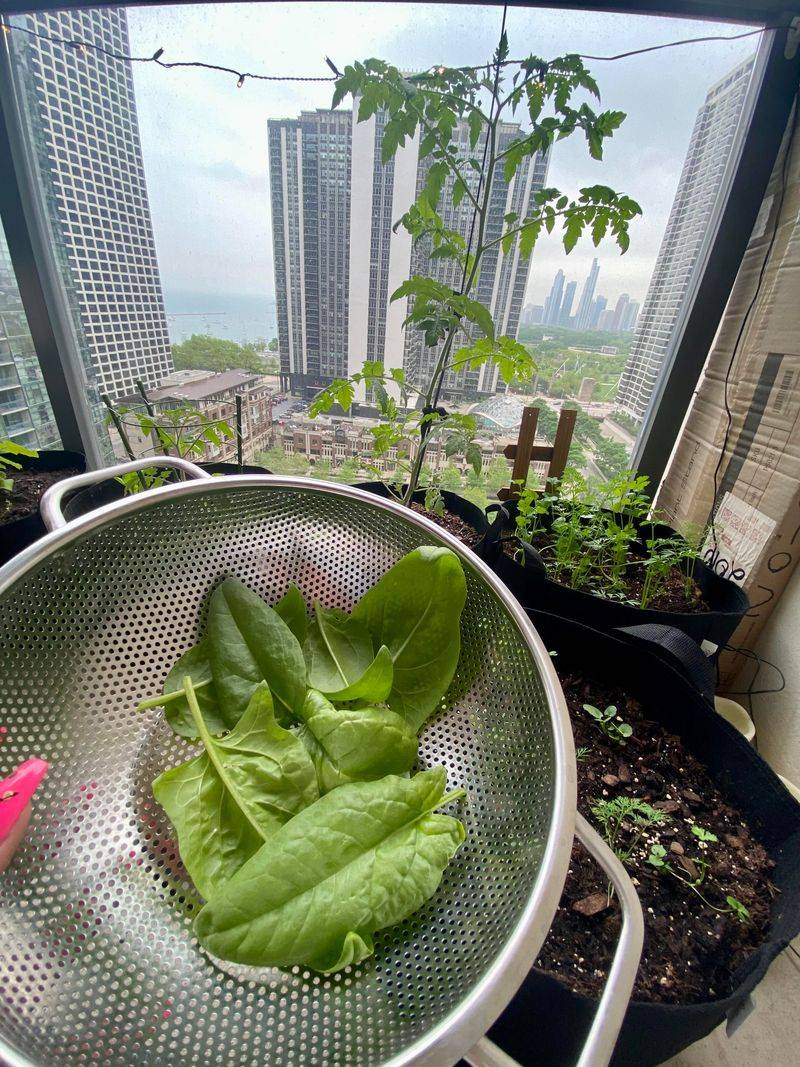
Frequent harvesting is a gardener’s secret to a bountiful balcony. By regularly picking herbs, beans, and leafy greens, you prevent them from going to seed or turning bitter. This practice also encourages fresh growth, maintaining the plants’ vigor and productivity. A well-tended garden not only yields more, but also stays healthier, reducing stress on plants. Making harvesting a routine part of your gardening not only enhances your plants’ life but also adds joy and satisfaction to your gardening experience.
11. Watch for Signs of Heat Stress
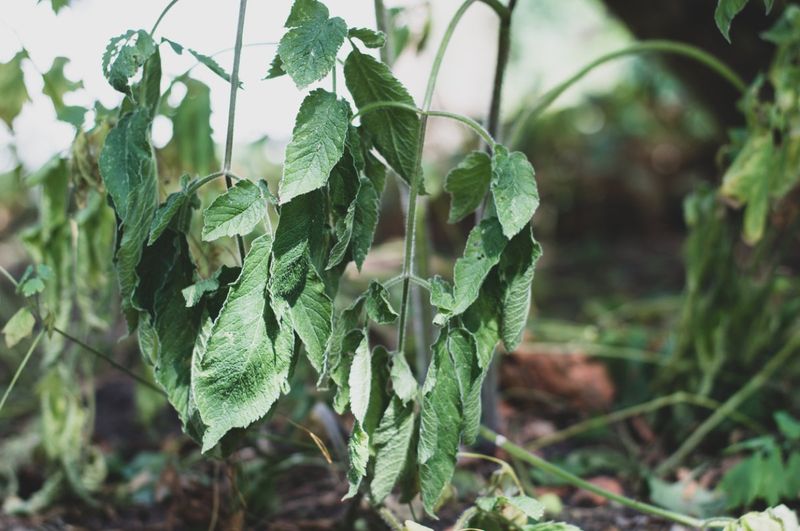
Plants, like people, show signs of stress, and recognizing these early can save them from further harm. Wilted leaves, leaf curl, blossom drop, and slowed growth signal that your plants may be struggling with heat. Quick actions, such as providing additional shade or water, can make a significant difference. By staying vigilant and responsive to these signs, you can ensure your garden remains a thriving oasis, even in the heat. This attentiveness fosters a deeper connection with your plants, enhancing your gardening skills.
12. Use Reflective Surfaces Carefully
Reflective surfaces like white walls, metal railings, or glass can amplify heat, impacting your plants negatively. By using hanging baskets, trellises, or light-colored barriers, you can mitigate these effects. This adjustment helps in creating a cooler environment for your plants, allowing them to thrive without the added stress of reflected heat. The thoughtful use of reflective surfaces turns potential challenges into opportunities for creative problem-solving in your balcony garden.