
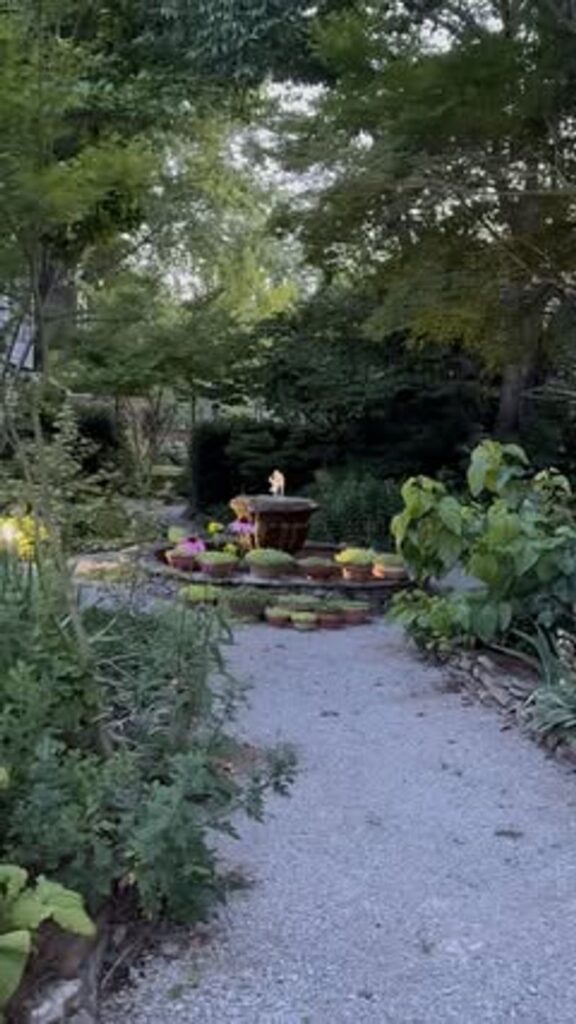
Fireflies do not need a fancy habitat, but they do need the right little conditions most yards accidentally erase. If you have a shady corner, a few leaves, a water dish, and some patience, you can turn it into a glowing summer stopover. The surprising part is that many common cleanup habits work against them. Here is how to build a low-effort garden corner that feels a lot more magical by warm evening.
1. Pick the shadiest, quietest corner

Start by choosing the calmest corner of your yard, preferably one that stays shaded for part of the day and does not get blasted by foot traffic. Fireflies spend much of their life in damp, protected places, so a hot open bed is usually a poor fit. A tucked-away edge near shrubs, a fence, or a tree line works far better.
You do not need much space. Even a patch the size of a small table can help if it stays cool and undisturbed. I would avoid areas beside bright patio lights, barking dogs, or busy walkways, because constant disturbance reduces the moist shelter fireflies and their larvae need to settle and hunt.
2. Leave a soft layer of fallen leaves

One of the easiest upgrades is simply leaving fallen leaves in place instead of bagging every scrap away. Firefly larvae live in and under this layer, where it stays cooler and holds moisture longer than bare soil. That leafy cover also shelters worms, slugs, and snails, which become food for young fireflies.
Aim for a loose blanket about two to three inches deep, not a packed soggy mat. Spread leaves around shrubs, perennials, and the base of your corner so some soil still breathes. If your yard looks too tidy, you are probably removing the exact hiding places fireflies need to complete most of their long life cycle underground.
3. Use sticks, logs, and old pots as shelter

You probably already have useful habitat materials lying around the yard. A few short logs, twig bundles, bark pieces, or an old clay pot laid on its side create cool hiding places where moisture lingers and larvae stay protected. These simple objects mimic the messy woodland edges where fireflies naturally thrive.
Tuck them under shrubs or behind taller plants so the corner looks intentional rather than dumped. Keep wood in contact with the soil, because dry elevated piles are less helpful than ground-level cover. I like mixing rough textures and different sizes, which creates tiny pockets for prey animals and gives firefly larvae more shaded routes as they move, feed, and pupate.
4. Keep the soil evenly moist, not soggy

Moisture matters more than many gardeners realize. Fireflies and their larvae do best in soil that stays evenly damp, because dry ground quickly becomes hostile to both the insects and the small creatures they eat. You do not need a pond, but you do need a corner that avoids baking out between rains.
Water deeply once or twice a week during dry spells instead of giving daily shallow sprinkles. Check under the mulch with your finger, and aim for cool, slightly moist soil a couple inches down. If water puddles for hours, loosen the area with compost and reduce watering, because soggy soil can rot roots, invite fungus gnats, and lower oxygen for ground-dwelling larvae.
5. Add a shallow water source from a saucer

A shallow water source can make your corner more inviting, especially during hot, dry weather. You do not need anything expensive. A plant saucer, old dish, or shallow bowl set level with a few pebbles inside gives insects safe access without creating a deep trap.
Place it in shade so it does not heat up or evaporate too fast, and refresh the water every couple of days. I would scrub it weekly to prevent mosquito breeding and algae slime. If you already have a birdbath, keep one lower, quieter dish nearby for insects, because small ground-level water spots often fit better into the damp hidden world that fireflies prefer.
6. Choose low, native plants that create cover

Plants matter most when they create layered cover rather than flashy flowers alone. Fireflies benefit from low native grasses, sedges, ferns, and spreading woodland plants that keep the soil shaded and humid. A mixed planting also supports more small prey and makes the corner feel stable through summer.
Look for species suited to your region and moisture level, then group them fairly close so the ground is not left exposed. Skip highly trimmed forms that need constant clipping. I would include at least one clumping grass and one broad-leaved groundcover, because that mix creates hiding spots at different heights and helps your firefly corner stay useful from spring rains through late summer heat.
7. Turn off bright lights near the area

This is the mistake many people never connect to missing fireflies. Adult fireflies use light signals to find mates, and strong porch lights, landscape uplights, and motion sensors can drown out that conversation. If your garden glows brighter than the night sky, the insects may pass right by or fail to pair up.
Turn off nearby lights during peak firefly season, usually warm evenings in late spring through midsummer. If you need safety lighting, switch to warm bulbs, use shields, and point them away from the habitat corner. Even one dark pocket can help, especially if you combine lower light with moisture, leaf litter, and plants that make the space feel protected.
8. Skip pesticides and weed killers nearby

Fireflies are sensitive to the chemical shortcuts many yards rely on. Broad-spectrum insecticides can kill adults directly, while slug baits, lawn treatments, and weed killers can damage the food web larvae depend on below ground. Even products used a few feet away can drift or wash into your carefully built corner.
Use hand weeding, mulch, and spot removal instead of routine spraying. If pests appear on nearby plants, start with the least disruptive option, such as pruning damaged leaves or rinsing aphids off with water. I know tidy control feels satisfying, but a living firefly corner works best when it stays a little wild and lets beneficial insects, prey species, and soil life remain intact.
9. Keep the corner messy through the season

The final step is resisting the urge to over-maintain the area once it starts looking successful. Fireflies prefer a corner that stays a bit messy, humid, and undisturbed, not one that gets raked, edged, and cut back every weekend. Their life cycle is slow, so your patience matters as much as your materials.
Leave stems standing until late winter, top up leaf mulch after storms, and avoid digging around the spot during summer. Check moisture, refill water, and otherwise let the mini habitat settle in. You may not see instant results, but if you protect darkness and damp cover consistently, your yard becomes the kind of place glowing adults return to year after year.