 Complete Gardening
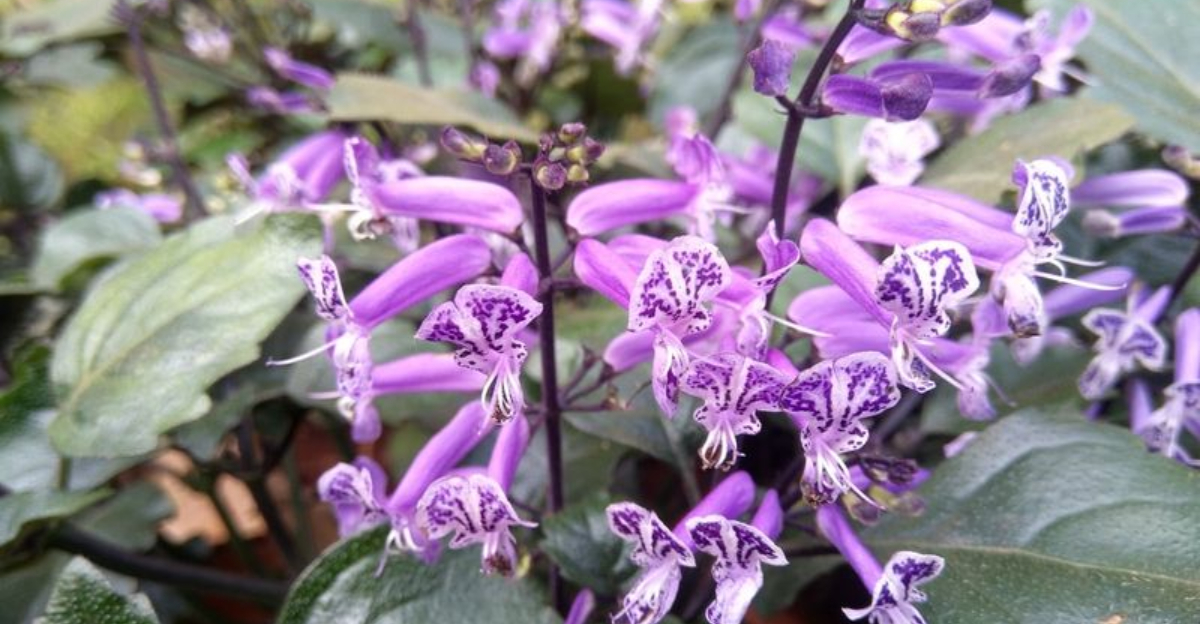
The ‘Mona Lavender’ is a stunning perennial that delights gardeners with its vibrant hues, extending the beauty of your garden well into the fall. Known for its lush foliage and striking lavender-purple flowers, this plant is not only visually appealing but also relatively easy to care for. In this article, discover seven essential tips to ensure your ‘Mona Lavender’ thrives, providing continuous color and charm. Learn about ideal conditions, unique care requirements, and ways to enhance its growth. Prepare to transform your garden into a captivating spectacle with the enduring allure of ‘Mona Lavender.’
1. Finding the Perfect Spot
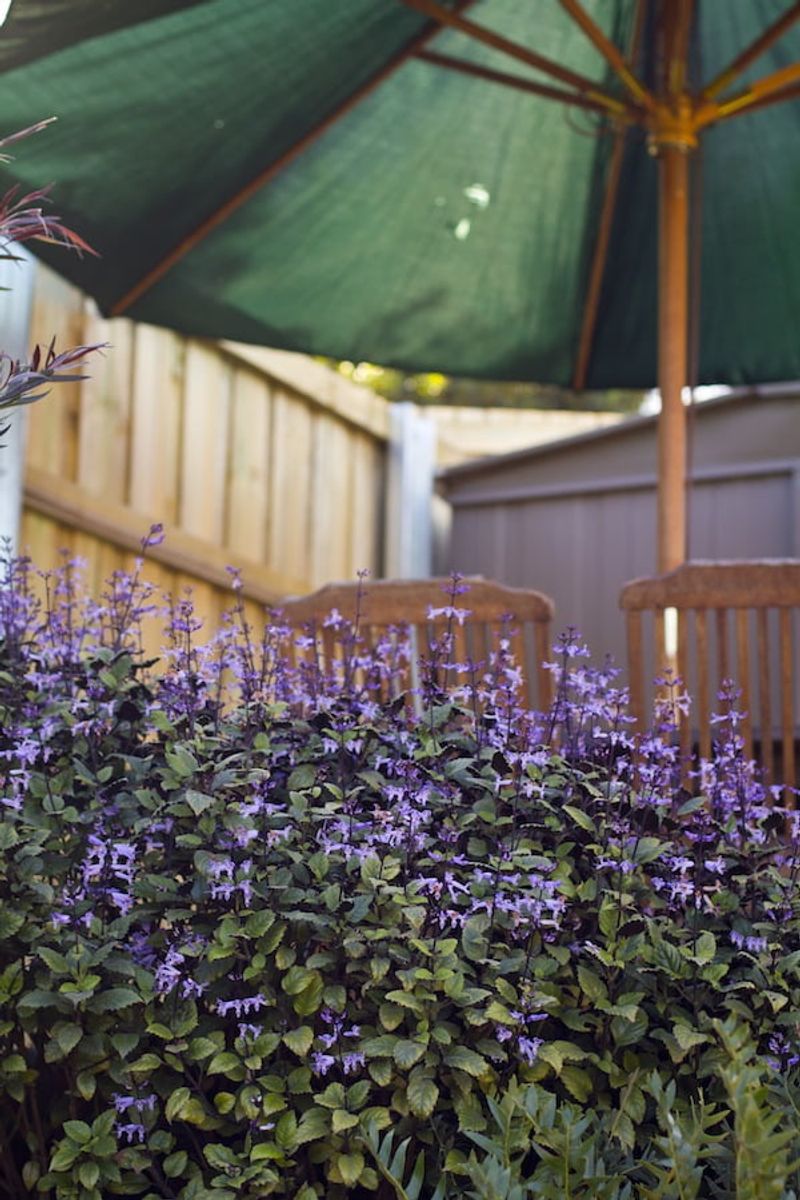
Choosing the right location is crucial for growing ‘Mona Lavender.’ This plant thrives in partial shade, where it receives a mix of sunlight and shade throughout the day. The balance ensures it gets the light needed for blooming without the risk of sun damage.
Consider planting it near a tree or structure that provides shelter from harsh afternoon sun. This setup mimics its native environment, promoting healthy growth and vibrant blooms. Additionally, ensure the soil is well-draining, as ‘Mona Lavender’ prefers moist but not waterlogged conditions, which can lead to root rot.
2. Soil and Nutrient Requirements
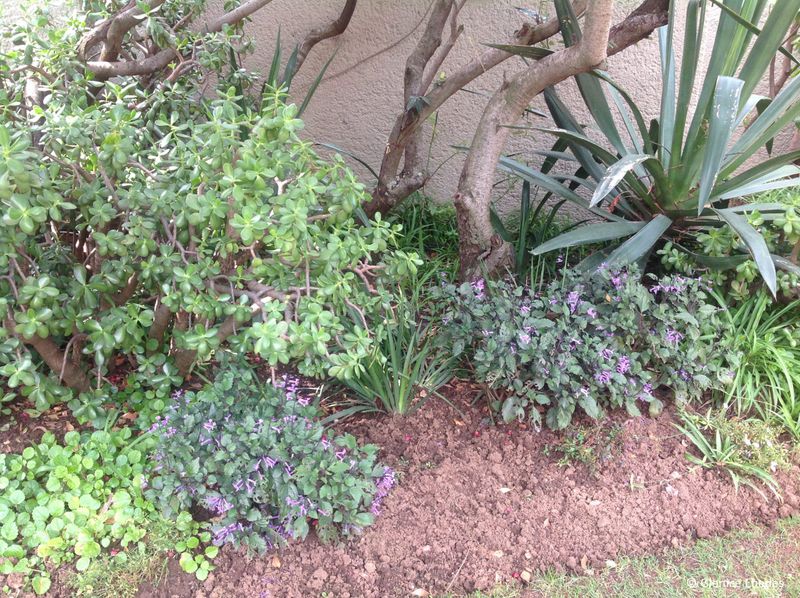
‘Mona Lavender’ flourishes in rich, well-draining soil. Begin by testing your garden soil’s pH, aiming for a slightly acidic to neutral range. Amending the soil with organic compost enhances nutrient content, providing the ideal growing medium.
Regularly incorporate balanced fertilizers to support robust growth. Choose fertilizers rich in phosphorus to boost flowering. These nutrients foster vibrant blooms and healthy foliage.
However, take care to avoid over-fertilizing, which can lead to lush foliage at the expense of flowers. Routine soil checks ensure optimal conditions for your ‘Mona Lavender.’
3. Watering Techniques and Tips
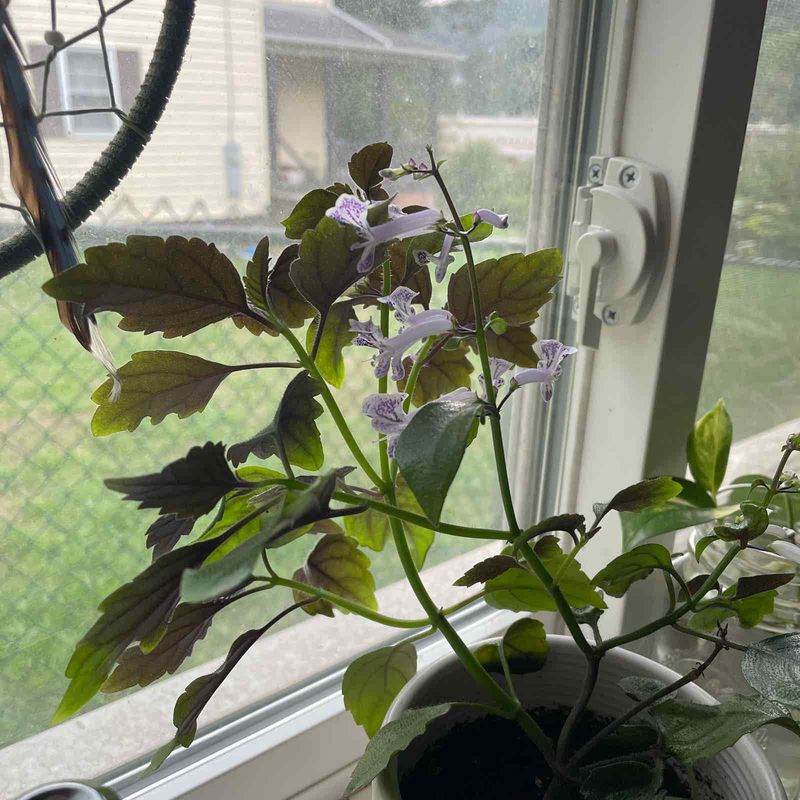
Proper watering is key to maintaining a healthy ‘Mona Lavender.’ Water deeply but infrequently, allowing the soil to dry slightly between watering sessions. This practice encourages deep root growth, enhancing drought tolerance.
Use a watering can or drip irrigation system to deliver moisture directly to the soil, minimizing wetting of foliage, which can lead to fungal diseases.
Monitor weather conditions, adjusting watering frequency during rainy or dry spells. This mindful approach ensures your plant receives adequate hydration without risking waterlogged roots.
4. Pruning for Optimal Growth
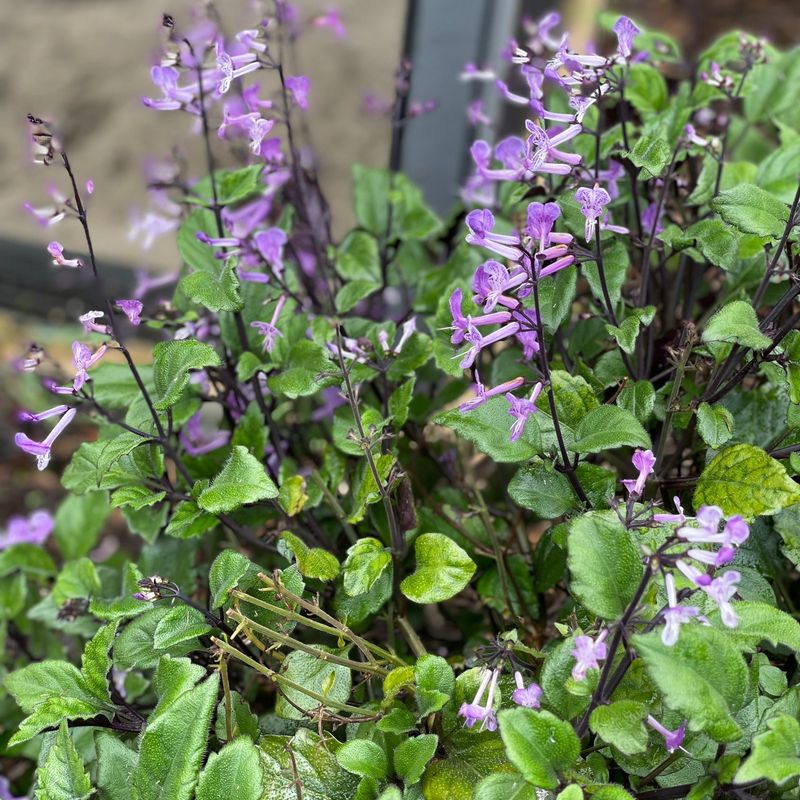
Pruning is an essential practice for encouraging abundant blooms and shaping your ‘Mona Lavender.’ Regularly remove faded flowers and dead or damaged leaves to promote fresh growth and improve air circulation.
Prune in early spring, cutting back one-third of the plant to encourage bushier growth. This practice stimulates new shoots and enhances flower production, ensuring a lush display.
Maintain sharp, clean pruning tools to reduce the risk of infections. Proper pruning not only keeps your plant healthy but also revitalizes its appearance, preparing it for a vibrant growing season.
5. Temperature and Humidity Preferences
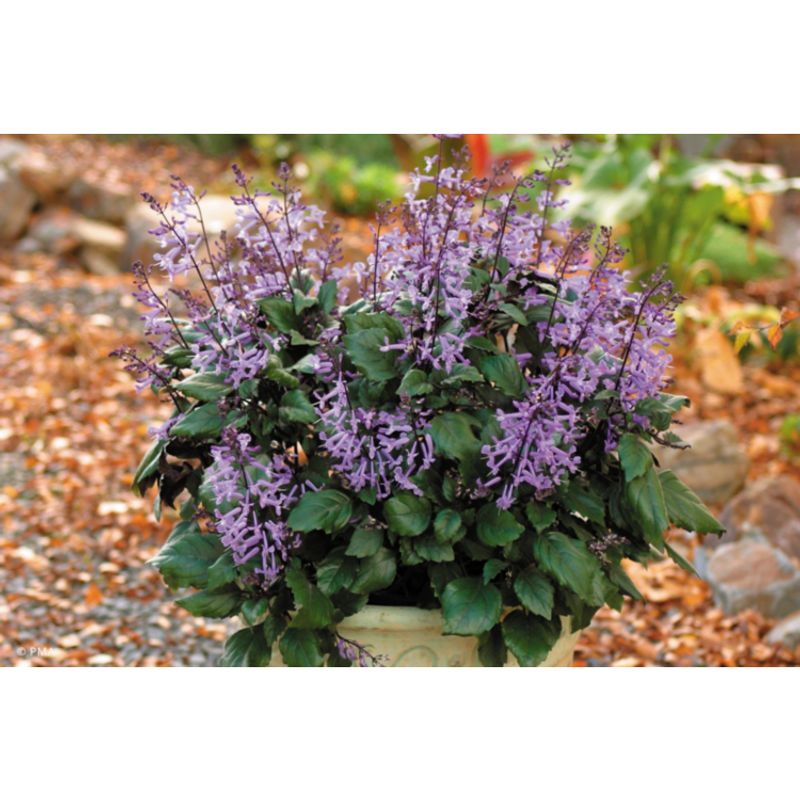
‘Mona Lavender’ prefers mild temperatures, flourishing in environments that are neither too hot nor too cold. Ideally, maintain temperatures between 60°F and 75°F.
In regions with extreme weather, consider planting in containers for easy relocation. This flexibility allows you to move it indoors during harsh conditions, providing a stable environment.
Humidity also plays a role in its growth. While relatively adaptable, maintaining moderate humidity levels helps prevent wilting and maximizes its ornamental value.
6. Pest and Disease Management
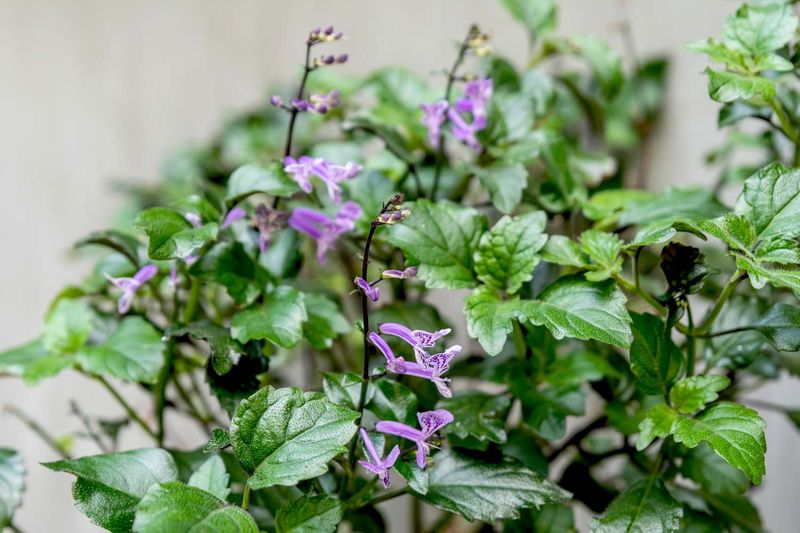
Maintaining a vigilant eye on your ‘Mona Lavender’ helps in early pest detection, crucial for plant health. Common pests include aphids and spider mites, which can be managed through natural predators or insecticidal soaps.
Fungal diseases, often a result of poor air circulation or overly moist conditions, can be mitigated by proper spacing and watering techniques. Regularly inspect foliage for signs of disease, removing affected parts promptly.
Employ integrated pest management practices, combining cultural, mechanical, and chemical methods for effective control while minimizing environmental impact.
7. Seasonal Care Adjustments
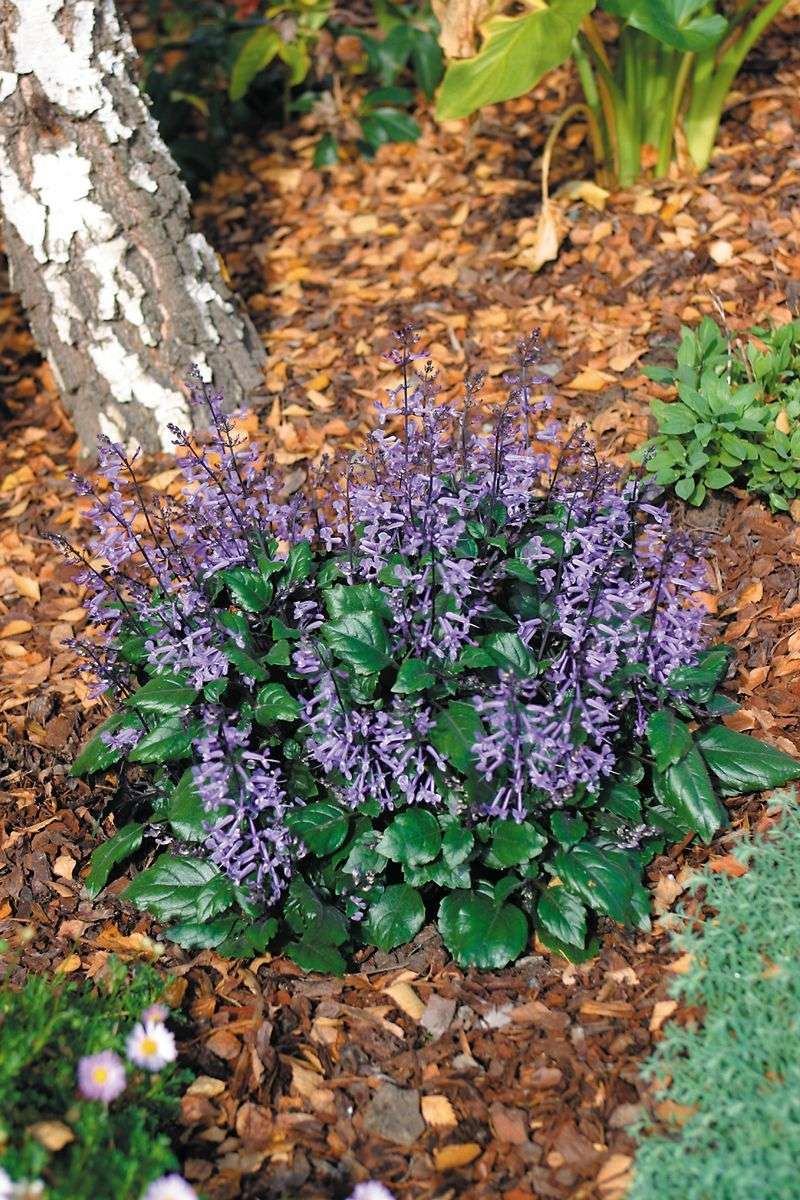
As seasons change, so do the care requirements for ‘Mona Lavender.’ In fall, add a layer of mulch to retain soil moisture and regulate temperature fluctuations. This also acts as an insulator during cooler nights.
Consider reducing watering as the plant enters dormancy, but ensure it remains hydrated enough to sustain its roots.
For regions with harsh winters, cover plants with protective material to prevent frost damage. These adjustments safeguard your ‘Mona Lavender,’ ensuring it remains a vibrant focal point in your garden throughout the year.
8. Companion Planting Strategies
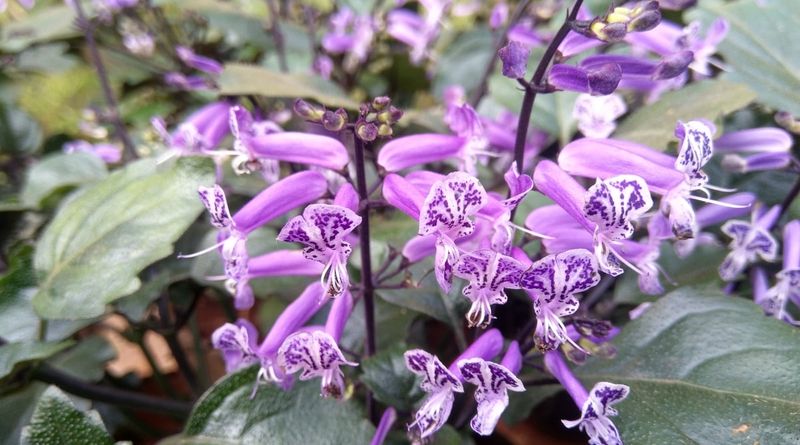
Companion planting can boost the vitality of your ‘Mona Lavender’. By pairing it with plants like ferns and hostas, you create a microclimate that supports moisture retention. This collaboration helps in maintaining the soil quality, ensuring your lavender thrives.
Moreover, these companions offer a stunning visual contrast, enhancing the aesthetic appeal of your garden. Consider the texture of the ferns against the soft lavender blooms; it’s a visual feast.
This approach not only benefits growth but also creates a harmonious garden ecosystem that supports biodiversity.
9. Utilizing Mulch Effectively
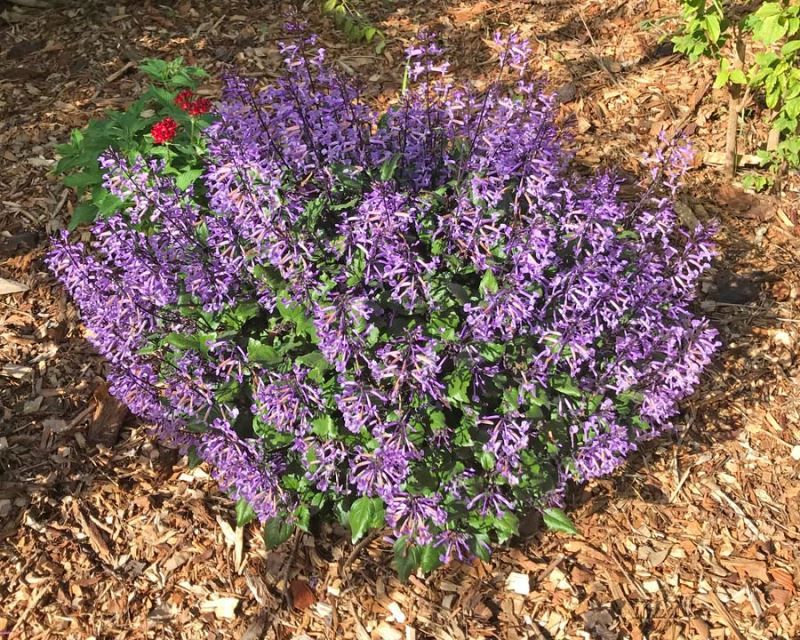
Mulching is a simple yet effective technique to enhance ‘Mona Lavender’ growth. Organic mulch, such as shredded bark or straw, helps retain moisture in the soil, reducing the need for frequent watering.
It acts as an insulating layer, protecting roots from temperature extremes during seasonal changes. This ensures the plant remains healthy and vibrant.
Furthermore, mulch minimizes weed growth, allowing your lavender to receive more nutrients. This method not only supports plant health but also simplifies garden maintenance.
10. Propagation Tips for Beginners
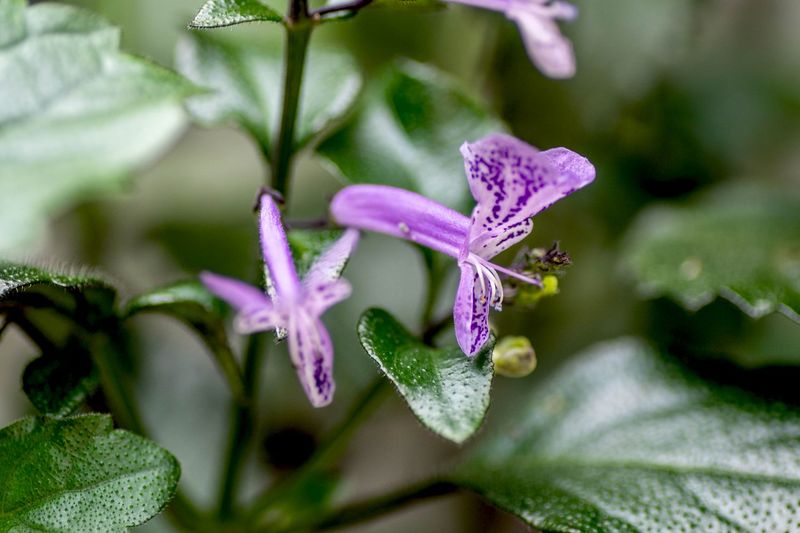
Propagation is a rewarding way to grow more ‘Mona Lavender’ plants without purchasing new ones. Begin with healthy stem cuttings, ensuring each has a few leaves for optimal growth.
Place the cuttings in water or a moist soil mix. With patience, roots will develop, readying them for planting. Propagation allows gardeners to expand their collection effectively.
This practice not only enhances your gardening skills but also offers a cost-effective solution to fill your garden with vibrant lavender blooms.
11. Choosing the Right Lighting
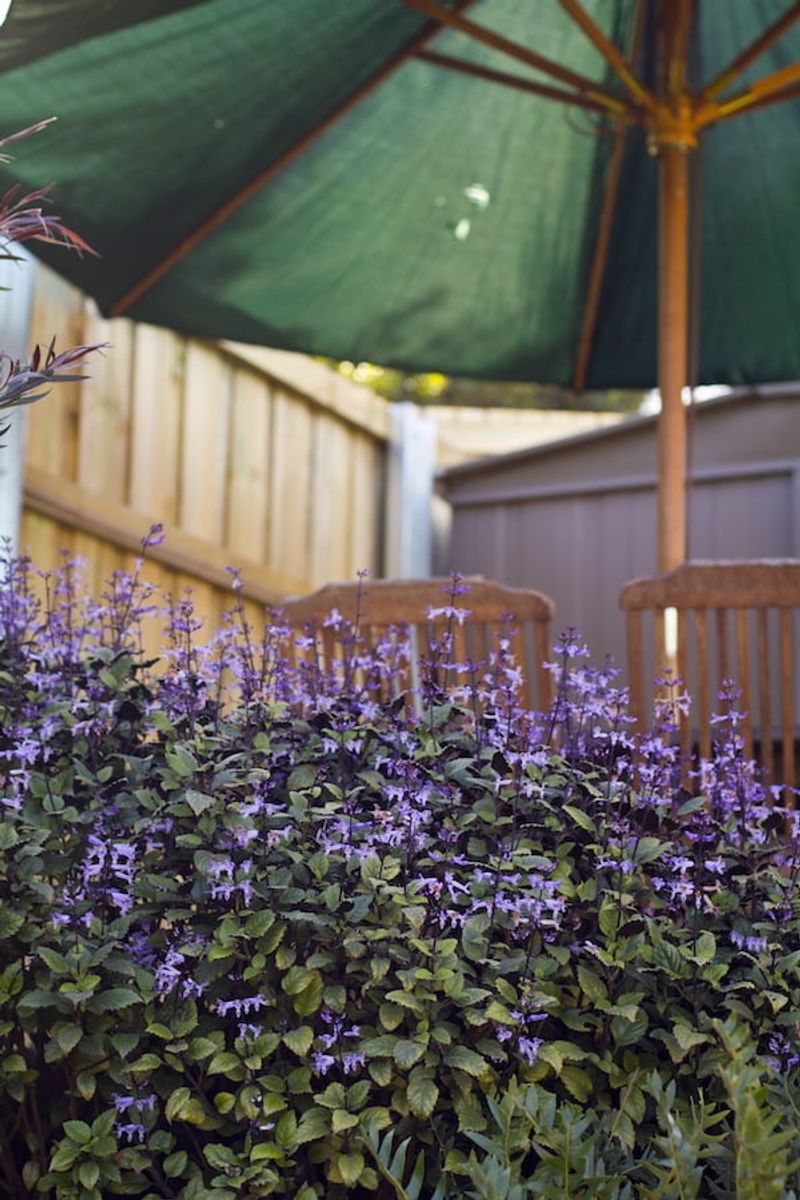
Lighting plays a crucial role in the health of your ‘Mona Lavender’. Positioning it in a semi-shaded area allows it to receive filtered sunlight, preventing the leaves from scorching.
This placement ensures the plant gets sufficient light for photosynthesis without being overwhelmed by direct sun. It’s a delicate balance that fosters optimal growth.
Experiment with different positions to find the perfect lighting condition for your garden. This simple tweak can significantly impact the vibrancy of your lavender blooms.
12. Enhancing Bloom Longevity
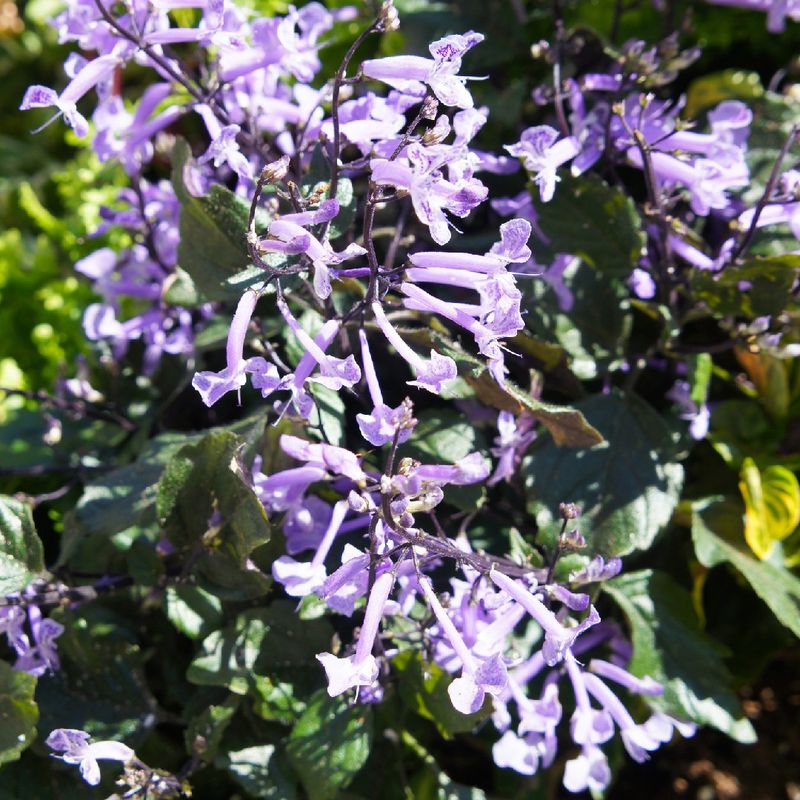
To extend the blooming period of ‘Mona Lavender’, focus on consistent care practices. Regular deadheading encourages new growth and prolongs flowering.
Incorporate a balanced fertilizer to provide essential nutrients, supporting robust blooms throughout the season. Consistency is key; a steady routine ensures lasting color in your garden.
By understanding the plant’s needs and responding with tailored care, you can enjoy an extended display of its beautiful lavender hues well into fall.
13. Utilizing Container Gardening
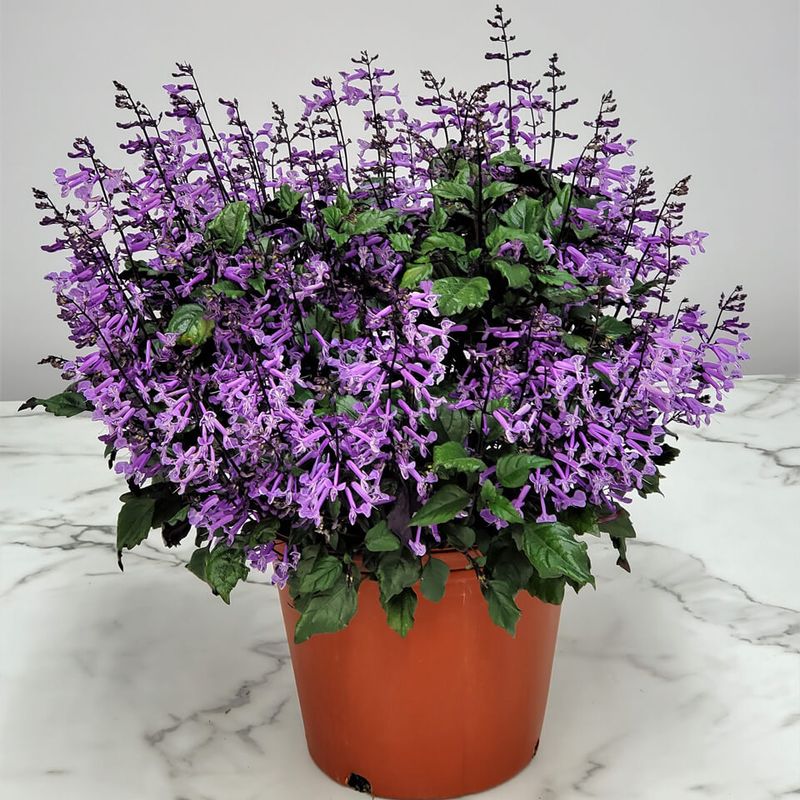
Container gardening offers flexibility and accessibility for growing ‘Mona Lavender’. Choose containers with good drainage to prevent waterlogging, which can harm the plant.
This method allows you to move the plants to optimal locations as seasons change, ensuring they receive the right amount of light and protection from harsh weather.
Container gardening is perfect for small spaces and urban gardening, making it a versatile option for home gardeners to enjoy vibrant lavender blooms.
14. Innovative Fertilization Techniques
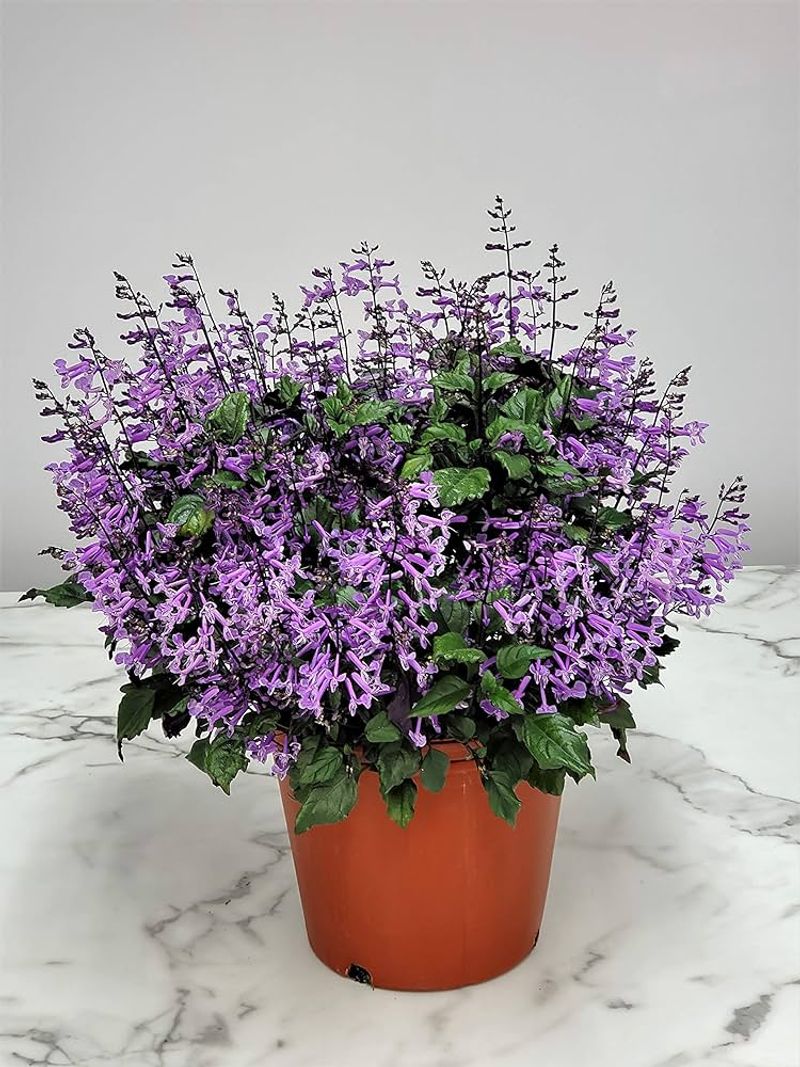
Experimenting with fertilization can significantly enhance the growth of ‘Mona Lavender’. Consider using liquid seaweed fertilizer, known for its rich nutrient profile.
This organic option supports robust plant health, promoting vibrant blooms and strong stems. Apply it during the growing season for the best results.
Such innovative fertilization techniques not only improve plant vitality but also contribute to a more sustainable gardening practice, reducing reliance on synthetic products.
15. Seasonal Transition Planning
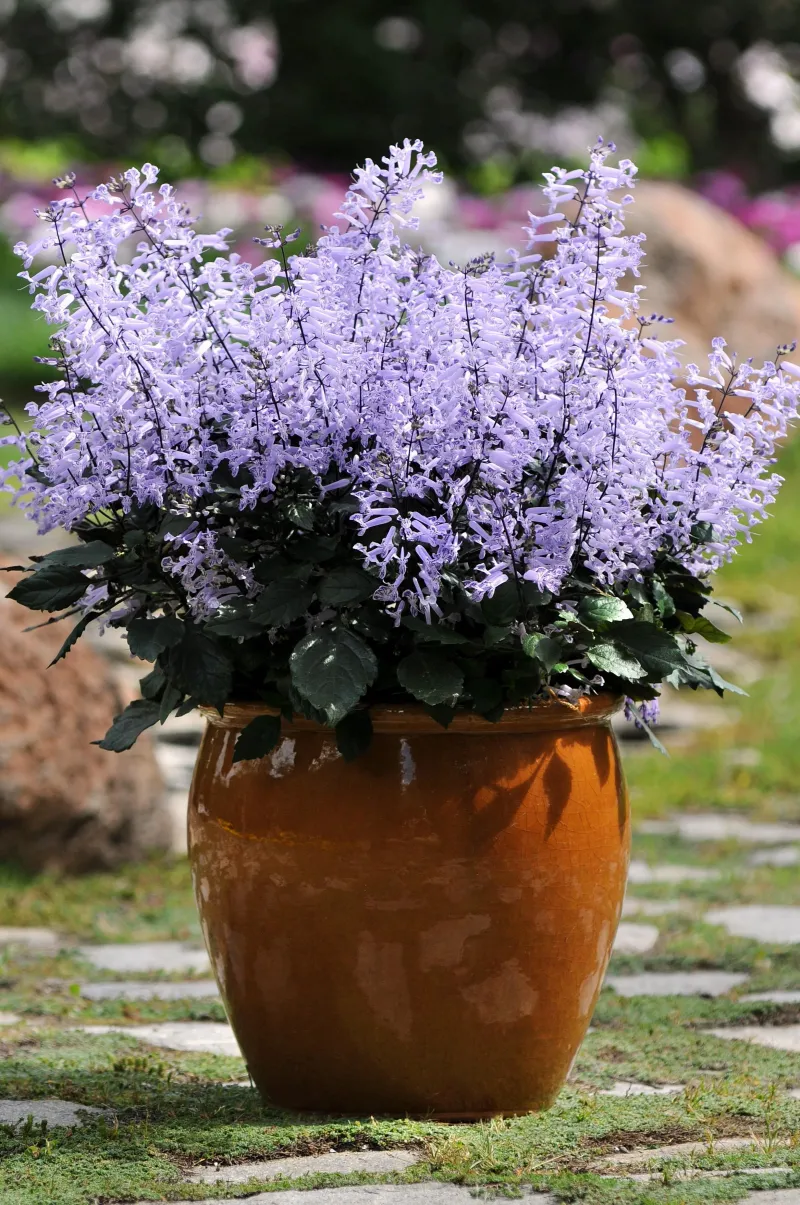
Planning for seasonal transitions ensures the longevity of ‘Mona Lavender’ blooms. As fall approaches, gradually adjust watering schedules and consider adding protective coverings.
This preparation helps the plant acclimate to cooler temperatures, preserving its vibrant color and health. These adjustments are subtle yet impactful.
By anticipating seasonal changes and adapting care routines, you support the plant’s resilience, ensuring it continues to thrive as the seasons shift.