 Complete Gardening
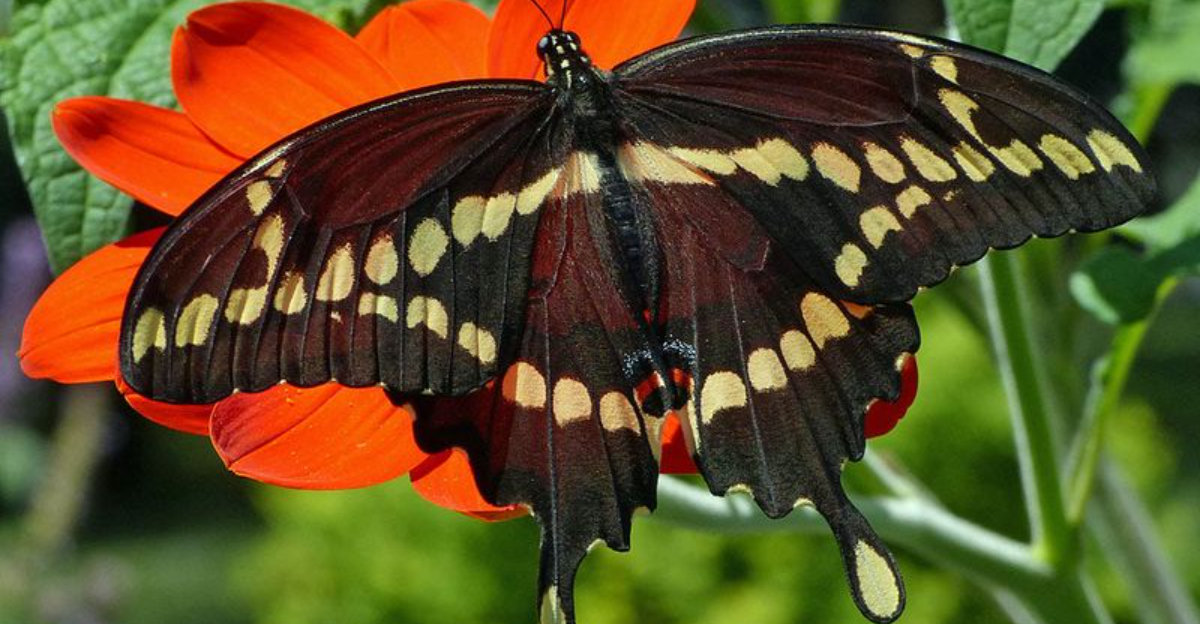
Discover the enchanting world of the Giant Swallowtail Butterfly with our expert guide. From identifying their stunning features to attracting them to your garden, we delve into the essential tips you need to know.
Embrace the wonders of nature as you learn to welcome these majestic creatures into your backyard.
1. Look for the Size – They’re Huge!
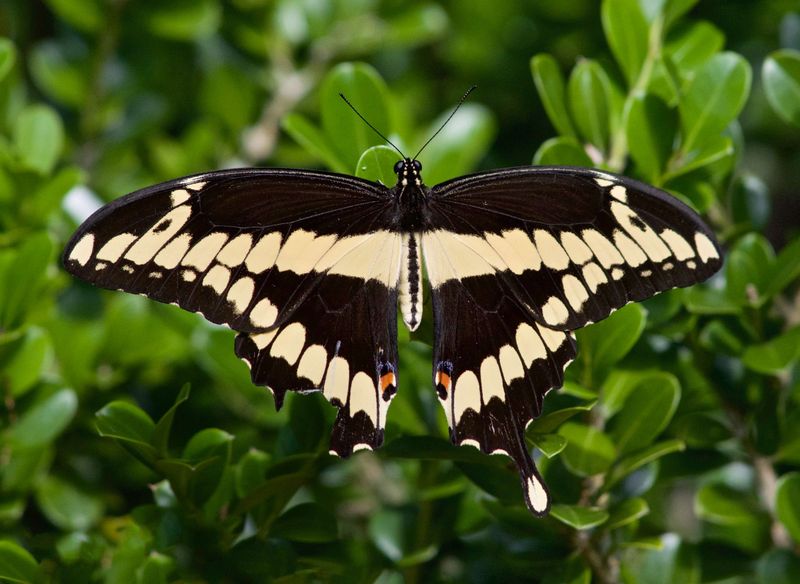
At first sight, the Giant Swallowtail’s size is truly remarkable. With a wingspan ranging from 4 to 6 inches, it holds the title of one of the largest butterflies in the United States. The graceful, slow-gliding flight of this butterfly is unmistakable, captivating observers with its grandeur. Imagine spotting this magnificent creature as it effortlessly soars over a vibrant garden, its presence undeniable and awe-inspiring. Observing its flight can feel like witnessing a delicate dance as it navigates the air currents with elegance and poise.
2. Note the Color Pattern
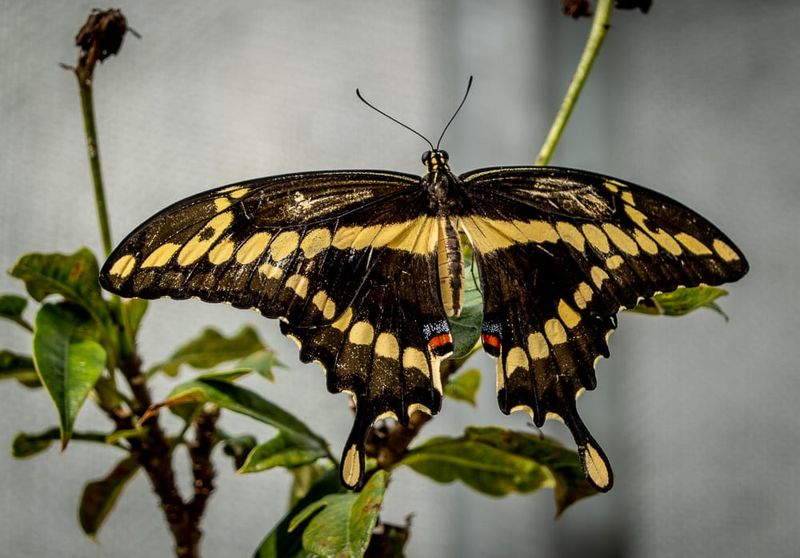
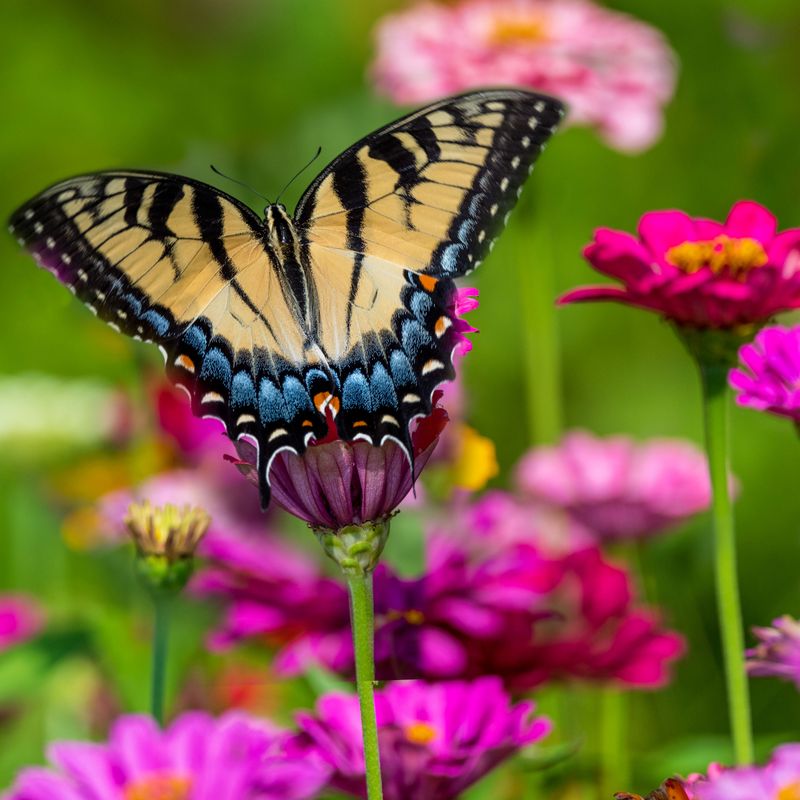
The color pattern of the Giant Swallowtail is a true masterpiece of nature. The upper wings showcase striking black color with diagonal yellow bands, embodying a bold and dramatic appearance. On the underside, a softer palette emerges with a yellow base adorned with intricate blue and orange spots near the tail. This vibrant ensemble creates a visual spectacle that’s hard to forget. The contrast between the top and bottom sides of the wings gives this butterfly its signature look, making it a remarkable sight in natural settings.
3. Check for the “Swallowtail” Tails
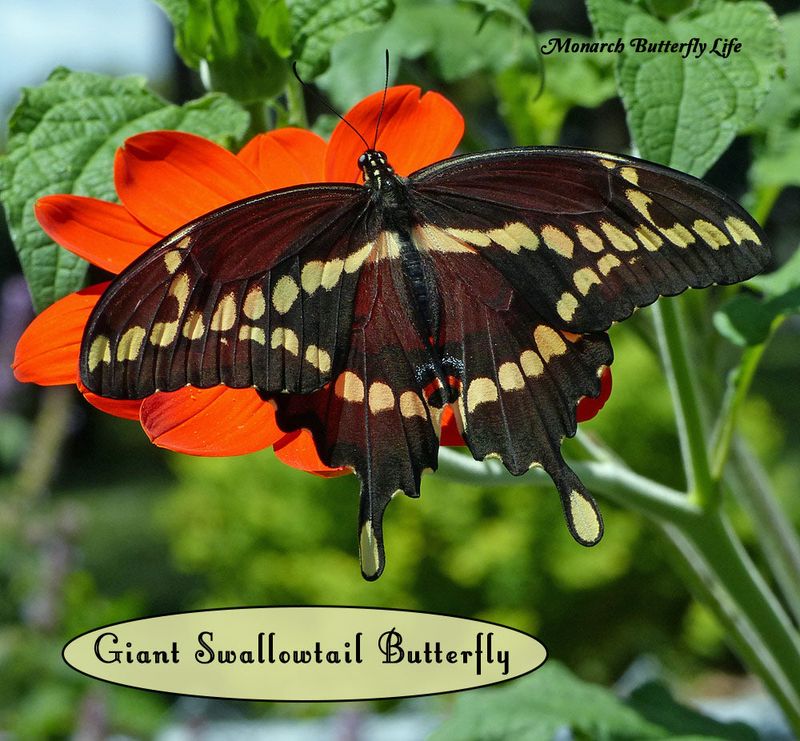
The defining feature of the Giant Swallowtail is undoubtedly its swallowtail-like extensions on the hind wings. These tails mimic a swallow’s feathers, which is how this butterfly gets its name. They add a touch of elegance and uniqueness to its overall appearance. When viewed from behind, these tail-like structures enhance the butterfly’s silhouette, lending it a distinct and recognizable shape. This clever adaptation not only serves an aesthetic purpose but also aids in its survival by confusing predators.
4. Caterpillars Look Like Bird Droppings
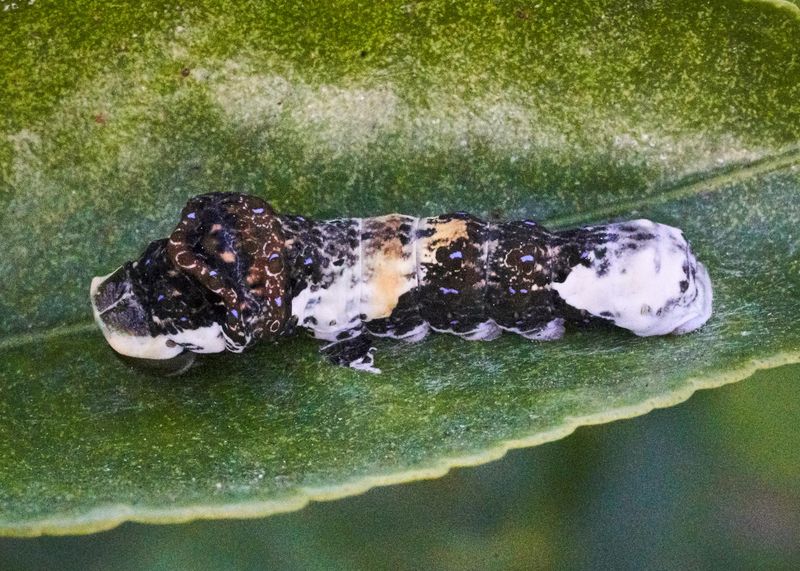
Nature has equipped the Giant Swallowtail caterpillar with an extraordinary camouflage. Its appearance is reminiscent of bird droppings, a clever disguise meant to deter predators. The caterpillar’s brown body with white splotches achieves this mimicry, allowing it to blend seamlessly into its surroundings. This ingenious adaptation is an effective survival strategy. Imagine stumbling upon one of these caterpillars on a leaf, only to realize it’s not what it seems. This remarkable mimicry highlights the fascinating survival tactics in the natural world.
5. They Smell… Unusual When Threatened
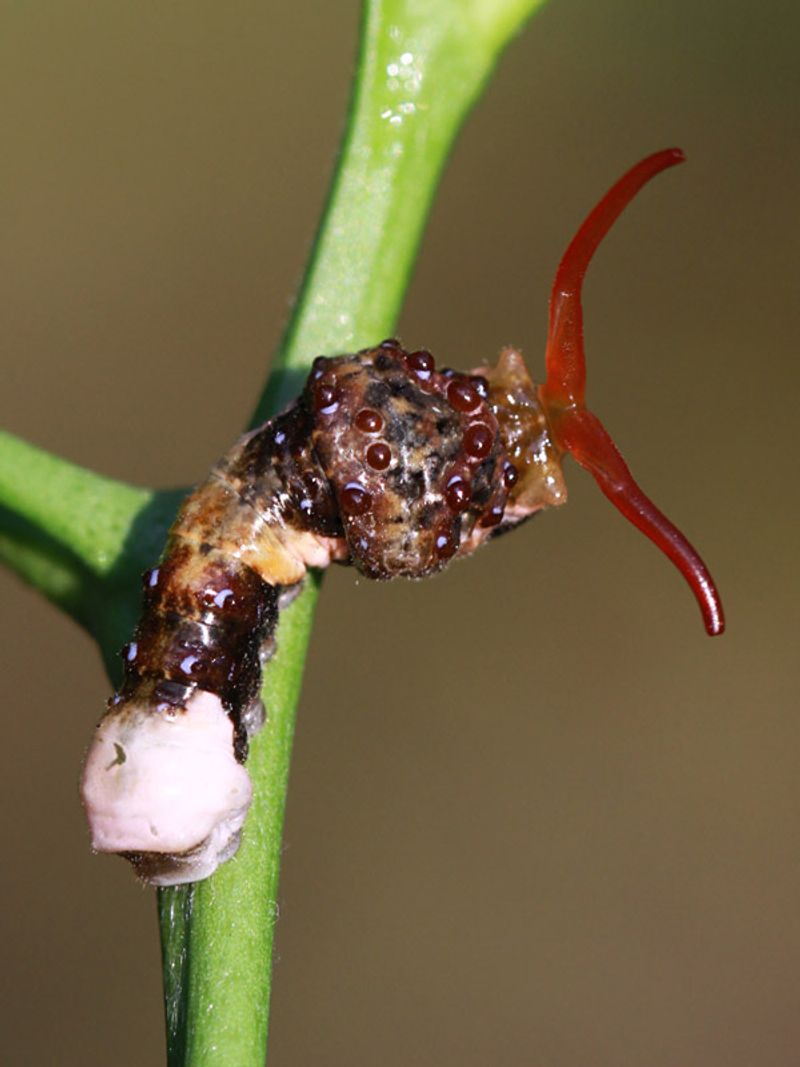
When faced with danger, the Giant Swallowtail caterpillar has a unique defense mechanism. It reveals an orange organ called an osmeterium, which emits a foul odor to ward off threats. This surprising trait adds an extra layer of intrigue to the caterpillar’s already fascinating nature. Imagine observing this small creature as it deploys its unexpected weapon, a reminder of nature’s endless creativity in defense strategies. The osmeterium’s potent smell is both a deterrent and a testament to the caterpillar’s resourcefulness in survival.
6. Plant Their Favorite Host Plants
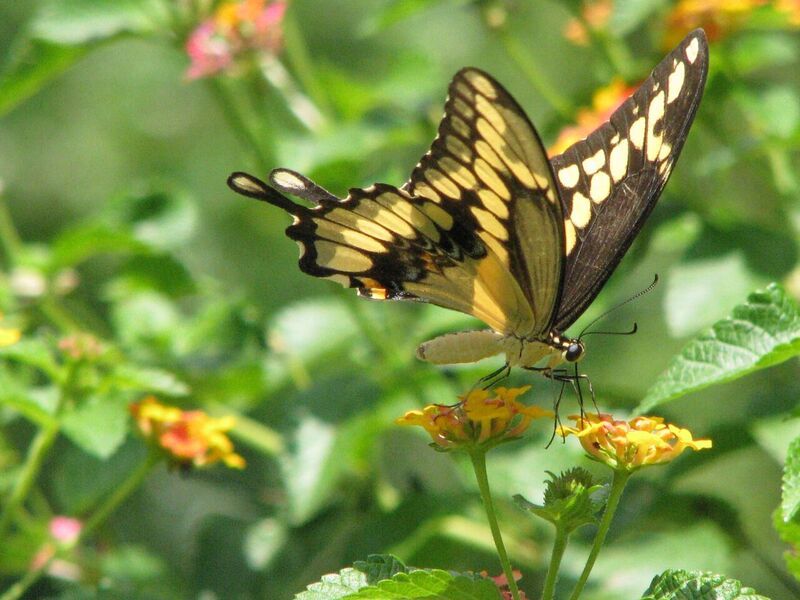
To tempt the Giant Swallowtail into your garden, consider planting their favored host plants. Caterpillars of this butterfly thrive on plants in the citrus family, such as rue, prickly ash, Hercules’ club, wild lime, and various citrus trees like orange and lemon. These plants provide essential nourishment for the caterpillars, ensuring their growth and development. Creating a garden rich with these hosts invites not only the caterpillars but also the enchanting adult butterflies. Imagine your garden alive with their presence, a testament to successful butterfly gardening.
7. Grow Nectar-Rich Flowers for Adults
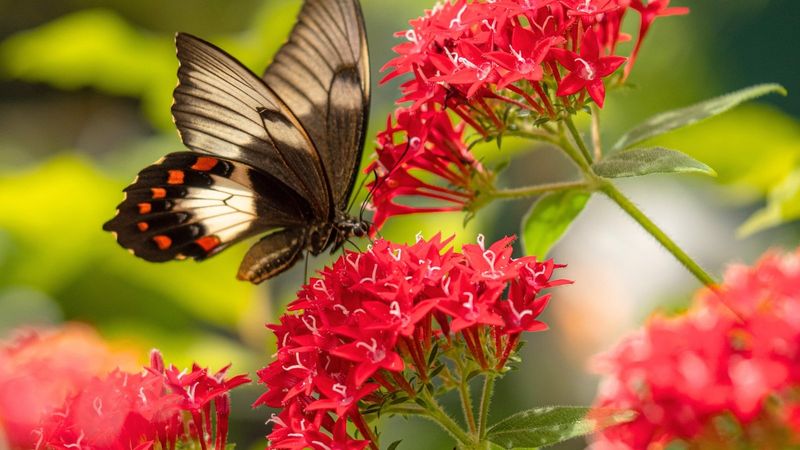
To sustain the adult Giant Swallowtails, fill your garden with an array of nectar-rich flowers. Bright blooms like zinnias, lantana, milkweed, coneflowers, and butterfly bush are irresistible to these butterflies. These flowers not only offer nourishment but also create a vibrant and lively atmosphere in the garden. Imagine the joy of watching an adult butterfly flit from flower to flower, sipping nectar and gracing your garden with its elegant presence. This floral diversity is key to attracting and retaining these magnificent creatures.
8. Avoid Pesticides and Insecticides
In cultivating a butterfly haven, it’s crucial to avoid pesticides and insecticides. These chemicals can be lethal to both caterpillars and adult butterflies. Opt for organic gardening methods to maintain a safe environment for pollinators. Consider companion planting or introducing beneficial insects as natural pest control alternatives. By creating a chemical-free zone, you foster a sanctuary where butterflies can flourish. Picture a thriving garden where nature’s delicate balance is preserved, offering a haven for these winged beauties without the threat of harmful substances.
9. Provide Sunny Spaces for Basking
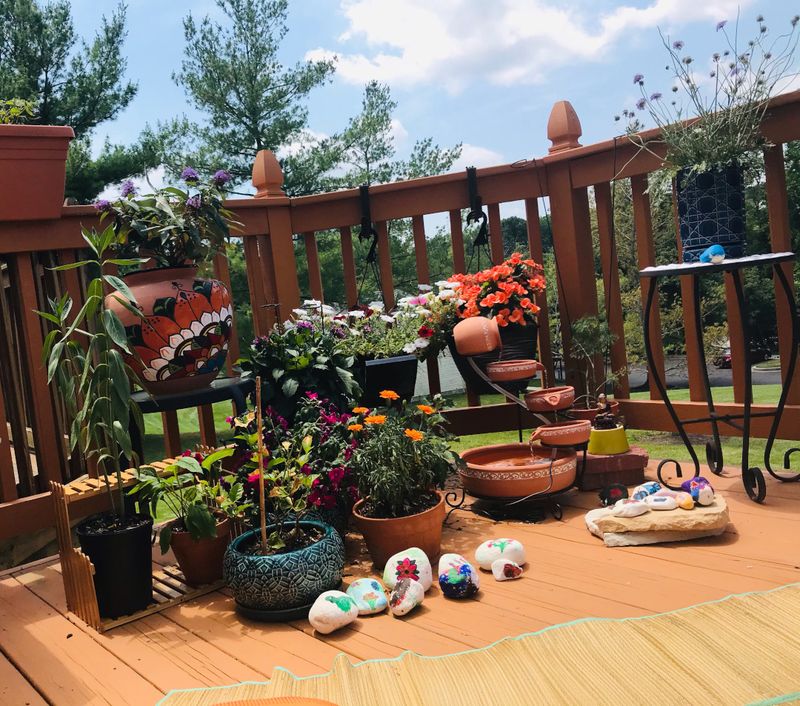
Butterflies, including the Giant Swallowtail, are sun enthusiasts. To attract them, ensure your garden offers sunny spots for these creatures to bask. Flat stones or sheltered areas that capture sunlight serve as ideal resting and warming locations. These sunny patches not only cater to the butterflies’ needs but also enhance the garden’s appeal. Picture a sunlit garden where butterflies pause to soak up warmth, adding vibrant life to your outdoor space. Providing these basking spots is a simple yet effective way to welcome these butterflies.
10. Include Water and Mud Puddling Areas
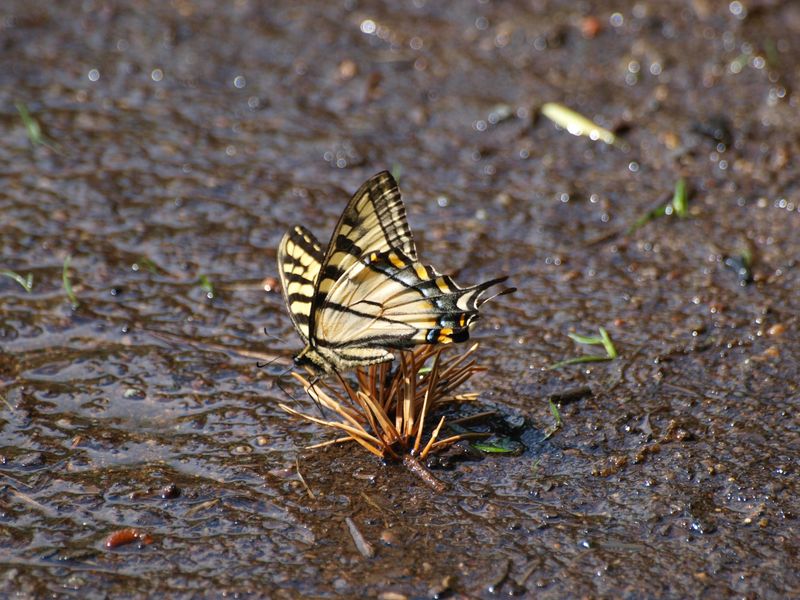
Butterflies require more than just nectar; they need minerals too. Creating a water and mud puddling area in your garden can provide essential nutrients for the Giant Swallowtail. A shallow dish filled with moist soil or sand becomes a gathering spot for butterflies to sip minerals. This simple addition to your garden enhances its attractiveness, offering a vital resource for their health and reproduction. Imagine the delightful scene of butterflies gathered around a puddling area, drawn by the minerals essential for their well-being.