 Complete Gardening
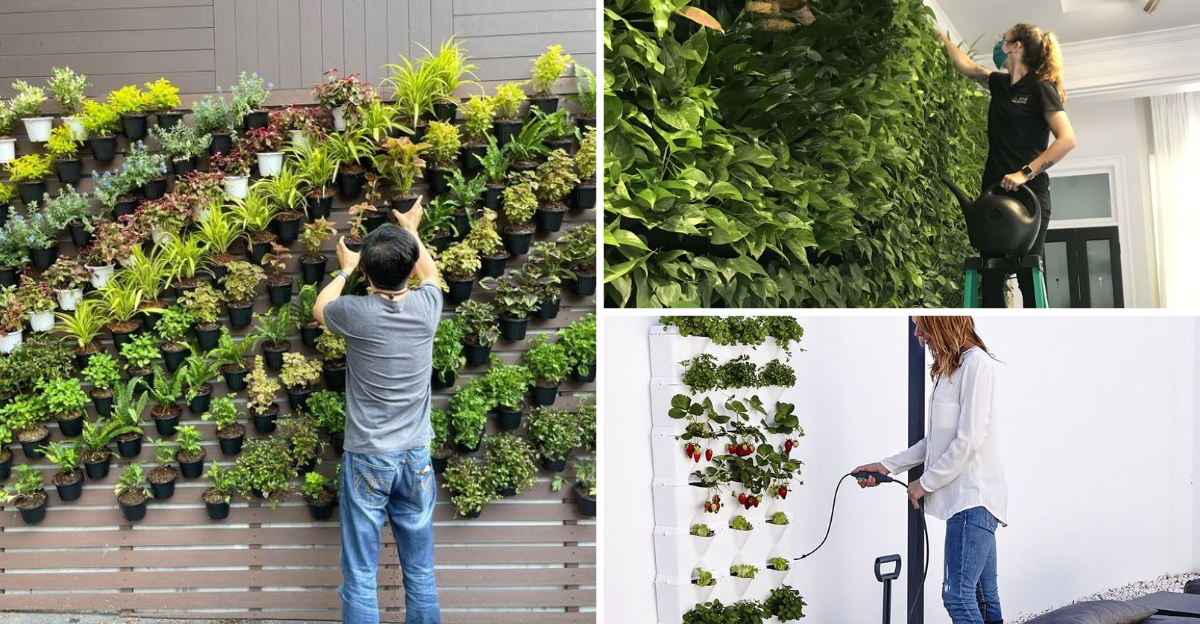
Creating a vertical veggie wall is a fantastic way to grow your own produce, especially in limited spaces. By using vertical space, you can cultivate a lush garden in areas where traditional gardening might not be possible. This guide will provide you with essential tips and tricks to ensure your vertical veggie wall not only survives but thrives, offering abundant harvests and a beautiful green display.
1. Choose the Right Plants
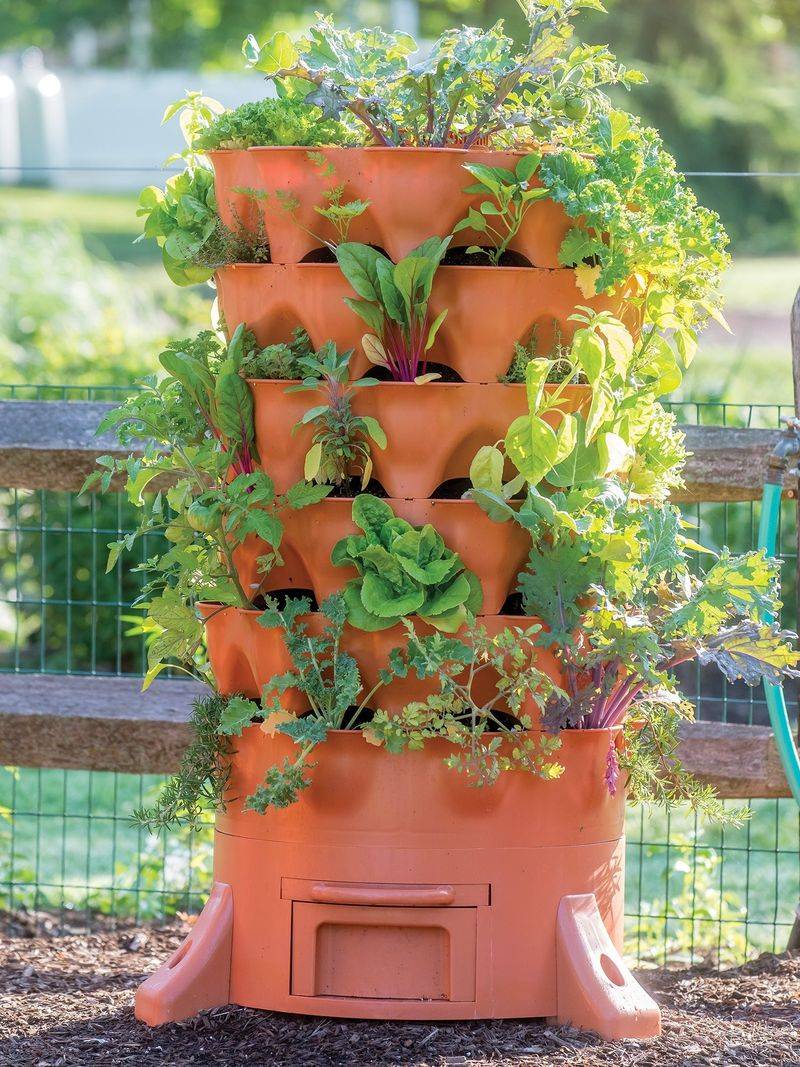
Selecting the right plants is crucial for a thriving vertical veggie wall. Opt for vegetables that naturally grow upwards, like beans or peas. Their climbing nature makes them ideal for vertical gardens. Additionally, consider compact plants, such as bush tomatoes and salad greens.
Herbs like basil, mint, and cilantro also thrive in vertical spaces. They bring not only functionality but also fragrance to your garden. Choose varieties that match your climate and sunlight conditions. This way, you ensure a lush, productive wall that complements your space beautifully.
2. Ensure Proper Sunlight
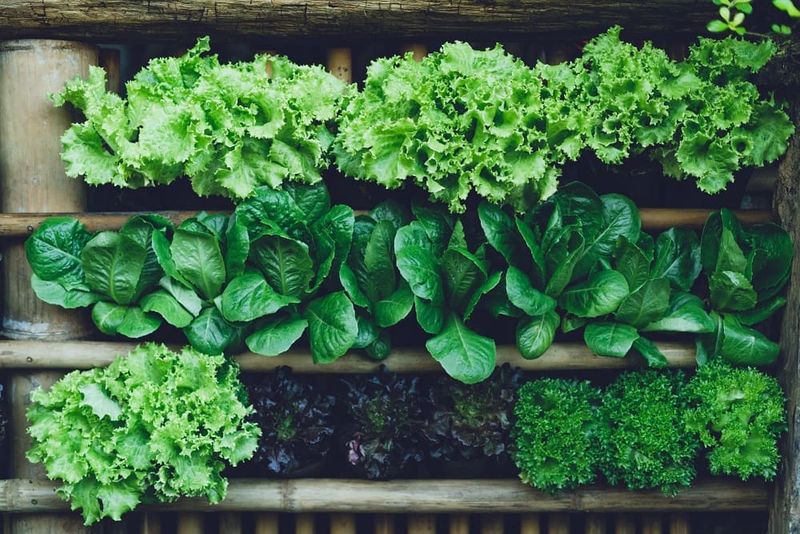
Sunlight is essential for photosynthesis, the process by which plants create energy. Place your vertical garden where it receives adequate sunlight. Most vegetables require at least six hours of direct sun daily.
Urban settings might challenge this requirement, but creative solutions like reflective surfaces can help. Consider rotating plants to ensure even light distribution. Tailor your plant choices to the available light, opting for shade-tolerant varieties if necessary. With strategic placement, your garden will bask in the light it needs to flourish.
3. Watering Wisely
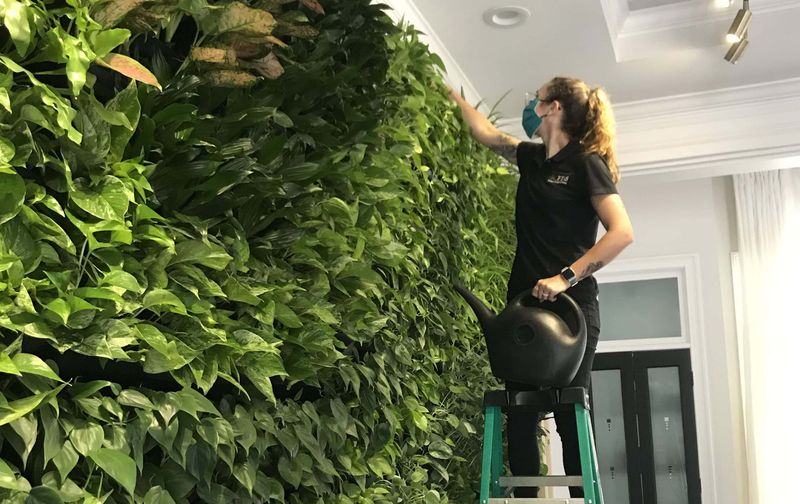
Watering a vertical garden requires thoughtful planning. Gravity affects moisture distribution, so start by installing a drip irrigation system. This ensures plants receive consistent hydration.
Focus on watering the top sections more, as water naturally trickles downwards. Avoid overwatering, which can lead to root rot. Check soil moisture regularly and adjust your watering schedule accordingly. During hot spells, increase frequency to maintain hydration. By mastering the art of watering, your vertical veggie wall will stay lush and healthy.
4. Soil and Nutrient Management
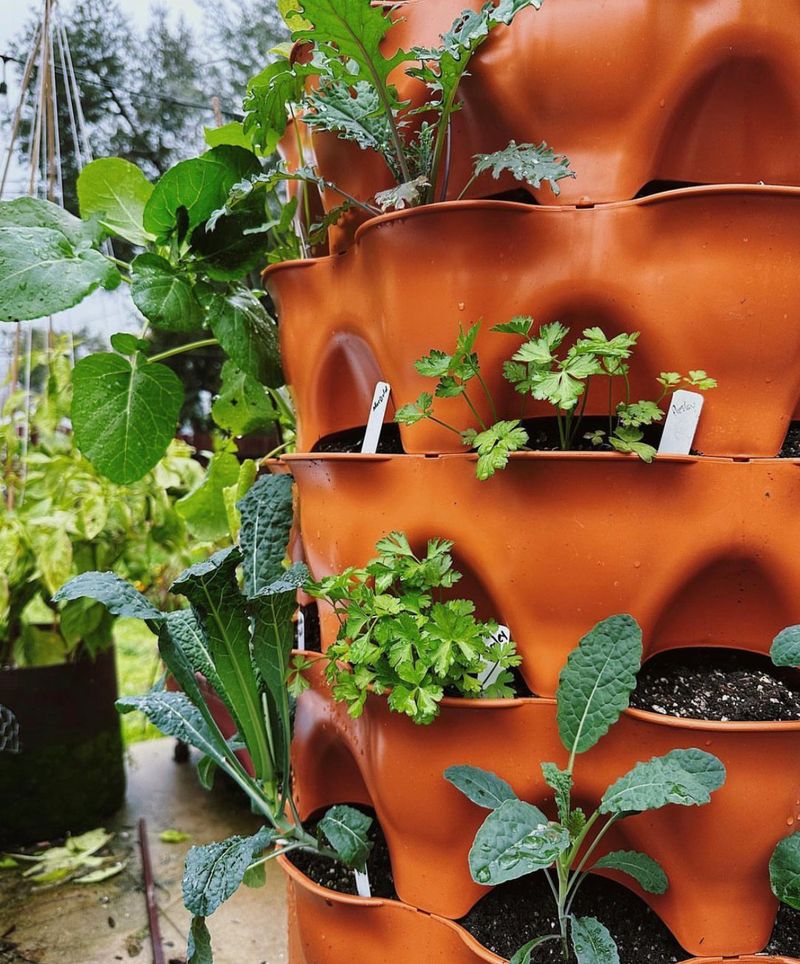
Quality soil is the lifeblood of any garden. For vertical gardens, lightweight, nutrient-rich soil is essential. Use potting mix combined with organic compost to boost fertility.
Regularly replenish nutrients with natural fertilizers like worm castings or fish emulsion. Monitor plant health for signs of nutrient deficiency. Rotation of crops and soil amendments will keep your garden’s ecosystem balanced. With the right soil care, your plants will have a robust foundation to grow.
5. Pest Management
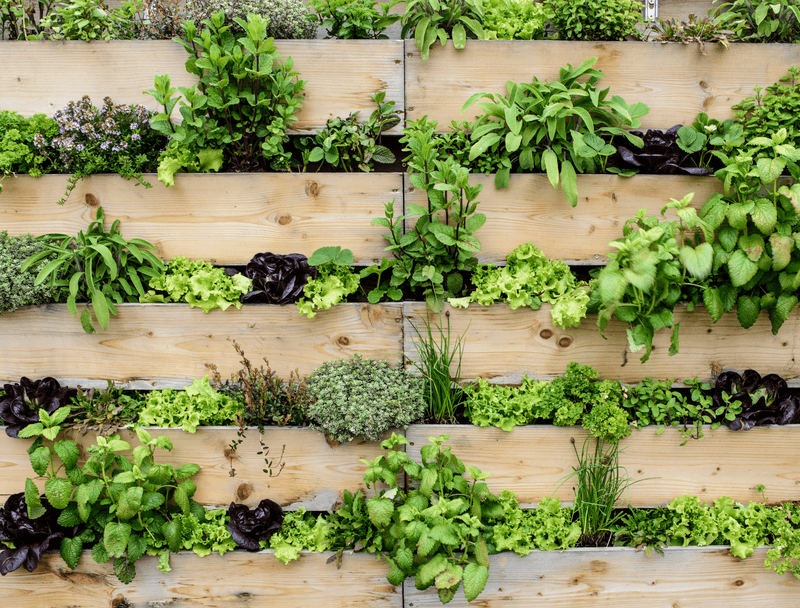
Pests can plague any garden, but vertical ones offer unique challenges. Employ organic pest control methods to protect your plants. Use neem oil or insecticidal soap for safe, effective treatments.
Encourage beneficial insects like ladybugs to keep pests in check. Regularly inspect your garden for signs of infestation. Hand-picking or trapping can also be effective for larger pests. Maintaining plant health is your first defense against pests. An alert gardener can prevent small problems from escalating.
6. Pruning and Maintenance
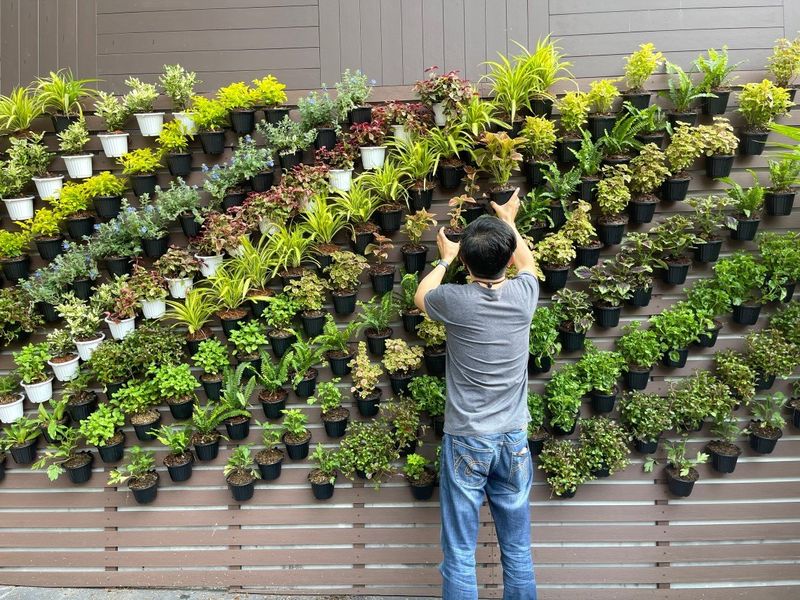
Regular pruning ensures your vertical garden remains vibrant. By removing dead or diseased foliage, you allow healthy growth to thrive. Pruning also encourages air circulation, reducing the risk of fungal diseases.
Keep an eye out for overlapping branches that might block sunlight. Tidy up regularly to maintain aesthetics and plant health. Routine checks help you spot issues early. A well-maintained garden is a joyful sight, rewarding your attention with abundant produce.
7. Seasonal Adjustments
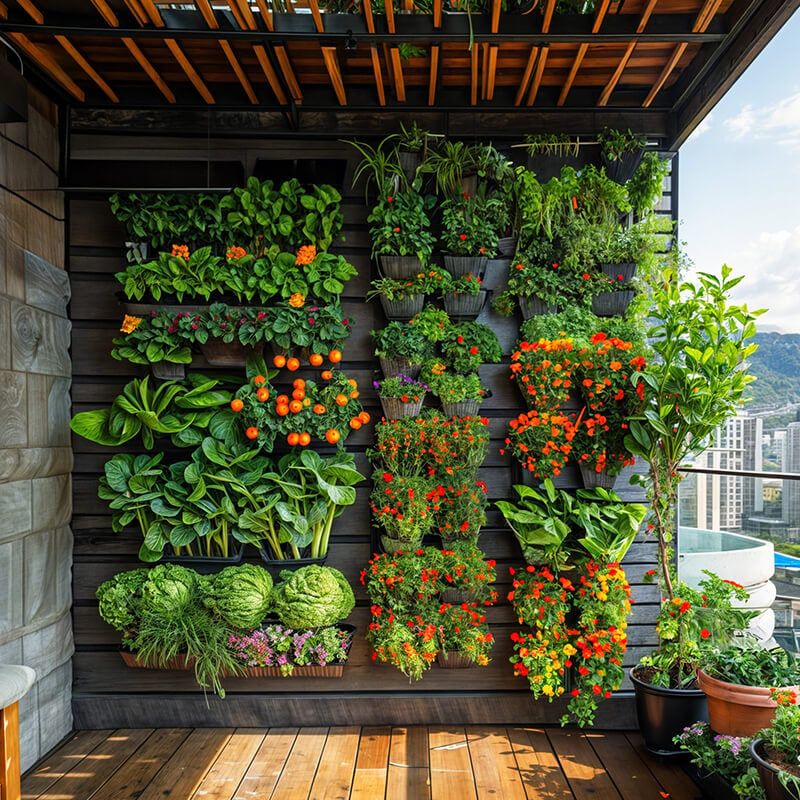
Adapt your vertical garden to the changing seasons. In summer, focus on hydration and shading to protect plants from intense heat. As autumn approaches, prepare for cooler temperatures by selecting hardy varieties.
Winter may require protective measures like frost cloths. Spring is a time for renewal, making it perfect for planting fresh crops. By adjusting to the seasons, you ensure your garden continues to thrive year-round. The beauty of a vertical veggie wall is its adaptability.
8. Microclimate Management
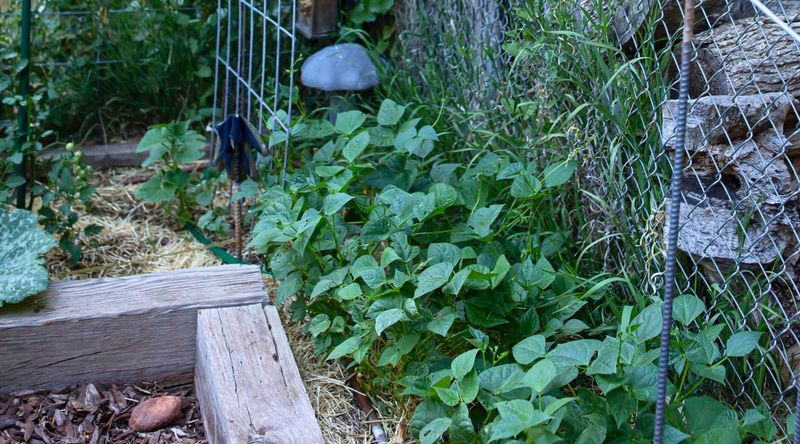
Every garden has its unique microclimate. Understanding it can make a world of difference. Observe how sunlight, wind, and temperature affect your veggie wall throughout the day. Adjust plant placement to optimize these conditions.
Shaded areas might benefit from leafy greens, while sun-loving vegetables thrive in brighter spots. Windbreaks can prevent damage to delicate stems and leaves. By tailoring your wall to its specific environment, you maximize growth potential and health.
Remember, even small changes can significantly impact plant vitality. Keep experimenting and observing to perfect your wall’s microclimate.
9. Companion Planting
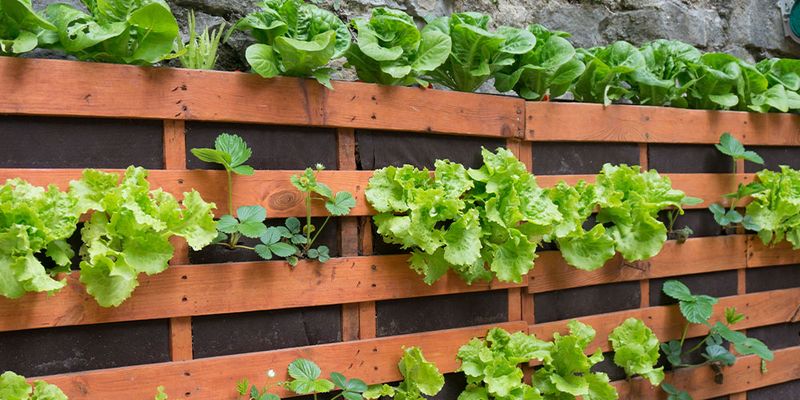
Companion planting is like matchmaking for plants. Certain combinations enhance growth and deter pests naturally. For instance, planting basil near tomatoes can improve flavor and repel unwanted insects.
In a vertical setting, strategically place herbs, flowers, and veggies that support each other. Nasturtiums attract aphids away from key crops, while marigolds deter nematodes. This synergy not only boosts productivity but also fosters a balanced ecosystem.
Explore different pairings to see what works for your setup. The right partners can make your garden sing with life and vitality.
10. Irrigation Innovation
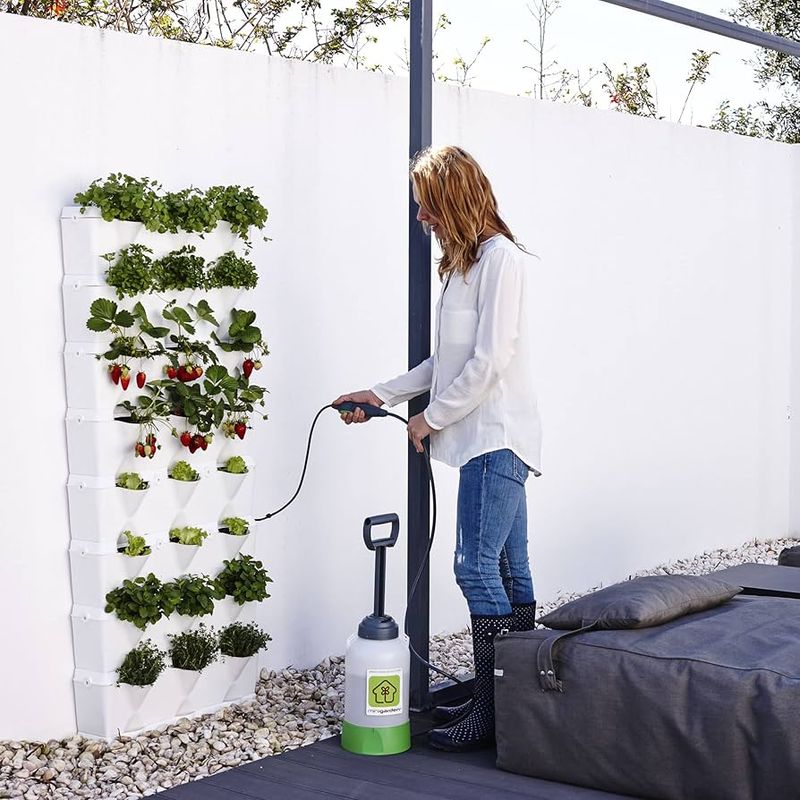
Watering a vertical garden poses unique challenges. Innovative irrigation systems can make this task seamless. Drip irrigation, for instance, delivers water directly to the roots, minimizing waste.
Consider installing a self-watering system that automates the process. This ensures consistency, especially during hot spells when plants need it most. A timer-controlled system can adjust watering frequency and duration as needed.
With technology aiding your efforts, maintaining optimal moisture levels becomes effortless. Your plants will flourish, no matter the weather conditions.
11. Plant Diversity
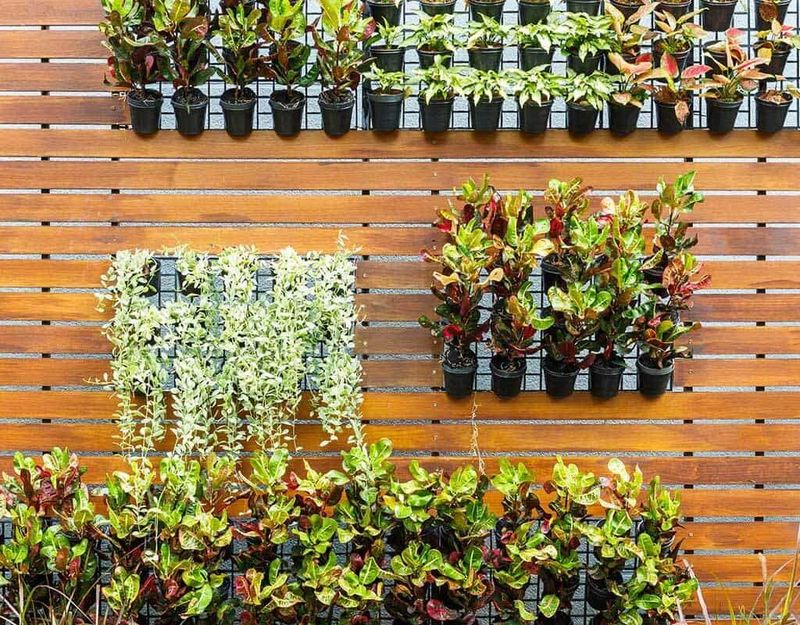
A diverse garden is a resilient one. Mixing various plants creates a dynamic environment that resists pests and diseases. Diversity in your vertical wall can mean a symphony of colors, textures, and tastes.
Incorporate plants with different growth habits. Vines, like beans, can cascade down, while bushy herbs fill spaces in between. This variety not only enhances aesthetic appeal but also promotes healthy interactions.
Experiment with unusual plant choices for visual interest and culinary delight. Diversity ensures a thriving, balanced ecosystem in your green wall.
12. Efficient Vertical Structures
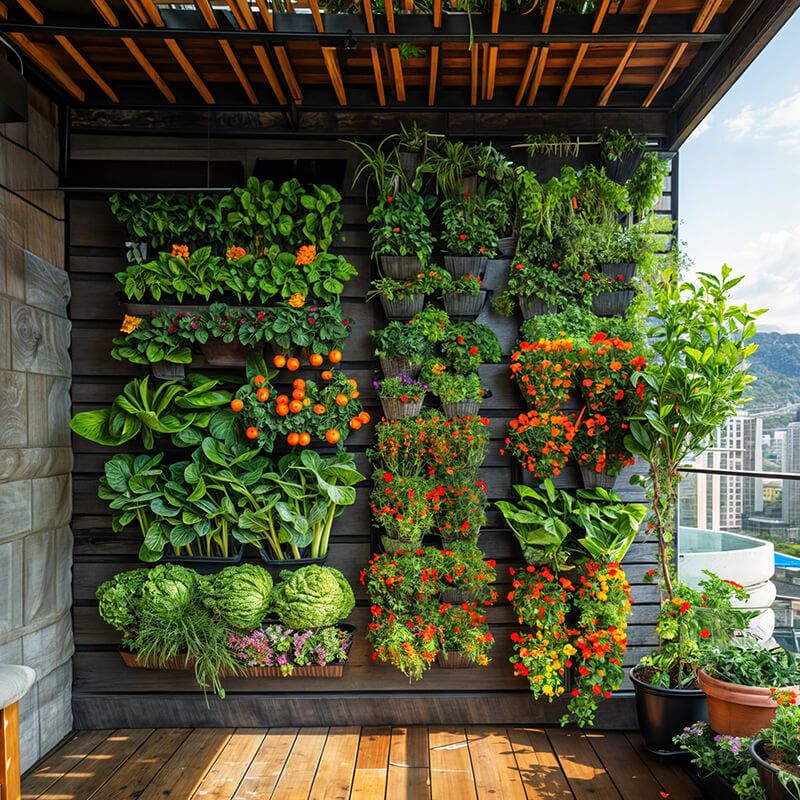
The backbone of a thriving veggie wall is its structure. Invest in sturdy, flexible systems that can adapt to your garden’s needs. Modular designs allow for easy reorganization and expansion.
Look for structures with built-in watering solutions or movable shelves. These features maximize space and facilitate maintenance. High-quality materials ensure longevity and withstand outdoor elements.
With the right setup, your vertical garden can grow and evolve with minimal fuss. An efficient structure is the key to sustained productivity.
13. Biodiversity Boosters
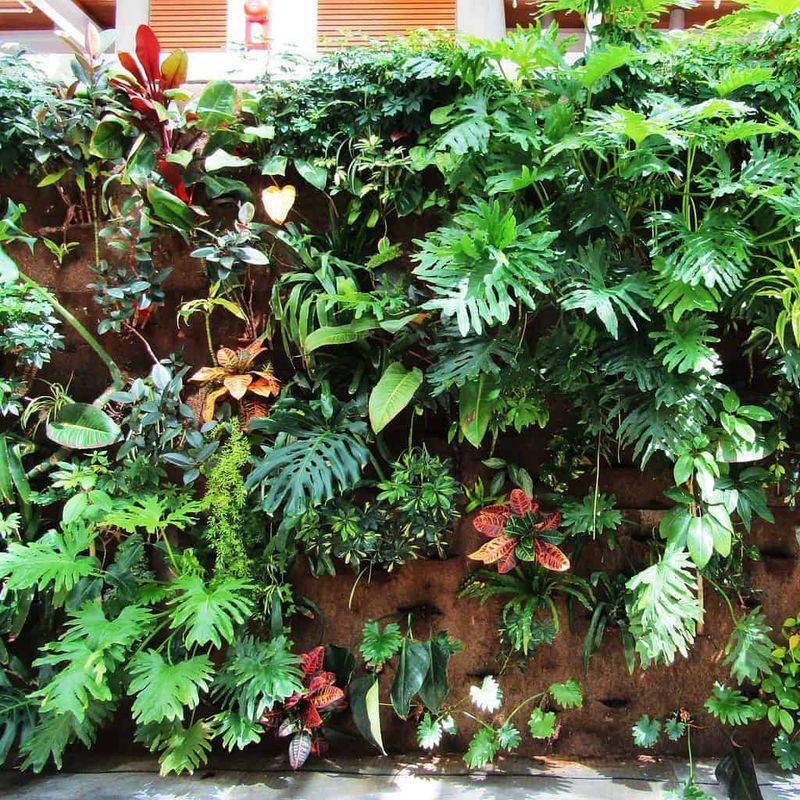
Encouraging biodiversity in your veggie wall leads to a robust ecosystem. Invite beneficial insects, like ladybugs, which naturally manage pests, reducing the need for chemicals.
Plant flowers that attract pollinators. Bees and butterflies ensure your veggies receive the pollination they need to produce fruits. A mix of blooming plants will keep them returning season after season.
By fostering biodiversity, your garden becomes a haven of life and productivity. The natural balance will help sustain your vertical wall’s health.
14. Temperature Regulation
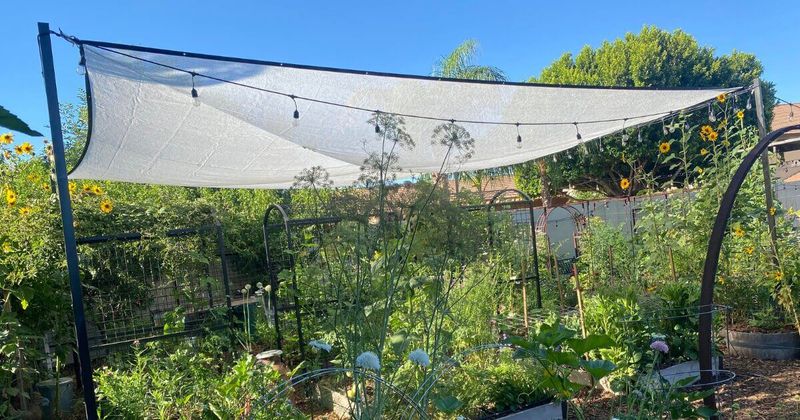
Extreme temperatures can stress your plants. Implementing temperature regulation techniques can buffer these effects. Reflective panels and shade cloths can moderate heat and protect sensitive plants.
In colder climates, consider insulating materials to retain warmth. This helps extend the growing season and protect against unexpected frosts. Managing temperature ensures plants remain resilient and productive.
With careful regulation, your garden can thrive despite fluctuating weather patterns. Temperature control is crucial for sustained plant health.
15. Harvesting Techniques
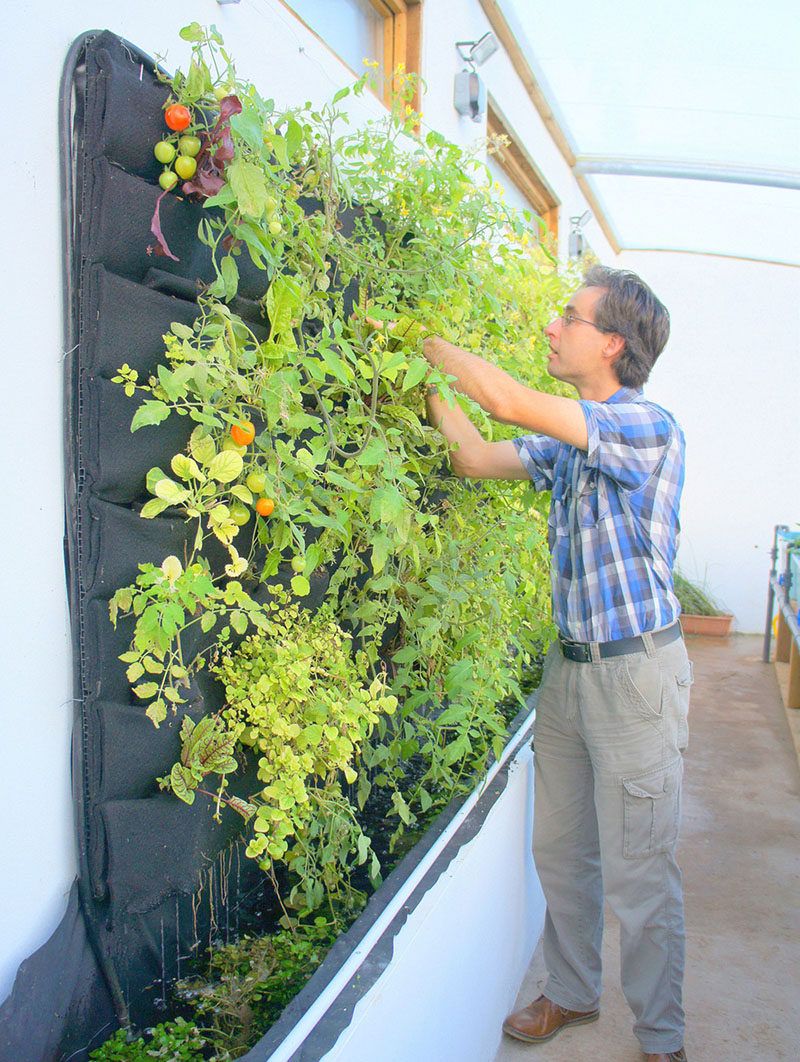
Proper harvesting techniques are crucial for a thriving veggie wall. Picking the right way encourages more growth and prevents damage to your plants.
Use sharp, clean tools to make precise cuts, avoiding pulling or tearing. This keeps stems intact and reduces stress on the plant. Harvest regularly to stimulate continuous production.
Understanding each plant’s harvesting needs ensures you get the most out of your garden. With careful attention, your veggie wall will remain bountiful and vibrant.