
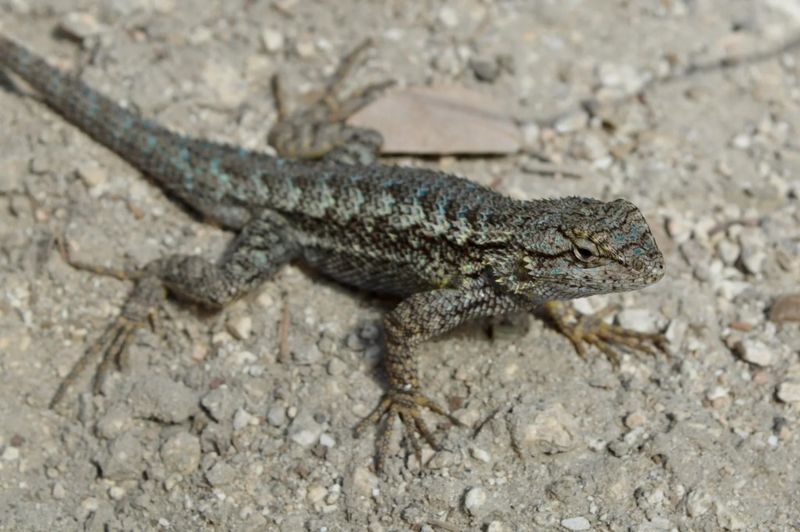
A small lizard sunning itself on your backyard fence might be doing something remarkable inside the ticks that feed on it. The western fence lizard, one of California’s most common reptiles, carries a blood compound that can destroy the bacteria that cause Lyme disease in some ticks before they ever bite a person. That is a genuinely interesting piece of biology, but it is also a story that gets stretched well beyond what the science actually shows. Understanding what lizards really do, and what they do not do, helps you make smarter choices for your yard, your pets, and your family.
The California lizard story needs a correction
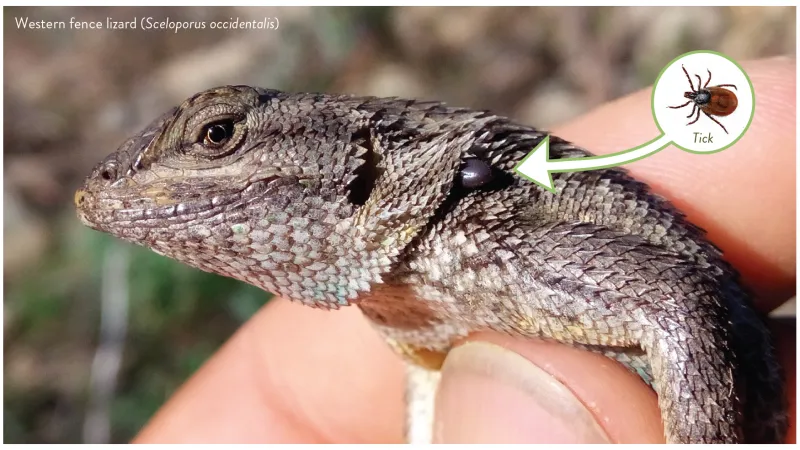
A popular version of this story claims that alligator lizards quietly patrol garden beds and eat the ticks right off the ground, keeping your yard free of Lyme disease. That version is appealing, but it is built on a mix-up between two different lizards and a real biological mechanism that works very differently from physical tick removal.
The lizard at the center of the documented science is the western fence lizard, Sceloporus occidentalis, sometimes called the blue-belly. California Department of Fish and Wildlife species accounts describe it as probably the state’s most common reptile, found in chaparral, oak woodland, grassland edges, and suburban yards from sea level to mountain foothills. It is not equally abundant everywhere, and some California climate zones and densely paved neighborhoods support few or none.
The southern alligator lizard is a separate species. Researchers have explored whether alligator lizard blood has a similar effect on Borrelia burgdorferi, the Lyme-disease bacterium, and one peer-reviewed study found a Borrelia-killing factor in alligator lizard serum as well. But the strongest, most replicated evidence concerns the western fence lizard, and neither species reliably clears ticks from garden beds by eating them. Ticks are taken occasionally as prey, but that is not the mechanism that matters here.
The tick in question is Ixodes pacificus, the western black-legged tick. CDC surveillance data confirm it as California’s primary Lyme-disease vector, occurring along the Pacific Coast and into interior woodland habitats. CDPH notes that California residents can be exposed during gardening, hiking, and outdoor recreation, even close to home. The real story is what happens chemically when an immature western black-legged tick feeds on a western fence lizard, and that story starts in the lizard’s blood, not in your raised beds.
What happens inside a tick when it feeds on a fence lizard
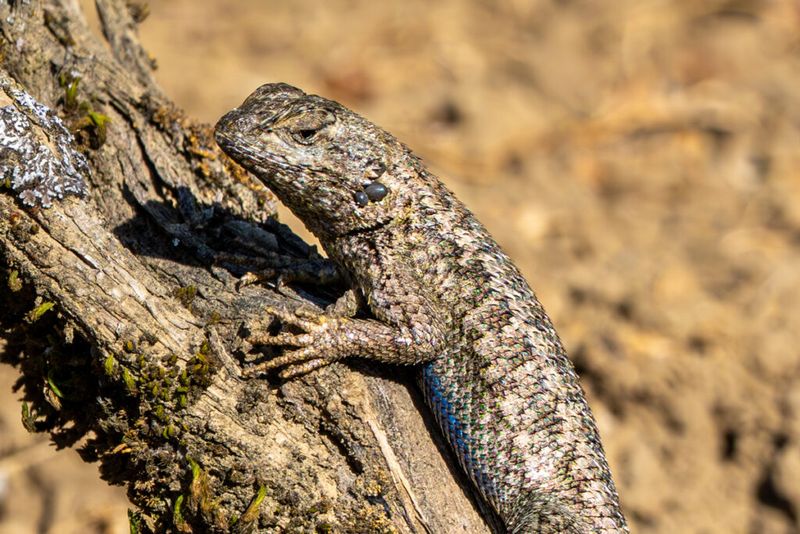
Larval and nymphal western black-legged ticks need a blood meal to survive and develop. Western fence lizards are among the most common hosts they find, particularly in California’s oak woodlands and scrubby suburban edges. When an infected tick feeds on a lizard, something unexpected happens to the Borrelia burgdorferi bacteria inside it.
The lizard’s blood contains bactericidal proteins, and early foundational research published in the Journal of Parasitology established that western fence lizard serum kills Borrelia burgdorferi in laboratory conditions. Later work confirmed the mechanism more precisely: the alternative complement pathway in the lizard’s immune system appears to be a key part of how the bacteria are destroyed as the tick ingests the lizard’s blood during feeding. The lizard itself generally does not become infected, meaning it does not serve as a reservoir that passes Borrelia onward to the next tick that feeds on it.
The practical implication is that a tick which fed on a lizard as a larva may carry less Borrelia, or none at all, when it molts into a nymph and seeks its next host. A 2006 study in the Journal of Medical Entomology found lower infection rates in nymphs that had fed on western fence lizards compared with those that had fed on other hosts. That is a measurable biological effect worth knowing about.
The limits of this mechanism matter just as much. The lizard does not cure anyone who has been bitten, and it does not remove ticks from the ground or from plants. Not every tick that feeds on a lizard will lose its Borrelia, either. More recent research on North American fence lizard serum shows that some Borrelia strains survive better than others in lizard blood, meaning the outcome is not universal.
Calling this process a guarantee that Lyme bacteria are always destroyed would overstate what the data show.
Why this mechanism does not make a yard tick-free
The biology in the previous section sounds like good news for homeowners, and in one narrow sense it is. Fewer infected nymphs in a given area could mean a slightly lower chance that any one tick bite transmits Borrelia. But the relationship between lizards, ticks, and Lyme risk in a real yard is far more complicated than a simple lizard-equals-fewer-ticks equation.
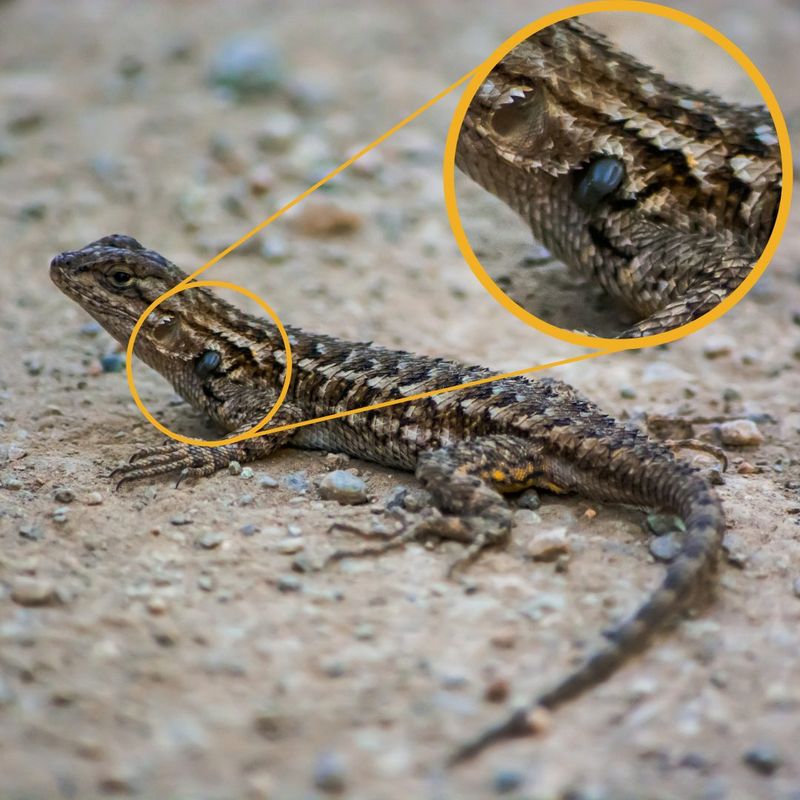
Western fence lizards do not just neutralize Borrelia. They also give larval and nymphal ticks a reliable blood meal, which is exactly what those ticks need to survive, grow, and molt into their next life stage. More lizards in a yard can mean more ticks successfully completing their development. Research published in the Journal of Medical Entomology examined how host community composition affects both tick abundance and infection prevalence, showing that the two measures can move in opposite directions depending on which animals are available.
An experimental study tested what would happen if western fence lizards were removed from a site entirely. The result was counterintuitive: removing lizards reduced subsequent nymphal tick density rather than increasing it, because fewer larvae had found a successful blood meal. The proportion of infected nymphs did not rise as expected, either. That finding does not mean lizards are harmful overall, but it does mean the relationship is context-dependent and cannot be predicted with a simple rule like more lizards equals safer yard.
Tick density, the proportion of infected ticks, and actual human or pet exposure risk are three separate things. A yard could have a lower infection rate among ticks and still present meaningful exposure risk if tick numbers are high and people or pets spend time in tick habitat. The net outcome depends on local host communities, surrounding habitat, tick species present, and pathogen prevalence in the area. None of those variables has been quantified as a guaranteed benefit for any individual California homeowner’s yard, and the lizard’s effect on Borrelia does not make a yard tick-free.
Make the yard usable for lizards that arrive naturally
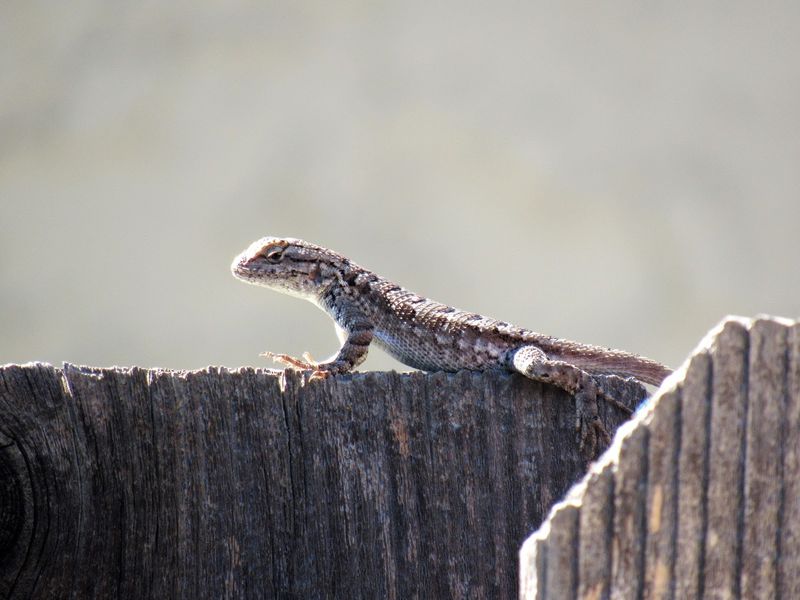
Supporting western fence lizards does not require a major landscaping project. The goal is to preserve or gently improve conditions that local lizards already find useful, so that animals already living in your neighborhood have reason to move through or stay in your yard.
National Park Service natural history notes describe western fence lizards as sun-dependent animals that spend much of their day thermoregulating on exposed surfaces. Flat rocks, concrete walls, fence rails, and open ground at the base of structures all serve this purpose. If your yard has existing rocks, a sunny fence line, or a low stone border, leaving those features undisturbed is the most direct thing you can do.
Lizards also need cover nearby for quick retreat from predators and for overnight shelter. Loose rock edges, the base of an old wooden fence post, and the gap beneath a garden wall all qualify. You do not need to add anything exotic. Reducing unnecessary disturbance during mowing and trimming near fence lines and rock borders costs nothing and avoids displacing animals that have already settled in.
UC IPM’s guidance on California lizards characterizes them as beneficial insect-eaters that cause no measurable garden damage. Their primary diet is terrestrial invertebrates, which is one reason reducing unnecessary broad-spectrum pesticide use matters. Fewer pesticide applications in low-risk areas means more of the small insects and invertebrates that lizards depend on for food. UC IPM’s integrated pest management stewardship pages explain how targeted treatments preserve beneficial wildlife better than calendar-based broad-spectrum spraying.
Practical yard habits that help include mowing less aggressively near fence bases, leaving flat stones in place rather than rearranging them seasonally, and avoiding herbicide or insecticide applications in areas where lizards regularly bask. None of these changes promises a lizard population, and none of them replaces tick management. They simply make your yard more usable for animals that were already part of the local ecosystem. If lizards are already present, these habits help keep them there.
Do not capture or relocate lizards
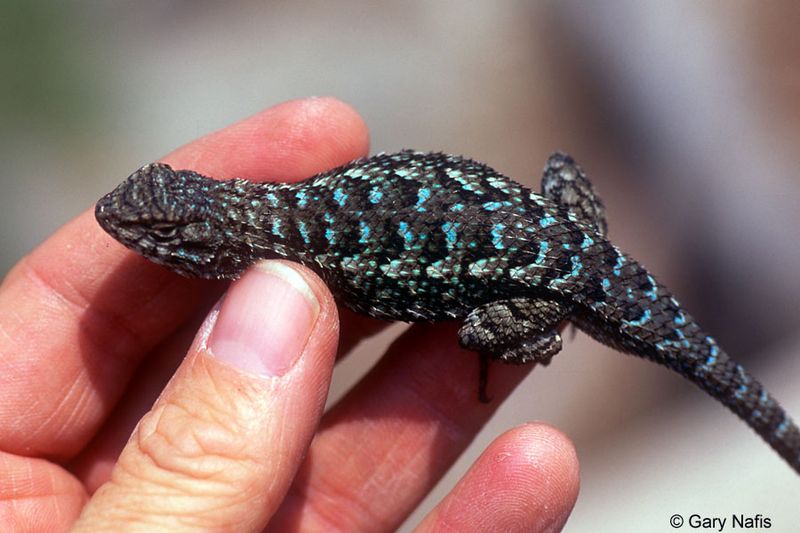
When people read that western fence lizards affect Lyme bacteria in ticks, the next thought is often: can I just get more of them? Buying them, catching them elsewhere, or moving them to a new location sounds logical. Every part of that plan is a problem.
California regulates the taking and possession of native wildlife, including lizards. UC IPM confirms that no native California lizards may be sold commercially, which means any lizard offered for purchase is either a non-native species or part of an illegal transaction. Picking up western fence lizards from a park, a trail, or a neighbor’s yard and releasing them in your own yard is not a workaround. It is regulated activity that requires a permit.
Beyond the legal issue, relocation causes real harm. A lizard moved to unfamiliar territory has to find new basking sites, new shelter, and new food sources while avoiding predators in a place it does not know. Animals released into unsuitable habitat often do not survive. A 1998 Berkeley report on the fence lizard research specifically warned against collecting and moving western fence lizards between locations, noting that the risks to the animals and to local populations outweigh any hoped-for benefit.
Moving animals between locations can also spread pathogens and parasites to populations that have not been exposed to them before. California Department of Fish and Wildlife guidance on disease and invasive species makes clear that translocation of wild animals is a recognized pathway for spreading wildlife disease. The safer path is improving habitat in your yard and letting local lizards find it on their own terms, which is exactly what they will do if the conditions are right.
Use integrated pest management instead of an all-or-nothing pesticide rule
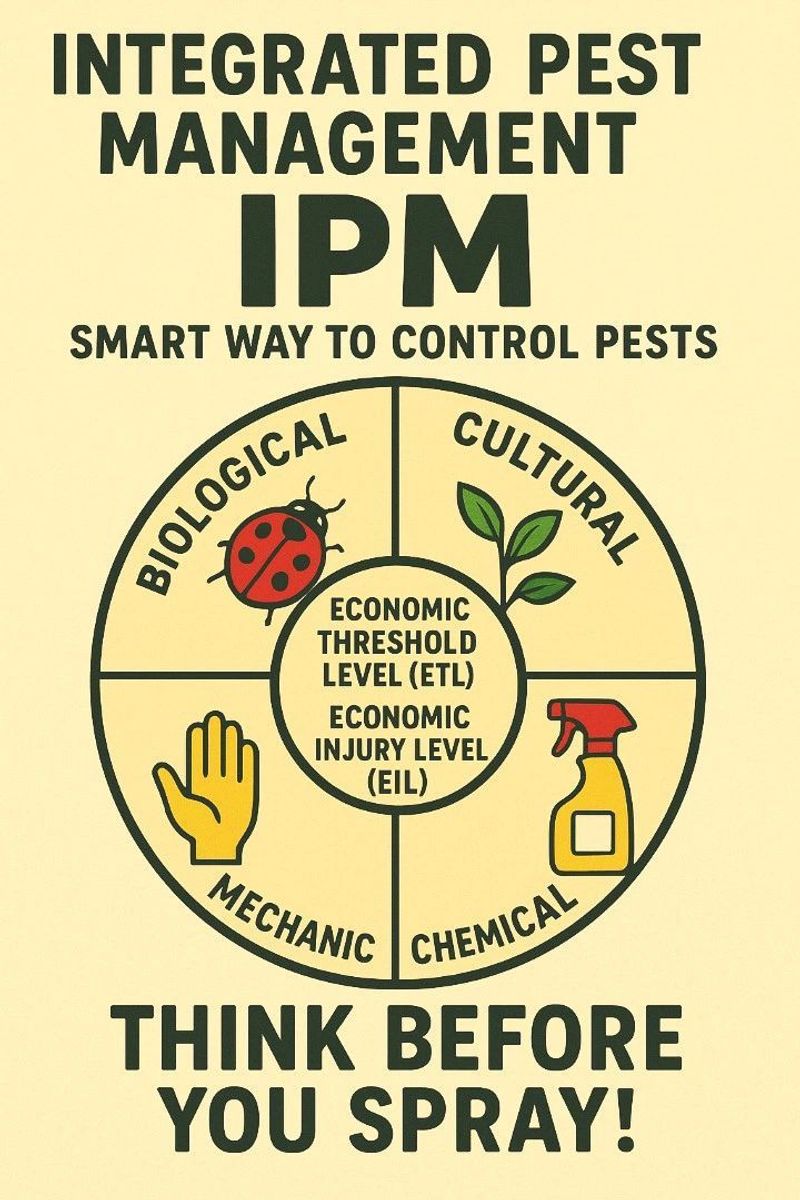
Protecting lizards and other beneficial wildlife does not mean abandoning pest control entirely. A more useful frame is reducing unnecessary applications while keeping the tools you genuinely need.
Broad-spectrum insecticides, particularly those applied on a calendar schedule rather than in response to an actual pest problem, kill far more than their target. Ground beetles, spiders, and the small invertebrates that western fence lizards eat are all vulnerable. UC IPM’s guidance on protecting natural enemies and pollinators explains that targeted treatments, applied only when pest thresholds are reached, cause far less collateral damage to the beneficial species that help regulate pest populations naturally.
Integrated pest management, or IPM, starts with correctly identifying a pest and deciding whether the population level actually requires chemical control. Physical barriers, habitat modification, biological controls, and targeted low-toxicity products often handle common yard pests without the broad-spectrum impact. UC IPM’s lizard page notes that California lizards are beneficial because they consume insects and other invertebrates, and that they generally cause no garden damage worth controlling.
A few specific habits help. Read product labels before purchasing, not just before applying, because some formulations are far more persistent or broadly toxic than alternatives. Avoid spraying near fence bases, rock borders, and other areas where lizards bask or shelter. Time any necessary treatments for early morning when lizards are less active, and choose spot treatments over broadcast applications wherever possible.
None of these steps requires giving up on pest management. They require choosing the right tool for the actual problem, which is the core principle of IPM. Homemade pesticide mixtures and unregistered repellents are not part of this approach, and ignoring label directions is never appropriate.
Balance wildlife habitat with tick and fire safety
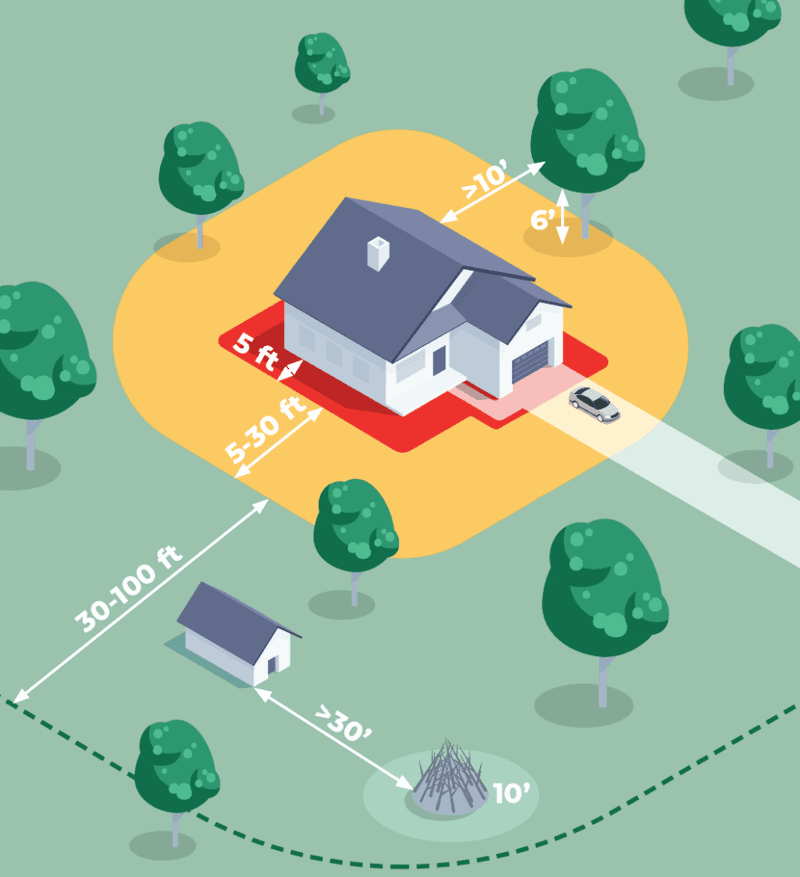
A yard that works for western fence lizards looks different from a bare lawn, and that is mostly a good thing. Rocks, native low-growing plants, and undisturbed fence bases create the kind of structure lizards use. The same features, though, can also shelter ticks, give host animals easy movement through the yard, and, in fire-prone areas, add combustible material near structures.
Tick management does not stop because lizards are present. CDC tick prevention guidance recommends keeping grass mowed, clearing leaf litter and tall grass around the home, and creating a barrier of wood chips or gravel between lawn areas and wooded edges. These steps reduce tick habitat in the areas where people and pets spend the most time. CDC Lyme disease prevention pages add that checking people and pets after any time outdoors, and removing attached ticks promptly using fine-tipped tweezers, remain essential regardless of what wildlife is present.
Pets need their own protection. CDC guidance on preventing ticks on pets recommends using veterinarian-approved tick prevention products year-round, checking pets after outdoor time, and keeping dogs on paths rather than in tall grass. CDPH confirms that California residents face real Lyme disease exposure risk, particularly in the coastal and foothill counties where western black-legged ticks are most common.
Fire safety is the other constraint that shapes what habitat features are realistic near a California home. CAL FIRE defensible space guidance requires that firewood, lumber piles, and combustible debris be kept away from structures, particularly within the first 30 feet. Wood piles and dense dry brush that might benefit lizards must be sited and managed within those rules, not placed against the house or in the immediate zone. An experimental lizard-removal study found that ecological outcomes in tick communities are context-dependent, which is a good reminder that no single habitat decision produces a guaranteed result.
Managing vegetation for both wildlife and fire safety is not a contradiction; it is a California-specific requirement that responsible yard stewardship has to include.
Welcome the lizard, but keep the precautions
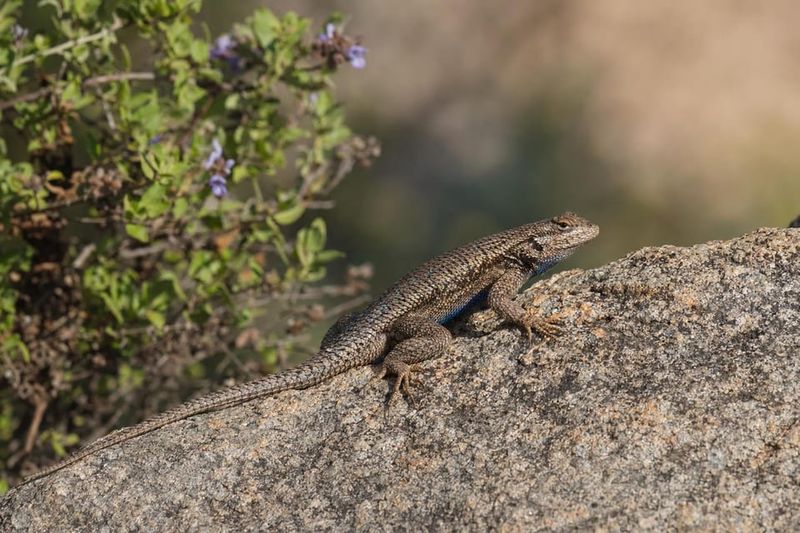
Western fence lizards are worth welcoming. They are part of California’s native tick ecology, they eat garden pests, and the effect their blood has on Borrelia in some feeding ticks is a genuinely documented phenomenon. That said, the research showing reduced infection rates in ticks that fed on lizards describes a biological process, not a yard-level guarantee. Lizards also help ticks survive and molt, and the ecological relationship between lizards and tick populations is conditional on local context, not a simple formula that more lizards means lower risk.
The practical decision is straightforward. Preserve basking and refuge habitat where it already exists, reduce unnecessary broad-spectrum pesticide use, and do not capture, purchase, or relocate lizards. If local western fence lizards find your yard suitable, they will use it. That is the full extent of what a homeowner can do, and it is enough.
CDC Lyme prevention guidance, CDPH recommendations for California residents, and veterinarian-approved tick prevention for pets remain necessary in any yard, lizard-friendly or not. Tick checks after outdoor time, prompt removal of attached ticks, mowed grass, managed leaf litter, and fire-safe vegetation choices do not become optional because a blue-belly is sunning itself on your fence. The lizard is a neighbor worth keeping, not a pest-control service you can rely on.