 Complete Gardening
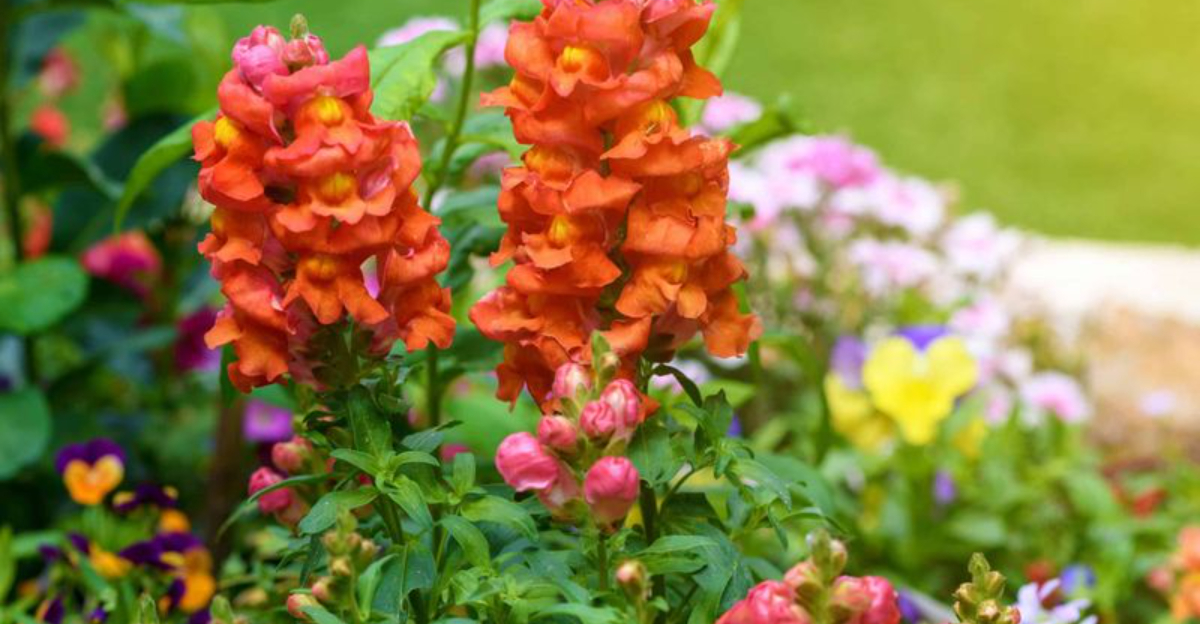
Combining the beauty of ornamentals with the practicality of edibles offers a unique opportunity to create stunning and functional garden spaces. By artfully integrating these two types of plants, gardeners can enjoy visual delights and savor fresh produce without compromising on style. Whether you’re a seasoned gardener or a beginner, mixing edibles and ornamentals can transform your garden into a vibrant oasis. Below are seven creative ways to blend these elements seamlessly.
1. Kale and Marigolds
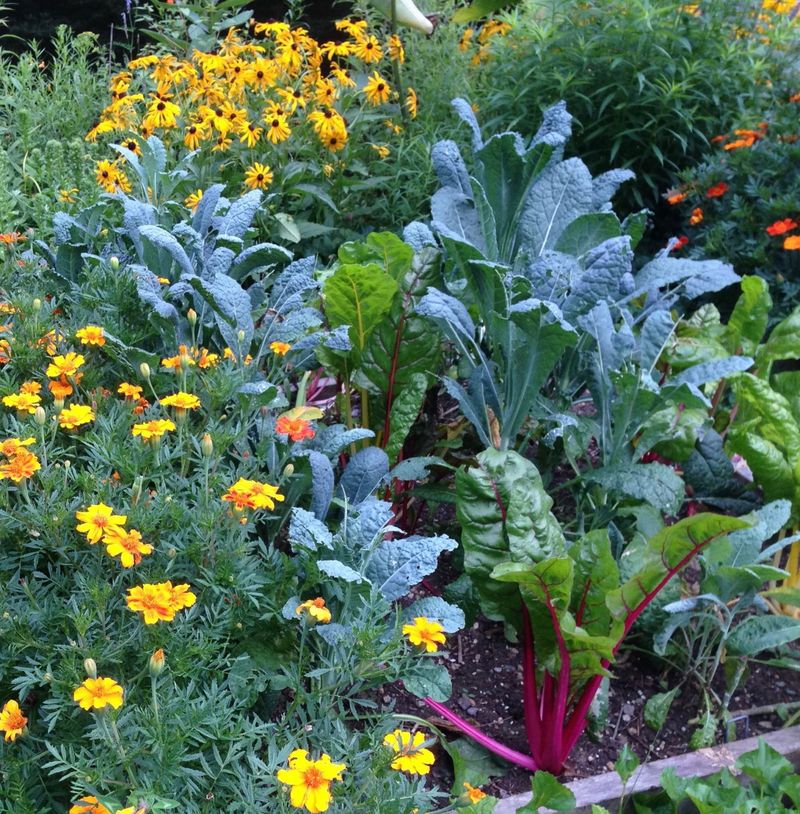
Kale’s robust leaves provide both nutrition and a striking visual contrast to marigolds’ bright blooms. Planting them together not only adds color but also benefits the kale by repelling pests. Marigolds release a fragrance that deters insects, making them a natural companion.
Imagine a garden where the eye-catching orange and yellow flowers weave through the dark green foliage of kale, offering beauty and practicality. These plants grow harmoniously, creating a lush tapestry.
This combination is perfect for gardeners looking to add flair and functionality to their garden beds.
2. Strawberries and Hostas
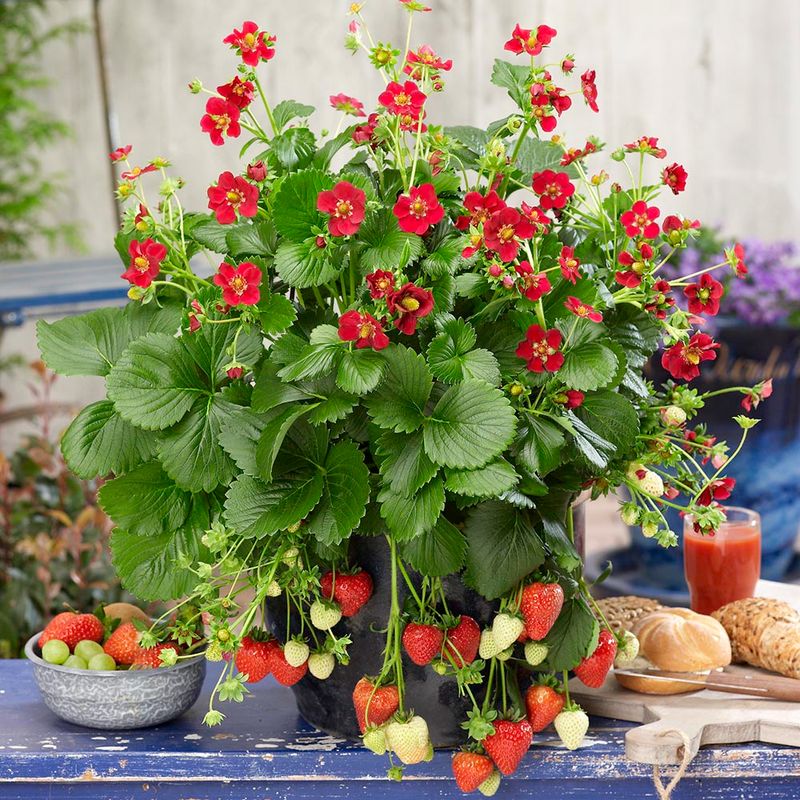
Strawberries and hostas form an unexpected yet pleasing duo, combining edible delight with lush greenery. Hostas thrive in the shade, making them ideal companions for strawberries in less sunny spots.
The vibrant red of ripe strawberries stands out against the broad hosta leaves, offering a visual treat and a delicious harvest. This pairing exemplifies how edibles and ornamentals can coexist gracefully, each complementing the other’s growth.
Incorporating these plants into your garden provides not only a feast for the eyes but also for the palate, making it a win-win combination.
3. Chives and Roses
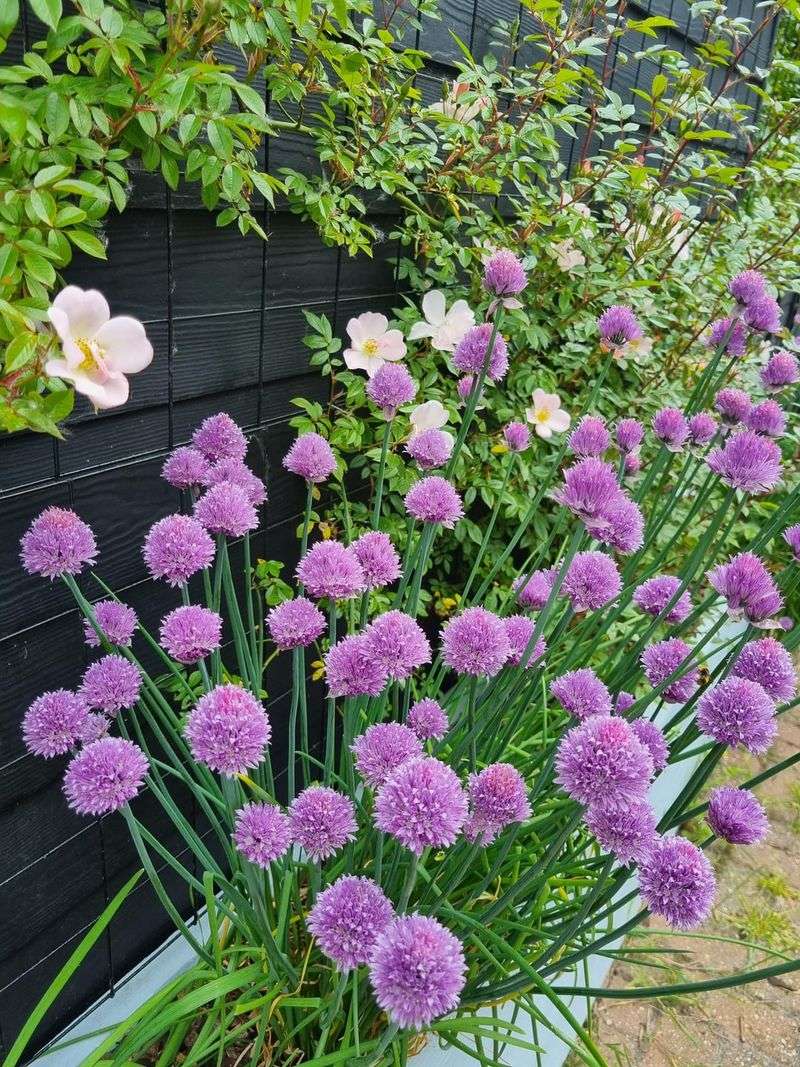
Chives, with their delicate purple flowers, provide an aromatic punch that pairs beautifully with the elegance of roses. This combination adds a whimsical touch to any garden space.
While chives ward off pests naturally, roses offer timeless beauty, resulting in a functional and aesthetically pleasing partnership. The playful contrast between the two creates a lively atmosphere.
This pairing is a testament to how edibles and ornamentals can thrive together, ensuring a garden that’s both practical and picturesque. Plus, their mingling scents enhance the sensory experience.
4. Tomatoes and Nasturtiums
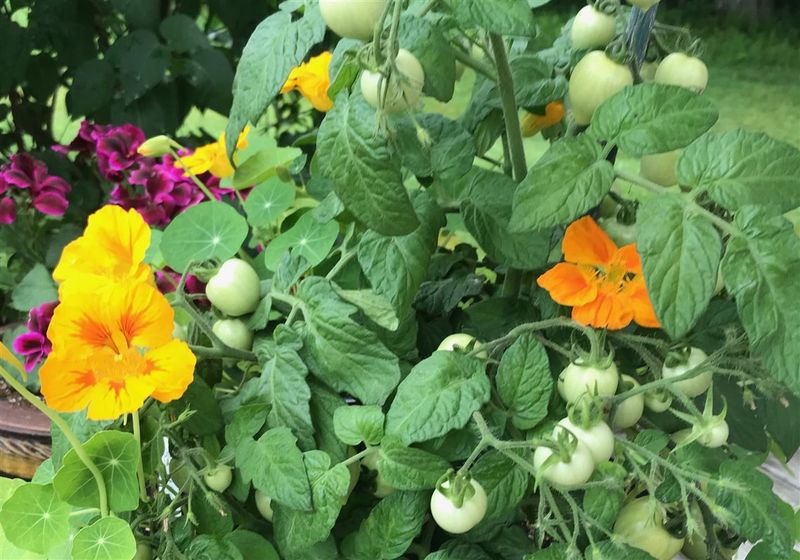
Tomatoes and nasturtiums make for a vibrant and mutually beneficial pairing. The sprawling nasturtiums act as a living mulch, protecting the soil and deterring pests with their peppery scent.
Tomato plants benefit from this natural protection, while the bright nasturtium flowers add a pop of color. Both thrive together, creating a lively, productive, and visually appealing garden patch.
This combination offers an excellent way for gardeners to enjoy the bounty of fresh tomatoes while maintaining an ornamental charm, showcasing the best of both worlds.
5. Lavender and Eggplants
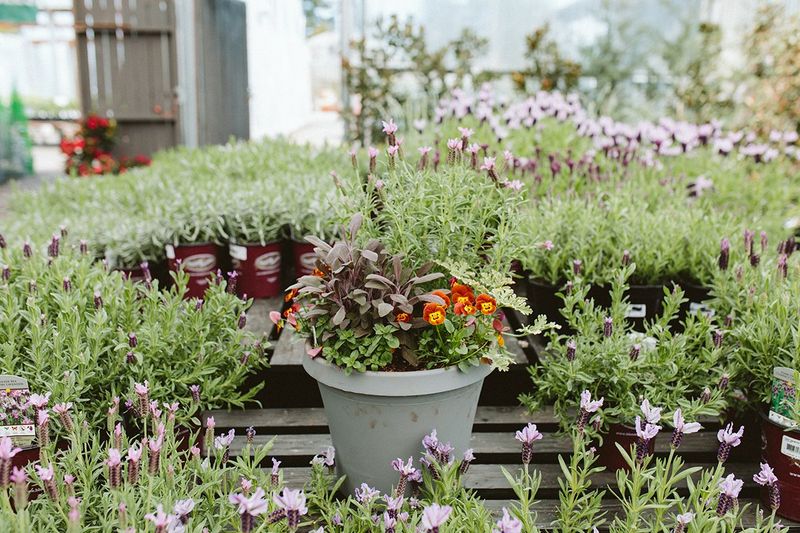
Incorporating lavender and eggplants into your garden introduces a touch of the Mediterranean. Lavender’s silvery foliage and fragrant flowers offer a delightful contrast to the deep purple eggplants.
This duo not only provides visual interest but also helps deter pests naturally. Lavender’s scent can repel harmful insects, protecting the eggplants from common threats.
Together, they create a serene and productive garden atmosphere. This combination highlights how edibles and ornamentals can be paired to create an inviting and functional space.
6. Basil and Petunias
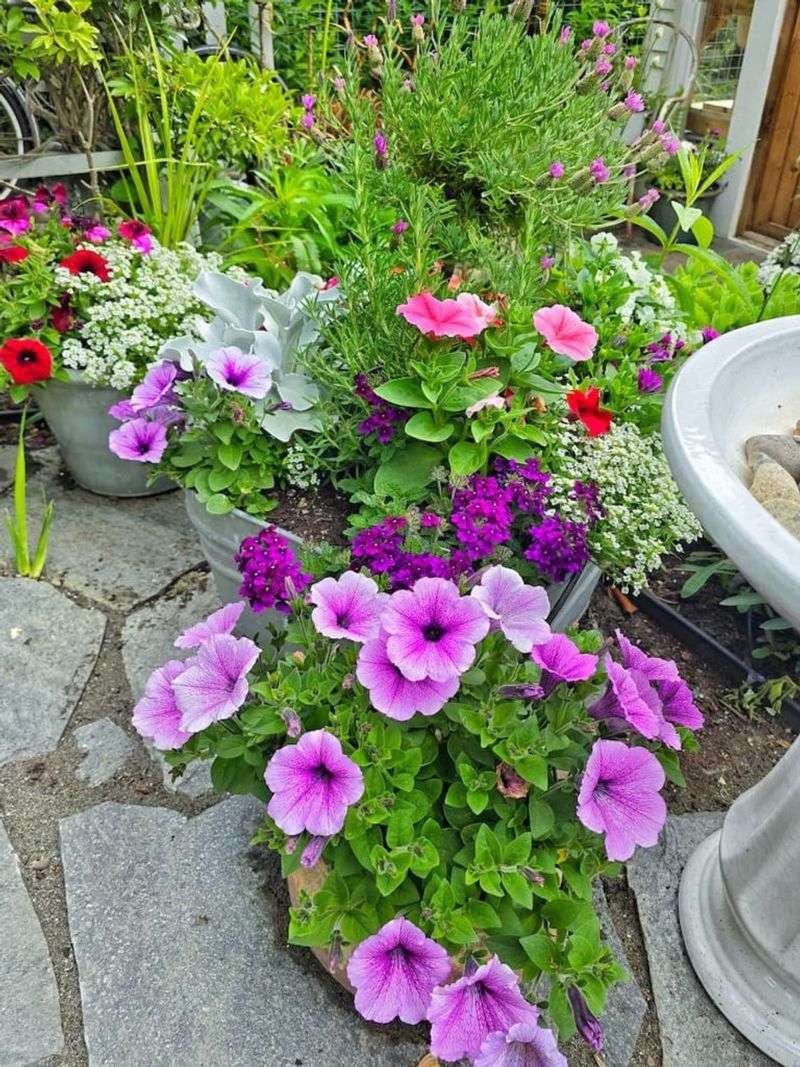
Basil and petunias offer a delightful fusion of culinary and floral appeal. Known for its aromatic leaves, basil thrives alongside petunias, which bring a burst of color to any space.
Petunias, with their wide range of hues, complement the lush green of basil, attracting pollinators and keeping pests at bay. This combination enhances both aesthetic and practical garden aspects.
By pairing basil with petunias, gardeners can create a vibrant and versatile garden area, perfect for those who appreciate beauty and functionality in their outdoor spaces.
7. Thyme and Geraniums
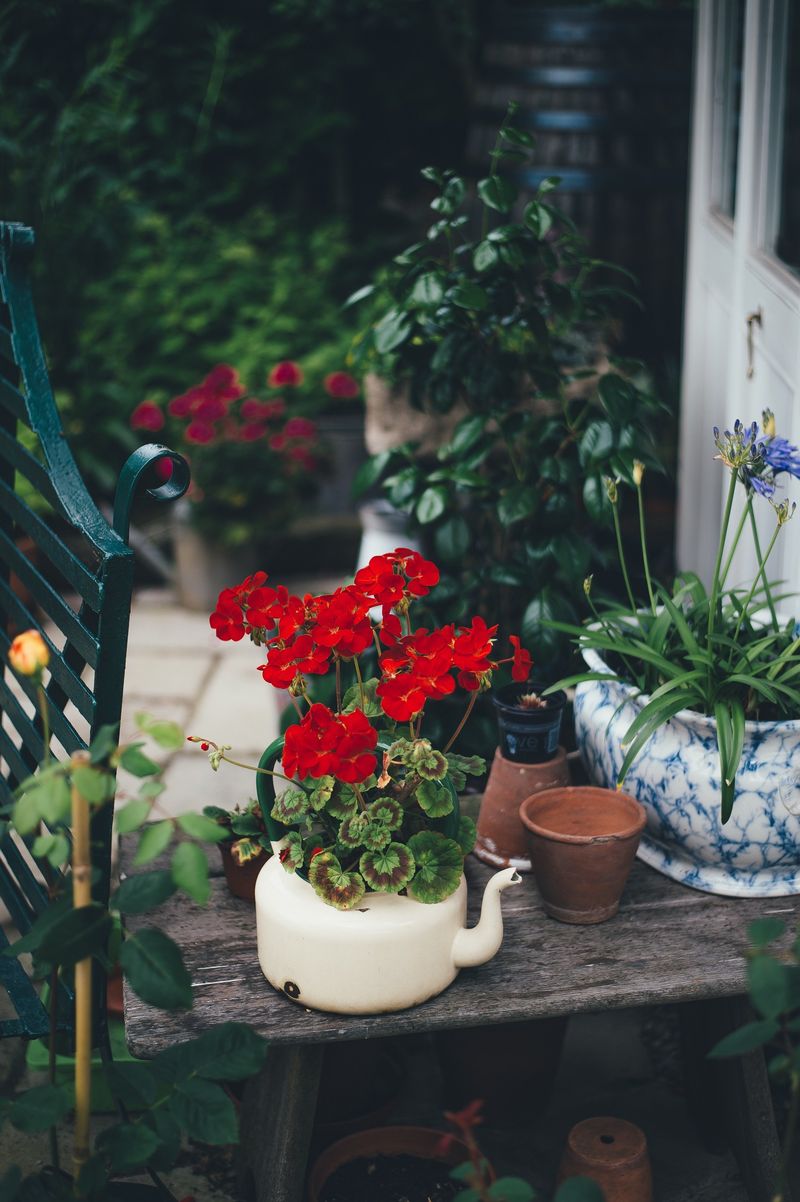
Thyme, with its low-growing habit and savory scent, pairs wonderfully with the vibrant blooms of geraniums. This combination adds texture and aroma to any garden setting.
Geraniums’ bright flowers contrast beautifully with thyme’s subtle greenery, creating a harmonious and inviting space. Both are hardy and drought-tolerant, making them a practical choice for sustainable gardening.
This duo showcases how edibles and ornamentals can be seamlessly integrated, providing both visual charm and culinary uses. A garden featuring thyme and geraniums is both enchanting and purposeful.
8. Beets and Pansies
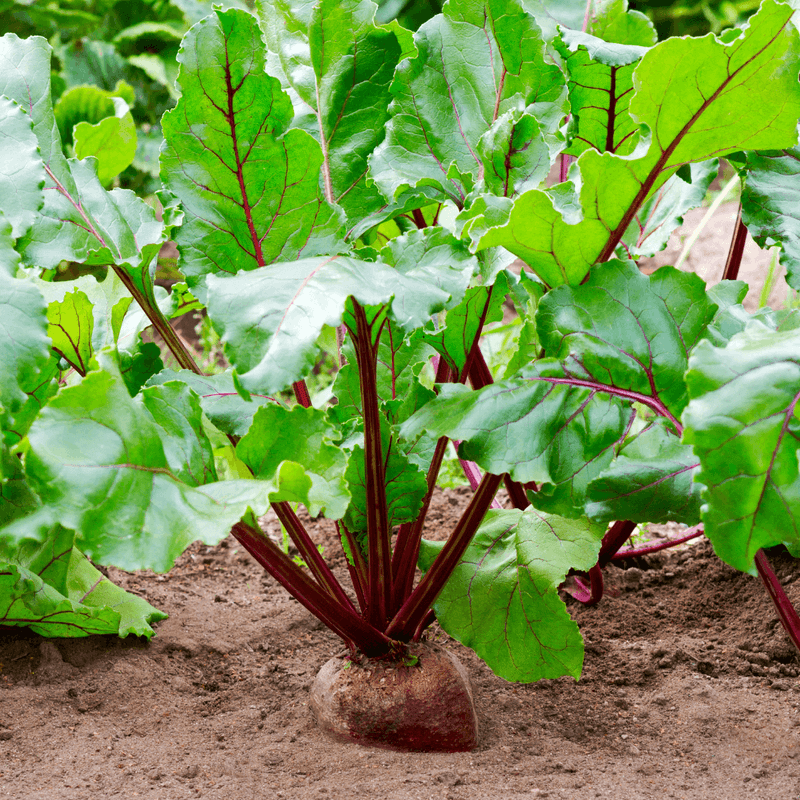
Beets, with their striking red roots and lush green tops, offer more than just a nutritional punch. Pair them with pansies, whose cheerful blooms add a splash of color. This combination thrives in cooler weather, making them perfect companions in early spring or fall gardens.
Imagine a plot where the earthy tones of beets contrast beautifully with the vibrant hues of pansies. This duo doesn’t just please the palate but also the eyes, creating a garden that is both functional and ornamental.
9. Carrots and Coreopsis
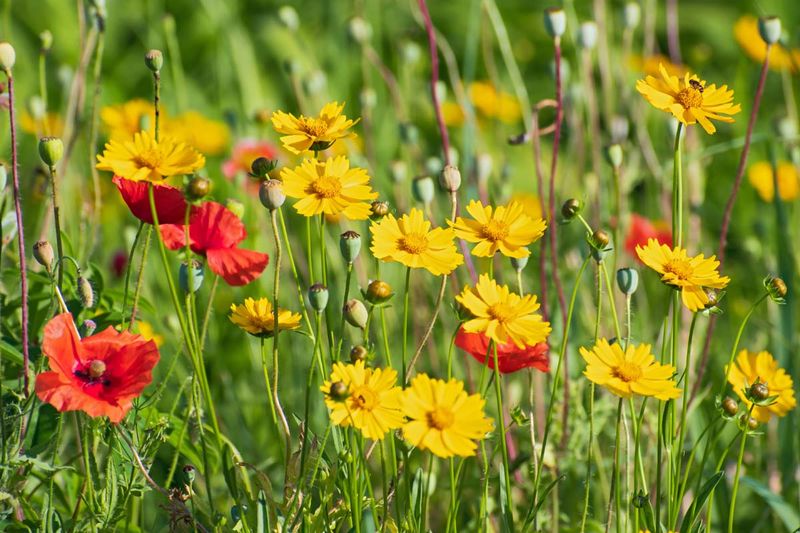
Carrots and coreopsis form a delightful duo in any garden. The feathery foliage of carrots complements the daisy-like blooms of coreopsis, resulting in an enchanting display. Plant them in full sun to enjoy a summer spectacle.
This pairing not only elevates the garden’s visual appeal but also draws beneficial insects, enhancing the garden’s ecosystem. With coreopsis’ long blooming season, this combination ensures continuous color and interest.
10. Sweet Potatoes and Morning Glories
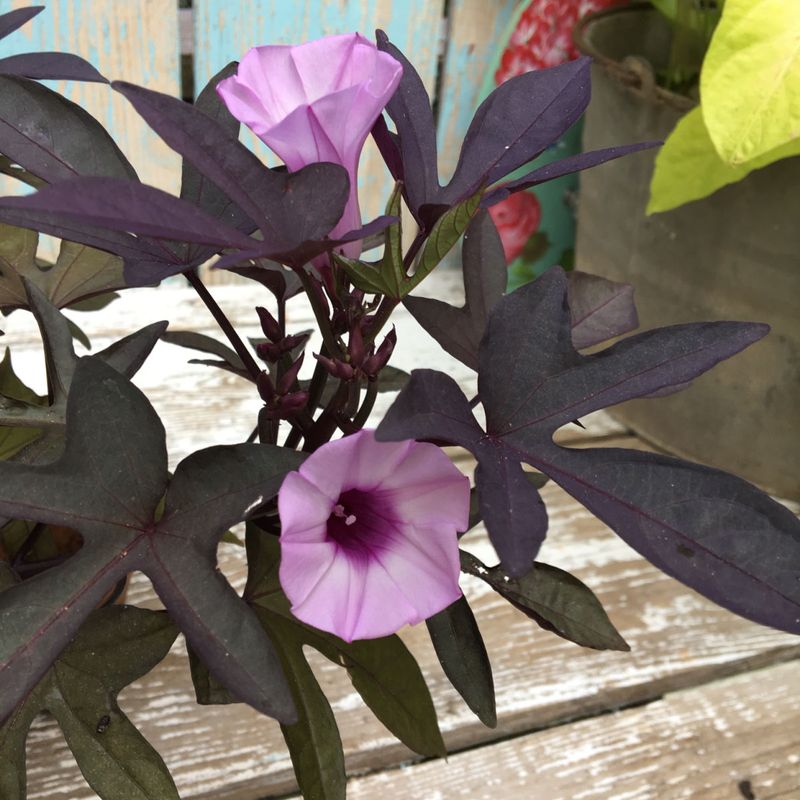
Sweet potatoes and morning glories make for a charming garden pair. Their vines intertwine, creating a lush, verdant backdrop dotted with morning glories’ vivid blooms. This combination thrives on a trellis or as ground cover.
The sweet potatoes’ edible tubers offer a tasty harvest, while morning glories add a whimsical touch with their trumpet-shaped flowers. Together, they form a picturesque and productive garden feature.
11. Radishes and Zinnias
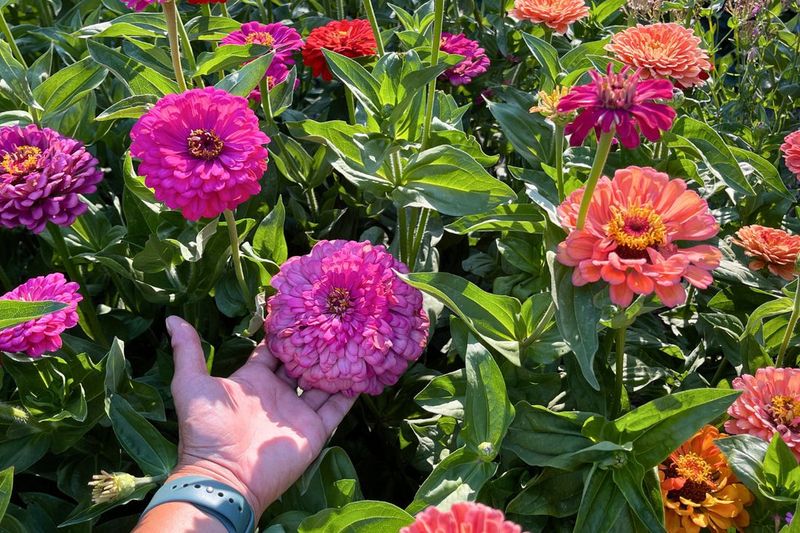
Radishes, quick-growing and vibrant, pair perfectly with the bold and brash zinnias. Plant them together to enjoy a burst of color and a quick harvest. Zinnias, with their tall stature, provide shade and serve as a backdrop.
This combination attracts pollinators, making it a lively addition to any garden. With radishes ready to harvest in just a few weeks, and zinnias blooming all summer, they create a dynamic and ever-changing garden tableau.
12. Garlic and Tulips
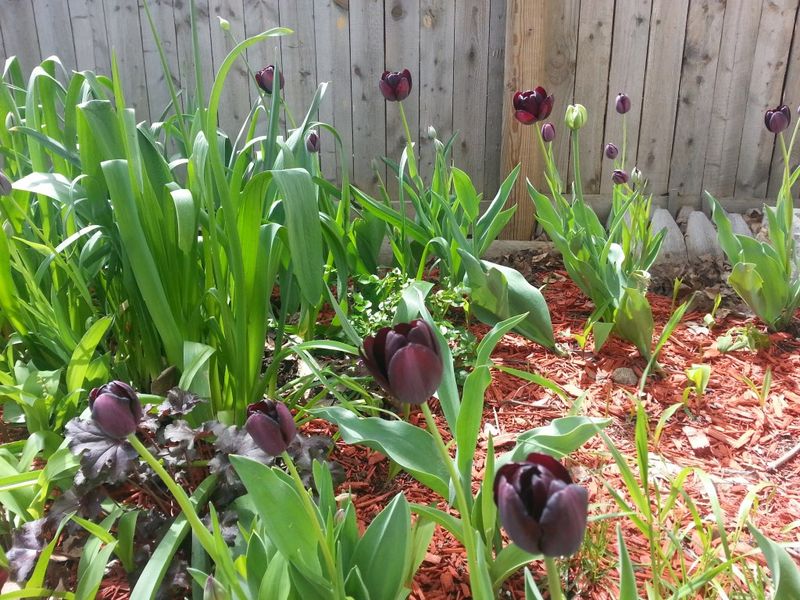
Garlic and tulips make a surprising yet stunning combination. The tall, slender garlic leaves complement the elegant tulip blooms, creating a striking vertical display. Plant them together for a spring garden that dazzles.
This pairing not only enhances visual appeal but also benefits from garlic’s natural pest-repelling properties. As tulips fade, garlic continues to grow, offering a neat and tidy garden appearance throughout the season.
13. Onions and Daylilies
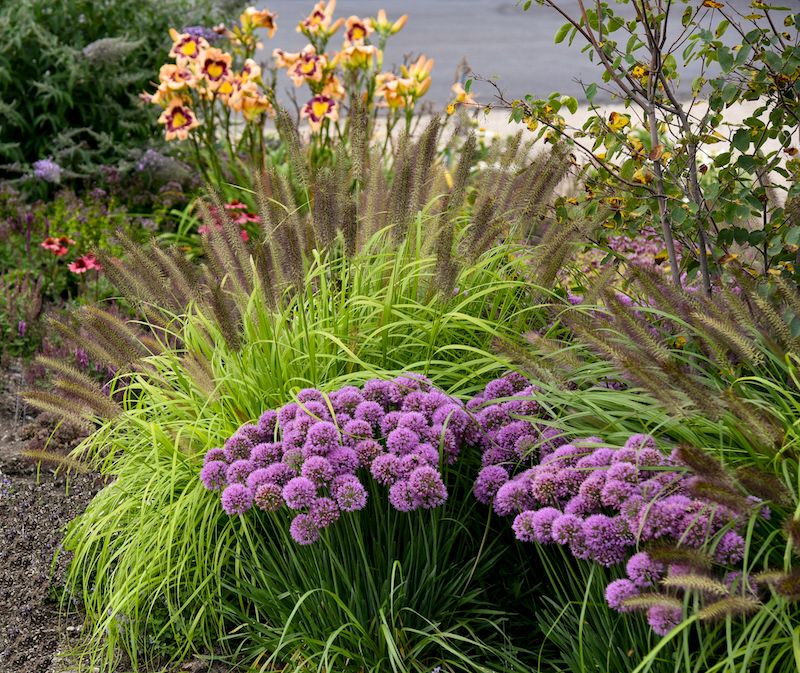
Onions and daylilies create a harmonious garden display. The arching leaves of onions blend beautifully with the vibrant daylily blooms, offering a feast for the eyes. This combination thrives in sunny locations, adding color and texture.
Beyond aesthetics, this duo is practical; onions deter pests, benefiting both plants. As daylilies bloom throughout summer, they ensure a garden that is both colorful and productive.
14. Cabbage and Cosmos
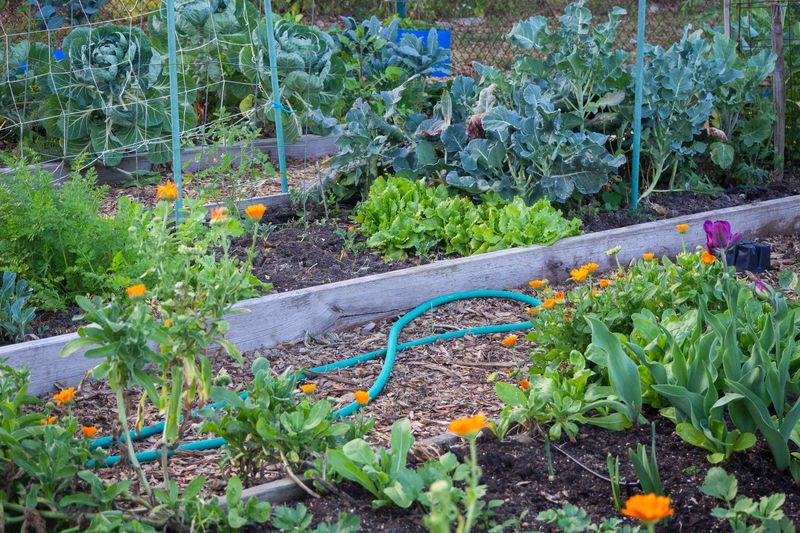
Cabbage and cosmos present a delightful contrast in the garden. The sturdy, broad cabbage leaves provide a robust base for the delicate, airy blooms of cosmos. This combination thrives in well-drained soil with plenty of sunlight.
Cabbage serves as a structural plant, while cosmos adds a touch of whimsy with its fluttering flowers. Together, they create a garden that is as productive as it is beautiful, inviting both harvest and admiration.
15. Peppers and Snapdragons
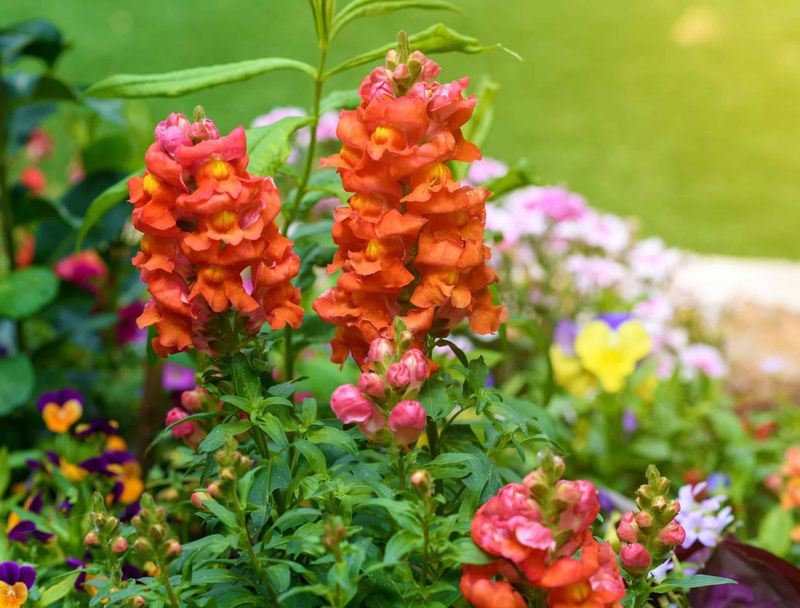
Peppers and snapdragons form a vivid garden duo. The glossy, green pepper foliage contrasts with snapdragons’ tall, colorful blooms, creating a lively garden space. Both thrive in sunny locations, ensuring a bountiful display.
This combination not only enhances the garden’s aesthetics but also attracts pollinators, boosting pepper production. With their long blooming season, snapdragons provide continuous color alongside the developing peppers.
16. Spinach and Violas
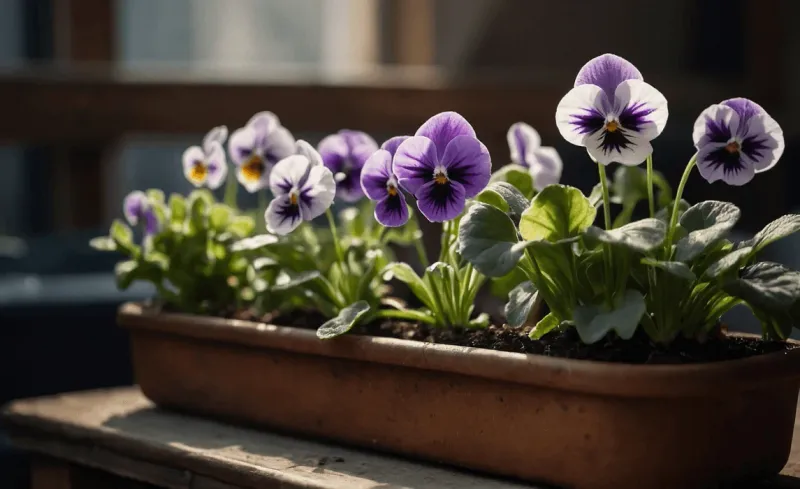
Spinach and violas create a charming and edible garden combination. Spinach’s lush, green leaves provide a perfect backdrop for the delicate viola flowers, which add color and charm. This pair thrives in cooler weather, making them ideal for spring or fall planting.
Violas’ vibrant blooms not only enhance the garden’s beauty but are also edible, adding a whimsical touch to salads. Together, they create a garden that is both visually appealing and deliciously productive.