
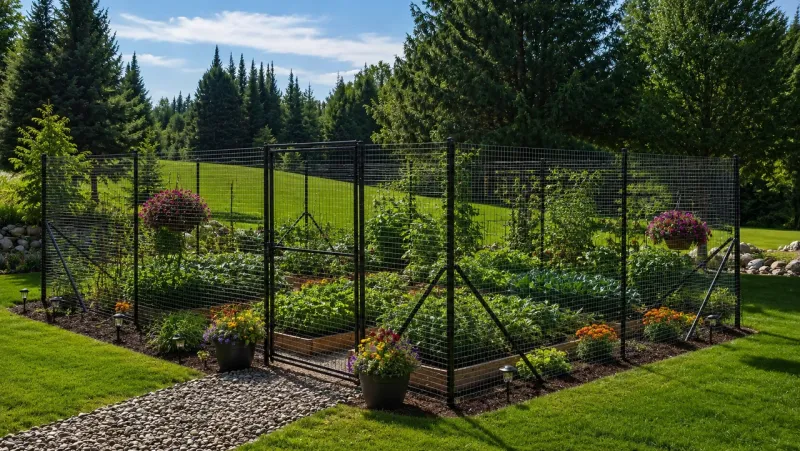
Walk out one morning and find your collards nibbled down or your favorite shrub stripped of new growth, and it is easy to blame the season. Deer do change what they eat through the year, but what pushes them into a yard depends on where you live and what food is nearby.
Some defenses work far better than others, and knowing the difference saves money and plants. Here is a practical plan for Southern gardeners who want to protect their most vulnerable plants.
Fall browsing depends on local food and conditions
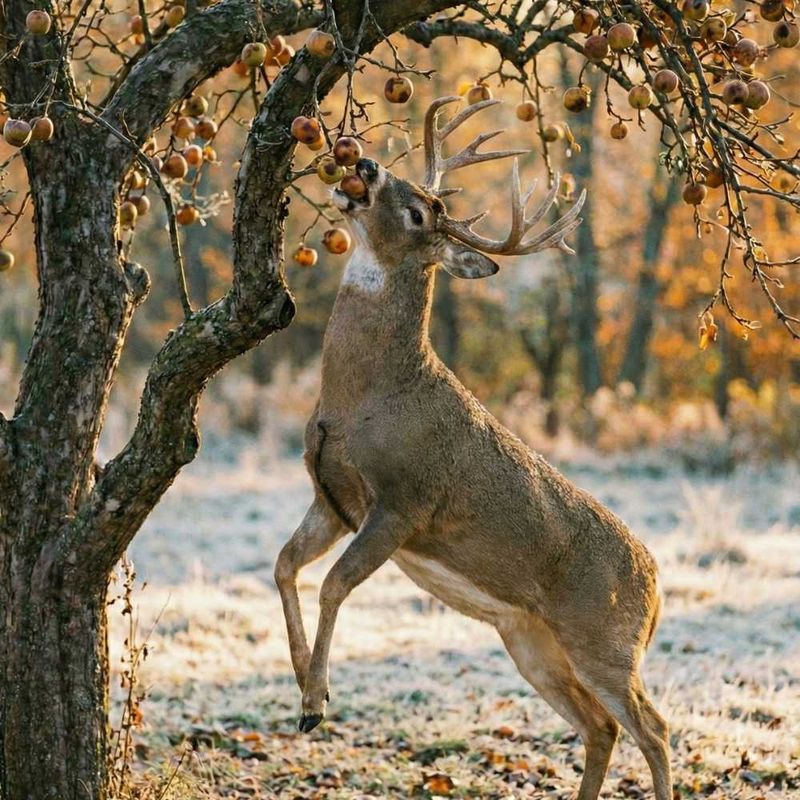
Deer diets shift with the seasons, but the shift is not the same everywhere. A U.S.
Forest Service review of white-tailed deer notes big regional differences, including in Texas, where diets in parts of the south have differed sharply between places only about 90 miles apart because of forage conditions.
Fall can bring acorns, persimmons, and other fruits that deer eagerly eat. When those foods are plentiful, your garden may see little pressure.
When preferred plants run short, especially during drought, deer may turn to leafy greens and irrigated landscape plants. Texas A&M AgriLife describes deer moving into landscapes when drought limits pasture and rangeland plants.
So there is no single date when browsing begins. Rainfall, habitat, deer numbers, and the plants available nearby all matter.
Florida and Texas also vary inside their borders, so a neighbor two counties over may have a very different fall than you do. Food sources such as mast crops are also covered in UF/IFAS wildlife food guidance.
Watch your own yard for fresh damage rather than trusting the calendar.
Which garden plants may be at risk?
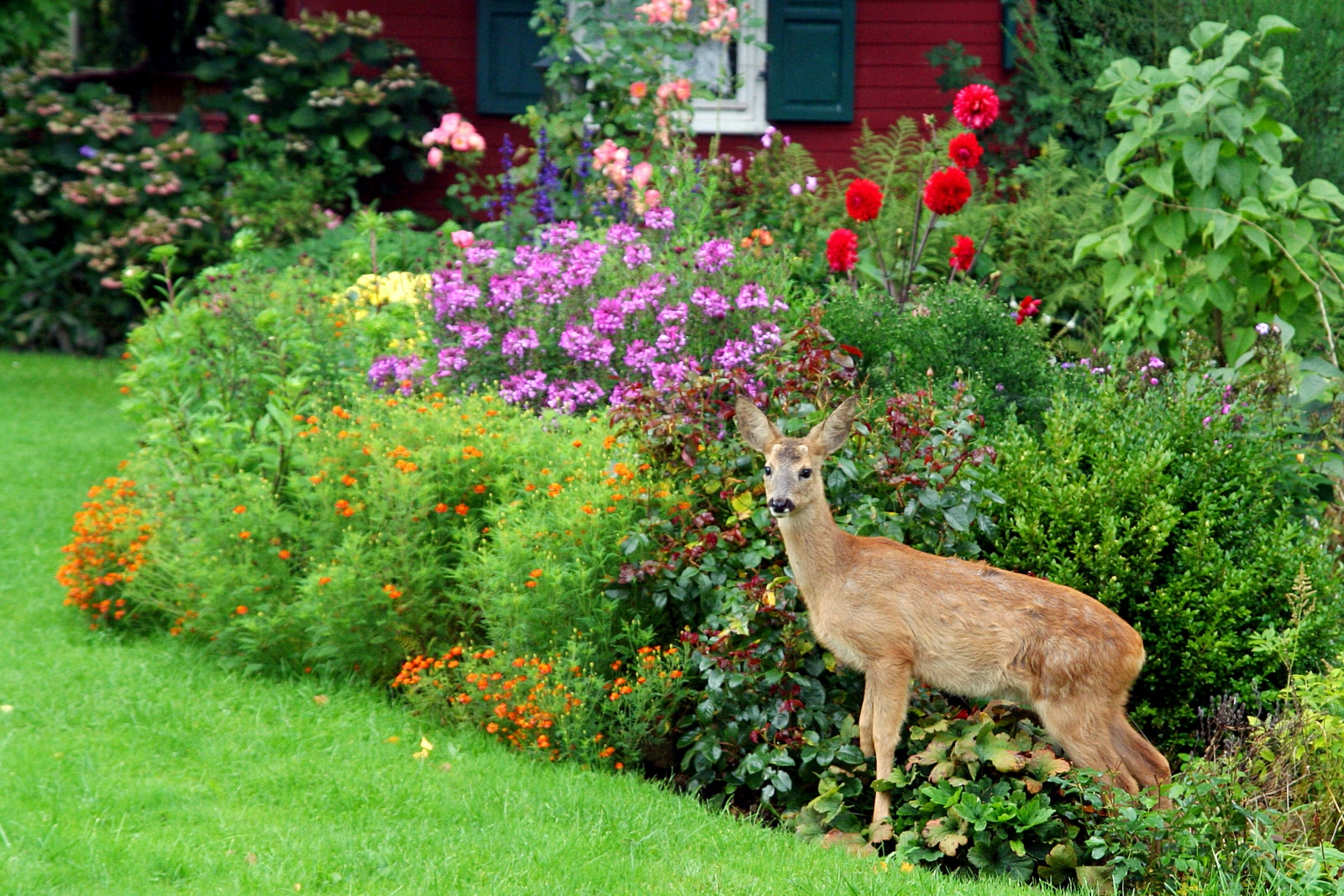
Deer are plant eaters with wide tastes. UF/IFAS describes Florida deer as herbivores that browse leaves, stems, flowers, twigs, and fruits from many kinds of plants.
That means a cultivated yard can look like a buffet.
Tender leafy crops such as lettuce, collards, kale, and other fall greens are easy bites. Foundation shrubs and young trees can be targets too, especially soft new growth.
Roses, azaleas, and fruit-bearing plants may also get sampled.
Not every yard faces the same risk. A garden beside woods or a greenbelt may get regular visits, while one in a busy neighborhood may see very little.
A few clues help you decide what to guard: torn, ragged leaf edges with no clean cut, missing tops of plants, and hoof prints in soft soil.
Make a short list of what you would hate to lose, such as a row of greens or a new shrub. Start protecting those first, and watch whether damage appears before spending on the rest of the yard.
Physical barriers offer the most dependable protection
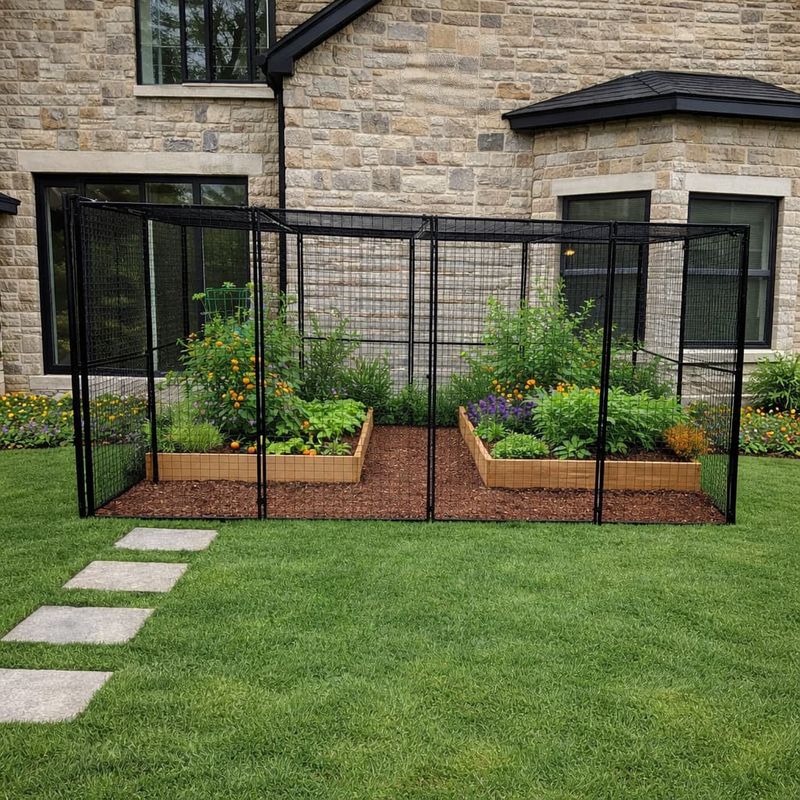
When you want real protection, keep deer out. For a whole garden, Iowa State Extension points to an 8-foot passive fence as a common recommendation.
Shorter barriers may work in some layouts, but they are not guaranteed, since a determined deer can clear them.
A full fence is not always practical. For a single shrub or young tree, a sturdy cage or plant guard can do the job.
Make it wide enough that leaves are not pressed against the wire, and anchor it so it will not tip over.
Temporary mesh fencing is another option for vulnerable plantings. UF/IFAS describes using mesh deer fencing around plants that need short-term protection.
It works well for a fall greens bed or newly planted shrubs.
Check barriers regularly for gaps, sagging spots, and low corners. Deer will test weak points, so a quick walk along the line each week keeps small problems from becoming open doors.
Use repellents carefully and keep expectations modest
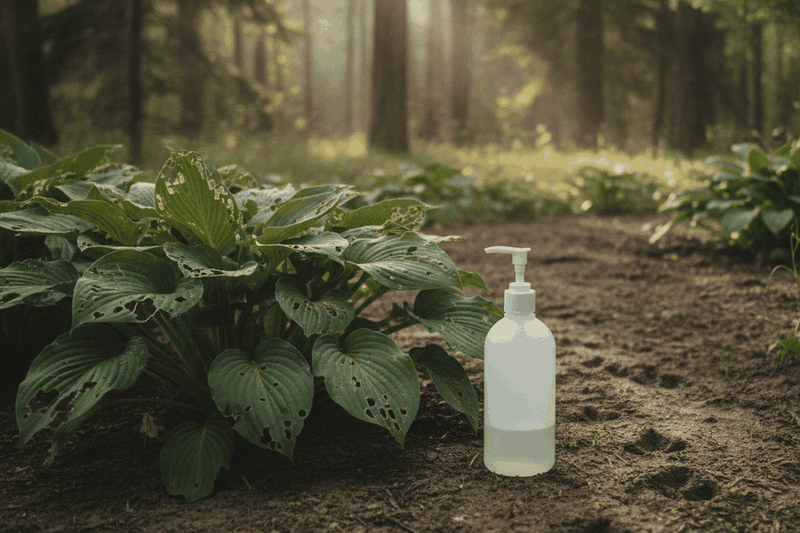
Repellents may reduce browsing, but they are less dependable than barriers. UGA Extension guidance on repellents says they take upkeep, and results tend to be weaker when deer pressure is heavy.
Apply before damage starts if you can, then reapply as the label directs. That often means after rain or when new growth appears.
Read the label closely to confirm the product is allowed for your plant and site. Many are not labeled for edible crops, so do not spray your greens unless the label says you may.
Odor-based products can also lose effect as deer get used to them, as Iowa State notes. Rotating products is not a cure, so treat repellents as one layer.
Skip folk remedies such as soap bars, human hair, or garlic. UGA says most home remedies are unreliable.
Never scatter mothballs outdoors. EPA explains that using registered mothballs outdoors in ways the label does not allow is unlawful.
Deer-tolerant plants reduce risk, not certainty
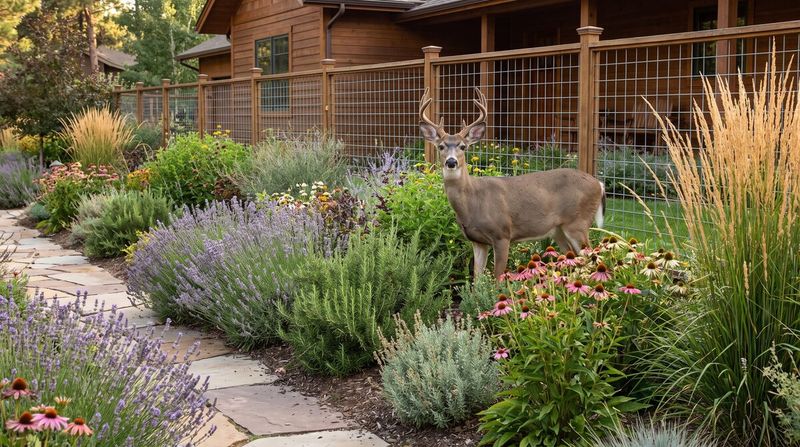
Choosing plants deer browse less often can lower your odds of damage. UGA Extension lists deer-tolerant ornamentals for Georgia, and it also warns that preferences vary and hungry deer may eat plants on the list.
In practice, that means “deer-tolerant” is not the same as deer-proof. Tender new growth may be sampled even on plants deer usually leave alone.
A plant that survives untouched in one yard may be nibbled in another with more deer and less natural food.
Treat regional lists as a starting guide. Ask local nurseries and your county extension office which plants survive in your area, and notice which ones neighbors report having trouble with.
Strongly scented or tough-leaved plants are often a good place to begin.
Use tolerant plants to fill areas where a fence is not practical, and keep a cage or guard on anything new while it establishes. Plant choice helps most when paired with other protection, not when it stands alone.
Build a protection plan around your most vulnerable plants
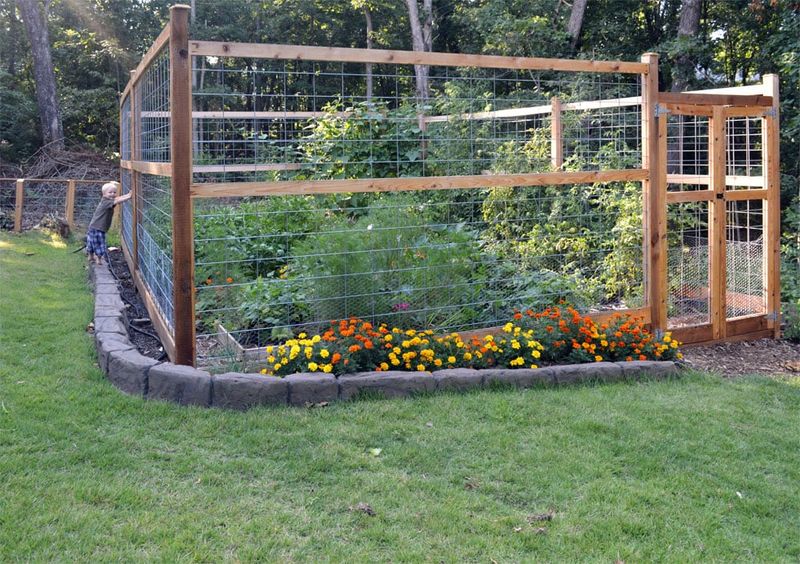
Start with a short list of the greens and shrubs you most want to save. Fall lettuce, kale, and newly planted shrubs usually top it.
Then give those plants a physical barrier first, since fencing is the strongest option for a whole bed.
Next, add supporting measures. A labeled repellent may take pressure off plants outside the fence, as long as you follow the directions in UGA repellent guidance.
When you replace plants, consider deer-tolerant choices that suit your region.
Then watch what actually happens. If damage shows up in October in one yard and never in another, that is local food and conditions at work.
Adjust as you learn, adding cages where deer keep testing you.
No single trick covers every yard. The plants that stay green are usually the ones deer cannot reach.