 Complete Gardening
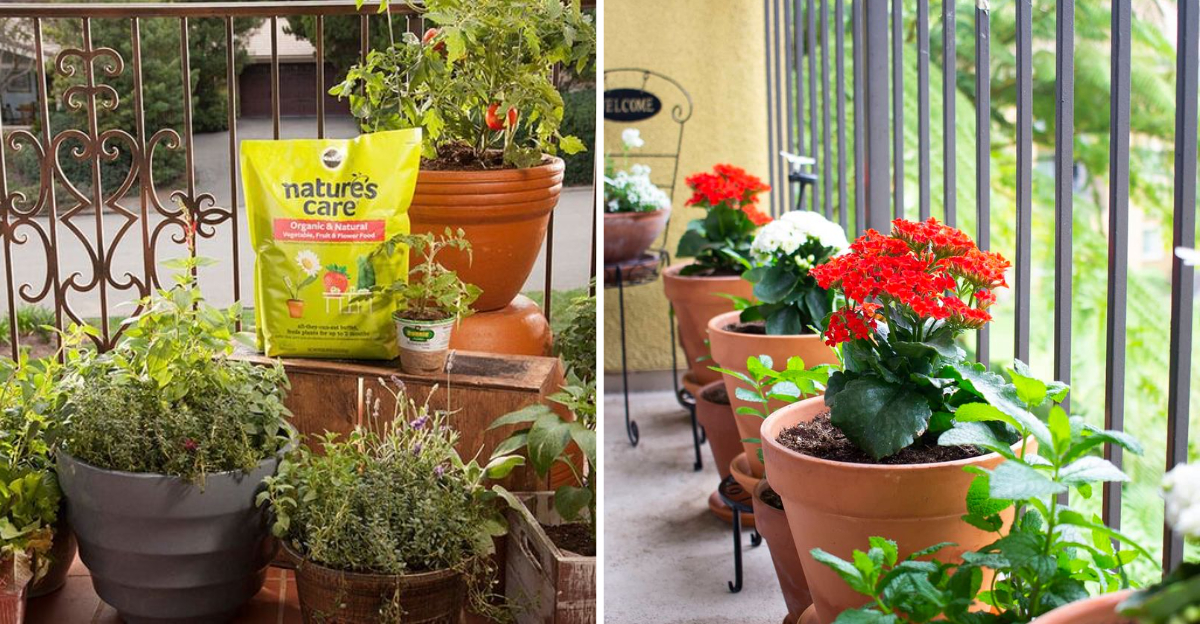
Starting a balcony garden can be a rewarding endeavor, even for those with no prior gardening experience. With a little planning and the right guidance, you can transform your balcony into a lush, green oasis. This guide will walk you through the essentials, from choosing the right containers to selecting plants that thrive in small spaces. Whether you have a sprawling balcony or a cozy corner, these tips will help you cultivate a thriving garden. Let’s explore 10 key steps for starting a balcony garden with zero experience.
Choose the Right Containers
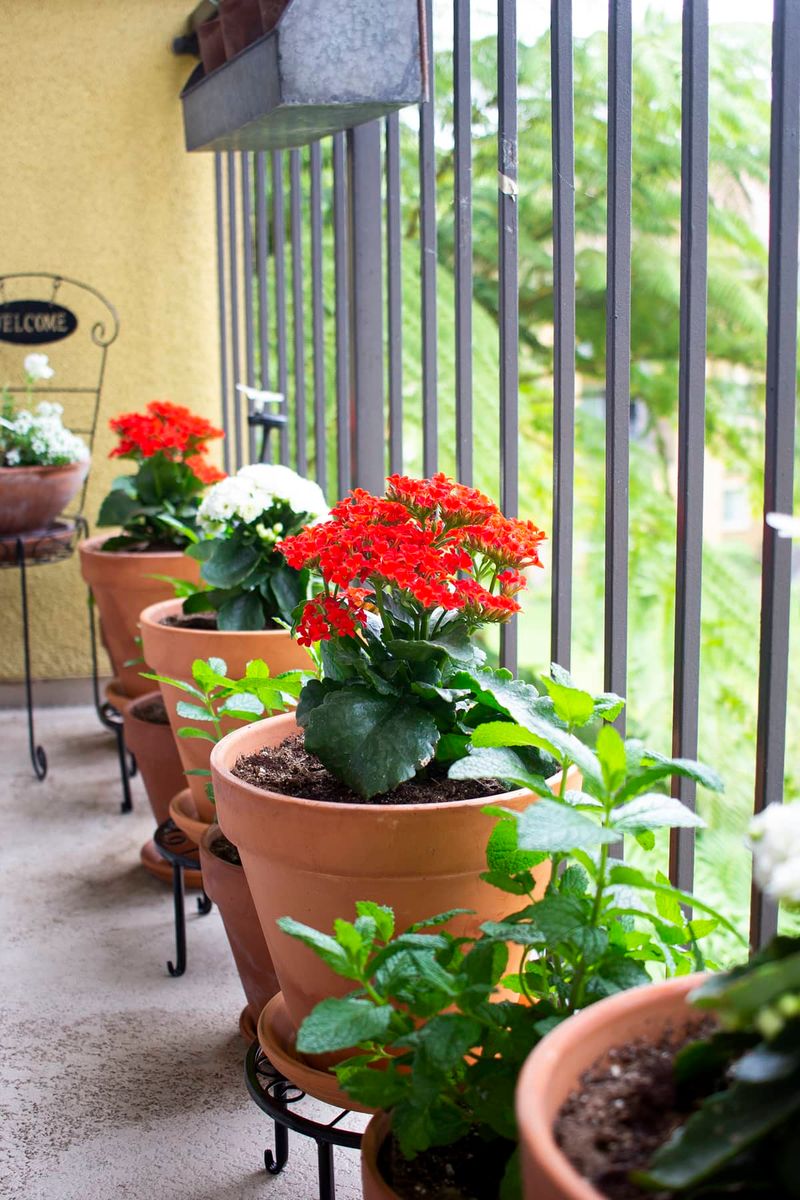
Selecting the right containers is the first step in balcony gardening. Consider the material, size, and drainage capabilities. Clay pots offer breathability, while plastic ones retain moisture longer. Metal containers can heat up quickly, so they’re best suited for plants that love warmth.
Why not mix and match different styles? This can add visual interest to your balcony. Ensure each container has drainage holes to prevent waterlogging, which can damage the roots.
Experiment with hanging baskets or vertical planters to maximize space, especially if your balcony is small.
Select Suitable Plants
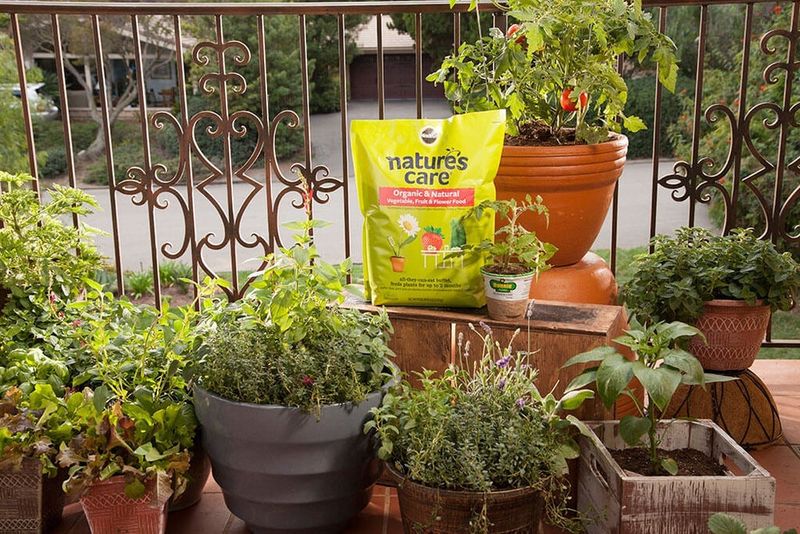
Choosing plants that suit your balcony’s conditions is crucial. Start with herbs like basil and mint; they’re easy to grow and add flavor to your meals. Succulents are another great choice as they require minimal care.
Consider flowering plants for a splash of color. Petunias and marigolds are hardy and bloom throughout the season. Assess the amount of sunlight your balcony receives and select plants accordingly.
Don’t shy away from experimenting with small fruiting plants like cherry tomatoes. They can thrive in pots and provide a satisfying harvest.
Understand Light and Shade
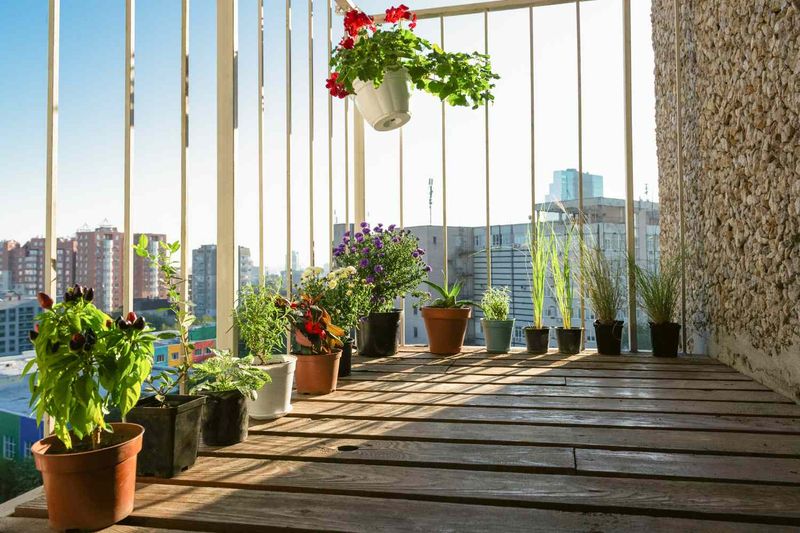
Understanding the light conditions of your balcony is key to a successful garden. Observe how the sun moves across your space throughout the day. This will help you place your plants in optimal spots.
Shade-loving plants like ferns can fill the cooler areas, while sun-loving succulents and herbs can bask in the sunny spots. Adjust their positions as the seasons change.
Use planters on wheels for easy repositioning, ensuring each plant receives its preferred light exposure. This dynamic approach can boost plant health and productivity.
Invest in Quality Soil
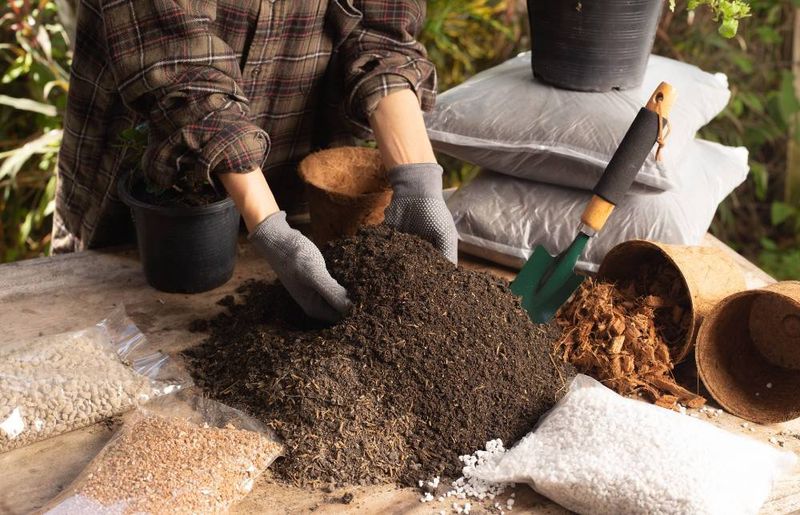
The foundation of any garden is good soil. Opt for quality potting mix that’s rich in nutrients. This will provide a healthy environment for your plants to grow.
Look for soil that contains organic matter, which improves water retention and aeration. Avoid using garden soil; it’s too heavy for containers and can lead to poor drainage.
Consider supplementing with compost or natural fertilizers to enhance soil fertility. This will keep your plants nourished and vigorous. Remember, healthy soil leads to healthy plants.
Water Wisely
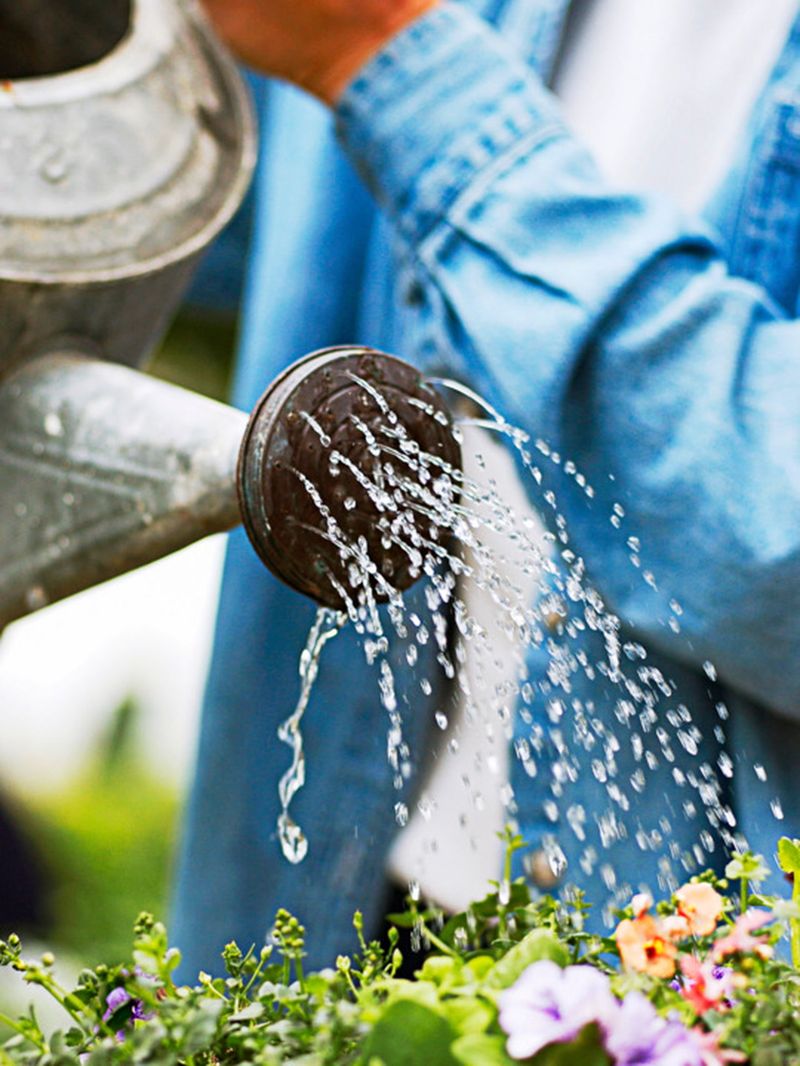
Proper watering is crucial in container gardening. Use a watering can with a long spout for precise watering at the base of plants. This prevents water from splashing on leaves, reducing the risk of disease.
Check soil moisture regularly; overwatering is a common mistake. Stick your finger into the soil; if it feels dry, it’s time to water. Early morning is the best time, as it allows leaves to dry during the day.
Consider self-watering pots if you’re often away. They provide a consistent supply of moisture, keeping your plants happy.
Feed Your Plants
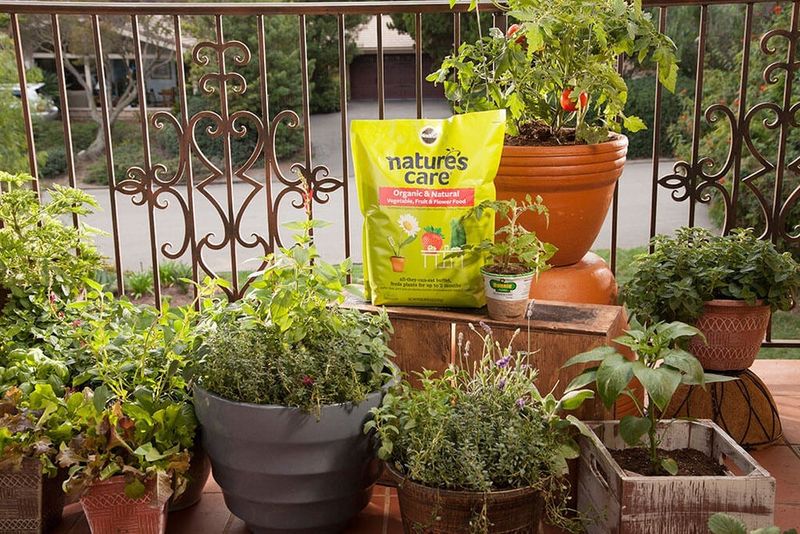
Feeding your plants ensures they have the nutrients needed to thrive. Use organic fertilizers that release nutrients slowly, providing sustained nourishment.
Liquid feeds are great for a quick boost, especially during the growing season. Follow the instructions carefully to avoid over-fertilization, which can harm plants.
Consider the specific needs of your plants. For example, flowering plants may require more phosphorus, while leafy greens benefit from nitrogen. Regular feeding can lead to lush, productive growth.
Prune and Deadhead Regularly
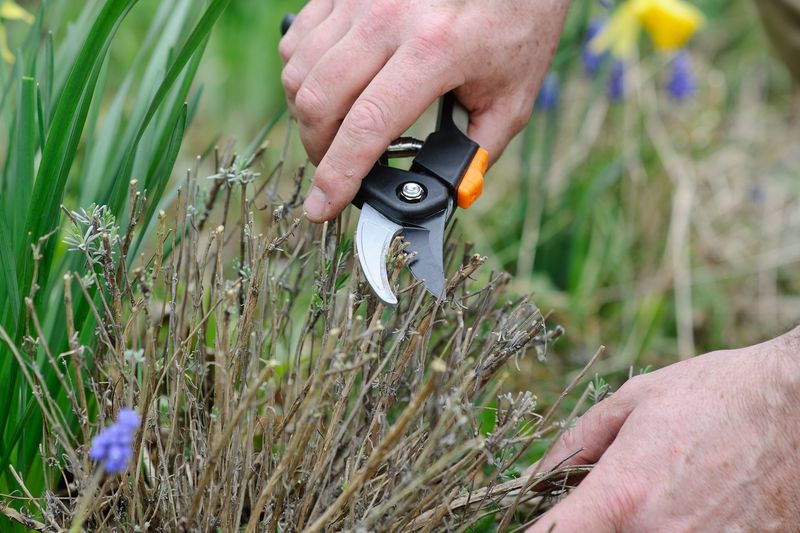
Regular pruning and deadheading keep your plants healthy and attractive. Remove dead or yellowing leaves to direct energy to new growth.
Deadheading, or removing spent flowers, encourages more blooms. This is especially important for flowering plants like petunias and geraniums.
Use clean, sharp scissors or pruners to make precise cuts. Pruning can also control plant size and shape, making it ideal for small spaces like balconies. Enjoy the therapeutic process of tending to your plants.
Protect Against Pests
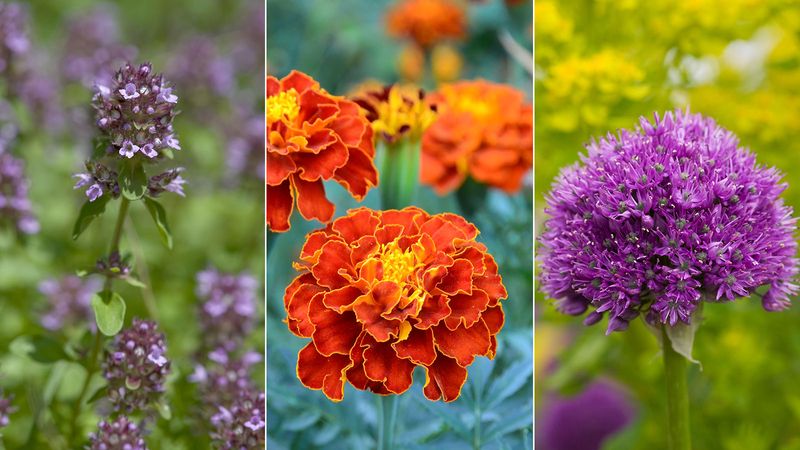
Pests can threaten the health of your garden, but natural remedies offer effective control. Neem oil is a popular choice; it’s safe for plants and deters common pests like aphids.
Introduce beneficial insects like ladybugs to your garden. They prey on pests and maintain ecological balance. Provide habitats for these helpers by planting nectar-rich flowers.
Regularly inspect your plants for signs of infestation. Early detection allows for swift action, preventing serious damage. A healthy garden supports diverse life forms, keeping pests in check naturally.
Maximize Vertical Space
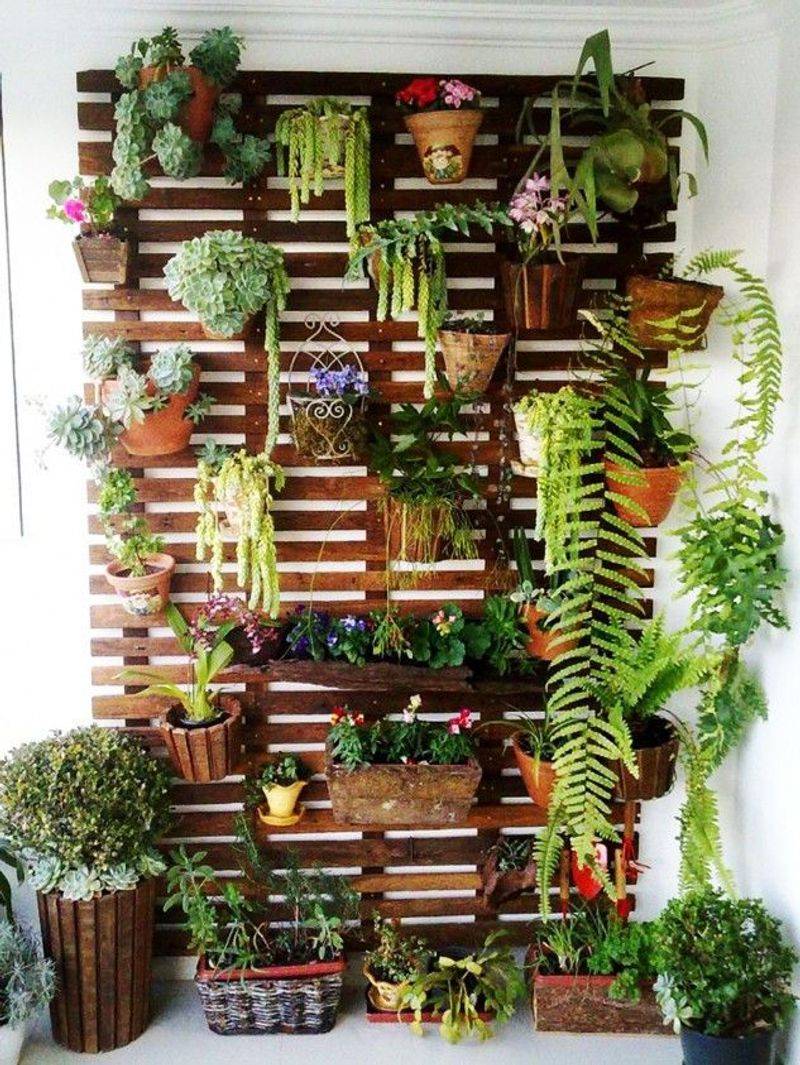
Vertical gardening is perfect for small balconies. Use trellises, wall planters, or hanging pots to make the most of vertical space.
Grow climbers like peas or beans, which add greenery and produce a harvest. Herbs and smaller plants thrive in wall planters, creating a lush, green backdrop.
Experiment with different arrangements to suit your style and needs. This approach not only saves space but also adds a unique dimension to your balcony garden. Enjoy the creativity of combining various heights and textures.
Create a Relaxing Atmosphere

Transform your balcony into a peaceful retreat with thoughtful additions. Arrange a small seating area with comfortable chairs where you can unwind amidst your garden.
Incorporate lighting elements like string lights or lanterns to create ambiance during evenings. The soft glow can enhance the beauty of your plants and provide a soothing atmosphere.
Add personal touches such as decorative pots, garden art, or a small water feature. This space can become your sanctuary, offering tranquility and connection with nature.
Embrace Companion Planting
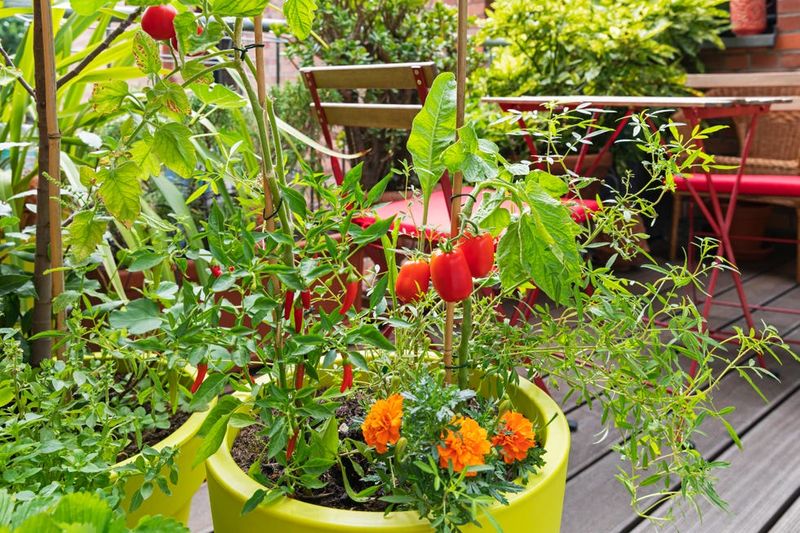
Companion planting isn’t just for seasoned gardeners. Imagine basil nestling beside your tomatoes, enhancing their flavor and repelling pests. This method leverages natural plant relationships. You don’t need vast knowledge; just pair plants like tomatoes with basil, or marigolds with almost anything else. With this approach, your balcony becomes a thriving community.
Feeling adventurous? Try combinations like rosemary with beans or chives with carrots. These partnerships often result in healthier plants. Let nature guide you to a harmonious garden, and watch your balcony bloom brightly!
Utilize Kitchen Scraps for Fertilizer
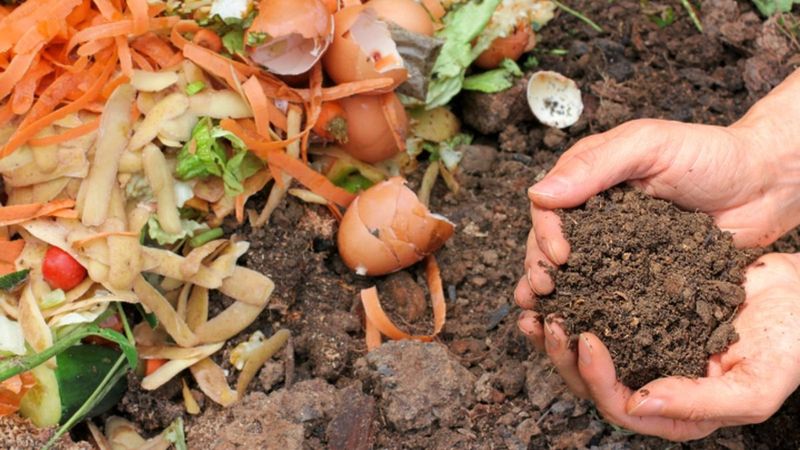
Turning kitchen scraps into fertilizer is a game changer! Instead of throwing away banana peels or coffee grounds, save them. These scraps are nutrient powerhouses, ideal for enriching your balcony garden soil.
For a quirky twist, create compost tea: soak scraps in water for a nutrient-rich brew. This liquid gold will invigorate plants. Use eggshells for calcium, perfect for tomatoes.
Taking this eco-friendly approach not only reduces waste but also provides your garden with organic nourishment. Your plants will thrive, showing gratitude with lush growth and blooms.
Create a Microclimate with Reflective Materials
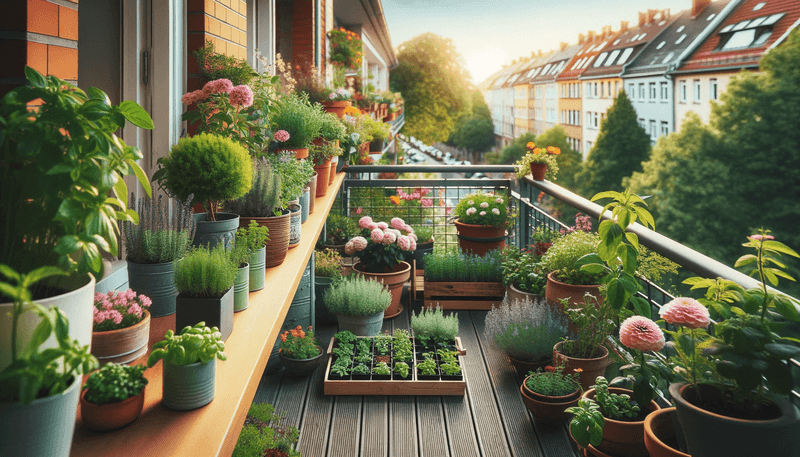
Balcony gardeners can manipulate microclimates for optimal growth! Reflective materials like mirrors or light-colored stones increase light exposure. This setup works wonders, especially in partially shaded areas.
Position mirrors strategically to bounce sunlight onto your plants. This simple hack can extend your growing season. It’s perfect for sun-loving species that need a little extra warmth.
Embrace this clever technique, and watch your plants bask in the added light. Your balcony garden will benefit from the enhanced environment, resulting in vibrant and healthy growth.
Install a Homemade Drip Irrigation System
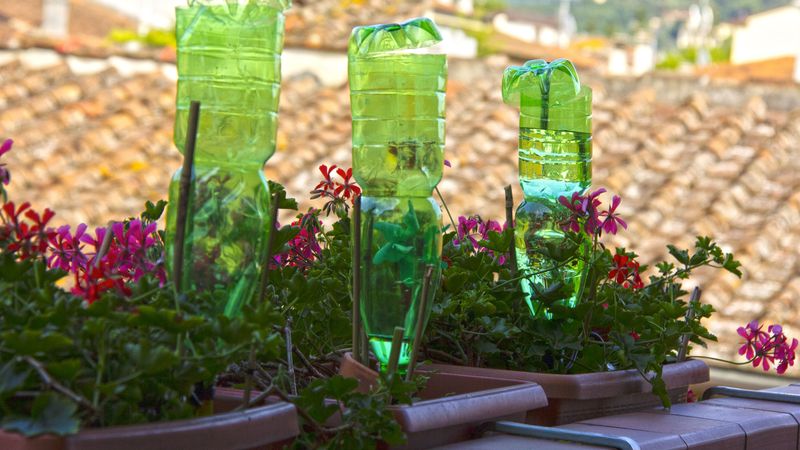
Crafting a homemade drip irrigation system is easier than you think and a perfect solution for busy gardeners. Using plastic bottles, tubing, and a little creativity, you can ensure consistent watering.
This system helps maintain soil moisture, especially during hot spells. Simply puncture bottles and place them strategically.
Not only does this save water, but it also ensures plants receive steady hydration. It’s a relief for those who may forget to water daily. With this setup, your garden remains lush with minimal effort.
Experiment with Hydroponic Systems
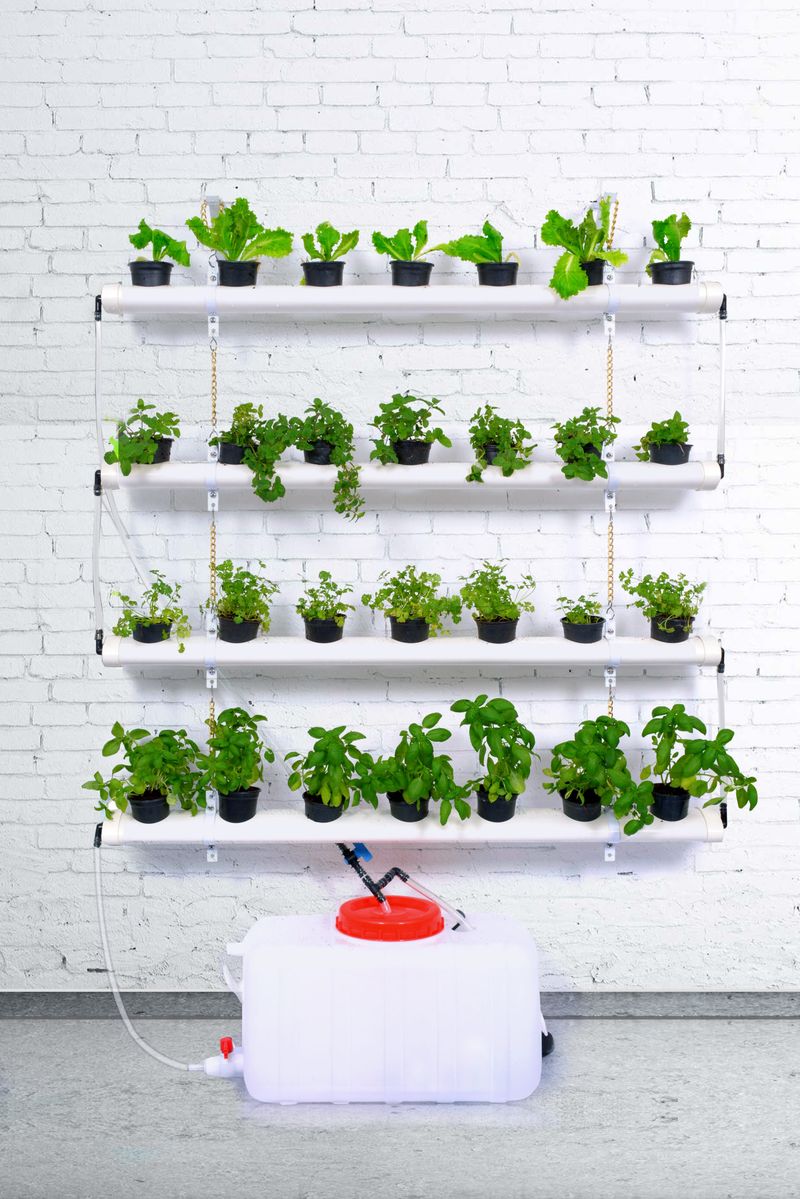
Hydroponic systems offer a futuristic way to garden on a balcony. No soil? No problem! These systems use nutrient-rich water to support plant growth.
Perfect for urban spaces, hydroponics conserve space and water. Try growing lettuce or herbs; they thrive in such conditions. Set up a simple system using pipes or containers.
This method brings a tech-savvy touch to gardening. Enjoy the process of watching your plants flourish in this innovative setup. It’s an exciting venture for those eager to try something new and sustainable.
Incorporate Upcycled Materials
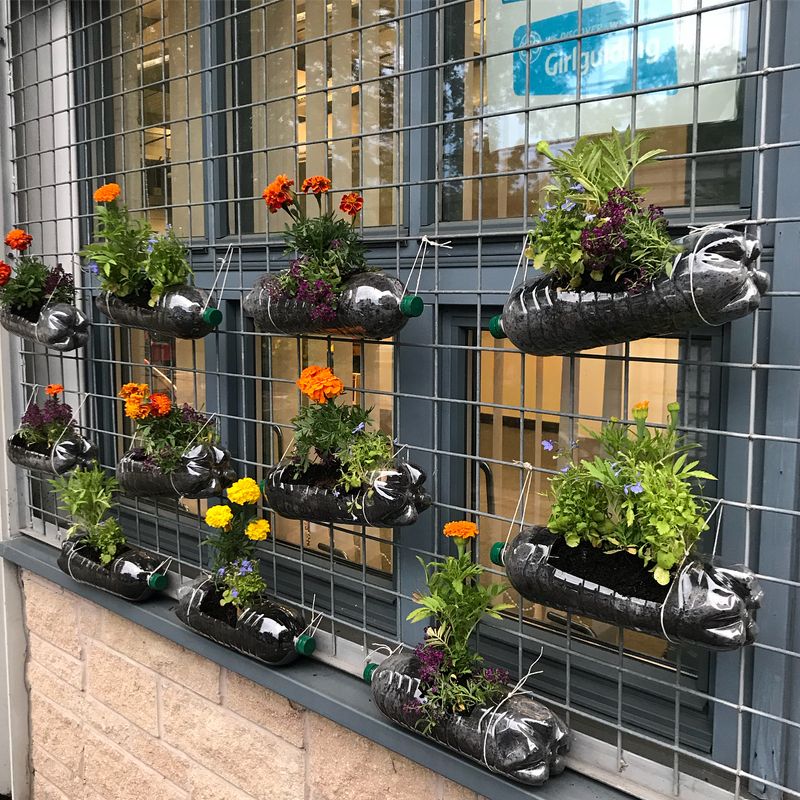
Upcycling is not only trendy but also environmentally friendly. Use old cans, jars, or crates as planters to give your balcony garden a unique character. This approach reduces waste while adding charm.
Consider painting containers for a personal touch. Upcycled items can be conversation starters, each with its own story.
This sustainable practice transforms your garden into a creative haven. It’s cost-effective and offers endless possibilities for personalization. Let your imagination lead the way and craft a garden that’s uniquely yours.