
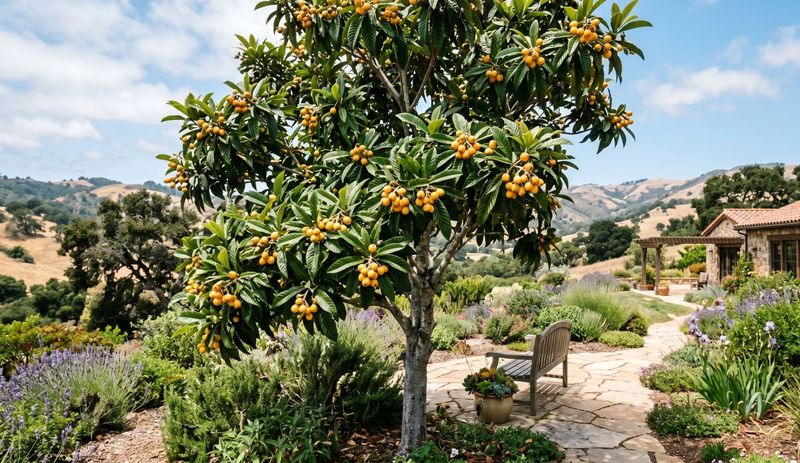
Walk past a loquat tree in November and you might spot fuzzy, cream-colored flower clusters tucked among the big leathery leaves. Those blooms are next spring’s fruit in the making.
A few smart choices now can protect them, while a few common habits can snip them away. Here is how to care for a California loquat from bloom through harvest, and what no gardener can control.
November is bloom season, not a harvest guarantee
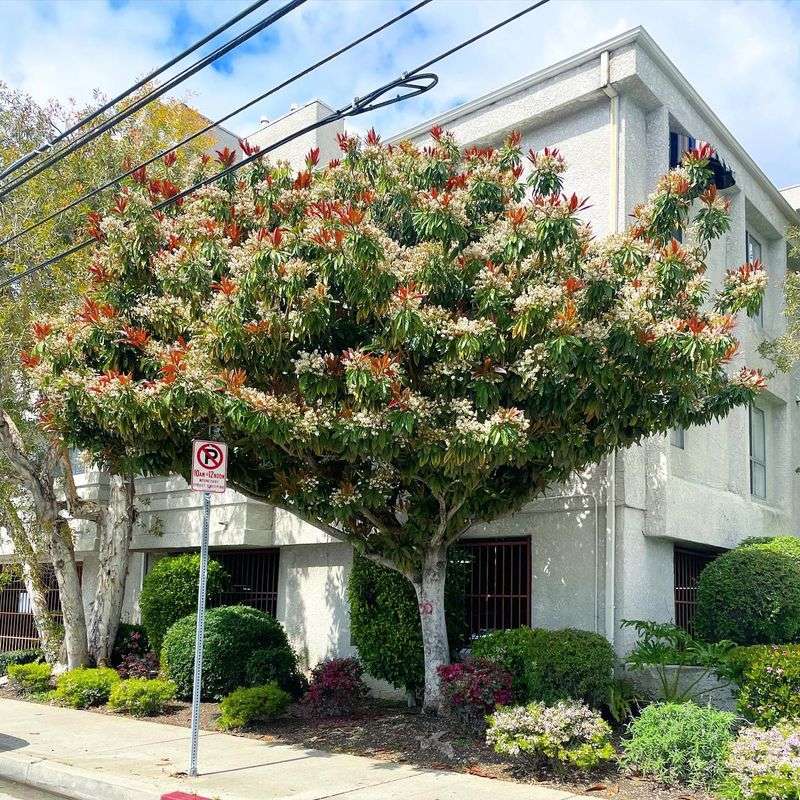
Late fall surprises people who expect fruit trees to rest. In California, loquats may flower in November, and UC Master Gardeners in Sonoma County note that bloom and fruit set can run anywhere from October through February.
That wide window means two loquat trees on the same street can be at different stages on the same day.
So what does November care really do? Mostly, it protects what the tree has already made.
Those fragile flower clusters are the start of the crop, and a tree that keeps them has a chance at fruit. A tree that loses them to a pruning saw or a hard freeze has less to work with.
It helps to be honest about the limits, though. November care cannot promise buckets of fruit.
Weather, your tree’s variety, and your spot in the state all have a say, and none of them answer to a gardening calendar.
The same sources give a useful timeline. Fruit often ripens about 90 days after bloom, and the usual picking window runs from late May through July.
A tree that bloomed in November might have fruit sooner than one that bloomed in January.
Treat that as a rough guide rather than a date to circle. As UC Davis loquat information points out, loquats need warmth to mature good fruit, so local conditions can push ripening later.
Watch your own tree and keep a note of when it blooms each year. That record will tell you more than any general chart.
Weather, location, and the tree itself shape the crop
Some parts of a loquat’s story are out of your hands. The tree itself is fairly tough, but its flowers and young fruit are not.
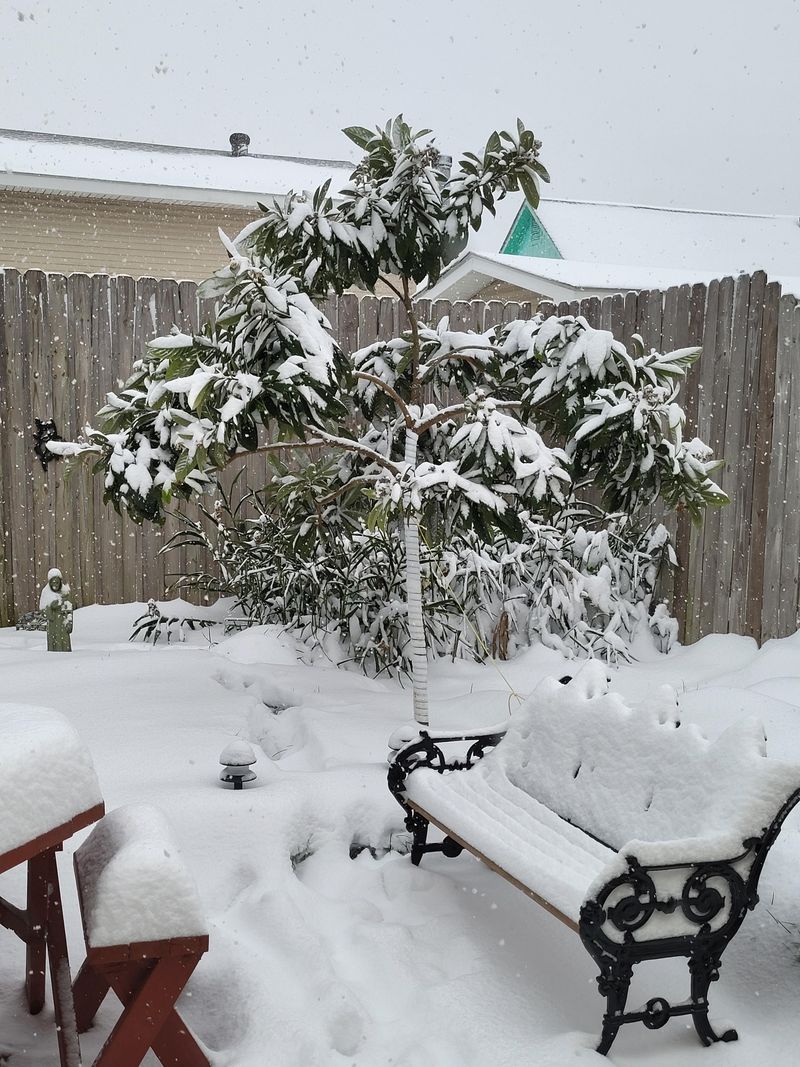
Extension sources, including University of Florida IFAS and Clemson Extension, report damage to blooms or fruit at around 27 degrees Fahrenheit.
Treat that number as a general threshold. A short dip may do little, while a long freeze, an exposed spot, or a sensitive cultivar can change the outcome.
If a cold night is forecast, a sheltered location near a wall or under an eave tends to help more than hoping for the best.
California is also not one climate. UC Davis notes that loquats want heat to ripen a good crop, and fruit grown along the central coast may lack flavor, color, and sweetness.
An inland yard with warm spring days may give a different result than a foggy coastal one, even with the same care.
Then there is the tree’s own rhythm. UC Master Gardeners report that loquats often bear more heavily in alternate years.
A light year may simply be the off year.
That means a small harvest rarely points to one mistake. A skipped November task did not necessarily cause it, and birds are not always the culprit.
Cold, site, variety, and bearing cycle all play a part, so judge your tree over several seasons.
Leave blooming branches alone
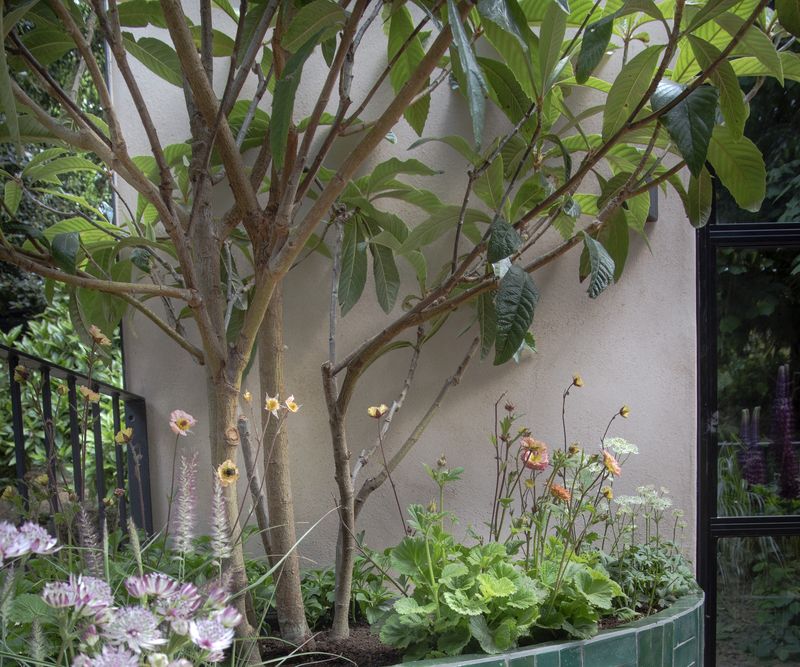
Put the pruning shears down while the flower clusters are on the branches. Cutting back a blooming loquat in November can remove this season’s flowers or the growth that will carry fruit.
Shaping a tree now may make it look tidier, but it can cost you the crop you were hoping for.
Timing is the fix. UC Davis guidance points to shaping after harvest, and UC Master Gardeners suggest late summer or early autumn, before the winter bloom starts.
That gives new growth time to form and keeps the cuts away from the flowers.
There is one exception worth knowing. Dead or damaged wood can come out whenever you spot it, since removing a broken limb does not take flowers from healthy growth.
Make clean cuts, and keep them small while blooms are present.
A simple next step is to walk the tree this week and tie a bit of ribbon on any branch that needs attention later. Mark the tall water sprouts and crowded centers you plan to thin after harvest.
Doing that now saves guesswork in summer. You will know exactly where to cut, and the tree gets to keep its blooms in the meantime.
Keep care steady and suited to your site
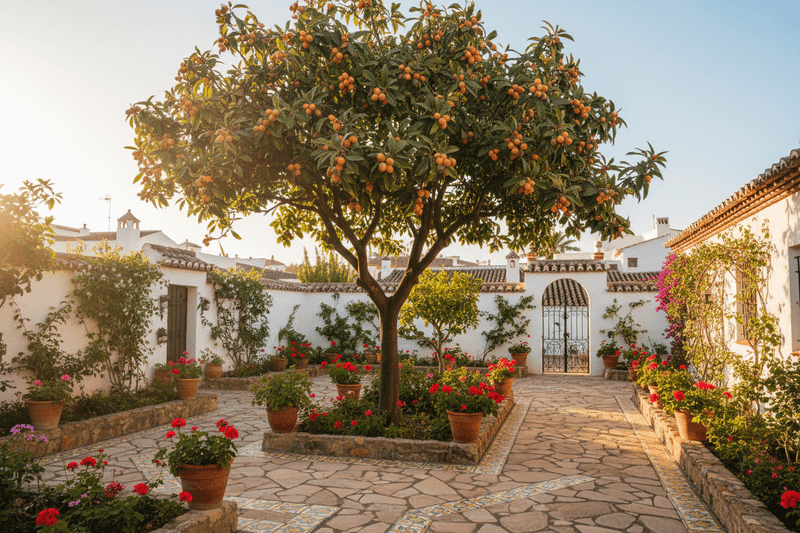
Loquats ask for fairly simple things. UC IPM recommends well-drained soil, full sun or partial shade, and moderate to regular water.
Soggy ground is a bigger worry than a dry week, so check drainage before you add more water.
Established trees can handle some drought, which matters in a state with water restrictions. Still, moderate moisture supports fruit production, and a tree that is stressed during bloom and fruit growth may struggle.
Rather than follow a fixed schedule, push a finger or trowel into the soil. If the top few inches are dry and the leaves look tired, it is time to water.
Your soil, weather, and tree size will all change the answer. A loquat in sandy inland soil may need water more often than one in heavy clay near the coast.
A layer of mulch, kept back from the trunk, helps hold moisture.
Fertilizer is where advice varies the most. UC Davis suggests spring feeding for mature trees, while guidance from other regions uses different timing.
Clemson Extension warns that too much nitrogen pushes soft growth that is prone to fire blight.
If your tree looks healthy, you may not need much at all. Steady care supports the tree, but it does not guarantee a heavy crop.
Thin only after fruit has set
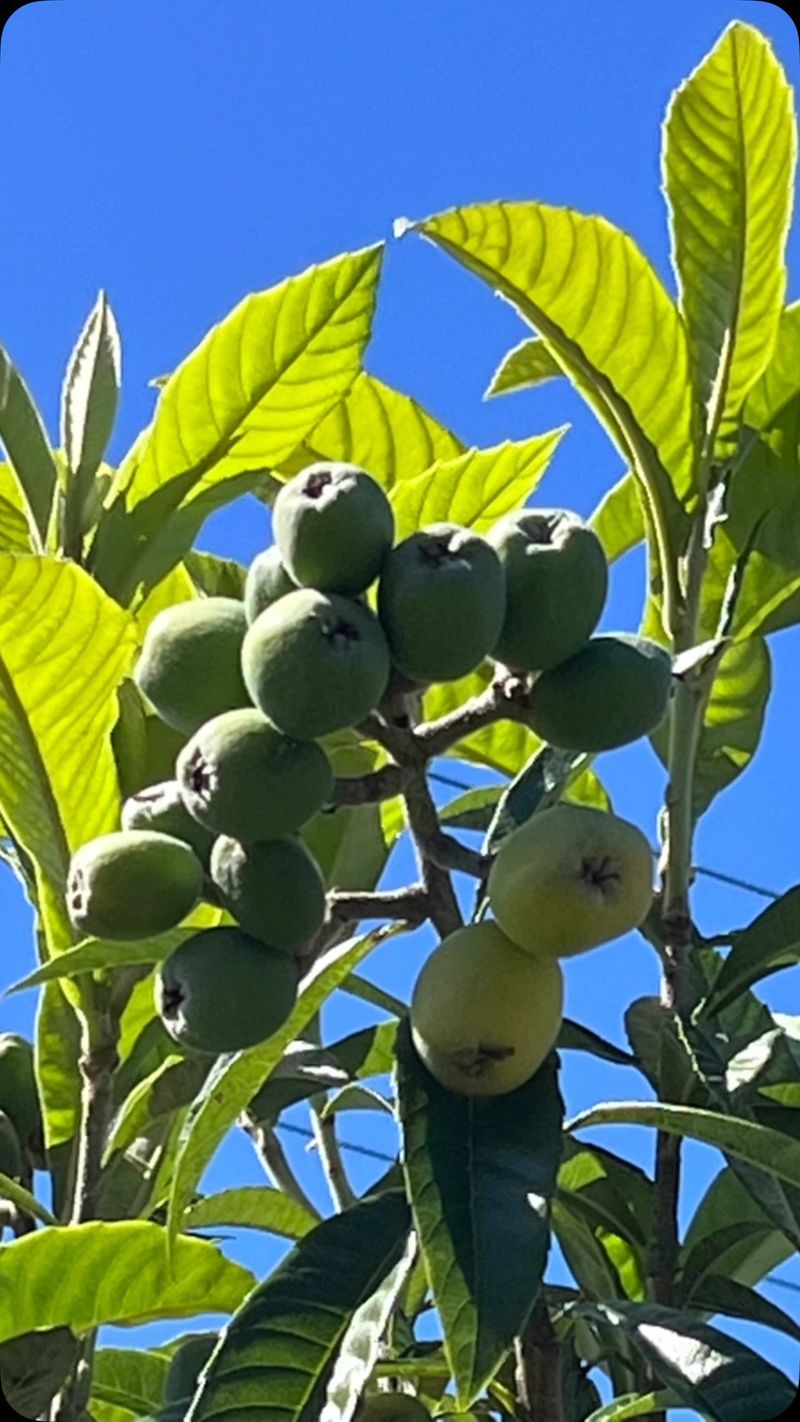
Thinning comes later, once you can see which fruit actually formed. Flowers drop on their own, and cutting too early removes clusters that might have set.
Wait until small fruit is visible, then look at the heaviest clusters.
Thinning has two modest benefits. According to UC IPM, it can increase the size of the fruit that remains and reduce limb breakage.
A branch weighed down by dozens of crowded fruit is easier to snap in wind.
It will not necessarily give you more fruit overall. You are trading quantity within a cluster for bigger, easier-to-pick loquats.
If your tree has only a few sparse clusters, leave them alone.
You may come across a specific number. University of Florida IFAS describes leaving 4 to 10 fruit per terminal, but that is Florida-specific guidance.
It has not been set as a California rule, so use it only as a loose picture of what thinning can look like.
A practical approach is to pinch off the smallest or damaged fruit in packed clusters and see how the tree responds. Adjust next year based on what you learned.
Protect fruit when it ripens, not while it flowers
Birds care about ripe fruit, not autumn flowers. That is why bird protection belongs in spring, as the fruit begins to color.
Putting barriers up in November adds work without protecting anything yet.
One option is bagging. UC Davis recommends covering clusters before the fruit colors.
Paper or mesh bags work well on a small tree with reachable branches.
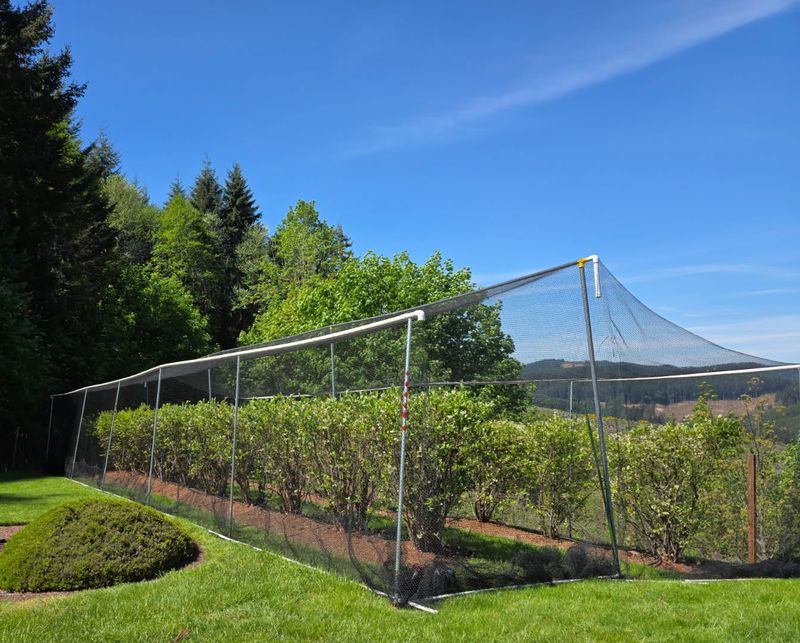
For an isolated tree, netting can help. UC IPM says it works best when held away from the canopy on a frame.
Netting pressed against the leaves may still leave fruit within beaks’ reach.
Safety matters as much as coverage. A California Department of Food and Agriculture handbook warns that loose netting can entangle birds and recommends keeping it taut and secured.
Mesh size alone does not make a setup safe or effective.
Check the edges and the ground line where birds can slip in or get caught. If you see a trapped bird, the netting needs fixing right away.
Birds are not the only reason for a light crop, but guarding ripening fruit protects the harvest you did get.
Harvest ripe fruit gently and set realistic expectations
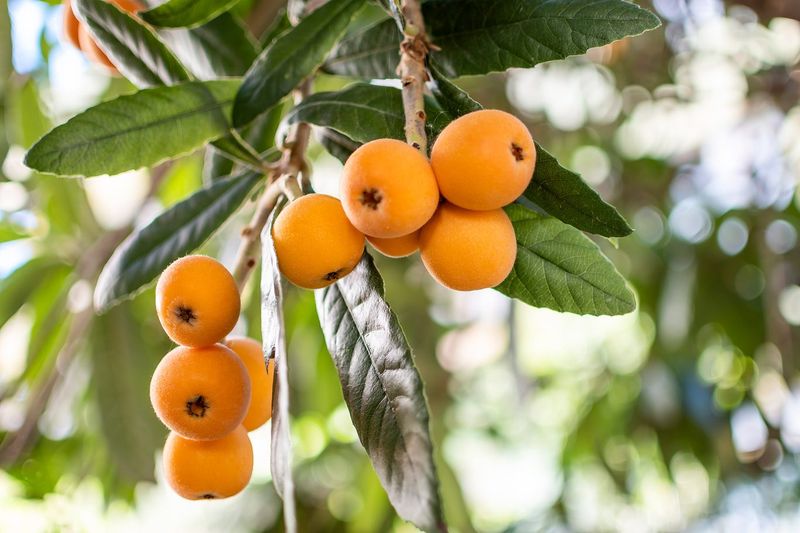
Ripe loquats tell you when they are ready. Look for vibrant color and a soft-firm feel, as described by UC Davis Postharvest.
Fully ripe fruit is delicate, so pick with care, place it in a shallow container, and avoid piling it deep.
Timing depends on your tree. Many California loquats ripen from late May into summer, but UC Master Gardeners note that bloom date and local conditions shift the calendar.
Taste a fruit or two before you pick a whole cluster.
Eat or process them soon, since soft fruit does not wait long. Jam, syrup, and fresh snacking are all good uses.
Timely care can help protect flowers and fruit, but it cannot promise an unusually easy harvest or a heavy crop. Some years your tree will give more than you can carry, and some years only a handful.
A light season does not mean you failed. Sometimes the tree is just resting.