 Complete Gardening
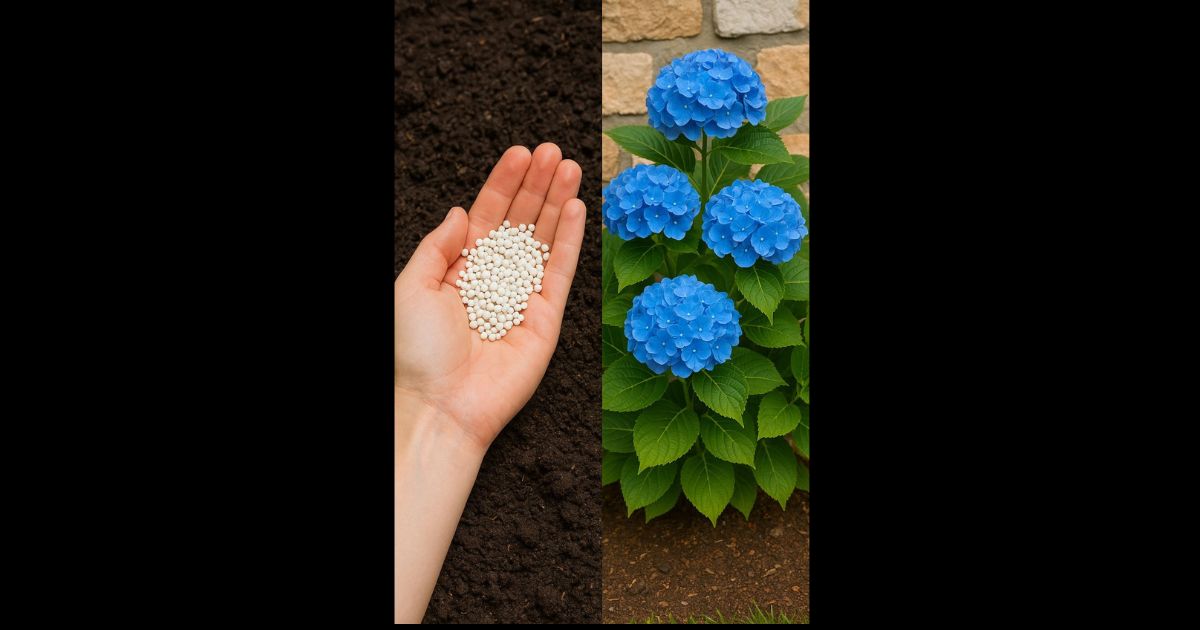
Hydrangeas are one of the most stunning additions to any garden – lush, colorful, and classic. But if yours are wilting too soon or dying back before their time, you’re not alone. Many gardeners unknowingly make small mistakes that have a big impact on these delicate beauties.
The good news? Once you understand what your hydrangeas truly need, keeping them healthy and thriving year after year becomes easy. Let’s explore the most common reasons your hydrangeas might be dying too fast – and the practical steps you can take to fix it.
1. Know How Long Hydrangeas Can Actually Live
Under the right care, hydrangeas can live for decades – even up to 50 years. But harsh weather, poor soil, or inconsistent watering can drastically shorten their lifespan.
Hydrangeas bloom from late spring through early autumn, and each bloom lasts for weeks. To help them live longer, protect them from temperature extremes, maintain steady soil moisture, and avoid disturbing their roots during their dormant winter phase.
2. Identify Your Hydrangea Type — Each Has Different Needs
Not all hydrangeas are the same. The three most common types are:
- Bigleaf hydrangeas (Hydrangea macrophylla) – Known for pink, purple, or blue blooms depending on soil pH. Thrive in partial shade and moist soil.
- Panicle hydrangeas (Hydrangea paniculata) – Sun-tolerant and great for taller landscapes. Can reach 10–15 feet in height.
- Smooth hydrangeas (Hydrangea arborescens) – Hardy and adaptable, often found in native U.S. gardens.
Knowing which type you have determines the best watering, pruning, and fertilizing routine.
3. Master the Art of Watering – Balance Is Key
Hydrangeas love moisture, but they hate soggy roots. Overwatering leads to root rot, while too little water causes drooping leaves and faded blooms.
Water deeply once or twice a week, depending on weather and soil type. Early morning or late afternoon watering helps minimize evaporation. Add mulch around the base to retain moisture and stabilize soil temperature.
4. Improve Soil Quality for Long-Term Health
Hydrangeas thrive in well-draining, nutrient-rich soil. Avoid dense clay that holds too much water. Mix in compost or organic matter to enhance structure and fertility.
Soil pH also influences bloom color:
- Acidic soil (pH below 6.0) produces blue flowers.
- Alkaline soil (pH above 7.0) produces pink blooms.
Test your soil regularly and adjust accordingly using lime (to raise pH) or sulfur (to lower it).
5. Give Them the Right Amount of Sunlight
Too much sun scorches leaves, while too little limits blooms. Most hydrangeas prefer morning sun and afternoon shade, especially in hot climates.
Choose planting spots with filtered sunlight or light shade from nearby trees or buildings. If necessary, use shade cloth to protect them from intense afternoon rays.
6. Prune the Right Way (and at the Right Time)
Pruning mistakes are a common reason hydrangeas stop blooming. Each type needs a specific approach:
- Bigleaf and smooth hydrangeas: Prune in late winter or early spring before new growth.
- Panicle hydrangeas: Prune in early spring, since they bloom on new wood.
Remove dead or crossing stems and trim lightly to encourage fuller, healthier growth. Always use clean, sharp tools to prevent disease spread.
7. Feed Hydrangeas – But Don’t Overdo It
Use a balanced, slow-release fertilizer in early spring to support healthy growth. Too much fertilizer causes excess foliage with fewer blooms.
For color enhancement, try specialized hydrangea fertilizers that adjust soil pH (e.g., aluminum sulfate for bluer tones). Always follow package directions to avoid burning roots.
8. Keep an Eye Out for Pests and Diseases
Common hydrangea threats include aphids, spider mites, and powdery mildew. Regular inspection helps you catch problems early.
Use neem oil or insecticidal soap for pests, and ensure proper air circulation to prevent fungal diseases. Avoid overhead watering, which can promote mildew on leaves.
9. Try These Natural Hacks: Coffee Grounds & Eggshells
Two household items can work wonders for your hydrangeas:
- Coffee grounds: Slightly acidify soil, perfect for blue-bloom varieties. Sprinkle lightly and mix into the top layer of soil.
- Crushed eggshells: Add calcium and improve soil texture. Mix into soil for slow, steady nutrient release.
Both are eco-friendly, budget-friendly, and help build healthier plants naturally.
10. Adjust Care Seasonally
Each season requires a different approach:
- Spring: Prune, fertilize, and watch for new growth.
- Summer: Maintain consistent watering and monitor for pests.
- Fall: Reduce watering and let plants prepare for dormancy.
- Winter: Mulch the base and protect roots with burlap or frost cloth in colder zones.
This cycle helps hydrangeas stay strong and ready for next year’s bloom.
11. When to Call in the Experts
If your hydrangeas continue to struggle despite your best efforts, consult a local horticulturist or garden center. They can test your soil, identify disease issues, and recommend the best regional solutions.
Professional help can save a declining plant and provide personalized advice for your specific growing conditions.
Final Thoughts: Turn Dying Blooms Into Lasting Beauty
Hydrangeas may seem delicate, but with the right care – consistent watering, balanced sunlight, rich soil, and proper pruning – they can thrive for decades.
Once you master these fundamentals, your hydrangeas won’t just survive the season -they’ll burst into vibrant color and fill your garden with timeless charm year after year.