 Complete Gardening
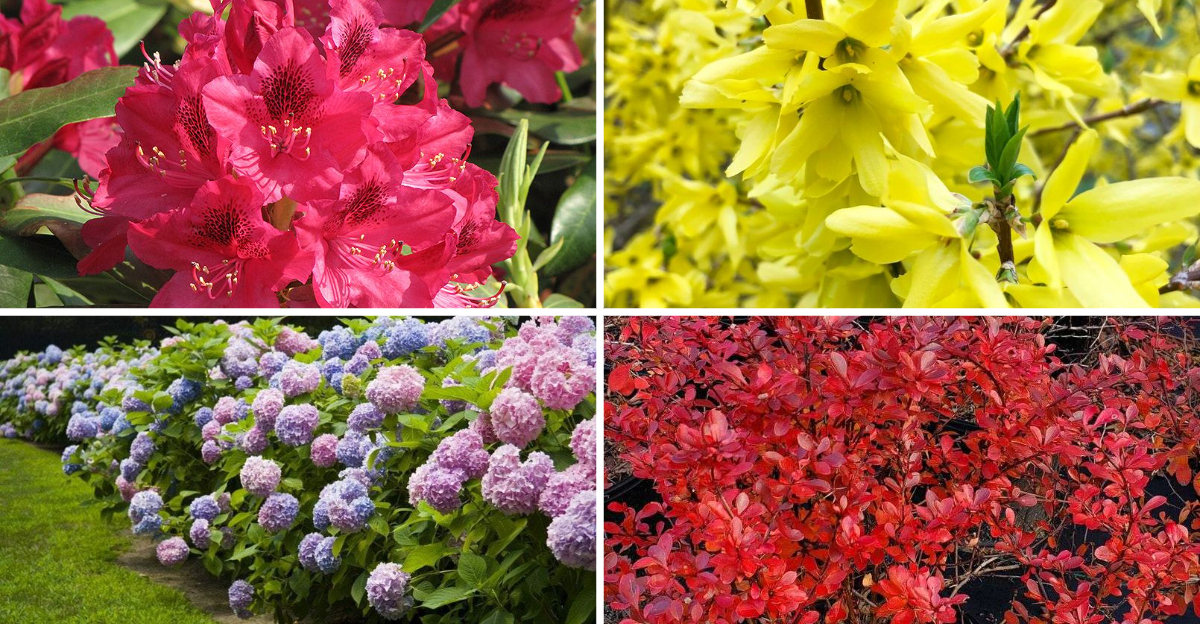
Exploring the world of shrubs with continuous color, I ambitiously tested 23 different varieties to find the best ones for maintaining vibrant hues throughout the seasons. Not only was I looking for beauty, but I also sought diversity in appearance and resilience in differing climates. Here are the top 10 standout shrubs that brought a rainbow of colors to my garden all year round.
1. Hydrangea Endless Summer
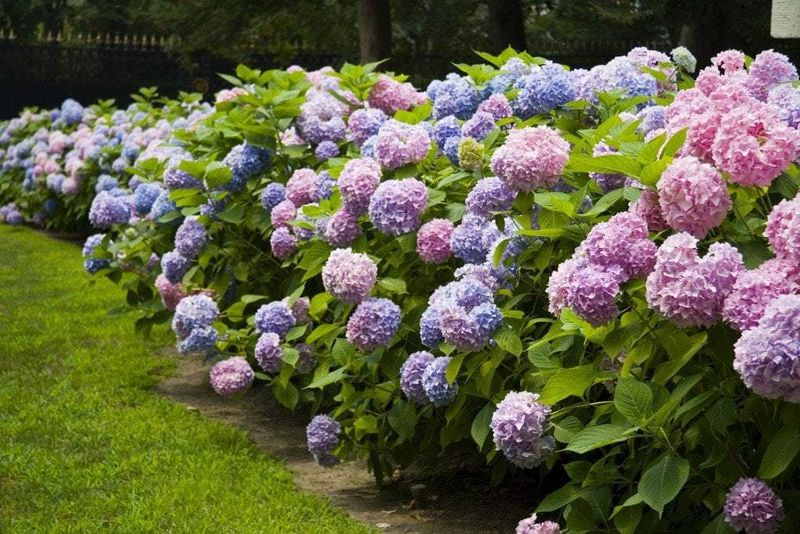
Known for its incredible ability to bloom on both old and new wood, the Hydrangea Endless Summer delivers a kaleidoscope of blues, pinks, and lavenders. Its breathtaking hues can change with soil pH, creating a dynamic garden spectacle.
Standing tall and proud, this shrub’s lush foliage provides an equally compelling backdrop. Its adaptability makes it a favorite among gardeners who cherish both spectacle and longevity.
Fun fact: This hydrangea was the first to bloom on old and new wood, revolutionizing garden aesthetics since its debut.
2. Crimson Pygmy Barberry
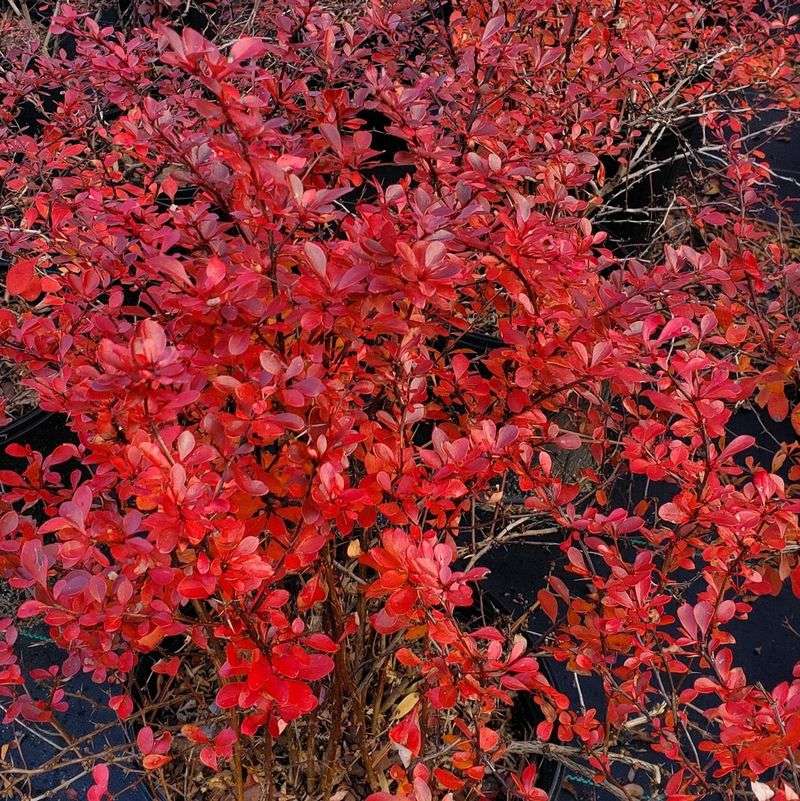
With leaves reminiscent of rich crimson velvet, the Crimson Pygmy Barberry offers a regal touch to any garden. Its compact form makes it ideal for small spaces, where it can shine as a jewel in the landscape.
As autumn approaches, its colors deepen, creating a dramatic contrast against the fading greens of other plants. This shrub’s resilience and adaptability make it a practical yet stunning choice.
Did you know? The barberry family has been used in traditional medicine for centuries, lauded for its healing properties.
3. Forsythia Lynwood Gold
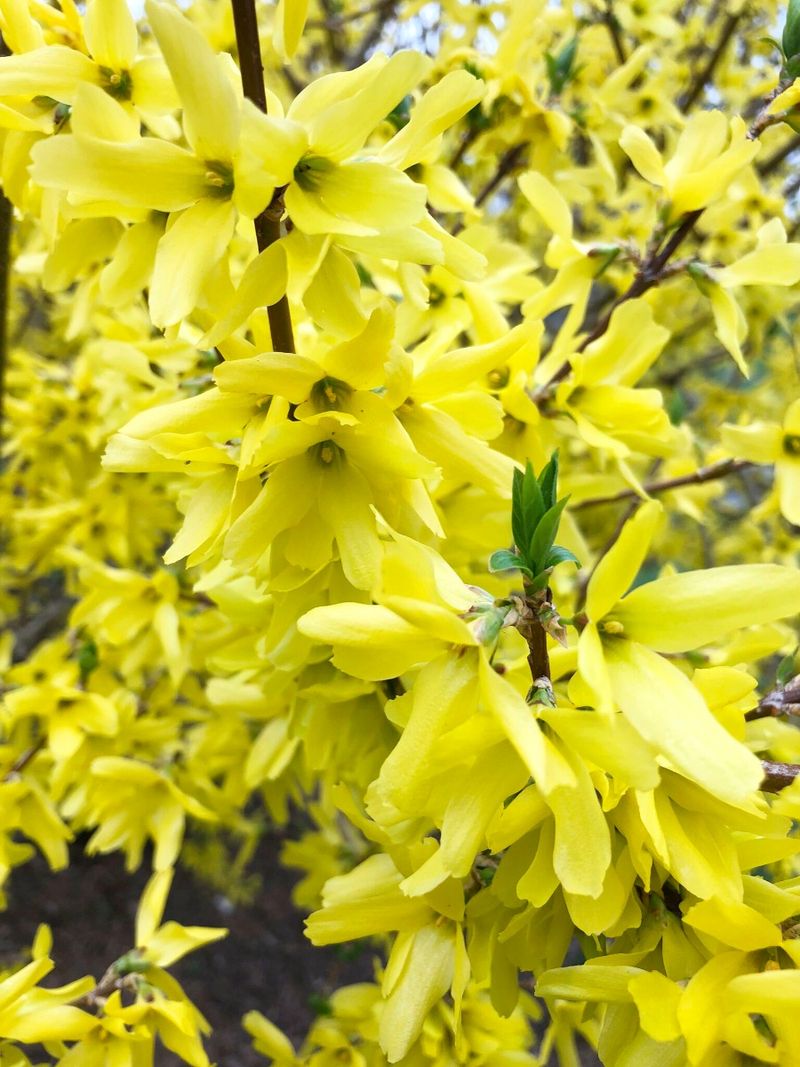
Heralding the arrival of spring, the Forsythia Lynwood Gold is a vibrant explosion of sunshine. Its golden blooms are among the first to appear, often peeking through the last snow of the season.
This shrub’s exuberance is contagious, spreading joy and optimism. Its ability to thrive in various conditions makes it a gardener’s delight, offering both beauty and reliability.
Fun fact: Forsythia flowers are edible and can be used to add a splash of color to salads and desserts.
4. Burning Bush Euonymus Alatus
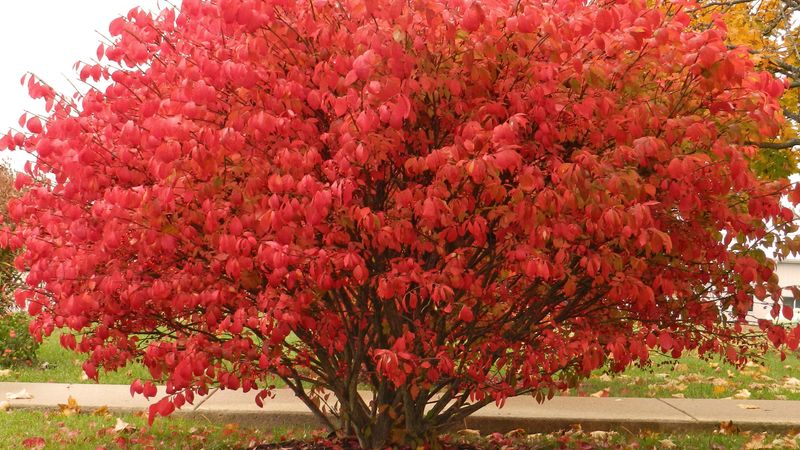
Aptly named, the Burning Bush Euonymus Alatus ignites the garden with its fiery red leaves in autumn. Known for its striking presence, it transforms any landscape into a scene of passion and warmth.
The dense foliage provides excellent coverage, while the unique winged branches offer intriguing visual interest even in the winter months. This shrub is a testament to nature’s artistry and resilience.
Did you know? Despite its beauty, this shrub is considered invasive in some areas, so it’s important to check local guidelines before planting.
5. Japanese Maple Acer Palmatum
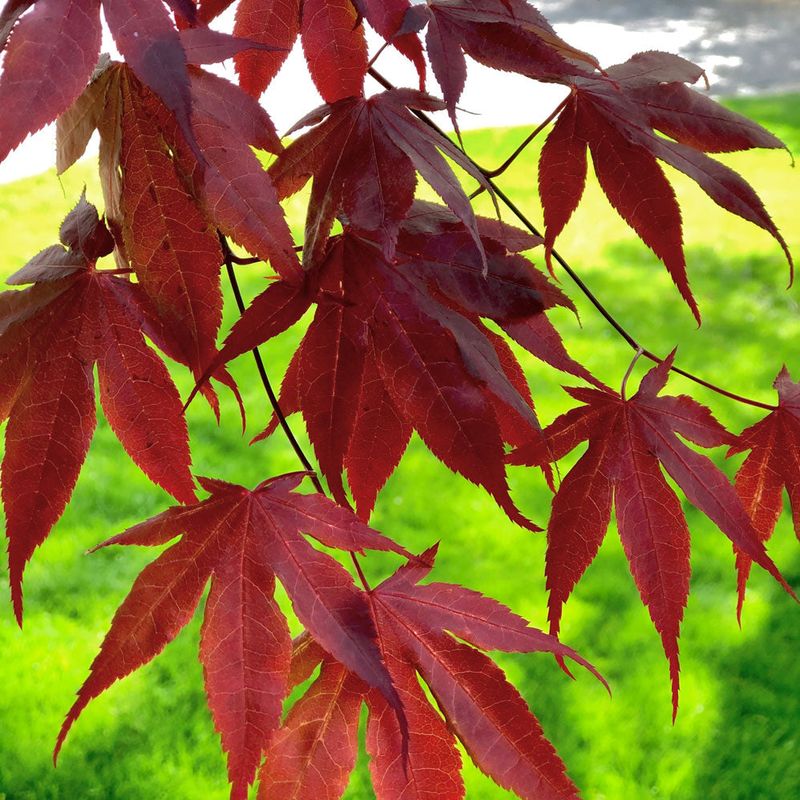
The Japanese Maple Acer Palmatum is nature’s tapestry, with its delicate, lace-like leaves that shift from deep red to a vibrant scarlet as the seasons change. Ideal for adding a touch of elegance and sophistication to any garden.
This shrub’s graceful form and intricate leaf patterns make it a favorite among those who appreciate subtlety and beauty. Its adaptability to various climates adds to its allure.
Fun fact: Japanese Maples are often used in bonsai due to their intricate branch structure and aesthetic appeal.
6. Rhododendron Nova Zembla
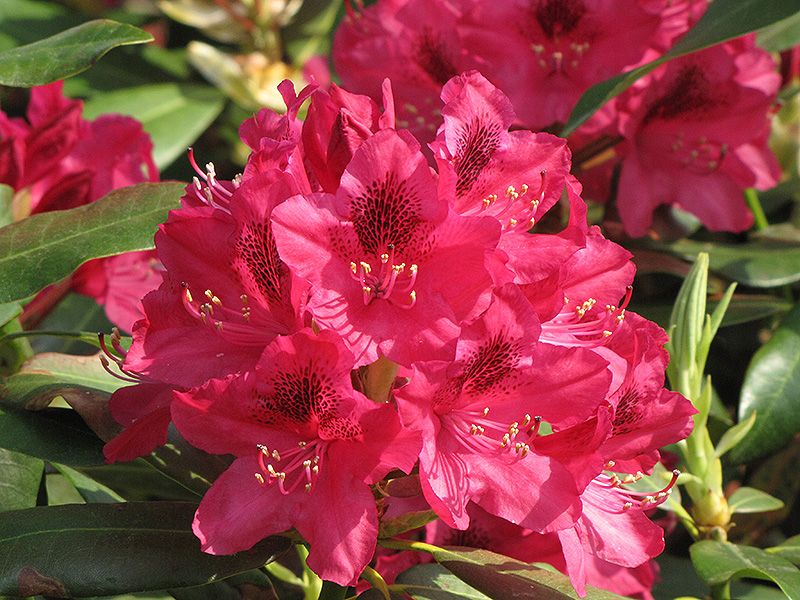
The Rhododendron Nova Zembla captivates with its rich clusters of deep red flowers, creating a bold statement in any garden. Its blooms are a testament to the shrub’s strength and vigor.
With its evergreen foliage providing year-round interest, this shrub is both a performer and a staple in traditional garden designs. Its resilience in colder climates makes it a reliable choice for northern gardeners.
Did you know? Rhododendrons have been cultivated since ancient times, prized for their beauty and medicinal properties.
7. Lavender Twist Redbud
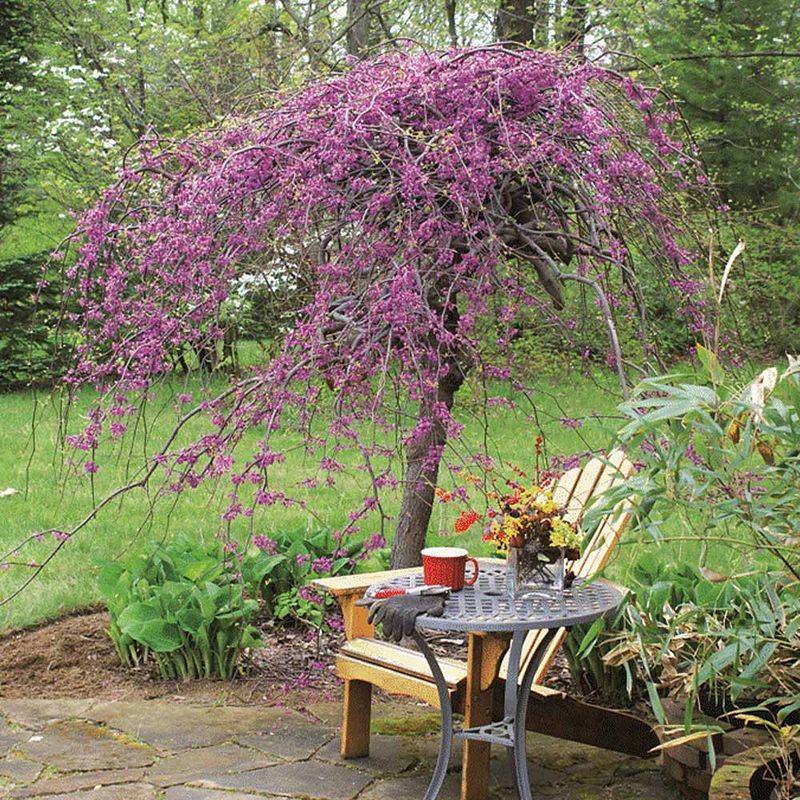
Enchanting and whimsical, the Lavender Twist Redbud stands out with its twisted branches and vibrant pink blossoms. This shrub is a testament to nature’s creativity, offering a delightful twist on the traditional Redbud.
Its intriguing form and splash of color make it a focal point in any garden, captivating onlookers with its charming appearance. Ideal for adding character and a touch of whimsy.
Fun fact: The Eastern Redbud is the state tree of Oklahoma, renowned for its beauty in spring.
8. Ninebark Physocarpus Diablo
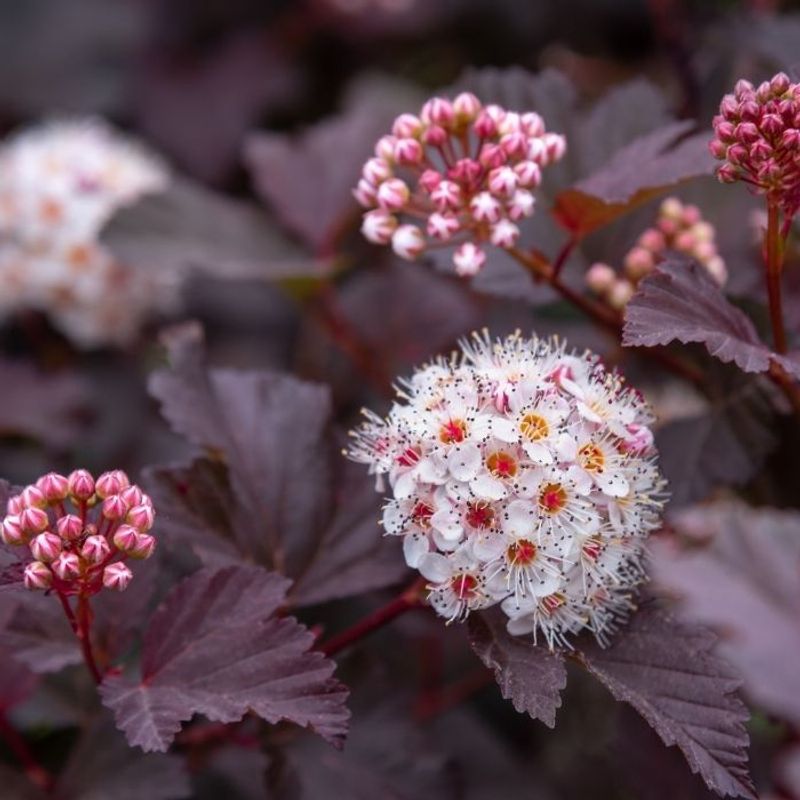
Daring and bold, the Ninebark Physocarpus Diablo showcases dark purple foliage that contrasts brilliantly with its delicate white flowers. It’s a dramatic addition to any landscape, offering both color and texture.
This shrub’s peeling bark provides winter interest, making it a year-round favorite. Its ability to thrive in varied conditions adds to its appeal.
Did you know? The name “Ninebark” comes from the shrub’s distinctive peeling bark, which appears to have multiple layers.
9. Spirea Gold Flame
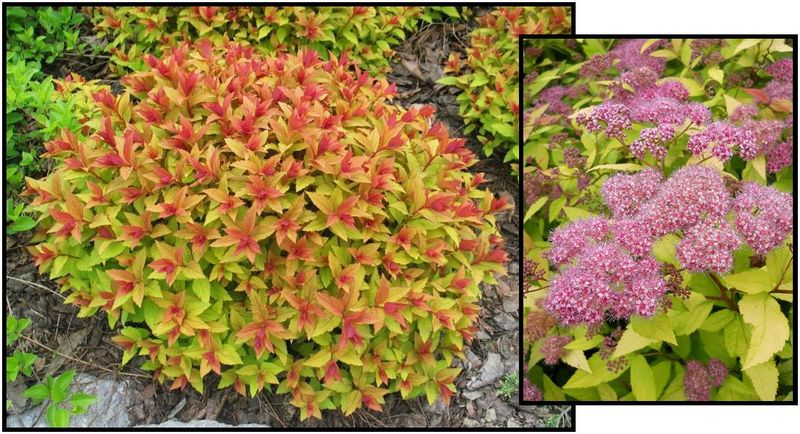
The Spirea Gold Flame is a fiery spectacle, with leaves that transition from vibrant orange to rich red, complemented by clusters of pink flowers. It’s a lively addition to any garden, bringing warmth and vitality.
This shrub’s compact size makes it versatile, fitting well into both small gardens and expansive landscapes. Its changing hues ensure visual interest throughout the growing season.
Fun fact: Spireas are known for their long blooming period, making them a favorite among those who seek continuous color.
10. Dwarf Korean Lilac Syringa Meyeri
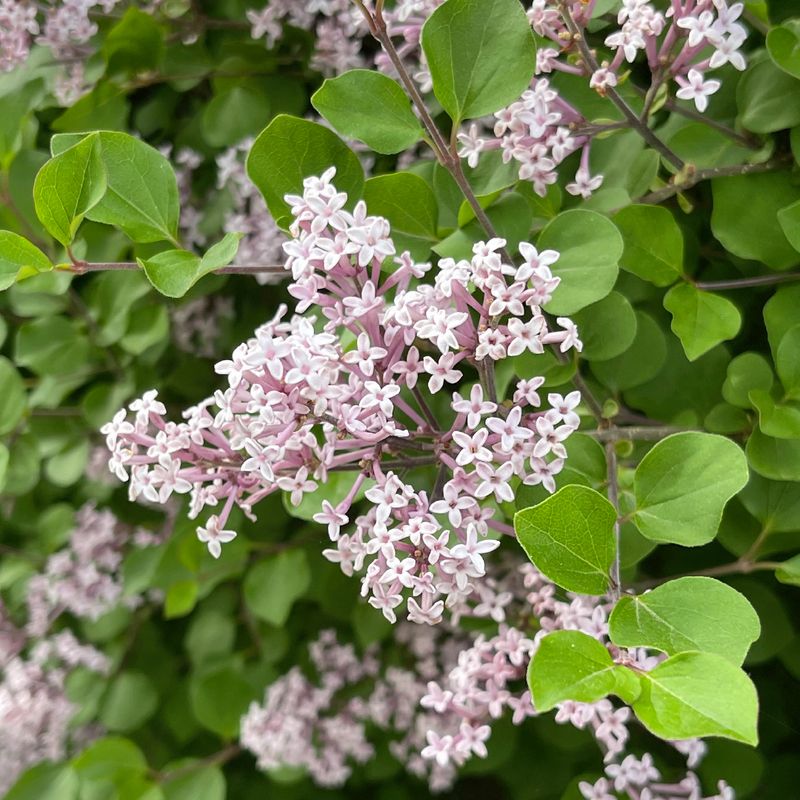
Charming and fragrant, the Dwarf Korean Lilac Syringa Meyeri delights with its purple blossoms and sweet scent. It’s a compact shrub that packs a punch, perfect for small spaces.
This lilac offers a burst of color in late spring, with its blooms attracting pollinators and admirers alike. Its compact form and fragrant flowers make it a must-have for cottage gardens.
Did you know? This lilac is celebrated for its prolonged blooming season and delightful fragrance, making it a favorite for sensory gardens.