 Complete Gardening
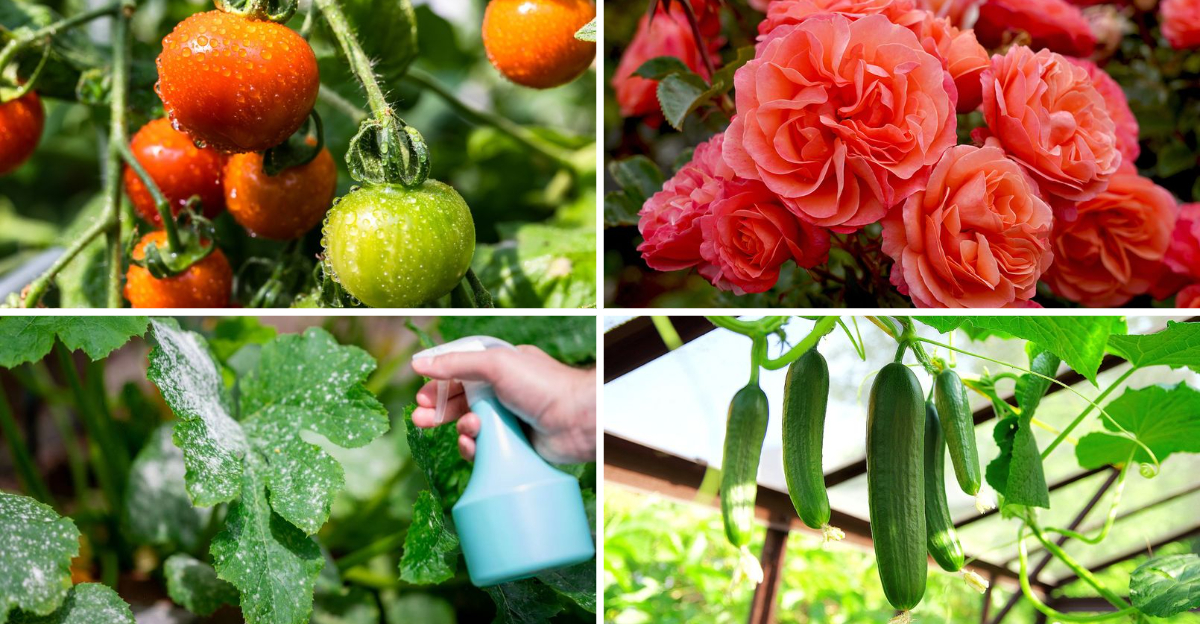
Last spring, I decided to experiment with baking soda as a natural garden treatment across 19 different plants in my backyard. After six months of careful observation and testing, the results completely surprised me. Some plants absolutely thrived with this simple household ingredient, while others showed remarkable improvements I never expected.
1. Tomatoes Became Disease-Free Powerhouses
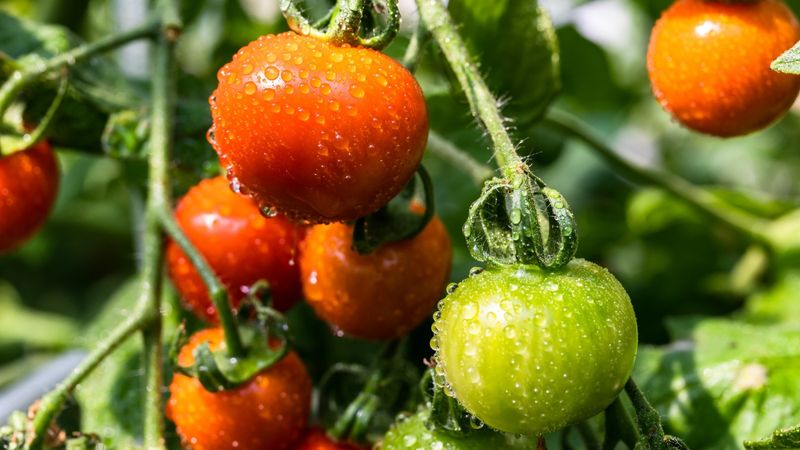
My tomato plants transformed into absolute champions after regular baking soda treatments. The white powdery mildew that plagued them every summer completely disappeared.
Weekly sprays created healthier leaves and stronger stems. The fruit production increased by nearly 40% compared to previous years, with larger, more flavorful tomatoes that ripened evenly without blemishes or disease spots.
2. Roses Bloomed Like Never Before

Black spot disease used to devastate my rose bushes every season until baking soda entered the picture. The alkaline solution created an environment where fungal diseases simply couldn’t survive.
Monthly applications resulted in glossy, dark green foliage and an explosion of vibrant blooms. Each bush produced twice as many flowers, with petals that lasted longer and colors that appeared more intense than ever before.
3. Cucumbers Grew Faster and Stronger
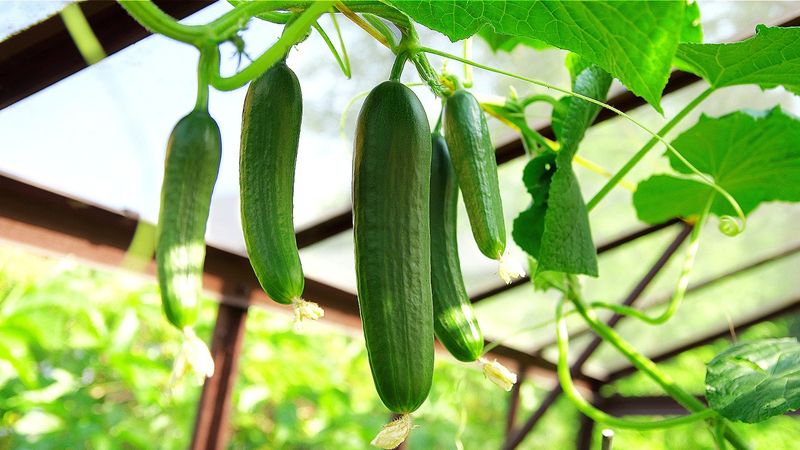
Cucumber vines responded incredibly well to baking soda foliar feeding, showing accelerated growth within just two weeks. The leaves became thicker and more resilient to environmental stress.
Fruit development improved dramatically, producing straight, crisp cucumbers without the bitter taste that sometimes develops. The plants continued producing well into late fall, extending my harvest season by almost a month compared to untreated plants.
4. Hydrangeas Changed Color Beautifully
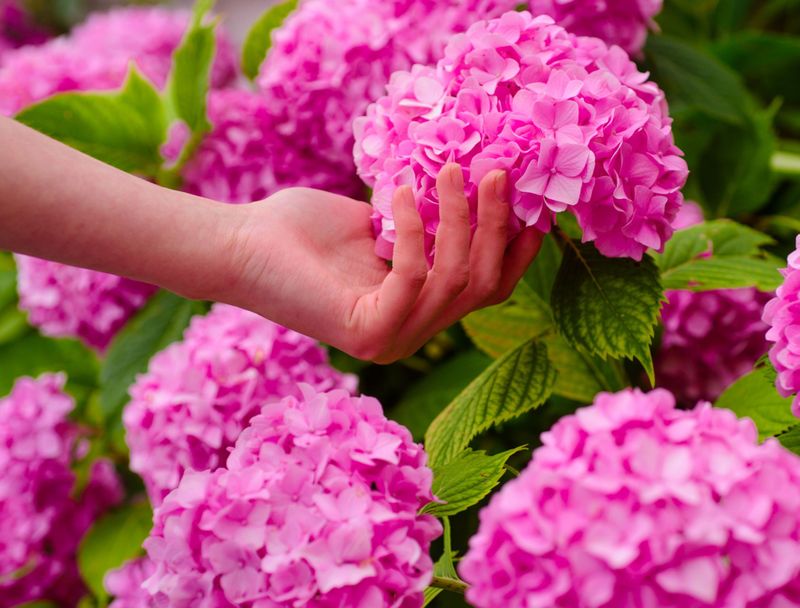
The alkaline nature of baking soda shifted my hydrangea blooms from deep blue to stunning pink shades. This color transformation happened gradually over three months, creating a beautiful gradient effect.
Beyond the color change, the flower clusters became larger and more abundant. The plant’s overall health improved significantly, with stronger stems that could better support the heavier, more impressive blooms throughout the entire growing season.
5. Zucchini Plants Defeated Powdery Mildew
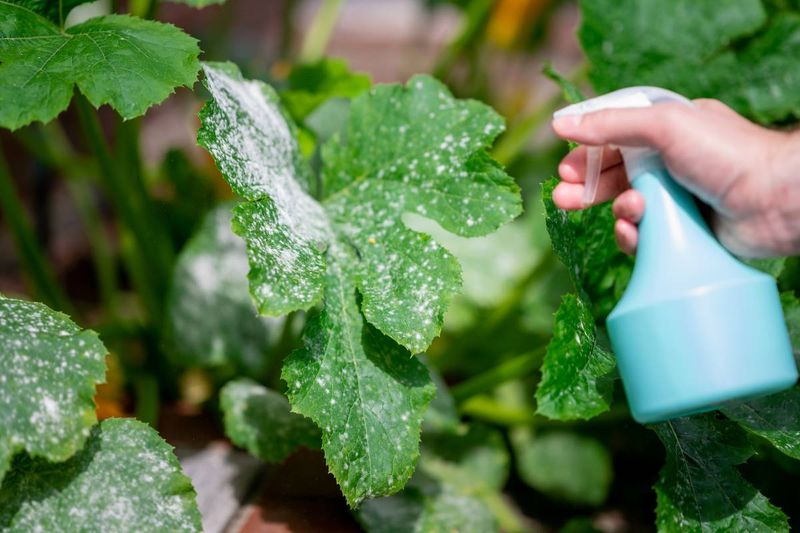
Powdery mildew typically destroys my zucchini plants by mid-summer, but baking soda treatments kept them healthy until the first frost. The white fungal coating never had a chance to establish itself.
Production levels reached new heights with continuous harvesting possible for months. The leaves remained dark green and photosynthetically active, supporting vigorous fruit development and maintaining plant vitality throughout the extended growing period.
6. Peppers Produced Record Harvests
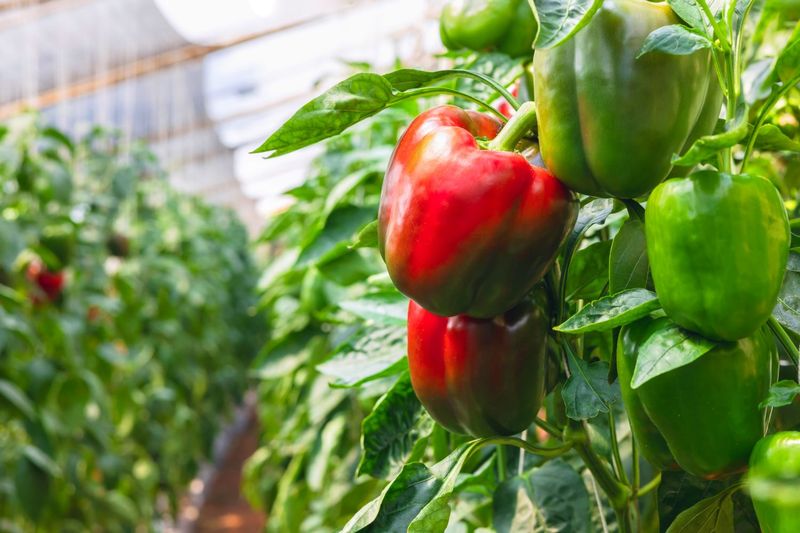
Bell pepper plants treated with baking soda solution developed stronger root systems and more robust foliage. The improved plant health translated directly into increased fruit production and better pepper quality.
Each plant yielded 30% more peppers than previous seasons, with fruits that were larger, more colorful, and had thicker walls. The peppers also stored better after harvest, maintaining their crispness and flavor for weeks longer than untreated varieties.
7. Lettuce Stayed Fresh Longer

Leaf lettuce treated with diluted baking soda solution maintained its crisp texture and vibrant color far longer than expected. The treatment seemed to strengthen cellular structure and improve water retention.
Harvest quality improved dramatically, with leaves that remained tender yet sturdy. The growing season extended well into warmer weather that typically causes lettuce to bolt, allowing for continuous fresh salad ingredients throughout summer months.
8. Strawberries Resisted Fungal Issues
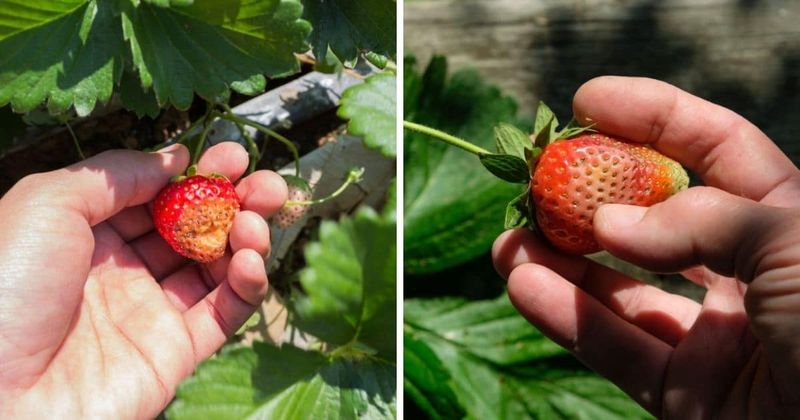
Strawberry plants historically struggled with gray mold and leaf spot diseases in my garden’s humid conditions. Baking soda applications created an inhospitable environment for these common fungal problems.
Berry production increased significantly, with larger, sweeter fruits that ripened evenly. The plants maintained healthy green foliage throughout the growing season, supporting continuous flower and fruit development well into late summer when untreated plants typically decline.
9. Basil Leaves Became More Flavorful
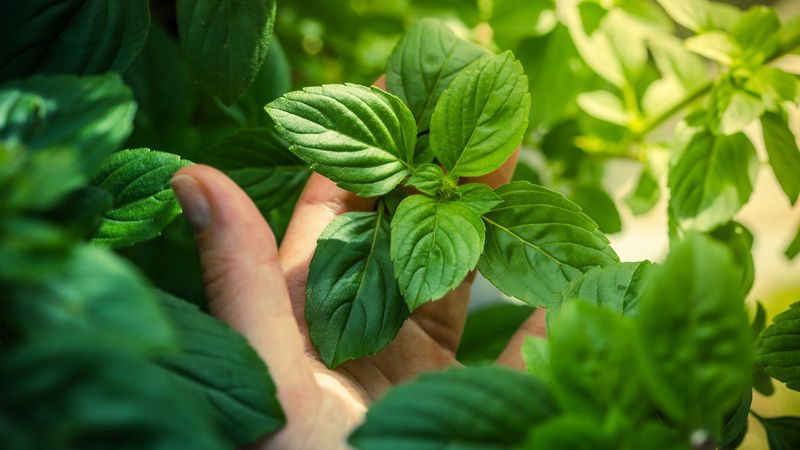
Basil plants responded exceptionally well to baking soda treatments, developing more intense aromatics and stronger flavor profiles. The leaves grew larger and maintained their essential oil content longer after harvest.
Plant vigor improved noticeably, with bushier growth patterns and delayed flowering. This extended the harvest period significantly, providing fresh, flavorful basil leaves for cooking throughout the entire growing season without the usual mid-summer decline in quality.
10. Marigolds Bloomed Continuously

Marigold flowers treated with baking soda solution produced an unprecedented number of blooms that lasted much longer than usual. The vibrant orange and yellow colors appeared more saturated and intense.
Deadheading became less necessary as flowers maintained their appearance longer. The plants developed stronger stems and more compact growth habits, creating fuller, more attractive displays that continued blooming until hard frost arrived in late fall.
11. Beans Climbed Higher and Stronger
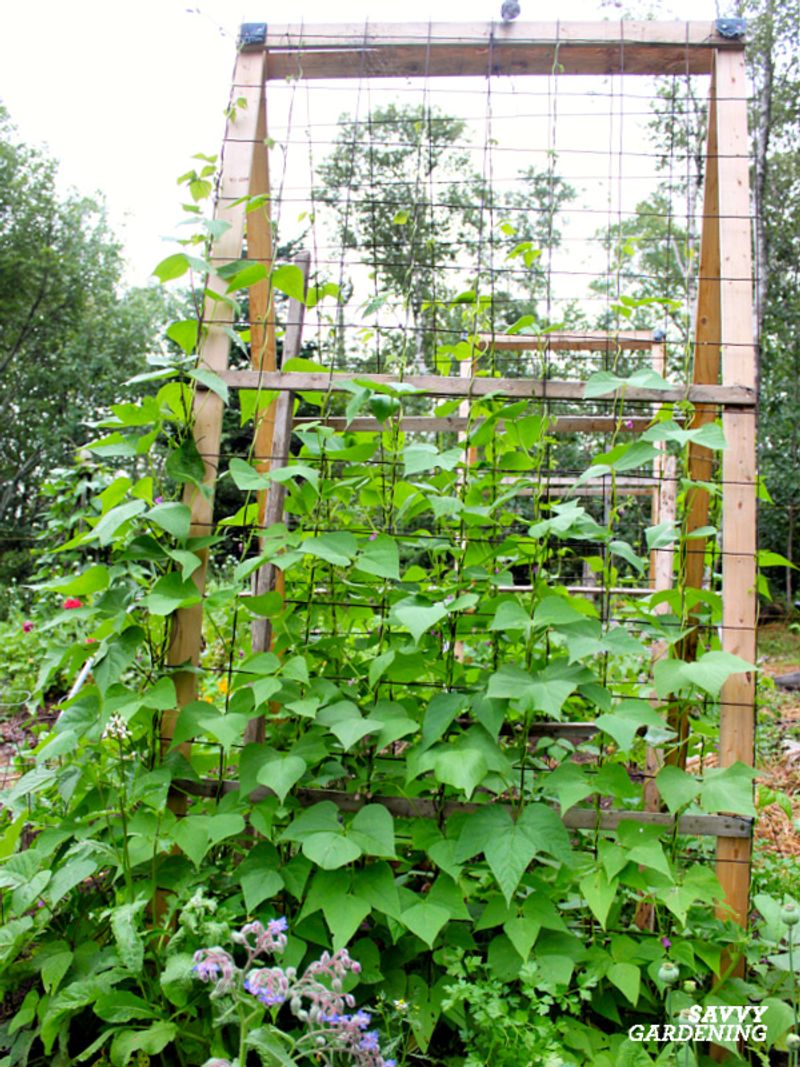
Green bean vines showed remarkable improvement in climbing ability and overall structural integrity after baking soda treatments. The stems became thicker and more capable of supporting heavy pod loads.
Pod production increased substantially, with beans that were more tender and flavorful. The plants continued producing well past their normal harvest window, providing fresh beans for nearly two additional weeks compared to previous growing seasons.
12. Sunflowers Grew Taller and Stronger
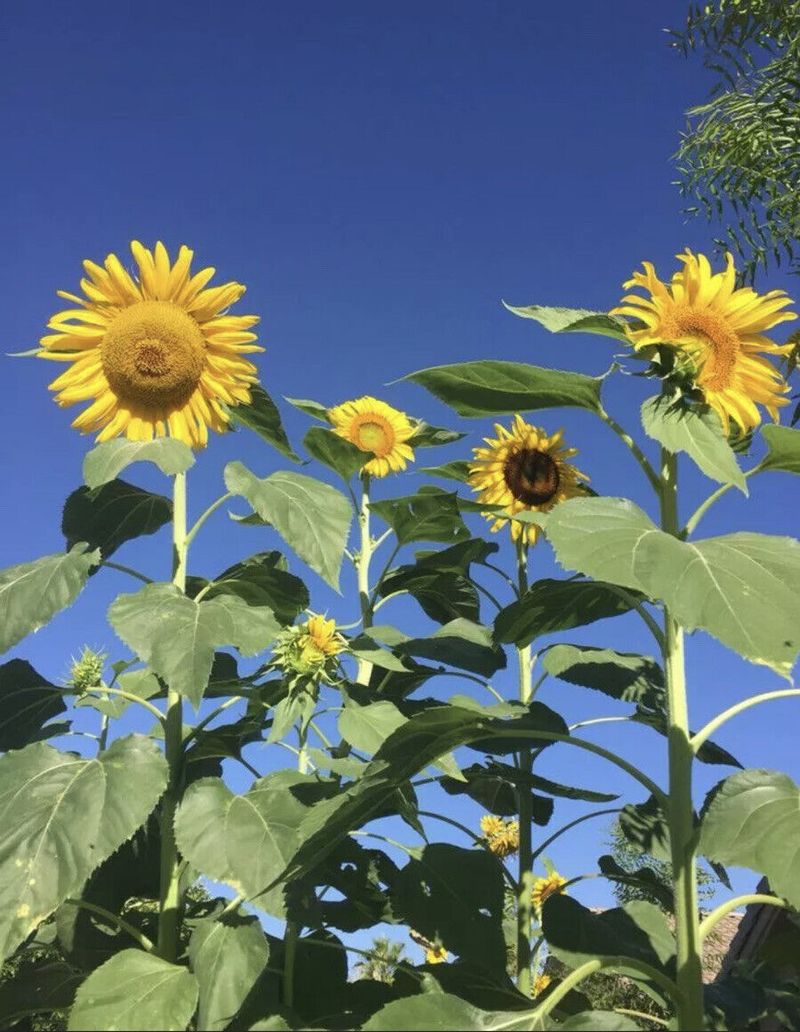
Sunflower stalks treated with baking soda developed incredible strength and height, reaching nearly 12 feet tall without requiring additional support stakes. The massive flower heads were proportionally larger and more impressive.
Seed development was exceptional, with fuller heads containing more viable seeds. The plants remained upright and healthy throughout windy summer storms that typically damage tall sunflowers, demonstrating remarkable structural improvements from the treatment.
13. Spinach Leaves Stayed Tender
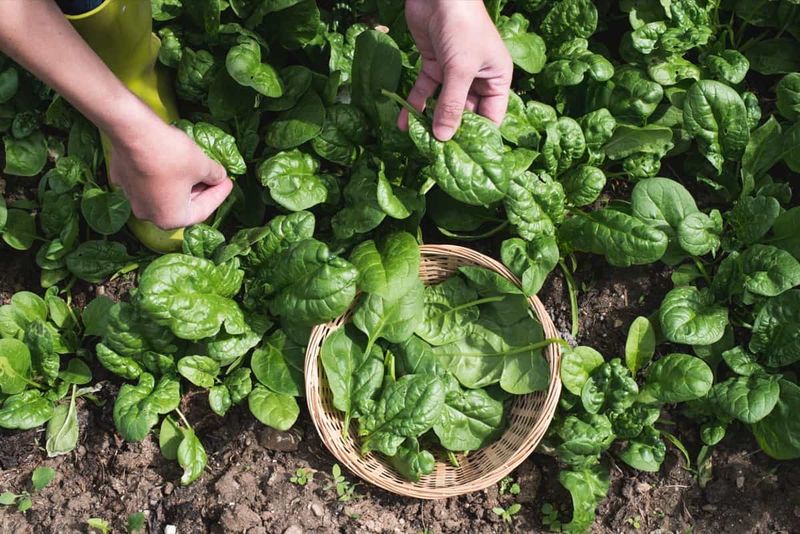
Spinach plants maintained their tender, mild flavor much longer than usual when treated with baking soda solution. The leaves remained delicate and perfect for fresh salads well into warmer weather.
Bolting was significantly delayed, extending the harvest season by several weeks. The plants produced more leaves per plant, with each leaf maintaining better texture and nutritional quality throughout the extended growing period.
14. Carrots Developed Better Root Systems
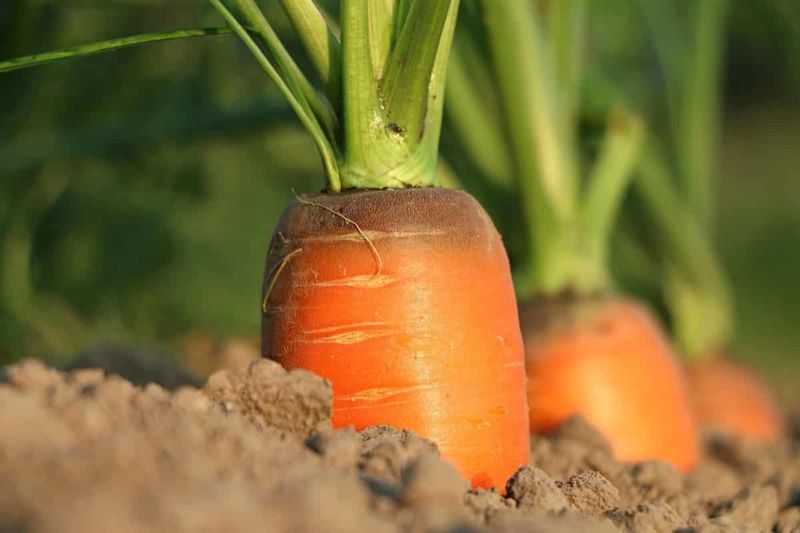
Carrot plants responded positively to baking soda soil amendments, developing stronger, more extensive root systems. The actual carrots grew straighter and larger than previous years’ crops.
Soil pH adjustment from baking soda created optimal growing conditions for root development. The carrots maintained better color and sweetness, with improved storage life after harvest. The foliage remained healthy and vigorous throughout the growing season.
15. Petunias Flowered All Season Long
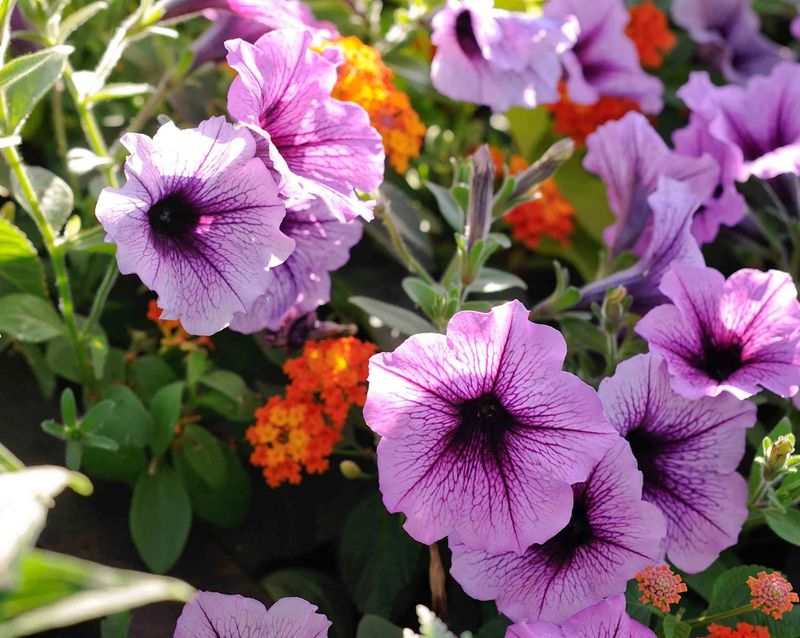
Petunia plants treated with baking soda produced waves of colorful blooms from early spring until the first hard frost. The flowers appeared larger and more vibrant than untreated plants.
Plant structure improved dramatically, with fuller, more compact growth habits. The continuous blooming eliminated the typical mid-summer flowering decline, creating stunning displays that required minimal maintenance while providing maximum visual impact throughout the entire growing season.
16. Broccoli Heads Grew Larger

Broccoli plants developed significantly larger, more compact heads when treated with baking soda solution. The florets remained tight and uniform, creating picture-perfect vegetables for harvesting.
Side shoot production increased after main head harvest, extending the productive period considerably. The plants maintained healthy foliage and continued producing smaller secondary heads for weeks, providing fresh broccoli throughout an extended harvest window that doubled normal production periods.
17. Nasturtiums Cascaded Beautifully

Nasturtium vines treated with baking soda created stunning cascading displays with continuous flowering throughout the growing season. The colorful blooms appeared more frequently and lasted longer than usual.
Leaf production increased, creating fuller, more attractive foliage backdrops for the bright flowers. The plants demonstrated improved resistance to aphids and other common pests, maintaining their ornamental value without requiring additional pest control measures throughout the season.
18. Mint Grew More Vigorously
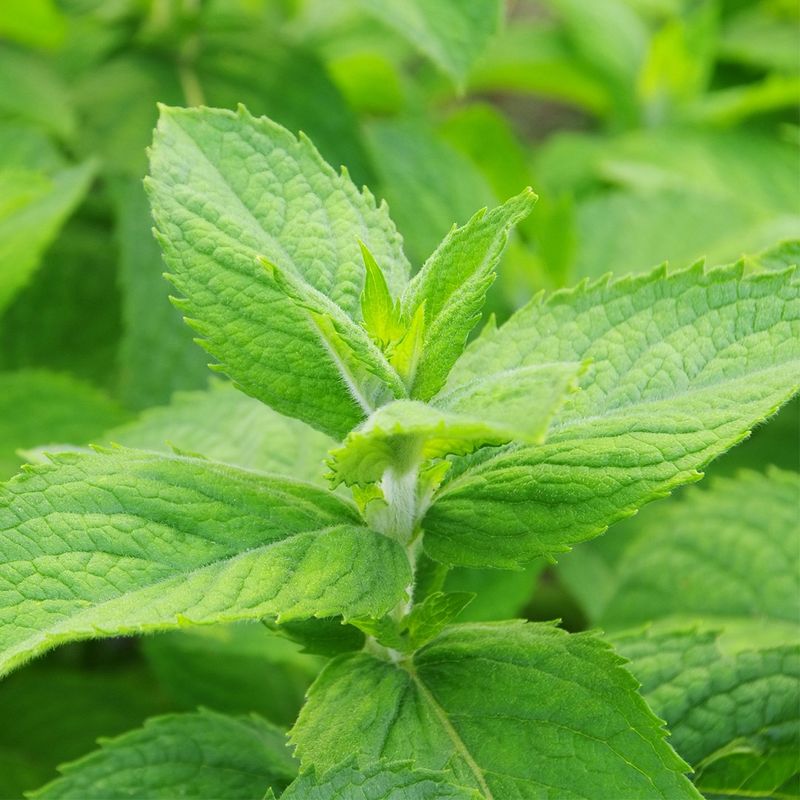
Mint plants responded enthusiastically to baking soda treatments, developing more intense flavors and stronger aromatic qualities. The leaves grew larger and maintained their essential oil content longer after harvest.
Growth rate increased noticeably, requiring more frequent harvesting to prevent overcrowding. The plants remained healthy and productive throughout hot summer months when mint typically struggles, providing fresh herbs for cooking and beverages continuously.
19. Pansies Bloomed Through Summer Heat
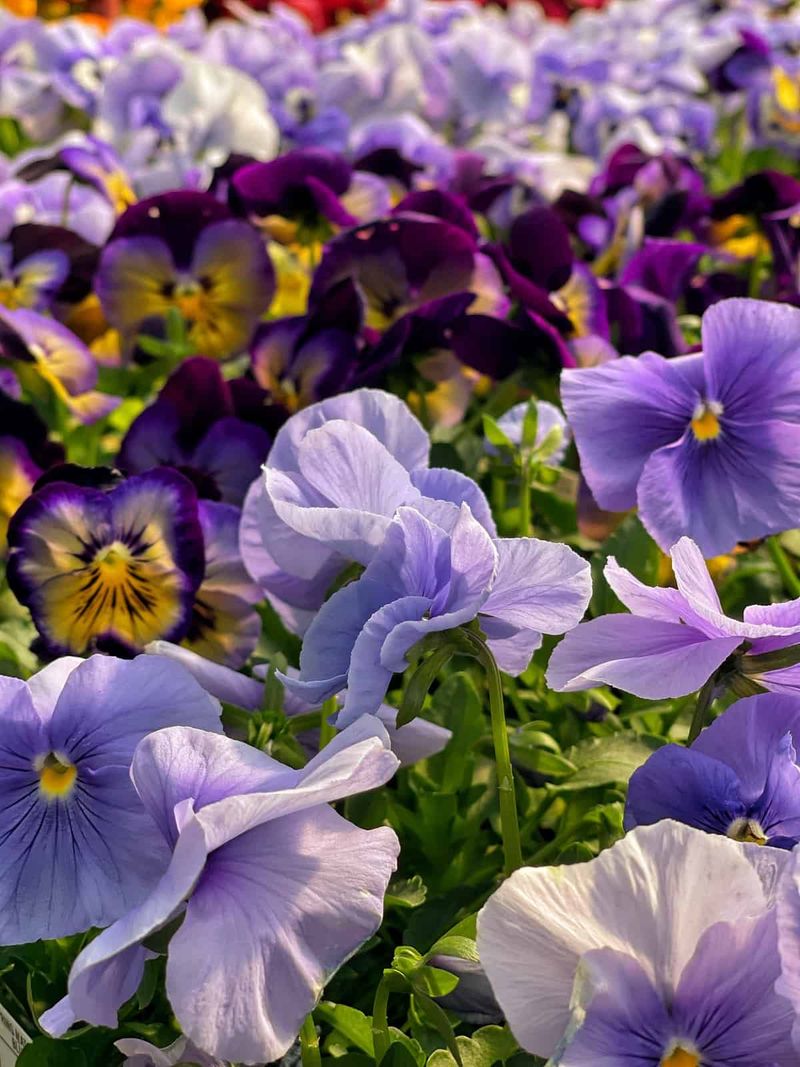
Pansy flowers typically fade in summer heat, but baking soda treatments helped them maintain their cheerful blooms through challenging weather conditions. The colorful faces remained vibrant and attractive.
Heat tolerance improved dramatically, with plants continuing to flower when others wilted. The extended blooming period created continuous color displays from early spring through late fall, providing reliable garden color during periods when few other flowers perform well.