 Complete Gardening
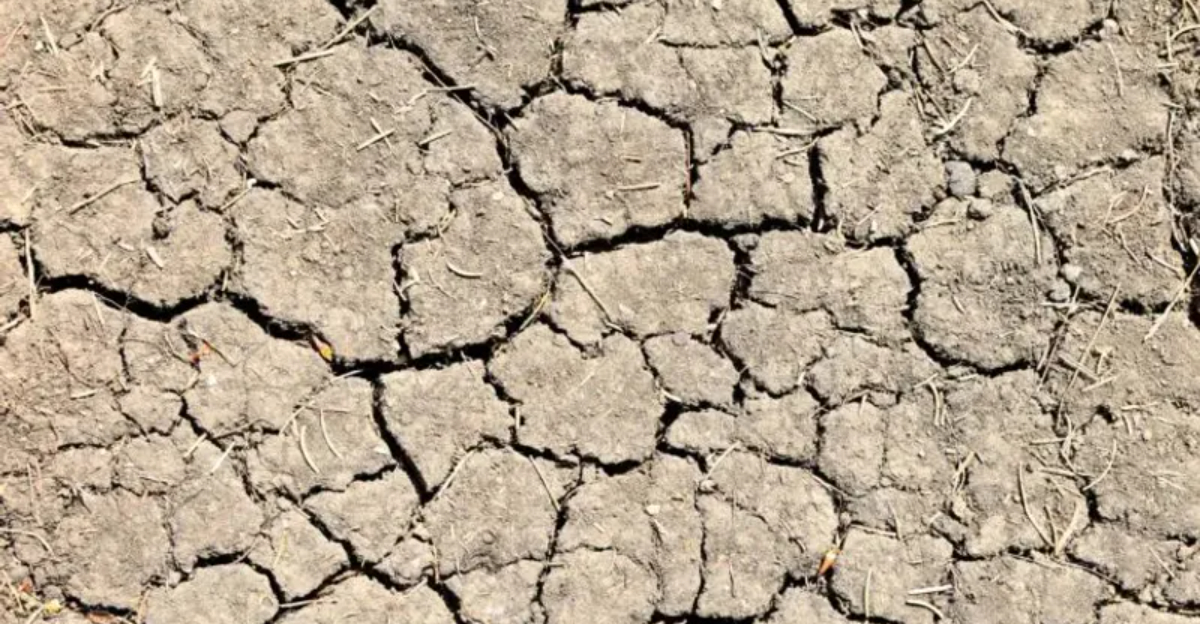
Spring planting season can be exciting, but healthy plants always start with healthy soil. If your garden struggled last year – with slow growth, poor harvests, or constant watering – the problem may have been beneath the surface. Before you plant anything this spring, taking time to correct a few common soil issues can dramatically improve results.
Here are nine things worth fixing in your garden soil before the growing season begins.
1. Compacted Soil
Winter rain and snow can leave soil dense and packed. Compacted soil restricts air circulation and makes it difficult for roots to grow.
Loosen the soil gently with a garden fork or broadfork and mix in compost to restore a crumbly structure.
2. Low Organic Matter
Soil that lacks organic material struggles to hold nutrients and moisture. This often leads to weak plant growth.
Add compost, well-rotted manure, or leaf mold to enrich the soil and feed beneficial microbes.
3. Poor Drainage
If water sits on the surface after rain, roots may suffer from lack of oxygen. Plants growing in waterlogged soil often develop root rot.
Improving drainage with organic matter or raised beds can help excess water move away from roots.
4. Nutrient Depletion
A long growing season followed by winter weather can reduce soil nutrient levels.
Replenish nutrients by adding compost or a balanced organic fertilizer before planting.
5. Soil That’s Too Acidic or Too Alkaline
Plants grow best within a certain pH range. If soil becomes too acidic or too alkaline, nutrients become harder for plants to absorb.
Testing soil pH can help determine whether amendments such as lime or sulfur are needed.
6. Weak Soil Structure
Healthy soil should feel loose and slightly crumbly. Soil that feels dusty, powdery, or rock-hard may lack proper structure.
Organic materials like compost help create stable soil particles that support root growth and water movement.
7. Lack of Soil Life
Healthy soil is full of microscopic life – bacteria, fungi, and earthworms that help break down organic matter and release nutrients.
Adding compost and reducing excessive digging can encourage a thriving soil ecosystem.
8. Bare Soil
Soil left uncovered can lose moisture quickly and become vulnerable to erosion and weeds.
Applying mulch or compost on top helps protect the soil surface and maintain healthy conditions.
9. Old, Depleted Garden Beds
Beds that have been planted repeatedly without improvement may need a refresh.
Adding several centimeters of compost each spring helps rebuild fertility and improves soil structure over time.
Healthy Soil Sets the Stage for the Whole Season
Plants depend on the soil beneath them for nutrients, moisture, and support. By fixing these common soil problems before planting begins, you give your garden a strong foundation for the entire season.
A little soil care early in spring often leads to healthier plants, fewer problems, and a more productive garden later on.