
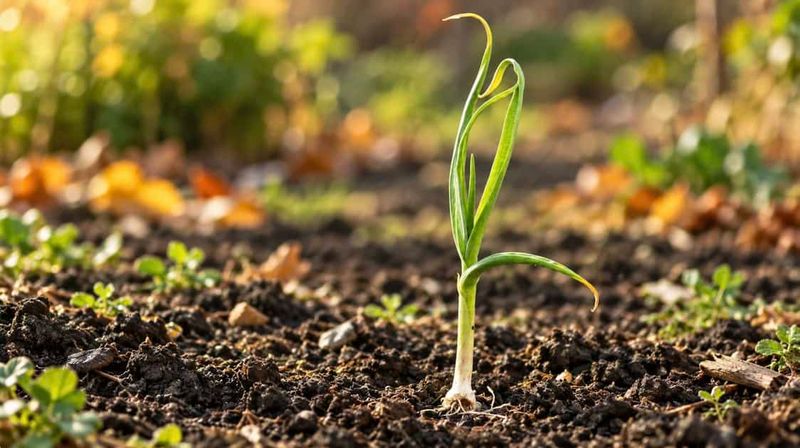
You planted garlic cloves this fall, and now green tips are poking through the soil while the weather still feels mild. It is easy to panic and wonder if you rushed the job.
Early shoots do not automatically mean something went wrong, but cold snaps and local conditions still matter. Here is how to read what your garlic is telling you and what to do next.
An October shoot is not an automatic warning
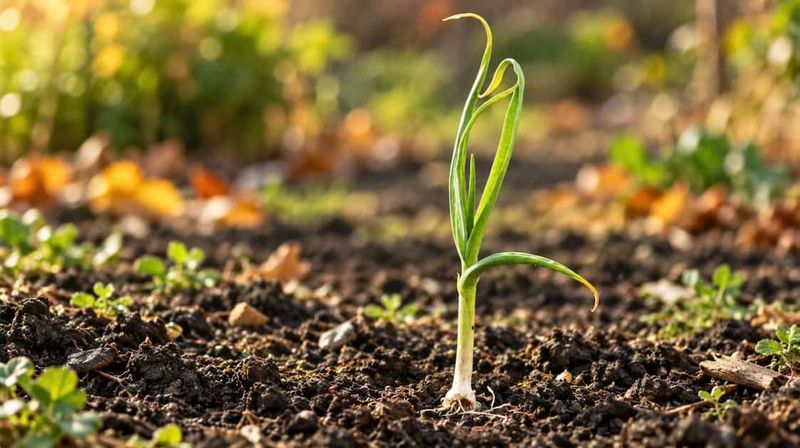
Spotting green tips in October can feel alarming, but a visible shoot alone does not prove the cloves went in too early or that the crop is failing. Georgia Cooperative Extension notes that garlic planted in October may show tops by November, and it describes garlic as extremely frost-hardy.
Penn State Extension points the same direction, saying sprouts can emerge before severe cold and often suffer little damage unless temperatures turn extremely cold.
Now for the limits of that good news. Frost-hardy does not mean leaves can never be hurt.
A hard freeze can damage foliage, and what happens in a Georgia bed may not match what happens in a Texas Panhandle yard or a Florida garden. So treat a shoot as a clue to watch, not a verdict.
It is not automatically a problem, and it is not guaranteed to be harmless either.
Fall growth helps garlic prepare for next season
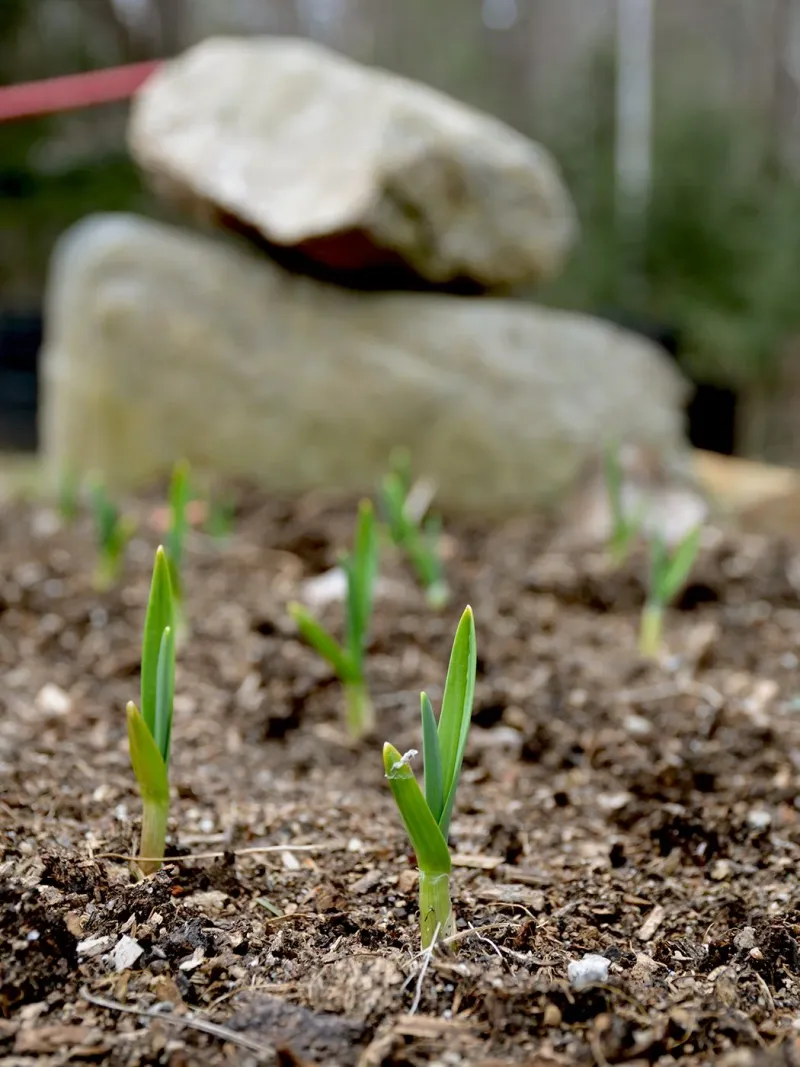
Garlic does not sit idle after planting. Under the soil, cloves send out roots, and many plants also push up some top growth during fall and winter.
In Georgia, Extension guidance describes this root development and some top growth as part of normal fall and winter activity.
That early work helps the plant get established for the season ahead. A well-rooted clove is better set up to grow when spring warmth returns.
Still, a shoot is only one piece of the story. Bulbs form later, and that step depends on enough growth, a period of cold exposure, and days that keep getting longer.
A green tip in autumn can be part of healthy development, but it cannot predict how big your heads will be come harvest. Think of it as a sign of life, not a promise.
Judge planting time by your region, not October alone
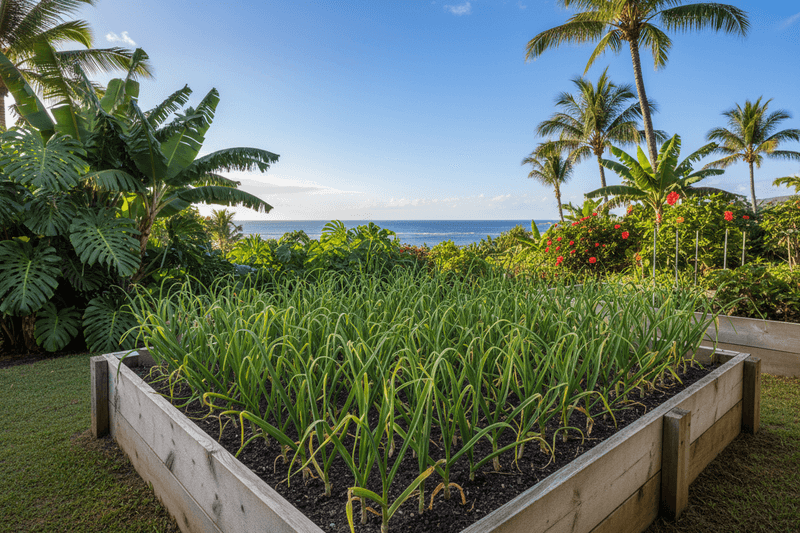
October is not a magic cutoff. Texas alone has several planting windows, and the Texas A&M AgriLife fall vegetable guide lists different garlic planting months for different parts of the state.
In Florida, UF/IFAS recommends planting from late fall into early winter.
Colder states set a different goal. Penn State and UNH Extension aim for enough time for roots to grow without shoots emerging above ground.
That advice fits their harsh winters and does not contradict reports of fall tops in the South.
So compare your own planting date with your county or state Extension office. Shoot height and the calendar alone cannot tell you that you planted too early.
Cold can damage leaves without settling the plant’s fate
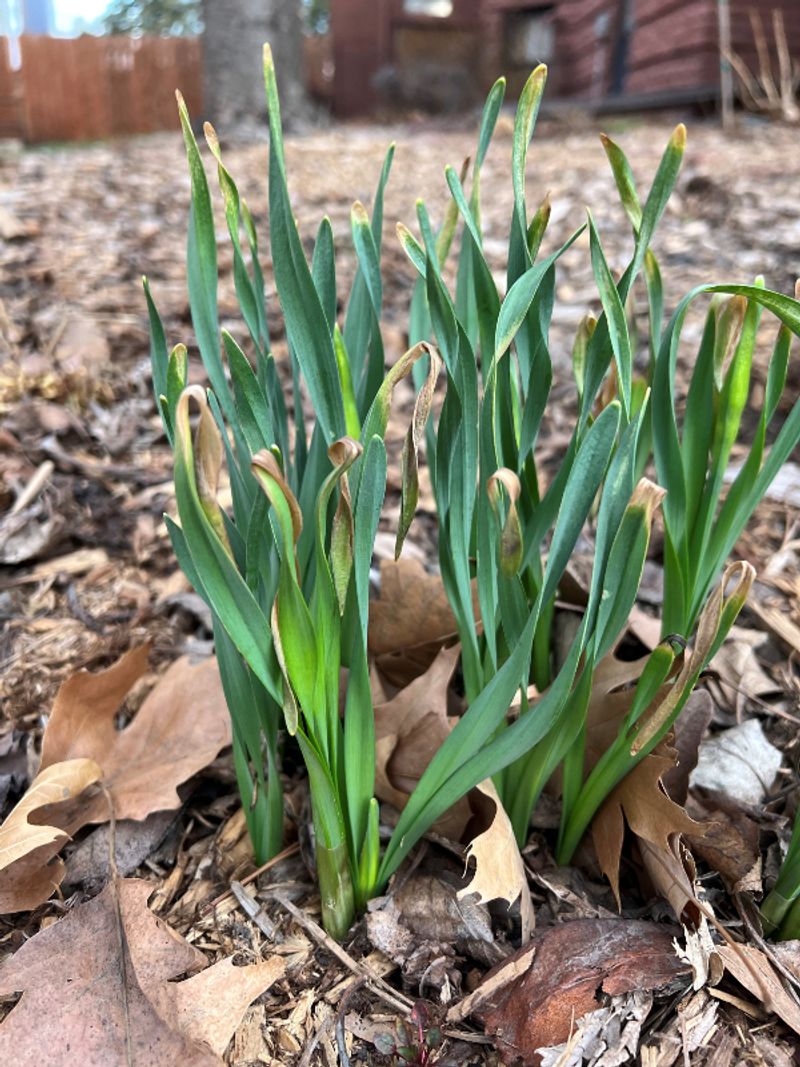
Leaves and the whole plant are not the same thing. When severe cold hits, the tops may get burned or killed, yet the clove and roots below can still be alive.
Garlic often regrows from there.
Damage is not free, though. Iowa State Extension says leaves harmed or killed by cold can cost the plant energy, which may lead to a smaller crop.
Iowa State also says emerged garlic foliage often survives cold into the 20s degrees F, while foliage below 20 degrees F is likely to be damaged. That is Iowa advice for Iowa winters.
Do not treat it as a threshold for Florida, Texas, or Georgia, where winters and hardiness conditions differ.
If you see brown tips after a freeze, wait and watch for new green growth before judging the plant.
Use mulch according to local conditions
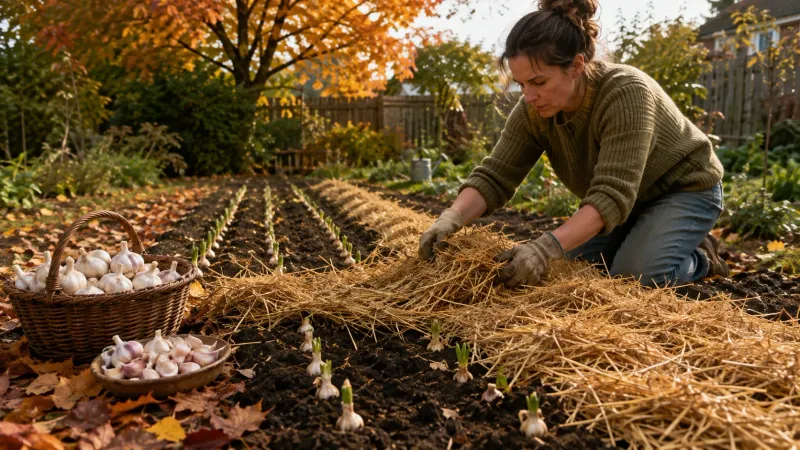
Mulch can smooth out swings in soil temperature, help prevent frost heaving, hold moisture, and keep weeds down. How much you need depends on where you live.
Penn State suggests 2 to 4 inches of straw, but that is cold-region guidance and not a rule for Florida or all of Texas. Georgia Extension says mulch can help protect bulbs from severe cold and conserve moisture.
In Florida, UF/IFAS Pasco County highlights mulch for moisture retention and weed control. It also stresses well-drained soil that stays evenly moist rather than saturated.
Mulch will not fix waterlogged soil, and it cannot guarantee cold protection. Pick a depth that suits your climate and drainage, and ask your local Extension office if you are unsure.
Leave the shoots in place and check local advice
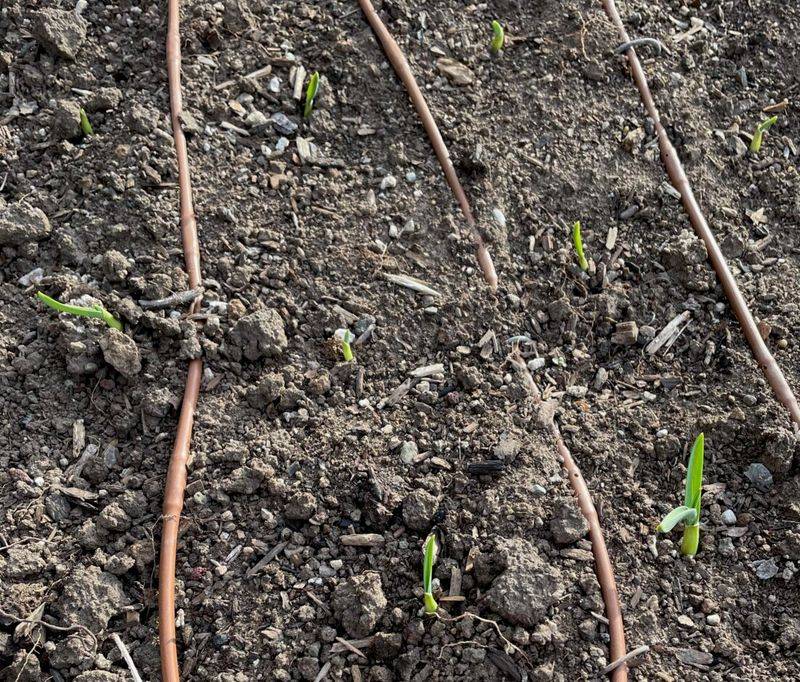
Please resist the urge to pull up or replant cloves just because shoots appeared. Iowa State advises against that kind of rescue, noting that plants may regrow even after leaf damage.
Instead, compare your planting date with the Texas A&M guide or UF/IFAS garlic advice. Then decide on mulch based on your winters, drainage, and moisture.
None of these steps can promise a full-sized crop.
Garlic is patient, and a green tip is just the first thing it shows you.