 Complete Gardening
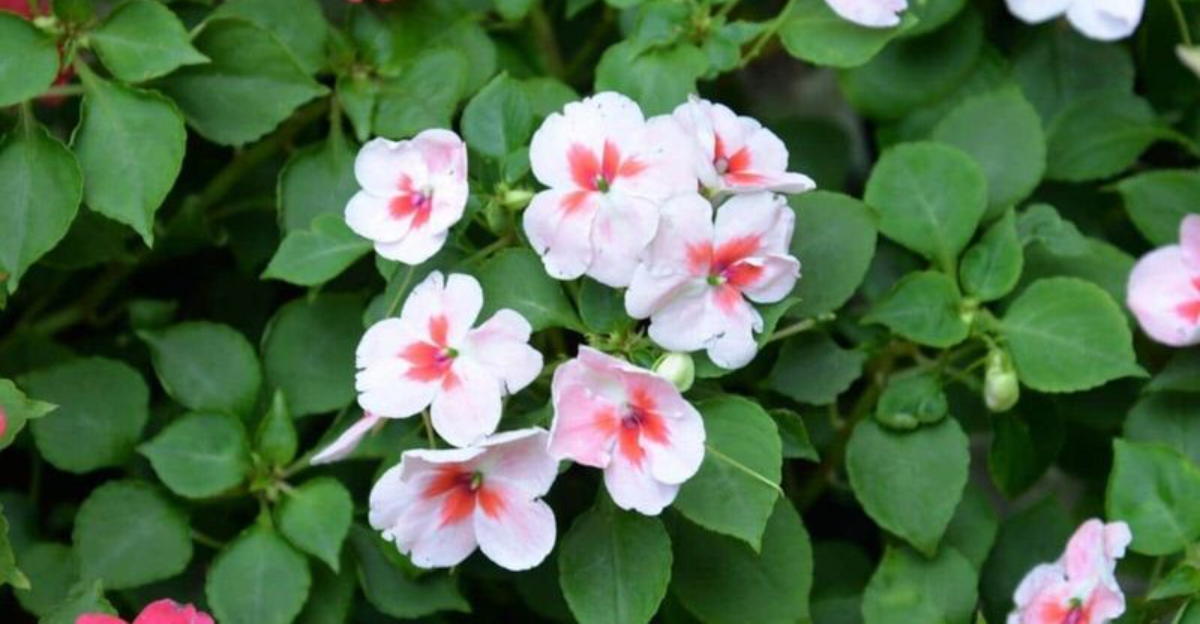
When considering what to plant in your garden, understanding the differences between Impatiens and Periwinkle is crucial. These two popular flowering plants have distinct characteristics that cater to different gardening needs.
From sunlight requirements to toxicity, each plant offers unique advantages and challenges. This guide sheds light on the key differences, equipping you with the knowledge to choose the best plant for your garden.
Whether you aim for vibrant blooms or easy maintenance, knowing these differences ensures your garden thrives and meets your aesthetic preferences.
1. Sunlight Needs: Shade-Lover vs. Sun-Seeker
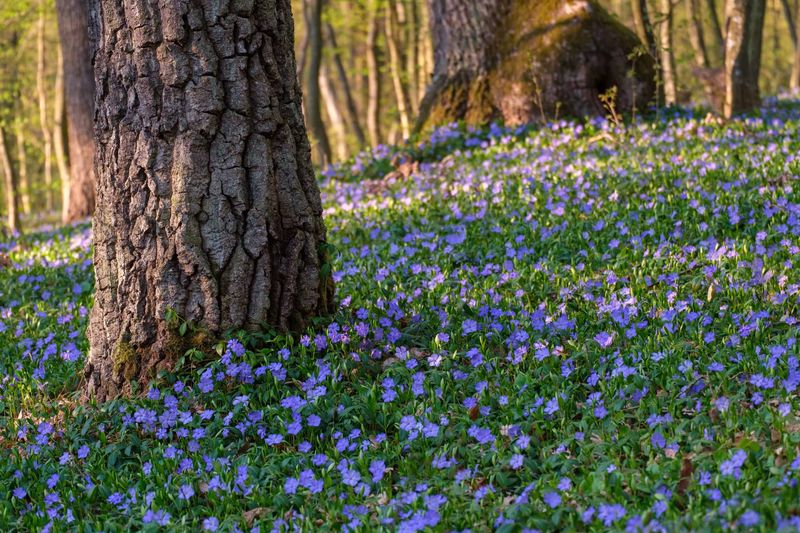
Impatiens flourish in the embrace of shade, perfect for those hidden spots in your garden where the sun seldom peeks. They transform these areas into vibrant floral clusters. Meanwhile, Periwinkle is the sun’s companion, thriving in bright, sunlit spaces. Their blossoms stand proudly, defying the heat. Planting Impatiens under a tree canopy or along a north-facing wall ensures they receive just the right amount of light. Periwinkles, however, bask in full sun, ideal for south-facing gardens. This contrast in sunlight needs defines their placement and blooming success in your garden landscape.
2. Water Requirements: Moisture-Lover vs. Drought-Tolerant
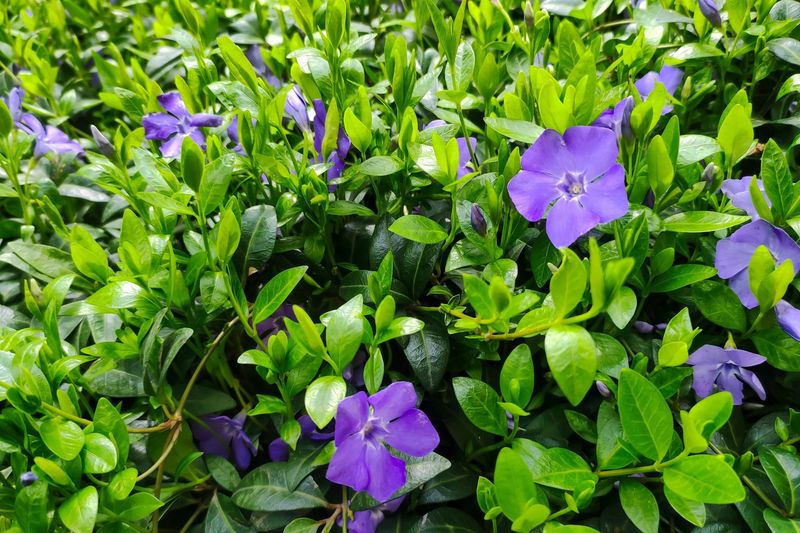
With an unquenchable thirst, Impatiens demand consistently moist soil, wilting dramatically if left dry. They are the divas of the flower world, needing attentive care to thrive. In contrast, Periwinkle demonstrates resilience, flourishing with minimal watering once its roots are established. This hardy nature makes it suitable for gardeners seeking low-maintenance beauty. Impatiens shine in well-watered beds, while Periwinkle thrives in more arid conditions, offering flexibility in garden planning. Understanding these water needs ensures that each plant flourishes, providing a lush display of flowers throughout the growing season.
3. Flower Appearance and Longevity
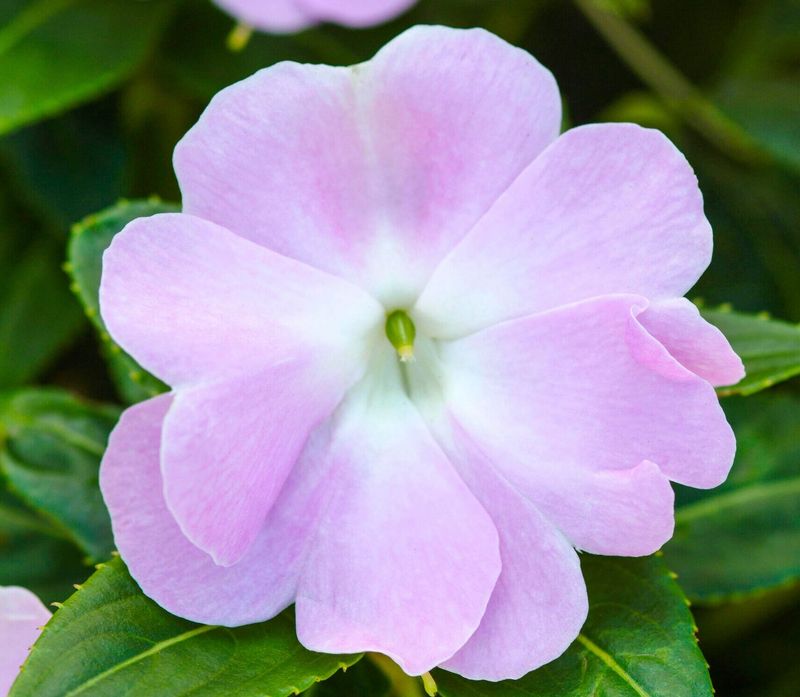
Delicate and flat, Impatiens flowers resemble soft, gentle waves, offering a peaceful aesthetic to gardens. Their blooms, however, don’t last as long, often requiring replacement to maintain vibrancy. Periwinkle, with its glossy, upright petals, presents a bold and enduring floral display. This longevity, especially in sunny gardens, makes Periwinkle a favorite for those desiring continuous color. While Impatiens add subtle elegance, Periwinkle brings robust charm, each offering unique floral beauty. Comparing their blossoms reveals preferences for either soft, fleeting allure or persistent, vibrant color in garden spaces.
4. Foliage Differences
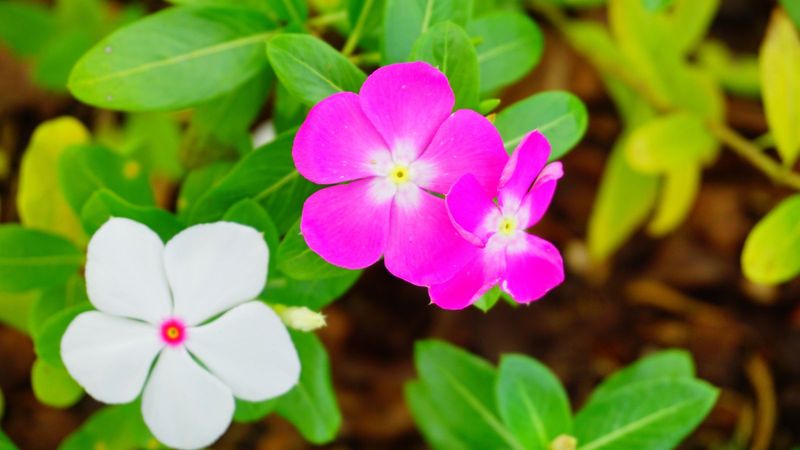
The lush, matte green leaves of Impatiens offer a soft texture, complementing their gentle blooms. This foliage provides a soothing backdrop in shaded areas. In contrast, Periwinkle’s leaves are thicker and waxy, with a glossy sheen that aids in moisture retention. This adaptation is especially beneficial in sunny, dry conditions, ensuring that Periwinkle remains vibrant. These foliage differences not only affect the plants’ appearances but also their care requirements. Impatiens’ softer leaves need constant moisture, while Periwinkle’s hardy foliage suits a more hands-off approach.
5. Growth Habit
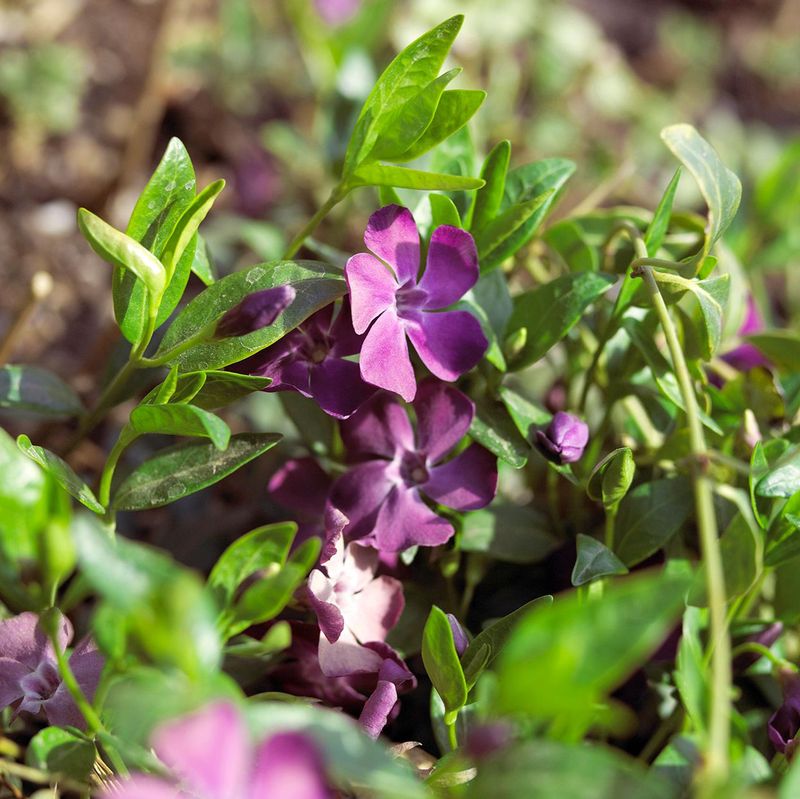
Impatiens grow in compact clumps, their presence like a gentle hug within garden borders. They remain contained, perfect for orderly gardeners. Conversely, Periwinkle spreads with abandon, trailing across the ground or spilling over containers. This growth habit makes it an excellent choice for ground cover, providing lush greenery and flowers over larger areas. The choice between these plants depends on your garden’s needs. For controlled, structured beauty, Impatiens deliver. For expansive, wild charm, Periwinkle prevails. Together, they offer diverse options for landscape design and personal gardening style.
6. Toxicity
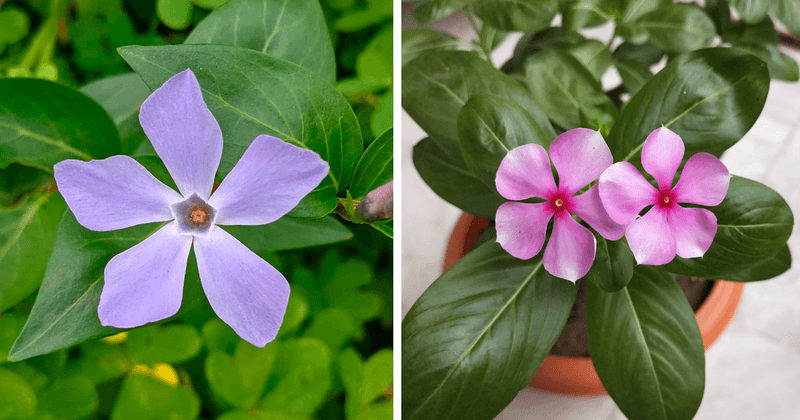
Impatiens are the safe choice, non-toxic and friendly to curious pets and children. Their gentle nature ensures that even accidental ingestion is harmless, making them ideal for family gardens. In contrast, Periwinkle carries a hidden danger. Its alkaloids can be harmful if consumed, especially to pets who might nibble on its leaves. Understanding this difference is crucial for pet owners who want a worry-free gardening experience. For those prioritizing safety, Impatiens is the plant of choice, while Periwinkle demands caution and careful placement away from animal reach.
7. Hardiness and Climate Tolerance
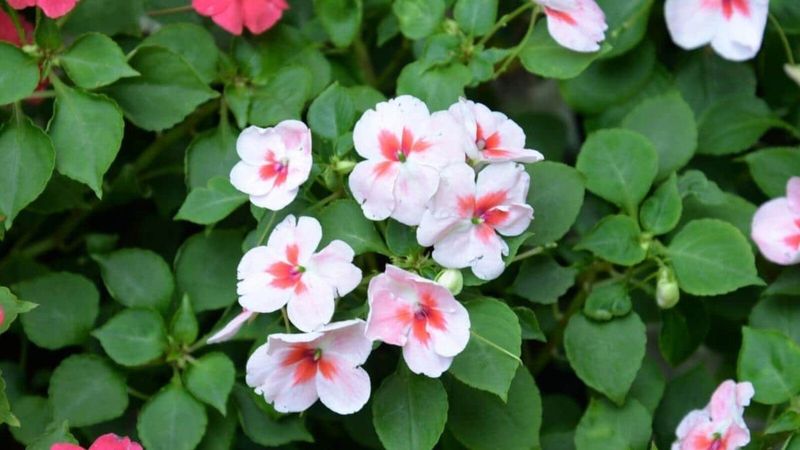
Delicate and sensitive, Impatiens struggle in harsh climates, their beauty wilting under extremes. They thrive best in moderate conditions, where temperatures are stable. Periwinkle, however, is a robust survivor, resistant to heat, humidity, and even poor soil conditions. This resilience makes it the champion of challenging environments, where other plants falter. Gardeners in unpredictable climates may find Periwinkle the more reliable choice, ensuring a garden that withstands nature’s whims. Understanding these hardiness traits allows gardeners to select the right plant for their specific regional climate challenges.
8. Disease Resistance
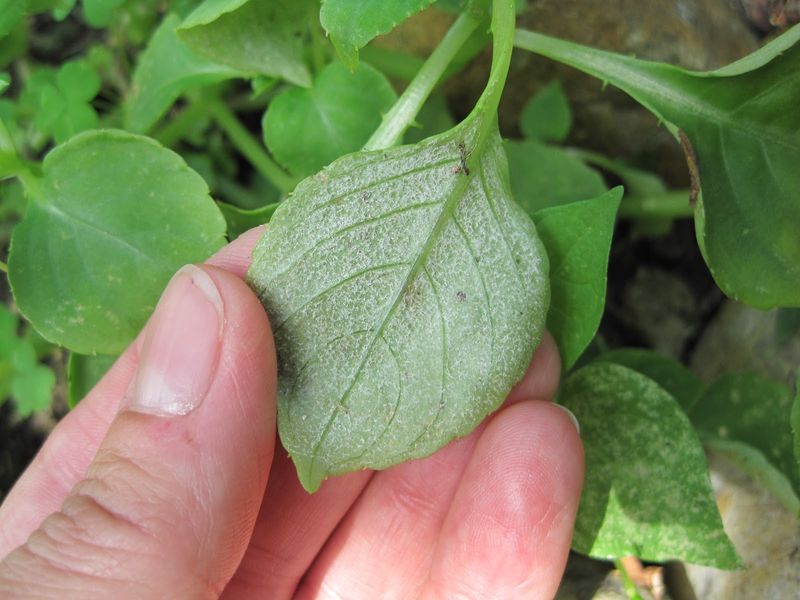
Prone to downy mildew, Impatiens require vigilant care. This disease can devastate gardens, leaving once-lush beds bare. Regular monitoring and preventive measures are essential to keep Impatiens thriving. On the other hand, Periwinkle boasts strong disease resistance, rarely succumbing to common ailments. Its resilience offers peace of mind to gardeners seeking reliability. The difference in disease susceptibility highlights the care demands of each plant. For those preferring a low-stress garden, Periwinkle’s robustness is an attractive quality, while Impatiens requires a dedicated gardener’s touch to maintain its health.
9. Bloom Time
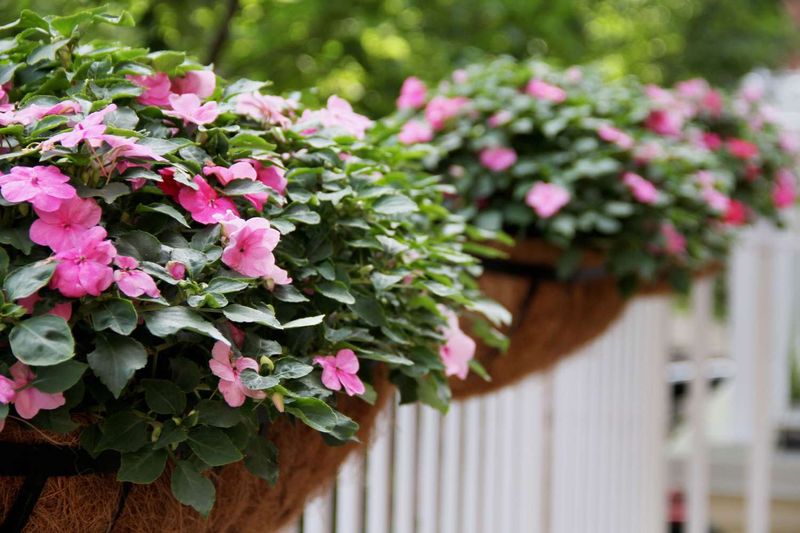
Impatiens grace gardens with a splash of color from late spring until the first frost, especially thriving in shaded areas. Their timely blooms mark the start of warm seasons, offering vibrant life to gardens. Periwinkle, in contrast, starts its floral display earlier and often continues longer, basking in sunny warmth. This extended bloom time makes Periwinkle a favorite for those seeking continuous garden color. Understanding these differences in bloom schedules can help gardeners plan for a succession of flowers, ensuring a garden that’s lively and colorful throughout the growing season.