
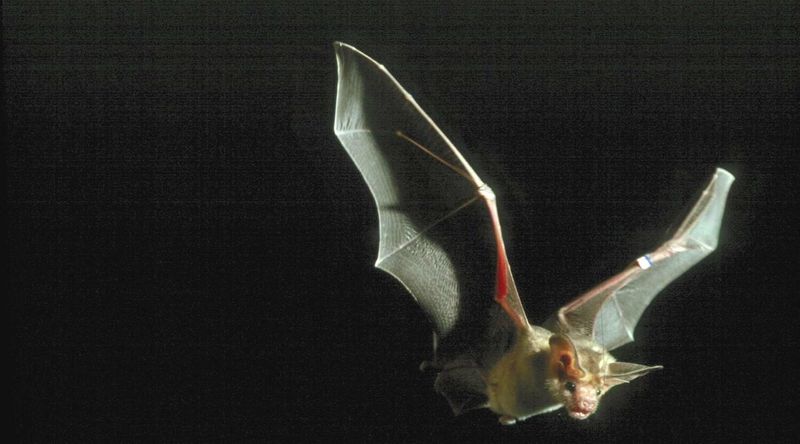
A dark shape dips low over your lawn just after sunset, and you wonder what it is doing out there. In California, some bats do hunt scorpions and Jerusalem crickets, which are two creatures many homeowners would rather not meet.
But a quick glimpse of a bat does not tell you its species or what it caught. Here is what is known, what is not, and how to treat bats around your home safely.
A low swoop can be part of the hunt
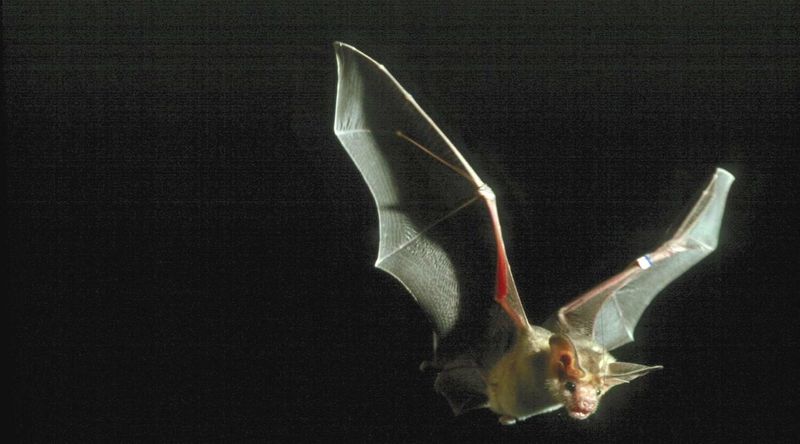
Pallid bats fly differently from many other bats. According to California’s wildlife habitat account for the species, they usually forage about 1.6 to 8 feet above the ground.
Their flight is low and maneuverable, with frequent dips and swoops.
That style fits how they hunt. Many of their prey are taken on the ground, so a bat that skims close to the soil, drops down, and rises again may be working a patch of earth for large insects and other arthropods.
It is a bit like a hawk hovering over a field, only quieter and much smaller.
As for timing, the same account says pallid bats typically emerge 30 to 60 minutes after sunset. So “at dusk” is handy shorthand, but you may not see them at the moment the sun drops.
If you are watching the yard right at sunset, you might be early.
Here is the catch. Low swooping alone cannot tell you a bat is a pallid bat.
California is home to many bat species, and the state’s bat guidance treats them as a varied group. A swooping bat over your patio might be hunting, but you cannot name its species from flight style alone.
If you want to learn more, watch from a comfortable distance and note the time, the height, and the season. Those details are useful clues, even if they do not settle the question.
Scorpions and Jerusalem crickets are documented prey
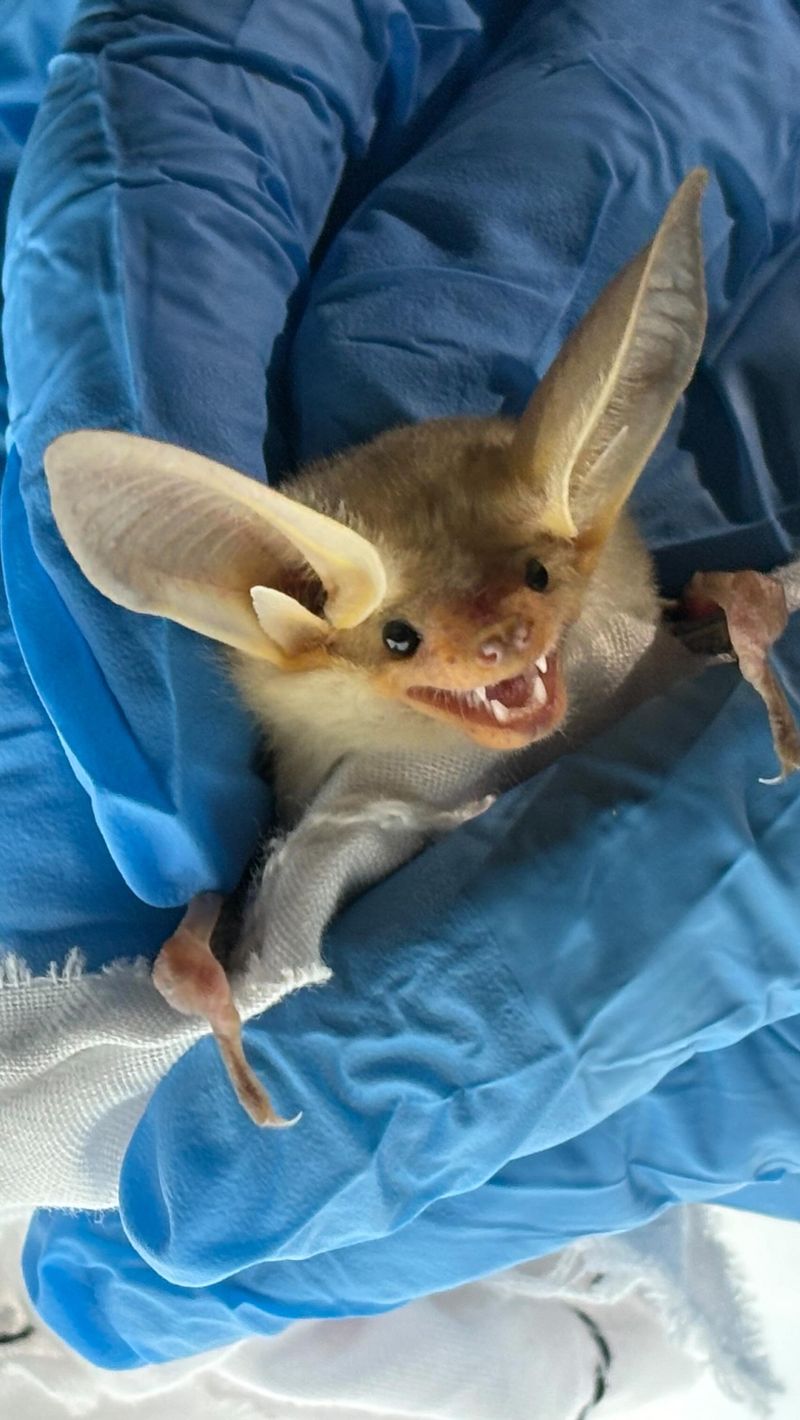
Pallid bats are predators of the creepy-crawlies many people dread. California’s wildlife account lists scorpions and Jerusalem crickets among their prey, along with other large arthropods such as beetles and grasshoppers.
These are bats that spend time hunting on the ground rather than only catching insects in midair.
They find food in two main ways. They may swoop down and take prey from the soil, or they may glean it from plants, picking insects off leaves and stems.
The state species account describes this foraging for large arthropods on the ground or in vegetation.
Roost evidence backs this up. Reports in a pallid-bat account for California’s species of special concern note that discarded prey remains under roosts commonly include Jerusalem crickets and scorpions.
That is a useful sign of what the species eats across its range.
Keep the claim in proportion, though. This is knowledge about the species as a whole.
It does not show that any bat in your yard is eating scorpions or crickets from your property, and it does not mean these bats act as a dependable pest service for your home. Think of them as wild predators doing their own thing, with a menu that happens to include some creatures you may not enjoy finding.
A yard sighting does not prove pest control

Researchers can study what pallid bats eat by looking at roost remains and watching foraging. A homeowner who sees one flash past the porch light has far less to go on.
A single sighting cannot confirm the bat’s species, what it caught, or where it caught it.
It also cannot show whether scorpion or cricket numbers around your house changed. Those populations rise and fall for many reasons, including weather, food, and shelter.
The species account documents diet, not results for a particular yard.
Bat houses are a good example of the gap. UC IPM says there is no clear evidence that bat houses significantly reduce garden insect problems.
That comment is about bats in general and garden insects, not a direct study of pallid bats eating scorpions in home yards.
So what can you do with a sighting? Enjoy it, note the date and time, and leave the bat alone.
California’s bat guidance is a good place to start if you want to learn about local species. If scorpions or crickets worry you, treat bats as a bonus and not as your plan.
Fall can make pallid bats less visible
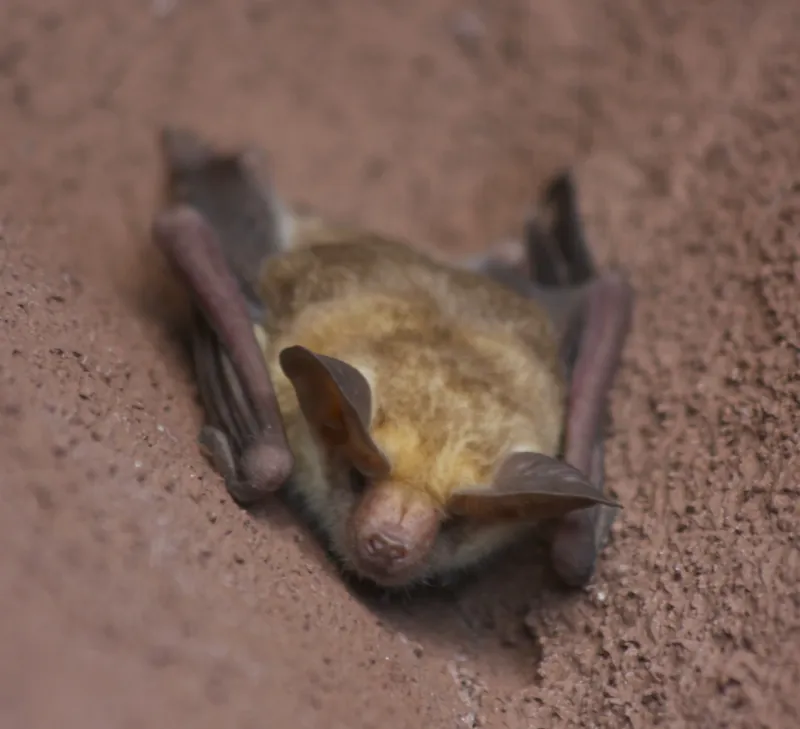
Bats follow a yearly rhythm, and fall shifts it. Young pallid bats are flying by July and August.
After the breeding season, California’s species account describes post-breeding dispersal and local movements toward wintering sites.
Autumn nights also bring shorter foraging periods. If bats are out for less time, you have fewer chances to catch one overhead.
Then in winter, the species may hibernate or be inactive, often near its summer day roosts.
That is why a yard that buzzed with bat activity in summer can seem empty by late fall. Fewer sightings do not mean every bat has left every yard.
The same account describes the pallid bat as a year-round resident in most of California, so some individuals may stay in the area.
A practical example: if you used to see a bat near your backyard fig tree in August and nothing in November, the bat could have moved to a nearby winter roost, be foraging for a shorter window, or be inactive. You usually cannot tell which.
Mild coastal and inland valley winters can differ from colder foothill or mountain areas, so local conditions matter.
Treat the quiet months as a normal pause, not a sign that you did something wrong.
Turn off needless lights and leave outdoor roosts alone
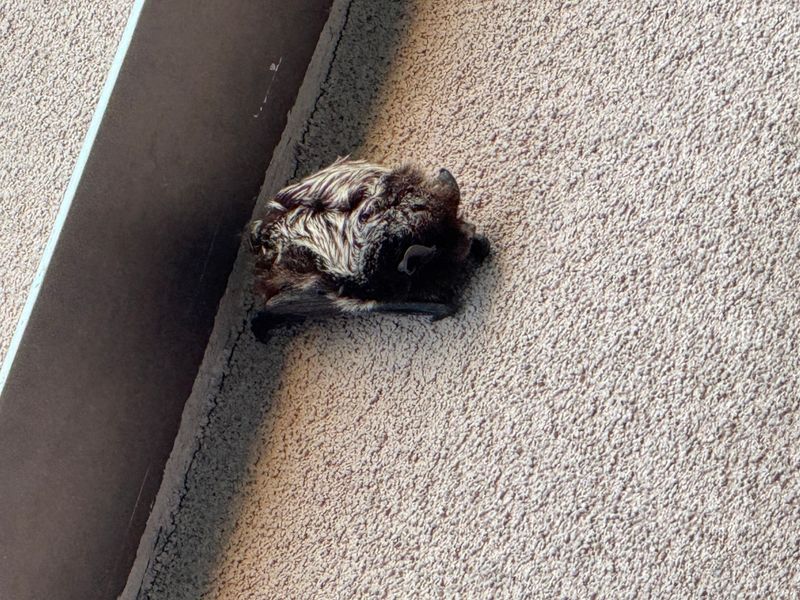
Two simple habits help nocturnal wildlife around your home. First, switch off outdoor lights you do not need.
The California Department of Fish and Wildlife advises turning off nonessential outdoor lighting to protect nocturnal animals.
A timer or motion sensor on a porch or driveway light is an easy fix. Lights you really need for safety can stay, ideally aimed down and no brighter than necessary.
A darker yard is also friendlier to moths and other night insects, which many wildlife species rely on.
Second, if bats roost outdoors, such as under an eave, in a tree hollow, or beneath loose bark, let them be. State guidance says an outdoor bat roost left undisturbed does not itself pose a safety risk.
The trouble usually begins when people poke, shake, or crowd a roost.
That means no checking inside with a flashlight, no knocking the spot with a broom, and no touching a bat that seems to be resting. Do not spray or smoke the area either.
Give the roost space, keep kids and pets from wandering up to it, and enjoy the evening show from across the yard.
Respond carefully to bats in a building
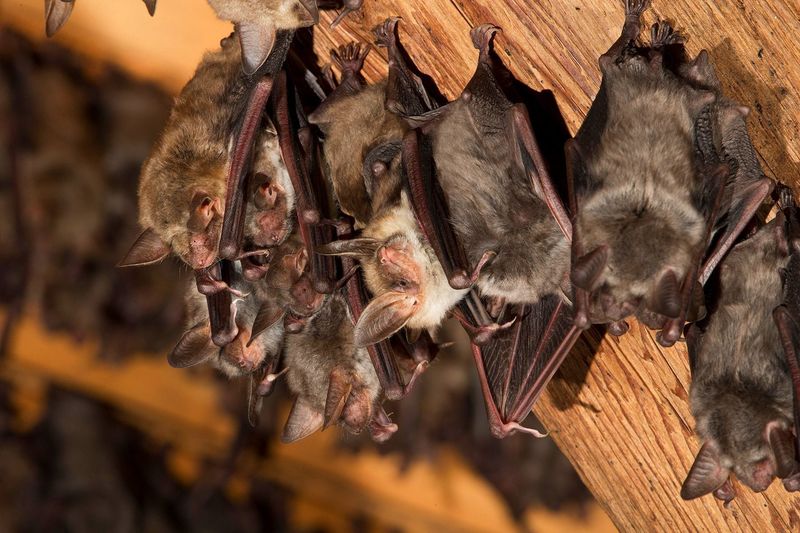
A bat flying outside is one thing. A bat roosting in an attic, wall, or garage is a different situation that needs a plan.
Whatever the setting, never handle a bat, alive or dead, and keep children and pets away.
If a person or pet is bitten, scratched, or may have been exposed to bat saliva, contact your local health department promptly. California Department of Public Health rabies resources explain who to call and why quick action matters.
Bat bites can be tiny, so do not wait for obvious wounds.
Resist the urge to seal up the house right away. UC IPM advises confirming that bats have left before sealing entry points.
Closing gaps while bats are inside can trap them, and they may then move deeper into the building.
Timing matters too. Flightless young are usually present in California from May through September, and excluding a colony then can leave pups to die inside.
Because of this, any exclusion work must account for the calendar.
Also skip pesticides and chemical repellents. UC IPM says none are registered in California for controlling bats or repelling them from roosts.
Instead, check current state bat guidance and local rules, or hire a qualified wildlife professional who handles bats humanely. They can find the entry points, choose a safe window, and make repairs afterward.
Bats have shared California evenings with people for a very long time, and a little patience keeps both sides safe.