 Complete Gardening
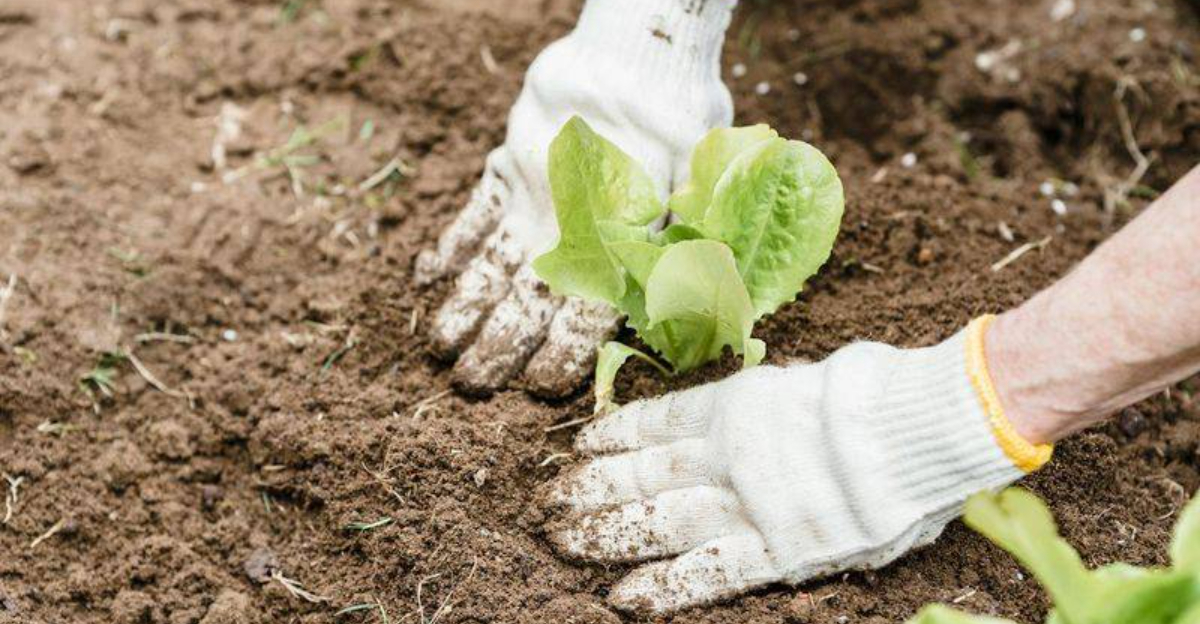
Spring might feel like it snuck up on you, but there’s still plenty of time to get seeds in the ground and grow something amazing. Starting seeds now gives your plants a head start, so they’re ready to thrive when warmer weather really kicks in.
Whether you’re a first-time gardener or a seasoned pro, picking the right seeds to plant at the right time makes all the difference. Here are 15 seeds you can start right now to build a stronger, more beautiful spring garden.
Lettuce
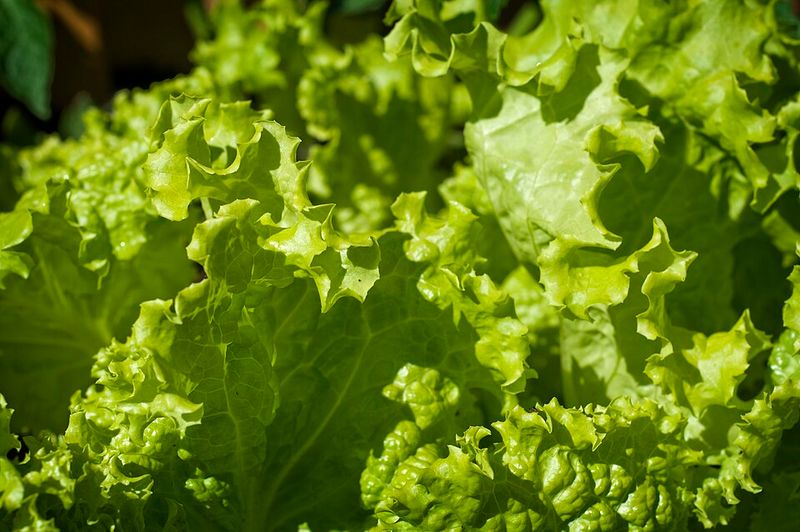
Lettuce is one of the fastest seeds you can start, often sprouting in just a few days. It loves cool weather, which makes it a perfect fit for early spring planting.
You can even grow it in containers on a patio or balcony.
Sow seeds shallowly in moist soil and keep them in a bright spot. Harvest outer leaves as the plant grows to keep it producing longer.
Leaf varieties like butterhead or romaine are great beginner choices.
Spinach
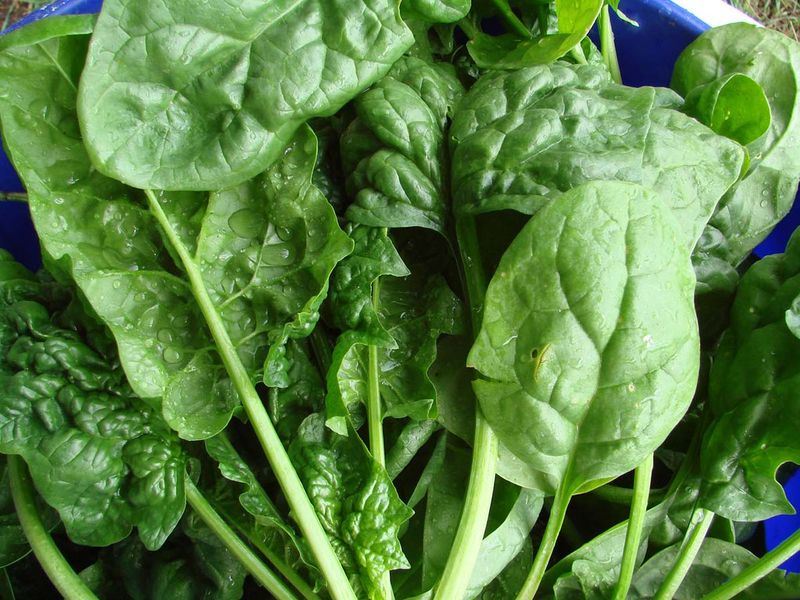
Spinach thrives in cool temperatures and can even handle a light frost, making it one of the best seeds to start right now. It grows quickly and packs a serious nutritional punch, full of iron and vitamins.
Plant seeds about half an inch deep in well-drained soil and water regularly. Thin seedlings to give each plant room to spread out.
Within four to six weeks, you could be harvesting fresh leaves straight from your garden.
Kale
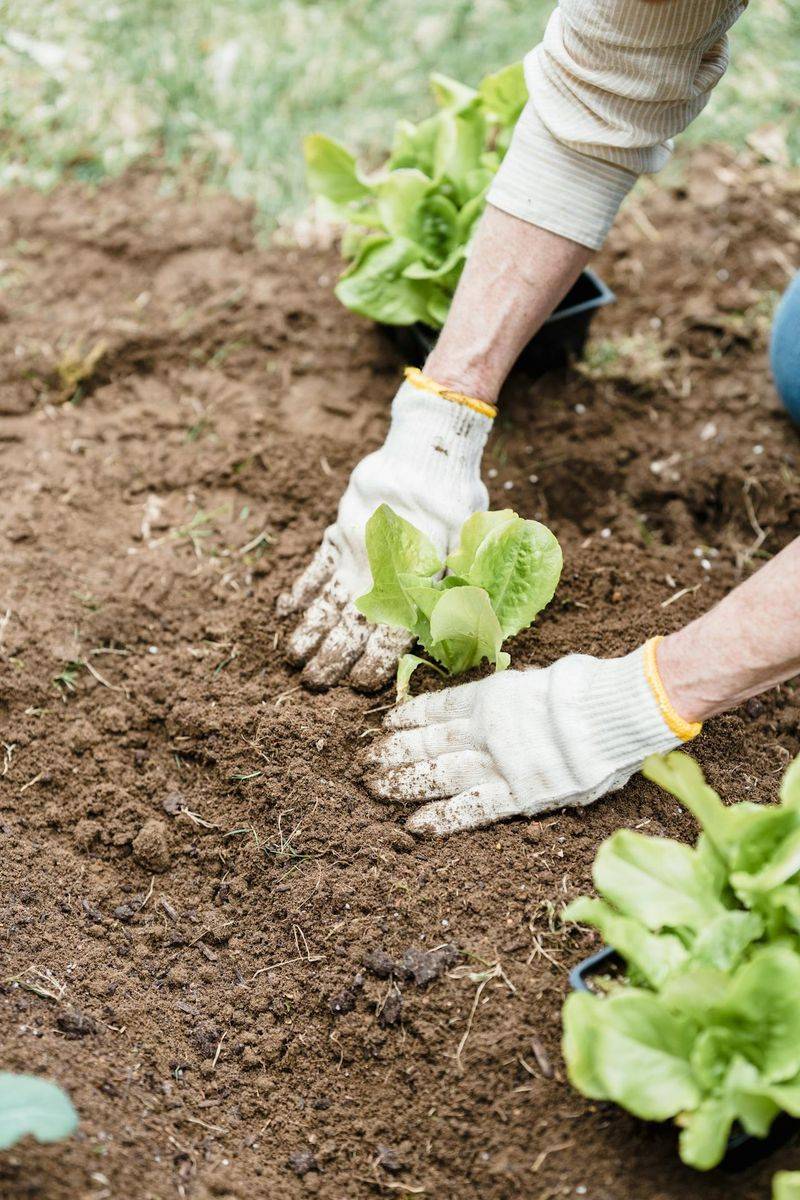
Tough, tasty, and incredibly easy to grow, kale is a gardening superstar that actually gets sweeter after a frost. Starting seeds indoors a few weeks before the last frost date gives you a big head start on the season.
Kale prefers rich, well-drained soil and at least six hours of sunlight daily. Once established, it’s surprisingly low-maintenance.
Harvest the lower leaves first and the plant will keep producing for months, giving you more bang for your gardening effort.
Peas
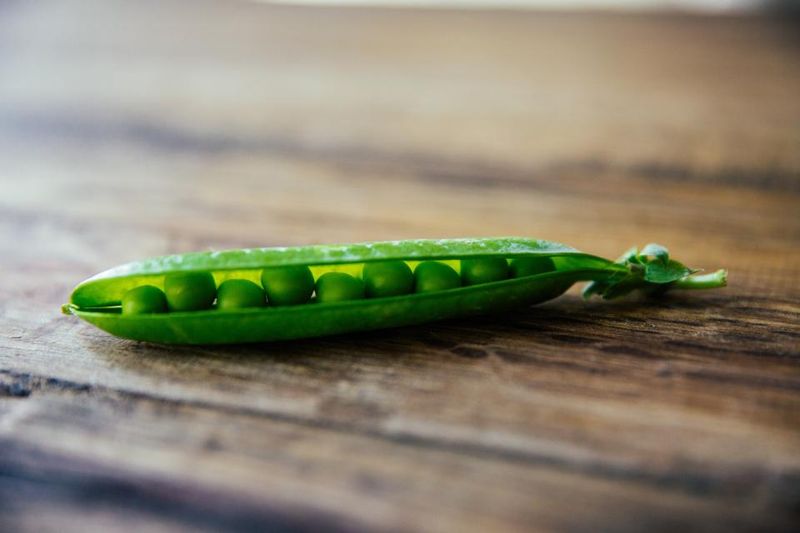
Few things signal spring quite like a row of climbing pea plants reaching for the sky. Peas are cool-season champs that do best when planted while temperatures are still a bit chilly, so now is exactly the right time.
Soak seeds overnight before planting to speed up germination. They love to climb, so set up a trellis or fence for support.
Sugar snap peas are a crowd favorite since you can eat the whole pod, sweet crunch and all.
Radishes
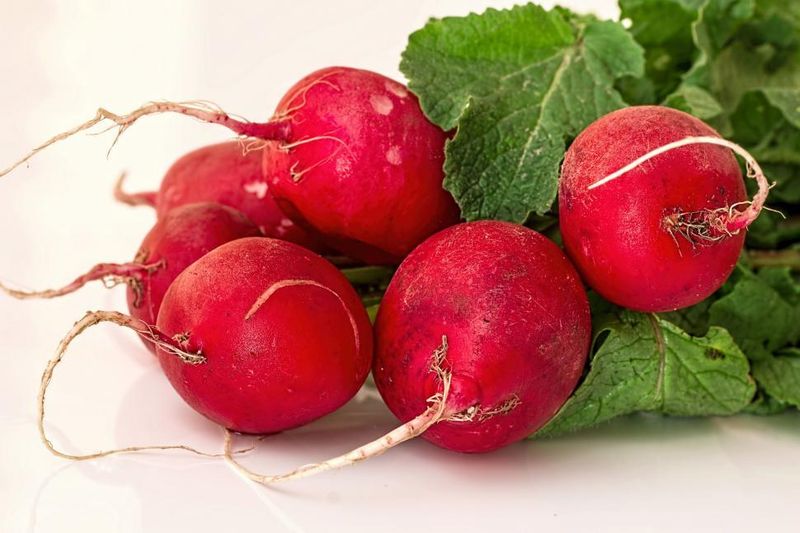
If you want almost instant gardening gratification, radishes are your best friend. Some varieties are ready to harvest in as little as three weeks from planting, making them the speed racers of the vegetable world.
Direct sow seeds about half an inch deep in loose, well-drained soil. They do best in cooler weather, so spring is prime time.
Radishes also make excellent companion plants, helping to deter certain pests from your other vegetables while they grow.
Carrots
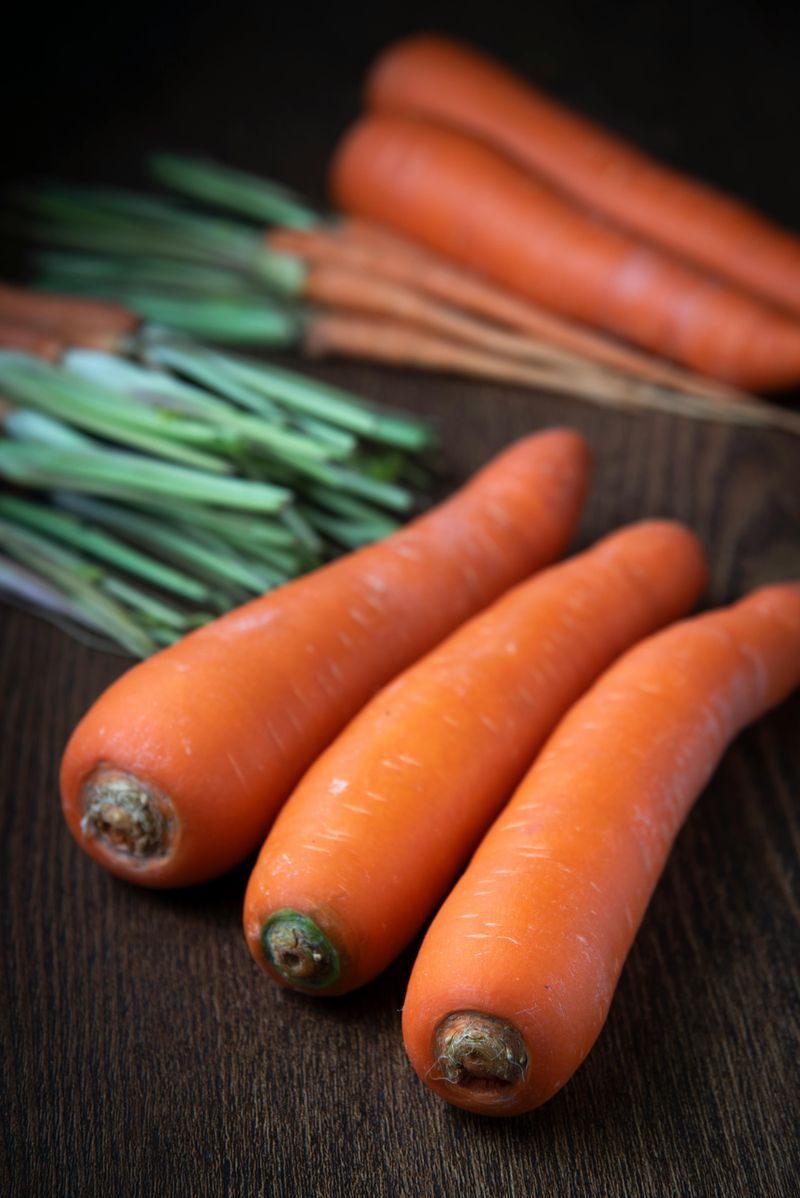
Carrots need a longer growing season, so starting them now puts you right on schedule for a summer harvest. They prefer loose, deep soil free of rocks so their roots can grow straight and long without obstacles.
Sow seeds thinly and cover lightly with fine soil, then keep the surface moist until germination. Thin seedlings to about two inches apart once they sprout.
Patience pays off big here because homegrown carrots taste far sweeter than anything you will find at a store.
Broccoli
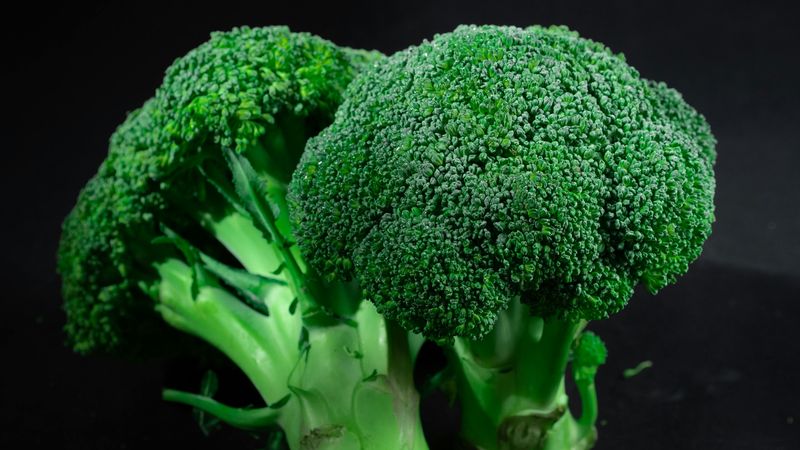
Broccoli is a cool-season vegetable that loves getting started while temperatures are still moderate. Starting seeds indoors four to six weeks before your last frost date gives transplants a strong foundation before they go outside.
Use a quality seed-starting mix and keep the soil consistently moist under bright light. Once seedlings develop a few true leaves, harden them off by gradually introducing them to outdoor conditions.
Broccoli is packed with nutrients, making every bit of effort completely worth it.
Beets
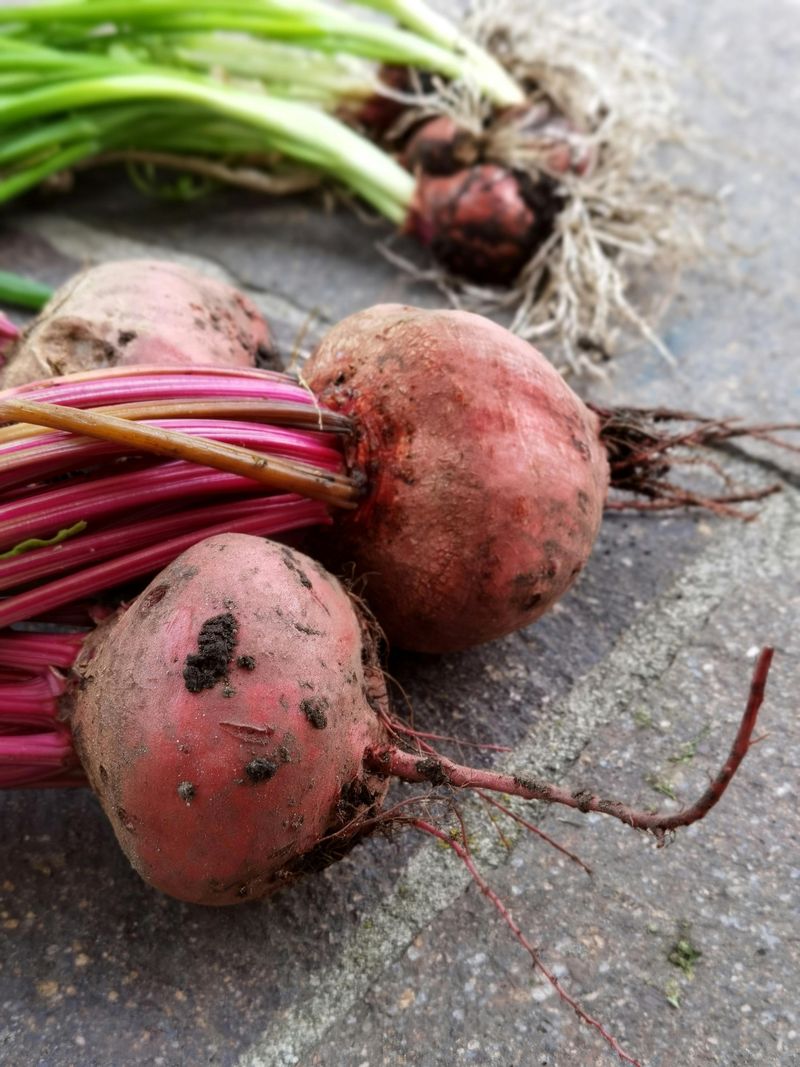
Here is something cool about beets: each beet seed is actually a cluster of multiple seeds, so you will almost always get more than one seedling per spot. That means thinning is important to give each plant enough room to grow.
Beets grow well in loose, fertile soil and prefer cool spring weather. Both the roots and the leafy tops are edible, so you get double the harvest from one plant.
They are earthy, slightly sweet, and incredibly versatile in the kitchen.
Swiss Chard
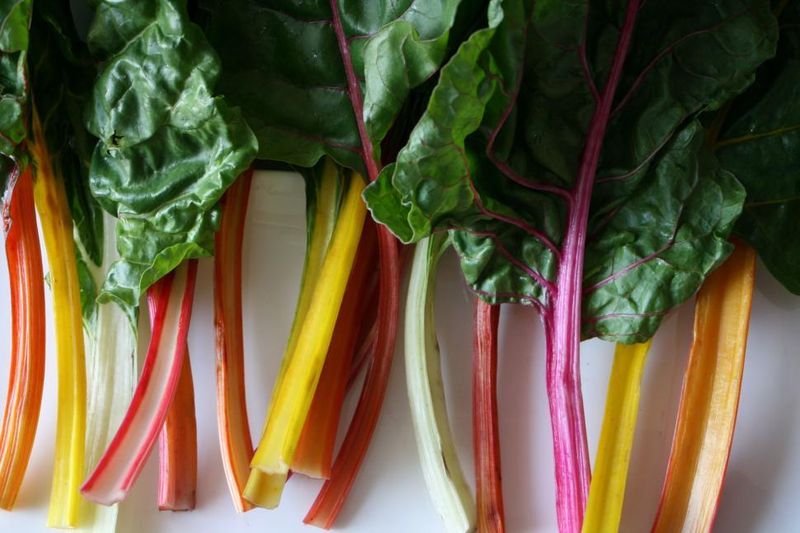
Swiss chard might just be the most colorful vegetable you can grow, with stems in vivid shades of red, orange, yellow, and white. Starting seeds now means you will have a stunning and productive plant ready to harvest by late spring.
It handles both cool and mildly warm temperatures well, making it more forgiving than many other greens. Plant seeds an inch deep and thin seedlings to about six inches apart.
Chard grows back after harvesting, giving you continuous fresh greens all season long.
Cilantro
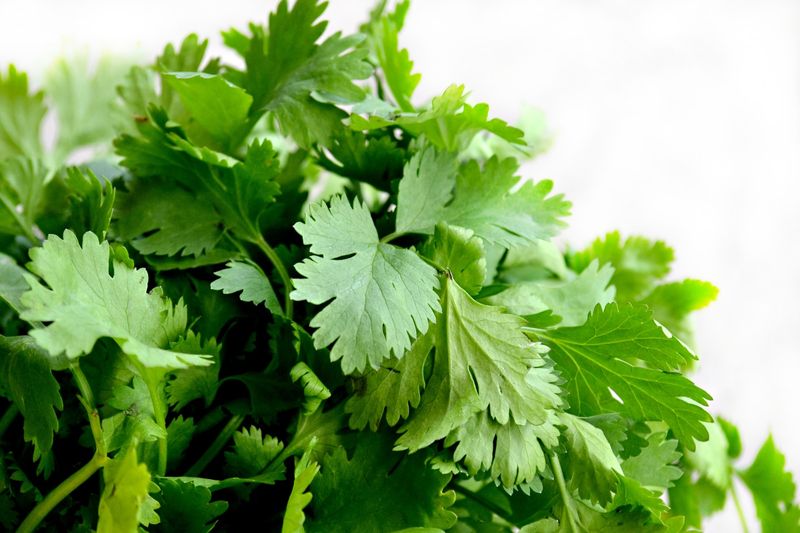
Cilantro is one of those herbs people either absolutely love or completely avoid, but either way, it is incredibly easy to grow from seed. It prefers cooler temperatures, which means spring is the perfect window to get it started.
Crush the seeds slightly before planting to improve germination rates, then sow them directly into the garden or a container. Cilantro bolts quickly in heat, so successive plantings every two weeks keep a steady supply coming.
Fresh cilantro takes tacos, salsas, and soups to a whole new level.
Sunflowers
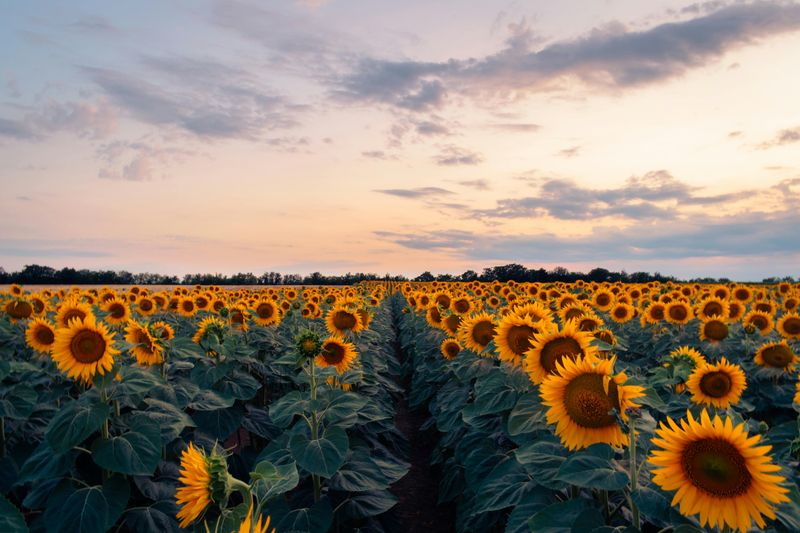
Sunflowers are basically the cheerleaders of the garden, tall, bold, and impossible to ignore. Starting seeds now, either indoors or directly in the ground after the last frost risk passes, puts you on track for massive blooms by midsummer.
They love full sun and well-drained soil and do not need much fussing once established. Plant seeds about an inch deep and water regularly until they take off.
Sunflowers also attract pollinators like bees, which helps every other plant in your garden grow better too.
Basil
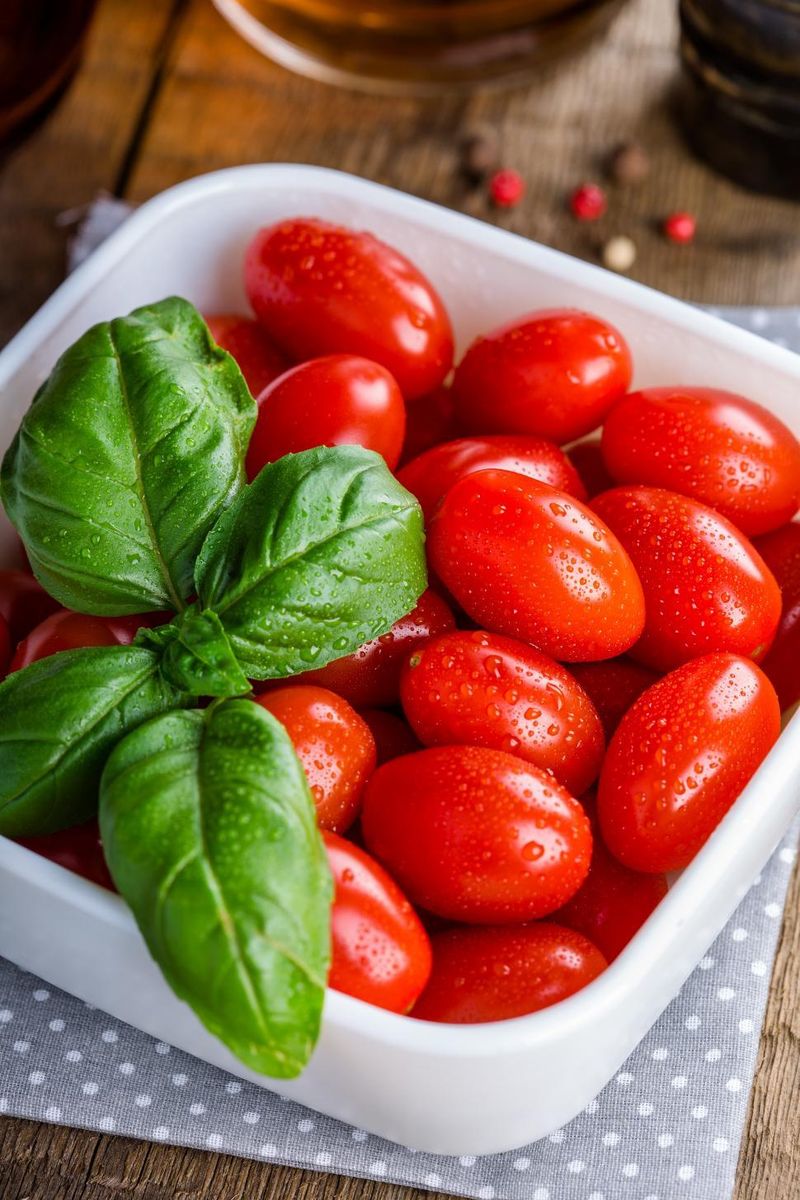
Starting basil seeds indoors right now is a smart move because this herb absolutely hates cold temperatures. Give it warmth, bright light, and moisture, and it will reward you with fragrant, flavorful leaves all summer long.
Use a seed-starting tray near a sunny window or under a grow light for best results. Once nighttime temperatures stay above 50 degrees Fahrenheit, transplant seedlings outside.
Pinch off flower buds as they appear to keep the plant bushy and producing leaves instead of going to seed.
Marigolds
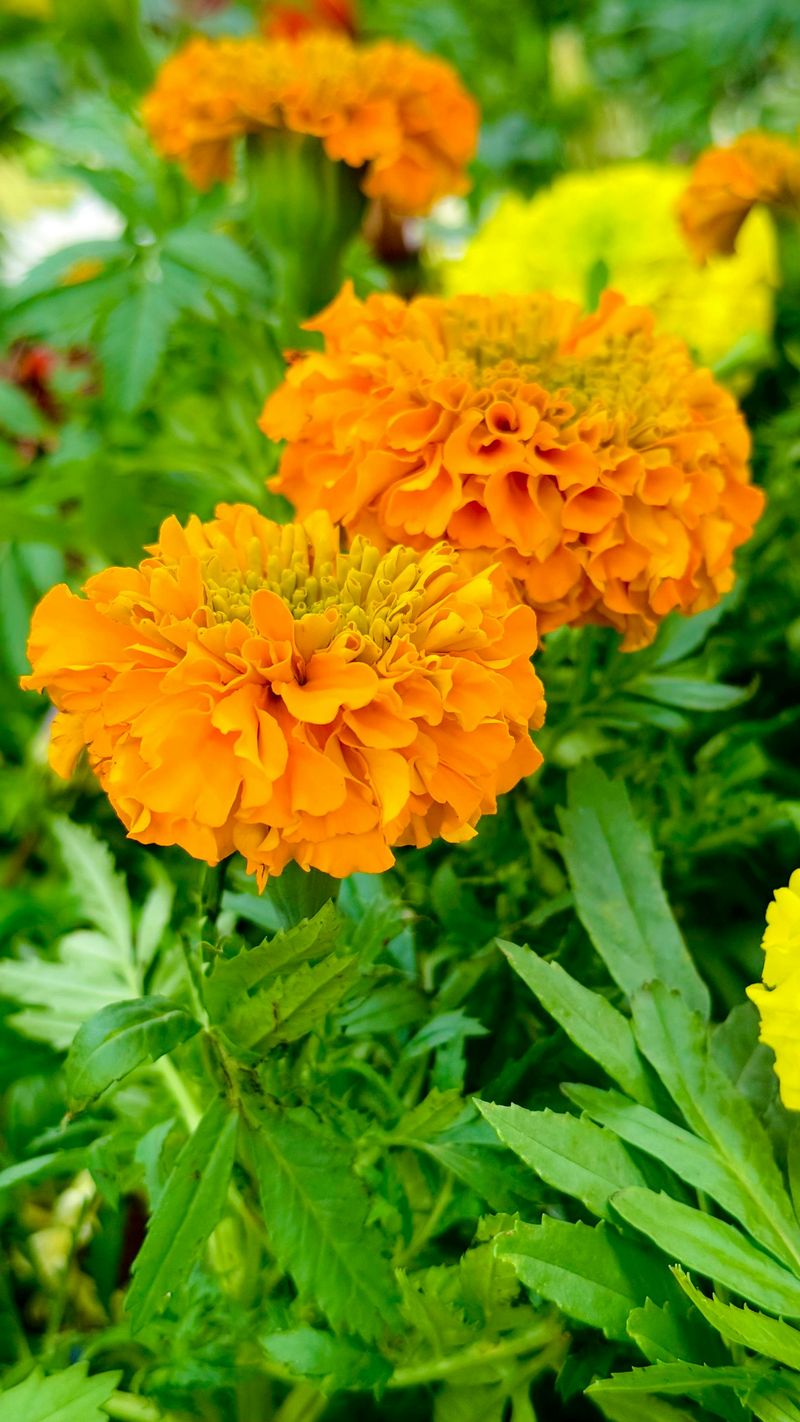
Marigolds are not just pretty faces in the garden. They are hardworking companions that naturally repel pests like aphids and nematodes, protecting neighboring vegetables without any chemicals needed.
Start seeds indoors six to eight weeks before the last frost, and they will be blooming right when you need them most. They are drought-tolerant once established and thrive in full sun.
Plant them around tomatoes, peppers, or squash for a natural pest-control system that also makes your garden look absolutely spectacular.
Zucchini
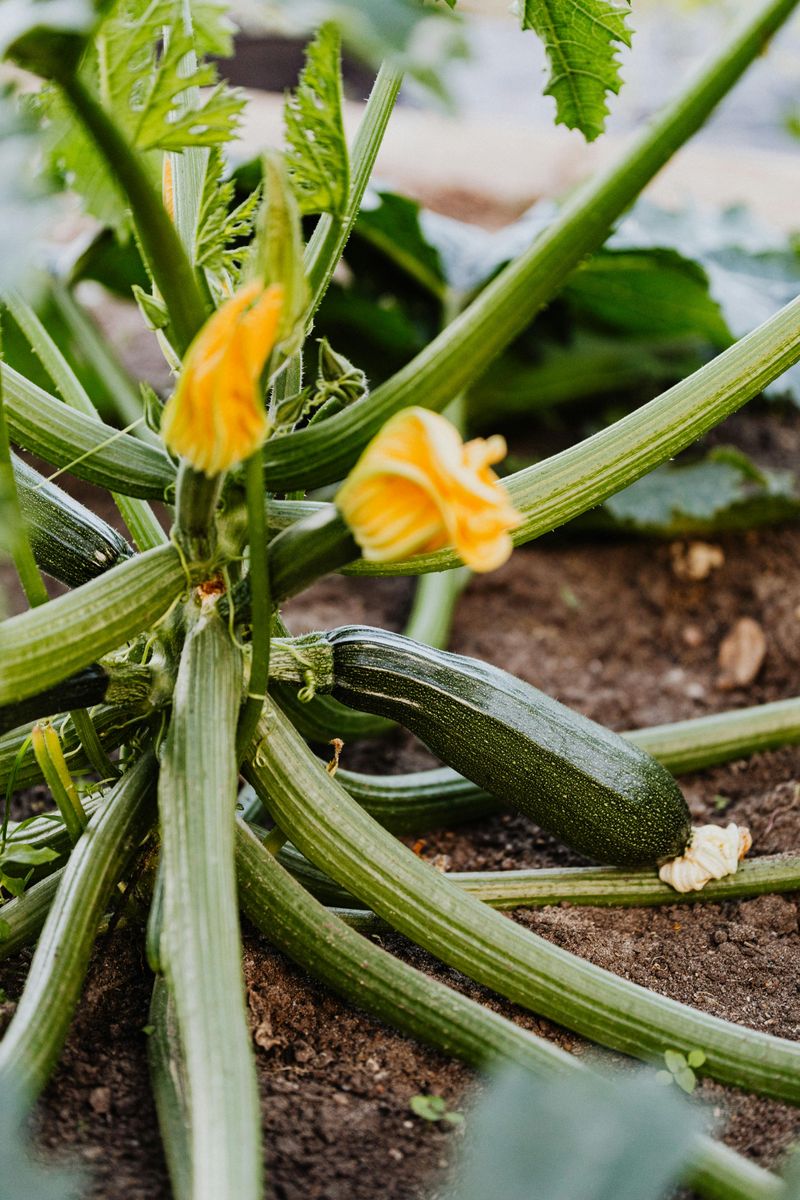
Fair warning: zucchini plants are incredibly productive, and one or two plants can easily keep an entire neighborhood supplied with squash by midsummer. Starting seeds now, either indoors or directly outside after frost risk, gives you a jump on the season.
Zucchini grows fast and needs space, so give each plant at least three feet of room. They love warm soil and full sun.
Keep an eye on developing fruits and harvest them while small for the best flavor and texture.
Tomatoes
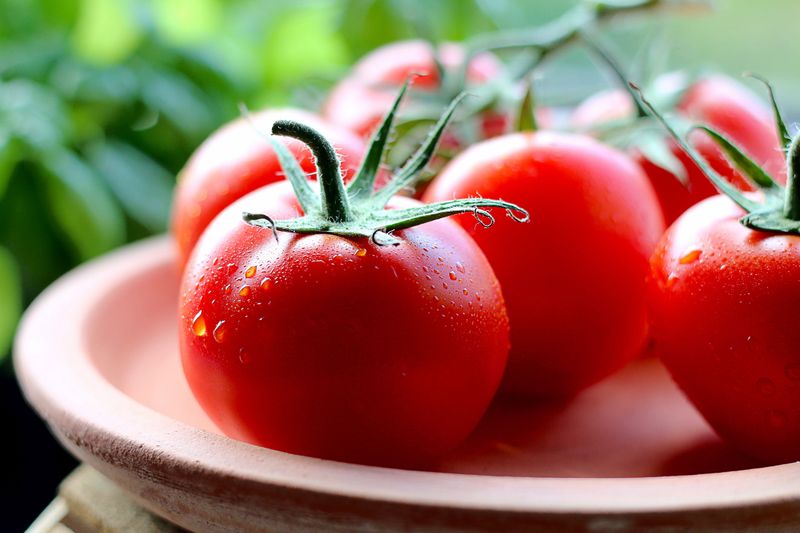
Arguably the most beloved vegetable in the home garden, tomatoes need a head start indoors six to eight weeks before transplanting outside. Starting them now means you will have strong, ready-to-plant seedlings right when the weather warms up perfectly.
Use a warm, bright location or a grow light to keep seedlings healthy and prevent them from getting leggy. Pot up seedlings as they grow to encourage strong root development.
A homegrown tomato picked warm from the vine on a summer afternoon is one of gardening’s greatest rewards.