 Complete Gardening
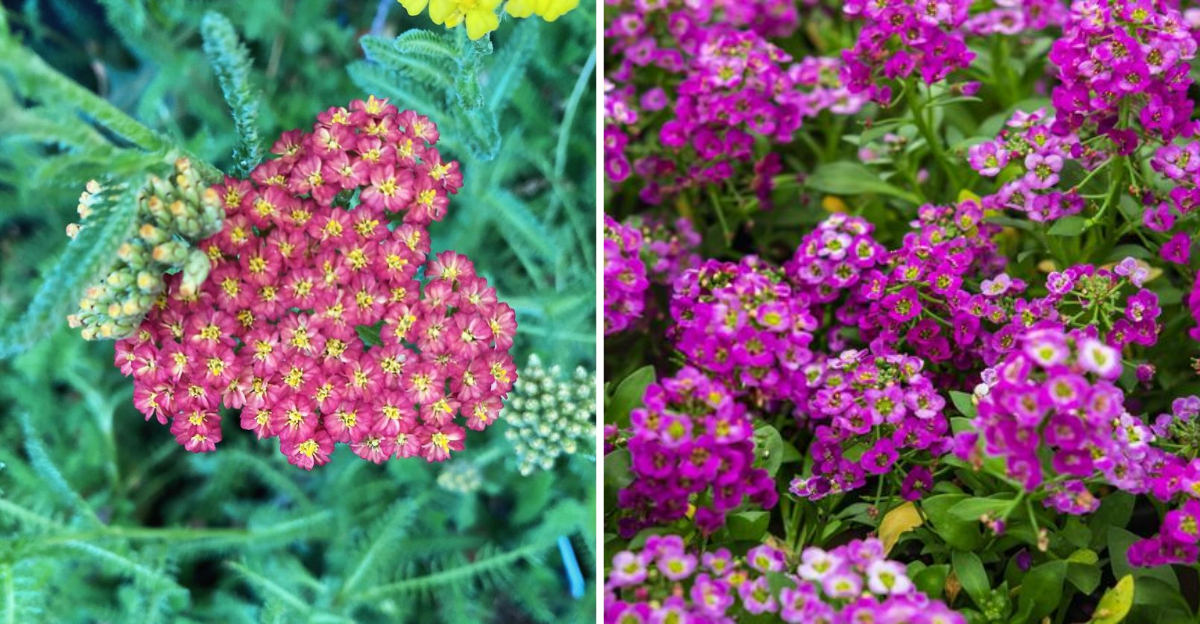
Keeping pests away from your citrus trees can be a challenge, but introducing colorful flowers that attract ladybugs can naturally enhance your garden’s health. These beneficial insects are known for their appetite for aphids and other garden pests, making them perfect allies in maintaining the vitality of your citrus trees. Here’s a look at five specific flowers that not only add beauty to your garden but also invite ladybugs to take up residence.
1. Marigold (Tagetes)
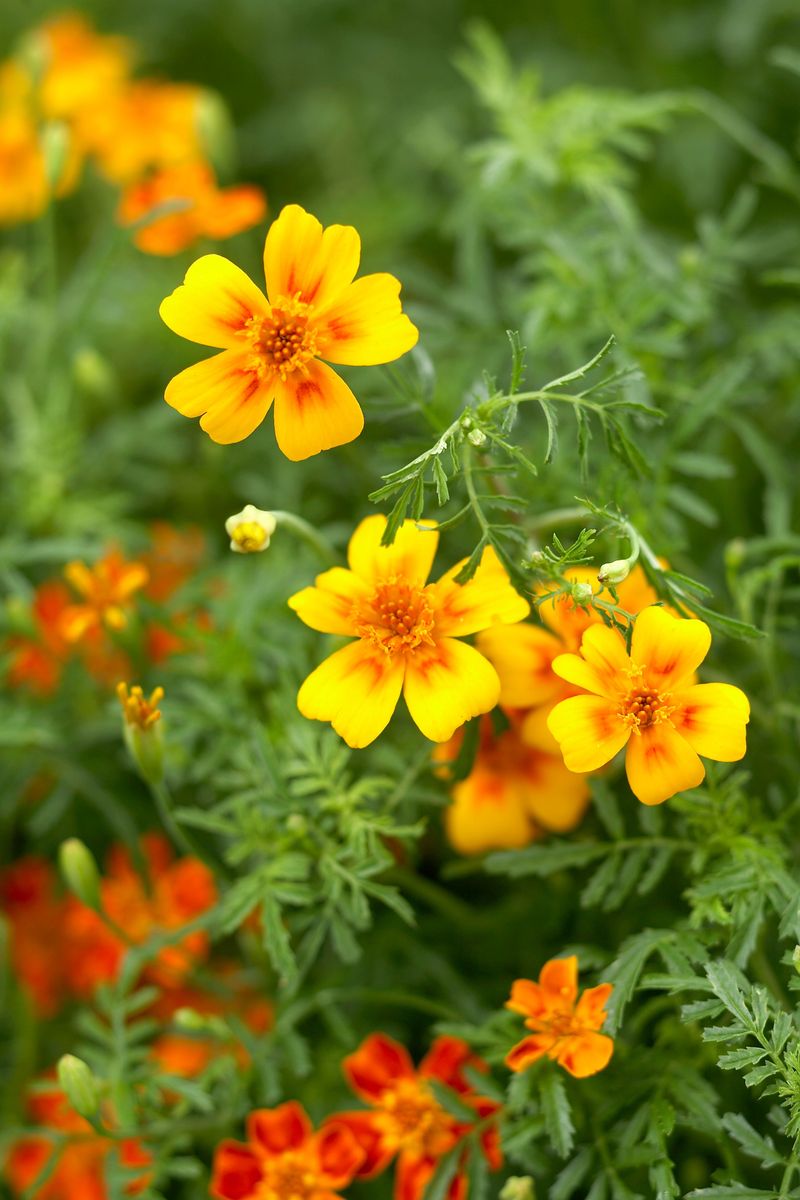
Marigolds, with their cheerful blossoms, are more than just a visual delight. The bright colors of marigolds appeal to ladybugs, inviting them into your garden.
These flowers are known for their ability to deter certain pests with their distinct scent. Often used as companion plants, marigolds create an environment that’s inviting to beneficial insects.
By planting marigolds around your citrus trees, you not only enhance the garden’s vibrancy but also naturally control pest populations.
2. Dill (Anethum graveolens)
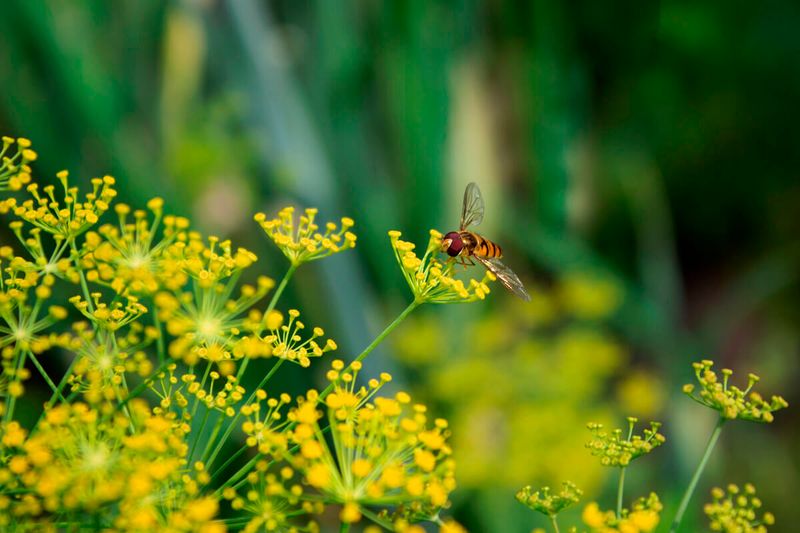
Dill’s aromatic foliage attracts ladybugs, making it a favorite in pest management. This herb offers a habitat that supports ladybug larvae, which are voracious predators of aphids.
Growing dill near citrus trees can create a balanced ecosystem in your garden. The feathery leaves not only provide aesthetic appeal but also serve a practical purpose.
In addition to attracting ladybugs, dill can be harvested for culinary uses, adding another layer of utility to your garden.
3. Calendula (Calendula officinalis)
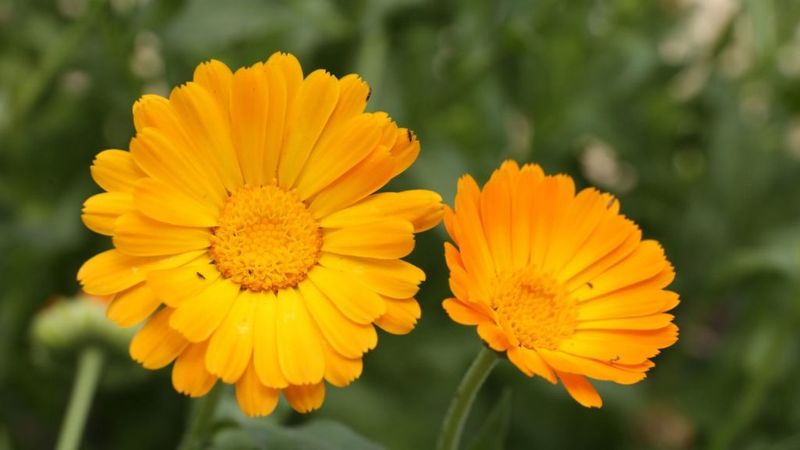
Calendula, also known as pot marigold, offers bright, cheerful blooms that draw in ladybugs. These flowers are easy to grow and thrive in a variety of conditions.
Ladybugs are naturally drawn to calendula, which helps to keep unwanted pests at bay. Their vibrant color acts as a beacon for these helpful insects.
Planting calendula near citrus trees not only enhances garden beauty but also supports natural pest control measures.
4. Fennel (Foeniculum vulgare)
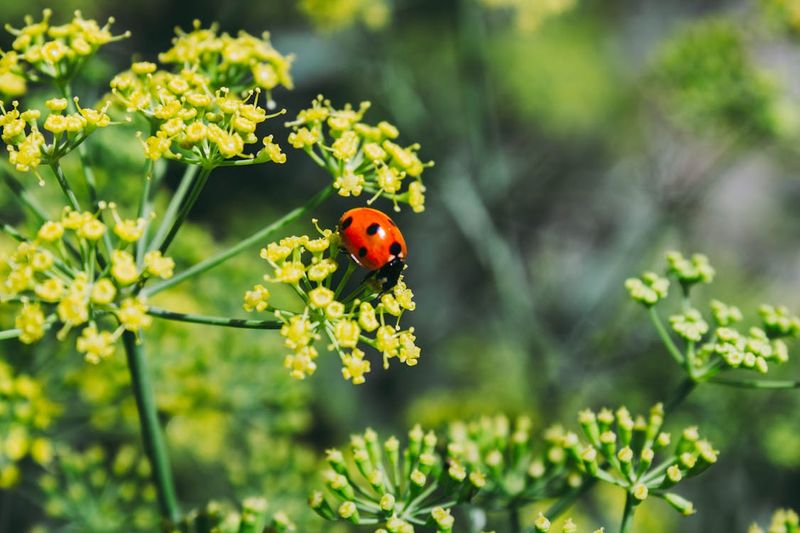
Fennel’s tall, graceful stalks provide an excellent habitat for ladybugs. This plant is known for attracting beneficial insects that aid in pest control.
Fennel offers a dual benefit: its seeds are useful in cooking, while its presence in the garden attracts ladybug populations.
Plant fennel near citrus trees to encourage a natural balance of beneficial insects, ensuring your garden remains vibrant and healthy.
5. Yarrow (Achillea millefolium)
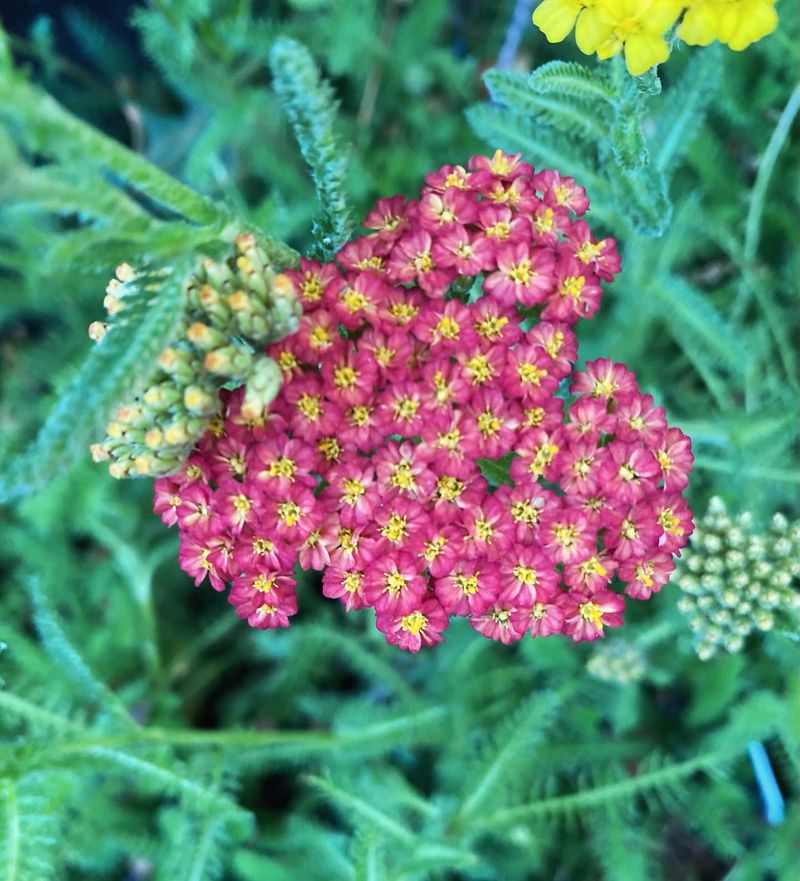
Yarrow is a resilient plant that’s highly effective in attracting ladybugs. Its clusters of tiny flowers provide ample landing spots for these insects.
Ladybugs are drawn to yarrow because it supports their lifecycle by providing food in the form of aphids. This plant thrives in various conditions and adds texture to your garden.
By planting yarrow, you not only beautify your space but also promote a healthy, pest-controlled environment for your citrus trees.
6. Alyssum (Lobularia maritima)
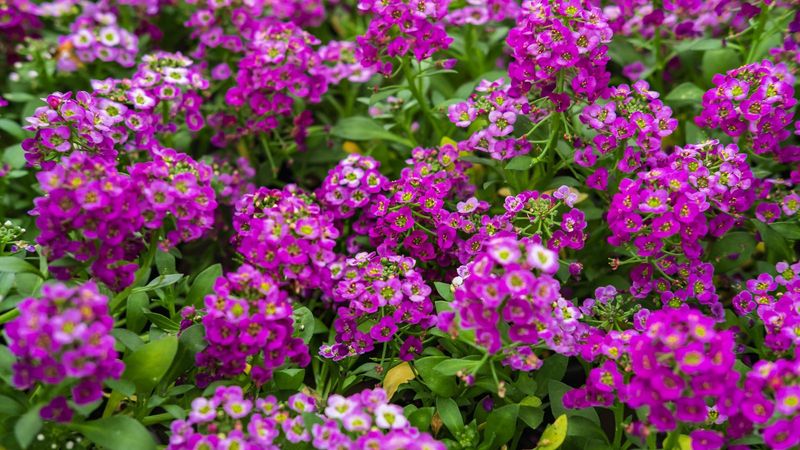
Charming clusters of Alyssum flowers add a delicate touch to any garden. Their sweet fragrance attracts ladybugs, making them a natural ally in pest control. Perfect for borders or containers, Alyssum thrives in full sun and well-drained soil. With blooms that last from spring to fall, they ensure your garden remains colorful and pest-free. Their low-growing nature makes them ideal for underplanting citrus trees. The continuous bloom cycle means consistent attraction for ladybugs. Plus, their ability to withstand drought makes them a resilient choice for various climates.
7. Borage (Borago officinalis)
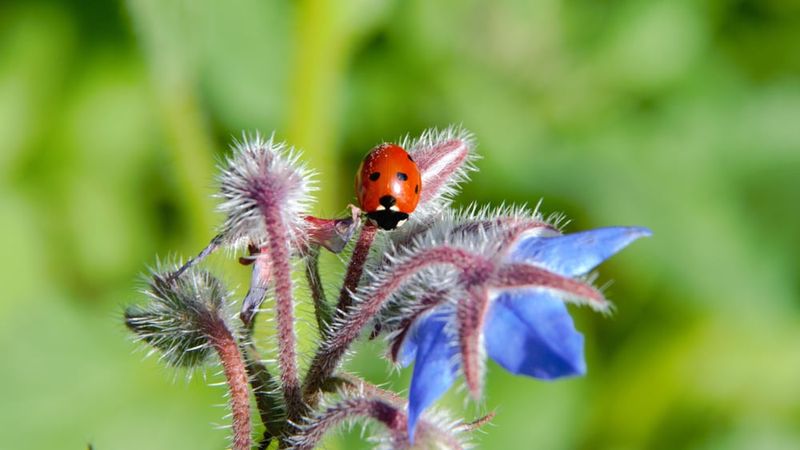
Borage is known for its striking blue, star-shaped flowers that are both edible and attractive. The plant exudes a cucumber-like aroma, appealing to ladybugs who feast on aphids and other pests. Borage is a hardy annual that enhances soil health, benefiting nearby citrus trees. These flowers bloom from late spring through summer, creating a lasting visual impact. Planted near citrus trees, they offer both aesthetic and functional benefits. Borage is also known to improve the growth and flavor of neighboring plants, making it a garden favorite.
8. Lavender (Lavandula)
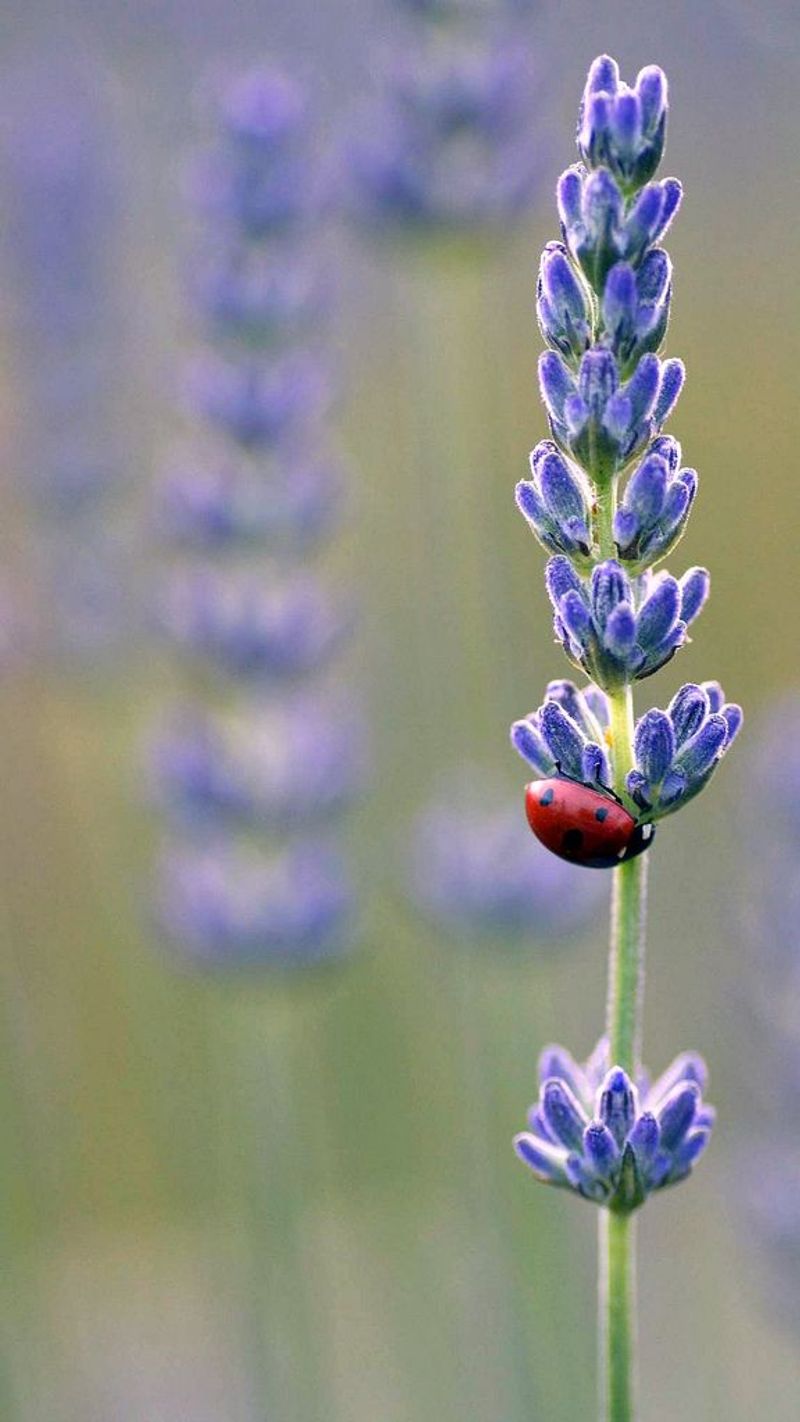
Lavender’s aromatic purple blooms are not only lovely but also a boon for the garden’s ecosystem. Ladybugs are drawn to lavender’s scent, which also deters many common pests. Ideal for sunny, dry spots, lavender thrives without much fuss. Its perennial nature means it returns each year, providing a long-term solution for pest control. Beyond pest control, lavender offers a calming presence to any garden with its soothing fragrance. Plant it near citrus trees to create a harmonious balance between beauty and function.
9. Cosmos (Cosmos bipinnatus)
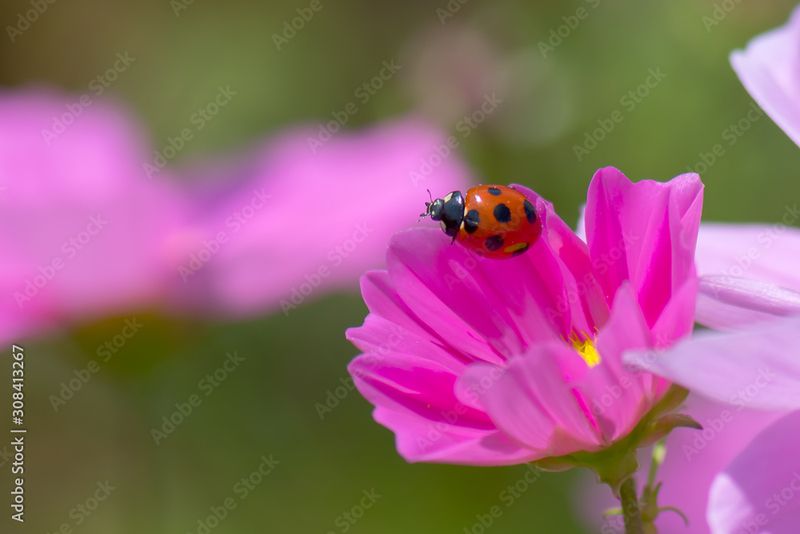
Cosmos brings a wild, whimsical flair to gardens with their daisy-like flowers. These tall, graceful plants attract ladybugs with their nectar, helping to control aphids and other pests. Cosmos are drought-tolerant and thrive in poor soil, making them a low-maintenance choice. Blooming prolifically from summer to fall, they ensure a colorful display. Their ability to self-seed means they’ll return year after year without much effort. Plant cosmos near citrus trees for both visual appeal and natural pest management.
10. Coreopsis (Coreopsis spp.)
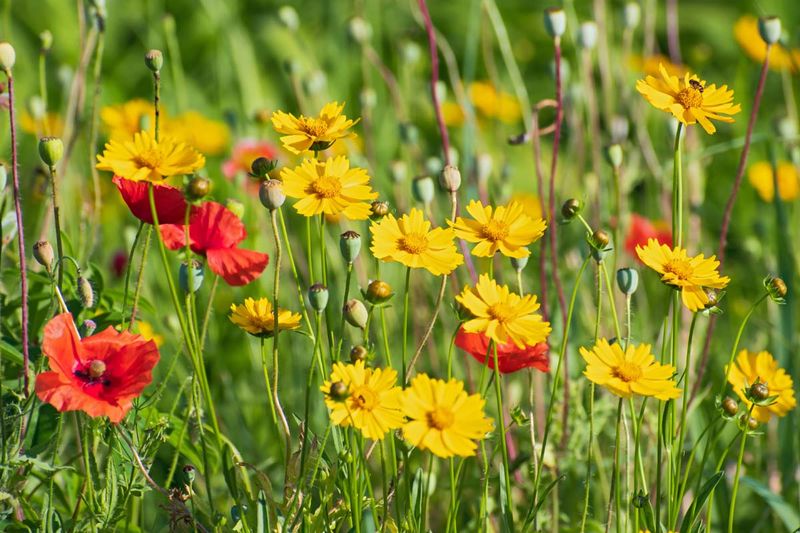
Coreopsis offers a burst of sunshine with its cheerful yellow blooms. These flowers are magnets for ladybugs, aiding in the control of garden pests. Known for their hardiness, coreopsis can thrive in a variety of conditions, including poor soil and drought. Their long blooming period, from early summer to fall, ensures a lasting impact in the garden. With minimal care, these perennials return each year, providing consistent beauty and pest control. Plant them alongside citrus trees to enhance both aesthetics and garden health.
11. Sweet Alyssum (Lobularia maritima)
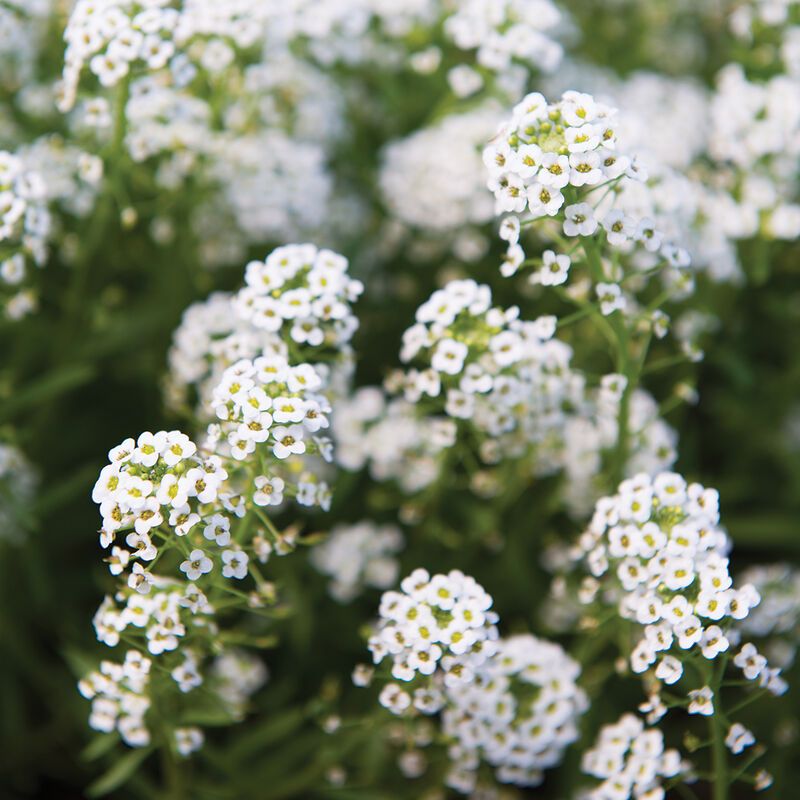
Sweet Alyssum’s tiny, honey-scented flowers create a fragrant carpet that attracts ladybugs to your garden. These flowers are perfect for edging paths and borders, offering both beauty and functionality. Their ability to attract ladybugs helps keep pests away from citrus trees. Sweet Alyssum thrives in full sun to partial shade and is drought-tolerant once established. Blooming from spring to frost, they provide continuous appeal and pest control. Their self-seeding nature ensures they return annually, requiring minimal maintenance for maximum reward.
12. Angelica (Angelica archangelica)
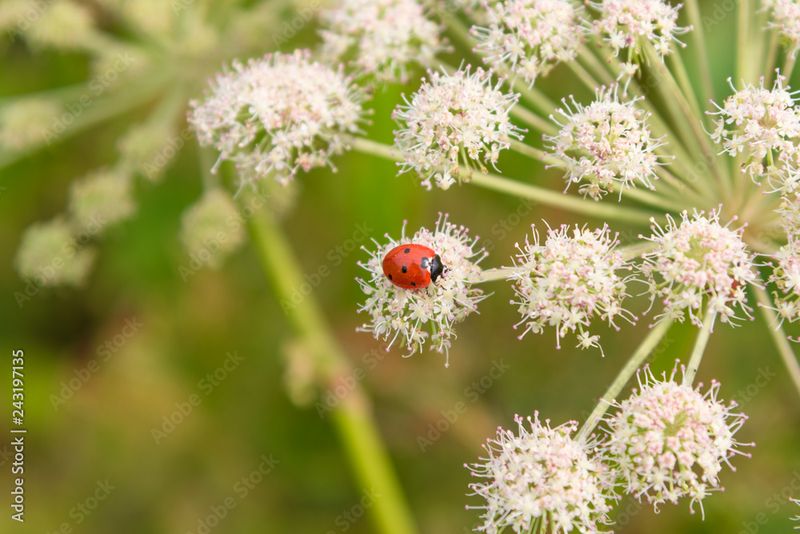
Angelica stands tall and majestic, with its umbrella-like flowers providing a unique focal point in the garden. Ladybugs are naturally drawn to its nectar, making it a valuable ally in pest control. This biennial plant prefers moist, well-drained soil and partial shade, thriving alongside citrus trees. Angelica’s impressive height and lush foliage add a dramatic touch, while its flowers support beneficial insects. It also has a rich history in herbal medicine, adding another layer of interest to its presence in the garden.
13. Sunflowers (Helianthus annuus)
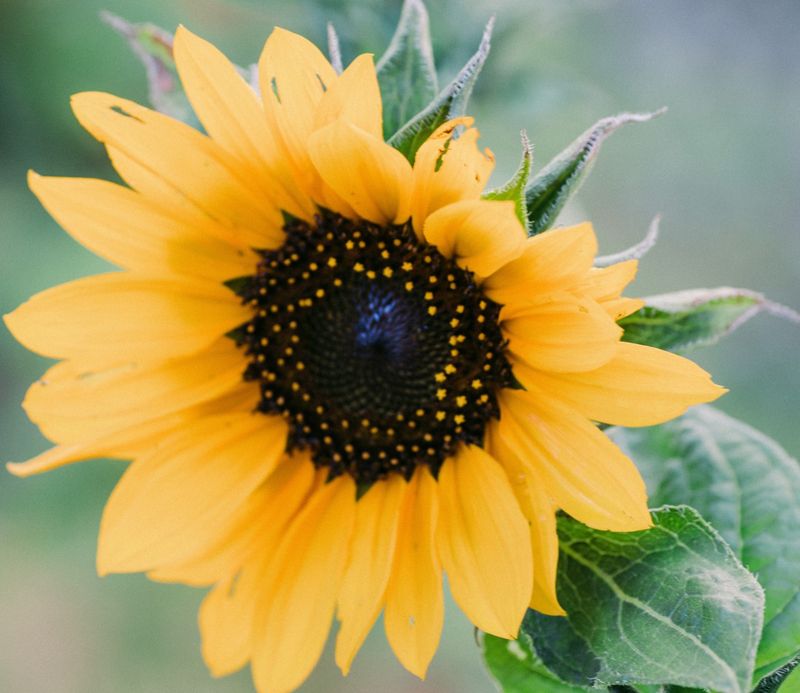
Sunflowers, with their towering presence, offer more than just a cheerful sight in gardens. These hardy flowers attract ladybugs, aiding in the control of aphids and other pests. Sunflowers thrive in full sun and can grow in a variety of soil conditions, making them versatile companions for citrus trees. Their seeds provide food for birds, creating a lively garden ecosystem. The tall stalks and large blooms provide a striking visual impact, while their pest control benefits make them a functional addition to the garden.
14. Tansy (Tanacetum vulgare)
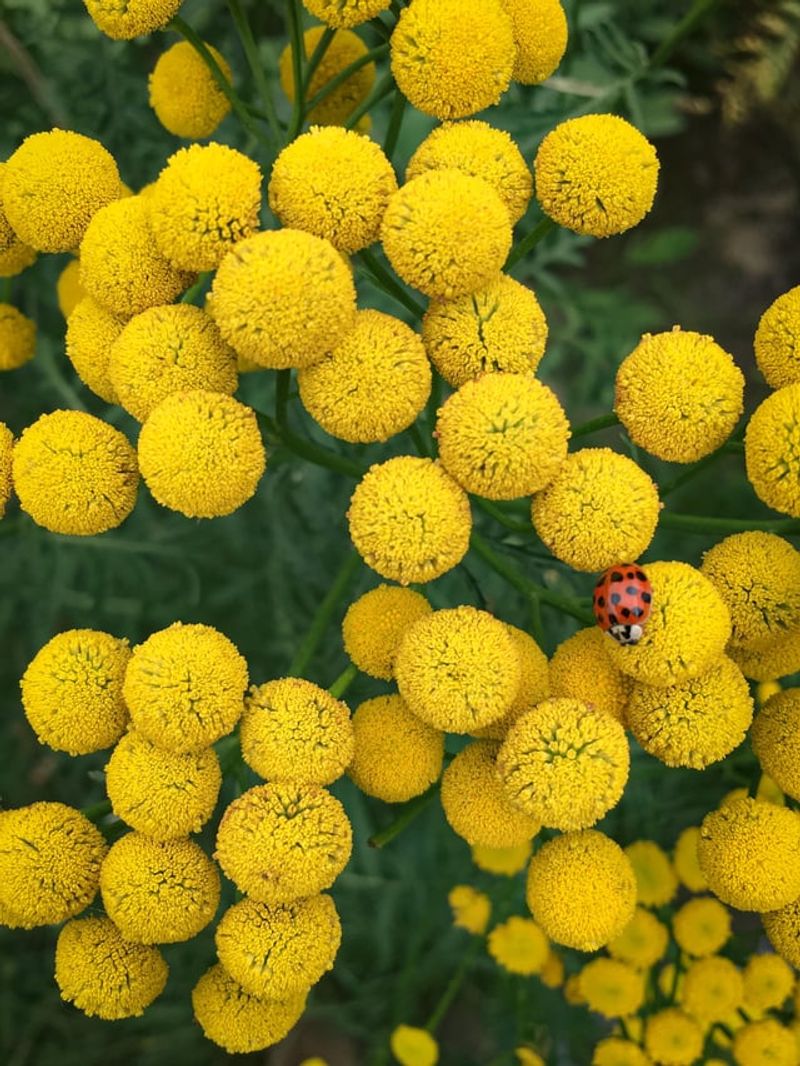
Tansy is renowned for its fern-like leaves and button-like yellow flowers that brighten any garden. Ladybugs are attracted to Tansy, making it an effective pest deterrent. This perennial thrives in well-drained soil and full sun, offering a reliable pest control solution. Tansy’s strong scent repels many garden pests while drawing beneficial insects. It also has historical uses in traditional medicine, adding an intriguing aspect to its presence. Planted near citrus trees, Tansy enhances both garden health and aesthetic appeal.
15. Zinnias (Zinnia elegans)
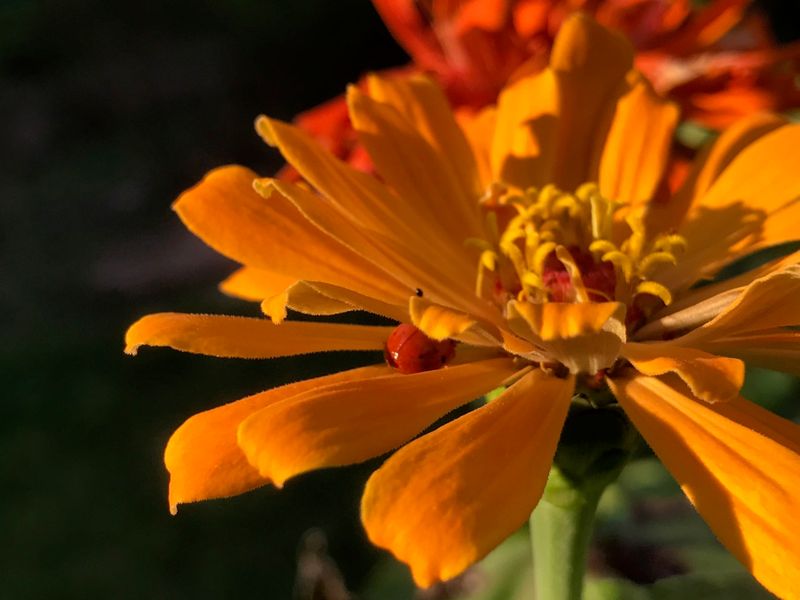
Zinnias, with their vibrant blooms, are garden favorites that also attract ladybugs. These annuals are easy to grow and thrive in the sun, providing a burst of color from summer through early autumn. Zinnias are resilient, tolerant of heat and a range of soil conditions. Their bright hues lure ladybugs, aiding in the control of pests around citrus trees. With a variety of colors and shapes, zinnias add visual interest and ecological benefits to any garden. Their ability to attract pollinators further enhances their garden value.
16. Hyssop (Hyssopus officinalis)
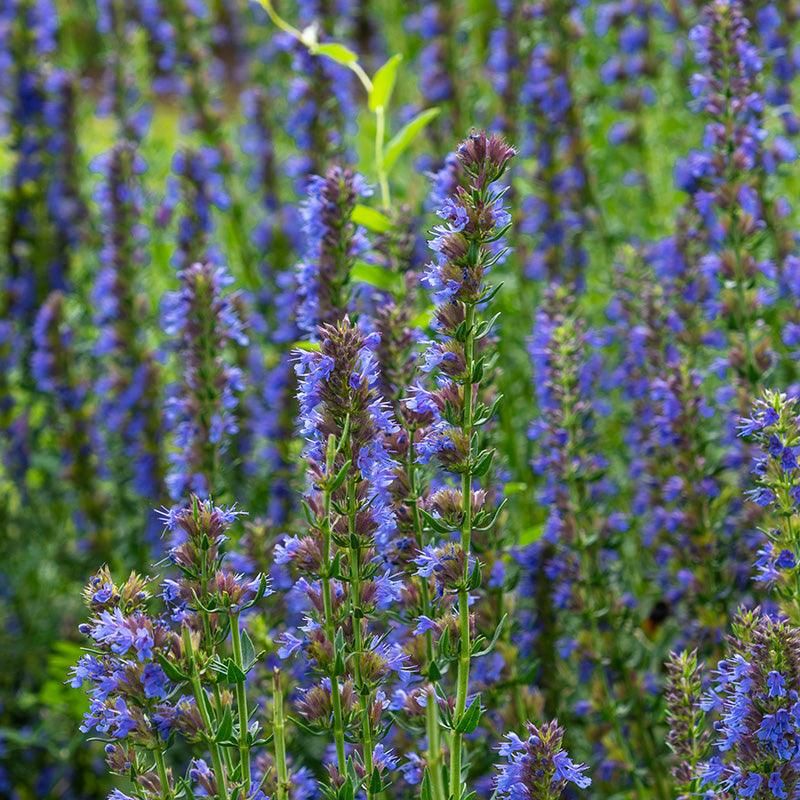
Hyssop boasts spikes of blue flowers that appeal to both the eyes and beneficial insects. Ladybugs are particularly attracted to its blooms, making it a useful ally against pests. This perennial herb thrives in sunny locations with well-drained soil. Hyssop’s aromatic foliage adds another sensory layer to the garden. Known for its medicinal properties, it offers both visual and functional benefits. When planted near citrus trees, Hyssop enhances the garden’s beauty and health, creating a vibrant and balanced ecosystem.