
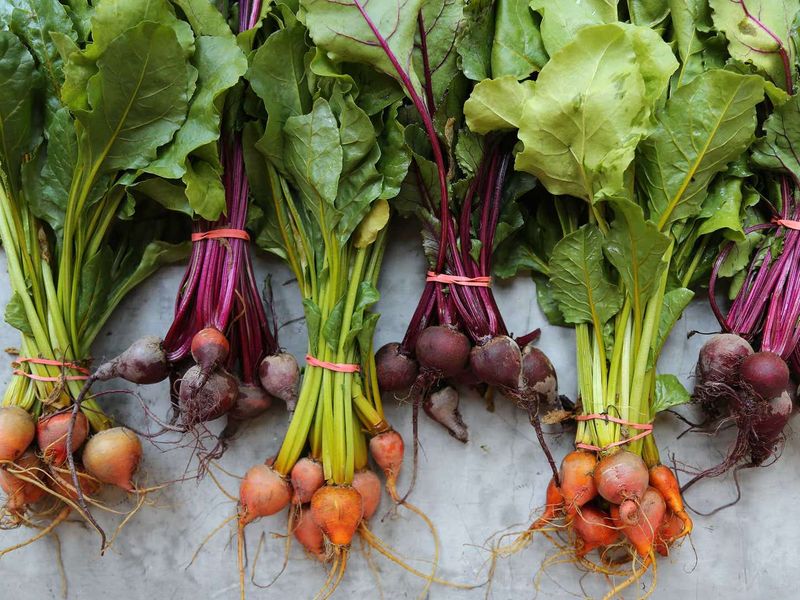
You check your fall bed and find thick, glossy beet tops, but the roots underneath are barely bigger than a marble. It is a frustrating sight, especially when you did everything you thought was right.
Too much nitrogen is one possible cause, but it is not the only one, and a few quick checks can point you in the right direction. Here is how to sort out what is likely going on in your Florida or Texas bed.
Excess nitrogen is one possibility, not a diagnosis
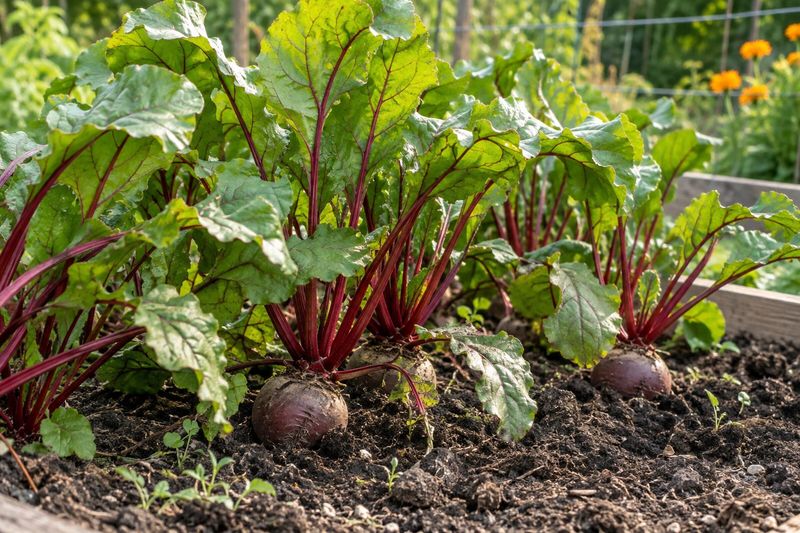
Nitrogen feeds leaf growth, so it makes sense that too much of it can push a beet to build tops instead of roots. South Dakota State University Extension notes that excess nitrogen can promote top growth at the expense of root growth.
Still, a big green canopy by itself does not prove that nitrogen is the culprit.
Crowding is a very common alternative. Illinois Extension names overcrowding from poor thinning as the most frequent reason beets make tops without roots.
Missouri Extension also points to crowding and to planting too late into hot weather.
Heat and water stress can also lead to poor roots, as Utah State University Extension explains. Sometimes the plants simply have not had enough time to mature yet.
So treat this article as a checklist rather than a single-fix diagnosis. Work through spacing, feeding, moisture, and timing, and expect that no one step is guaranteed to enlarge roots before winter.
Check spacing before blaming fertilizer
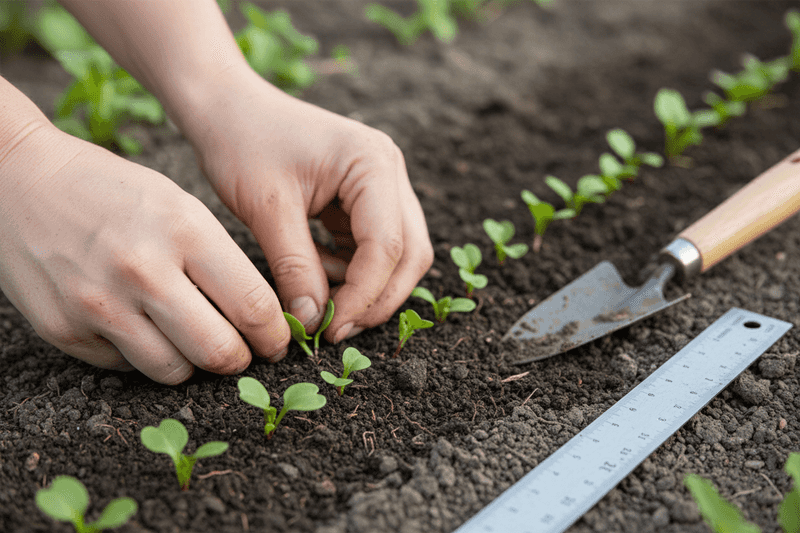
Kneel down and look at how closely your beets are packed. Each beet “seed” is actually a dried cluster that often sprouts several seedlings at once, so a row can end up far thicker than you planned.
When plants jostle for room, roots have trouble swelling. Thinning is the usual remedy, and the numbers vary a little by source.
Texas A&M AgriLife Extension suggests 2 to 3 inches between plants, while UF/IFAS Gardening Solutions recommends 2 to 4 inches.
Snip extra seedlings at the soil line with small scissors rather than pulling them, which can disturb neighbors. The thinned greens are tender and good in salads.
Keep expectations realistic. Thinning gives the remaining plants space to grow, but it cannot promise that roots already stunted by crowding will bounce back.
Variety, soil, and weather all affect how much they can still gain.
Pause nitrogen if overfeeding is plausible
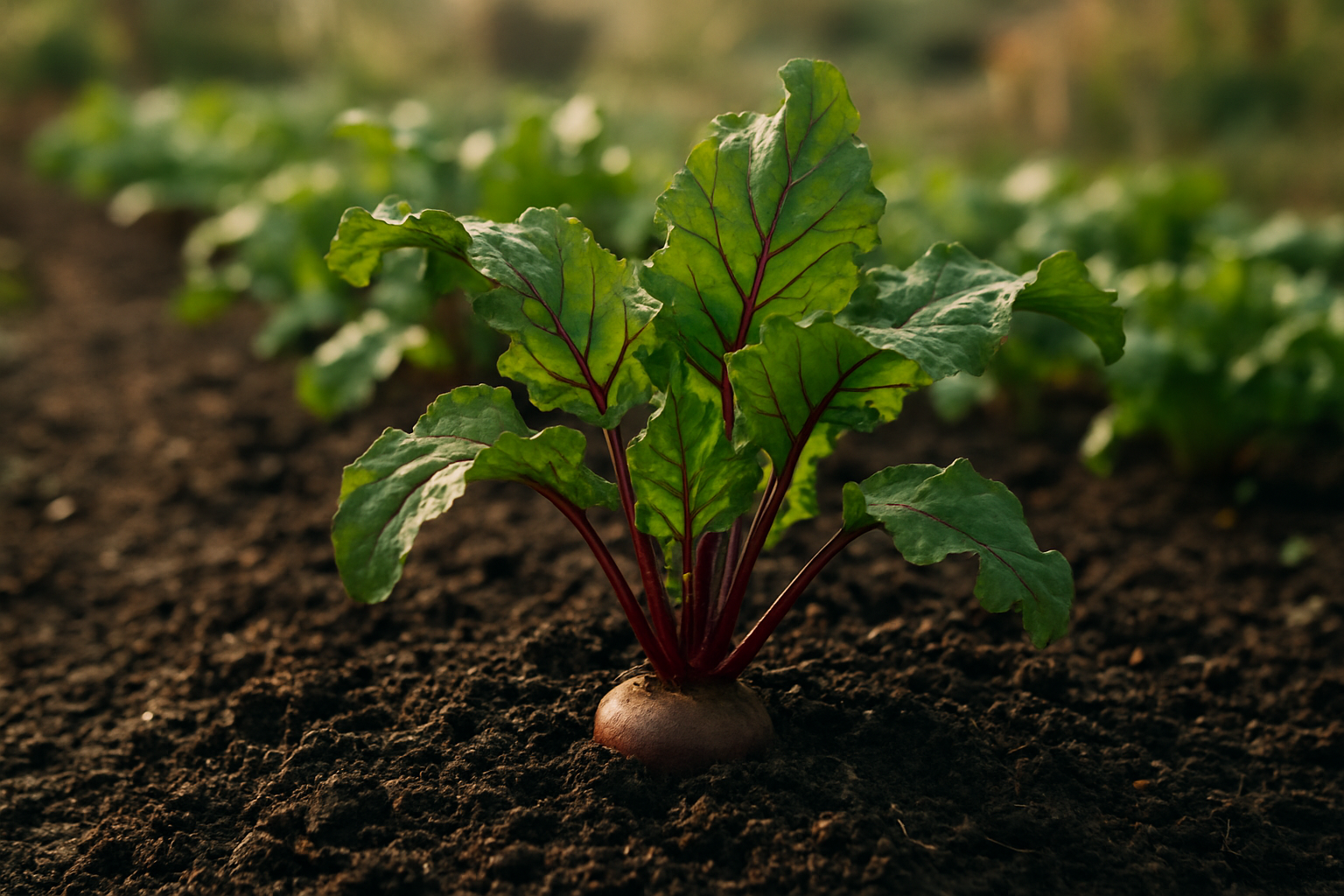
Think back over the season. Did you work in a lot of compost or manure, use a high-nitrogen fertilizer, or feed the beets near a lawn that gets heavy fertilizer?
If so, overfeeding is a reasonable suspect.
In that case, the cautious move is to stop adding nitrogen-rich fertilizer for now. SDSU Extension links too much nitrogen with top growth at the cost of roots, so holding back makes sense when you suspect an excess.
Resist the urge to buy a product that claims to force roots to swell.
Pausing is a precaution, not a confirmed diagnosis. Nitrogen is an essential nutrient, and a healthy leafy canopy alone does not show that there is too much of it.
If you have not fed the bed heavily at all, nitrogen probably is not your main problem. Move on to spacing, water, and timing instead.
Stopping fertilizer may help, but it does not guarantee that roots will size up before winter.
Keep moisture steady and control competing weeds
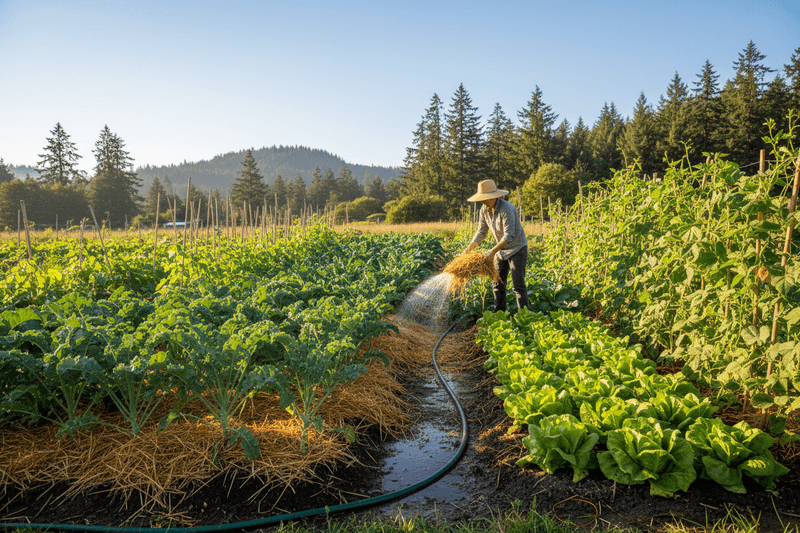
Beet roots swell best when the soil does not swing between bone dry and soggy. Fall in the South can bring dry spells, so it helps to check the soil with a finger rather than trusting the calendar.
Texas A&M suggests watering well each week when rain is absent, and UF/IFAS says adequate water supports root development. Texas A&M’s beet guide adds that weeds compete with the crop for water and nutrients.
Treat that weekly figure as a starting point. Sandy Florida soil dries faster than heavy Texas clay, and a rainy week may mean you skip watering entirely.
A thin layer of mulch can slow evaporation and cut down on weeds. Pull weeds while they are small so you do not disturb beet roots.
Better watering and weeding improve growing conditions, but they do not prove what caused the small roots.
Compare plant age with your local fall growing window
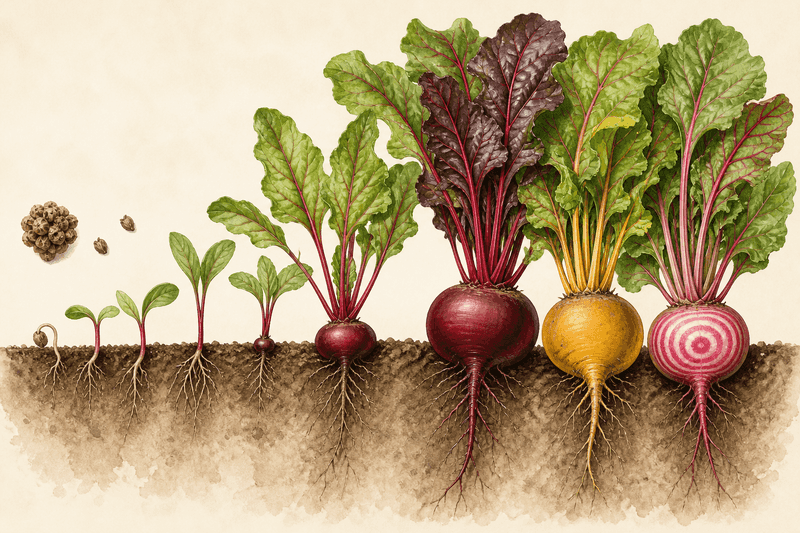
Foliage can fool you. A beet may look full and vigorous weeks before the root has had time to fatten, so count days instead.
UF/IFAS gives about 50 to 70 days from seed to harvest, and Texas A&M says roughly 7 to 8 weeks. Check your seed packet for your variety, then compare that to your planting date.
Planting windows differ across the region. UF/IFAS lists separate beet windows for North, Central, and South Florida, and the Texas A&M fall vegetable guide gives dates by area.
In many South Texas locations, beets can keep growing through winter.
Missouri Extension notes that planting too late into hot weather can cause trouble. If your beets went in late or sprouted in heat, they may simply need more time, and approaching cold may limit how much they gain.
Use a soil test, not a root-building fertilizer recipe
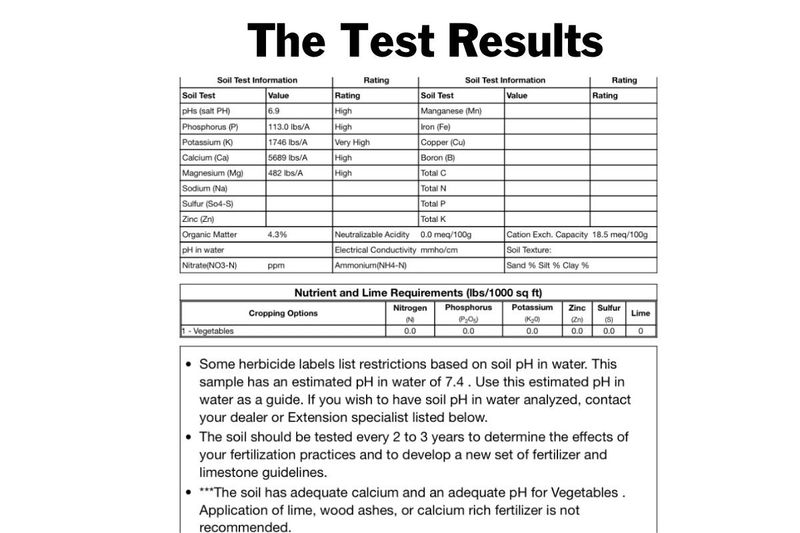
It is tempting to reach for extra phosphorus, potassium, or a pinch of boron as a root booster. A better first step is a soil test, which tells you what your bed actually has.
UF/IFAS advises checking whether fertilizer is needed and how much, and SDSU Extension recommends soil-test-based fertilizing. Your local county Extension office can help you collect a sample and read the results.
Boron deserves special caution. University of Minnesota Extension links boron deficiency to black or dead spots inside beet roots, which is a different symptom from lush tops and tiny roots.
Also, UC IPM explains that too much boron can harm plants.
Spacing, water, timing, and testing can all improve conditions, but none can guarantee fatter roots before winter. Sometimes the best lesson from a leafy, rootless row is what to change for next fall’s planting.