
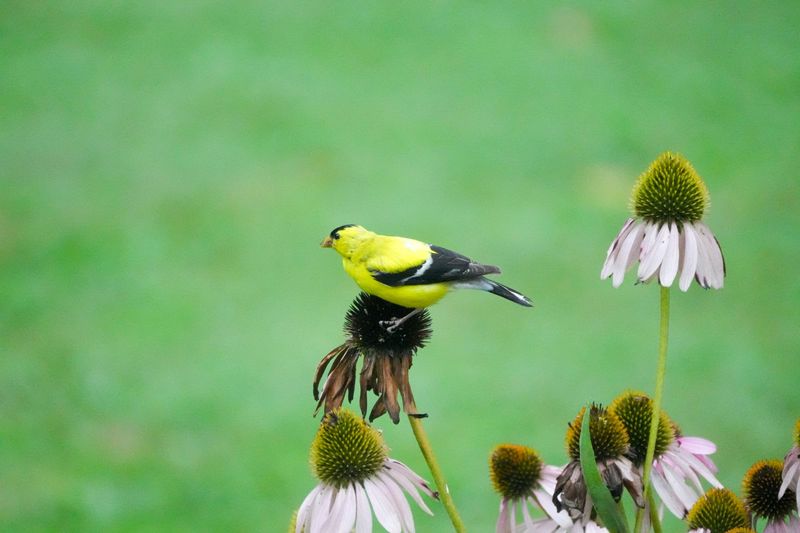
Those brown, bristly coneflower heads left in the bed after summer are not dead weight. They hold seeds that birds know how to eat.
Skipping one fall chore may keep a natural snack available when winter arrives. Goldfinches might stop by, though no yard gets a promise.
Standing coneflower heads keep seeds within reach
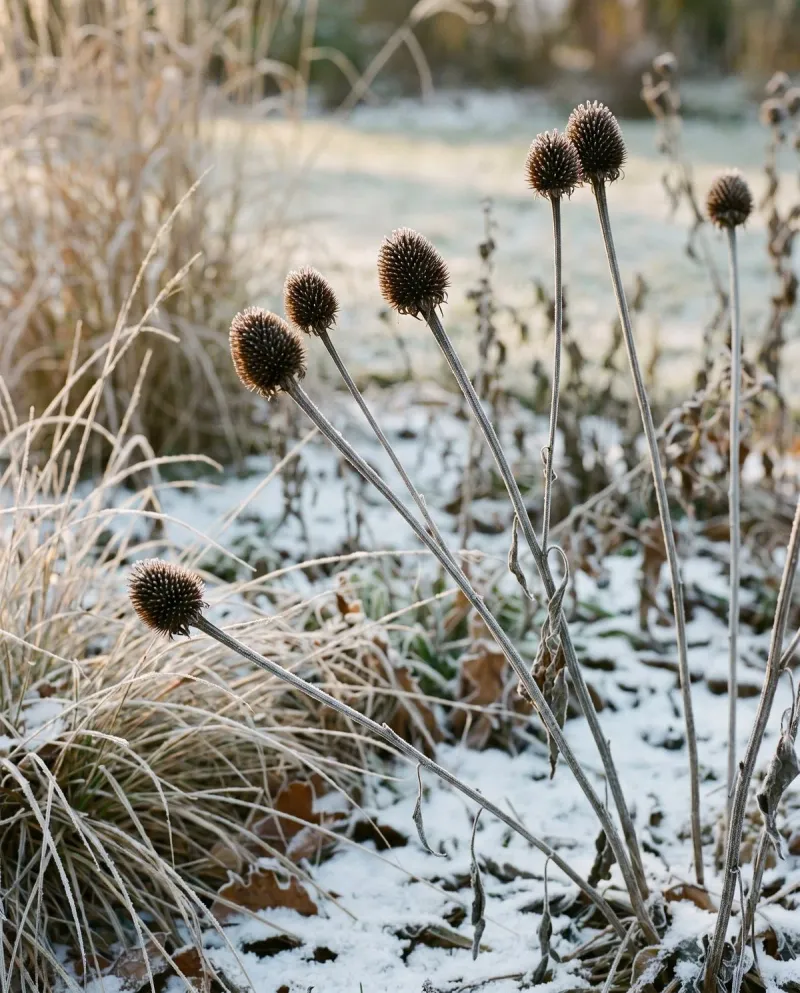
Once the petals drop, a coneflower does not stop working. The spiky central cone keeps holding seeds, and that is exactly what hungry birds are after.
Leave a few of those heads in place and you keep a bit of natural pantry stocked in the yard.
Audubon reports that goldfinches and other birds eat coneflower seeds in fall and winter. Central Texas Gardener likewise lists Echinacea seeds as food for songbirds.
So the link between standing heads and bird meals is solid.
What the sources describe is food availability. They do not say any particular yard will see birds, or that seeds will last every day until spring.
Seeds get eaten, shaken loose by wind, or soaked by rain, and birds have to find the plants first.
A practical way to think about it is simple. Standing heads can remain a food source into winter, and that is a fair, modest reason to hold off on the clippers.
Think of it as setting a small table and seeing who shows up.
Walk your beds in October and look for firm, dark, dry cones on sturdy stems. Those are the ones with seeds worth leaving for the birds.
Why winter goldfinches are plausible visitors in Central Texas
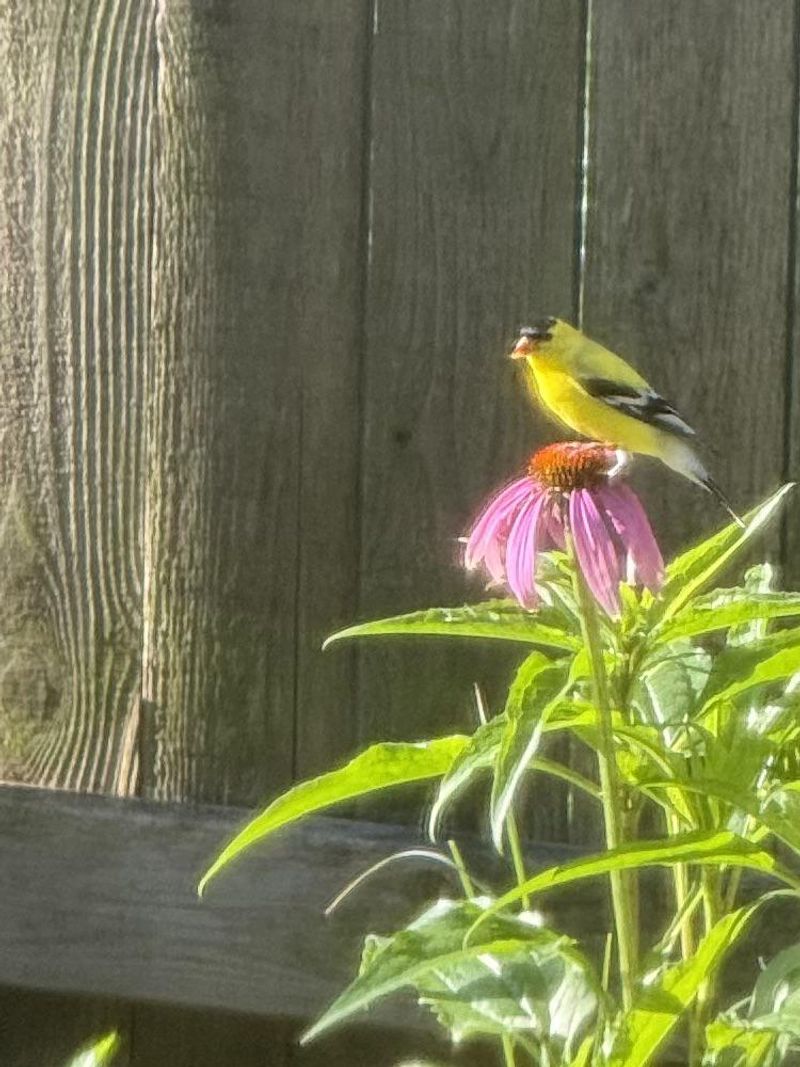
Winter is when American Goldfinches show up in numbers across much of Texas. Texas Parks and Wildlife describes them as often abundant in winter at a birding site near Cow Creek in the Austin area.
That makes a cold-season visit to local seed plants a reasonable thing to hope for.
The same TPWD listing shows Lesser Goldfinches there year-round. So a small yellow finch on your coneflower might be either species, and it may not be an American Goldfinch at all.
Males of the Lesser Goldfinch often have a dark back and bright yellow belly, while winter American Goldfinches turn a plainer tan-olive.
Keep this evidence in proportion. One site near Austin tells us the birds are in the region and the season fits.
It does not tell us what will happen in your backyard in Round Rock, Georgetown, or San Marcos.
Your own yard has its own mix of nearby trees, feeders, cats, and neighbors, and all of that shapes who drops in. Treat the regional report as a good sign, not a forecast.
A pair of binoculars and a field guide on the windowsill will help you sort out what you are actually seeing. Noting the date and the species is a fun way to learn what your yard offers.
Deadheading trades seeds for a tidier finish
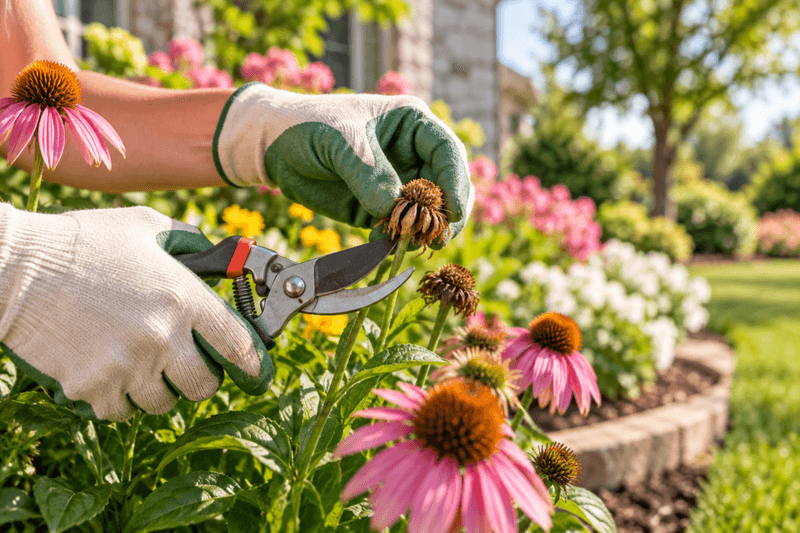
Snipping off faded blooms makes a bed look neat, and plenty of gardeners enjoy that. The trade-off is that each cut removes seeds that are forming or already mature.
An Illinois Extension horticulture educator notes that deadheading coneflowers typically reduces seed production and the forage available to birds.
That does not make deadheading wrong. Early in the season it can keep a plant tidy, and some gardeners prefer a clean look near the porch.
It simply means fewer seeds for wildlife later on.
Deadheading is also not the only thing that decides whether birds visit. Weather, nearby cover, water, feeders, and how many other seed plants are around all matter.
Skipping the clippers will not guarantee visitors, and using them will not shut every bird out.
If you like a balance, try a split approach. Trim the plants nearest the front walk for looks, and let the back border or side yard plants keep their heads.
You get curb appeal and a seed source in the same garden.
By late fall, the heads you leave will have dried to a dark brown. That is the stage to leave alone, and a good moment to move your chair closer to the window.
Leave healthy heads, not every problem plant
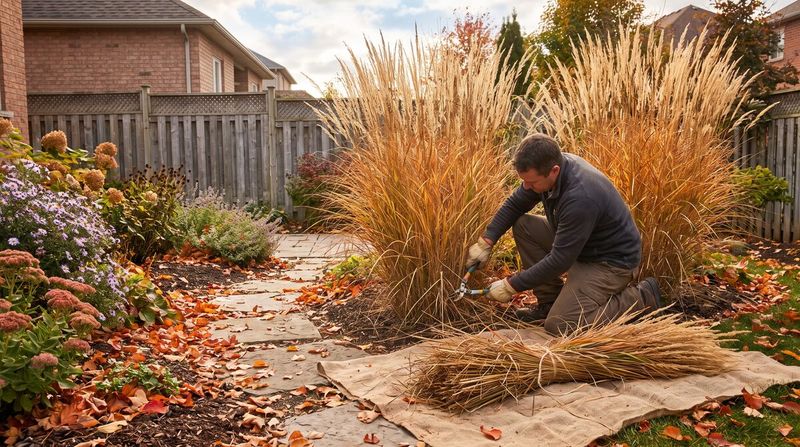
Skipping cleanup works best when you are picky about it. Leave healthy, spent coneflower heads standing into winter, and cut back the plants that cause trouble.
The goal is a few good seed sources, not a yard full of leftovers.
Iowa State University Extension advises removing plant material from perennials that had disease or insect-pest problems, and cleaning up plants that spread aggressively by seed. Healthy seed heads can be left selectively.
In practice, look at the leaves and stems before deciding. Spotted, blackened, or mildew-coated foliage is a sign to cut and bag that plant.
So is a stem with chewed, distorted, or pest-damaged growth.
Also think about plants that seed themselves everywhere. If a perennial pops up in every crack and bed, cut its heads before the seeds scatter.
Your coneflowers are not that kind of plant for most gardeners, but a neighbor in the border may be.
Here is a quick routine for a weekend in November. Pick several of your sturdiest, cleanest coneflower stems to leave in place, trim the rest of the border, and put diseased material in the trash rather than the compost.
This advice applies to healthy coneflower heads, not to every plant in the yard.
Choose coneflowers suited to your part of Texas
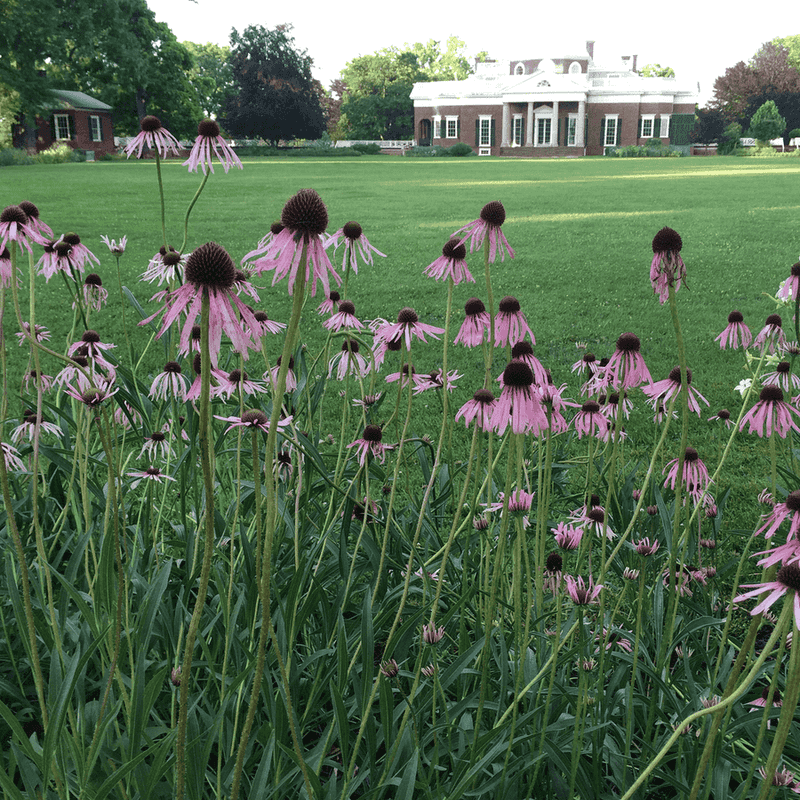
Coneflower is a group of plants, not a single species. If you want to add some for the birds, the species you pick matters, and so does where you live.
Not every Echinacea is native here, and none is right for the whole region.
The Native Plant Society of Texas says Echinacea angustifolia is native to the dry prairies of Central and West Texas. The popular purple coneflower, Echinacea purpurea, is native to only a small area of Northeast Texas, even though it is common at nurseries.
For the eastern side of the region, the TPWD pollinator guide lists pale purple coneflower, Echinacea pallida, for the East Central Texas Plains.
So the plant that thrives in a Hill Country yard on thin limestone soil may differ from one that suits a Bastrop or Brenham garden. Check where your property sits and what soil you have before you buy.
Ask the staff at a native plant nursery which species fit your county, and read the tag for the full botanical name. If it only says coneflower, look it up.
A little homework now saves a lot of replanting later.
Treat a window-side goldfinch visit as a possibility
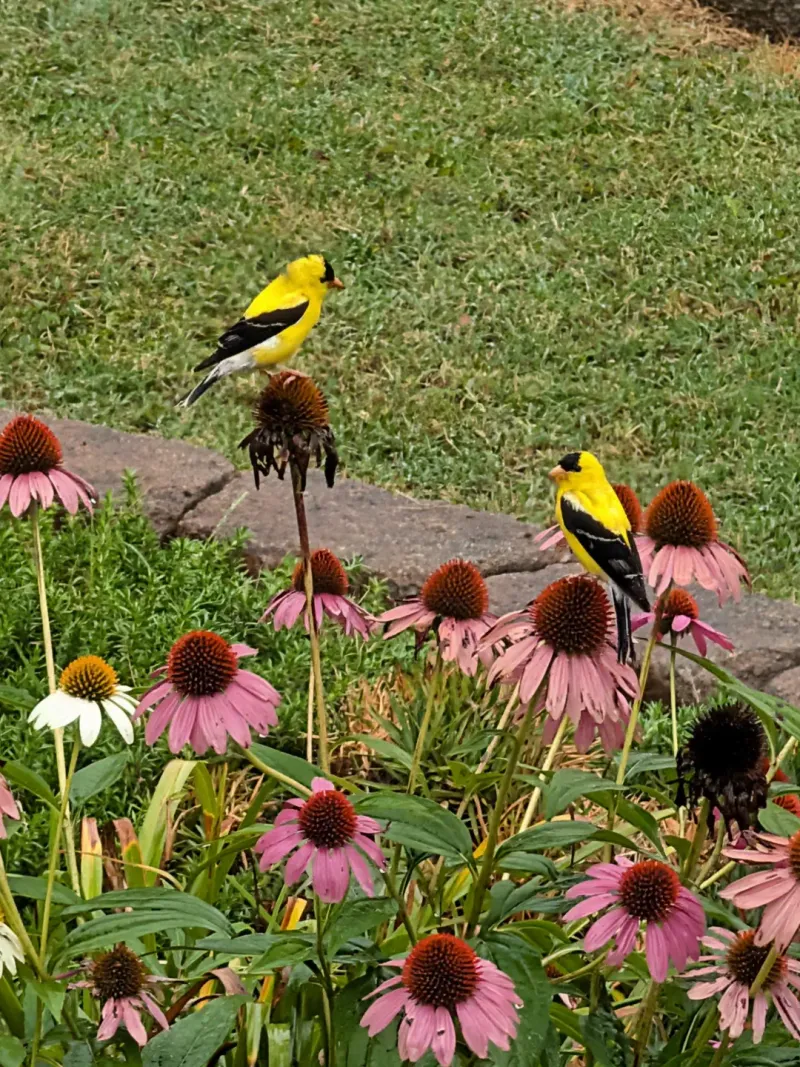
Leave some healthy heads, set up a comfortable seat, and watch. Audubon notes that birds eat coneflower seeds, and TPWD reports winter American Goldfinches in the Austin area.
Neither fact promises a scheduled visit at your planting.
Some mornings the stems may stand empty, and that is normal. A goldfinch that does land will be a small, welcome bonus.