 Complete Gardening
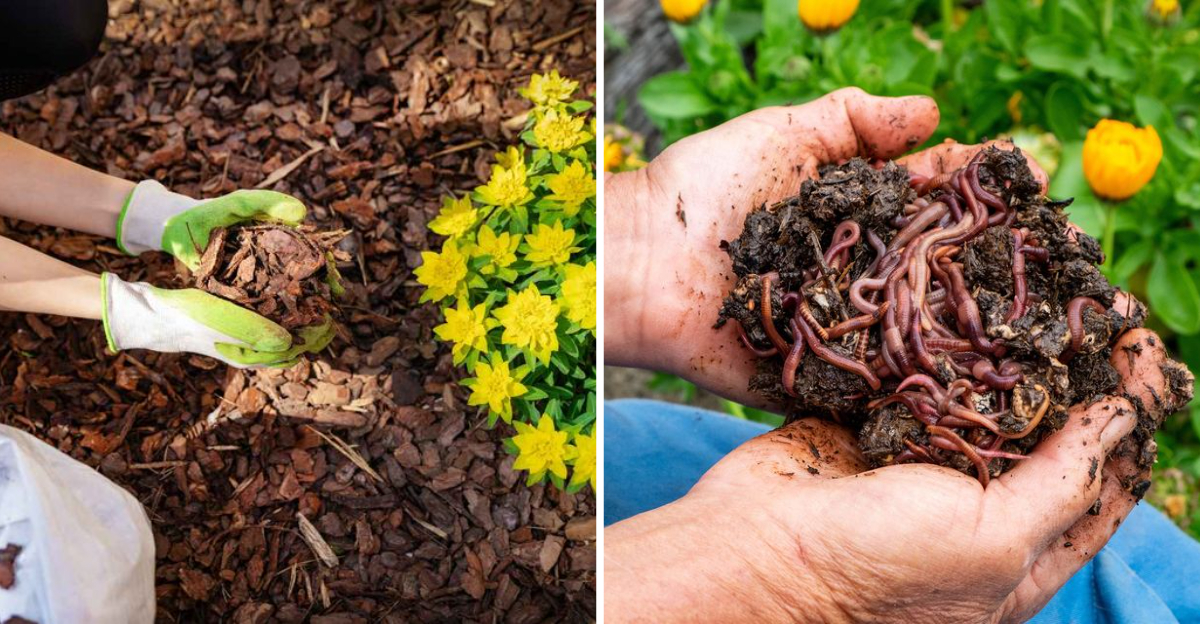
Living soil is a dynamic ecosystem teeming with microorganisms, organic matter, and minerals that support plant growth. It is more than just dirt; it’s a complex, self-sustaining environment that contributes to the health of plants, animals, and humans. Cultivating living soil involves nurturing its delicate balance to promote sustainability and productivity in gardening and agriculture.
Understanding the Soil Food Web
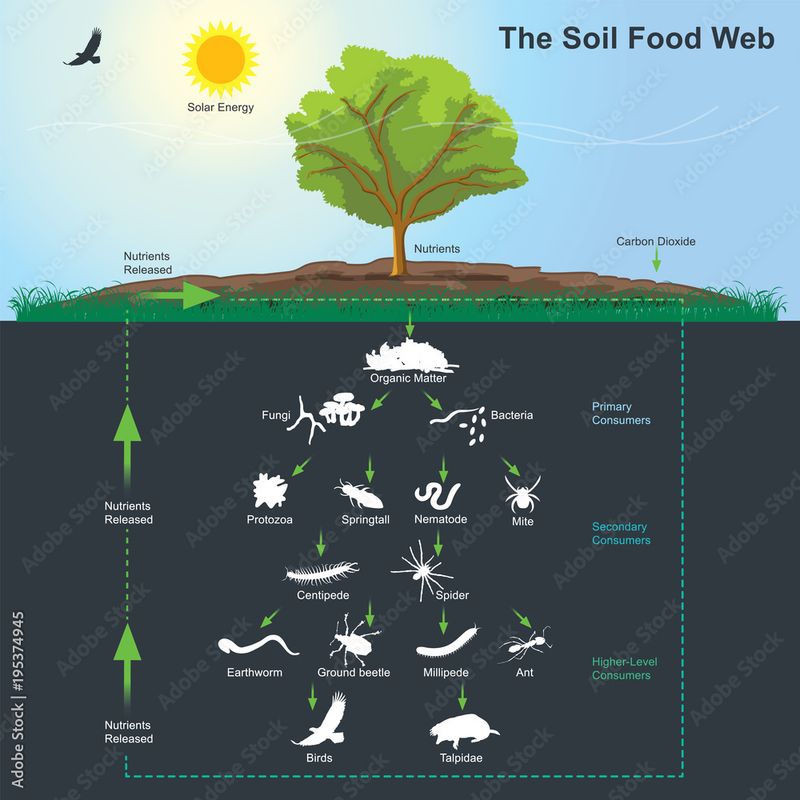
Imagine a bustling city beneath your feet. The soil food web is an intricate network of organisms, from bacteria to tiny mammals, all playing a role in soil health. Each layer influences the next, creating a balanced ecosystem.
Learning about this hidden world can transform your approach to gardening. It’s not just about feeding plants, but fostering connections among soil inhabitants.
Did you know? Earthworms aerate the soil, making it rich and fertile. Their presence indicates a thriving ecosystem, crucial for cultivating living soil.
Composting for Soil Vitality
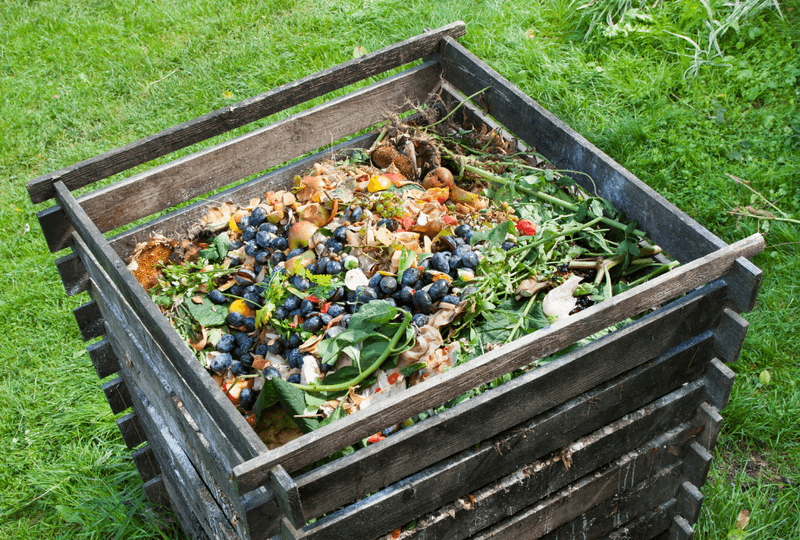
Picture a natural recycling bin in your backyard. Composting turns waste into nutrient-rich soil, invigorating your garden. Vegetable scraps, leaves, and paper can decompose into black gold.
Embrace this sustainable practice to enrich your soil. It reduces waste and provides essential nutrients for plants.
Fun fact: Composting not only boosts plant growth but also reduces greenhouse gases, contributing to environmental health. It’s a simple yet powerful step in cultivating living soil.
Mulching for Moisture Retention
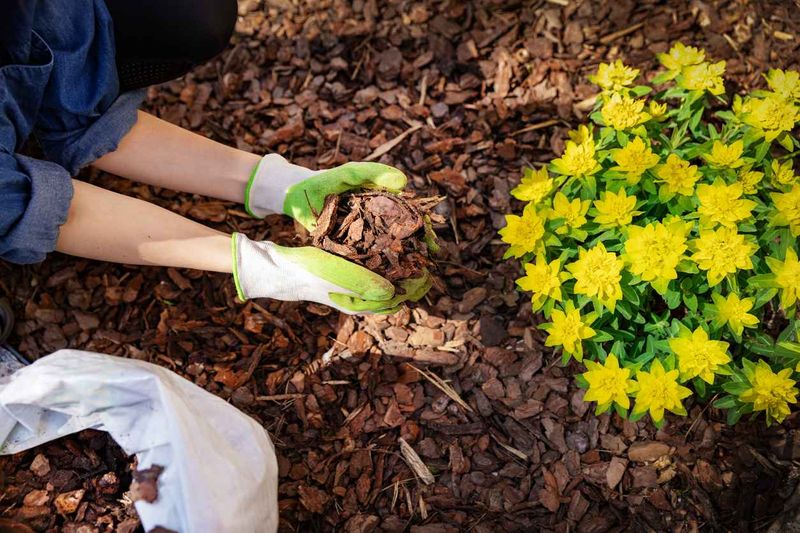
Think of mulch as a cozy blanket for your soil. Mulching conserves moisture, suppresses weeds, and enhances soil quality. Straw, wood chips, or leaves can serve as excellent mulch materials.
This method reduces water evaporation and protects plants from extreme temperatures. It’s an essential practice for maintaining living soil.
A quirky tip: Using cocoa bean hulls as mulch not only smells delightful but also enriches the soil with nitrogen.
Crop Rotation to Balance Nutrients
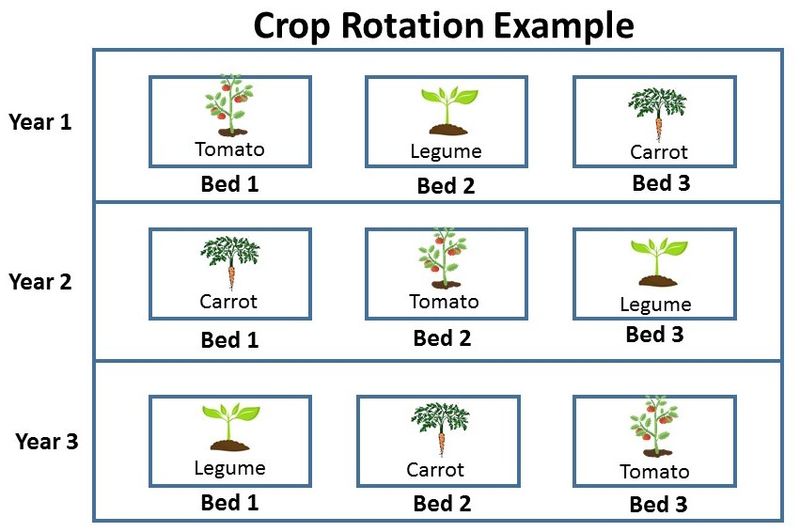
Crop rotation is like a dance of diversity. This practice alternates plant families in different growing seasons to balance soil nutrients and prevent pest buildup.
By changing crops, you disrupt pest cycles and enhance soil fertility naturally. It’s a traditional yet effective method in sustainable agriculture.
Did you know? Crop rotation helped ancient civilizations maximize their harvests and maintain soil health.
Cover Crops for Soil Health
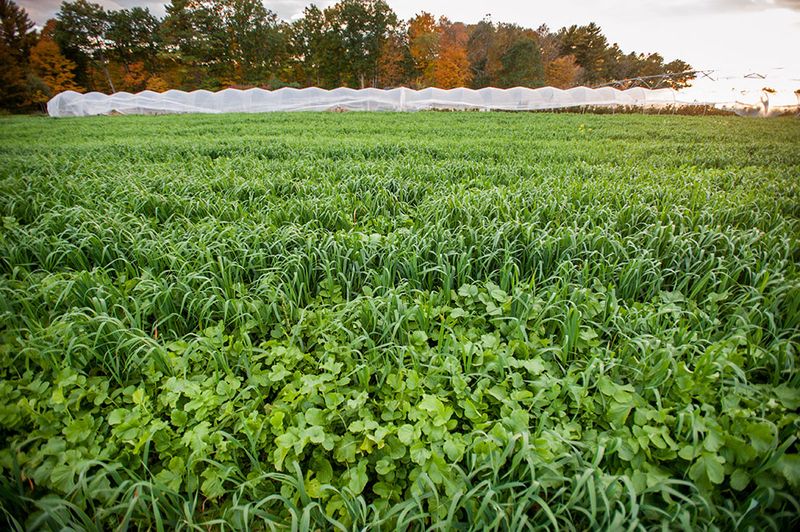
Cover crops are nature’s green blanket. They protect and enrich the soil when main crops aren’t growing. Think of them as soil superheroes, preventing erosion and fixing nitrogen.
Planting clover, rye, or vetch can improve soil structure and fertility. It’s a proactive step in cultivating living soil.
Fun fact: Cover crops can attract beneficial insects, enhancing biodiversity in your garden.
Integrating Mycorrhizal Fungi
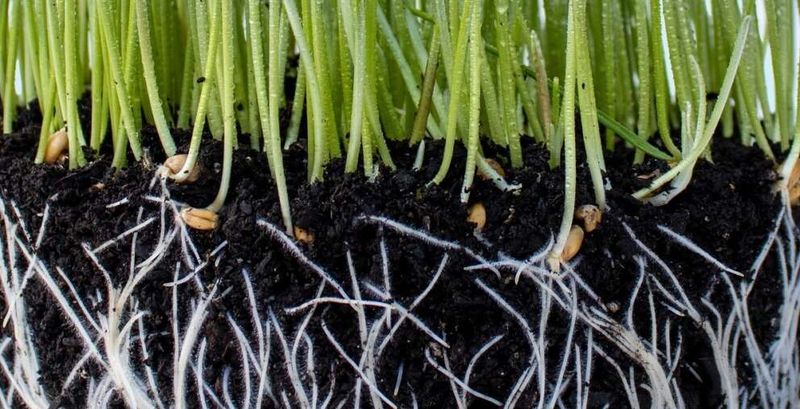
Mycorrhizal fungi work like a plant’s secret ally. These fungi form symbiotic relationships with roots, extending their reach and boosting nutrient absorption.
Integrating these fungi increases plant resilience and soil health. It’s a natural way to enhance your gardening efforts.
A fascinating fact: These fungi can communicate with plants, providing early warnings of pest invasions.
No-Till Farming for Soil Structure
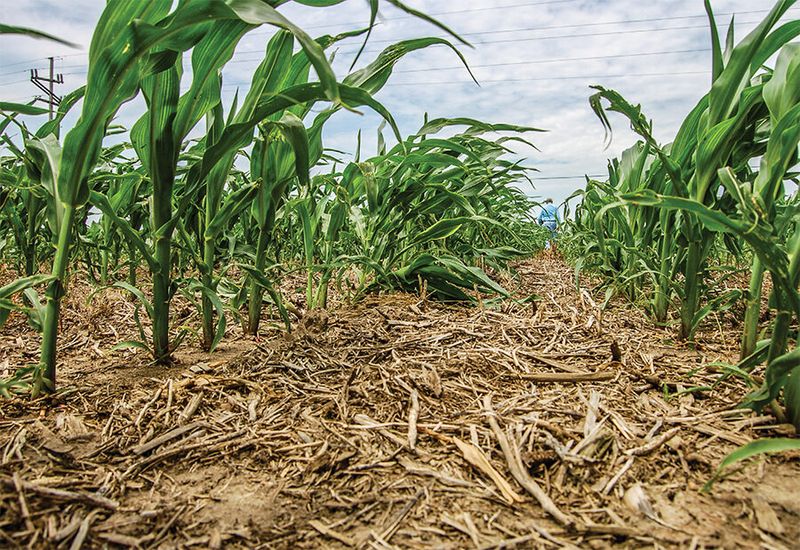
No-till farming? It’s a revolution in agriculture. This method preserves soil structure by eliminating traditional plowing, reducing erosion and compaction.
Leaving the soil undisturbed maintains its natural layers, promoting organic matter and microbial activity.
Interesting tidbit: No-till farming can increase carbon capture, playing a role in mitigating climate change.
Vermicomposting Magic
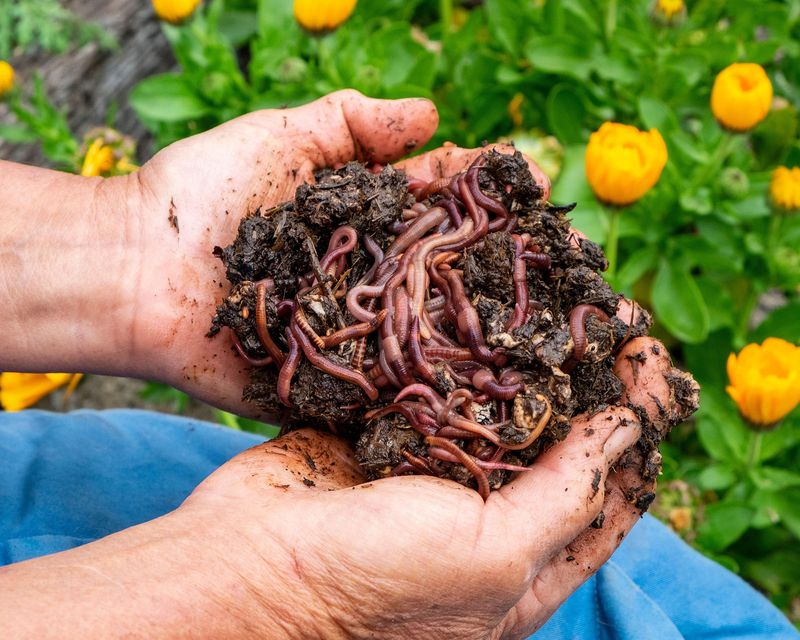
Earthworms are nature’s plow, aerating and enriching the soil with their castings. Vermicomposting offers a unique way to recycle kitchen scraps into nutrient-rich compost.
Imagine a vibrant ecosystem where worms turn waste into fertile soil. The gentle movement of these creatures ensures better water retention and soil structure.
Including worms in your gardening toolkit can revolutionize soil health, making it teeming with life and vitality. Did you know? Vermicomposting reduces kitchen waste by up to 30%, while producing valuable organic fertilizer.
Hügelkultur Beds
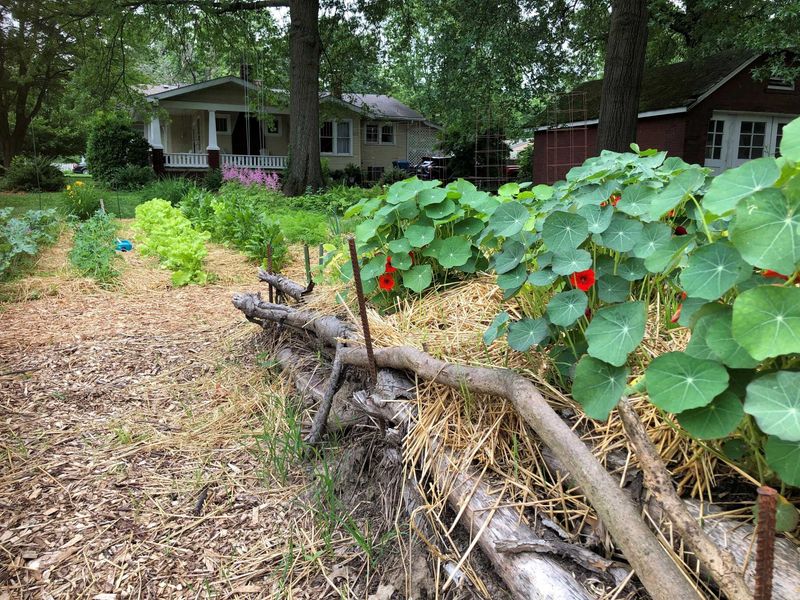
Hügelkultur, a traditional German technique, transforms logs and branches into fertile mounds. These beds retain moisture, making them ideal for dry regions.
By layering organic material, you create a self-sustaining ecosystem that feeds plants over time. The decomposition of wood keeps soil warm and nutrient-rich.
It’s an excellent method for gardeners looking to reduce watering and enhance soil health. Fun fact: Hügelkultur beds can be productive for up to 20 years without significant maintenance.
Bokashi Fermentation
Biodynamic Preparations
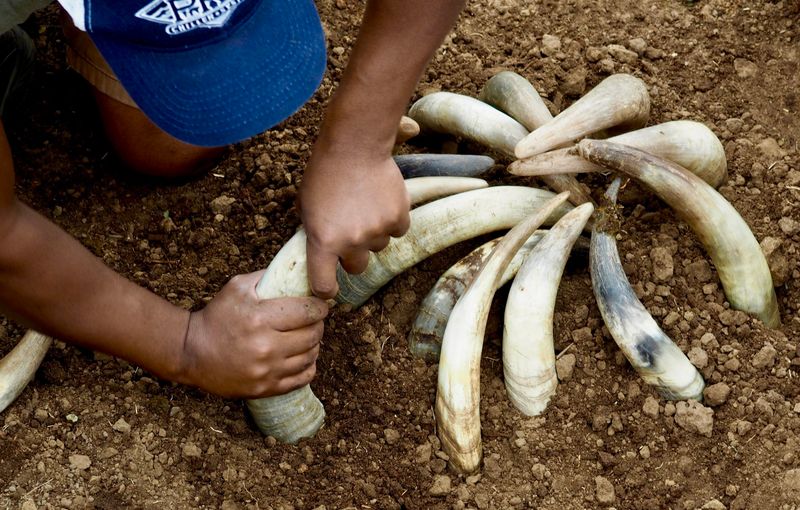
Biodynamic preparations are the soul of biodynamic farming, offering a holistic approach to soil health. These preparations include composts, herbal mixtures, and fermented treatments, each designed to enhance soil vitality.
Imagine a concoction of nettles, chamomile, and dandelion, applied with care. These preparations, often buried in cow horns, undergo transformative processes.
The resulting blend enriches the soil, creating a vibrant ecosystem. Farmers using these techniques report healthier crops and improved soil texture. Biodynamic farming treats the earth as a living organism, emphasizing balance and sustainability, a dance of nature and nurture.
Biochar Enrichment
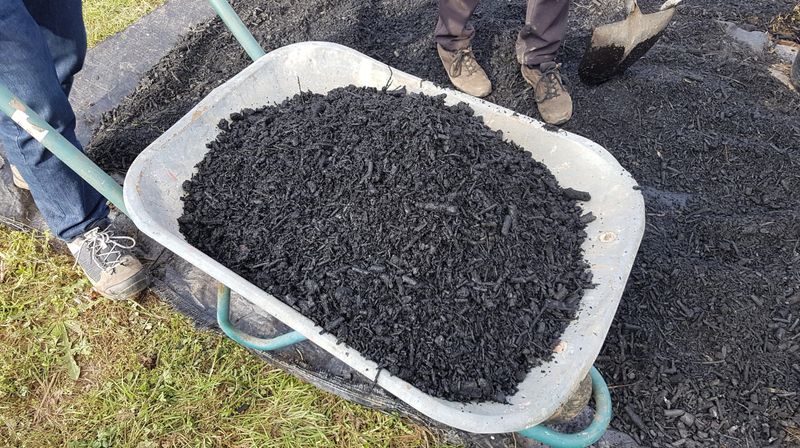
Biochar is a carbon-rich material that resembles charcoal, but its benefits are vast. Made by heating organic materials in a low-oxygen environment, biochar improves soil structure and fertility.
Its porous nature allows it to retain water and nutrients effectively, supporting plant growth.
Integrating biochar into soil enhances microbial activity and reduces greenhouse gas emissions. Ancient civilizations like the Amazonians used similar techniques, known as terra preta, to enrich their soils. Modern gardeners embrace biochar as a sustainable solution, breathing life into depleted earth and fostering robust plant development.
Green Manures
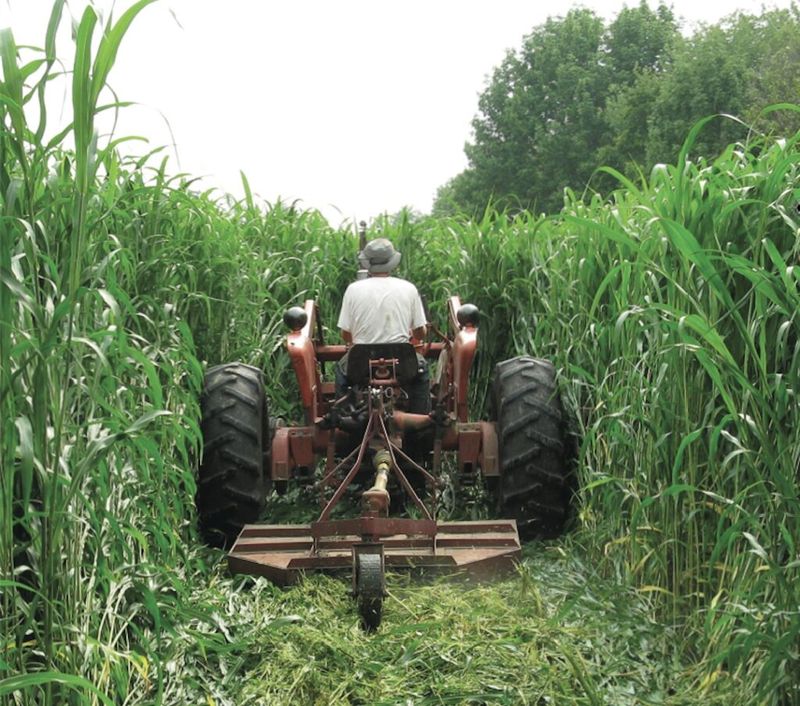
Green manures are cover crops grown specifically to be incorporated back into the soil, boosting its organic content. They include legumes, grasses, and brassicas, each adding unique benefits.
As these plants decompose, they provide essential nutrients, improving soil texture and fertility.
Not only do they prevent erosion, but they also suppress weeds, making them a gardener’s ally. The practice of using green manures dates back centuries, a testament to its effectiveness. Farmers around the world rely on these crops to revive tired soils, making them essential in the quest for living soil.
Dynamic Accumulator Plants
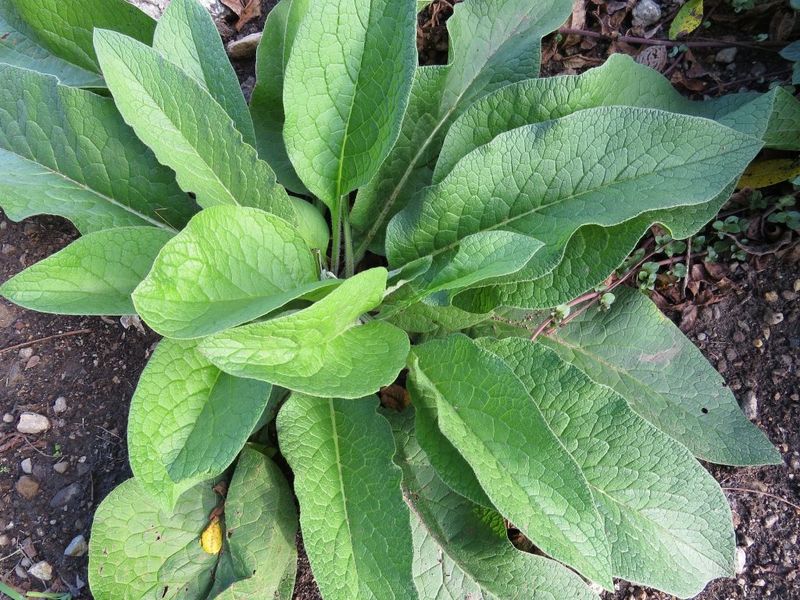
Dynamic accumulator plants like comfrey and borage are nature’s nutrient miners. They draw essential minerals from deep within the earth, bringing them to the surface.
These plants are often used in permaculture gardens for their ability to enrich the soil.
When these plants are chopped and dropped, they decompose, releasing nutrients beneficial for other plants. Their vibrant blooms also attract pollinators, enhancing garden biodiversity. Historically, these plants have been valued not only for soil improvement but also for their medicinal properties. Embracing dynamic accumulators supports a thriving, balanced ecosystem.
Aquaponics Integration
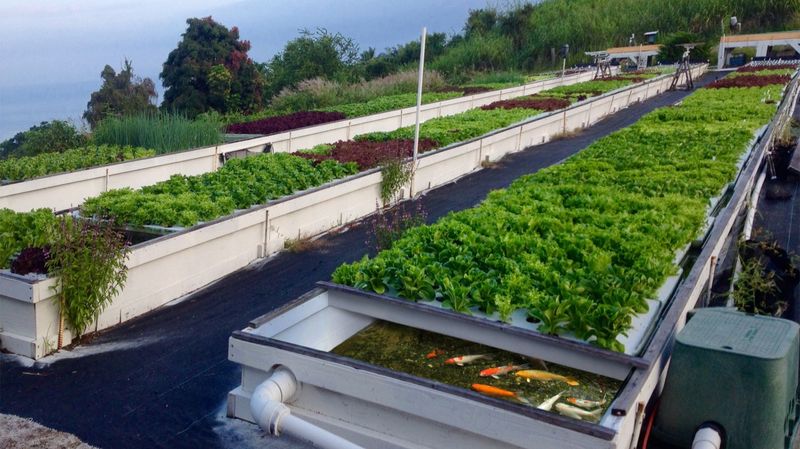
Aquaponics is an innovative blend of aquaculture and hydroponics, creating a closed-loop system for plant growth. Fish waste provides natural nutrients for plants, while plants filter and purify the water.
This symbiotic relationship results in sustainable food production, enhancing soil fertility in unique ways.
By integrating aquaponics, gardeners can reduce their reliance on chemical fertilizers, creating a more eco-friendly growing environment. This method not only maximizes space but also conserves water, aligning with the principles of living soil cultivation. Aquaponics offers a modern, efficient approach to sustainable agriculture.
Soil Solarization
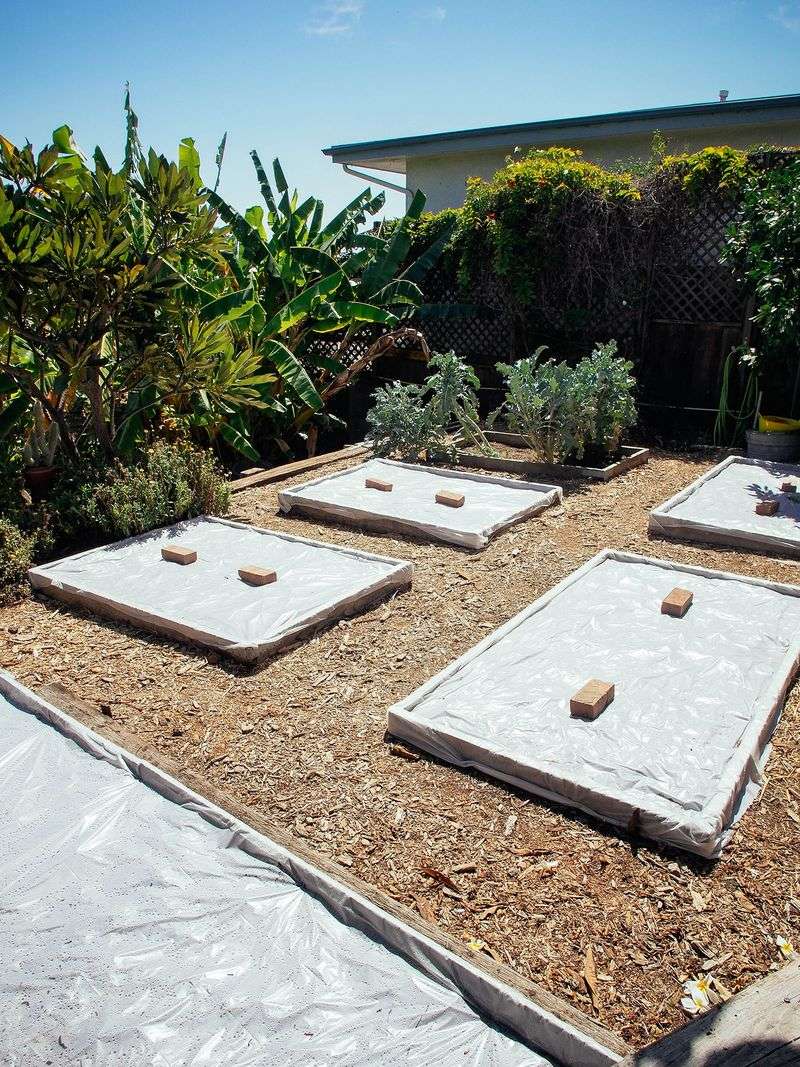
Soil solarization harnesses the sun’s power to cleanse soil, eradicating pests and pathogens. By covering the soil with clear plastic sheets, heat builds up, effectively sterilizing the upper layers.
This method not only reduces weed growth but also invigorates beneficial microorganisms.
Once the plastic is removed, the soil is primed for planting, free from harmful bacteria. Solarization is especially valuable in regions with hot summers, offering a natural alternative to chemical treatments. By using this technique, gardeners contribute to healthier, living soils, creating a resilient foundation for crop success.