 Complete Gardening
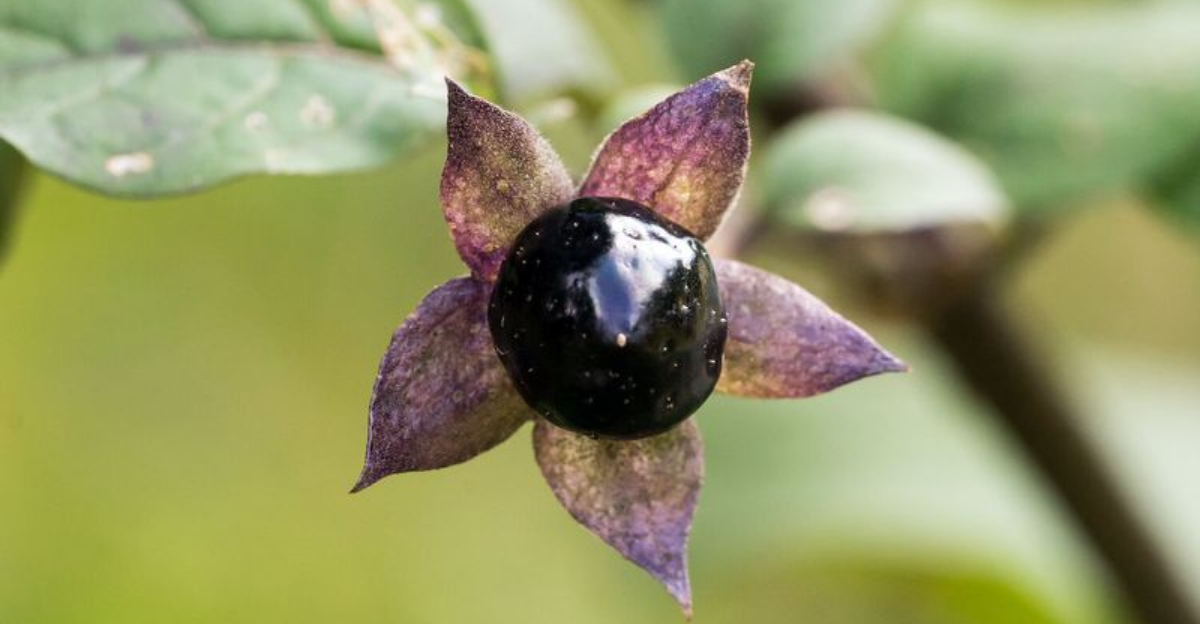
Nature’s beauty often hides a thorny side, especially with these 15 beautiful but dangerous plants. While they might catch your eye in a garden or forest, it’s best to admire them from a distance.
Their enchanting appearances can mask their ability to bite, burn, or sting, leaving unprepared admirers with a harsh reminder of nature’s power.
Let’s explore these intriguing yet hazardous plants, learning what makes each one unique and why it’s wise to keep them at arm’s length.
1. Giant Hogweed

The towering giant hogweed is as impressive as it is perilous. Its umbrella-like clusters of white flowers can reach over 14 feet tall, making it a striking addition to any landscape.
However, its sap contains toxic chemicals that can cause severe skin burns and even blindness if it comes into contact with the eyes. The effects are exacerbated by exposure to sunlight, leading to painful blisters that can last for weeks.
Admiring this giant from afar is the best policy, as even a slight brush against its leaves or stem can lead to a painful encounter. Always wear protective clothing if you must handle it.
2. Poison Ivy
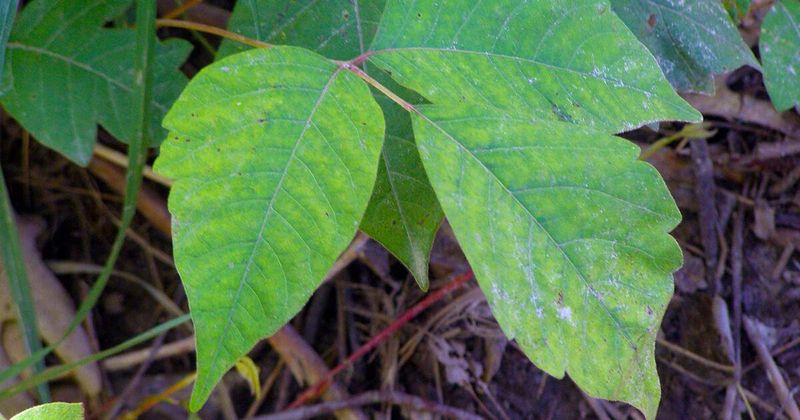
Poison ivy may blend seamlessly into its surroundings, but this plant is notorious for causing itchy, blistering rashes. Its three glossy leaves contain an oil called urushiol, responsible for the allergic reaction many people experience.
Even brief contact with the leaves, stems, or roots can trigger intense itching and discomfort. Interestingly, urushiol can linger on tools, clothing, and pet fur, causing indirect exposure.
Learning to identify poison ivy’s distinct leaf pattern is crucial for avoiding its effects, especially during outdoor adventures.
3. Stinging Nettle
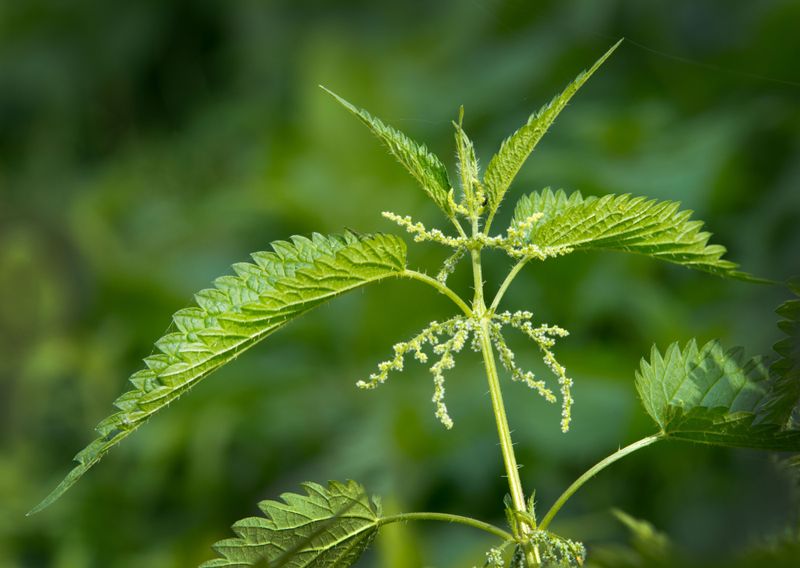
Stinging nettle may appear ordinary, but it’s far from harmless. Covered in tiny, hair-like structures, this plant delivers a painful sting upon contact. Each hair acts as a mini hypodermic needle, injecting histamines and other chemicals into the skin.
This can lead to an immediate burning sensation, followed by red, itchy welts that can last several hours. Despite its stinging reputation, stinging nettle has been used for centuries in herbal medicine, believed to have various health benefits.
If you come across this plant, it’s wise to admire it from a safe distance, avoiding its painful touch.
4. Poison Oak
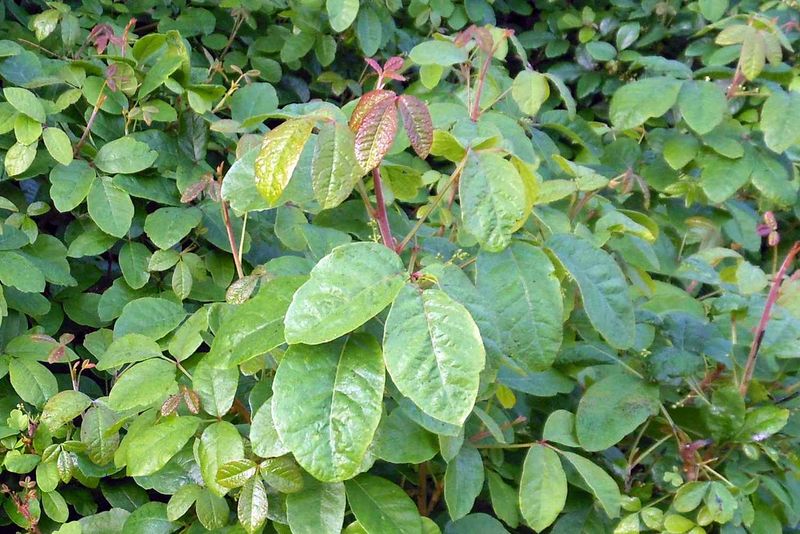
Much like its relative poison ivy, poison oak can cause unpleasant rashes upon contact. Characterized by its three-leaf clusters, the plant’s leaves can vary in color and texture throughout the seasons, sometimes appearing more like a shrub.
The urushiol oil responsible for irritation is present throughout the plant, including the stem and roots, making every part potentially hazardous.
Avoiding contact and learning to recognize poison oak’s diverse appearances can spare you from its itchy embrace when exploring wooded areas.
5. Giant Saguaro Cactus

The giant saguaro cactus is an iconic symbol of the desert, towering over its arid surroundings with a majestic presence. However, this desert giant is armed with sharp spines that can easily puncture skin and cause painful injuries.
These spines are not just a defense mechanism but also a way to collect moisture from the air. While its silhouette against a sunset may be captivating, touching this cactus can lead to discomfort.
Admiring its grandeur from a safe distance is the best way to appreciate this desert sentinel’s beauty and unique adaptations.
6. Oleander
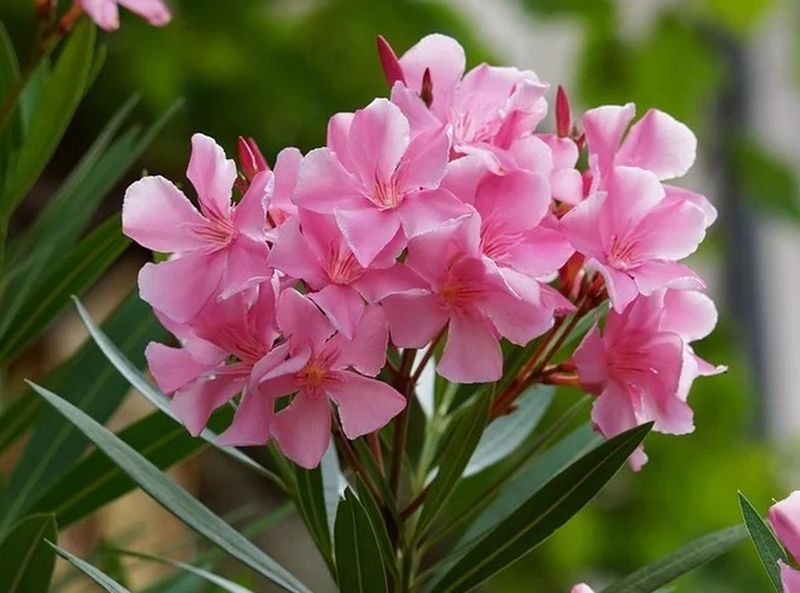
Oleander’s vibrant blooms and lush foliage make it a popular ornamental plant, yet it harbors a deadly secret. All parts of the oleander plant contain toxic compounds that can be lethal if ingested.
The plant’s toxins can cause cardiac issues, digestive distress, and even death in severe cases. Despite its beauty, it’s vital to keep children and pets away from oleander.
Gardeners should exercise caution when planting or pruning, wearing gloves and washing hands thoroughly afterward to avoid accidental ingestion or contact with broken skin.
7. Castor Bean Plant
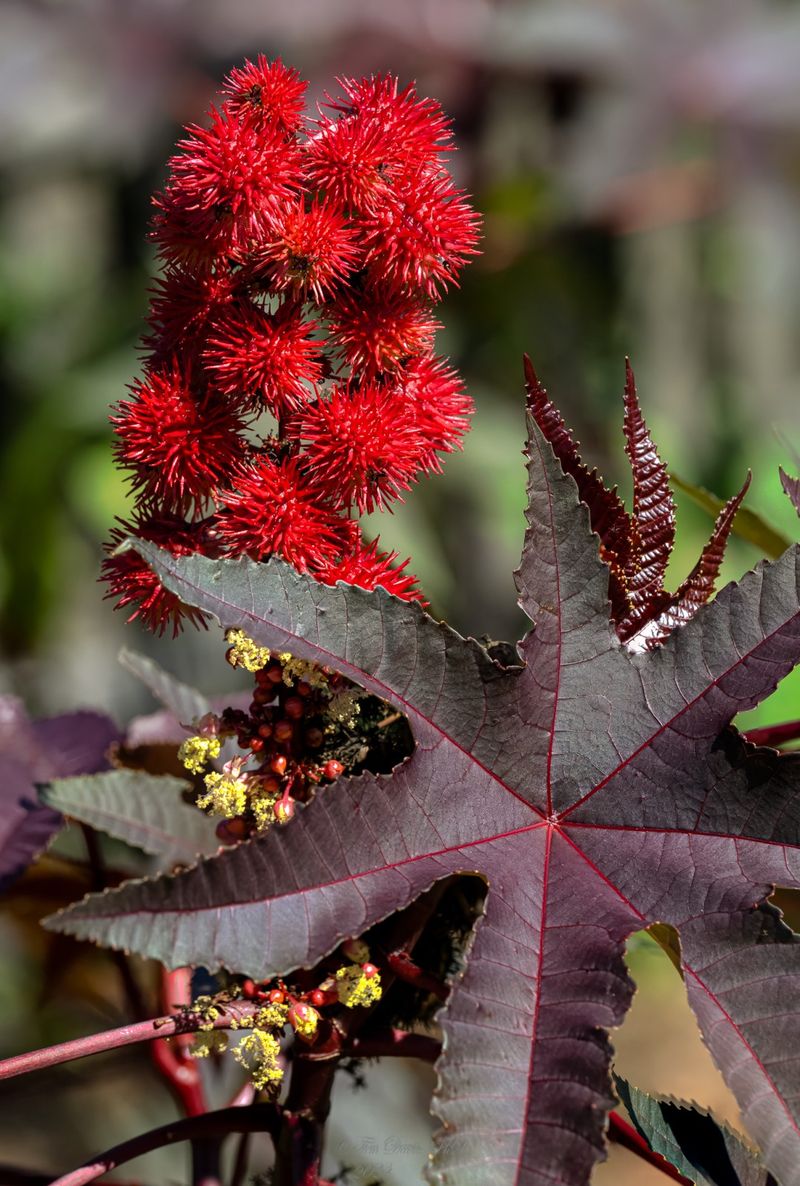
The castor bean plant’s dramatic foliage and vibrant seed pods add a tropical flair to gardens, but lurking within is a potent toxin called ricin. Even a small amount of ricin can be deadly if ingested, making this plant particularly hazardous.
The seeds, which may attract curious children or pets, are especially toxic. It’s wise to plant castor beans in areas inaccessible to kids and animals.
Always wear gloves when handling this plant, and wash hands thoroughly afterward to prevent accidental ingestion of its toxic seeds.
8. Foxglove
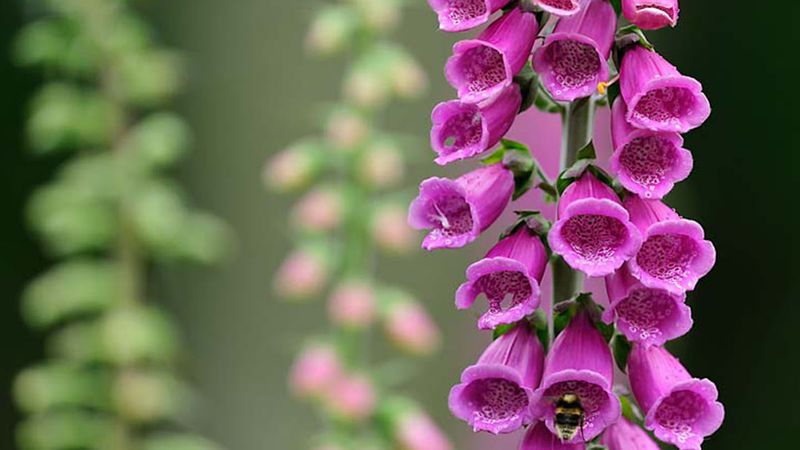
Foxglove stands tall with its striking spires of bell-shaped flowers, often found gracing cottage gardens. However, this beauty conceals a dangerous secret; its leaves, flowers, and seeds contain digitalis, a compound used in heart medications.
Ingesting any part of the plant can lead to serious heart problems, including arrhythmias and heart failure. While its blossoms add charm to any garden, it’s crucial to keep children and pets away.
Gardeners should handle foxglove with care, wearing gloves and avoiding ingestion of any plant parts.
9. Angel’s Trumpet
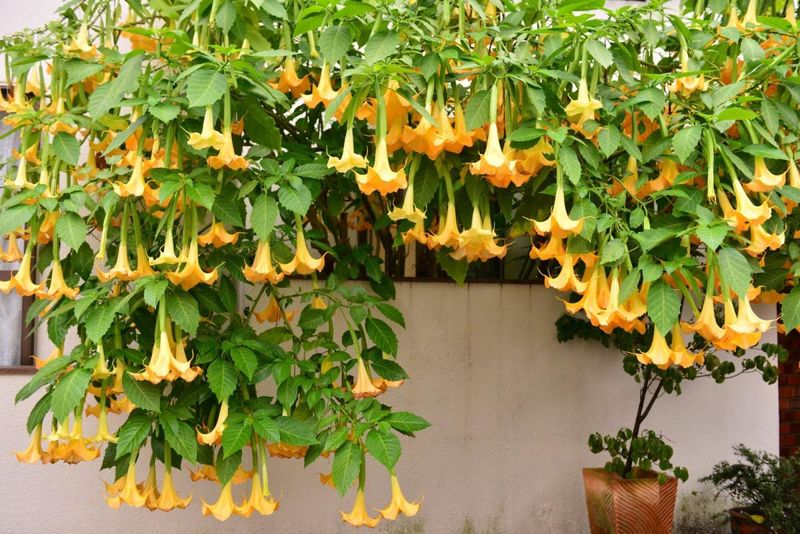
Angel’s trumpet enchants with its large, fragrant flowers that dangle like trumpets from its branches. Despite its allure, the plant contains alkaloids that can cause severe hallucinations, paralysis, and even death if ingested.
Every part of the plant is toxic, including the flowers, leaves, and seeds. It’s essential to admire angel’s trumpet from afar, especially in gardens where children and pets may roam.
If you choose to grow this plant, ensure it’s out of reach and exercise caution when handling it to avoid accidental ingestion.
10. Rhubarb Leaves
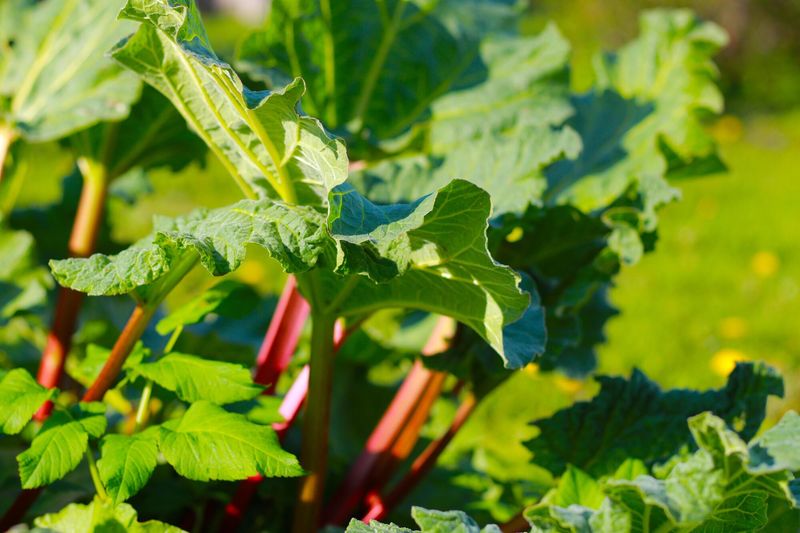
Rhubarb is a beloved ingredient for pies and desserts, but its leaves harbor toxic compounds that can cause serious harm. Consuming rhubarb leaves can lead to symptoms like difficulty breathing, seizures, and kidney failure.
While the stalks are safe and delicious when cooked, the leaves should be discarded immediately after harvesting.
Gardeners and cooks should be diligent in removing the leaves, ensuring that only the safe red stalks make it to the kitchen table.
11. Monkshood
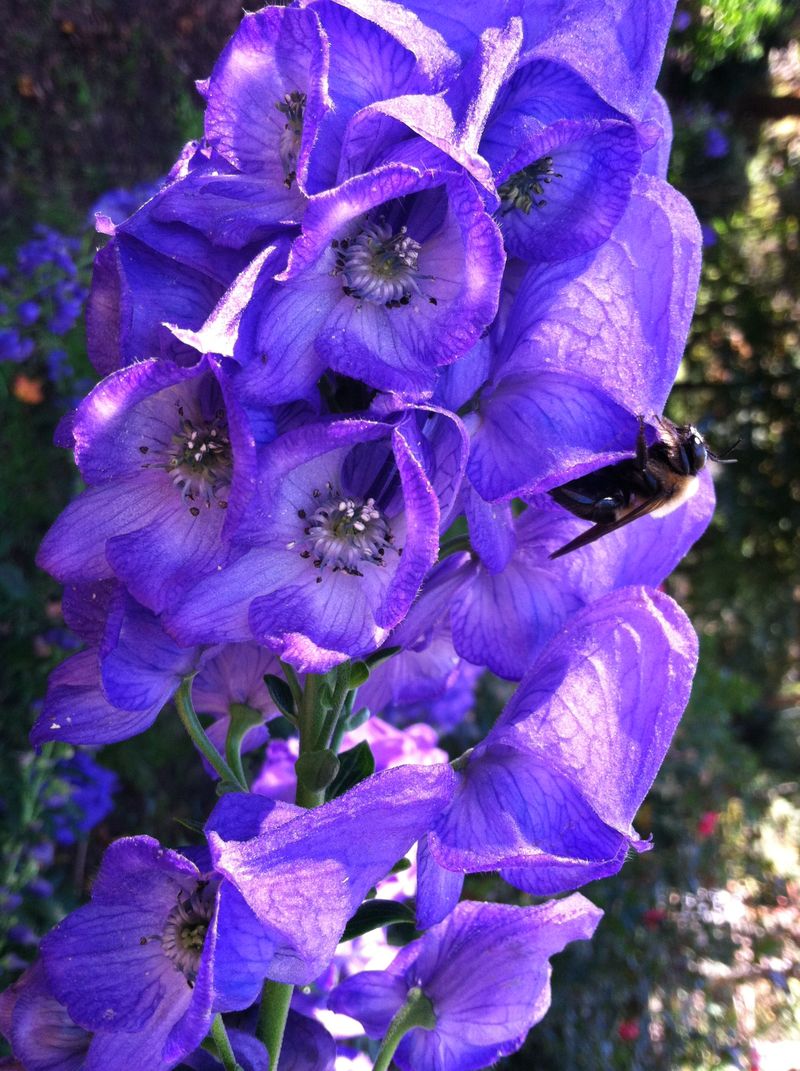
Monkshood, also known as wolfsbane, is as beautiful as it is deadly. Its striking, hooded flowers in shades of blue or purple can be found in alpine meadows.
The plant contains aconitine, a potent toxin that can cause numbness, vomiting, and even heart failure if ingested. All parts of monkshood are poisonous, and handling it requires great care.
Always wear gloves when working with monkshood and ensure that curious children and pets stay clear of its enchanting, yet deadly allure.
12. Jimsonweed
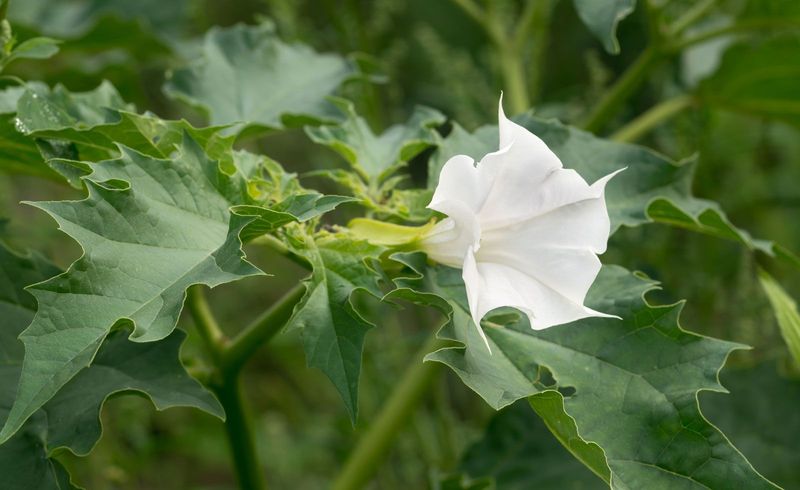
Jimsonweed captivates with its trumpet-shaped blooms and spiky seed pods, but this plant is notoriously toxic. Ingesting any part can lead to delirium, hallucinations, and even coma.
The seeds and leaves contain tropane alkaloids, making them particularly hazardous. As its allure might tempt the unwary, it’s best to appreciate it from a safe distance.
Anyone handling jimsonweed should wear gloves to prevent skin contact and wash thoroughly afterward to avoid accidental ingestion.
13. Deadly Nightshade
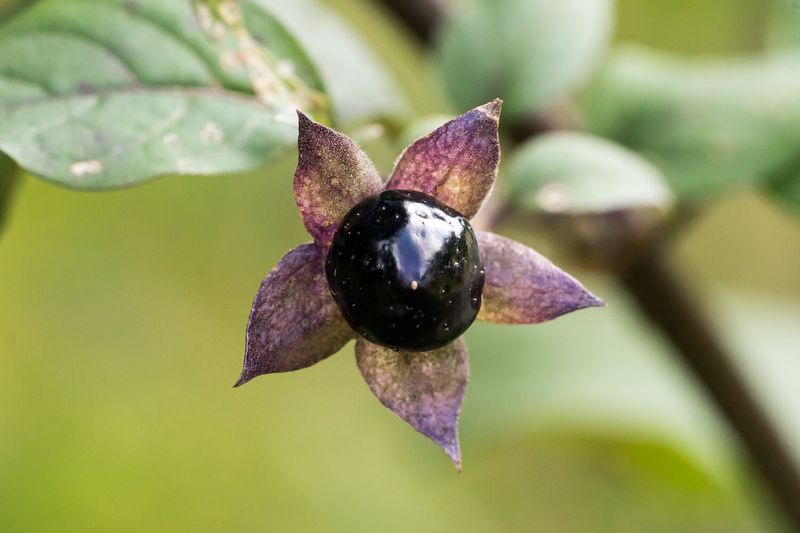
Deadly nightshade, also known as belladonna, is a plant steeped in lore and danger. Its dark berries and purple flowers are alluring, yet highly toxic.
Even small amounts can cause hallucinations, delirium, and death. Historically, it was used in assassinations and witchcraft due to its potent effects.
Understanding the appearance of deadly nightshade and avoiding its enticing but lethal berries is crucial for safety, especially in wild or untamed areas.
14. Tread-softly
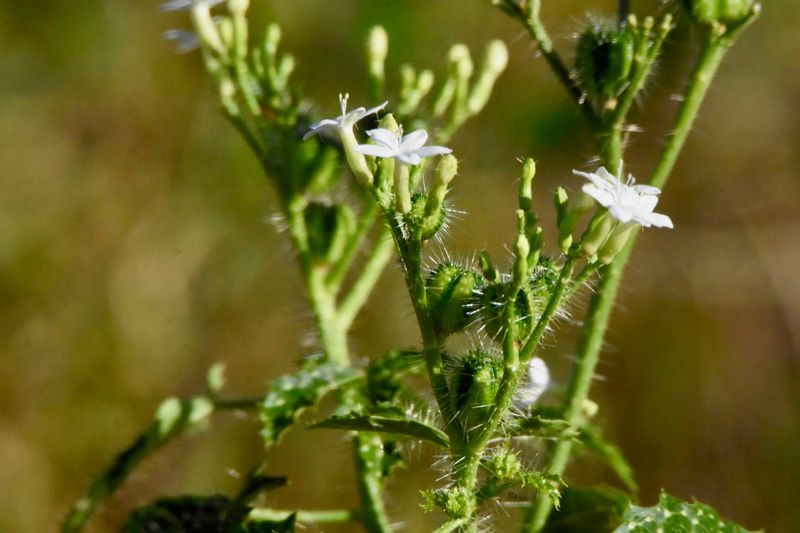
Tread-softly, also known as finger-rot, is a plant that demands caution. Its white flowers may seem innocent, but touching it can lead to painful skin irritation.
The plant is covered in tiny hairs that break off and embed in the skin, causing intense itching and burning sensations. Known to thrive in sandy soils, it serves as a reminder that not all beauty is without its barbs.
Those venturing near tread-softly should wear protective clothing and be mindful of its deceptive charm.
15. Manchineel Tree
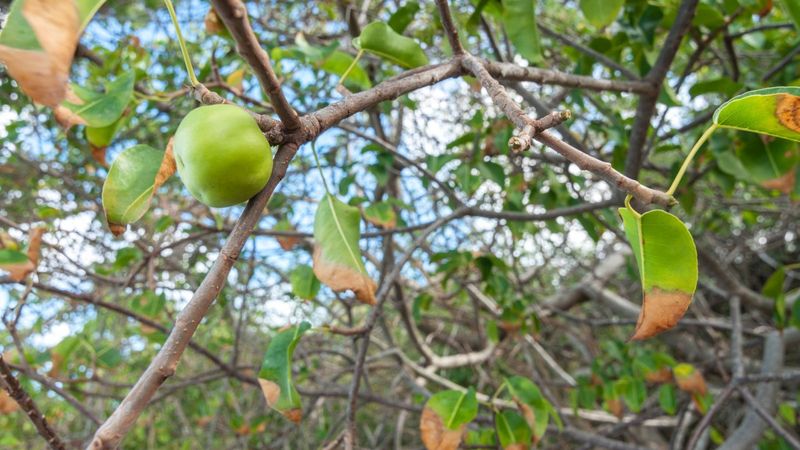
The manchineel tree, often found on tropical beaches, is renowned as one of the world’s most dangerous trees. Its fruit, deceptively resembling small apples, is extremely toxic and can cause severe gastrointestinal distress if ingested.
Additionally, its sap can cause skin blistering and eye irritation. Even standing under the tree during rain is hazardous, as water dripping from its leaves can carry toxins.
Appreciating the manchineel tree from a distance is not just wise but essential, especially in coastal regions where it might be encountered.