
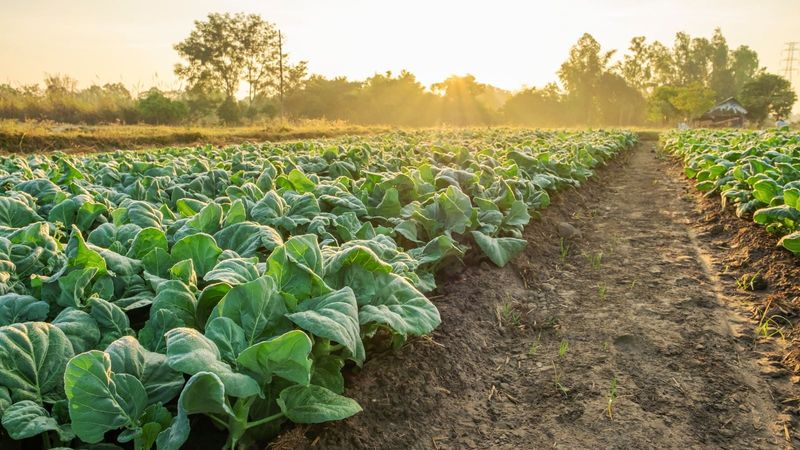
Collards are a fall and winter favorite across the South, and a few good picking habits can keep them coming back to your table. You may have heard that harvesting from the top ruins the leaves.
That story does not hold up, but there is a better way to pick that helps the plant keep growing. Here is how to harvest collards so you get tender greens again and again.
Why start with the lower or outer leaves
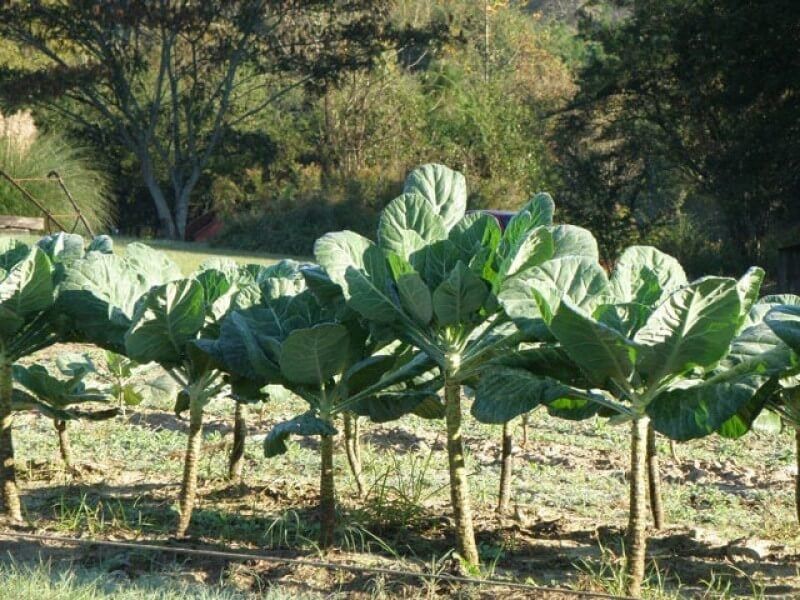
Walk up to a healthy collard plant and look at its shape. The oldest leaves sit low and around the outside, while the youngest leaves cluster in the center.
Taking the mature lower or outer leaves first leaves that center and the younger leaves in place, so the plant can keep making new growth.
That is why Clemson Extension and Texas A&M AgriLife both describe picking lower or outer leaves for a continuing harvest. NC State Extension adds that new leaves keep growing as long as the central growing point stays intact.
Notice what this does not prove. Picking low is a good pattern for repeat harvests, but it does not show that leaves taken higher on the plant turn tough or bitter.
It is a cut-and-come-again method, and other approaches, like cutting small plants near the ground, work for different goals.
Does picking from the top make collards tough or bitter?
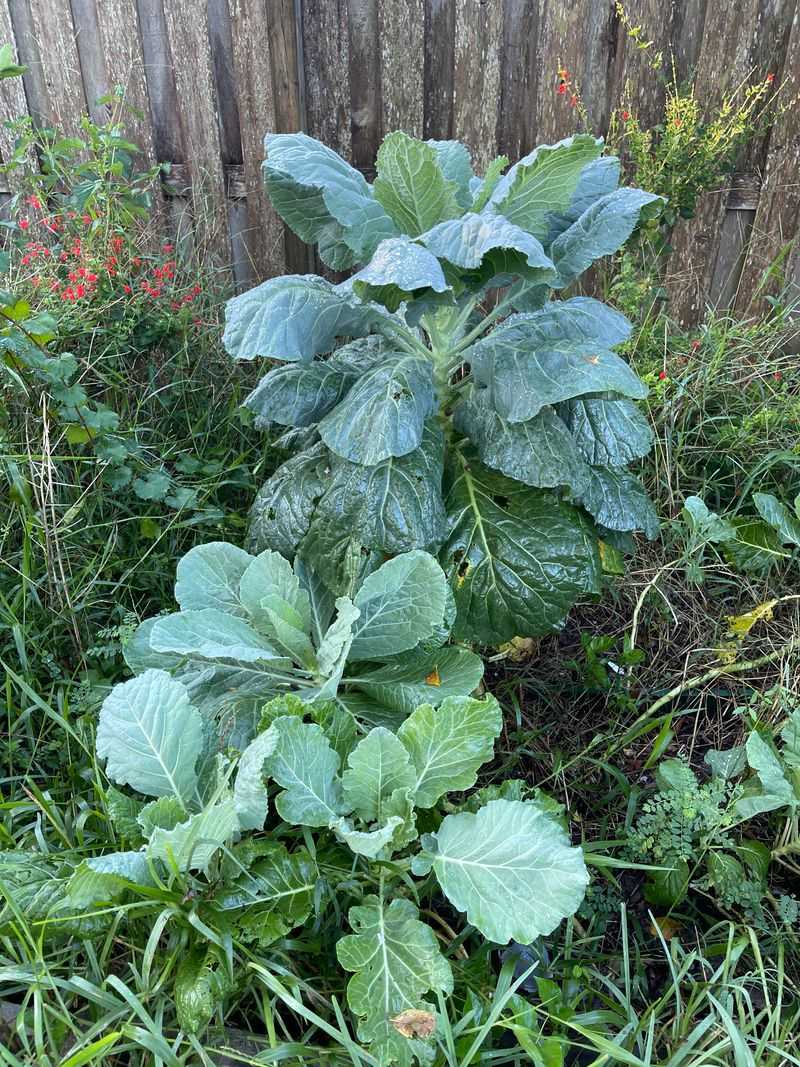
Short answer: no. The guidance reviewed for this article does not show that picking leaves from the top makes collards tough or bitter. Other things matter far more for how your greens taste and chew.
Leaf age is a big one. UF/IFAS notes that leaves left too long can become tough and woody, no matter where they sit on the plant.
Bitterness is more tied to growing conditions. Warm weather or bolting, when the plant starts heading toward flowering, can make cool-season greens like collards taste harsher, as Purdue Extension guidance on leafy greens points toward.
Cool weather and a light frost can sweeten the flavor, according to Texas A&M AgriLife. Frost is not required, though.
Collards grown without it are still perfectly good to eat.
Pick individual leaves and protect the growing point
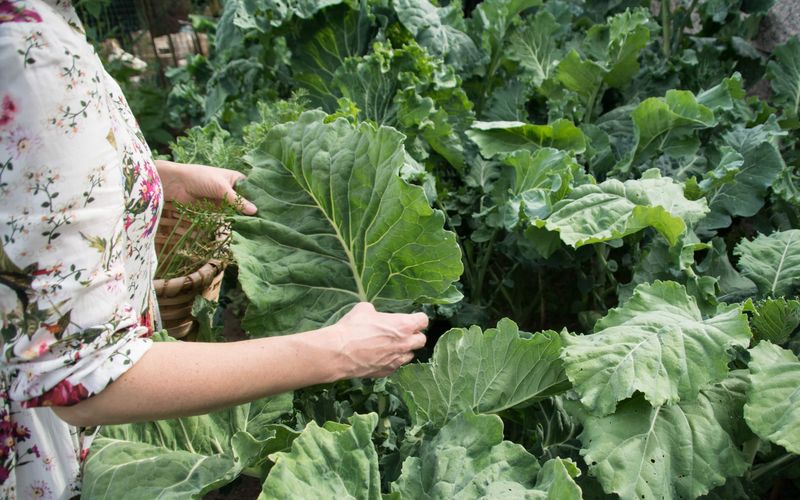
Here is the routine. Choose a mature leaf from low on the stalk or the outer part of the plant, and snap or cut it off near the stem.
Next time, work a little higher and a little farther in, always taking whole leaves one at a time.
Taking some upper leaves is not the same as damaging the plant’s heart. The part to protect is the central growing point at the very top of the stalk.
NC State Extension explains that new leaves keep coming as long as that point remains.
Go easy on how much you remove. Alabama Extension and the UF/IFAS Florida Fresh guide suggest taking no more than about one-third of the plant at a time.
Treat that as a handy guideline, since each plant may respond a little differently.
Harvest for tenderness, not maximum size
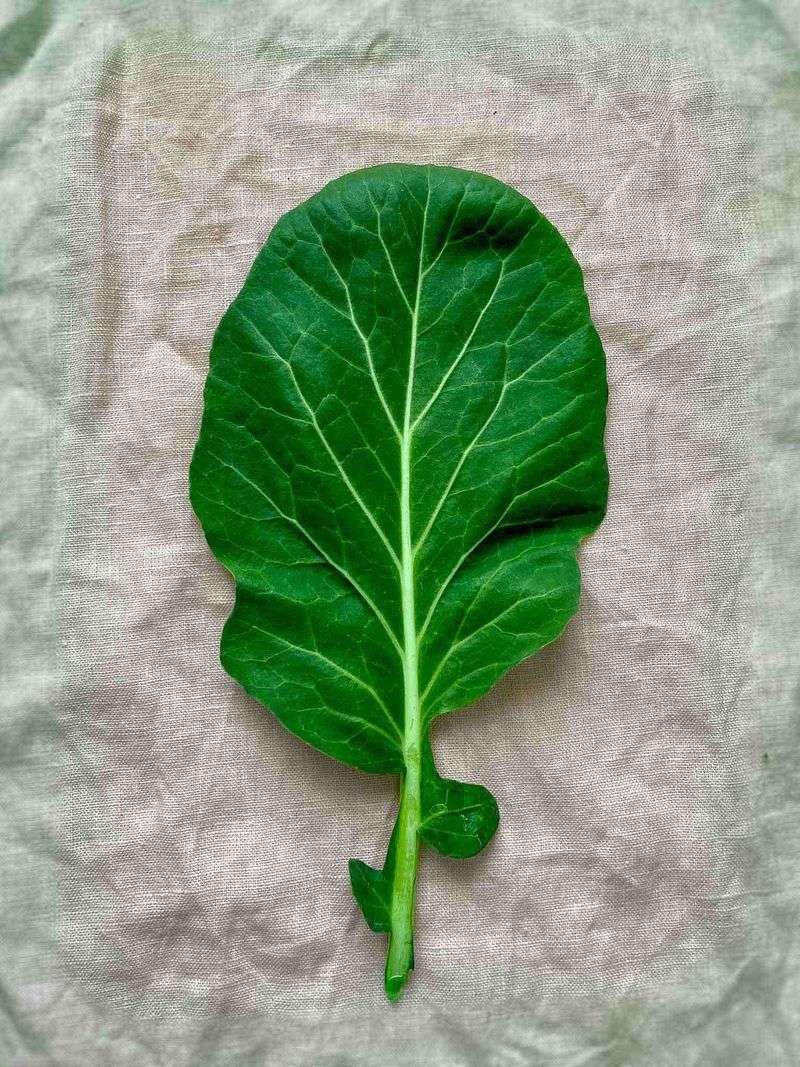
Bigger is not always better with collards. A giant leaf may look impressive, but it is often the one that has gone leathery.
Picking while leaves are still tender gives you better eating.
Measuring helps if you are unsure. UF/IFAS suggests harvesting leaves about 10 to 12 inches long before they turn tough and woody.
Alabama Extension gives a slightly smaller range of 8 to 10 inches.
Think of those numbers as practical guides, not hard cutoffs. Your variety and your own taste matter, so snap a leaf, bend it, and try it.
If the stem is stiff and the leaf feels thick, it has likely passed its best.
Staying ahead of the oldest leaves means mature ones get picked before they become overmature, which is the simplest way to avoid tough, woody greens.
Cool weather can help, but no harvest lasts on a promise
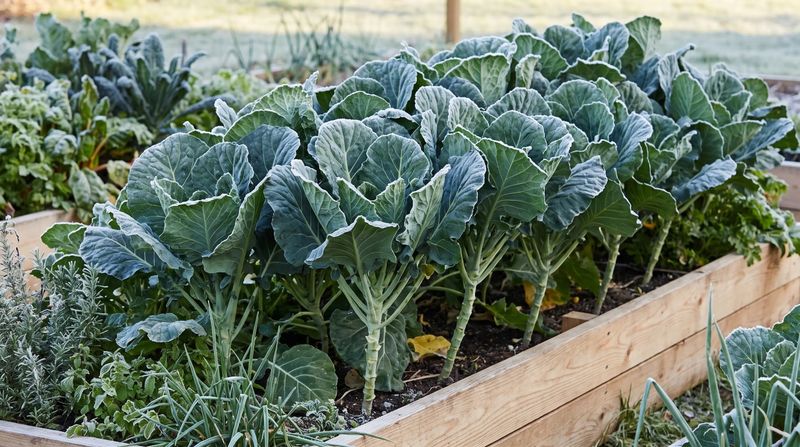
Fall and winter are collard season in the South, and cool days often bring sweeter flavor. UF/IFAS says cool weather and light frost can improve taste, and the same source recommends staggered plantings to spread out your supply.
Still, nobody can promise months of picking from a single plant. Weather swings, planting time, and the plant’s overall condition all affect how long it keeps producing.
Repeat harvesting may extend the run, but it is not a guarantee.
Timing depends on where you live. Florida windows vary by region, running from September to April in North Florida, September to February in Central Florida, and September to January in South Florida.
Texas is split into regions too, with the AgriLife fall guide listing collard planting dates from August 1 in Region I to December 15 in Region V, so check your region on that map.
A second planting a few weeks after the first is an easy next step for steady greens.
A simple rule for repeat harvests
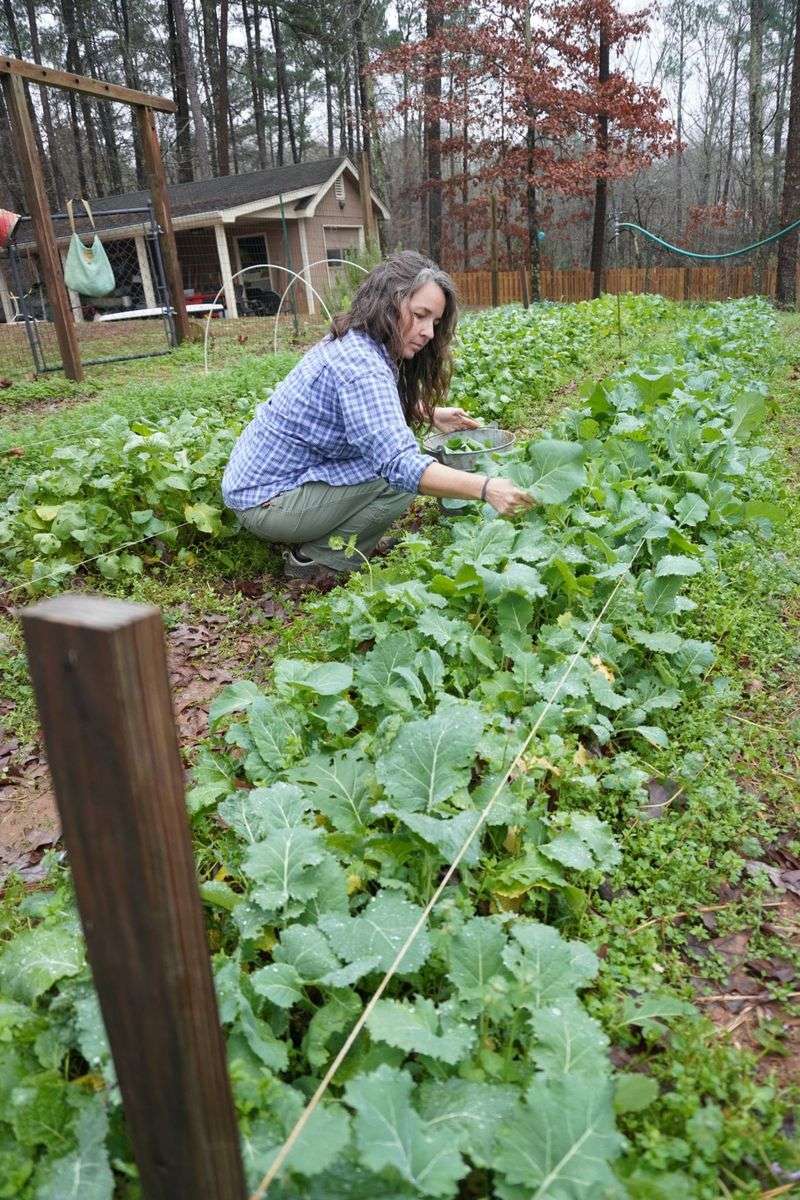
Pick mature lower or outer leaves, leave the center alone, and harvest before leaves get old. NC State and UF/IFAS back this approach for continued production, though it will not set a fixed harvest length or cure bitterness in hot weather.
Collards reward a gardener who picks a little, often, and pays attention to the center of the plant.