
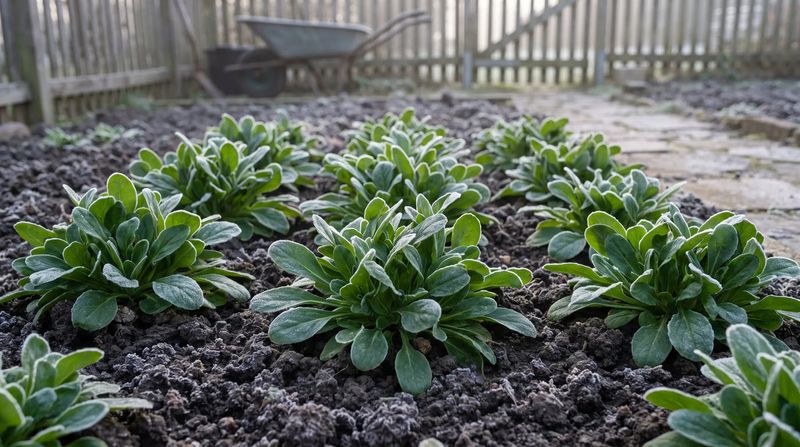
Mâche is a small, tender salad green that does not mind chilly weather. Few gardeners think to plant it next to their lettuce and kale, yet it may be a handy way to stretch the salad season into late fall.
How well it does depends on where you live in North Carolina, when you plant, and how cold the winter turns out. Here is how to sow it, protect it, and set fair expectations for what you will pick.
Mâche brings a mild salad green to the cool-season bed
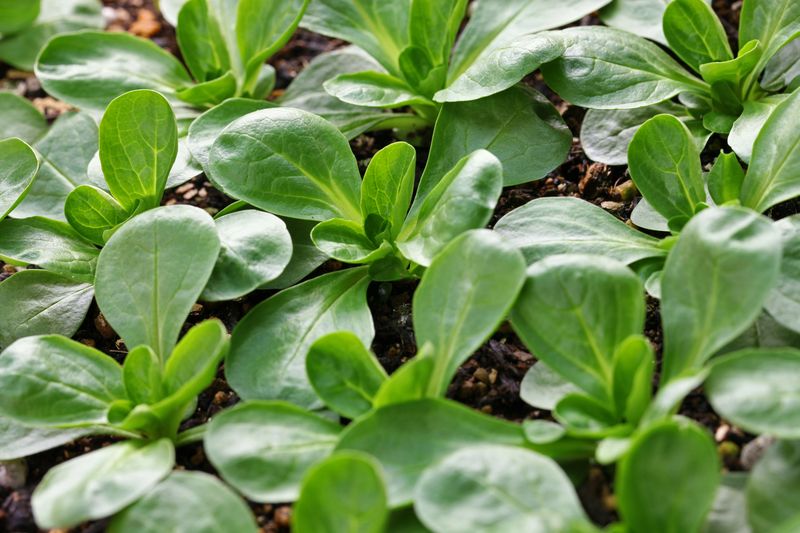
Mâche, with the botanical name Valerianella locusta, is a small leafy green that goes by several names. You may see it sold as lamb’s lettuce, corn salad, fetticus, or Nüssli salat.
Seed catalogs use all of them, so a quick check of the Latin name helps if you are shopping around.
According to Utah State University Extension, the edible leaves have a mild, nutty flavor and are commonly used in salads. The plants grow as low rosettes of rounded, spoon-shaped leaves.
Because the leaves are soft and gentle in taste, they pair well with sharper greens like arugula or mustard, and they hold up nicely under a light vinaigrette.
For a home gardener, the appeal is simple. Mâche is compact, so it fits into small beds, containers, and gaps between larger fall crops.
It also grows in cool weather, when many summer vegetables are finished and bed space opens up.
Think of it as a side project rather than a main crop. A short row or a single container can give you a handful of tender leaves for the salad bowl.
If you like trying uncommon greens, a few seeds cost very little, and the experiment can teach you a lot about how your own garden behaves in the colder months.
Mâche tolerates light frost, not every winter condition
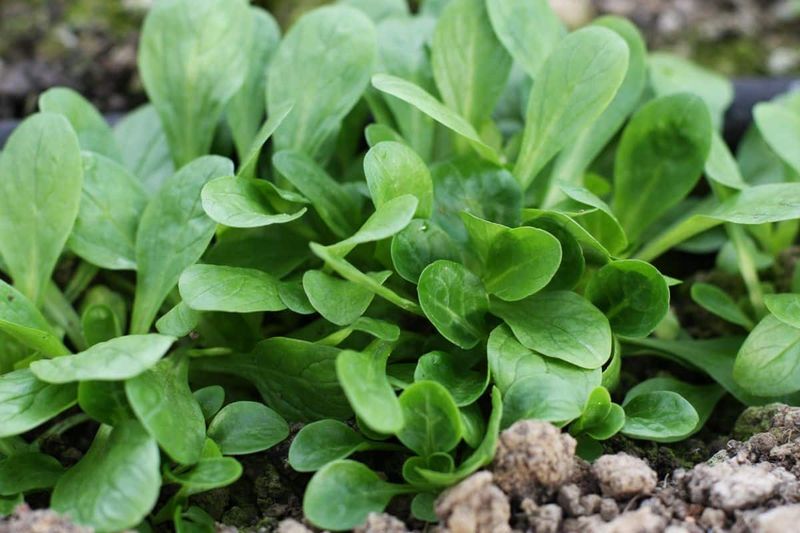
Frost tolerance is where mâche earns its reputation, but the limits matter. Utah State Extension reports that young plants are not seriously damaged at 32°F.
It also says established plants can overwinter and give an early-spring crop.
That 32°F figure describes a light frost on young plants. It does not tell us how mâche handles repeated hard freezes or long stretches of subfreezing weather.
A cold snap in the teens is a different test altogether, so do not count on the plants coming through unharmed.
For a picture of fall harvesting, look at UC Master Gardeners of Sonoma County. They describe planting in late summer for fall and early-winter harvest.
Sonoma County is in California, though, and its winters are milder than many North Carolina locations, especially the mountains.
Neither source is a North Carolina trial, and neither shows that you will pick tender leaves all winter here. A realistic goal is leaves in fall and possibly early winter, with some plants sitting tight through the coldest weeks and growing again in spring.
Your own results will depend on your region, the winter you get, and the protection you provide.
Choose sowing dates for your part of North Carolina
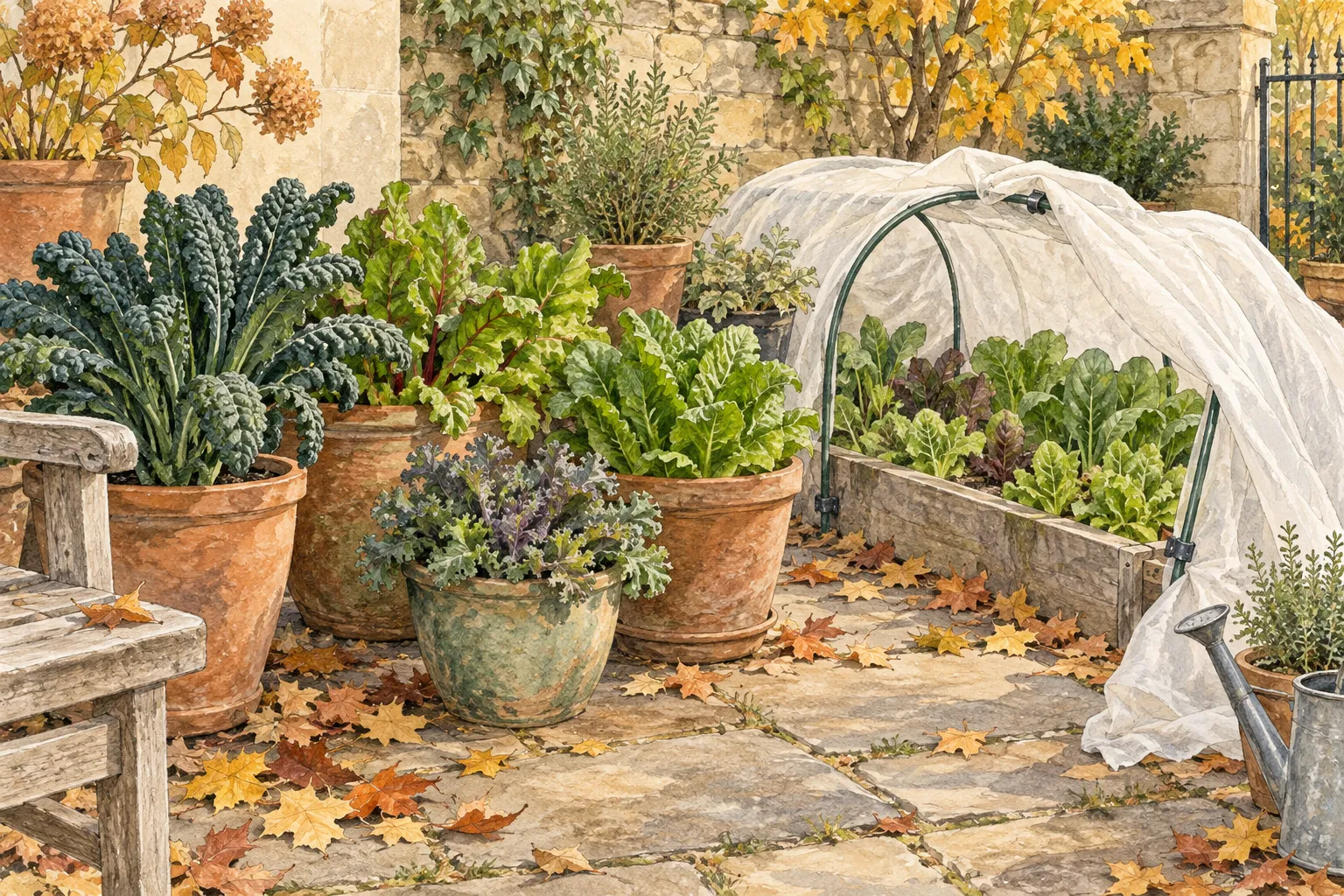
North Carolina stretches from mountain ridges to coastal flatlands, so one sowing date cannot fit everyone. NC State Extension’s vegetable gardening guidance says fall planting dates may be 10 to 20 days earlier in western North Carolina and 7 to 14 days later in the coastal plain than in the Piedmont.
Start with your own first expected frost. Look up the average date for your county, then work backward.
For eastern gardeners, the eastern North Carolina planting calendar is a useful reference for cool-season crops, although it is not a mâche-specific schedule.
Out-of-state advice can give you a sense of scale. Utah State recommends sowing by early September and suggests starting fall planting about 30 days before expected frost.
Those are Utah guidelines, not North Carolina deadlines, so use them as context only.
One caution applies to late starters. Sowing in November is not a dependable route to winter salad anywhere in the state.
The fall guidance points earlier, so seedlings can establish before the coldest weather arrives. If you miss the window, a late sowing may still be worth a small trial, but expect slower growth and a smaller harvest.
Sow in cool soil and keep the seedbed moist
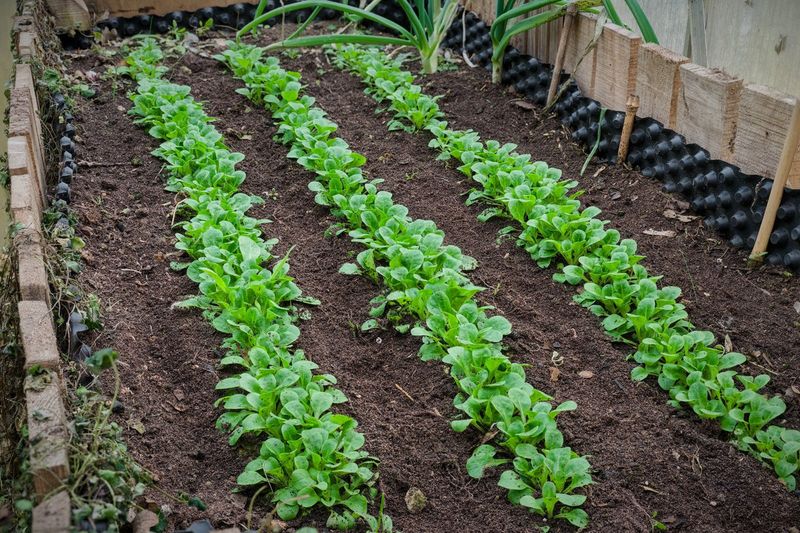
Mâche seed is small and fussy about warmth, so a cool, well-prepared bed gives it the best start. Utah State Extension recommends sowing about a quarter inch deep in fertile, well-drained soil.
It lists a direct-seeding soil-temperature range of 41 to 68°F.
Heat is the main trap. Seeds may go dormant when soil climbs above 70°F, which is common in early fall across much of North Carolina.
A cheap soil thermometer takes the guesswork out, and you can wait for a cooler stretch before sowing.
Once seeds are down, keep the soil consistently moist. A light layer of mulch or a board laid over the row until sprouts appear can slow drying, but check daily and remove it quickly.
Shade from taller crops can also help keep the bed cooler.
When seedlings are up, thin them to about 3 to 4 inches apart so the rosettes have room to fill out. Toss the thinnings into a salad.
All of these steps come from extension recommendations, not from a North Carolina mâche trial, so treat them as a solid starting point and adjust based on what your bed does.
Harvest rosettes or clip individual leaves
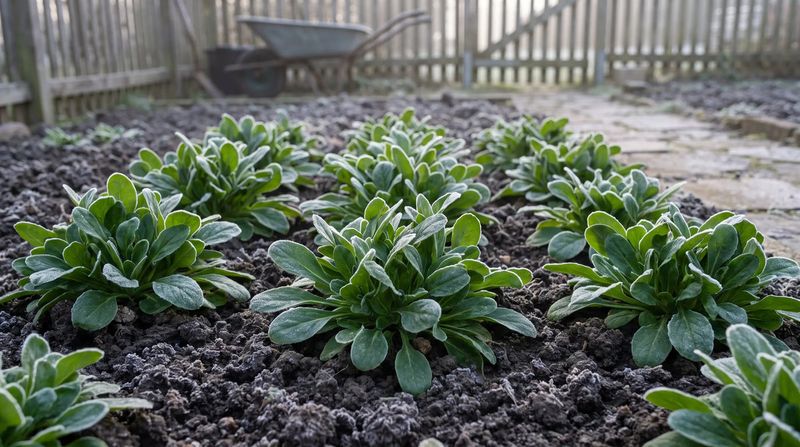
You have two simple ways to pick mâche. UC Master Gardeners advise cutting filled-out rosettes near the ground or clipping individual leaves.
Cutting a whole rosette gives you a neat little bundle, while leaf clipping lets plants stay in the bed longer.
Timing is flexible. Utah State Extension says harvest may begin two to three weeks after emergence or transplanting.
Treat that as a possible starting point, not a promise of full-size plants or a fixed calendar. Cool weather slows growth, so plants may need longer than that in the colder months.
A good habit is to look at the plant rather than the date. If the rosettes look filled out and the leaves are big enough to be worth tasting, try a few.
If they still look thin, give them more time.
Keep expectations modest. Picking leaves does not guarantee the plants will keep producing through winter.
Cold can slow or stop growth, so harvest what is ready when it is ready, and leave some plants in place if you hope to see spring regrowth.
Use row covers as a buffer, not a guarantee
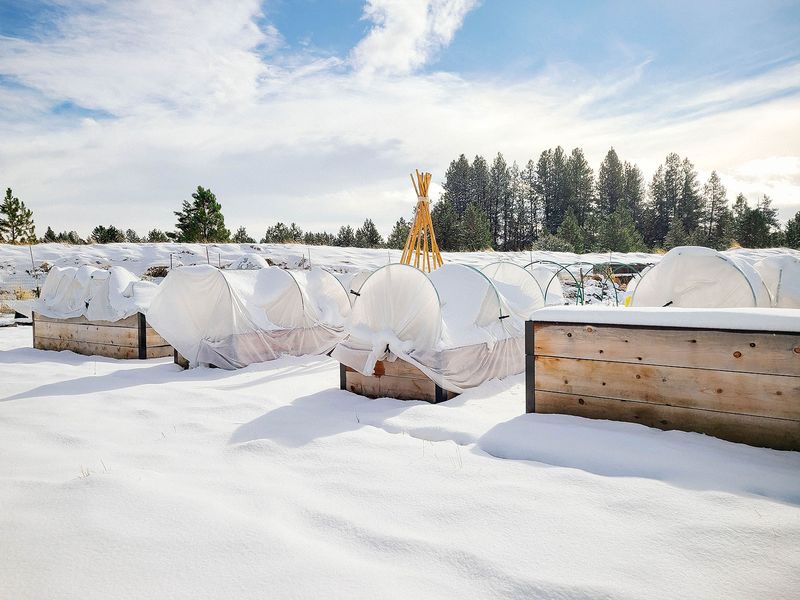
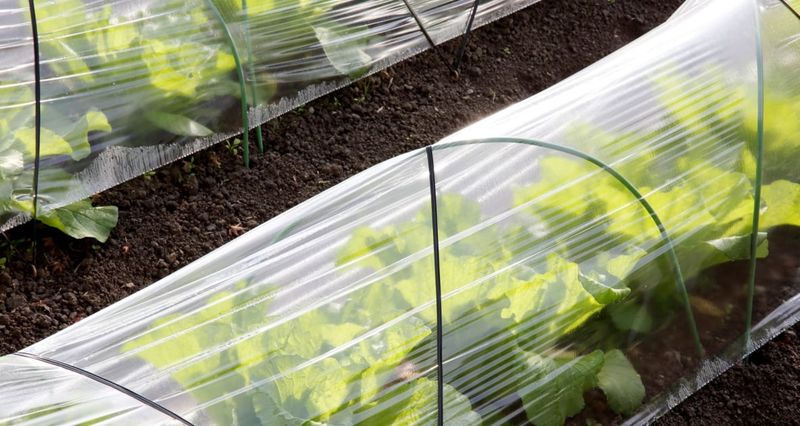
A row cover is a helpful blanket, but it is a thin one. NC State Extension estimates that row covers or low tunnels can provide roughly 4 to 5°F of frost protection.
That can make a real difference on a night that dips just below freezing, yet it will not rescue plants from a deep, prolonged freeze.
Set the cover up before the cold arrives. Use hoops or supports so the fabric does not rest on the leaves, and anchor the edges with soil or stakes.
On sunny days, open the ends so the bed does not overheat.
Winter growth may also slow or stop, whatever protection you use. The NC State vegetable gardening handbook notes that some fall-planted crops slow down or go dormant in winter and resume growth in early spring.
This is general season-extension guidance, not a mâche-specific North Carolina performance trial. Use covers to take the edge off cold nights, and do not count on them for guaranteed survival or harvest.
If a hard freeze is forecast, harvest what you can first.
Rinse leaves under running water before serving
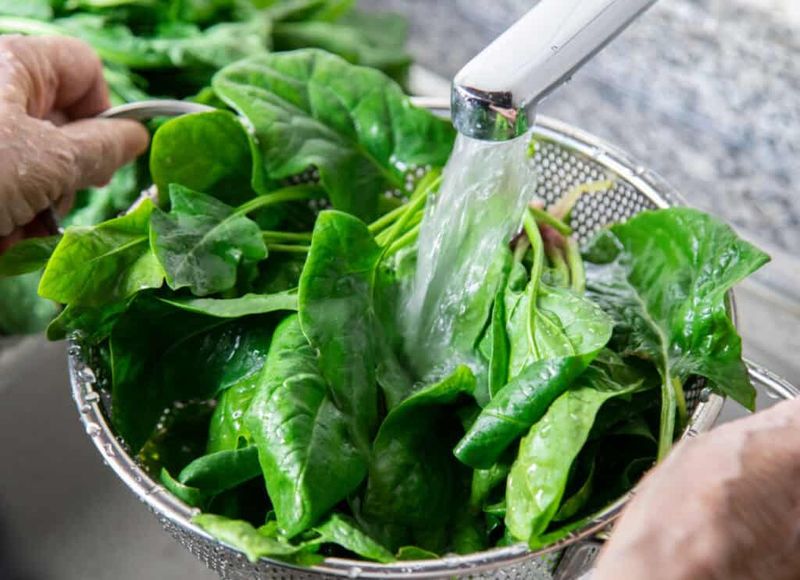
Homegrown greens still need a good rinse before they reach the table. Mâche grows close to the soil, so grit can hide in the rosettes.
Hold the leaves under running water and gently rub or separate them.
Skip soap and detergent, since the FDA advises against using them on produce. The agency notes that washing reduces bacteria but does not eliminate it.
Rinsing makes raw greens safer to eat, not risk-free.
Dry the leaves with a clean towel or salad spinner, and keep them chilled until serving.
Treat mâche as a cold-season opportunity, not an all-winter promise
Plan around your own corner of North Carolina. Time your sowing to local frost dates, as NC State’s regional guidance suggests, and aim for cool soil, as Utah State recommends.
Treat row covers as a small buffer against frost.
With good timing, you may pick leaves in fall or early winter, much like the harvests UC Master Gardeners describe in Sonoma County. Some plants may sit through the cold and grow again in spring.
What you pick in midwinter depends on how well plants establish and how hard the cold hits.
Mâche is a small bet with a tasty upside, so sow a short row and see what your garden gives you.