 Complete Gardening
Maryland gardeners have discovered the secret to stunning yards without endless maintenance. Native plants naturally thrive in local soil and weather conditions, making them perfect for busy homeowners. Plus, they attract beautiful butterflies, birds, and beneficial insects while saving you time and money on watering and fertilizers.
1. Black-Eyed Susan – Maryland’s Golden Star
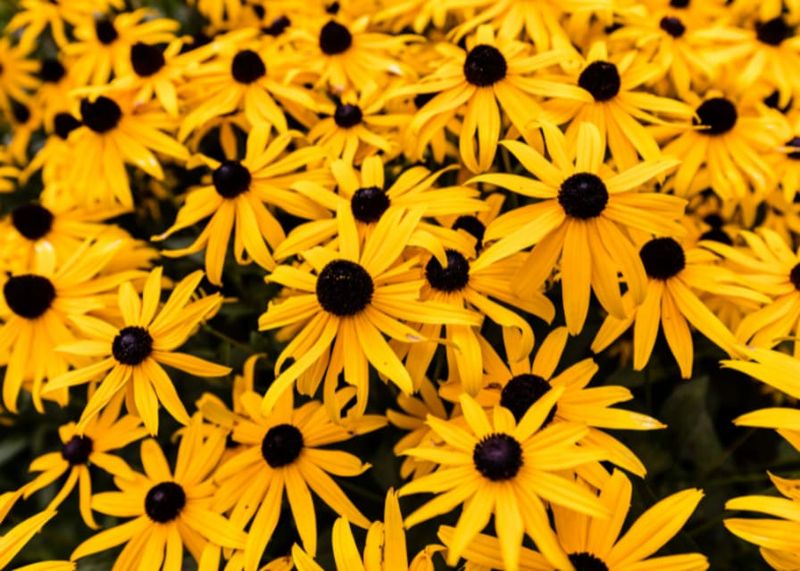
As Maryland’s official state flower, Black-Eyed Susan earns its crown with brilliant yellow petals surrounding dark chocolate centers. This cheerful perennial blooms from early summer through fall, creating waves of sunshine in your garden.
Pollinators absolutely love these flowers, while deer typically leave them alone. Once established, they handle drought like champions and spread naturally to fill empty spaces with color.
2. Cardinal Flower – Nature’s Red Carpet
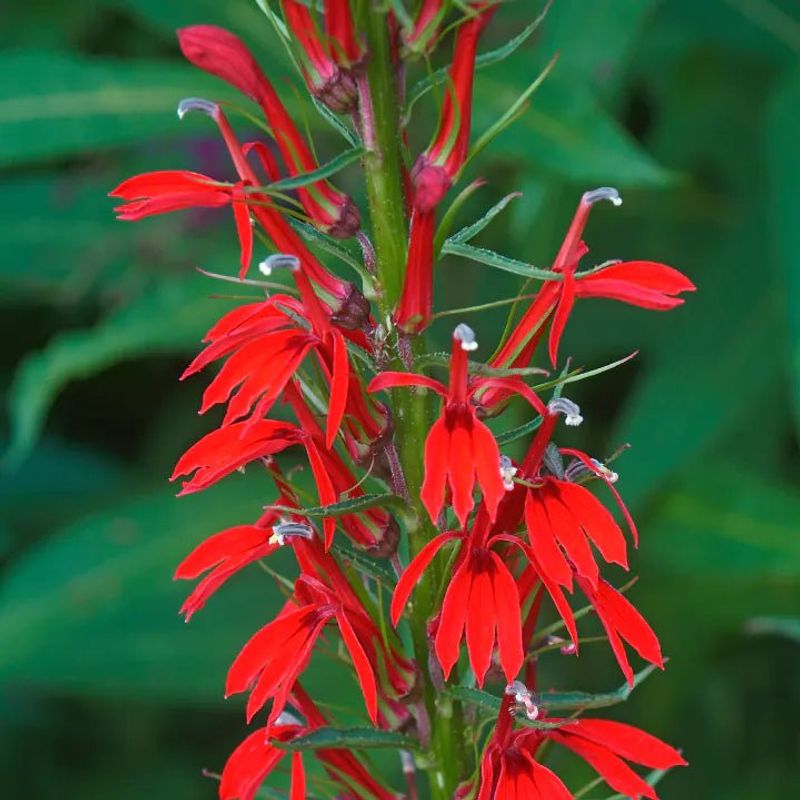
Picture spikes of brilliant red flowers so vibrant they seem to glow against green foliage. Cardinal Flower creates dramatic vertical displays reaching up to four feet tall, blooming from midsummer into early fall.
Hummingbirds travel miles for these nectar-rich blossoms, often hovering just inches from your window. Plant them in moist soil with morning sun and afternoon shade for best results.
3. Virginia Bluebell – Spring’s Sweet Surprise
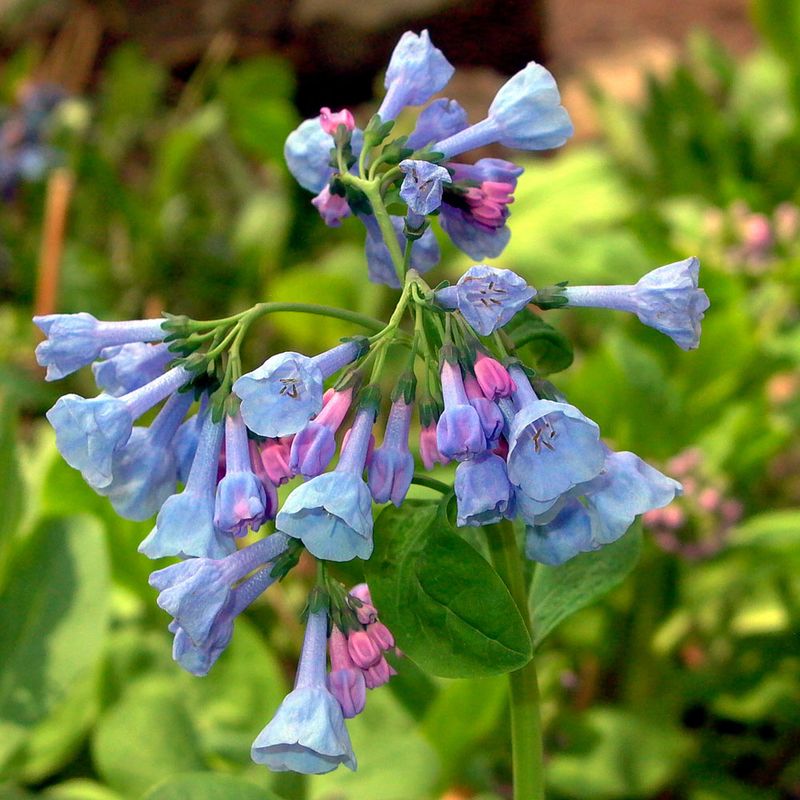
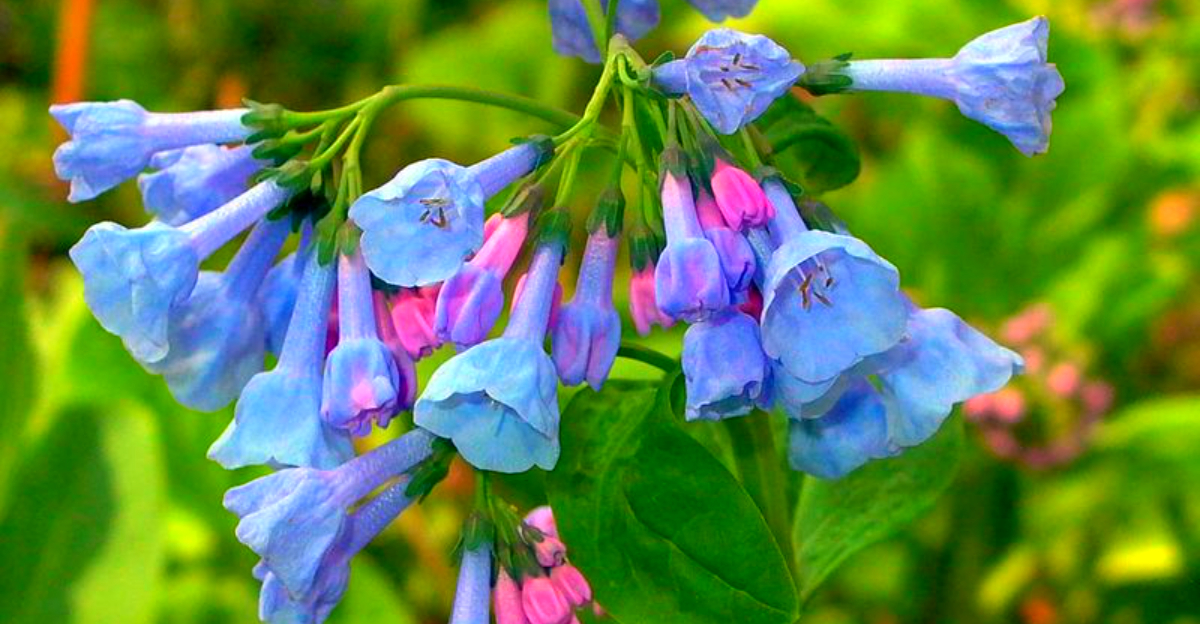
Before most plants wake up from winter, Virginia Bluebells carpet shaded areas with clusters of trumpet-shaped blue flowers. These early bloomers provide crucial nectar when few other flowers are available.
They grow 12 to 30 inches tall and naturally go dormant by summer, making room for later-blooming companions. Plant them under trees where they’ll return reliably each spring with minimal care required.
4. Wild Bergamot – The Bee Magnet
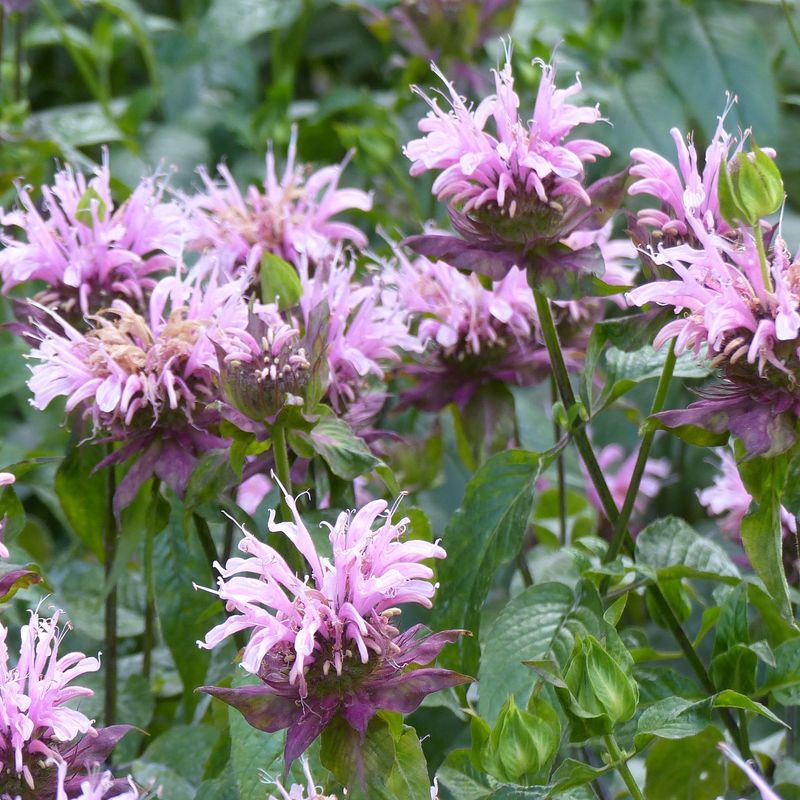
Lavender-pink flowers with spiky, almost alien-looking blooms make Wild Bergamot a conversation starter in any garden. Over 100 different bee species visit these fragrant flowers, creating a buzzing paradise from June through September.
The leaves smell like oregano when crushed, and Native Americans traditionally used them for tea. This drought-tolerant perennial grows 2-4 feet tall and spreads to form attractive colonies over time.
5. Serviceberry – Four Seasons of Beauty
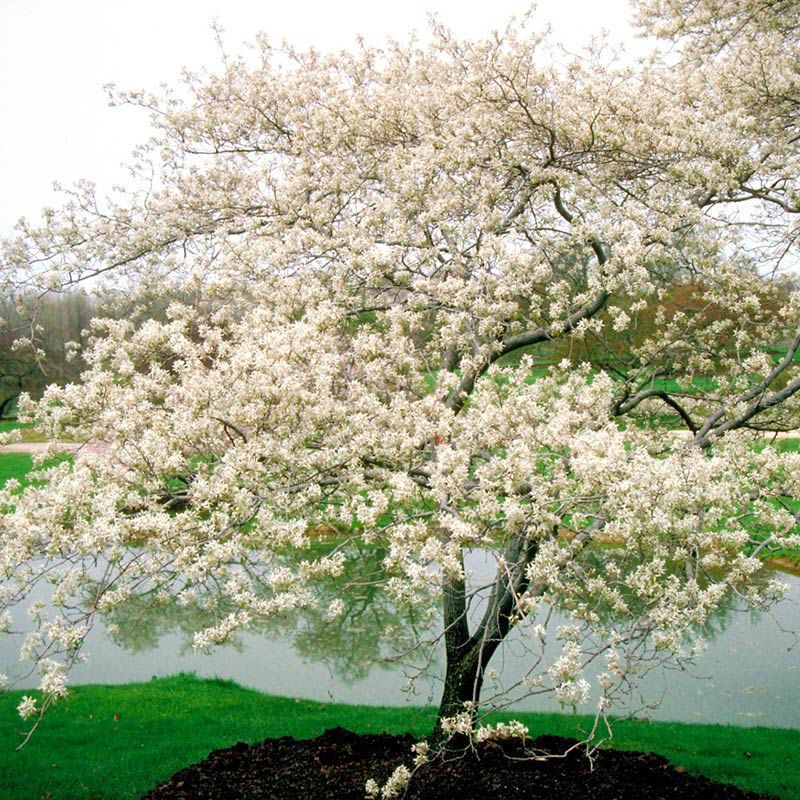
This small native tree delivers year-round interest, starting with clouds of white flowers in early spring. By summer, dark purple berries appear that taste like sweet blueberries and attract over 40 bird species.
Fall brings gorgeous orange-red foliage, while winter reveals attractive gray bark. Growing 15-25 feet tall, Serviceberry works perfectly as a specimen tree or natural privacy screen in smaller yards.
6. Purple Coneflower – The Tough Beauty
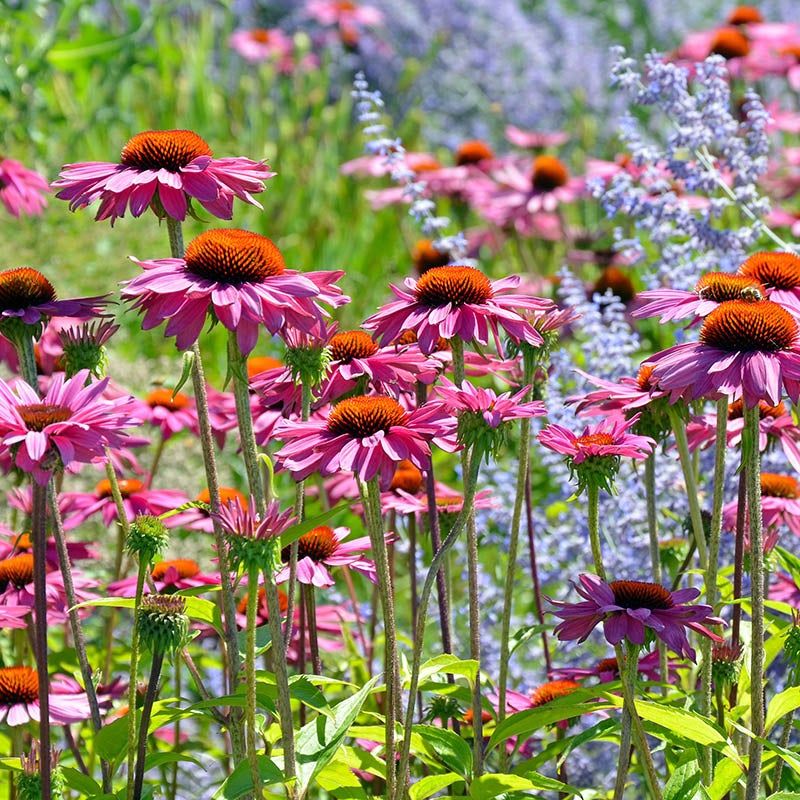
Don’t let the delicate appearance fool you – Purple Coneflower survives Maryland’s hottest summers and coldest winters with grace. Pink-purple petals surround prominent bronze centers that goldfinches adore in fall.
These reliable perennials bloom for months when deadheaded regularly, or leave seed heads for winter bird food. They grow 2-3 feet tall and slowly spread to create natural drifts of color in sunny locations.
7. Wild Ginger – The Shade Specialist
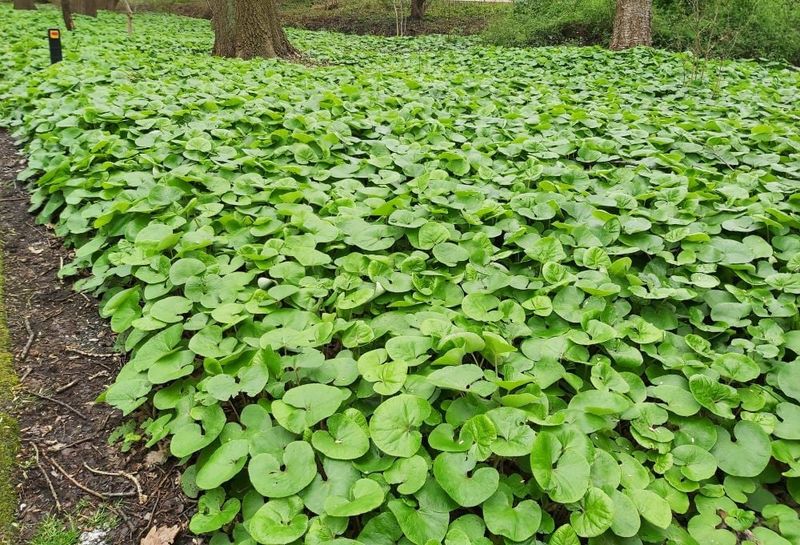
Heart-shaped leaves create lush green carpets under trees where grass struggles to grow. Wild Ginger spreads slowly through underground rhizomes, forming dense mats that suppress weeds naturally.
Hidden beneath the foliage, curious burgundy flowers bloom at ground level in spring. This native groundcover thrives in deep shade and moist soil, solving difficult landscaping challenges while providing habitat for small woodland creatures.
8. Coral Honeysuckle – The Climbing Champion
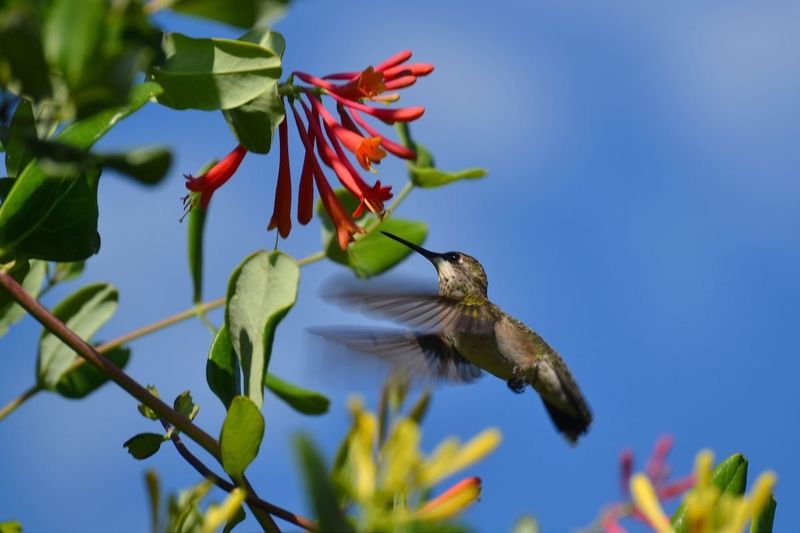
Unlike invasive Japanese honeysuckle, native Coral Honeysuckle behaves beautifully while providing stunning tubular red-orange flowers from late spring through summer. This well-mannered vine climbs 10-15 feet without overwhelming nearby plants.
Hummingbirds prefer these trumpet-shaped blooms over almost any other flower. Plant it on trellises, fences, or mailbox posts for vertical color that won’t take over your entire yard like aggressive vines.
9. New England Aster – Fall’s Purple Finale
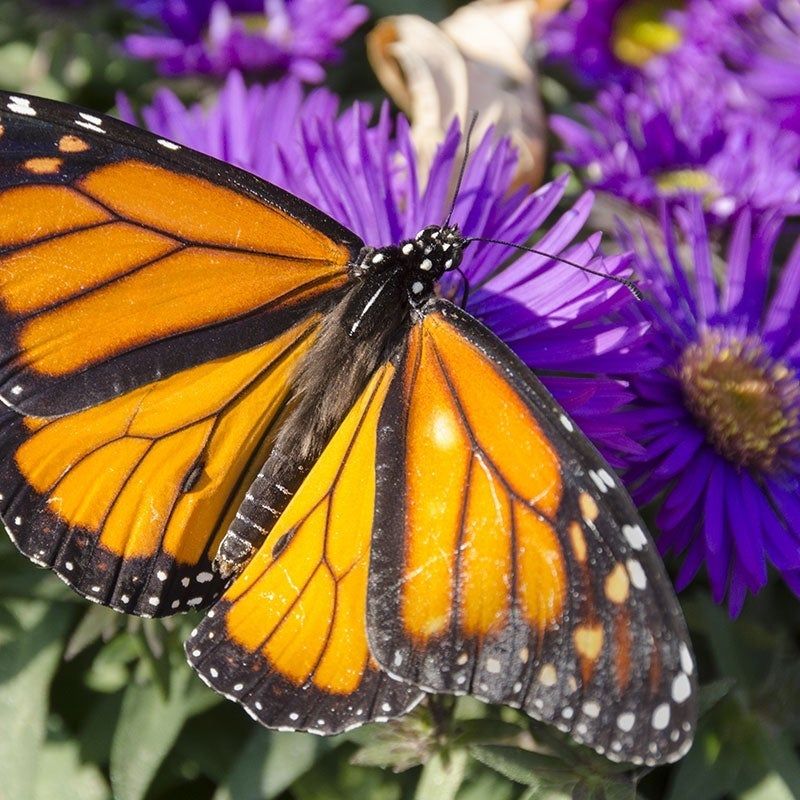
When summer flowers start fading, New England Aster explodes with thousands of small purple flowers that cover the entire plant. This late-season superstar provides crucial nectar for migrating monarch butterflies.
Growing 3-6 feet tall, these hardy perennials create stunning autumn displays in sunny locations. They spread naturally but not aggressively, forming impressive colonies that require division every few years to maintain vigor and prevent overcrowding.
10. Spicebush – The Butterfly Nursery
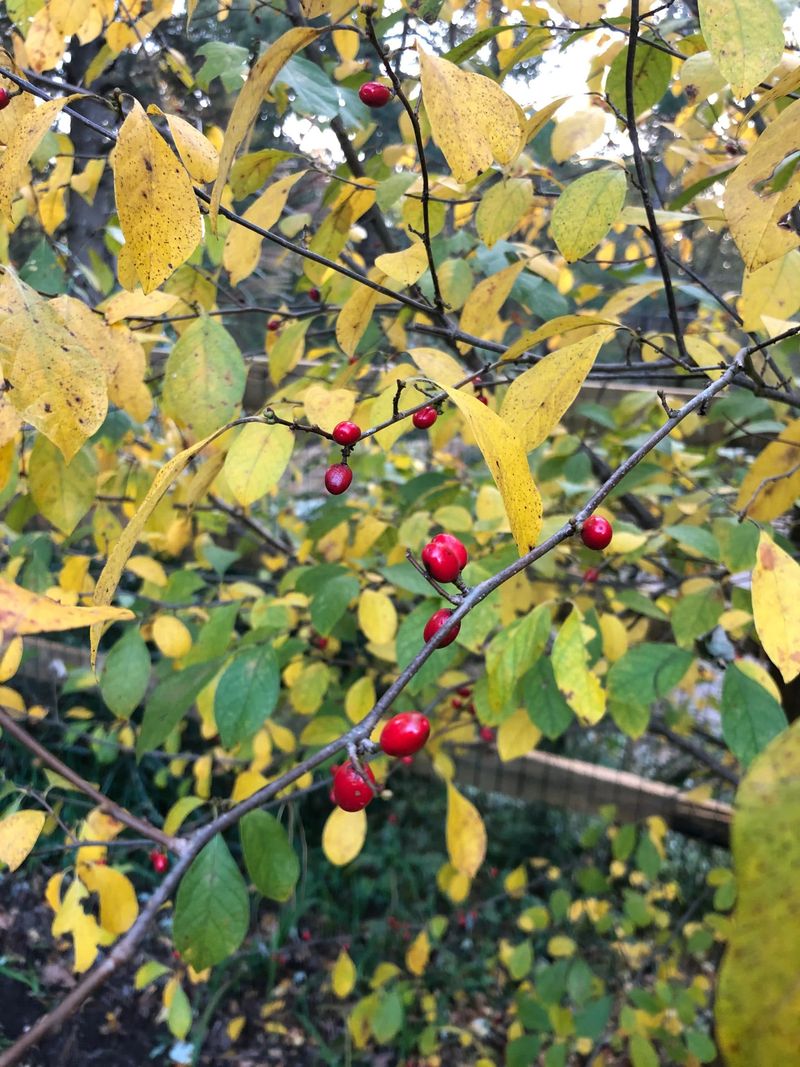
Spicebush Swallowtail butterflies depend entirely on this native shrub for reproduction, making it essential for maintaining local butterfly populations. Yellow fall foliage creates stunning seasonal displays in shaded areas.
Female plants produce bright red berries that migrating birds eagerly consume. Growing 6-12 feet tall, Spicebush tolerates deep shade and wet soil conditions where many other shrubs fail to thrive successfully.
11. Buttonbush – The Water Lover
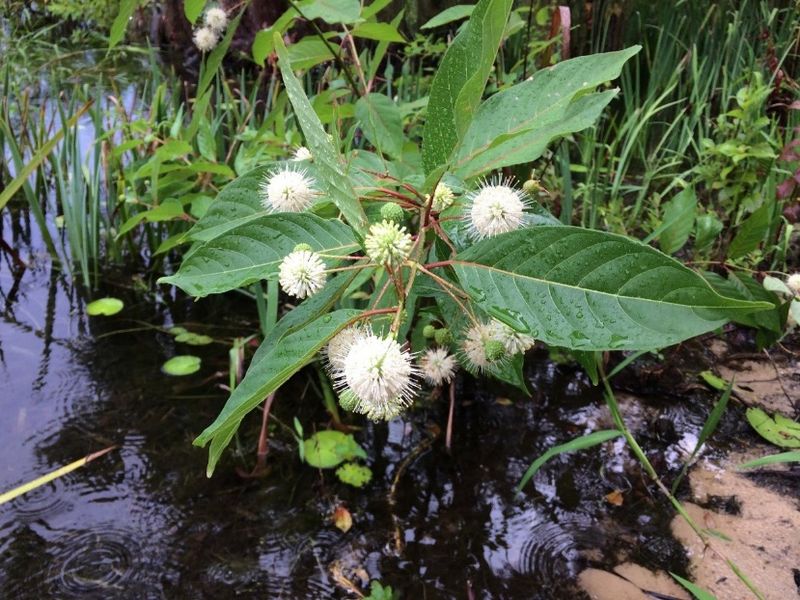
Perfectly round white flower clusters look like pin cushions dotted with tiny pins, creating unique spherical blooms unlike any other native plant. Buttonbush thrives in wet areas where other shrubs would drown.
Butterflies, bees, and hummingbirds visit these fragrant summer flowers, while ducks eat the seeds. This 6-12 foot shrub naturally handles flooding and provides excellent erosion control along streams, ponds, or rain gardens.
12. Winterberry Holly – Winter’s Red Jewels
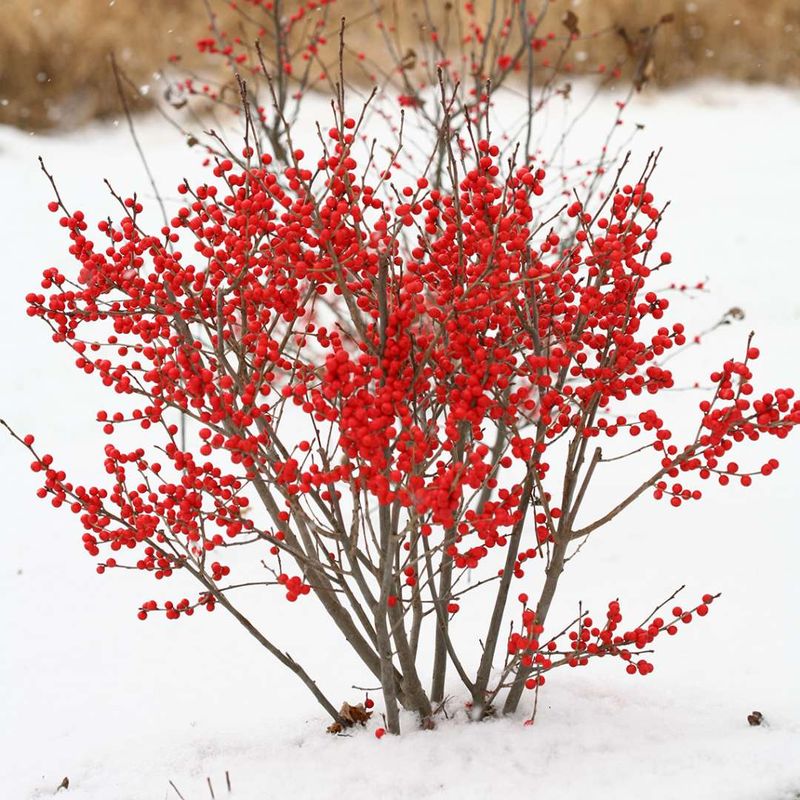
After leaves drop in fall, bright red berries cover bare branches like Christmas ornaments, providing spectacular winter interest when most plants look dormant. These berries feed robins and other birds throughout cold months.
Female plants need a male pollinator nearby to produce berries. Growing 6-10 feet tall, Winterberry Holly tolerates wet soil and partial shade, making it perfect for problem areas in Maryland landscapes.