
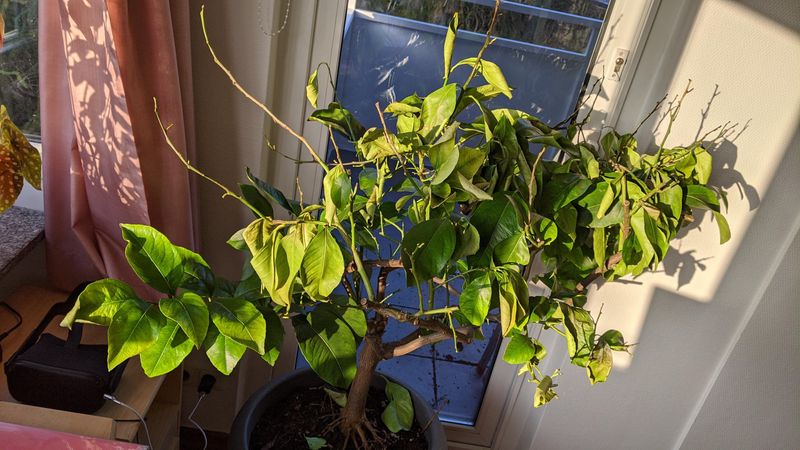
Moving a potted Meyer lemon indoors for winter can bring an unwelcome surprise: leaves dropping onto the floor within days. It is a common reaction, but it is not a sure thing, and your care can make a difference.
This guide walks North Carolina homeowners through the steps that may reduce stress on the tree. A few small changes can help it stay healthy until it goes back outside in spring.
Leaf drop is a stress response, not a winter certainty
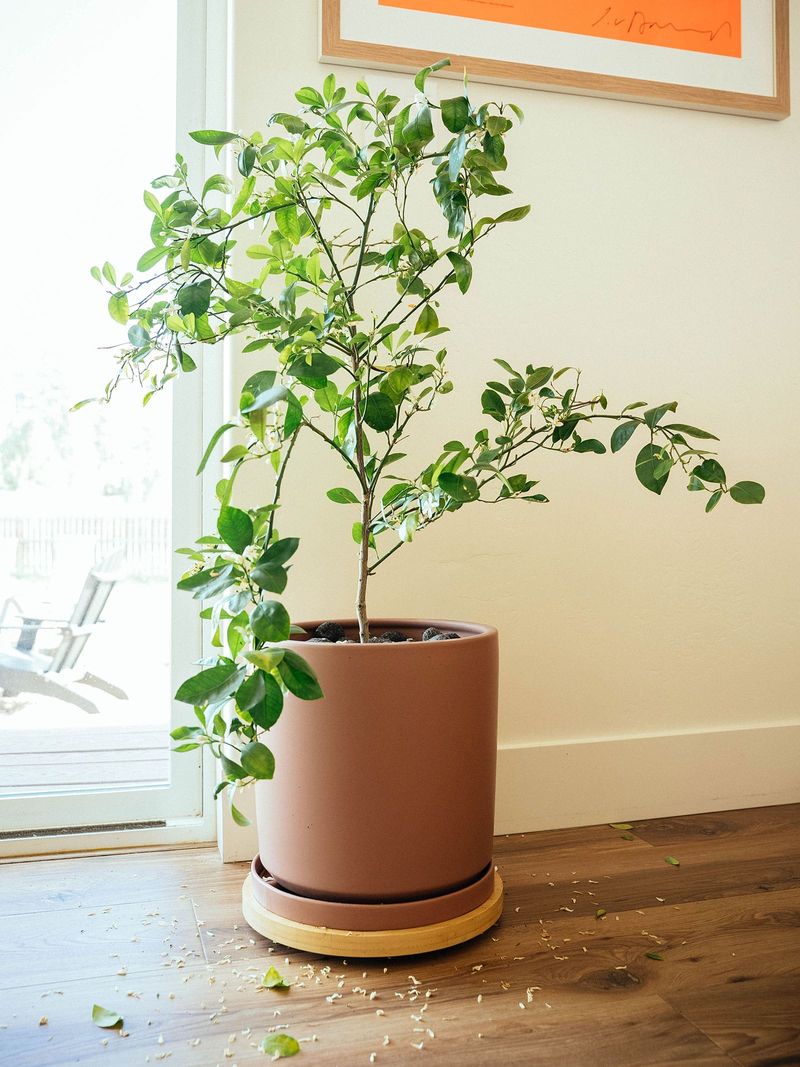
Picture the tree on the patio in October: bright sun, moving air, and rain or a hose keeping the pot evenly damp. A few weeks later it sits in a living room with weaker light, warm and dry air, and a different watering rhythm.
Leaves that dropped after that move are often the tree’s way of reacting to changed conditions.
Several things shift at once. University of Maryland Extension lists adjustment to changing light and humidity, temperature stress, and soil that is too wet or too dry among the reasons indoor citrus sheds leaves.
That list matters because the fallen leaves alone cannot tell you which cause is at work.
Texas A&M Extension also connects abrupt changes in light with heavy leaf drop, which is why the pace of the move matters when weather allows. Meanwhile, an Ask Extension answer on moving a Meyer lemon indoors treats overwatering as one possible factor to check.
So instead of guessing, look at three things together: how bright the spot is, how warm and steady the air feels, and how wet the potting mix is a couple of inches down. Leaf drop is not guaranteed, and persistent shedding calls for checking several conditions.
The steps below are meant to reduce stress. They cannot promise a leaf-free winter.
Move the pot in before frost, then ease the light transition
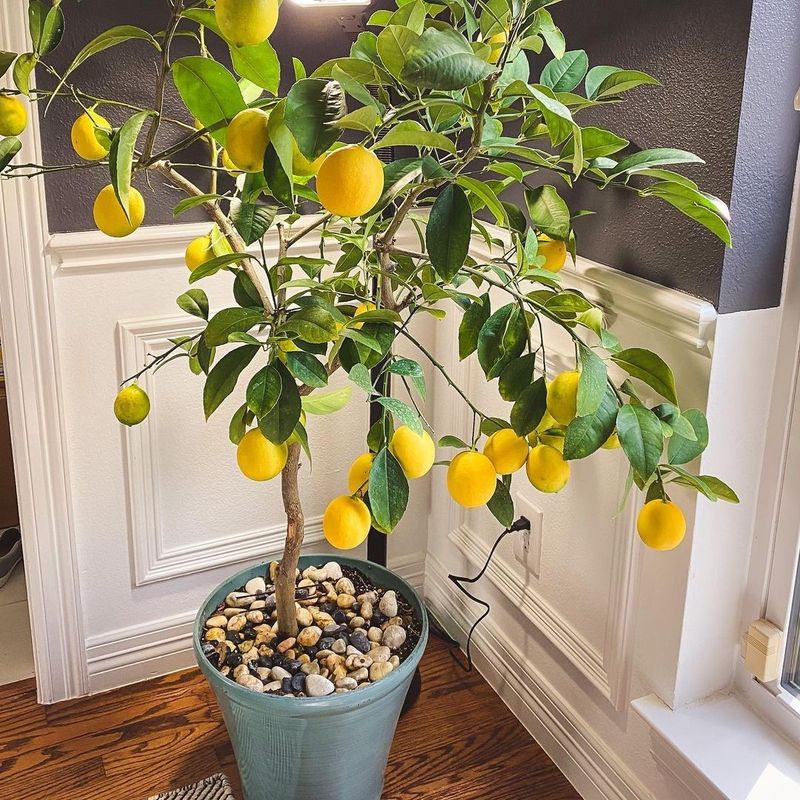
In North Carolina, a Meyer lemon is best handled as a container plant that needs protection from frost. NC State’s plant profile advises bringing it inside in areas colder than USDA zones 8b to 9a.
That covers much of the state, from the Piedmont to the mountains, and parts of the coastal plain can also get frost before you expect it.
A practical regional reference comes from NC State’s Piedmont container gardening guide, which says to move lemons indoors when temperatures fall below 45°F. Treat that as a handy signal for a potted tree, not a reason to wait.
If frost or a freeze is in the forecast, bring the pot inside right away.
When the forecast gives you breathing room, a slower handoff may spare some leaves. Texas A&M Extension links sudden light changes with excessive leaf drop and recommends gradual acclimation.
Over roughly two to four weeks, move the pot into more shade, such as under a porch roof or a larger tree, so its leaves get used to less light.
That step is about the trip indoors. Where you place the tree once it is inside is a separate job, covered next.
A bright window is the tree’s best indoor starting point
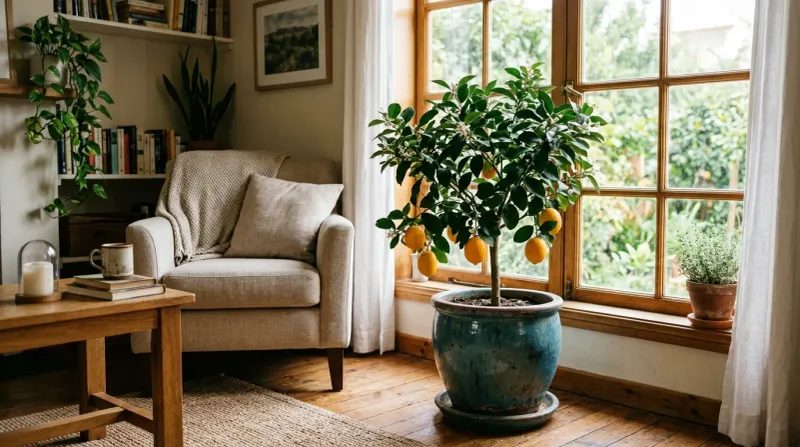
Light is the thing a house has the least of, so give the tree your brightest spot. A south-facing window is usually the best choice.
Pull the pot close to the glass, but check that leaves are not pressed against a cold pane on frosty nights.
Extension sources commonly point to at least six hours of direct light each day, and Iowa State University Extension notes that more light is better for growth and fruiting. Maryland Extension also suggests supplemental lighting when a window falls short.
Many homes in a wooded North Carolina neighborhood, or with deep porches and short winter days, will fall short.
If your best window is still dim, a grow light can fill the gap. Place it above the canopy and run it on a timer so the schedule stays steady.
Turning the pot a quarter turn now and then helps all sides get light.
Strong light supports steady growth and gives the tree its best shot at flowers and fruit. It does not guarantee either one.
Think of it as a better starting point, with NC State’s Meyer lemon profile as a handy reference for the tree’s basic needs.
Water by checking the potting mix, not the calendar
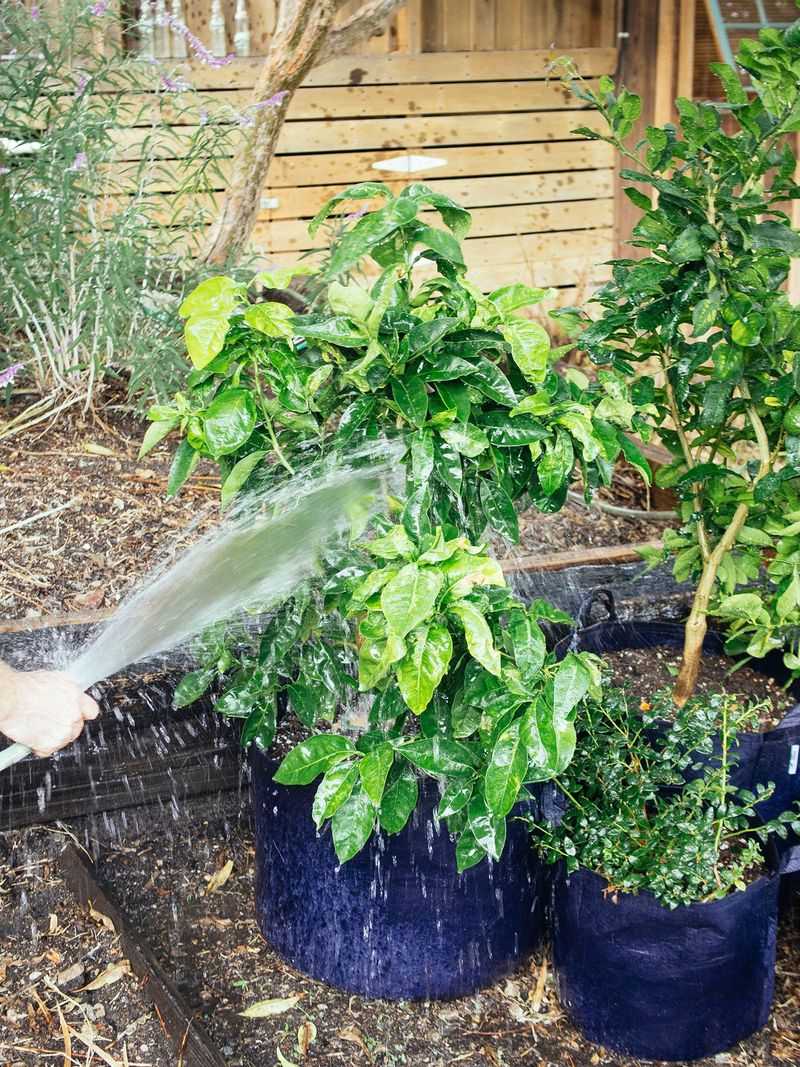
Two houses can have identical lemon trees and completely different watering needs. A sunny room with a heating vent dries a pot quickly, while a cooler, dimmer room keeps it damp for days.
That is why a fixed weekly schedule tends to fail.
Instead, push a finger into the mix. Maryland Extension recommends checking about two inches down and watering thoroughly when it feels dry.
Texas A&M Extension advises letting the top inch dry out and watering less often in cool weather.
When it is time, water slowly until liquid runs out the drainage holes. Let the pot drain, then empty the saucer so the roots are not left sitting in water.
A pot with no drainage holes is a common trouble spot.
Frequent small sips can feel caring, but they may keep the mix soggy, and wet soil is one of the conditions linked to leaf drop. If leaves are falling, check the soil before changing anything else.
A pot that feels heavy and wet needs a pause, while a very light pot with dry mix needs a deeper drink.
Steady temperatures and added humidity can ease indoor stress
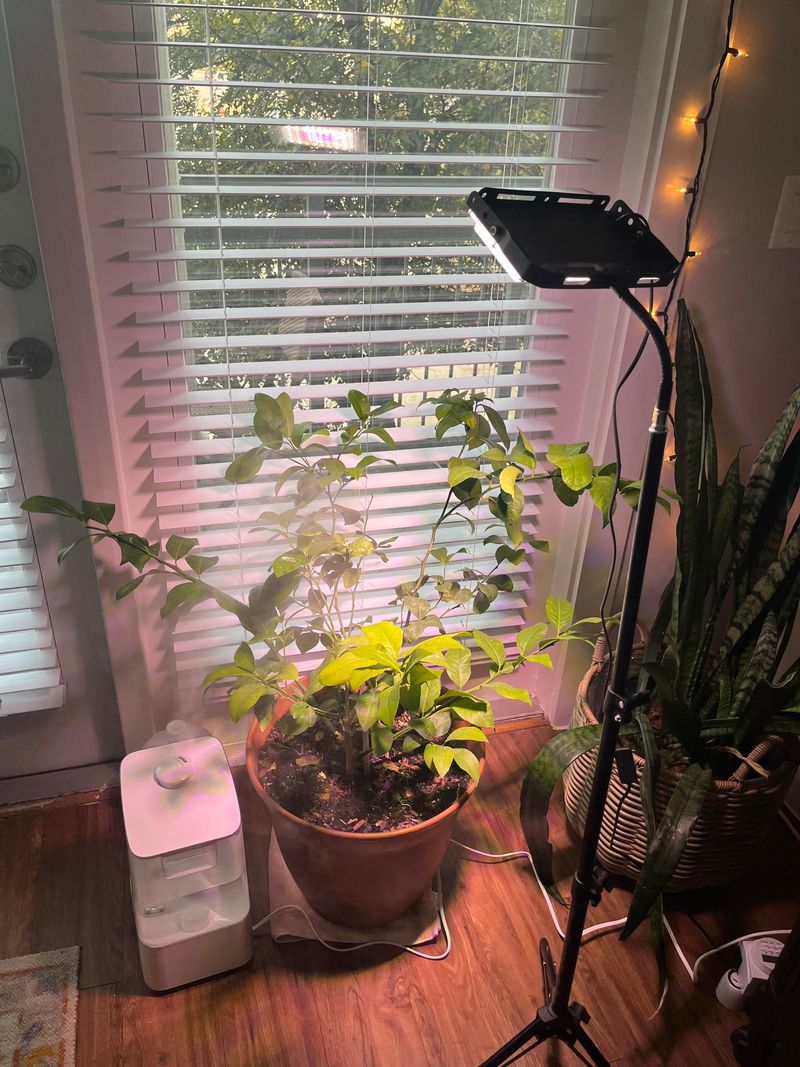
Heating vents, drafty doors, and cold window glass can all give a lemon tree a rough ride. Try to place the pot where the air stays fairly even, away from blowing heat and chilly gusts.
Moving it a few feet can sometimes matter more than any other change.
Maryland Extension gives a general indoor target of 65 to 75°F by day and 55 to 65°F at night. Use those numbers as helpful goals.
A tree slightly outside them is not doomed.
Indoor air in winter is often dry, and that can add stress. Maryland Extension suggests a humidifier and about 50 percent relative humidity.
A cheap hygrometer can show you what your room really measures.
It may be tempting to grab a spray bottle, but Iowa State University Extension says misting is not an effective way to raise humidity, since leaves dry quickly. Pebble trays may help a little right around the plant, but a humidifier is more dependable.
Better humidity can reduce stress, though it cannot promise that leaf drop will stop.
Inspect for pests before they settle in indoors
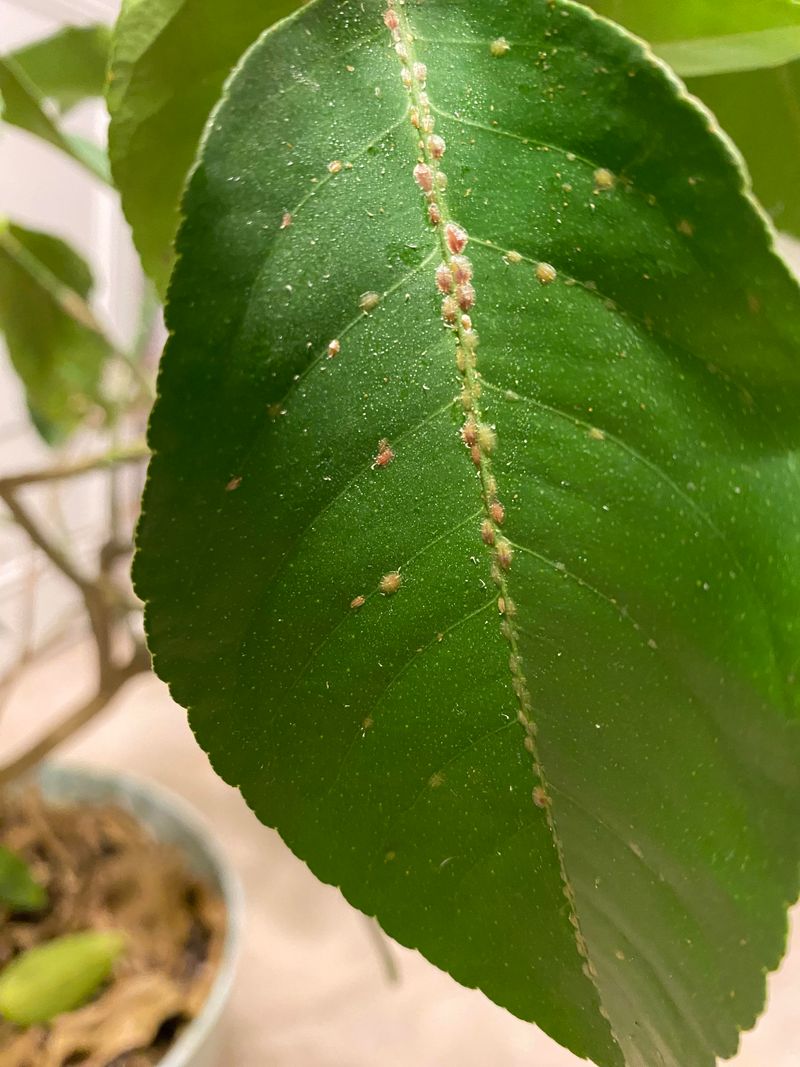
Anything living on the tree outside comes in with it. Before the move, look closely at the undersides of leaves, along stems, and where branches meet.
You are searching for scale, mites, aphids, and whiteflies, which can show up as bumps, fine webbing, sticky residue, or tiny flying insects.
Keep looking once the tree is indoors, since pests can multiply in warm, still air with no natural enemies. A weekly check while you water is an easy habit.
Clemson Cooperative Extension covers the common citrus pests, and NC State’s plant profile lists the pests to watch for on Meyer lemon.
If treatment is needed, use only a product whose label permits the intended indoor and edible-citrus use, and follow that label exactly. Do not reach for the kitchen sink.
UF/IFAS Extension explains that labeled insecticidal soap is different from household detergent, and that detergents or improvised dish-soap mixtures can injure plants.
Pests can also cause leaf trouble of their own, so a quick look helps you avoid blaming the move when something else is at work.
Indoor fruit takes more than keeping leaves
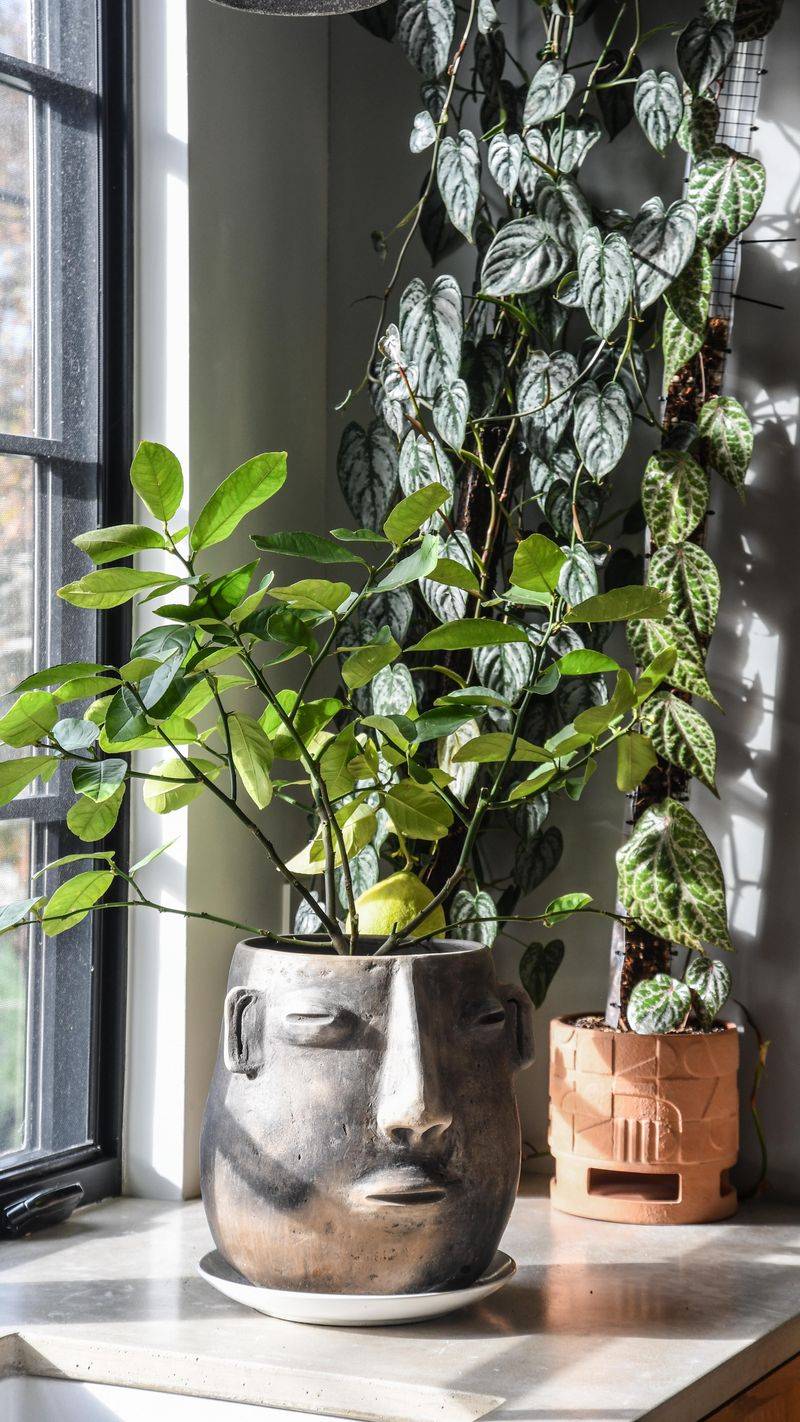
A Meyer lemon does not need a second tree to set fruit. NC State’s profile describes it as self-fertile, and indoors, Maryland Extension suggests moving pollen between blossoms with a small brush, since there are no bees to do it.
Even so, fruit is not assured. UF/IFAS says Meyer lemons are unlikely to fruit when kept inside, while Iowa State describes indoor fruit as possible with enough light.
Tree age and steady care matter too.
Treat the months indoors as a stress-reduction routine: bring the pot in before frost, give it the brightest spot, check the soil before watering, keep conditions even, and look for pests. Some leaves may still fall, and that does not mean you failed.
A lemon tree that makes it to spring with healthy roots and live buds has done its job, and any indoor lemons are a bonus.