
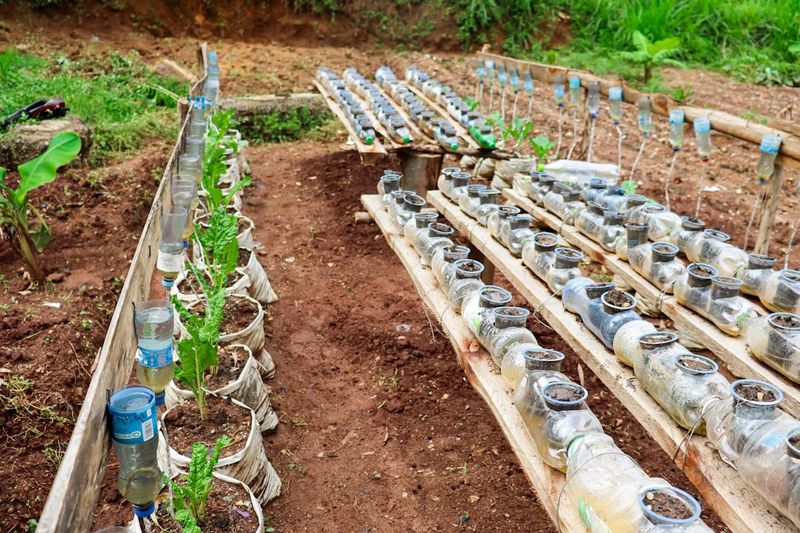
A chilly forecast can make you worry about the little lettuce plants you set out this fall. A plastic milk jug with the bottom cut off is a cheap cover that you probably already have in the recycling bin.
It will not turn a cold night into a warm one, but it can give one small plant a bit of help. Here is how to use it well and when to reach for something bigger.
A milk jug offers a small buffer, not a warm spell
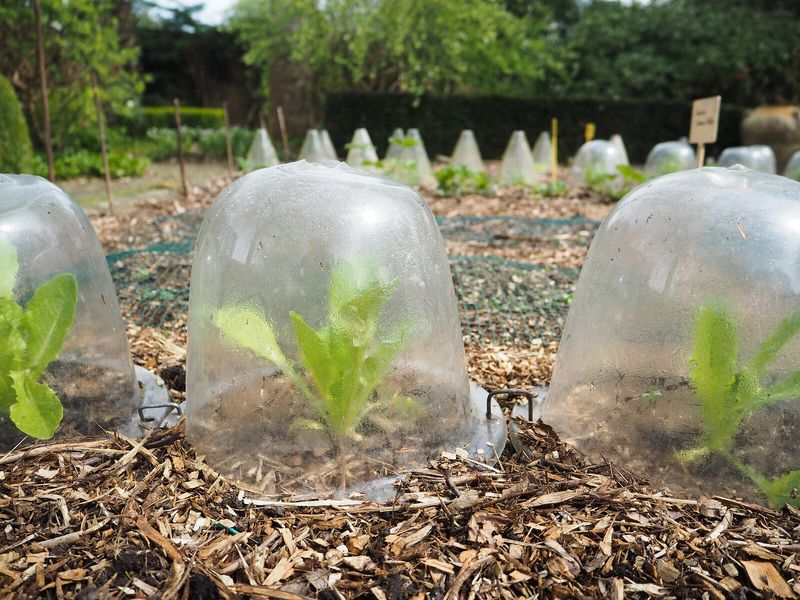
Picture a clear plastic jug sitting over one young lettuce plant. That is a cloche, a cover for a single plant.
Utah State Extension notes that homemade versions can be made from a milk jug and that cloches give a few degrees of added warmth.
A few degrees can matter on a cool, still night. It can help a plant get through a chilly spell and stretch your fall harvest a little.
Think of it as a short-term season extender, not a heater.
There are limits. Lettuce likes cool weather, yet UC IPM says growth slows near freezing.
A jug cannot promise that your lettuce will keep growing at a steady pace or keep forming heads on cold nights.
It also will not carry a plant through a hard or long freeze. Treat the jug as a small helper for mild cold, and have a bigger plan ready for a serious drop.
Not every lettuce grows a head
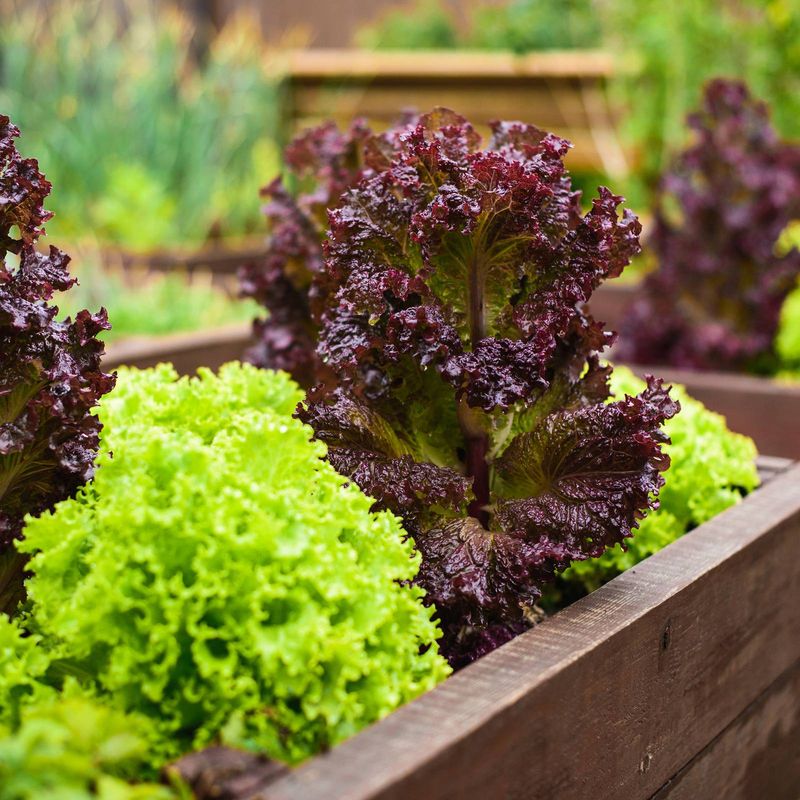
Before you cover anything, know what you are growing. Lettuce comes in several forms, and only some of them make a head.
UMass Extension describes leaf lettuce as a type that does not form a head at all.
Crisphead, butterhead, and romaine each grow in their own way. Crisphead types fold into a firm ball, butterhead forms a looser, softer rosette, and romaine grows tall and upright.
Their cold response can differ too, so one plant may look fine while its neighbor struggles.
This matters for your expectations. If you have leaf lettuce, you are protecting loose, tender leaves for picking, and no head will ever appear.
If you have a head-forming type, a cloche does not change how it grows. It only gives a small plant a bit of shelter while it works toward its natural shape.
Check the seed packet or plant tag so you know what to expect.
Make a one-plant cloche from a milk jug
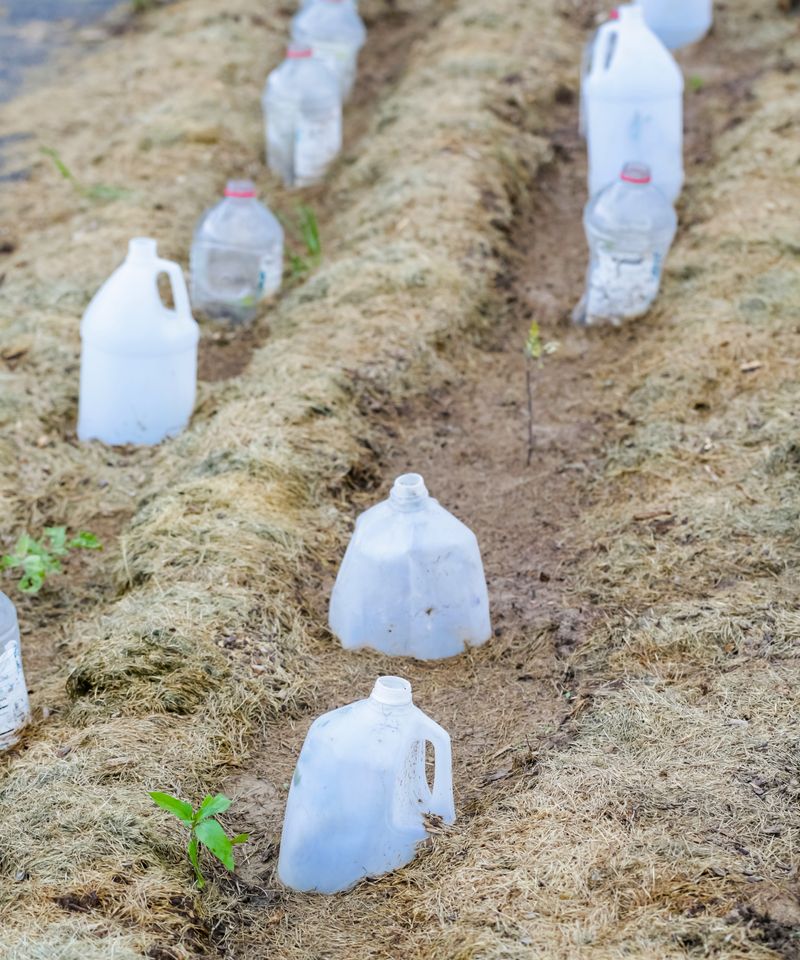
Start with a clean, empty plastic milk jug. Cut off the bottom with sturdy scissors or a utility knife, taking care with your hands.
Keep the cap handy, because you will use it for airflow later.
Set the jug over one small lettuce plant, with the open bottom resting on the soil. Press the rim in gently so wind does not knock it over.
Some gardeners add a stake or a bit of soil around the base to hold it steady.
The jug covers a single plant, not a row or a bed. Utah State Extension lists cut-bottom jugs as a simple homemade cloche, and that is all the claim needs to be.
Lettuce grows quickly once it settles in. When the leaves begin to press against the plastic, the jug no longer fits.
Crowded leaves can get damp and bruised, so lift the jug off at that point and switch to another kind of cover if cold is still coming.
Vent the jug when the sun comes out
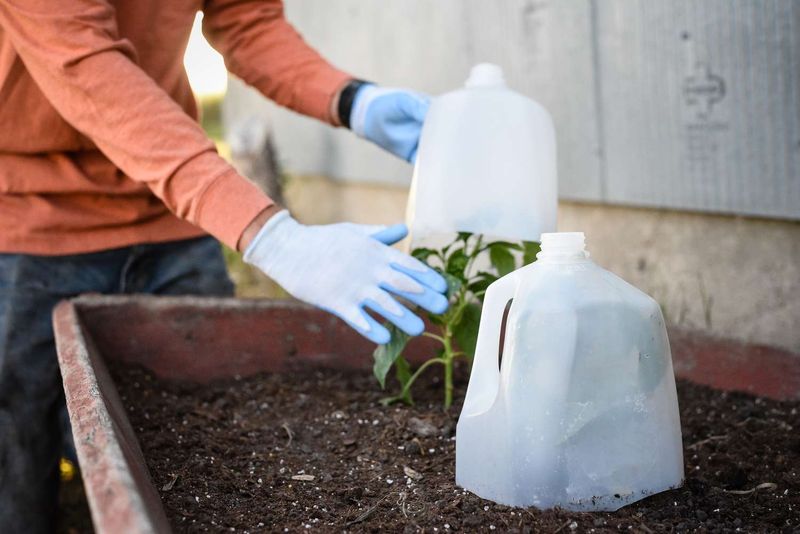
Sunshine is the surprise problem. A covered plant can heat up fast on a bright day, even when the air feels cool to you.
That trapped warmth is the reason a jug that helps at night can hurt by noon.
Take the cap off so warm air has a way out. Utah State Extension explains that ventilation helps release daytime heat from a cloche.
On sunny, mild days, go a step further and lift the jug off completely. Set it beside the plant so it is easy to put back before dusk.
Cooler, cloudy days may only need the cap off.
Never leave a sealed jug in the sun without checking it. Wilted, droopy, or pale leaves under the plastic are a clue that it got too warm.
Make a habit of looking in the morning, midday, and late afternoon, then recover the plant when the evening chill returns.
A forecast in the 30s can mean different risks

A low of 38 and a low of 29 are not the same night. Above 32°F it is chilly but not subfreezing.
Below 32°F, frost and freeze injury become a real worry.
Lettuce can handle some cold. UF/IFAS Gardening Solutions advises covering lettuce when temperatures fall below 40°F to extend the season.
A jug on a 38-degree night is a sensible, low-effort step.
Frost is trickier. UC IPM’s frost injury page shows that damage depends on the plant and how long and how hard it is exposed.
A healthy, well-watered plant may handle more than a stressed one.
Repeated or long stretches below freezing are the danger. NC State Extension cautions that they can cause significant injury or crop loss.
A single jug is not a guarantee in those conditions, so check the hourly forecast and plan a stronger cover when a real freeze is coming.
Cool nights can slow lettuce growth
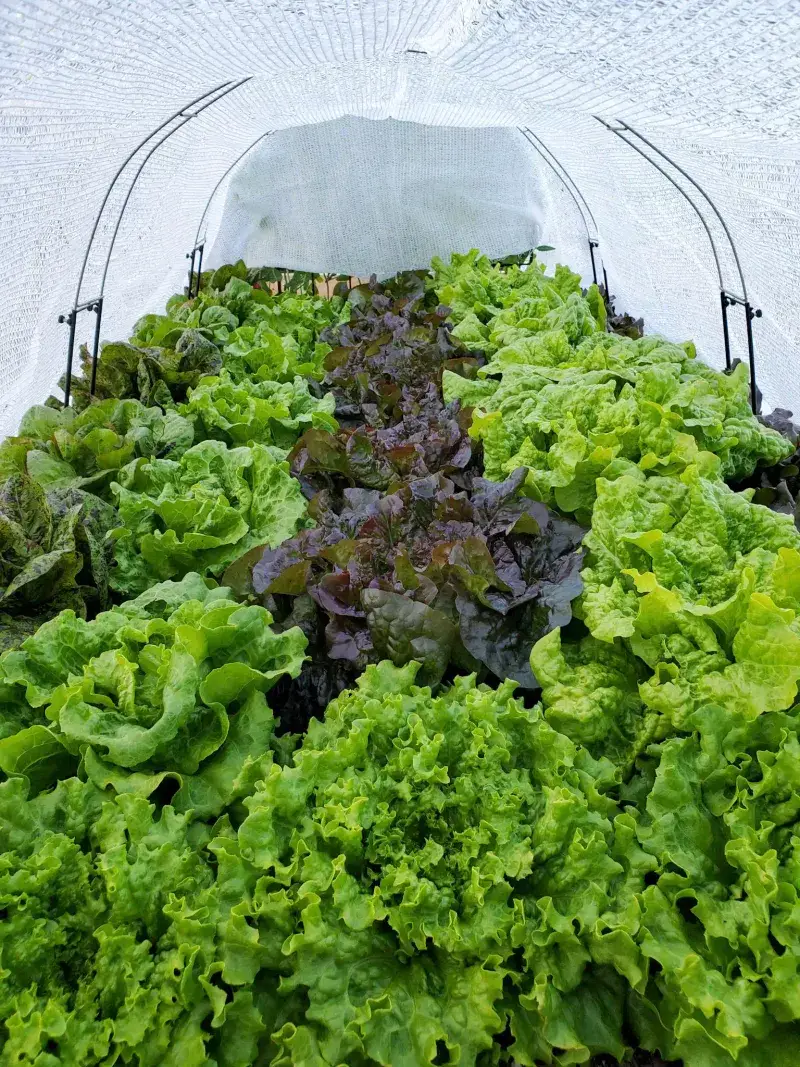
Lettuce loves cool weather, but cool is not the same as fast. NC State Extension gives 60 to 65°F as the general best range for leafy growth.
Once nights sink toward the 30s, plants often sit and wait.
That slowdown is normal. UC IPM notes that growth slows near freezing.
A plant that looks like it has stalled may simply be resting until the weather warms.
The jug is a modest buffer. It will not create summer-like conditions or set a particular growth rate.
Its job is to take the edge off a cold night.
Watering still counts. Even moisture in the soil helps head development in the types that make heads.
Check the soil with a finger, water when the top inch feels dry, and avoid soggy ground on the coldest days.
Use broader protection when the jug no longer fits
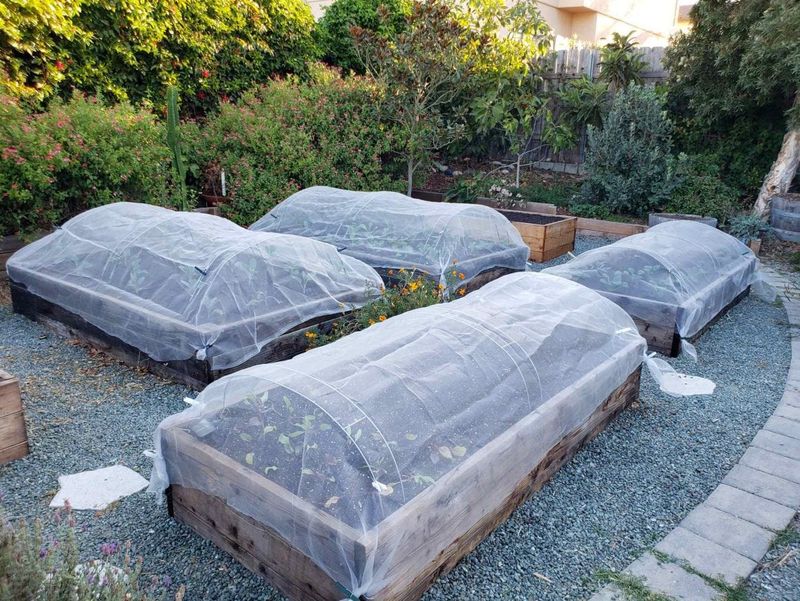
When leaves touch the plastic or you have a whole row to protect, it is time to move on. A floating row cover is a lightweight fabric laid over plants, and it covers many at once.
Utah State Extension says air under these covers is typically 2 to 10°F warmer than the air outside, depending on the fabric grade.
That range is wide, and it is not a freeze guarantee. A heavier fabric gives more lift, and a hard freeze can still win.
Timing matters as much as covers. In Florida, UF/IFAS says lettuce planting dates depend on where you live.
Texas varies too, and Texas A&M’s fall guide lists leaf lettuce dates from September 1 in Region I to December 1 in Region V.
Use your local dates, and keep the jug as a short-term helper for young plants. Good timing does more than any cover.