
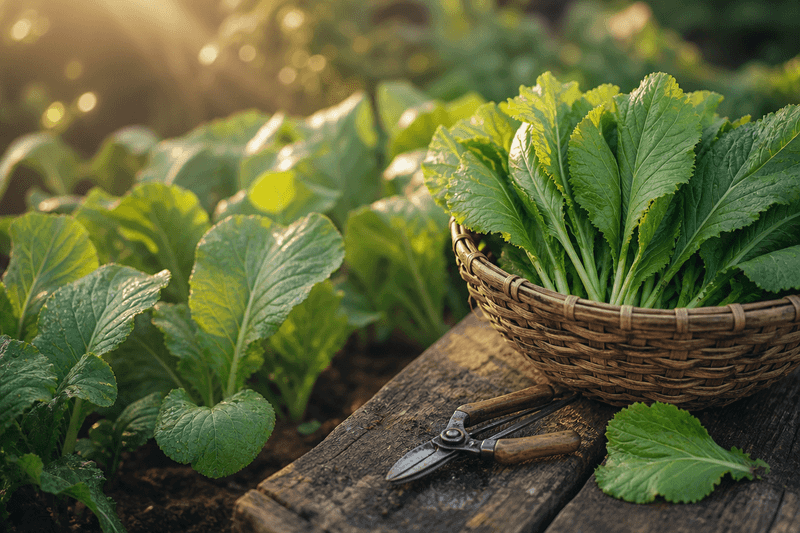
Mustard greens can go from a crisp, tangy treat to a chewy, harsh-tasting pile of leaves if they sit on the plant too long. Many Texas and Florida gardeners wonder if a warm November afternoon is the thing that ruins them.
One warm day is rarely the problem, but waiting too long to pick can be. A few simple habits help you pick at the right moment and enjoy the best leaves your garden can give.
Harvest young leaves before quality declines
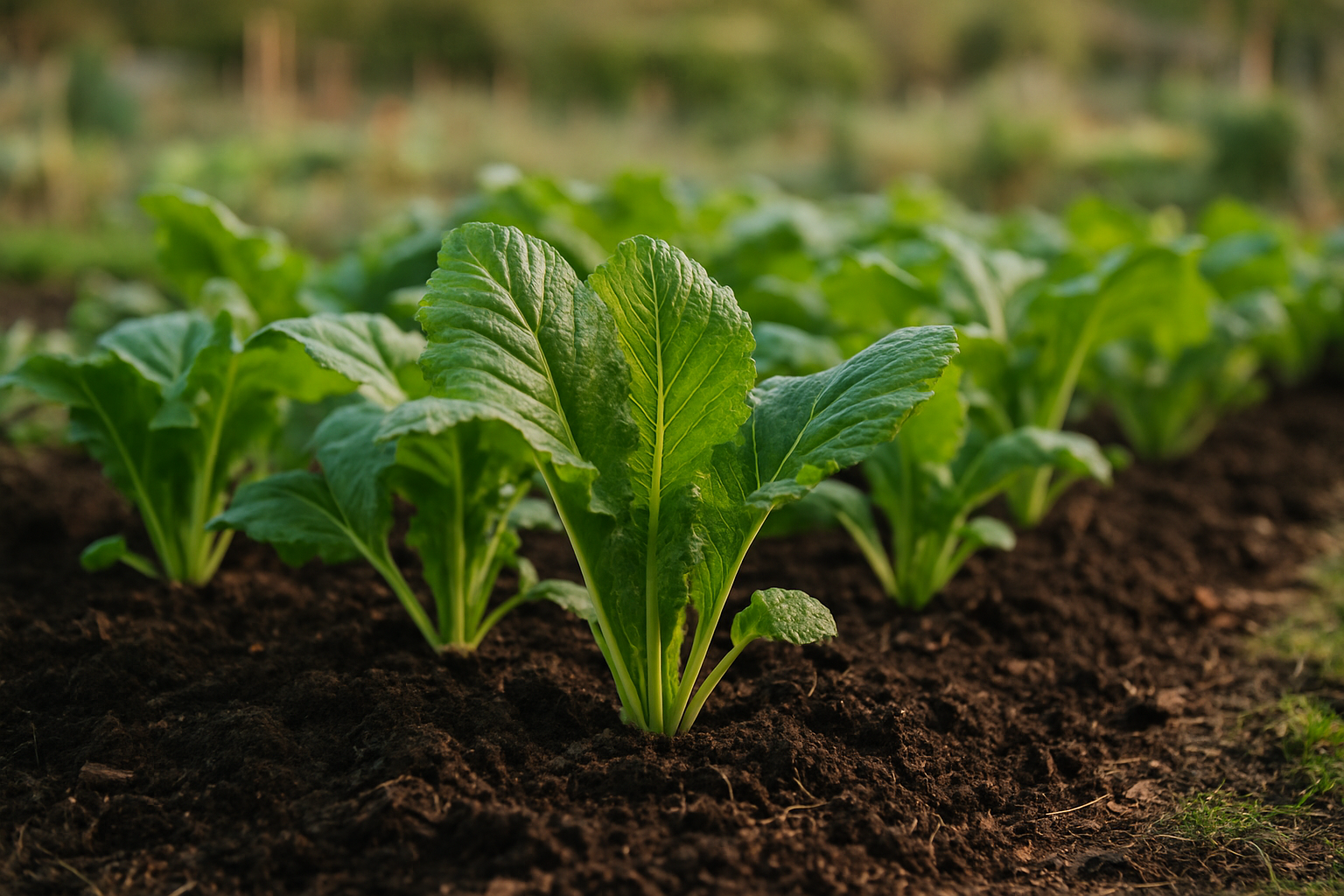
Mustard is a cool-season crop, and Texas A&M AgriLife Extension guidance says to pick young, tender leaves and harvest before hot weather arrives. That is the main idea to carry into your fall garden.
Leaf age matters too. Illinois Extension notes that older leaves can turn tough and stronger-flavored in summer.
Heat can also add to off-flavor, and LSU AgCenter lists it among several possible causes.
Here is the reassuring part. A single warm afternoon does not turn a healthy plant tough overnight, and you do not need to rush out in a panic.
The better habit is simple: pick usable young leaves on a steady schedule instead of letting them age while you wait for a perfect day. That keeps you ahead of both older, coarser leaves and stretches of sustained heat.
Harvesting early also may help, though it cannot guarantee mild flavor, since moisture, soil fertility, variety, and plant age all play a part.
Pick tender outer leaves and leave inner growth
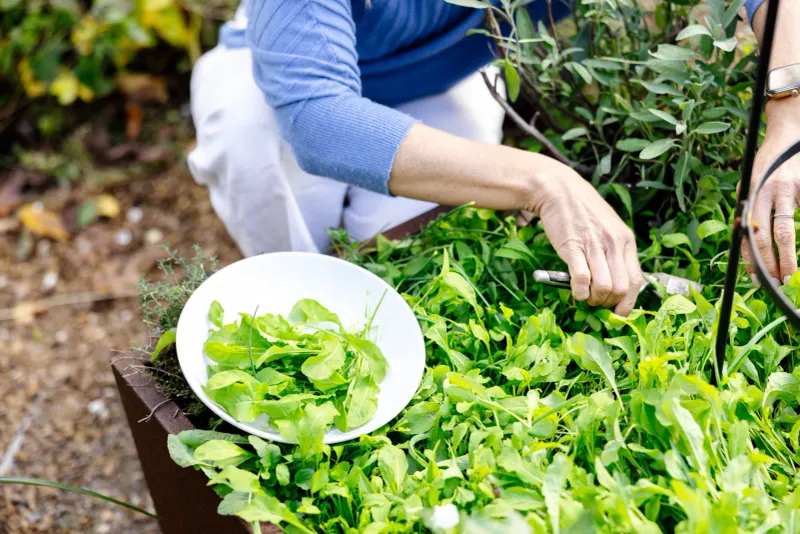
Start with what you can see. Young leaves around 4 to 5 inches long are described by Illinois Extension as mild and tender.
Treat that as a handy guide, not a rule, since varieties and garden conditions differ.
When it is time to cut, work from the outside in. Texas A&M recommends cutting the larger outer leaves and letting the inner leaves keep growing, so the plant keeps producing new foliage for later pickings.
Use clean scissors or a sharp knife, and cut the leaf stem near the base without damaging the center. Leave several inner leaves on each plant so it can keep growing.
Taste a leaf as you go. If a leaf feels leathery or stringy, compost it and let the younger growth carry your next meal.
Picking a little at a time, every few days, usually works better than stripping the plant once.
Keep moisture steady as plants grow
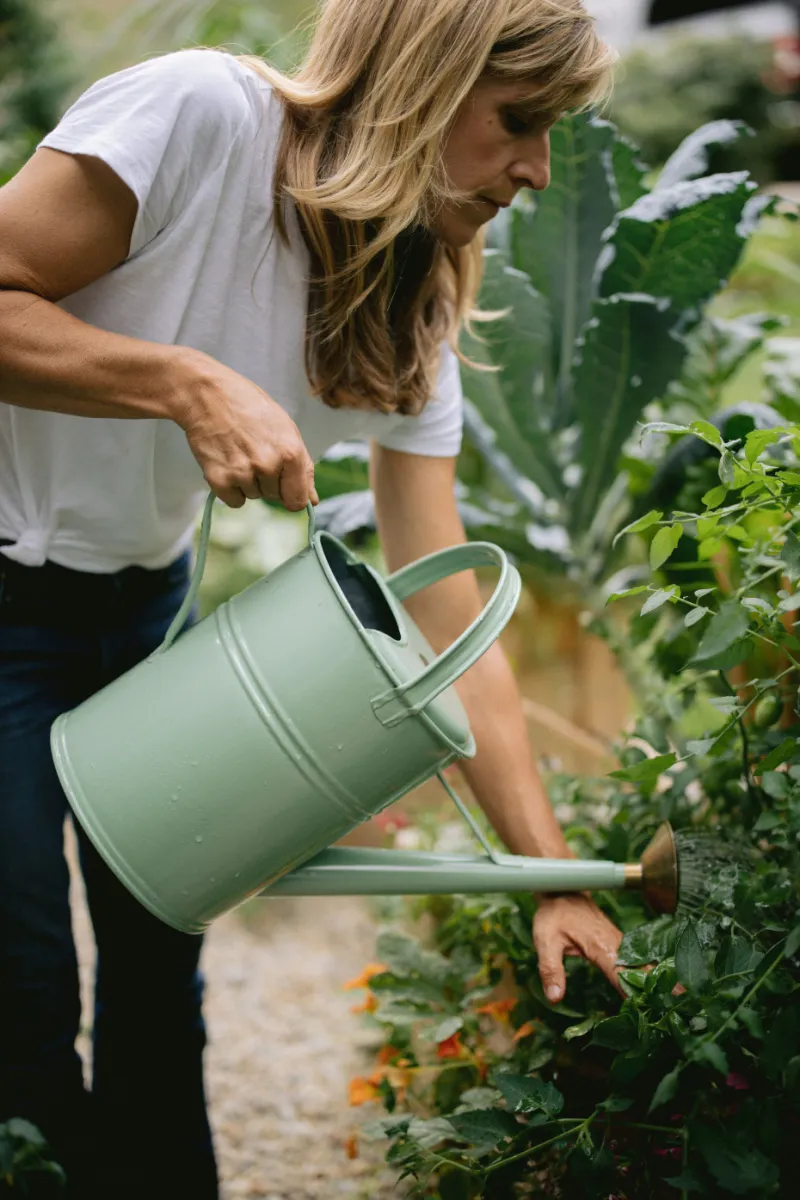
Dry soil adds stress to a plant that is already working hard. Texas A&M AgriLife advises watering rows weekly when rain does not do the job, which is an easy baseline to follow.
LSU AgCenter notes that low moisture, high temperature, and poor growing conditions can all contribute to off-flavor in mustard. So water is one piece of a larger picture.
Sandy Florida soils drain fast and may need more frequent checks, while heavier Texas soils hold water longer. Push a finger into the soil a few inches deep.
If it feels dry, water slowly at the base. A layer of mulch can help hold moisture in.
Watering will not guarantee mild leaves, and it cannot replace timely picking. Think of it as support that gives young leaves a better chance of staying pleasant.
Use regional planting windows for fall crops
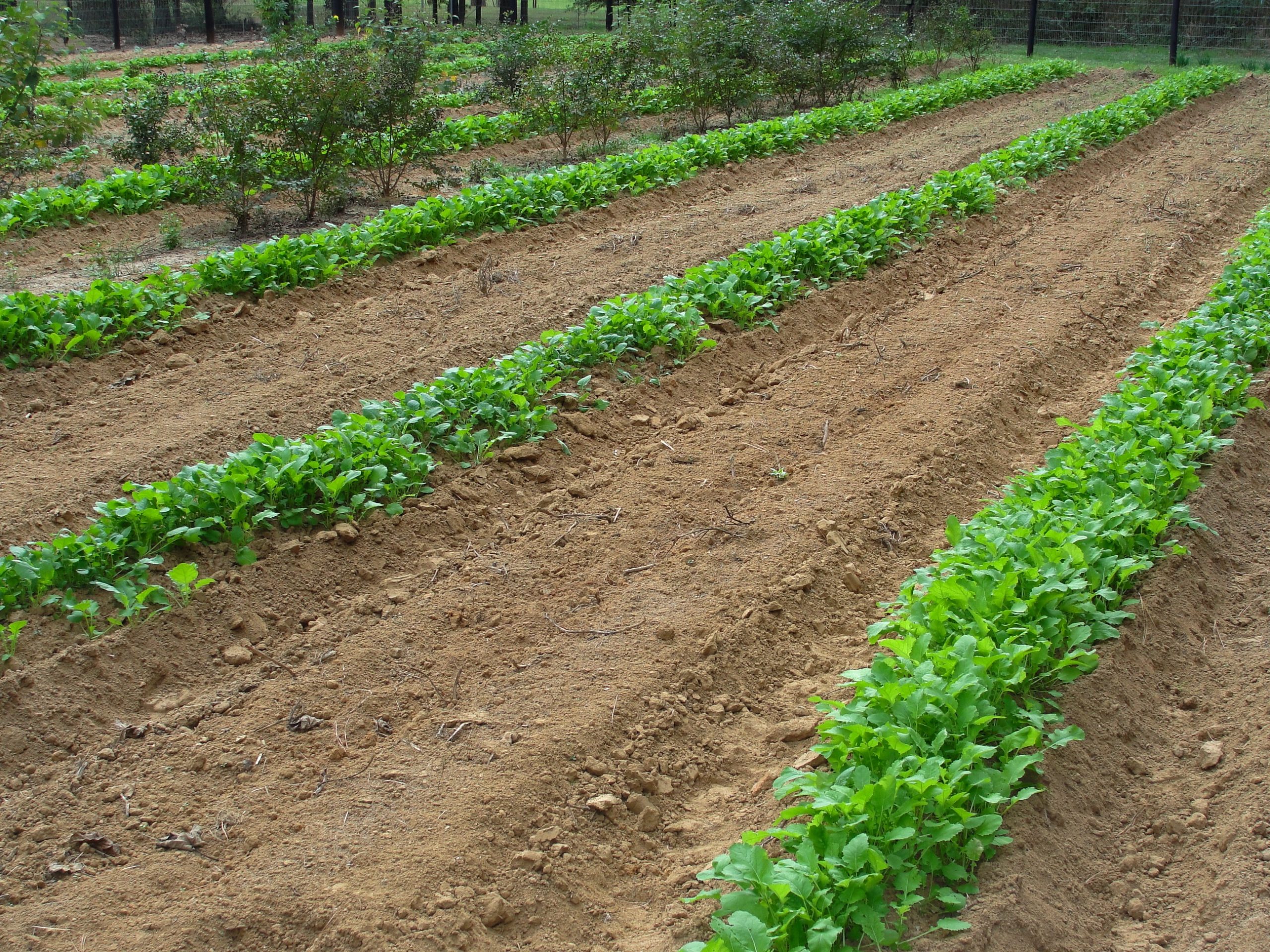
Fall in Texas and fall in Florida are different seasons. For Texas, the general turnip and mustard guidance from Texas A&M AgriLife is to start fall plantings 8 to 10 weeks before the expected first frost.
Sowing again every 10 days is an option if you want a continuing supply instead of one big crop.
Florida timing depends on where you live. UF/IFAS lists planting windows of August through February in North Florida, September through February in Central Florida, and September through January in South Florida.
These are planting windows, not promised harvest dates. Weather, variety, and soil all change how fast plants grow.
November is not the same everywhere either. A cool morning in the Panhandle and a warm afternoon in the Rio Grande Valley or South Florida are very different situations.
Use your local frost dates and watch your plants instead of the calendar alone.
Separate pungent flavor from bolting
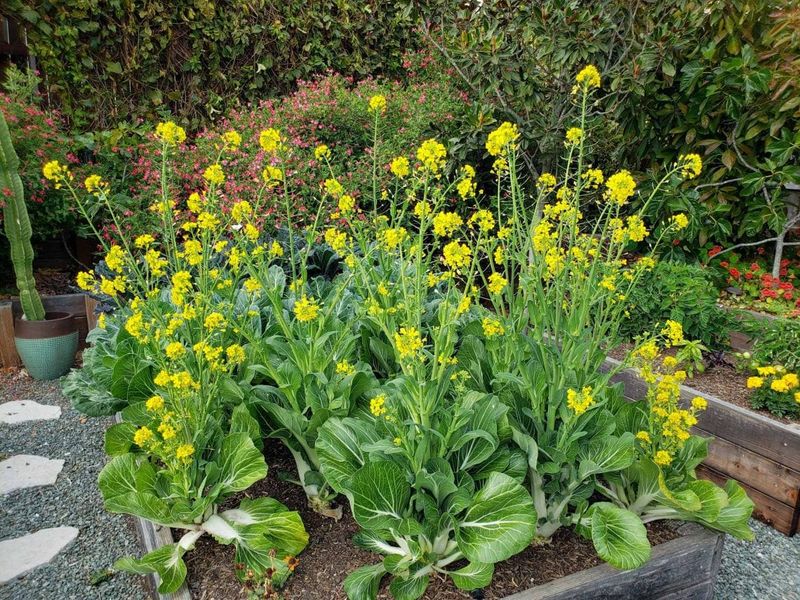
Peppery is not the same as spoiled. UF/IFAS describes mustard leaves as having a distinctive hot, spicy flavor, so some bite is simply what mustard tastes like.
A sharp leaf does not mean the plant is stressed or about to flower.
Off-flavor is a different matter. LSU AgCenter points to heat, low moisture, and low fertility as possible contributors, which is why a harsh or bitter taste deserves a look at your watering and feeding.
Bolting means the plant sends up a flower stalk. Cornell Cooperative Extension describes several possible environmental triggers, and notes that mustard-family crops can also flower after long cold exposure.
So check the plant, not just the taste. A central stalk, tight flower buds, or leaves that thin out are bolting clues.
A single warm afternoon is not, on its own, a reason to expect flowers.
Let leaf condition guide harvest day
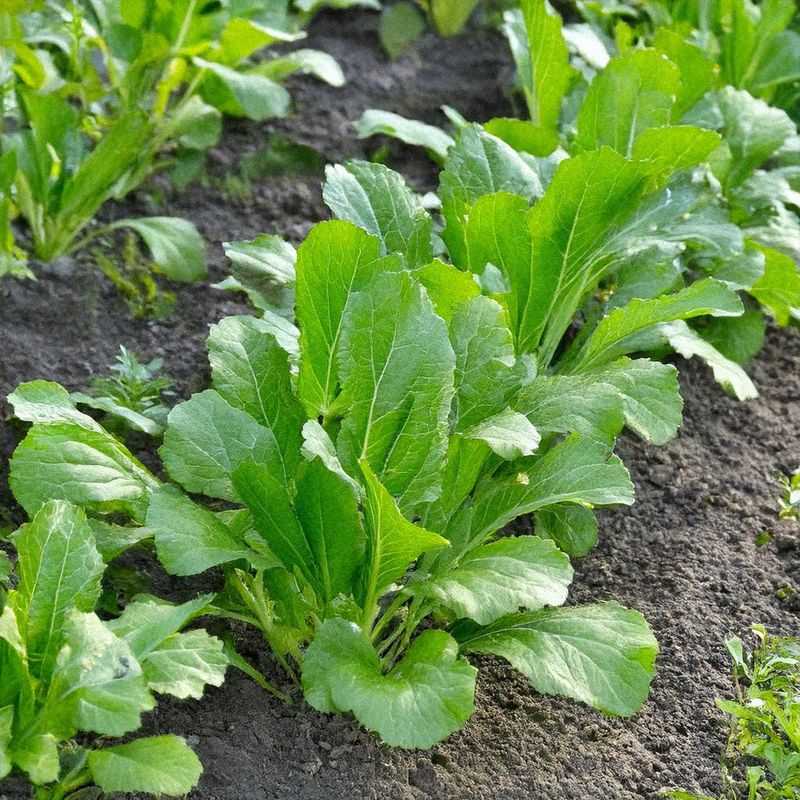
Here is the plan. Pick tender outer leaves as soon as they are big enough to use, as Texas A&M and Illinois Extension recommend.
Keep the soil evenly moist, and do not hold ready leaves back until sustained heat or visible flowers show up.
This is practical guidance built from harvest recommendations, not a tested one-day weather threshold. No forecast number tells you when to cut.
Let the plant make the call. Tender leaves go in the basket, tough ones go to compost, and a warm day is just a reason to look closer.
The best mustard is the leaf you picked while it was still young.