 Complete Gardening
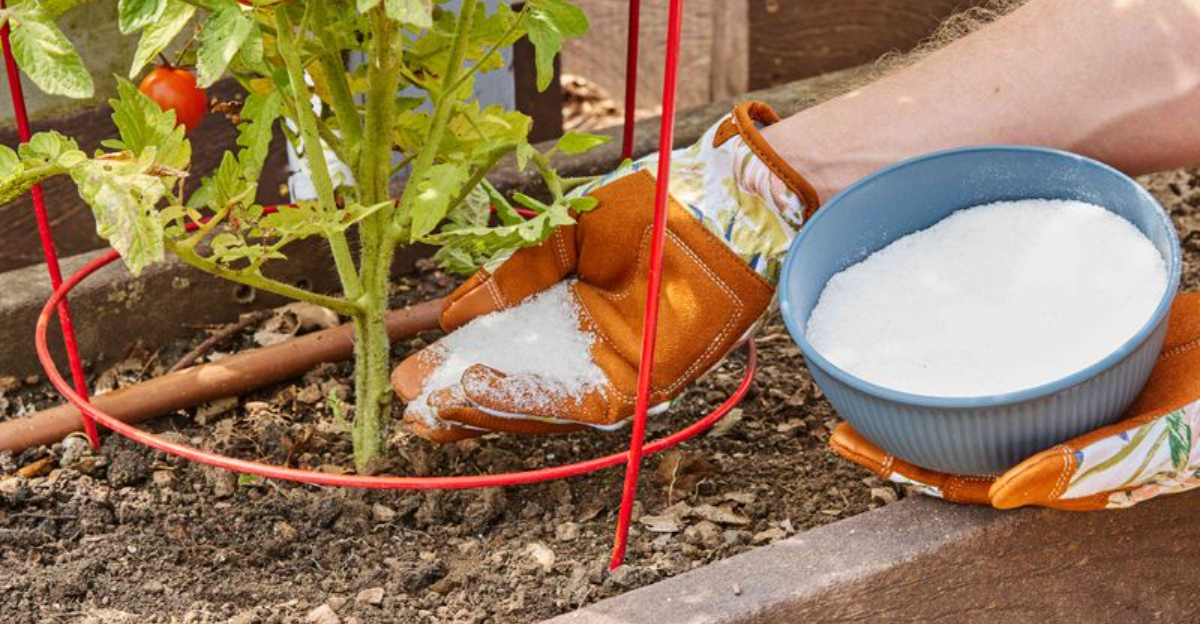
Ever been the subject of neighborly chuckles only to watch those same neighbors adopt your methods? That’s the journey with these garden tricks. From banana peels to scarecrow snakes, these inventive methods have turned skeptics into believers. Let’s explore 15 such tricks that turned my garden into a neighborhood sensation.
1. Banana Peel Fertilizer Tea
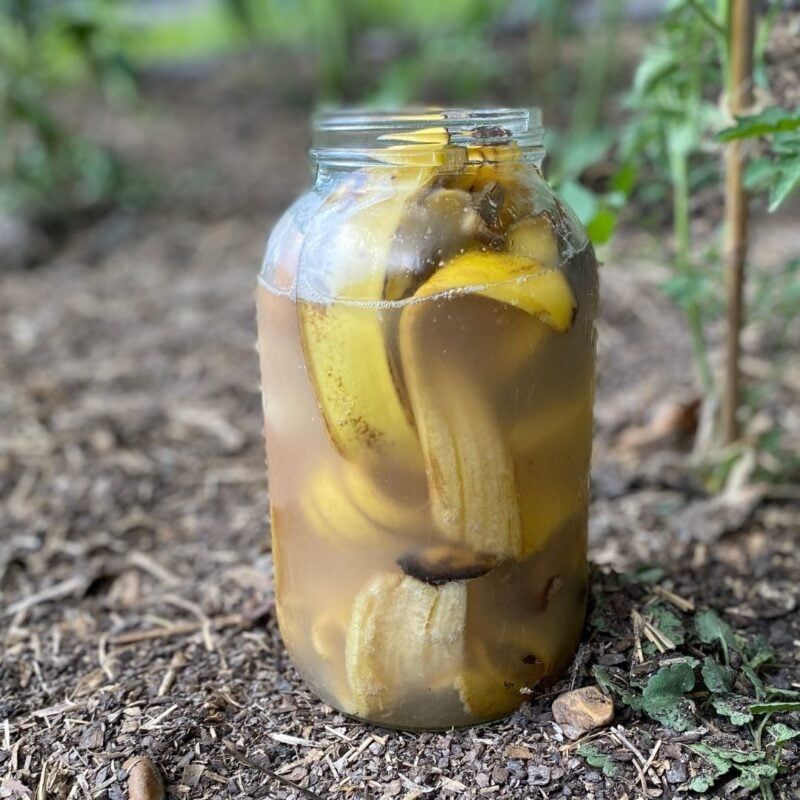
When I first soaked banana peels in water to create a rich fertilizer tea, my neighbors couldn’t stop laughing. “Watering plants with garbage?” they scoffed, watching me in disbelief. Little did they know, the potassium richness in banana peels was feeding my roses to bloom beautifully. Their reaction shifted when they saw the vibrant colors and the lush growth. Now, my neighbors’ roses, thirsty for the same treatment, are begging for their own banana brew. They’ve realized the secret is in the peel, and suddenly, garden composts are filled with banana skins.
2. Eggshell Pest Barrier
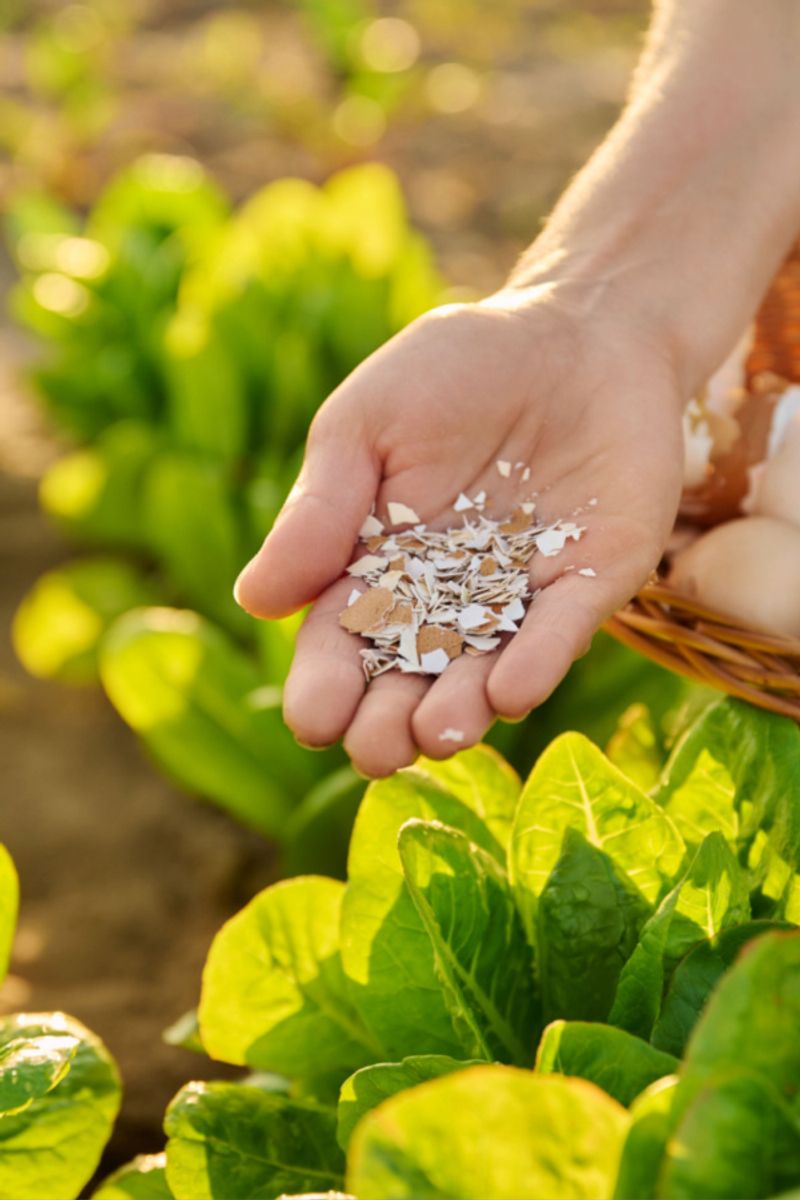
Crushing eggshells and spreading them around my plants was my answer to slugs and snails. “That’ll never work!” they chuckled, convinced I was wasting my time. But, as nature would have it, these mollusks detest crawling over sharp edges. My lettuce remained untouched and thriving, while others battled slime trails. Soon enough, eggshells became a staple in their compost bins. Witnessing the deterrent effects firsthand, they now appreciate this crunchy shield as a simple, natural pest barrier that saves their greens from being gourmet snail dinners.
3. Coffee Grounds for Acid-Lovers
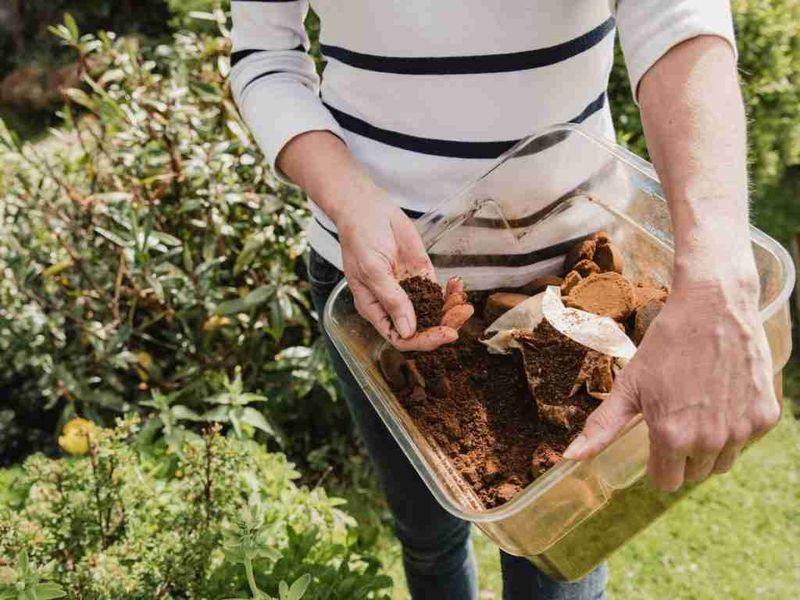
Repurposing used coffee grounds seemed odd to them. “Feeding them caffeine?” they joked, watching me sprinkle grounds around acid-loving plants like blueberries and hydrangeas. The natural acidity adjusted the soil pH, turning my hydrangeas a stunning blue. Curious envy replaced sarcasm as they noticed the transformation. They began hoarding coffee grounds, realizing the power of this aromatic mulch. The lesson? Sometimes, yesterday’s brew is today’s floral cue, and the color change was undeniable proof, sparking a neighborhood trend in eco-friendly fertilizing.
4. DIY Milk Jug Cloches
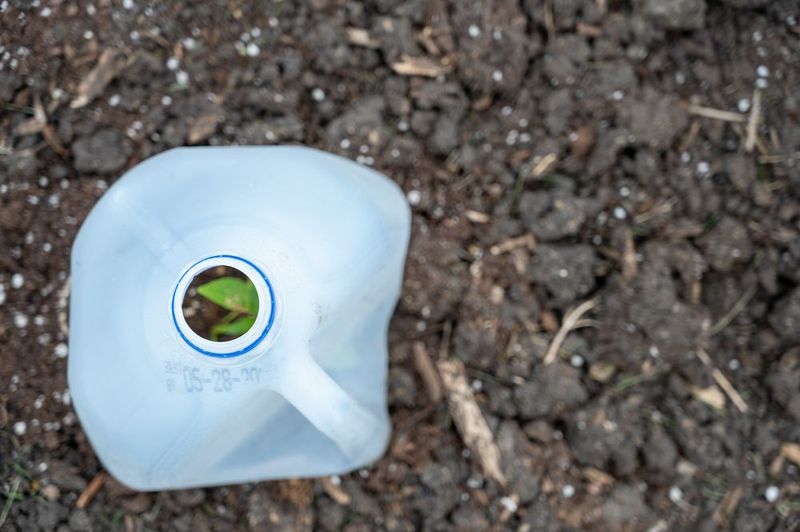
Turning milk jugs into mini-greenhouses had everyone smirking. “Trash as plant protectors?” was the skeptical chorus. Yet, as the frost threatened our gardens, my seedlings emerged unscathed, thanks to the warmth and protection of these makeshift cloches. The doubters quickly changed their tune and started collecting milk jugs themselves. No longer just discarded plastic, these jugs became essential tools in their gardens too. They realized that sometimes, the simplest solutions, like my humble milk jug cloches, offer the best plant protection against harsh elements.
5. Cinnamon as Natural Fungicide
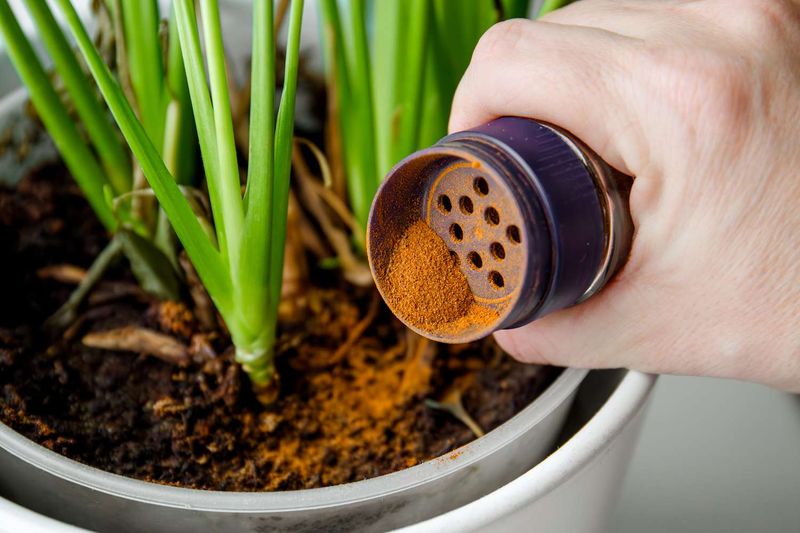
Dusting cinnamon on seedlings to prevent damping-off disease seemed like a whimsical, aromatic choice. “Smells nice, but that’s not science,” they said, dismissing my fragrant method. But as their seedlings succumbed to fungal infections, mine thrived, thanks to cinnamon’s anti-fungal properties. The scent of success wafted across the neighborhood, and soon, their seed trays wore the same cinnamon dust. They learned that this spice isn’t just for baking—it’s a guardian for young plants, preventing disease with a touch of sweet-smelling magic.
6. Beer Traps for Slugs
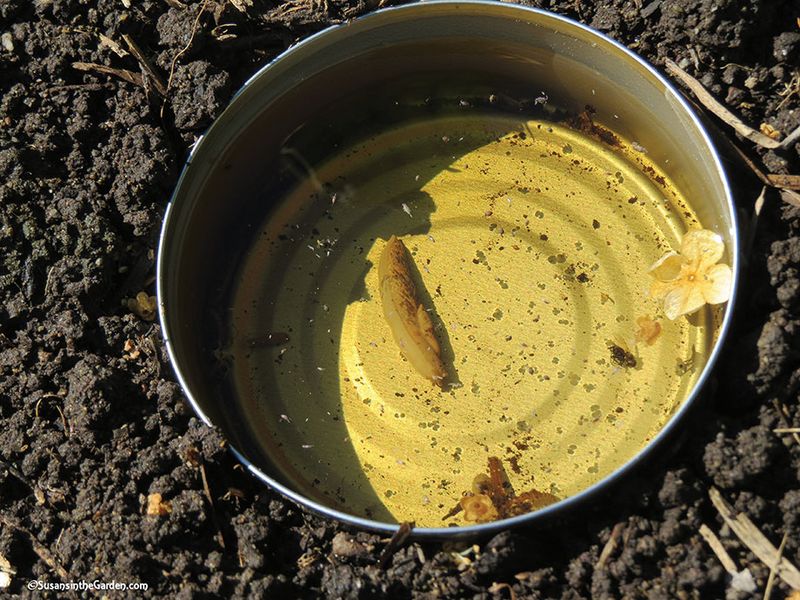
“Wasting beer on bugs?” was their amused reaction when I set out beer traps for slugs. But once those slimy pests found themselves irresistibly drawn and drowned, the laughter turned to admiration. My garden beds were slug-free, and soon, the earthy aroma of beer wafted from their gardens too. No longer just a beverage, beer became a pest control tool, transforming garages into mini-breweries all for the sake of a slug-free garden. The effectiveness of this simple, fermented bait was undeniable—they were hooked.
7. Vinegar Weed Killer
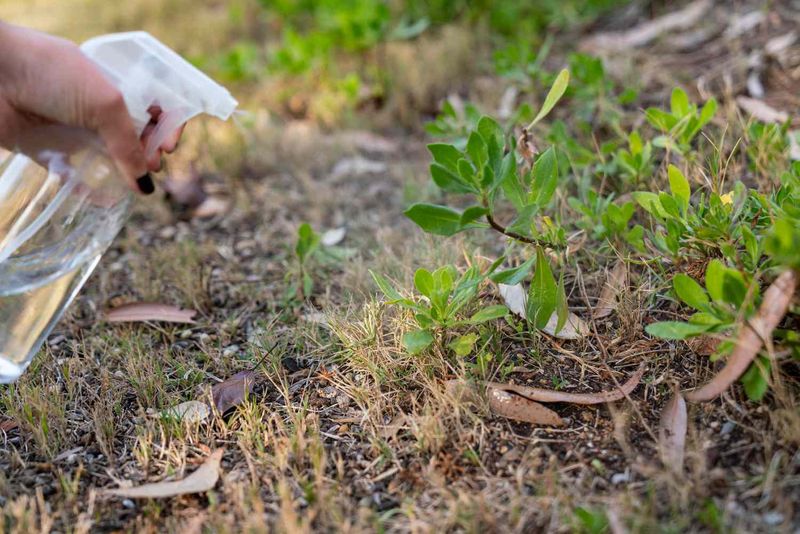
When I first mixed vinegar, salt, and dish soap to kill weeds, the simplicity made them scoff. “That’s too simple to work,” they remarked. Yet, as my driveway emerged weed-free and pristine, curiosity struck. This homemade concoction proved a safe, effective alternative to chemical herbicides, and soon, their sidewalks were similarly spotless. They discovered that this humble kitchen staple could outsmart weeds without harming the environment. The ease and effectiveness of my vinegar mixture soon replaced their skepticism with appreciation.
8. Diapers in Hanging Baskets
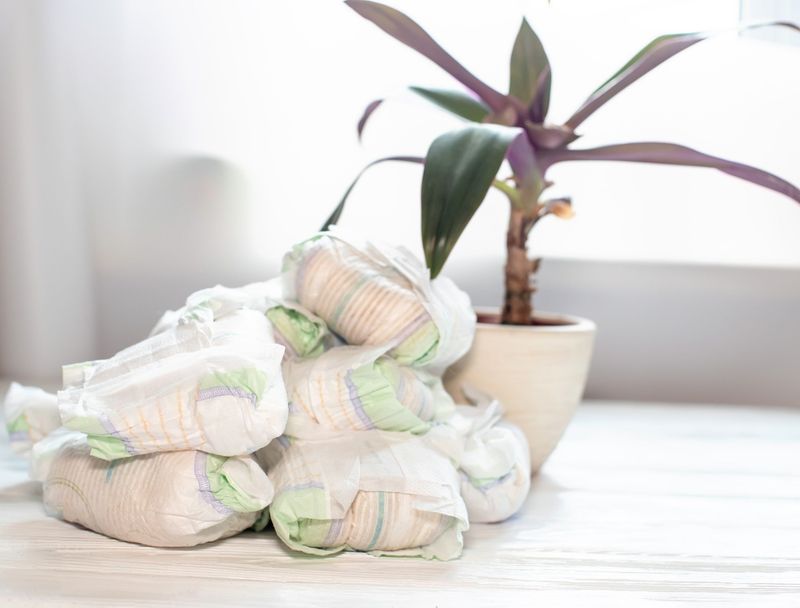
“You’re putting WHAT in your plants?!” they exclaimed when they saw diapers in my hanging baskets. Yet, as their petunias wilted in the heat, mine remained lush thanks to the moisture-retaining gel in the diapers. This quirky trick soon had them reconsidering their initial disbelief. They realized that sometimes innovation means thinking outside the pot. Now, their blooming baskets enjoy the same hydration boost, proving that even items from the baby aisle can have a place in the garden, ensuring vibrant, thirsty-free blooms.
9. Epsom Salt for Tomatoes
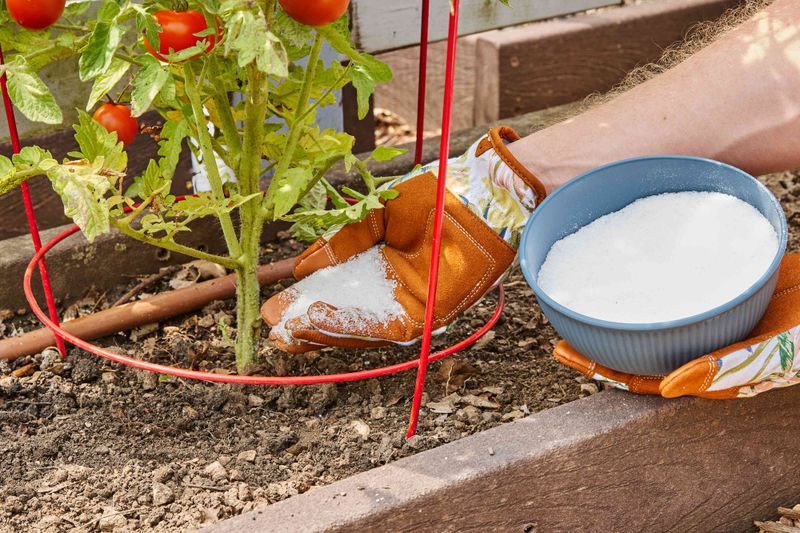
“You’re bathing your plants now?” they joked, observing my application of Epsom salt to the soil. Yet, as my tomatoes grew bigger and sweeter, their skepticism waned. The magnesium richness of Epsom salt became evident as their plants struggled to match the bounty of mine. Soon, their gardens also saw the addition of this mineral boost, leading to a flourishing of fruit. They discovered that sometimes, the path to better tomatoes is paved with unexpected ingredients, enriching soil and taste alike with this simple, salty addition.
10. Rubber Snake Scarecrow
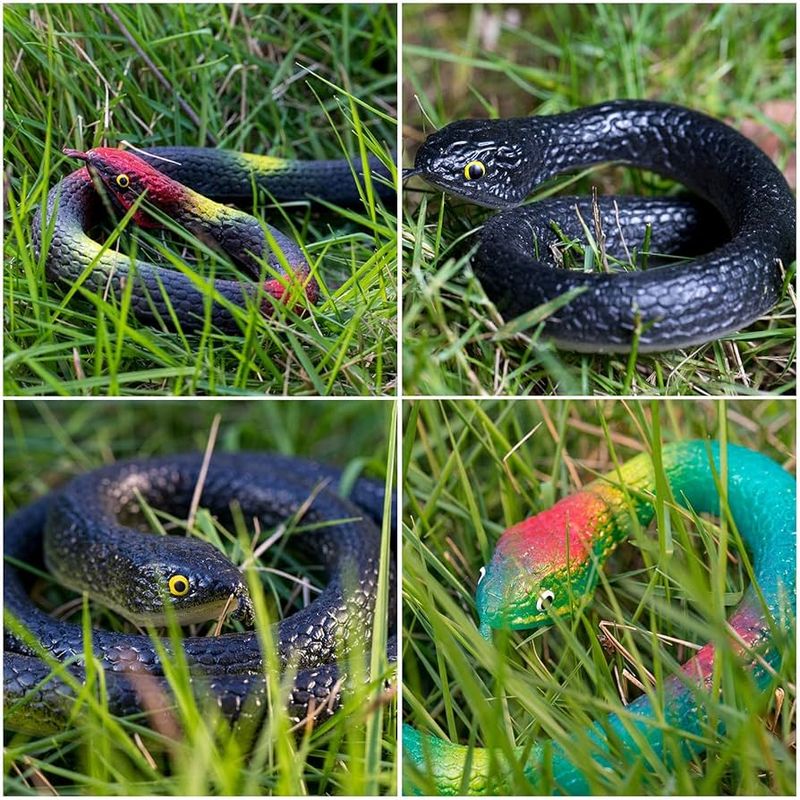
The sight of a rubber snake in my garden raised eyebrows and laughter. “That’s ridiculous,” they said, mocking my approach to deterring birds and squirrels. However, my untouched strawberries told a different story. Suddenly, the playful mockery turned into a rush to buy their own faux reptiles. This unusual scare tactic proved effective, and my garden’s tranquility was restored. The fake snake defense soon became a staple in their gardens too, offering a unique yet practical solution to a common problem—keeping critters at bay.
11. Baking Soda for Sweeter Tomatoes
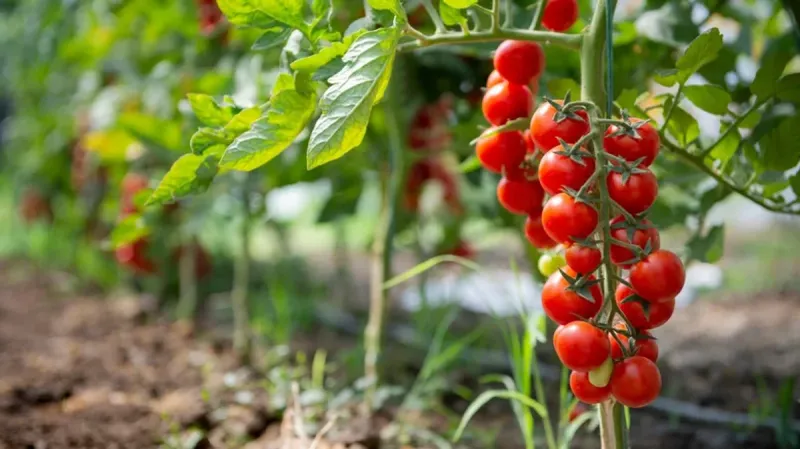
“Next you’ll be frosting them!” they teased, watching me sprinkle baking soda around my tomato plants. Despite their jokes, my tomatoes emerged tasting like candy, the reduced soil acidity working wonders. This sweet revelation piqued their interest, and they soon followed suit. Baking soda became a new secret ingredient in their gardening arsenal, proving that sometimes, a kitchen staple holds the key to a sweeter harvest. Their laughter turned into appreciation for the unexpected effectiveness of this simple addition, enhancing both flavor and garden pride.
12. Plastic Fork Fence
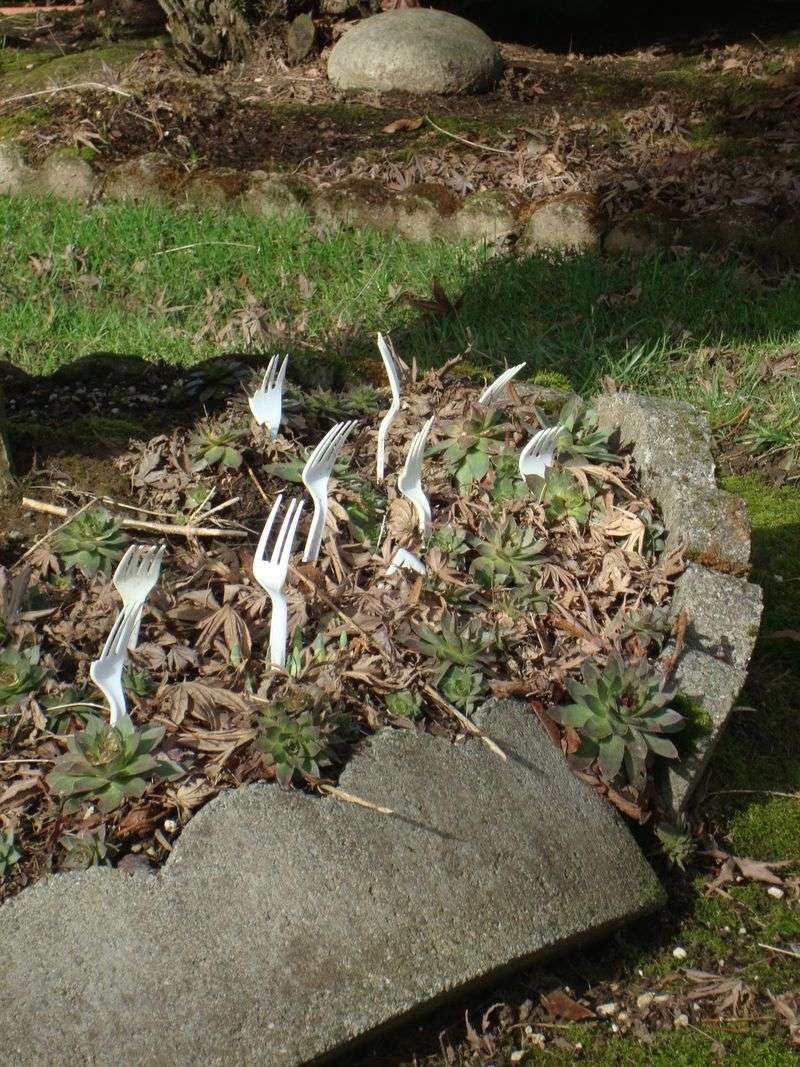
“Your garden looks like a weird picnic,” they chuckled at my line of plastic forks around seedlings. Yet, as cats and rabbits continued to ravage their plants, mine stood unharmed. This barrier, simple yet efficient, transformed skepticism into admiration. They soon adopted this unconventional yet effective strategy, realizing that sometimes, protection comes in unexpected forms. These forks became a staple in their gardens too, keeping curious critters at bay. The transformation from humor to respect was swift as they saw the results firsthand.
13. Chamomile Tea for Seedlings
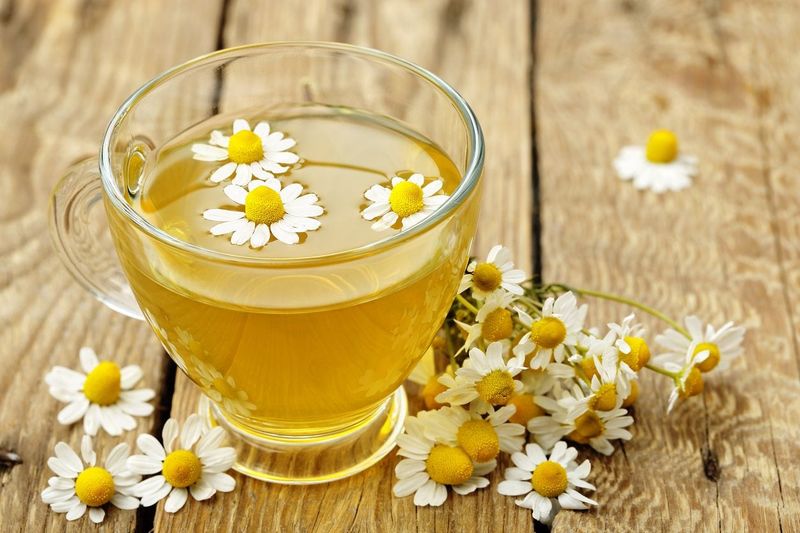
“Plants don’t drink tea!” they laughed, watching me water seedlings with weak chamomile tea. Yet, while their plants succumbed to fungal infections, mine thrived. Chamomile’s natural antifungal properties protected my young sprouts, turning laughter into curiosity. Soon, they too embraced this fragrant remedy, understanding that a simple cup of tea could offer such profound protection. Their seedlings flourished, and they learned that sometimes, the solutions to gardening woes can be as soothing as a warm, aromatic brew shared among friends.
14. Aluminum Foil Mulch
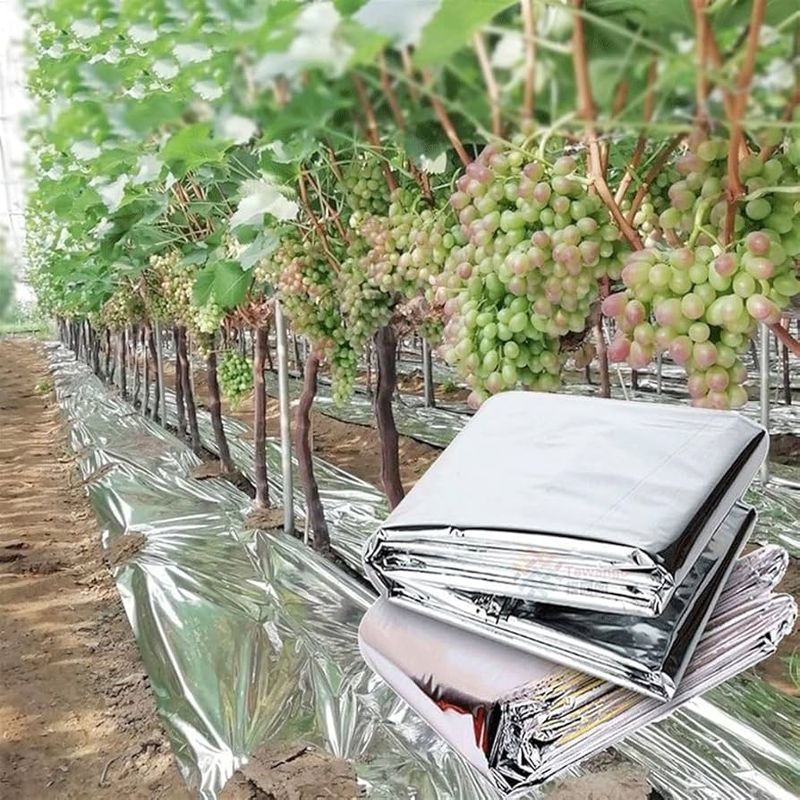
“Is your garden a spaceship?” they asked, amused by my use of aluminum foil around plants. Yet, as aphids avoided my garden and the light reflection enhanced growth, their curiosity grew. The unconventional mulch proved both a pest deterrent and a growth booster. They soon embraced this shiny solution, recognizing its dual benefits. What began as a reflection of skepticism turned into a shining example of innovative gardening. The foil’s transformation from kitchen staple to garden essential was undeniable, enhancing both plant health and community intrigue.
15. Soap-on-a-Rope Deer Repellent
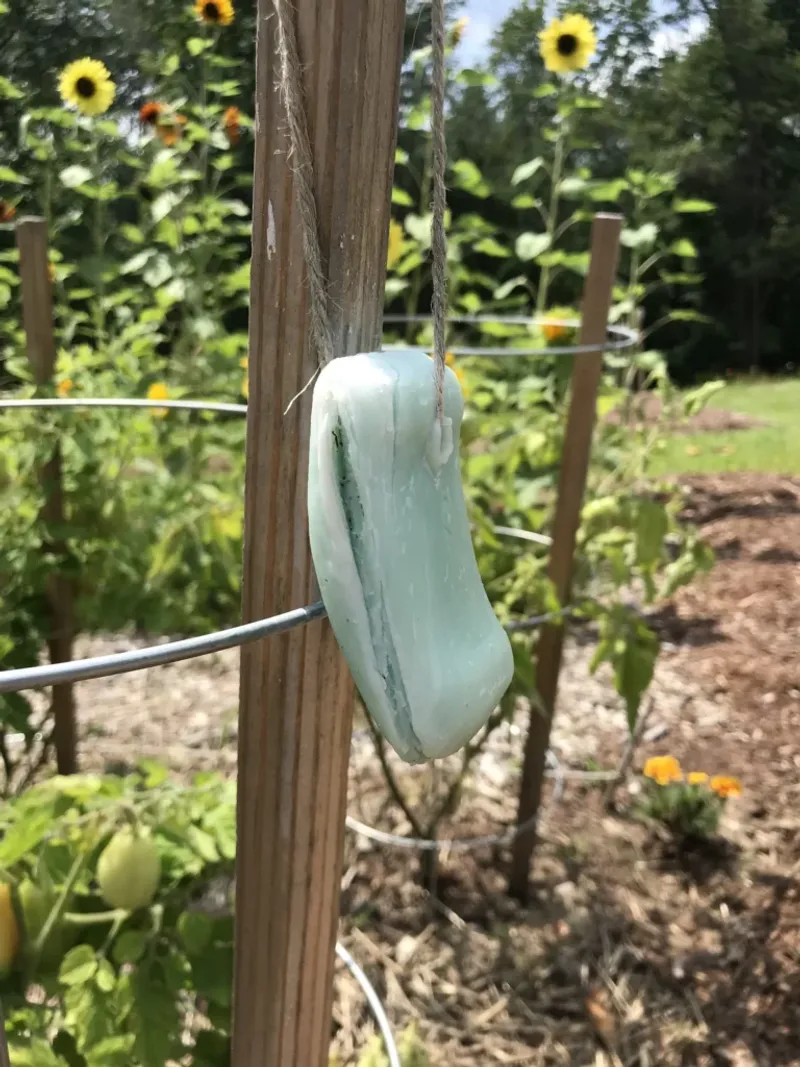
Hanging soap around the garden seemed absurd to them. “Deer hate… soap?” they questioned, chuckling. Yet, as their hostas became deer salads, mine remained untouched. The fresh scent of Irish Spring repelled deer, turning their laughs into nods of understanding. Before long, bars of soap adorned their gardens too, warding off unwelcome diners. This fragrant barrier became a neighborhood staple, proving that sometimes, the answer to deer dilemmas lies in the bath aisle. The transformation was clear, from skepticism to a shared secret in pest control.