 Complete Gardening
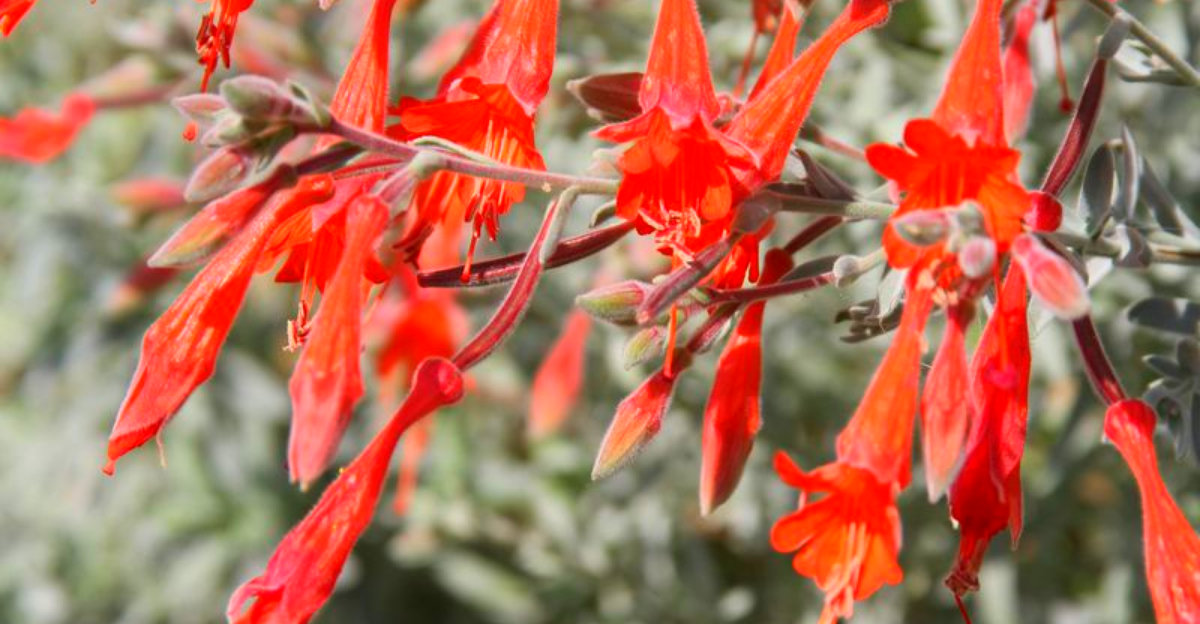
California’s diverse climate and geography make it a unique haven for a variety of native plants. These plants not only add beauty to backyards but also support local ecosystems by providing habitat and resources for native wildlife. Embracing native flora is an excellent way to conserve water, reduce gardening maintenance, and enhance biodiversity in your own backyard.
1. Purple Needlegrass
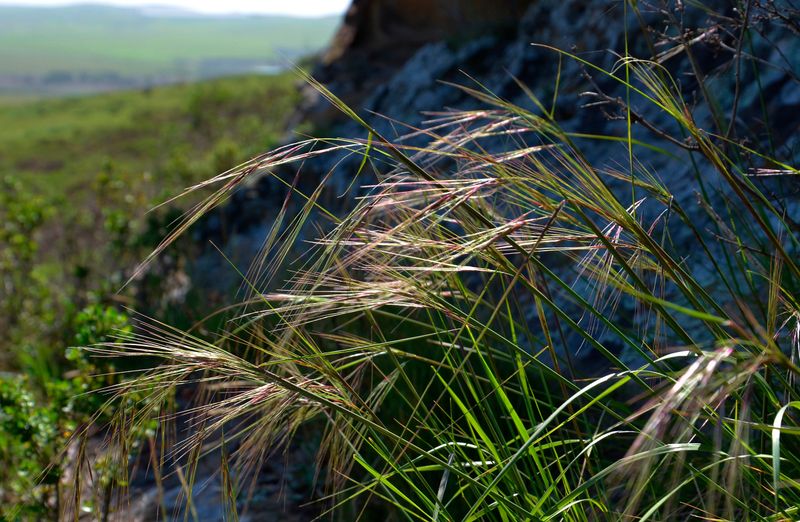
Purple Needlegrass, the state grass of California, is known for its resilience and adaptability. Its delicate purple-hued seed heads sway gracefully, adding movement to any landscape.
This grass is vital for erosion control and provides habitat for various wildlife species. Its deep roots make it particularly drought-resistant, suitable for sustainable gardening.
Fun fact: Purple Needlegrass has been a crucial part of California’s ecosystems for thousands of years, supporting soil health and wildlife.
2. California Poppy
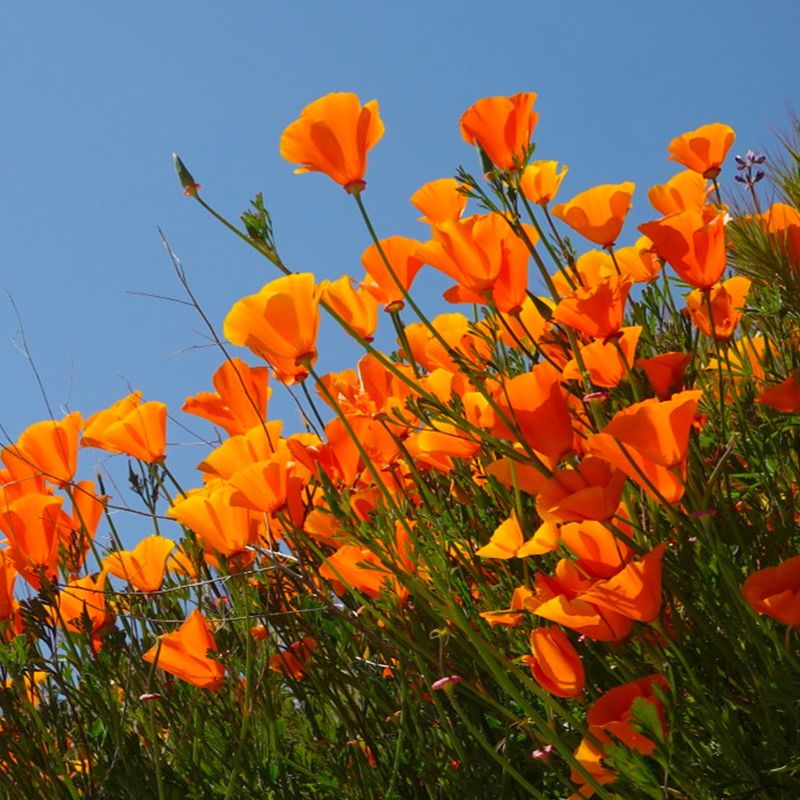
The California Poppy, with its iconic orange blooms, is a symbol of the Golden State. This vibrant flower opens its petals to the sun, creating a dazzling display. Native to California, it thrives in well-drained soil and full sunlight.
Surprisingly drought-tolerant, the poppy requires little water once established. Its seeds scatter easily, allowing it to colonize new areas effortlessly.
Fun fact: The California Poppy is the state flower, celebrated for its bright, cheerful appearance. It’s a favorite among gardeners for adding a splash of color to any backyard.
3. Coast Live Oak
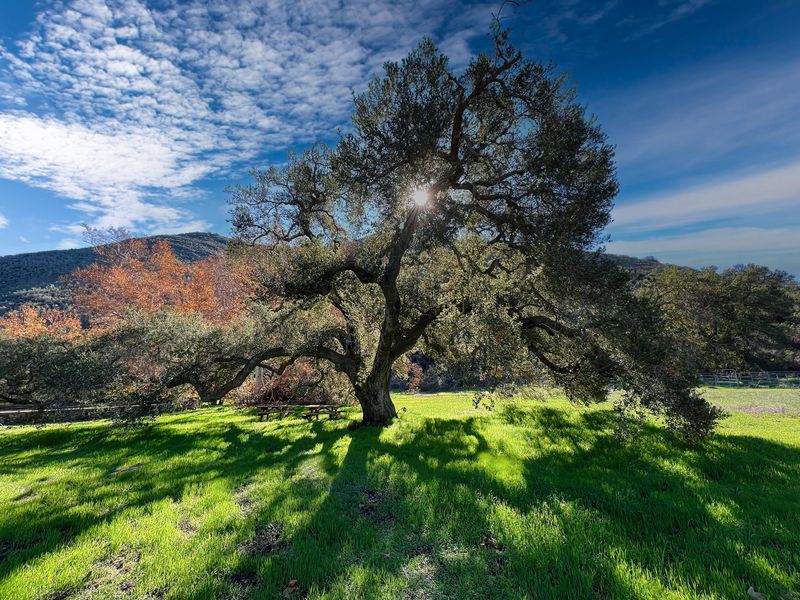
Standing tall and wise, the Coast Live Oak is a cornerstone of California’s native landscapes. Known for its twisted branches and thick trunk, this tree offers shelter to countless wildlife species.
Its evergreen leaves provide year-round greenery, thriving in coastal and interior valleys. The oak’s acorns are a vital food source for birds and mammals.
Did you know? The Coast Live Oak can live for several centuries, becoming a beloved family heirloom for generations. Its resilience and grandeur make it a prized addition to any backyard.
4. California Lilac
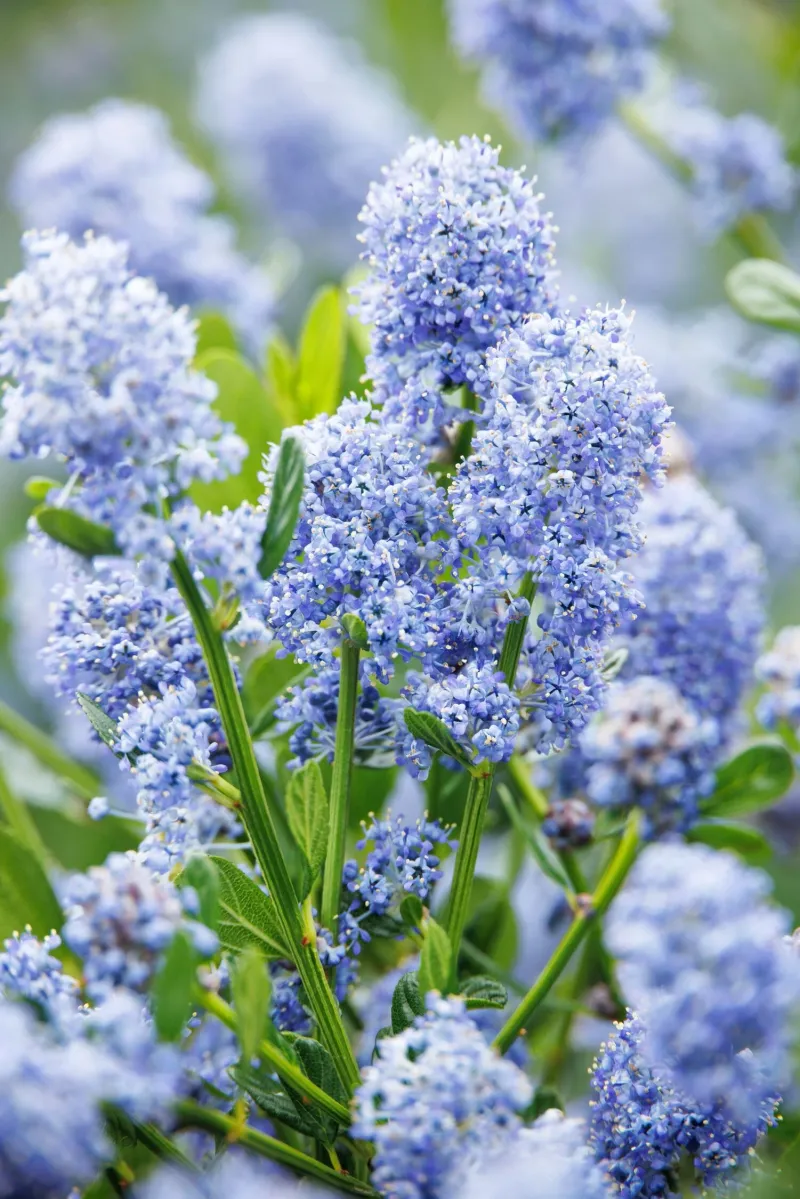
The California Lilac, with its charming blue-violet blooms, brings a touch of elegance to any garden. Its fragrant flowers attract bees, butterflies, and other pollinators, fostering biodiversity.
This shrub flourishes in well-drained soil and sunny locations, requiring minimal water once established, making it ideal for drought-prone areas.
Interestingly, there are many varieties of California Lilac, ranging in color from white to deep blue, offering ample choices for garden enthusiasts. It’s a beautiful, scented addition to environmentally conscious gardens.
5. Manzanita
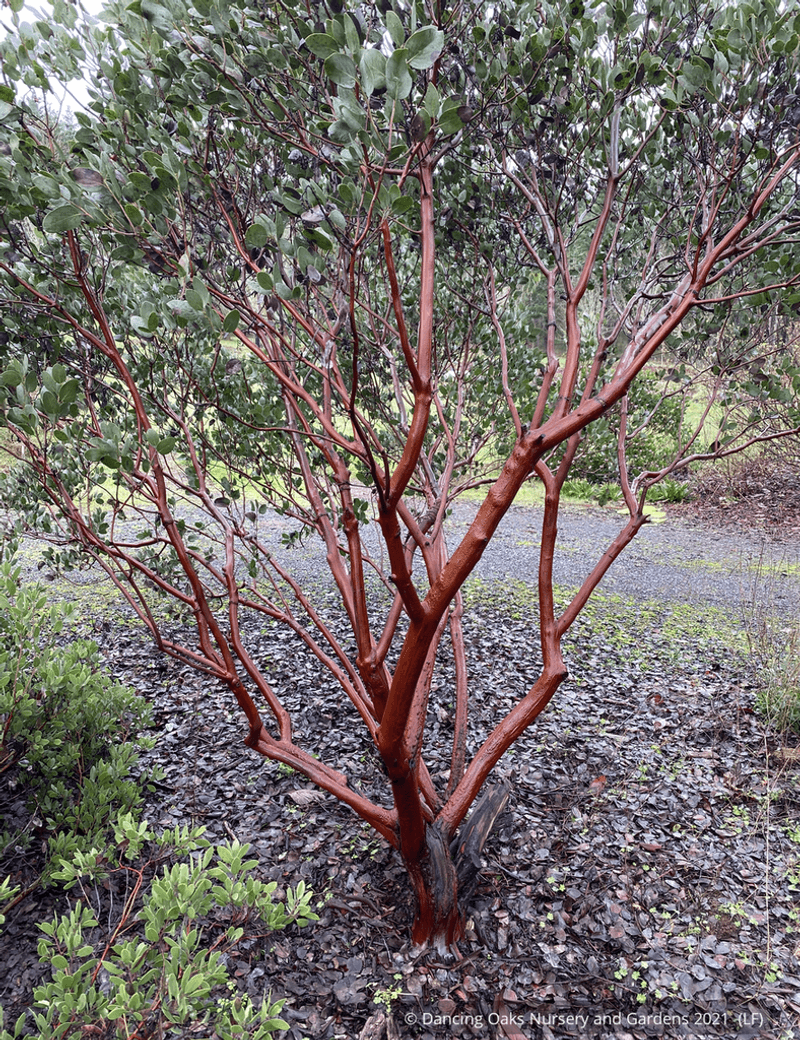
Manzanita, with its striking red bark and delicate pink flowers, is a resilient beauty native to California. Its gnarled branches and evergreen leaves create a captivating appearance.
Ideal for dry, rocky landscapes, Manzanita requires little irrigation, thriving in well-drained soils. Its berries are a tasty treat for birds and other wildlife.
Fun fact: Manzanita means “little apple” in Spanish, named for its small, apple-like fruit. This hardy shrub is perfect for adding unique texture and color to your yard.
6. Toyon
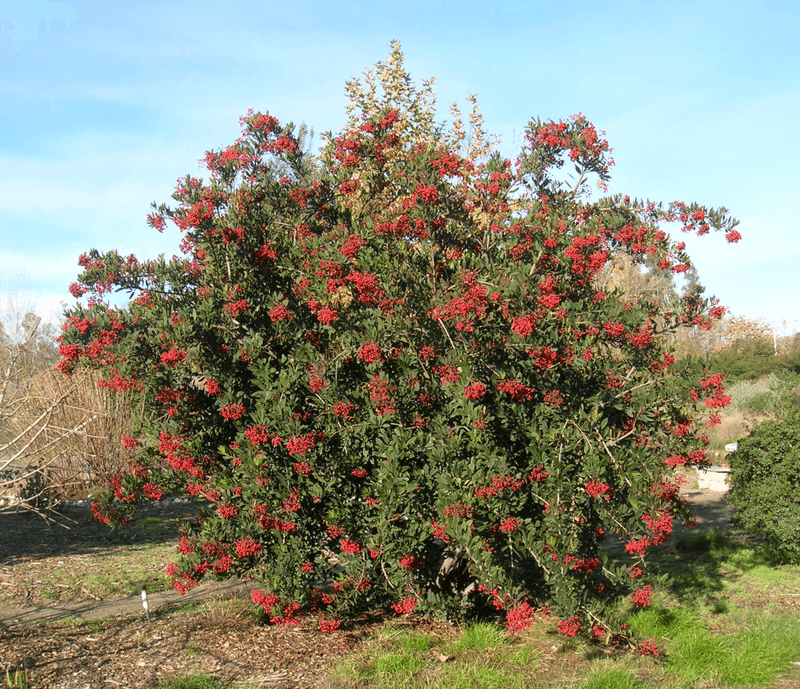
Toyon, often called California Holly, is a festive addition to gardens with its bright red berries and lush green leaves. This shrub thrives in various soil types, preferring full sun to partial shade.
Its berries are not only decorative but also attract birds and mammals, contributing to local ecosystems. As a drought-tolerant plant, Toyon is well-suited for water-wise gardens.
Interesting tidbit: Toyon is the inspiration behind Hollywood’s name, highlighting its significance in Californian culture. It’s a versatile and hardy choice for backyard gardens.
7. Yarrow
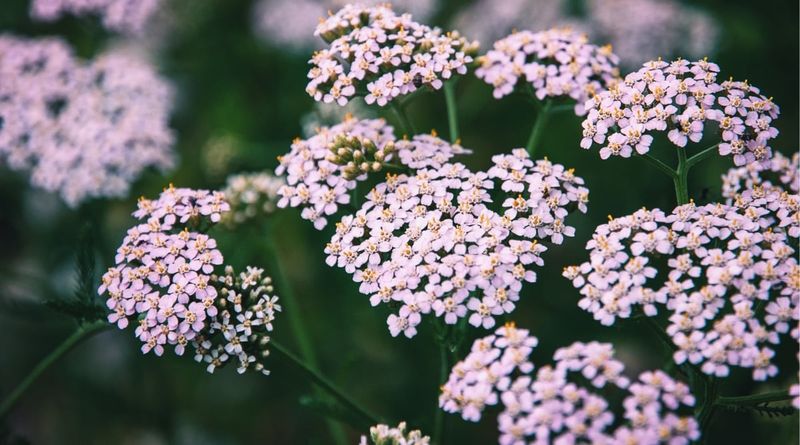
Yarrow, with its feathery foliage and clusters of tiny flowers, adds a soft touch to Californian gardens. Known for its medicinal properties, it’s also a favorite among pollinators.
This hardy perennial is drought-tolerant and adapts well to various soil conditions, requiring minimal care. Its blossoms can range from white to pink, providing options for diverse garden palettes.
Did you know? Yarrow has been used for centuries in traditional medicine for its healing properties. It’s a beneficial and charming addition to any garden.
8. California Fuchsia
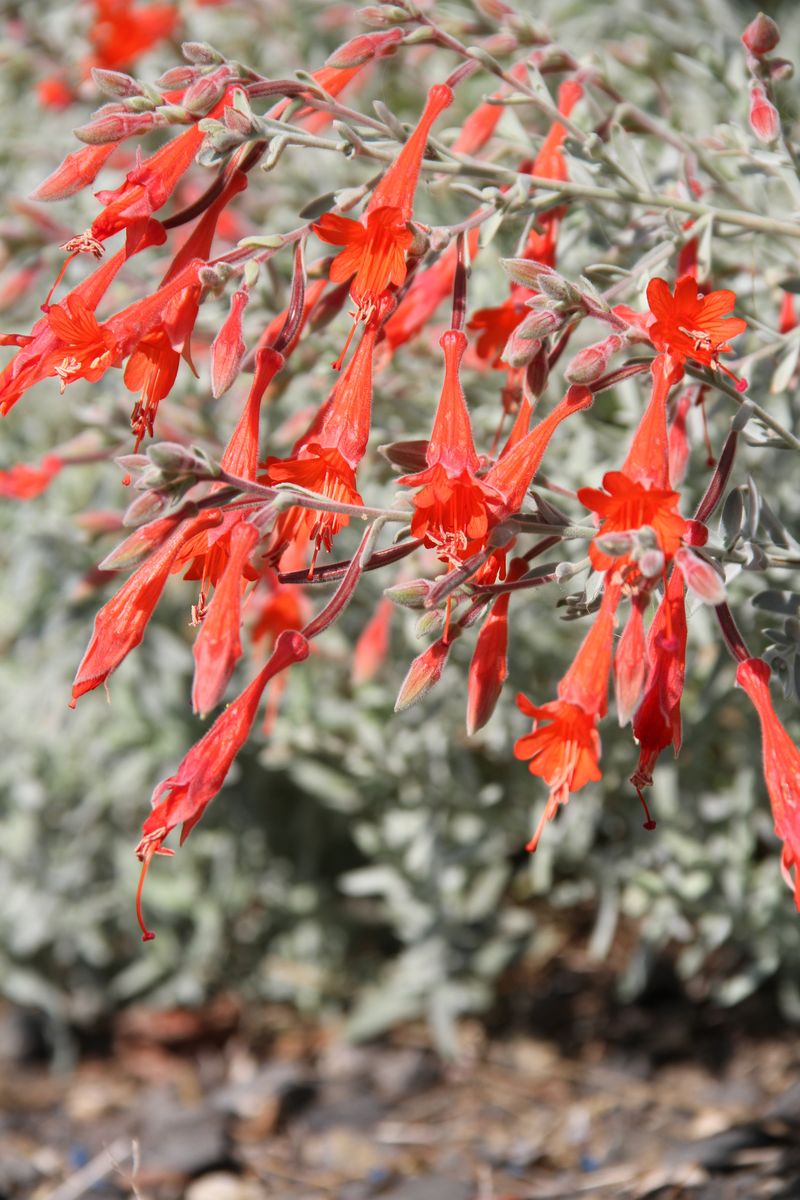
California Fuchsia, with its striking red tubular flowers, is a magnet for hummingbirds. This vibrant plant blooms in late summer, providing a splash of color when other flowers have faded.
Thriving in full sun and well-drained soil, it requires little water, making it perfect for dry gardens. Its low-growing habit is ideal for borders and rock gardens.
Interestingly, California Fuchsia is also deer-resistant, making it a smart choice for gardens susceptible to wildlife visits. It’s a lively, enduring option for your backyard.
9. Blue Elderberry
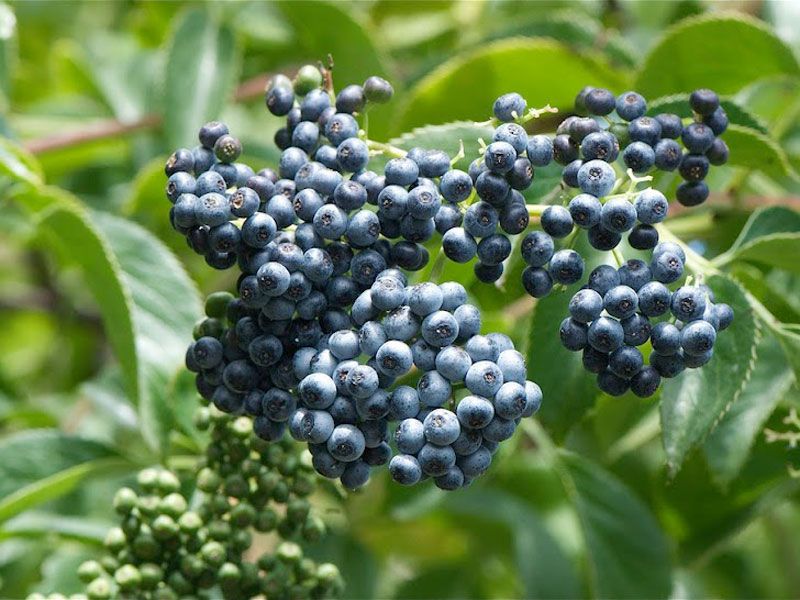
The Blue Elderberry brings both beauty and utility to Californian gardens. With its clusters of small white flowers that give way to dark purple berries, it serves both aesthetic and ecological purposes.
The berries are a food source for birds and can be used to make delicious jams and wines. Thriving in various soil types, it prefers sunny locations and moderate water.
Did you know? Elderberry has been used for centuries in traditional medicine for its immune-boosting properties. It’s a multifunctional and attractive plant to grow.
10. Matilija Poppy
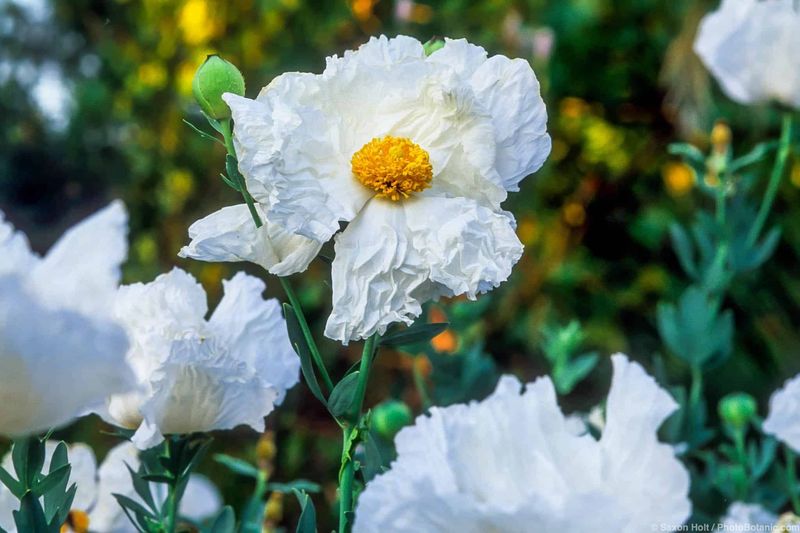
Known as the “fried egg flower,” the Matilija Poppy stands out with its large white petals and sunny yellow center. Its striking appearance makes it a focal point in any garden.
This perennial thrives in well-drained soil and full sun, requiring little water once established, ideal for drought-tolerant landscapes. Its blooms are not only beautiful but also fragrant.
Fun fact: The Matilija Poppy is one of the largest flowers native to California, often reaching six feet in height. It’s a dramatic and fragrant addition to any backyard.