 Complete Gardening
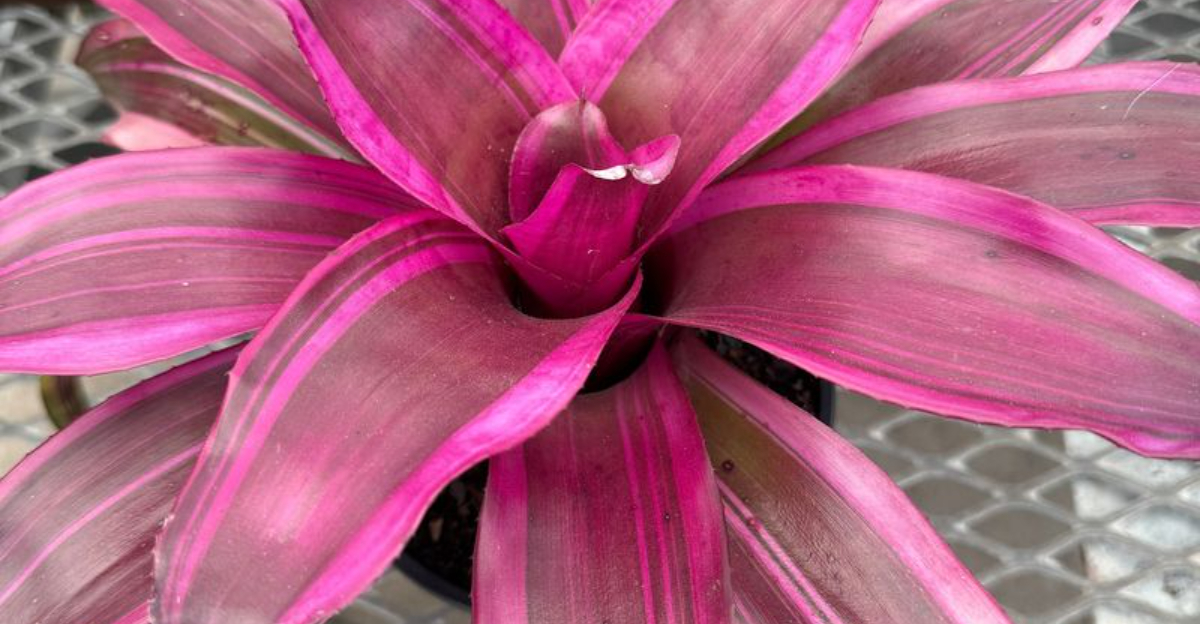
Discover the fascinating world of Neoregelia Bromeliads, a plant that serves as a vibrant wildlife hub. With its unique features and adaptability, this stunning plant goes beyond aesthetics to become a life-sustaining habitat for various creatures.
Explore ten intriguing facts about how Neoregelia not only thrives in nature but also supports a mini-ecosystem, making it a true marvel in the plant kingdom.
1. Built-In Water Tank
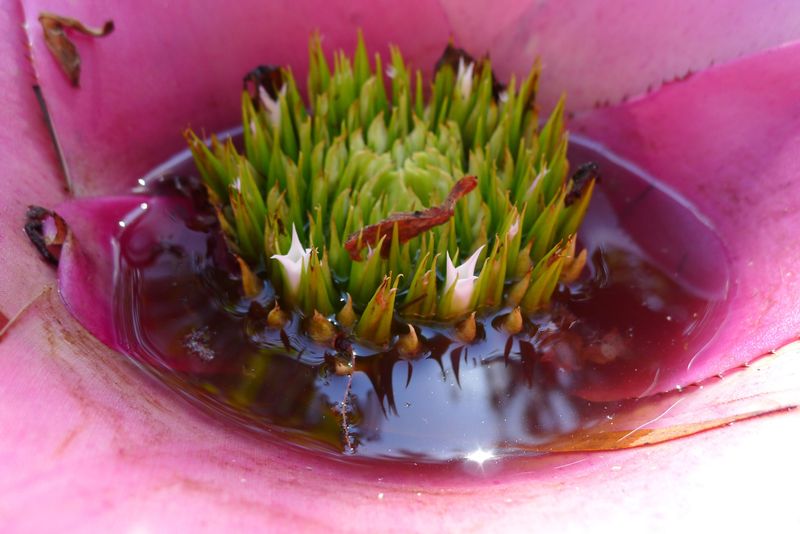
The central cup of the Neoregelia acts like a natural reservoir, storing rainwater. This feature becomes vital for wildlife in tropical regions, as it offers a reliable water source. Frogs, insects, and even small mammals find refuge here, especially when water is scarce. This plant’s tank is more than just a water holder; it’s a life-saver. The ability to store water also aids in the plant’s survival during dry spells. Its ingenious design has fascinated botanists and nature enthusiasts alike, earning it the nickname “Tank Bromeliad.”
2. Frog Nursery
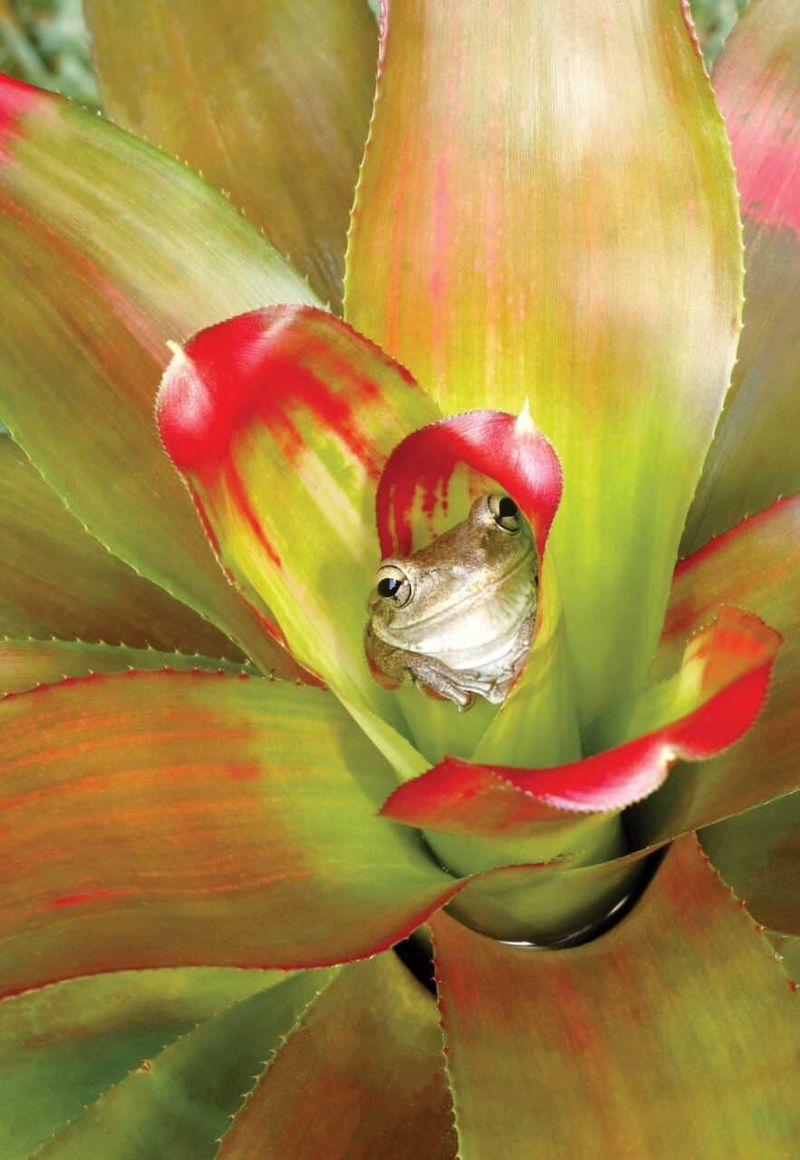
Tree frogs have discovered a perfect nursery in the Neoregelia’s central tank. By laying eggs in this secure, nutrient-rich environment, they provide their offspring a safe start. Tadpoles flourish here, away from predators lurking in larger bodies of water. This symbiotic relationship showcases the Neoregelia’s role in supporting biodiversity. The plant’s ability to nurture life extends beyond just frogs, emphasizing its importance in the ecosystem. The tank not only provides water but also becomes a cradle for new life, enhancing the plant’s ecological significance.
3. Insect Lounge
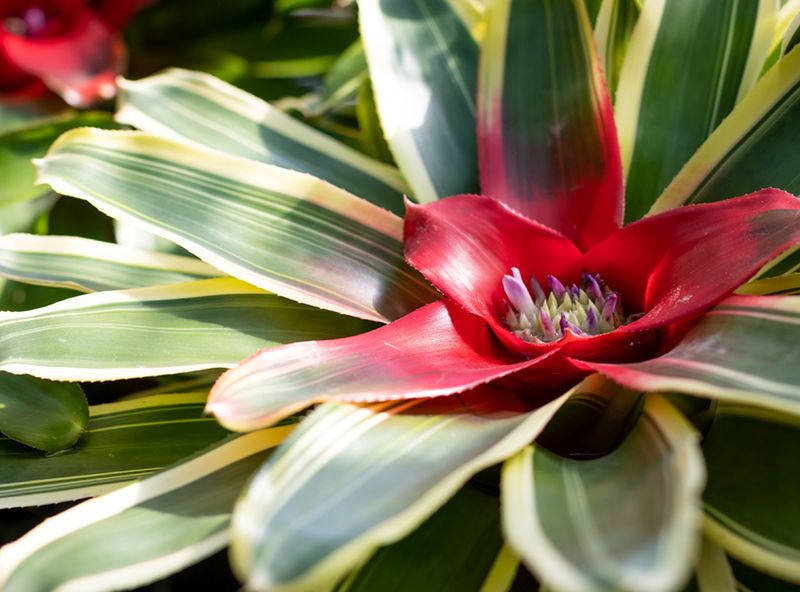
Neoregelia’s tank is a haven for insects. Mosquitoes, beetles, and other species flock to it, finding hydration and a place to lay eggs. For some insects, this plant is a microhabitat. The plant’s presence significantly impacts local insect populations. As insects thrive, they contribute to the ecological balance, acting as pollinators and food for other creatures. Neoregelia’s ability to attract and sustain insects highlights its role as an integral wildlife hub. This plant offers more than beauty; it supports an entire food chain.
4. Feeding Ground for Birds
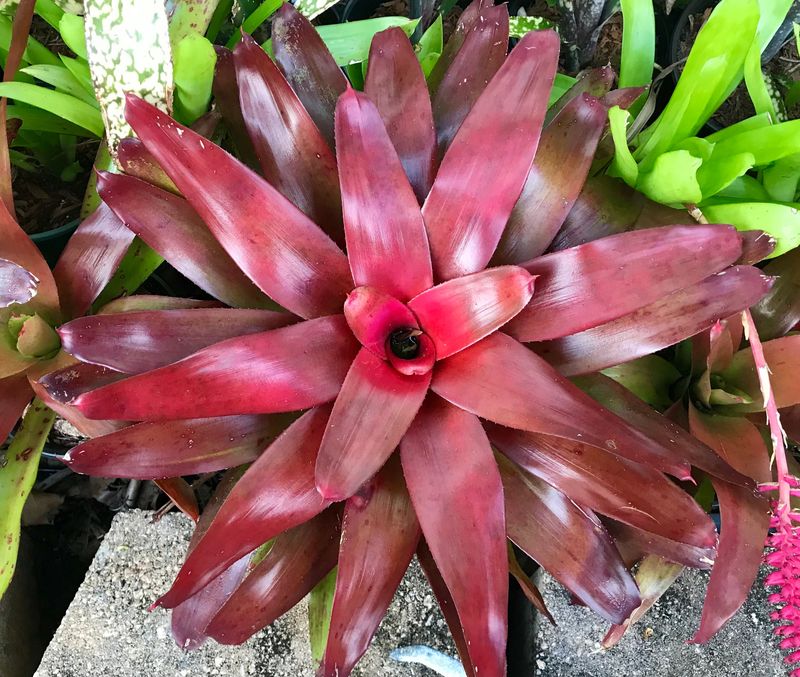
Birds, particularly hummingbirds, are drawn to Neoregelia’s vibrant bracts. These colorful parts are not just eye-catching but serve a practical purpose. Birds sip the stored water and sometimes catch insects buzzing around. This interaction benefits both the plant and birds, enhancing pollination and providing sustenance. Neoregelia becomes a pit stop in the birds’ busy lives. Its colorful display acts as a natural bird feeder, making gardens come alive with avian activity. This feeding ground is a testament to the plant’s ecological contribution.
5. Home for Microorganisms
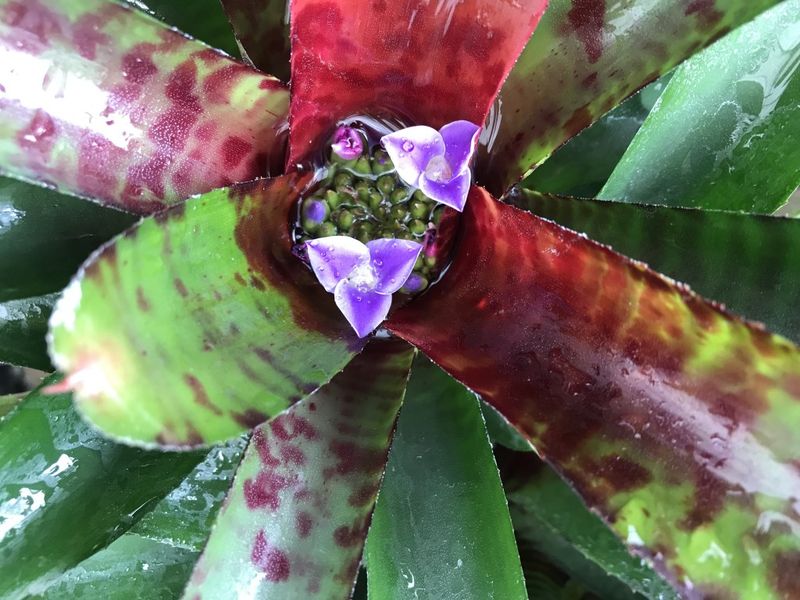
Inside Neoregelia’s tank, a hidden world of microorganisms abounds. Bacteria, algae, and protozoa flourish, breaking down organic matter. This microbial activity keeps the water clean and nutrient-rich. The plant creates a balanced micro-ecosystem where microorganisms play a crucial role. This self-sustaining system supports the plant’s health and aids in decomposition. The presence of such life forms within a plant’s structure is a fascinating aspect of nature’s complexity. Neoregelia’s tank is not only a wildlife haven but a micro-laboratory of rich biological activity.
6. Natural Fertilizer Factory
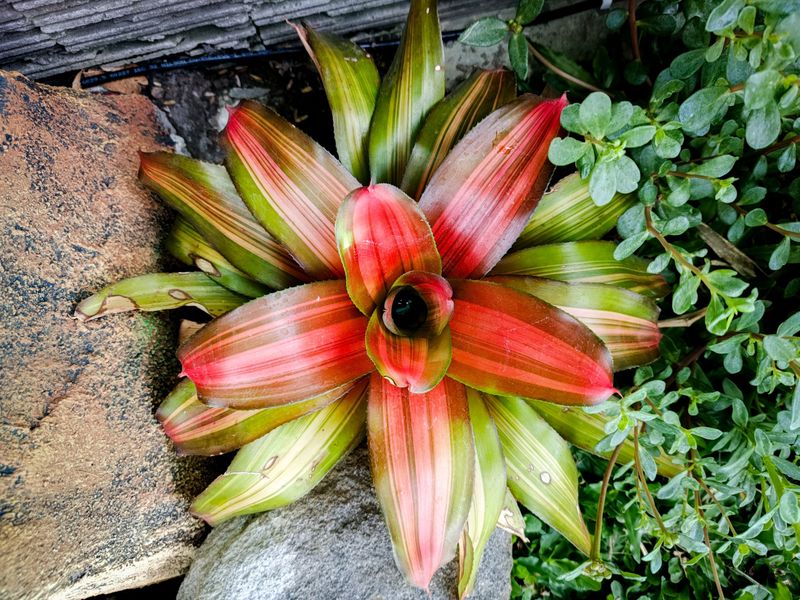
Neoregelia’s tank also functions as a natural fertilizer factory. Insects that fall into the water decompose, releasing nutrients. The plant absorbs these, boosting its growth and vitality. This efficient nutrient recycling process showcases nature’s ingenuity. The bromeliad’s ability to harness organic material exemplifies its adaptability. This self-fertilizing trait reduces dependency on external inputs. The plant’s ingenious way of obtaining nutrients highlights its role as a master of resourcefulness. Neoregelia’s nutrient factory is a marvel of natural engineering, contributing to its sustainability.
7. Shelter for Lizards and Small Creatures
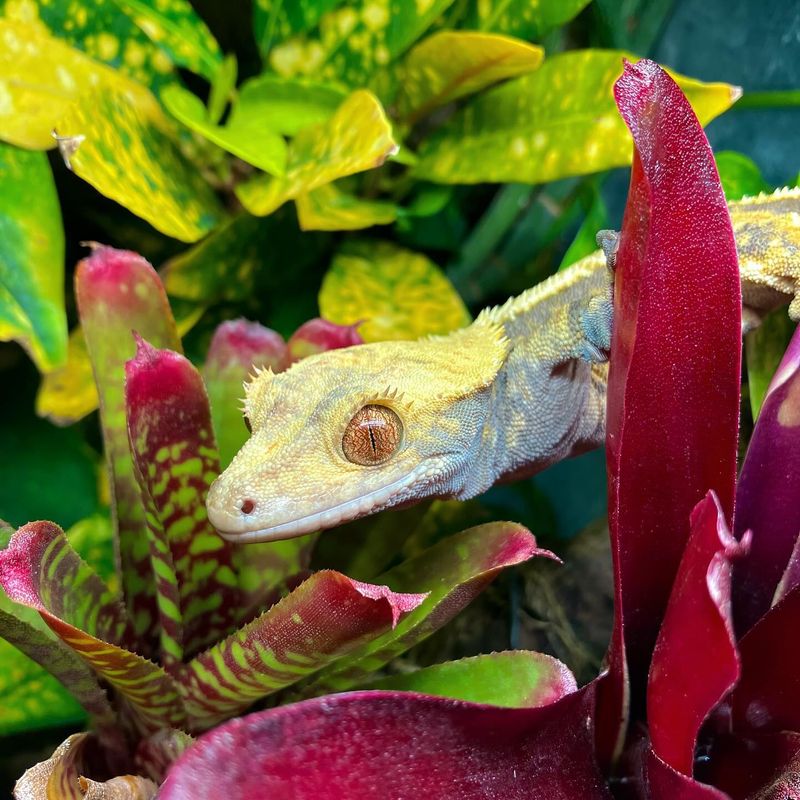
In tropical environments, Neoregelia provides shelter for lizards and other small creatures. Its rosettes offer a cool, shaded spot, ideal during hot days. Animals hide in the plant’s structure, finding refuge from predators. This relationship underscores the plant’s role as a protective habitat. Neoregelia’s ability to offer shelter enhances its ecological importance. The plant’s design allows for interaction with a diverse range of wildlife. It becomes a sanctuary, contributing to the health and diversity of its ecosystem. This natural shelter is a testament to its adaptive design.
8. Pollinator Hotspot
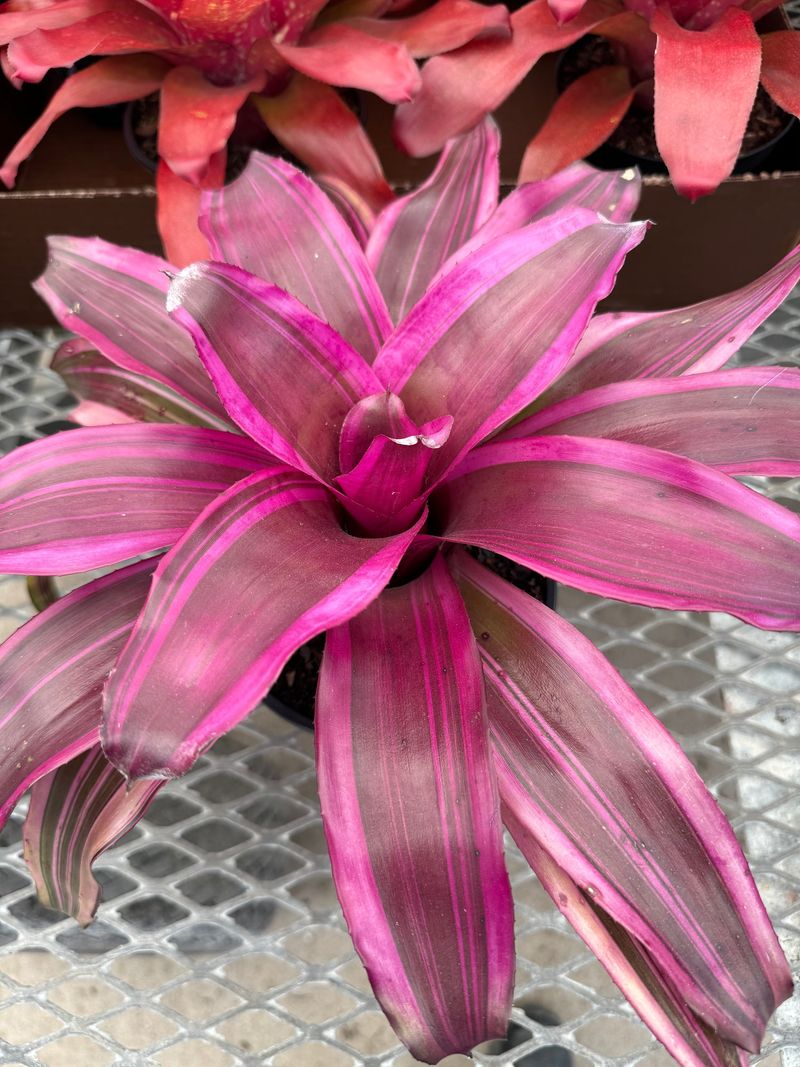
Neoregelia attracts a variety of pollinators, including bees. Its bright colors and foliage invite these essential creatures, helping sustain plant reproduction. While the plant may not have large blooms, its vibrant center more than compensates. Pollinators play a vital role in the ecosystem, and Neoregelia provides them with a haven. This interaction benefits both the plant and pollinators, enhancing biodiversity. The plant’s allure to bees and other insects highlights its role in supporting a thriving ecosystem. Neoregelia’s pollinator hotspot is a key to nature’s balance.
9. A Jungle in a Pot
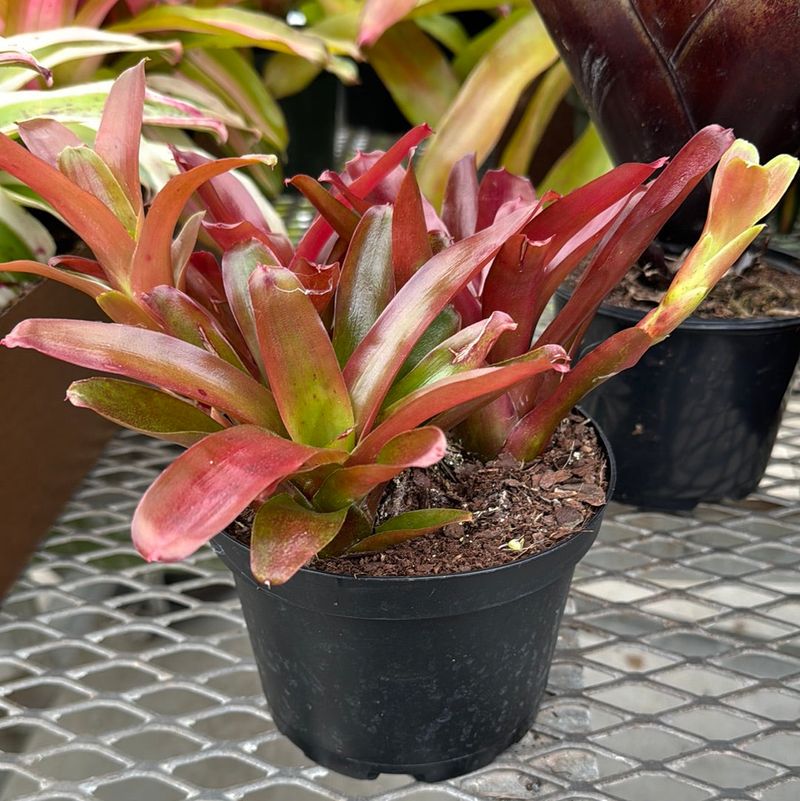
Even as a houseplant, Neoregelia’s charm remains. Its central tank collects water, supporting microbial life even indoors. While it may not host tadpoles, it offers a glimpse into nature’s workings. This indoor jungle captivates plant enthusiasts with its unique care requirements. The plant’s ability to thrive inside homes reflects its adaptability. Neoregelia brings a slice of its natural habitat indoors, enriching home environments. Its presence adds a touch of the exotic, making it a favorite among houseplant collectors. This indoor jungle is both decorative and educational.
10. Low Maintenance, High Drama
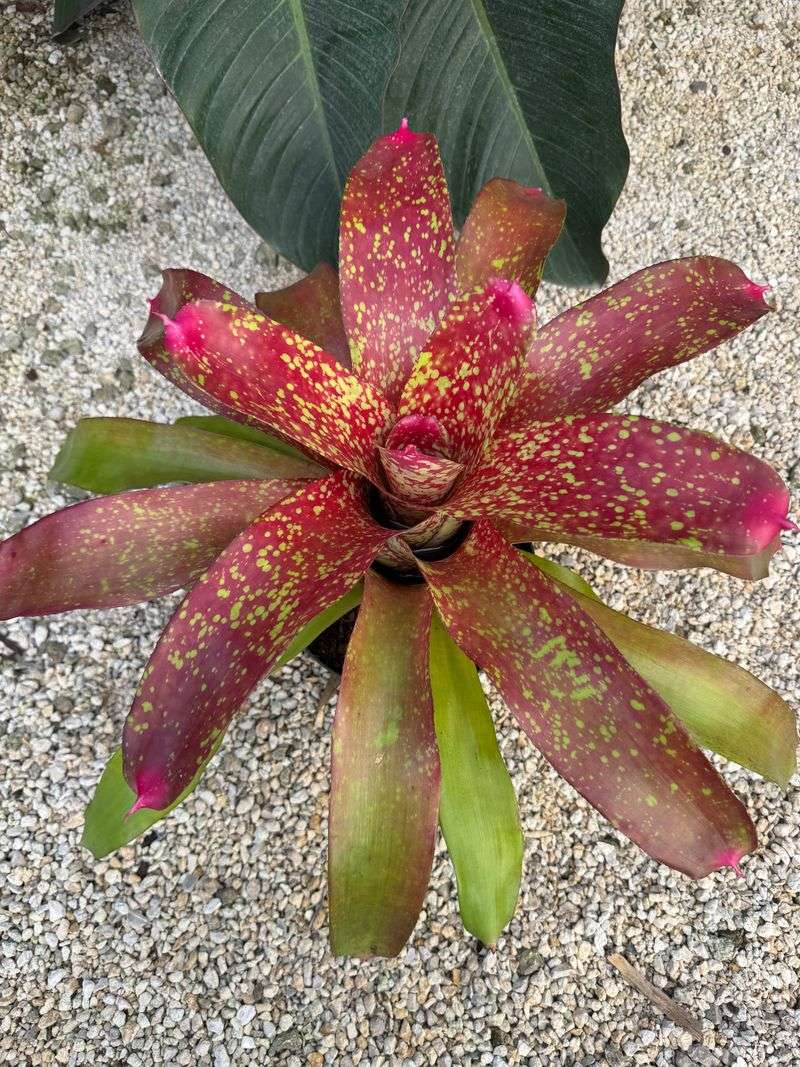
Despite its dynamic role in nature, Neoregelia is surprisingly low-maintenance. Thriving in indirect light, it requires minimal care. Occasional watering directly into its central cup keeps it happy. This ease of care makes it accessible for all plant lovers. The plant’s dramatic appearance contrasts with its simple needs, providing a striking visual impact. Neoregelia’s low-maintenance nature makes it a popular choice. Its beauty and ease pair well, making it a valuable addition to any collection. This plant’s simplicity and elegance make it a gardener’s dream.