 Complete Gardening
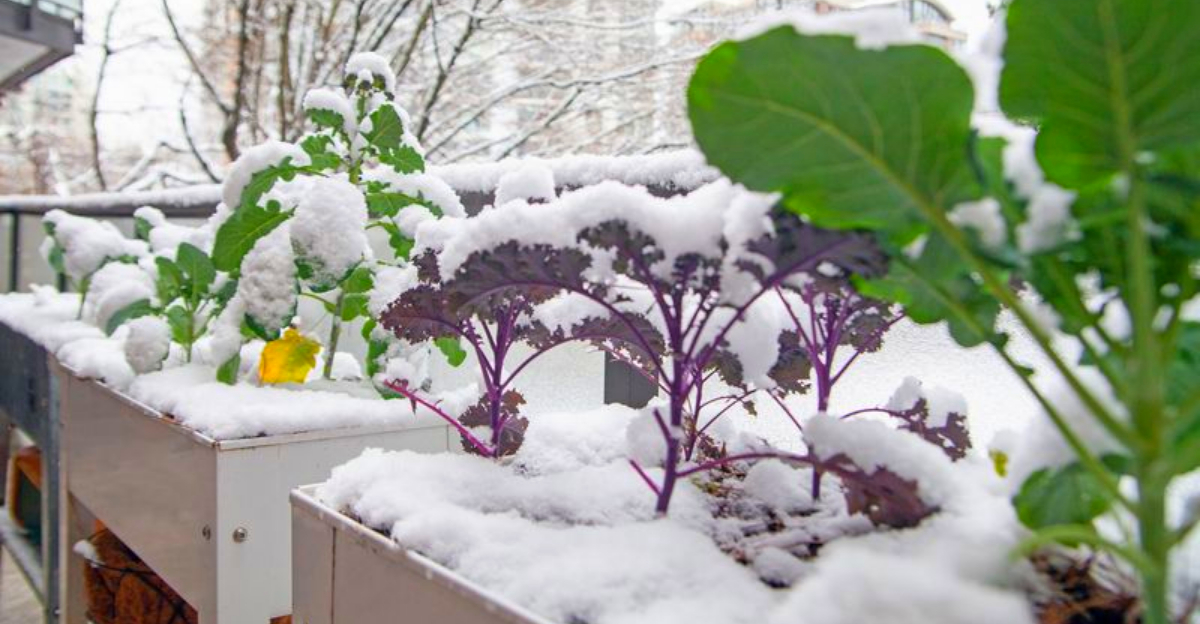
North Carolina’s diverse climate offers exciting opportunities for container gardening enthusiasts. Whether you’re on the coast or nestled in the mountains, container gardening can transform your small space into a lush oasis. Here are seven essential tips to make your container garden thrive.
1. Choosing the Right Containers
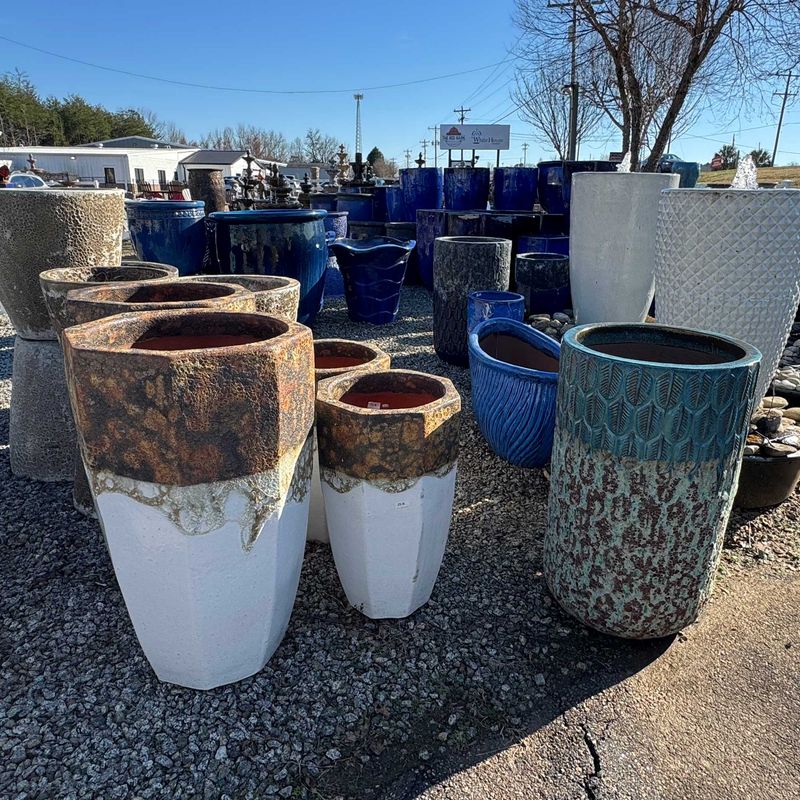
Start your container garden journey by selecting the right pots. The material of your container can impact plant health, with terracotta offering breathability and plastic providing moisture retention.
Size matters! Larger containers offer more room for roots, reducing the frequency of watering. This is particularly useful during North Carolina’s hot summers.
Ensure pots have effective drainage holes to prevent root rot. Consider adding a layer of gravel or small rocks at the bottom for additional drainage support.
2. Soil and Fertilization Hacks
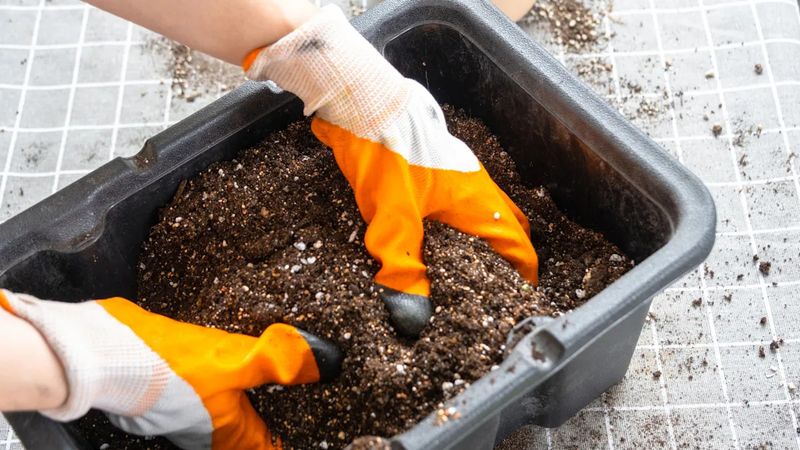
The secret to a fruitful container garden lies in the soil mix. Use a high-quality potting mix, enriched with organic matter like compost to boost nutrients.
Consider using slow-release fertilizers to maintain consistent nutrient supply. This can support healthy growth throughout the growing season.
Remember, container plants rely heavily on the applied nutrients, so regular feedings are essential, especially in nutrient-depleted soils.
3. Companion Planting Strategies
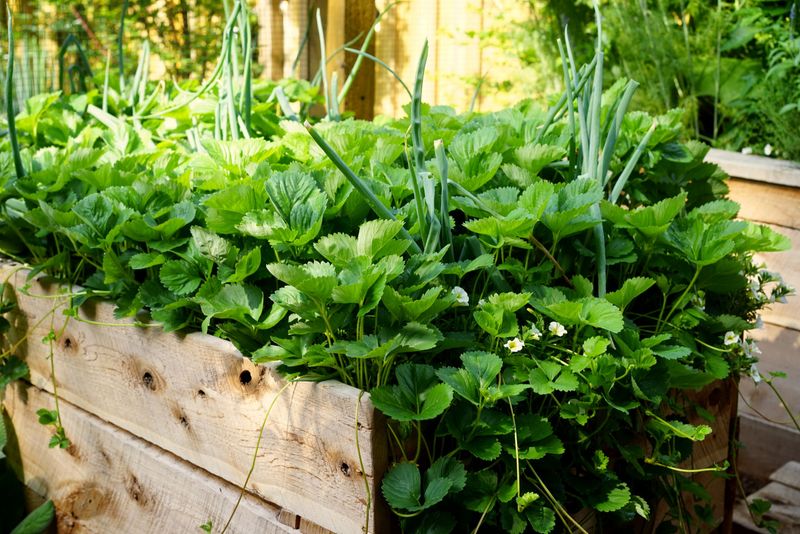
Have you ever thought of pairing plants for mutual benefit? Companion planting can optimize space and improve plant health. Basil and tomatoes, for example, thrive together, enhancing each other’s growth.
This strategy can reduce pests naturally, as certain plant combinations deter unwanted insects.
Experiment with different combinations to find what works best in your small space and climate.
4. Watering Techniques
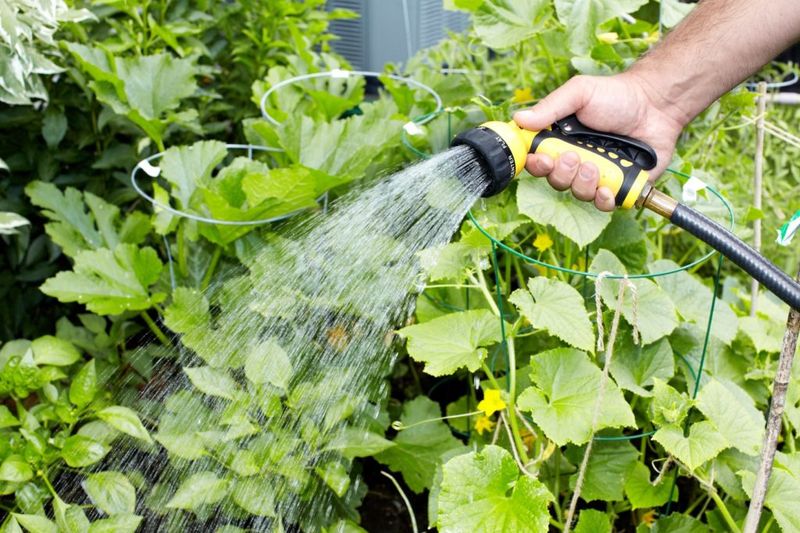
Watering might seem straightforward, but technique is crucial. Containers dry out faster than garden beds, especially in the southern heat.
Morning watering is ideal to reduce evaporation and provide hydration throughout the day.
Consider self-watering pots or drip irrigation systems for consistent moisture without over-watering, maintaining healthy roots.
5. Selecting the Perfect Plants
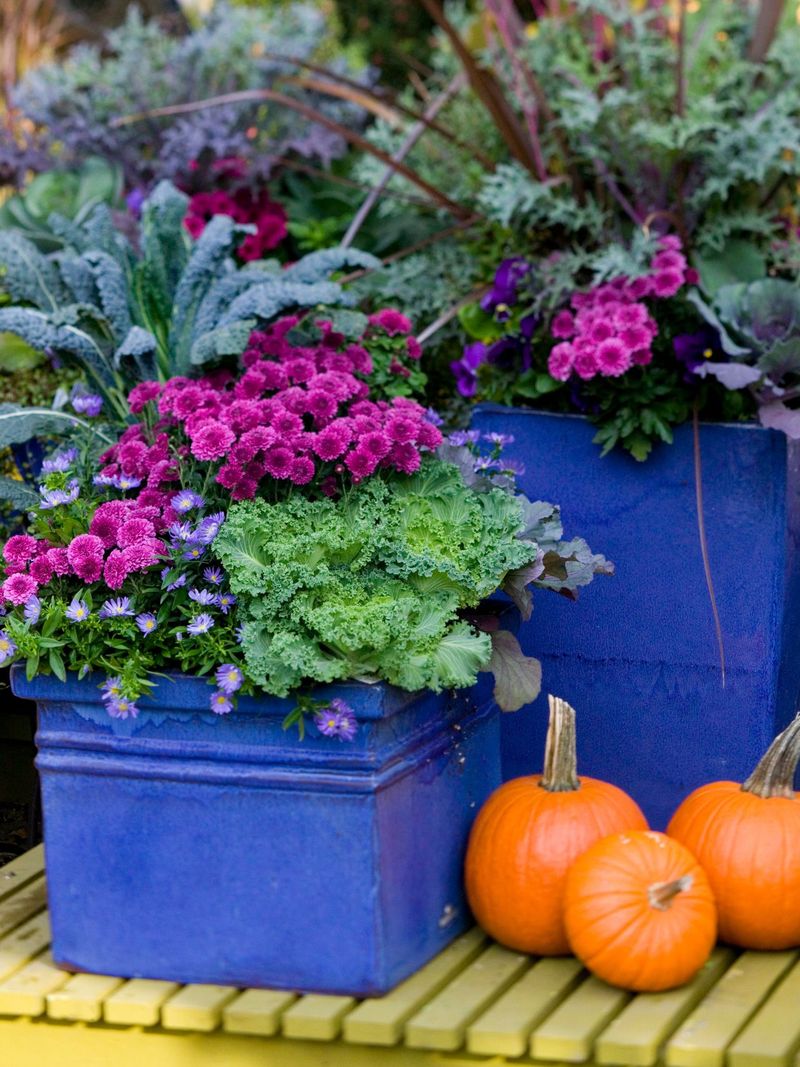
Choosing plants suited to your regional climate can greatly enhance your garden’s success. Opt for drought-tolerant plants like succulents or herbs like rosemary, which thrive in North Carolina.
For a splash of color, consider native flowers such as Black-eyed Susans and Lantanas, which attract pollinators and add vibrancy.
Experiment with different plant types to find what brings joy and fits your gardening style.
6. Dealing with Pests Naturally
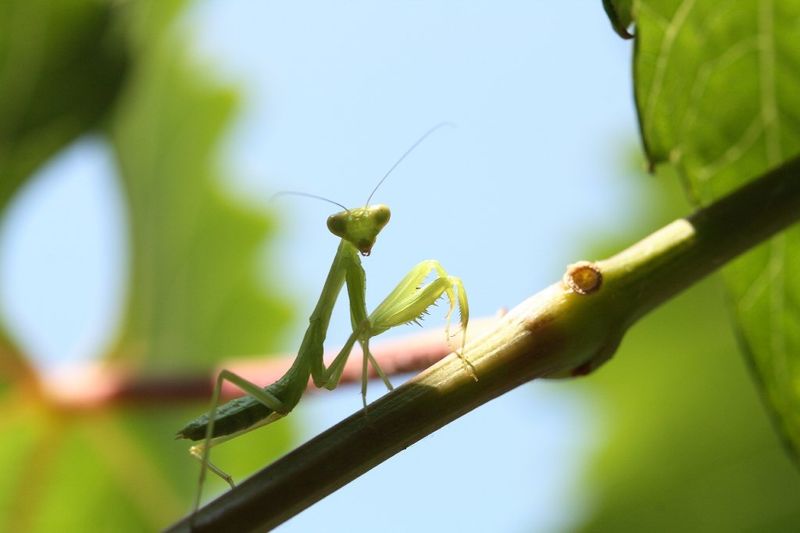
Pests can be a challenge, but natural solutions can keep them at bay. Introduce beneficial insects like ladybugs, which feast on aphids.
Herbs such as mint and lavender, planted nearby, can naturally deter pests with their aromatic oils.
Regularly inspect your plants for signs of trouble and take action early to prevent infestations.
7. Seasonal Care and Transition
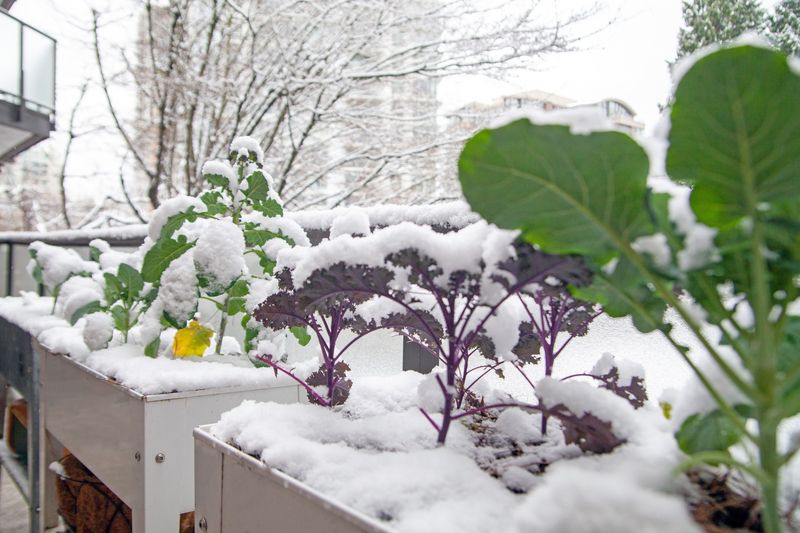
Seasonal transitions require special care. As temperatures drop, consider moving sensitive plants indoors or providing additional warmth through covers.
Adjust watering schedules and reduce fertilization as growth slows in cooler months.
Planning for each season ensures a thriving garden year-round, adapting to North Carolina’s varying climate.