 Complete Gardening
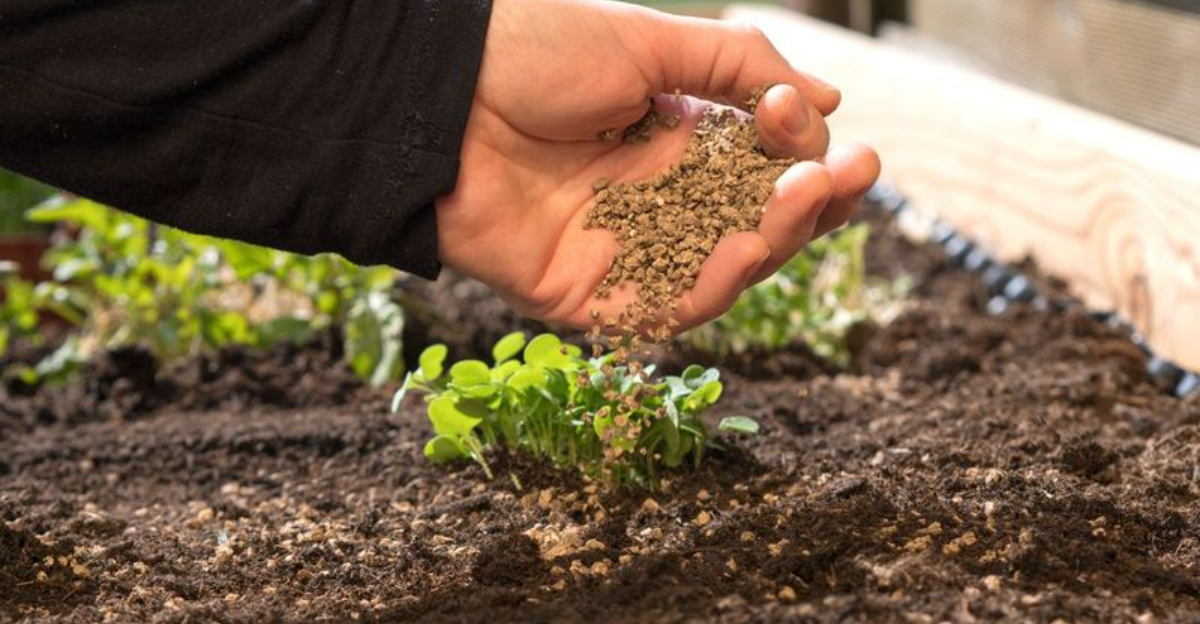
North Carolina’s sandy soil provides unique challenges for gardeners, demanding specific fertilization strategies to ensure healthy and robust plant growth. Understanding the right techniques and products can make a significant difference in your gardening success. Here, we unveil 14 remarkable fertilizer tips tailored to the sandy soils of North Carolina, each promising to enhance your gardening experience.
Use Organic Composts
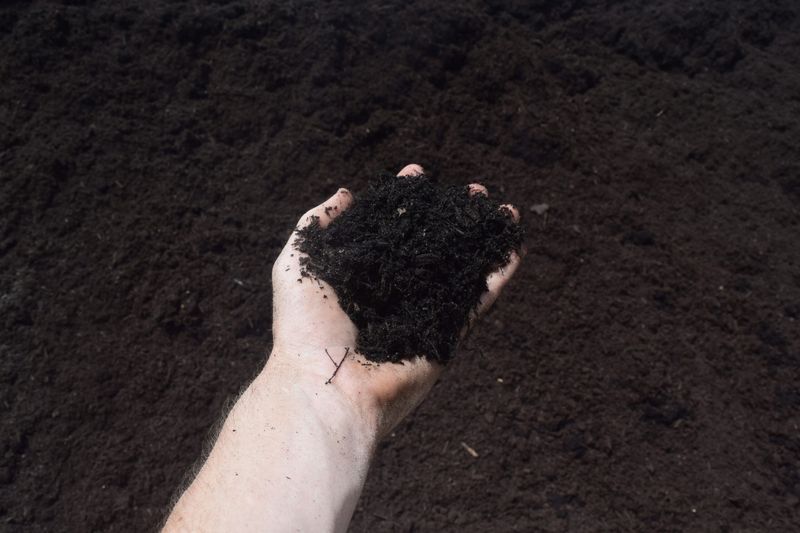
Cultivating a garden is like painting a canvas, where organic compost serves as your palette. With its ability to improve soil structure and provide essential nutrients, compost is indispensable in sandy soils. The organic matter binds the loose soil particles, enhancing moisture retention.
Regular application of organic compost not only enriches the soil but also fosters a thriving ecosystem underground. The presence of beneficial microbes converts organic materials into vital nutrients, making them available to plants. This eco-friendly approach not only boosts plant health but also supports sustainable gardening practices.
Incorporate Green Manures
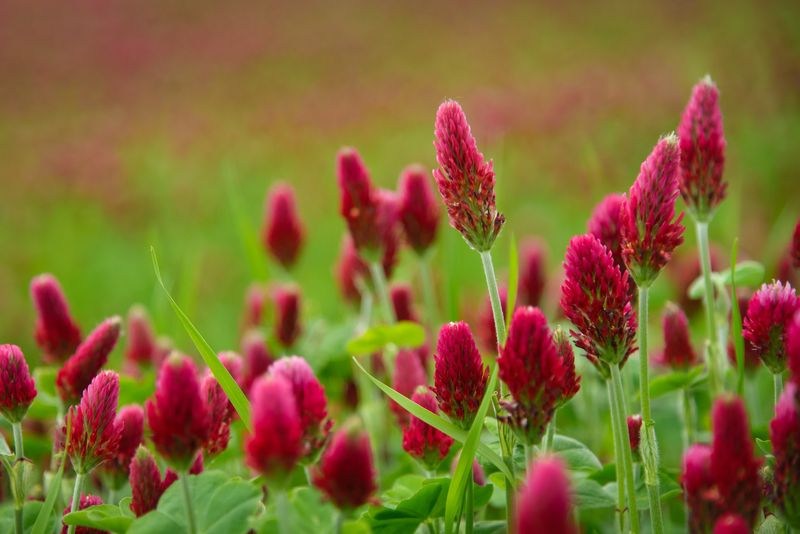
Ever thought of plants nurturing plants? Green manures, also known as cover crops, are the unsung heroes of soil health. They are grown primarily to be plowed back into the soil, enriching it with organic matter and nutrients.
In the sandy soils of North Carolina, green manures like clover and rye can play a vital role in fixing nitrogen and adding organic matter. Their deep root systems help break up compacted soil layers, improving aeration and drainage. As these crops decompose, they release nutrients, providing a natural fertilizer boost to the following planting.
Apply Slow-Release Fertilizers
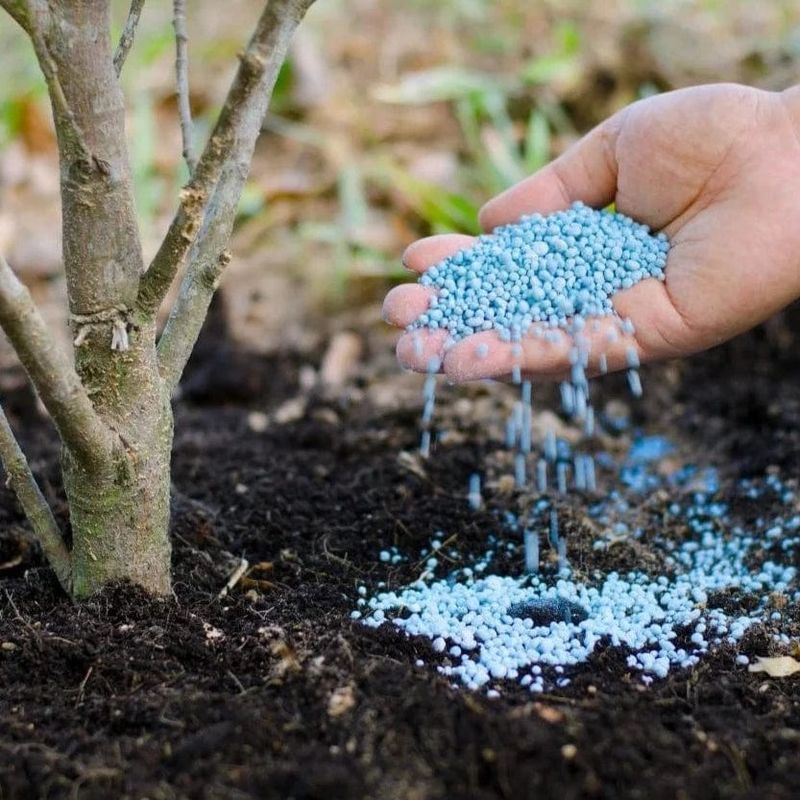
Imagine a buffet that lasts for months, slowly providing nourishment without overwhelming the senses. Slow-release fertilizers work in a similar manner, gradually releasing nutrients over time. This is particularly beneficial in sandy soils, where nutrients are prone to leaching.
Using slow-release fertilizers ensures that plants have a steady supply of essential nutrients. This method reduces the frequency of application, saving time and resources while promoting consistent growth. The controlled release also minimizes the risk of nutrient runoff, making it an environmentally conscious choice.
Utilize Fish Emulsion
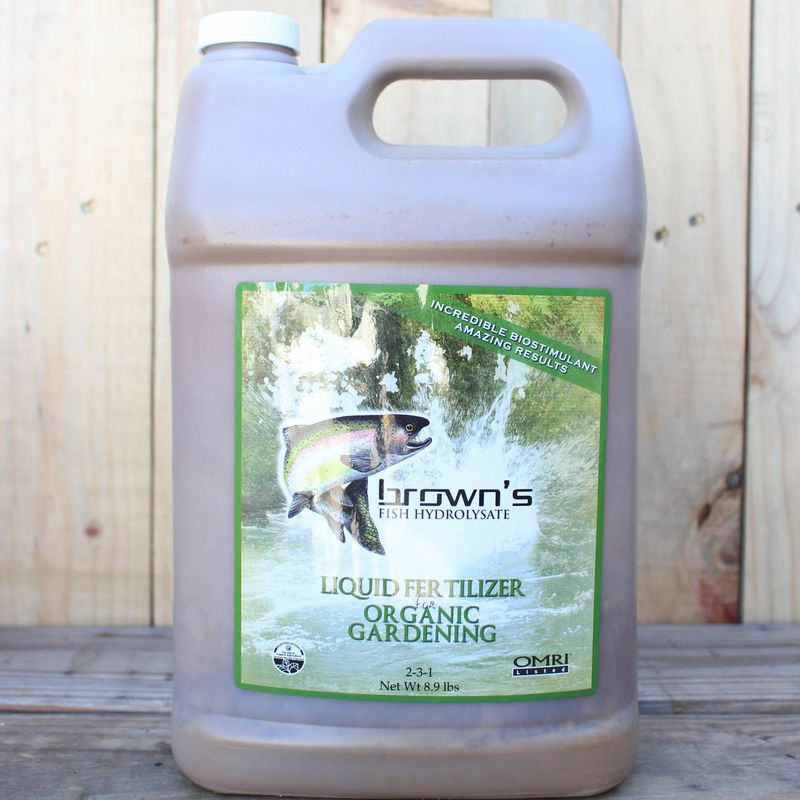
What do fish and plants have in common? Nutrient-rich fish emulsion! Derived from fish waste, this liquid fertilizer is a boon for sandy soils. It offers a quick nutrient boost, providing essential elements like nitrogen, phosphorus, and potassium.
Fish emulsion is particularly valued for its ability to enhance plant growth and vigor. Its rapid absorption means that plants receive nutrients swiftly, which is crucial in sandy soils where leaching is common. Moreover, the gentle nature of fish emulsion makes it suitable for seedlings, promoting healthy development from the start.
Add Rock Phosphate

Delve into the rocky wonders of rock phosphate! Known for its phosphorus content, this natural mineral is perfect for gardens on sandy soil. Phosphorus is vital for root development and flower production, making rock phosphate an essential addition to any nutrient plan.
Unlike synthetic fertilizers, rock phosphate releases nutrients slowly, ensuring a prolonged supply to plants. This gradual release helps reduce phosphorus leaching, a common issue with sandy soils. By improving soil fertility over time, it supports robust plant growth and enhances blooming.
Experiment with Seaweed Extracts

With a refreshing scent of the ocean, seaweed extracts offer a marine touch to your garden. Rich in micronutrients, hormones, and trace elements, seaweed extracts are a versatile addition to sandy soils. They enhance nutrient uptake and improve plant resilience against stress.
Seaweed extracts are praised for their ability to boost root growth and increase resistance to pests and diseases. The presence of natural growth hormones stimulates plant development, ensuring lush and vibrant foliage. A regular application can transform sandy soil into a thriving green haven.
Invest in Mycorrhizal Fungi
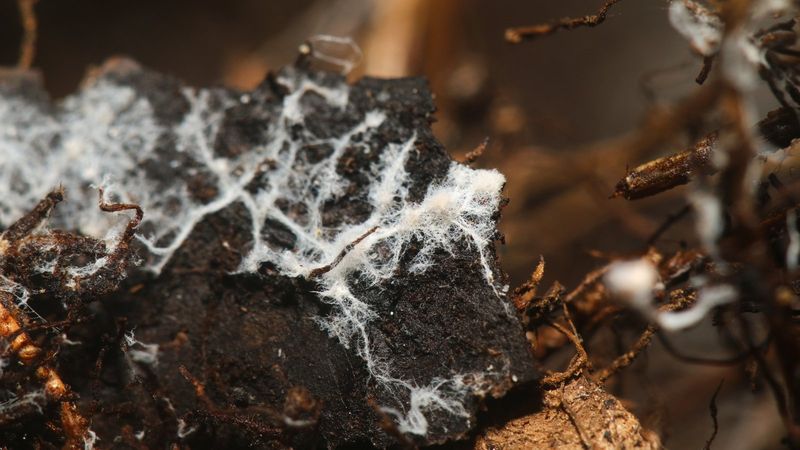
A symbiotic relationship in nature that’s worth celebrating is between plants and mycorrhizal fungi. These beneficial fungi form a network with plant roots, enhancing nutrient and water absorption. In sandy soils, their role becomes even more crucial.
Mycorrhizal fungi extend the root system, reaching nutrients that would otherwise be inaccessible. This increased efficiency leads to healthier plants, even in challenging soil conditions. By investing in mycorrhizal inoculants, gardeners can unlock the full potential of their plants and promote sustainable growth.
Use Bone Meal for Phosphorus
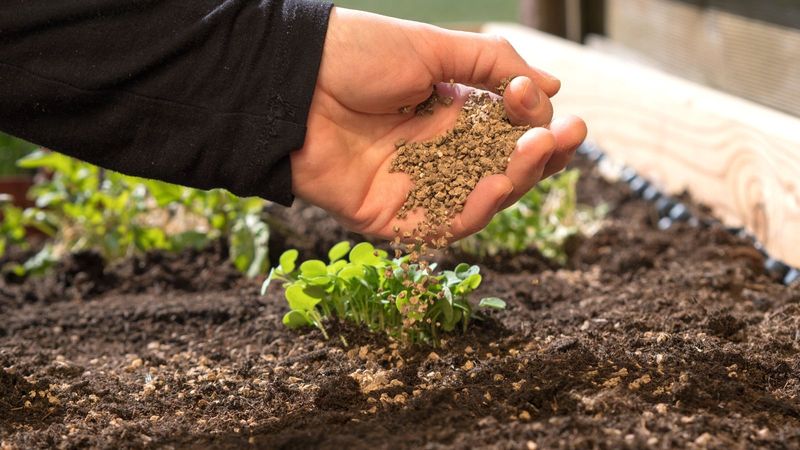
With its rich history in agriculture, bone meal remains a treasured soil amendment. Its high phosphorus content supports root development and flowering, making it a fitting choice for sandy soils.
Bone meal breaks down slowly, providing a sustained phosphorus source that minimizes leaching. Its gentle nature means it won’t burn plants, allowing for safe application in various garden settings. Whether nurturing vegetables or ornamentals, bone meal can enhance growth and yield.
Embrace Chicken Manure
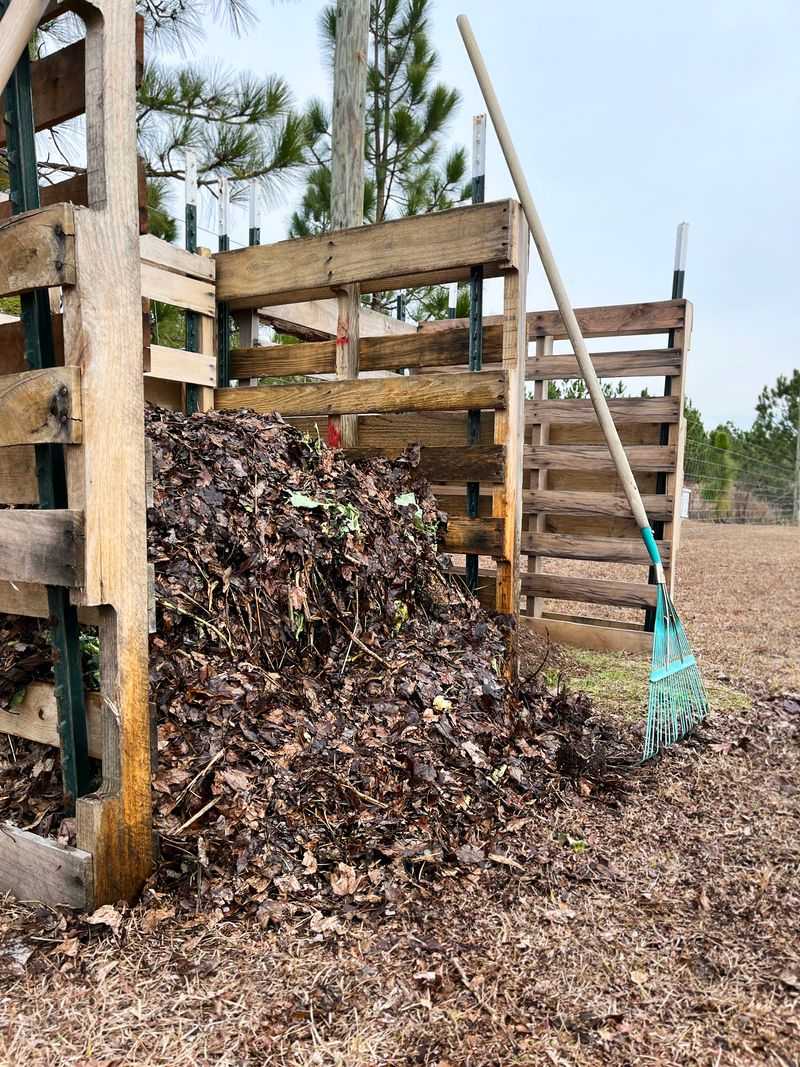
In the world of fertilizers, chicken manure stands out for its nutrient richness. Packed with nitrogen, phosphorus, and potassium, it’s a powerhouse for sandy soils. This natural amendment aids in building soil structure and improving fertility.
When properly composted, chicken manure transforms into a gardener’s delight, offering balanced nutrition to plants. Its ability to enhance soil microbial activity further supports plant health and growth. For those seeking natural and effective fertilizers, chicken manure is a tried-and-true option.
Apply Gypsum to Improve Structure
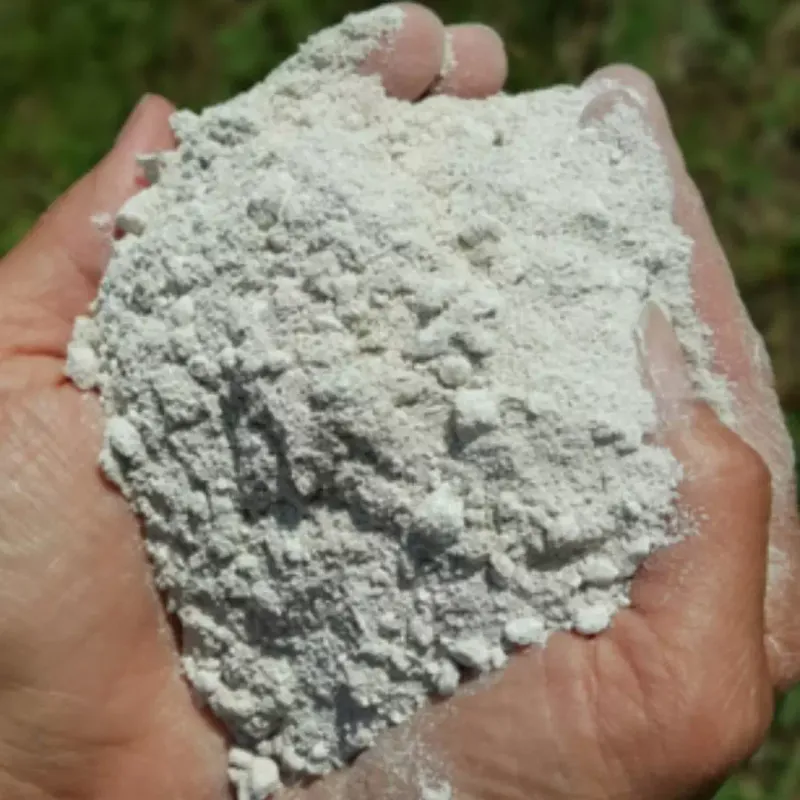
When it comes to amending soil, gypsum emerges as a game-changer. Known for its ability to improve soil structure, gypsum is particularly beneficial in sandy soils where compaction and drainage issues prevail.
Gypsum’s calcium content helps bind soil particles, enhancing water and nutrient retention. This improvement in soil structure supports robust root systems and healthier plant growth. Gypsum also assists in neutralizing soil acidity, providing an ideal environment for plants to thrive.
Try Alfalfa Meal

Alfalfa meal brings an element of novelty to the garden, with its rich nutrient profile. This plant-based fertilizer is valued for its nitrogen, phosphorus, and potassium content, making it a suitable choice for sandy soils.
Beyond its nutrient offering, alfalfa meal contains growth-promoting substances that enhance plant vitality. Its natural composition supports soil health and encourages beneficial microbial activity. Regular application can lead to vibrant and productive gardens, even in challenging soil conditions.
Utilize Epsom Salt for Magnesium
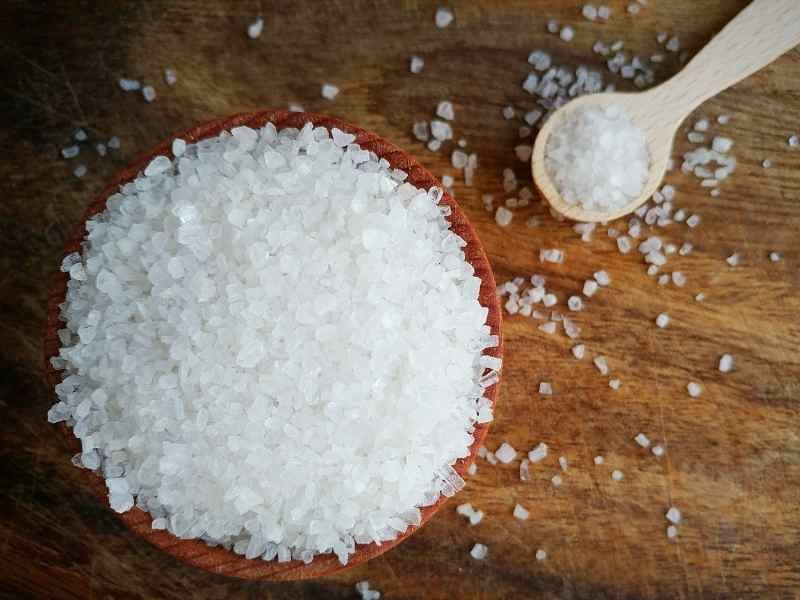
For many gardeners, Epsom salt is a trusted ally in the quest for healthier plants. Rich in magnesium and sulfur, Epsom salt is a boon for sandy soils, where nutrient deficiencies are common.
Magnesium plays a key role in chlorophyll production and overall plant growth. By supplementing sandy soils with Epsom salt, gardeners can improve nutrient uptake and enhance plant vigor. Its easy application and immediate results make it a popular choice for addressing specific nutrient needs.
Incorporate Potassium-Rich Wood Ash

In the realm of natural fertilizers, wood ash provides a potassium boost that’s hard to match. Ideal for sandy soils, wood ash enhances soil fertility and supports plant growth.
The high potassium content in wood ash aids in root development and disease resistance. Its alkaline nature can also help raise soil pH, making it suitable for areas with acidic sandy soils. When used responsibly, wood ash can transform a garden into a productive and lush paradise.
Opt for Balanced NPK Fertilizers
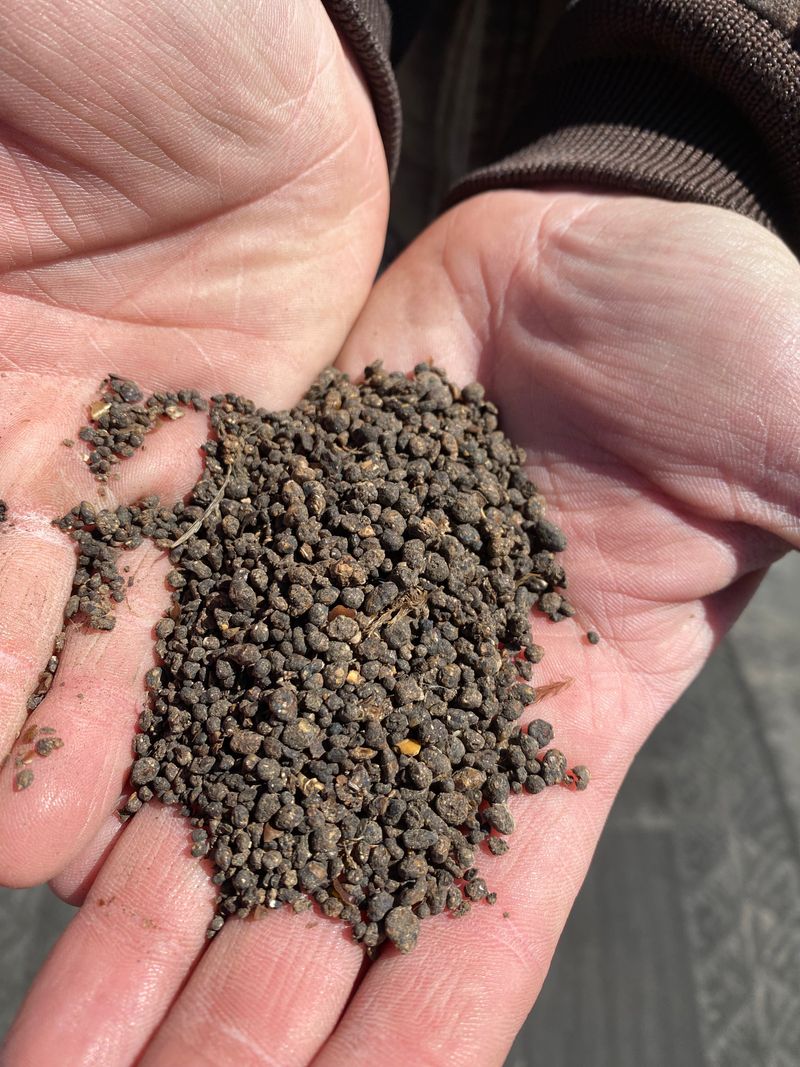
For those seeking an all-in-one nutrient solution, balanced NPK fertilizers offer a convenient choice. These fertilizers contain nitrogen, phosphorus, and potassium in equal proportions, catering to the diverse needs of plants.
In sandy soils, balanced NPK fertilizers ensure that plants receive a comprehensive nutrient supply. This holistic approach supports overall plant health, from root to bloom. By selecting the right NPK ratio, gardeners can achieve vibrant growth and abundant harvests.