
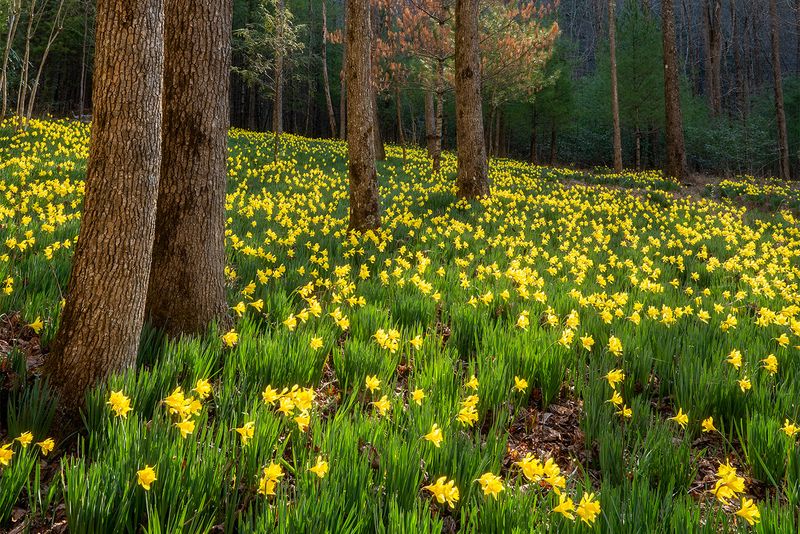
Daffodils look like they bloom on their own, but what you do in the fall and spring does matter. November is a handy time to check on your bulbs, though it is not a magic switch for next year’s flowers.
Some bulbs still need planting, and others just need simple upkeep. Here is how to pick the right job for the bulbs you actually have.
November does not decide a daffodil’s spring display
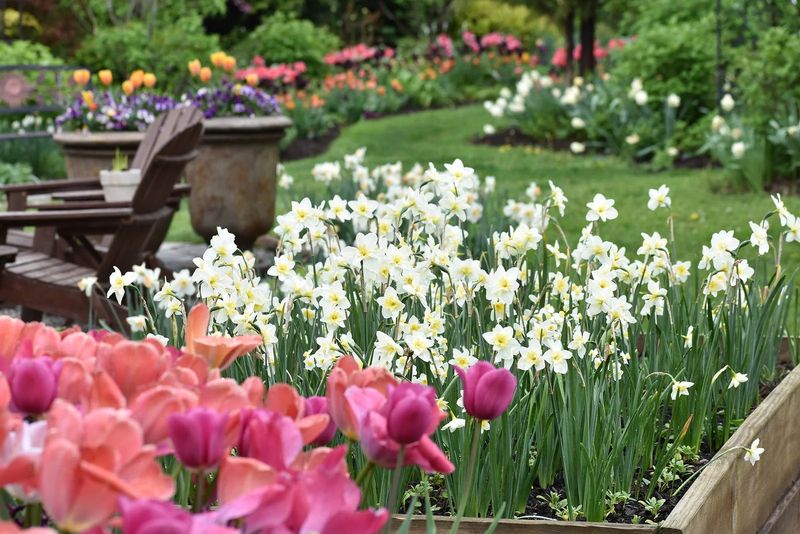
Gardeners hear a lot of advice about one big fall chore that sets up the spring show. The truth is less dramatic.
Root growth begins in fall and continues through winter, and bulbs need a suitable cold period, but no single November chore sets the size or number of next spring’s flowers.
According to the NC State Extension Gardener Handbook, the flower bud is already formed inside the bulb before it is sold. Larger bulbs generally produce better flowers, and poor conditions or early warming can reduce future flowering.
Light, drainage, crowding, and how well the leaves fed the bulb after last year’s bloom all play a part too.
So think of November as a planting or maintenance window. Bulbs that are still in a bag need planting.
Bulbs already in the ground, especially ones that bloomed well last spring, mostly need to be left alone. Roots may not be established yet in newly planted or late-planted bulbs, as NC Cooperative Extension notes, so the next sections sort out which advice fits which bulb.
Are your bulbs still waiting to be planted?
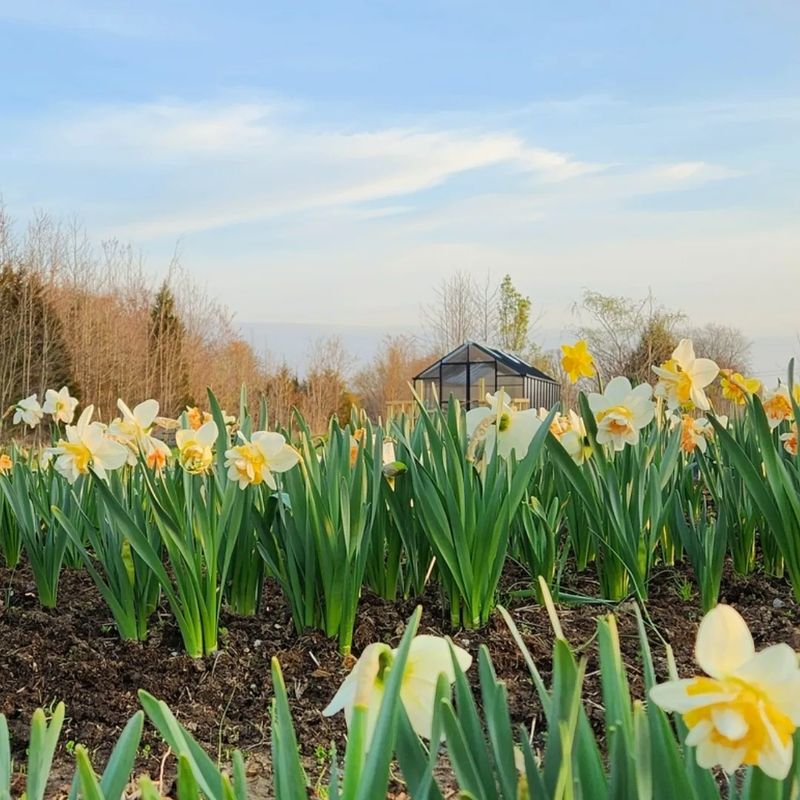
A bag of daffodil bulbs sitting in the garage is the one case where acting soon really matters. Planting gives the bulb time to root and to get the cold period it needs.
Even so, it will not guarantee any particular bloom.
Let the soil guide you more than the calendar. NC Cooperative Extension suggests planting when soil is consistently at or below 60 degrees Fahrenheit, according to a Wayne County Extension article.
NC State gives November or early December as a general window for Zones 7 and 8, but a mountain yard, a Piedmont clay slope, and a coastal sandy bed will not warm and cool on the same schedule. Treat those dates as general guidance, not a statewide rule.
Choose firm, healthy bulbs and skip any that feel soft or moldy. Plant each at the depth recommended for its size, in well-drained soil, since soggy ground can lead to rot.
Forsyth County Extension also encourages fall planting for spring flowers.
Water after planting, and again during dry fall spells, so the soil stays moist but not wet. That moisture supports root development.
The NC State handbook offers similar advice. Chilling needs also vary by species and cultivar, with ranges running from about 6 to 20 weeks, so a stated range is a guide rather than a promise.
Established bulbs do not need an automatic November feeding
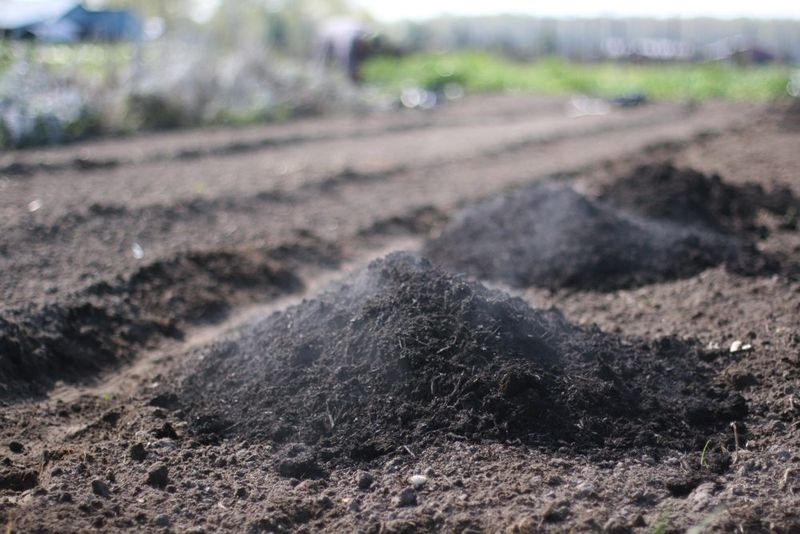
Reaching for a bag of bone meal or all-purpose fertilizer feels productive. Daffodil bulbs, though, already carry their own stored food.
A Wayne County NC Extension article says fertilizer will not improve the current season’s performance, so a November feeding is not a reliable way to enlarge next spring’s flowers.
Bone meal gets recommended a lot, yet it is not essential. NC State reports in its handbook that the phosphorus in bone meal releases slowly and moves poorly through soil.
More fertilizer does not automatically mean more blooms.
A soil test is the better starting point. If it shows a real shortage, follow its results and the directions on the product label.
The handbook allows a slow-release fall application when a test supports it, while advising against fertilizer right after flowering.
Think of it this way: a soil-test-based adjustment fixes a known gap in the bed, while a blanket feeding is a guess. If your daffodils bloomed well last spring, you can likely skip the spreader.
The Wayne County article is a helpful read before you buy anything.
Mulch moderates the bed, not the flower count
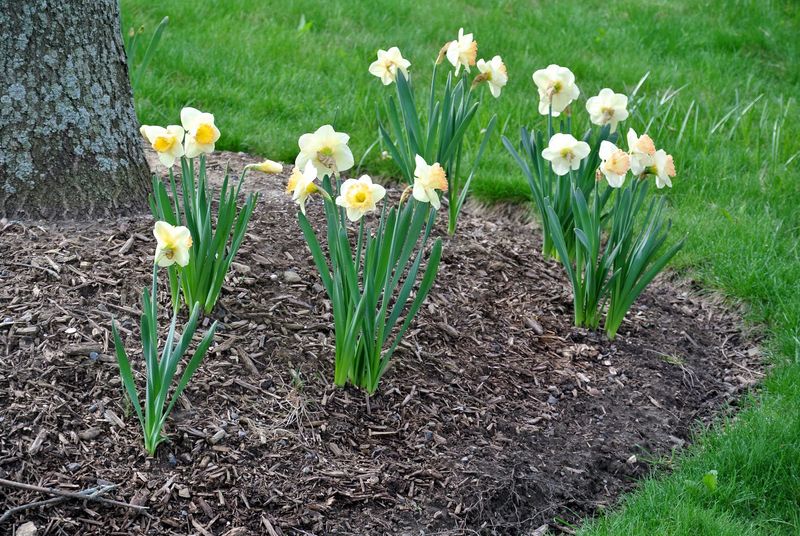
Mulch earns its place in the bed, just not for the reason many people think. Its real jobs are evening out soil temperature and holding back weeds.
It is useful upkeep, but nothing shows it guarantees larger or more numerous daffodil flowers.
NC State recommends a layer of organic mulch about 2 to 3 inches deep, applied after the soil has cooled, according to the Extension Gardener Handbook. Waiting for cooler soil matters because mulch can also limit premature warming, which can be a problem during unseasonably mild stretches.
Shredded bark, pine straw, and similar materials work well. Be careful with whole leaves, especially large ones like oak or sycamore.
They can mat down tightly and make it harder for shoots to push through in late winter.
If you rake leaves onto the bed anyway, shred them first with a mower so they stay loose. Then pull back any thick mat if you see shoots struggling in late winter.
When flowering declines, crowding may be the reason
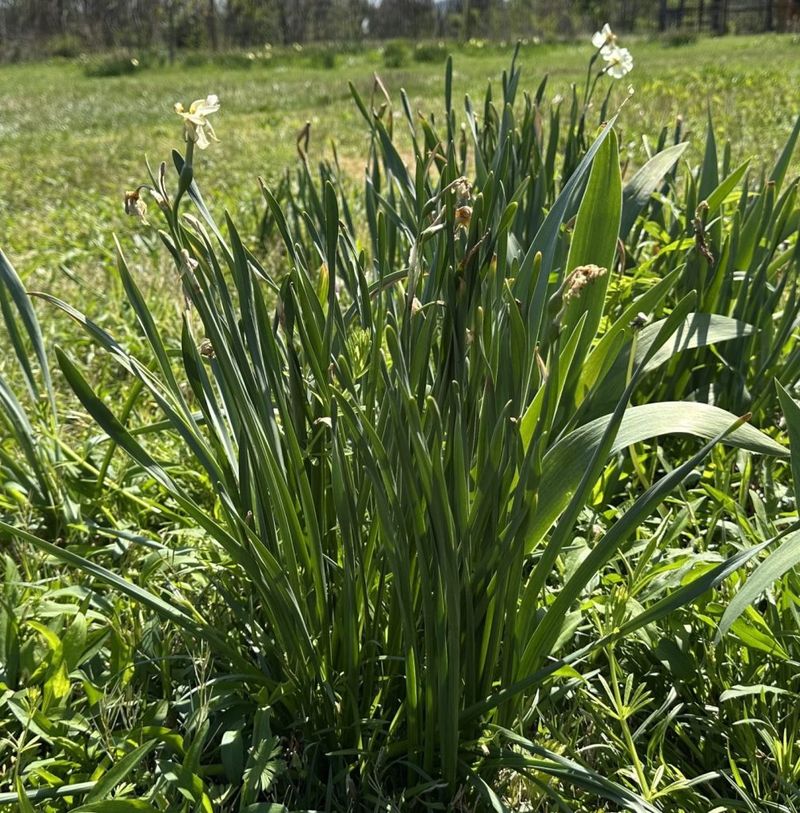
A clump check is not a reason to dig up healthy bulbs in November. Pulling up bulbs just to look at them disturbs roots for no gain.
The better clue is what the clump did last spring.
If flowers dwindled, with lots of leaves but few blooms, crowding may be the cause. NC State advises digging, dividing, and replanting crowded daffodils, per its handbook.
Division is a response to a problem, not an annual November chore.
Timing matters as well. Wait until the foliage has faded before digging bulbs that need moving.
The University of Arkansas Extension describes dividing after bloom and keeping the foliage green during the weeks afterward, in its daffodil guide.
Mark crowded clumps in spring while the leaves are still visible, with a small stake or a photo. Then you will know exactly where to dig once the foliage has died back.
Expect that recently divided bulbs may flower poorly the first year, so a quiet season after dividing is not a failure.
Spring foliage helps build the next season’s flowers
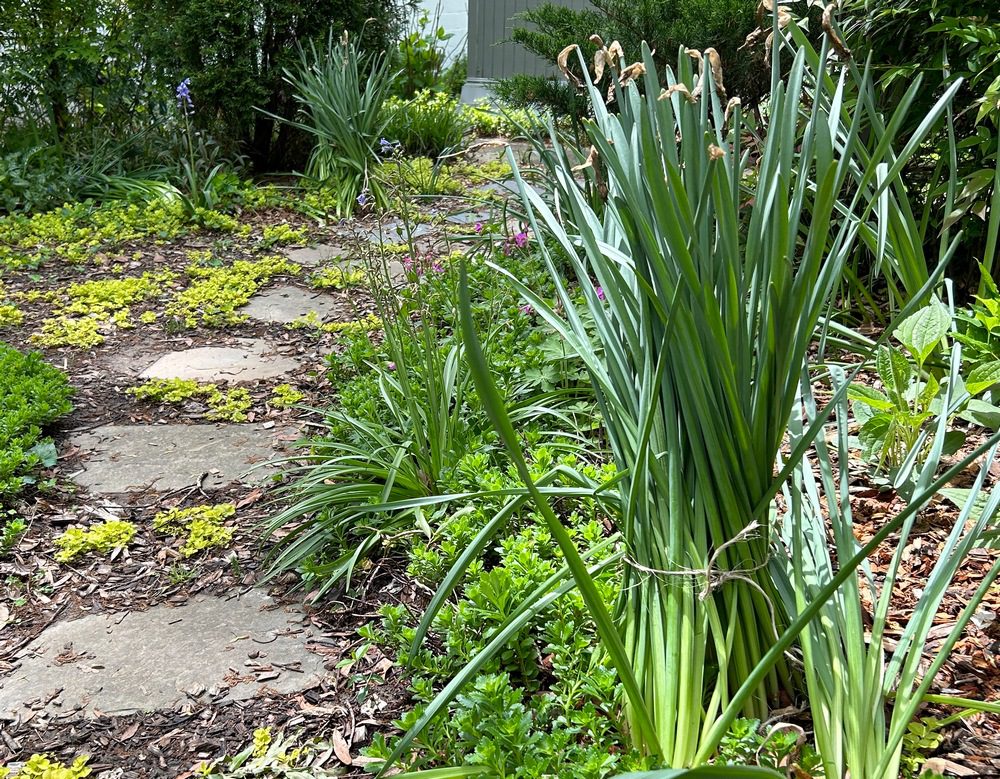
If there is one habit that matters most for future flowers, it happens in spring, not November. After the blooms fade, the green leaves keep working.
They make food that is stored in the bulb and supports next year’s growth.
NC State says removing or constraining that foliage reduces future bulb size, as laid out in the Extension Gardener Handbook. Iowa State links removing leaves too early with fewer flowers, according to its daffodil guide.
That means no cutting, tying, braiding, or bending the leaves while they are still green. The floppy look is annoying for a few weeks, but it is temporary.
Let the leaves yellow and die back naturally, then clear them away.
If the untidy leaves bother you, plant daffodils where perennials or daylilies will grow up and cover the fading foliage. No fall shortcut can replace this spring follow-through, which is why November care is only part of the picture.
Choose the November task that fits your bulbs
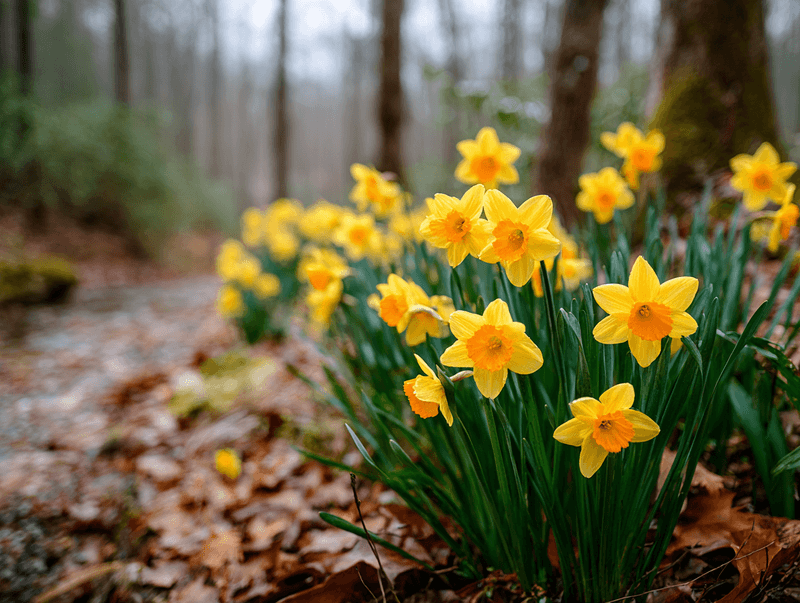
Start with the bulbs you actually have. If they are still in the bag, plant them when soil conditions are suitable.
If they are already in the ground and healthy, leave them in place and mulch lightly for temperature and weed control.
Save division for crowded clumps whose flowering has declined, and do that work after the foliage fades. Spring bloom reflects many conditions, as NC State and Wayne County Extension both explain, and green leaves after flowering support future growth.
Good daffodil care is mostly patience, and the bulbs have been doing their part all along.