
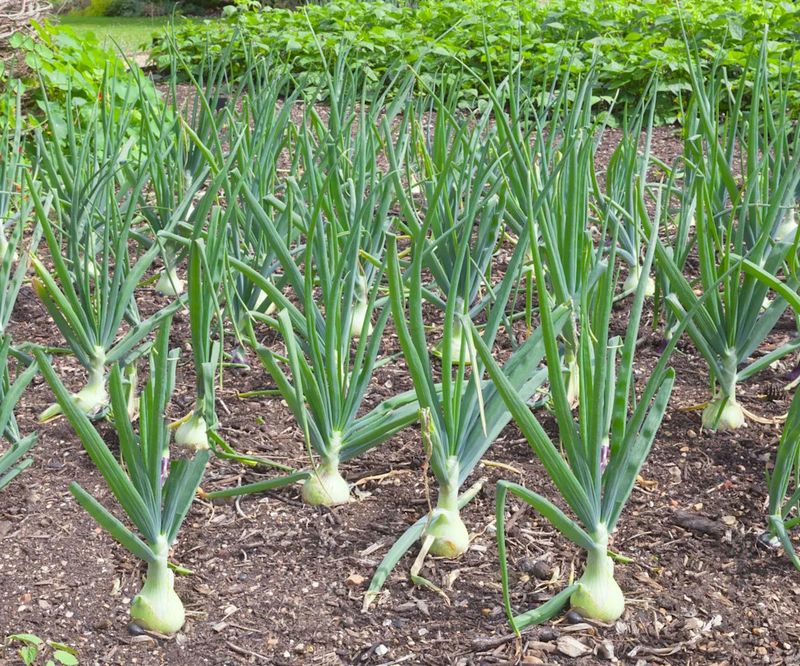
You tuck a handful of onion sets into the ground in fall and picture a spring harvest of fat, round bulbs. Then flower stalks shoot up, and the bulbs stay small.
One hidden culprit can be the size of the sets you planted. Knowing which size to pick, and when the rule does not apply, can save your onion bed.
Why larger onions can face greater bolting risk
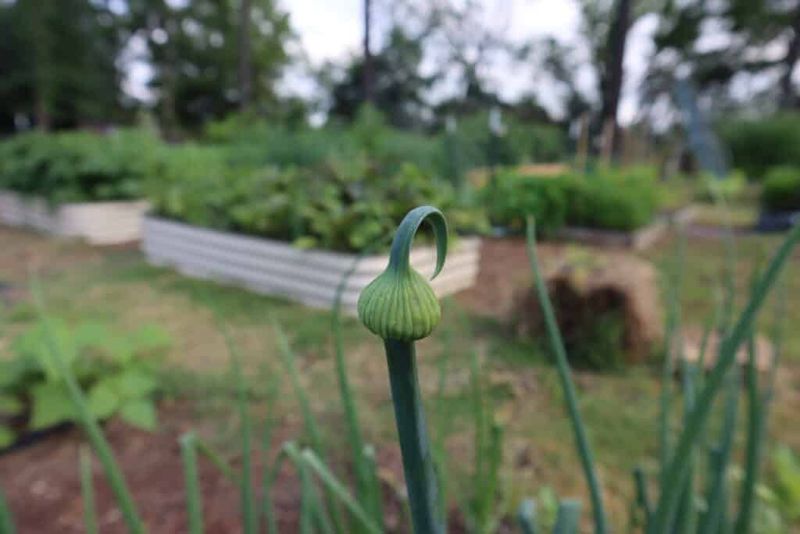
Bolting means an onion sends up a flower stalk too early. Once that happens, the plant puts its energy into flowers and seed instead of a firm, layered bulb, and the center of the bulb often turns tough.
Texas A&M’s account of South Texas overwintering onions found that large plants entering winter were more likely to bolt after a long stretch of temperatures around 42 to 48 degrees F. It also reported more risk from late-August and September plantings than from October and November plantings.
Notice what that evidence covers. It describes the size and maturity of growing plants heading into winter, not the width of a dormant set in the bag.
It points to a higher risk under certain conditions, and it does not mean every big set will bolt.
Choose smaller sets for dry-bulb onions
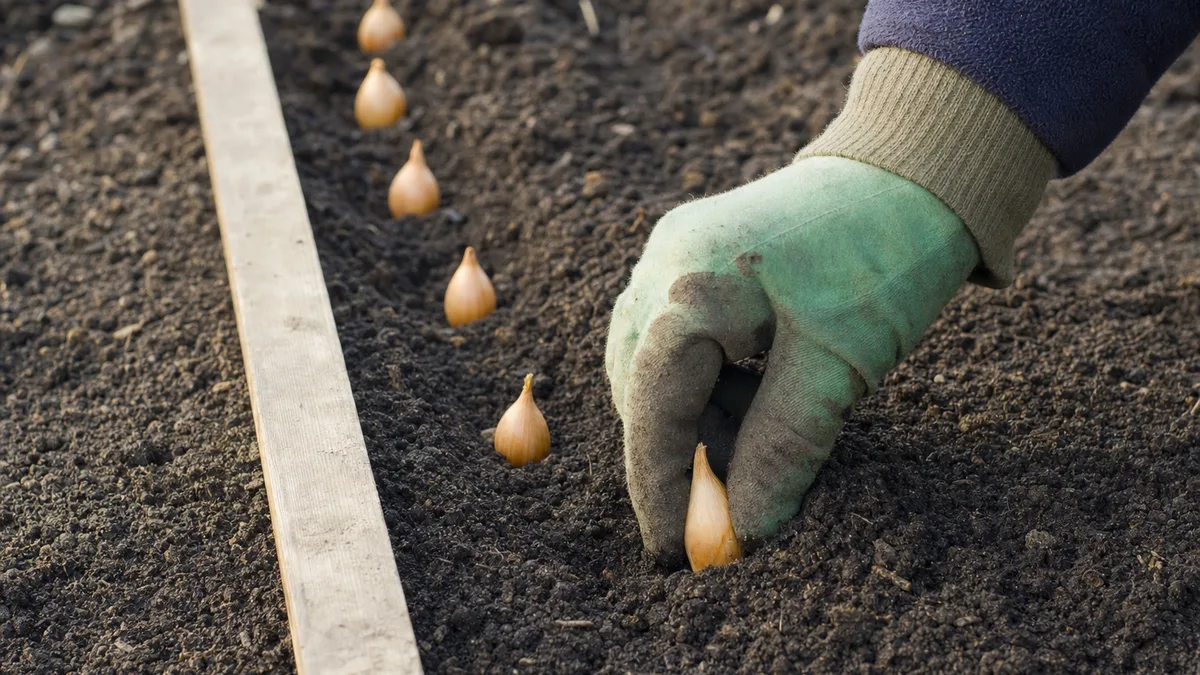
If your goal is big dry bulbs from conventional sets, go small. Illinois Extension suggests sets smaller than a dime for large dry bulbs, and says bigger sets are better used as green onions because they may bolt.
Virginia Cooperative Extension gives a looser limit and advises avoiding sets over 1 inch.
Treat those as two separate recommendations from two different states, not one cutoff for every Southern variety and season. A practical approach is to sort your bag.
Plant the smallest sets for bulbs, and keep the biggest ones for another use.
Cold can trigger flowering; day length shapes bulbs
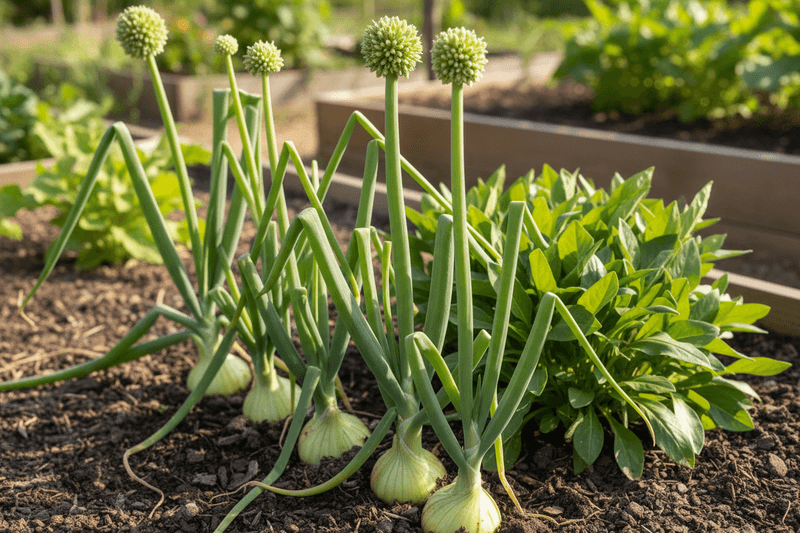
Two different cues are at work in an onion. Missouri Extension explains that cold exposure can induce flowering in onions that are developed enough, while day length governs bulb formation.
Variety decides how many hours of daylight a bulb needs.
That is why smaller sets can lower the risk without removing it. A small set usually enters winter less developed, so it has less to respond to when the cold arrives.
A warm-up and cool-down pattern, your variety, and your planting date still play a part.
Keep the two ideas separate in your mind. The Texas A&M measurements, including its roughly 1/4 inch shank figure, describe growing plants that overwintered.
They are not a width limit for sets sitting in your hand at planting time.
Check your local planting window and planting method
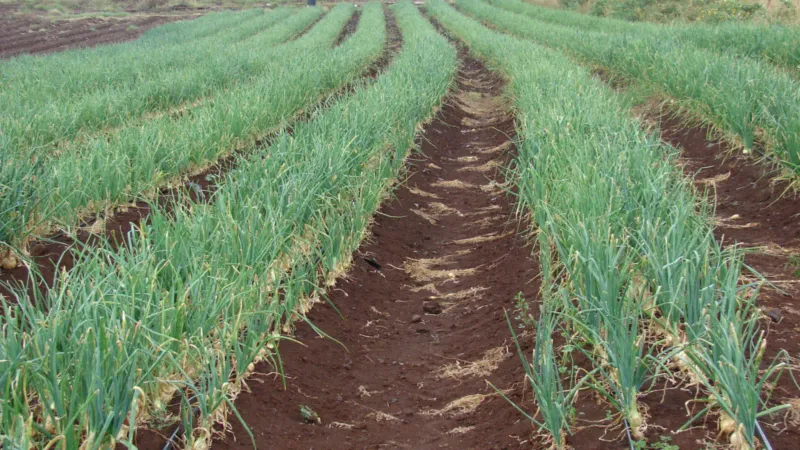
No single late-fall deadline fits the whole South, and the method matters as much as the month. UF/IFAS lists bulbing onion planting from September through December for home gardens and calls for short-day varieties.
Its regional table is more specific. North Florida seeds onions from mid-September to mid-November and sets transplants November through January.
Central and South Florida seed in October and transplant December through January. The Florida vegetable gardening guide adds more planting dates and separates bulbing onions from green onions and shallots.
Texas reads differently. Texas A&M AgriLife says to sow bulb-onion seed October through December, with January and February transplants making bulbs in May through July.
That page does not set a late-fall deadline for sets, so do not borrow the seed or transplant dates for them. Ask your local extension office which varieties and methods suit your area.
Shallots follow a different size recommendation
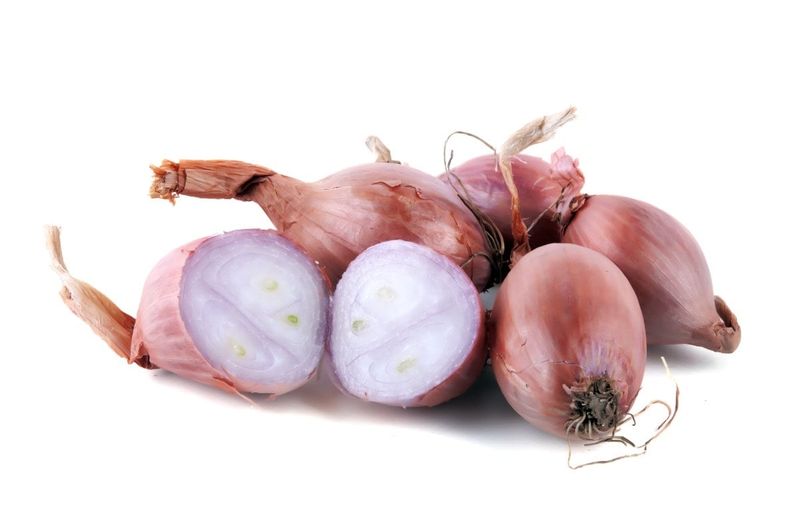
Shallots are not oversized onion sets, so leave the onion-set rule out of this bed. UF/IFAS describes shallots as cluster-forming onions and recommends planting bulbs about 3/4 to 1 1/2 inches in size in the fall.
That range overlaps sizes that some onion-set advice would call large. If you tossed a nice shallot bulb because it looked too big, you were applying the wrong guide.
To plant, space the bulbs about 6 inches apart and leave the growing point exposed. Each bulb should multiply into a small clump, so the extra room helps.
Put larger onion sets to another use
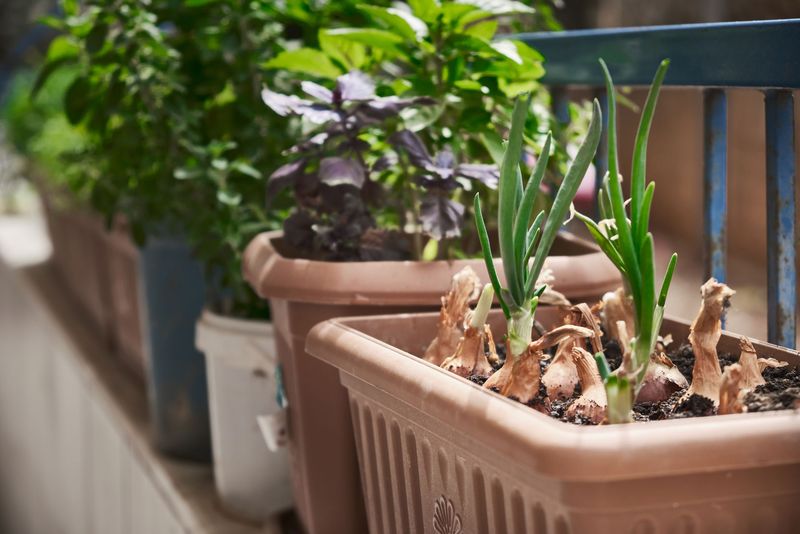
Already bought a bag with plenty of big sets? You have a sensible fallback.
Illinois Extension considers larger sets better suited to green onions because they may bolt, so harvest them young for the kitchen. Treat any bulbs that form as a bonus, not a promise.
If you need to hold sets before planting, store them in a cool, dry, dark place. Pick firm, dormant sets and set aside any that feel soft or have started to sprout.
A paper bag in a closet or a mesh bag in a cool pantry works for most home gardeners.
Choose for the crop, not just the calendar
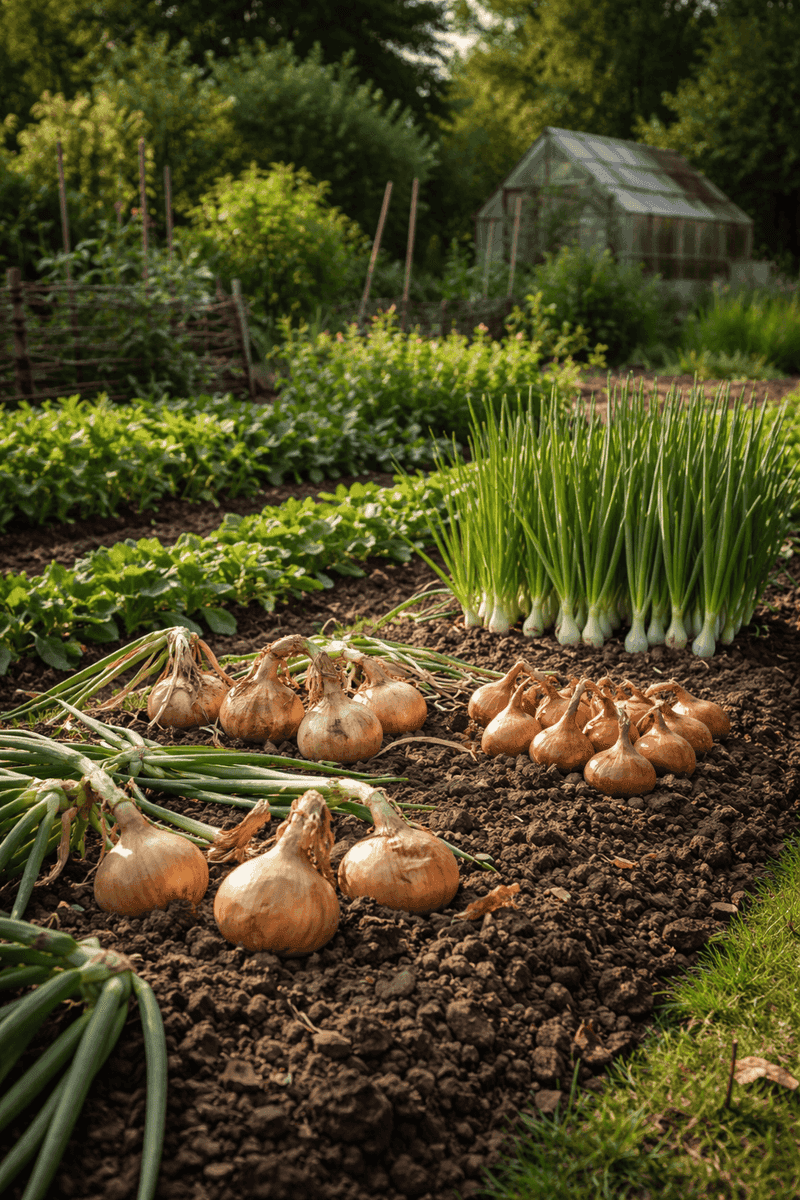
Your best move comes down to the crop. For dry bulbs from conventional sets, choose the smaller ones, and remember that Illinois Extension uses a dime as its yardstick.
Size is one risk factor alongside cold, variety, and timing, so it never guarantees a result.
Follow local guidance for your planting method, whether that is seed, transplants, or sets. Give shallots their own rules, since UF/IFAS welcomes bulbs well above onion-set size.
A little sorting at planting time often saves a lot of disappointment in spring.