
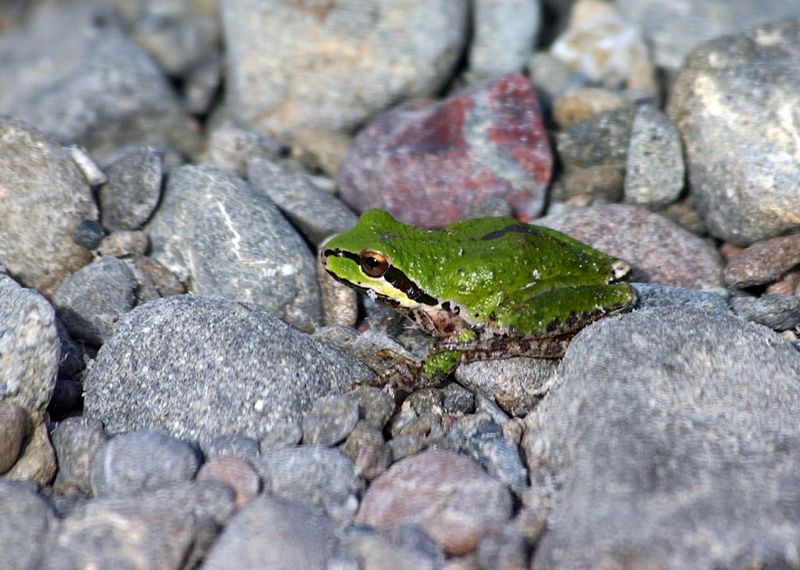
After a winter storm, many California yards fill with loud, cheerful frog calls. It is tempting to think those frogs are working the night shift on your lettuce.
The truth is a bit more modest, and a bit more useful. Here is how to welcome frogs while still protecting your greens.
Rain Calls Don’t Prove What Frogs Are Eating

Few sounds say winter in California like a frog chorus rising after a storm. It is a lovely noise, but it tells you less than you might think.
According to the California Department of Fish and Wildlife species account, frogs in this group move toward breeding sites at night, often during or just after rain. Their activity also shifts with cold and dry spells.
So a chorus can mean frogs are on the move, passing through, or calling from somewhere nearby.
What a chorus cannot tell you is where a frog has been feeding. It does not show that a frog is eating slugs, and it does not prove the frogs are breeding in your yard or living there all year.
A loud night near your lettuce bed is a pleasant clue that frogs are around, not a report on your slug problem.
Here is a better way to think about it. Frogs are one small piece of the garden food web, and a slug now and then may end up on the menu.
That is a possible bonus for your garden, not a pest control plan you can count on. The rest of this article shows how to enjoy the frogs and still protect your crops.
Which California Chorus Frog Is Calling?
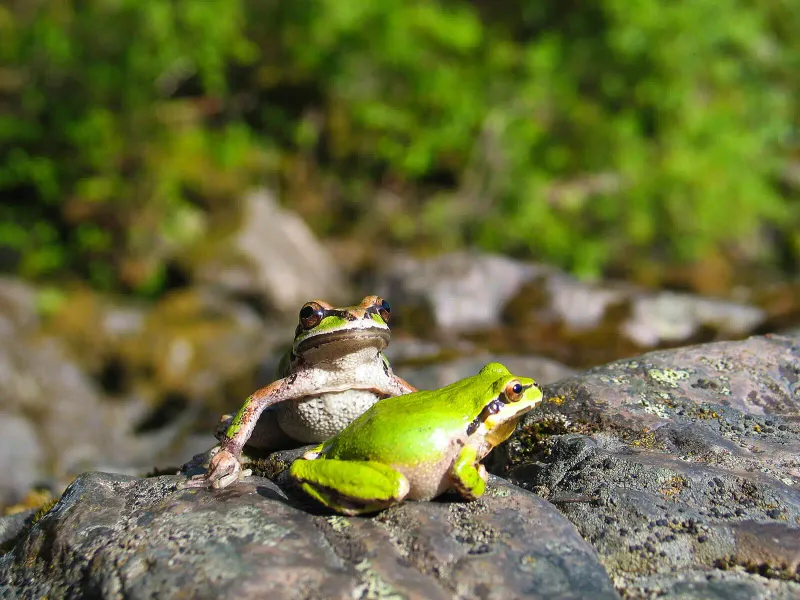
Many people call every little California garden frog a Pacific treefrog. That name is not as precise as it sounds.
CDFW explains that the former, broadly defined Pacific treefrog was split into three species. The state species account says the revised Pseudacris regilla lives in California’s northwest corner.
The Sierran treefrog is another distinct species.
Farther south, CDFW’s Baja California treefrog account covers a different species. That means a large part of Southern California is outside the revised Pacific treefrog range.
So what should you call the singers in your yard? Chorus frog or treefrog works well as a broad name.
Save a species name for when your location and a solid identification back it up.
A rain chorus alone will not settle the question, since the calls of related frogs can sound alike to a casual listener. If you are curious, note your county, jot down when you hear them, and check a regional field guide or a local naturalist group.
Knowing which frog you have is a fun bit of backyard detective work, and it keeps your claims honest.
Slugs Can Be Prey, Not Proven Pest Control
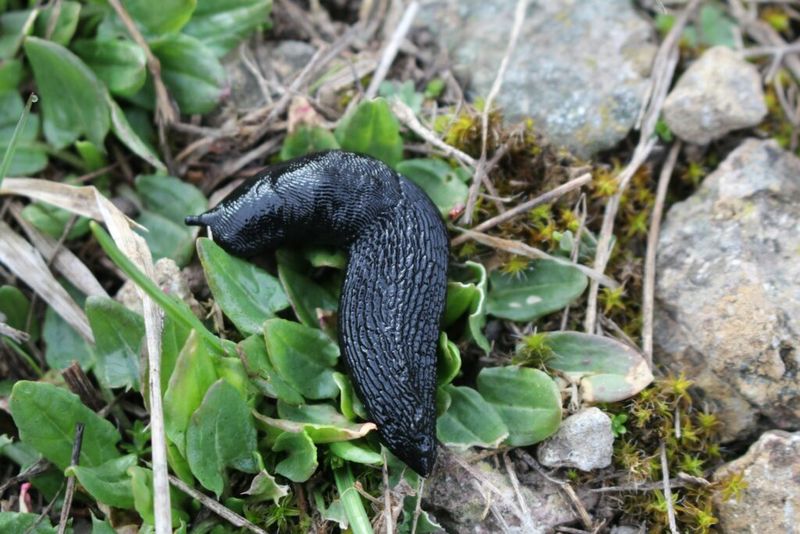
Adult frogs in this group eat a wide mix of small animals. CDFW’s species account lists slugs along with spiders, isopods, centipedes, earthworms, and insects.
A California stomach-content study backs up the broad menu. The USGS record of research from the Cache Creek watershed found varied prey, including gastropods, in three frog species.
It looked at what frogs ate in a watershed, not in home gardens.
That difference matters. Neither source measured how many slugs frogs eat in a yard.
Neither can tell you what a frog ate on a particular night, or whether any of it came from your lettuce bed.
A fair reading is simple: slugs can be on the menu. Frogs eat whatever small prey they come across, and your garden is one of many places they might hunt.
So enjoy the possibility without banking on it. If a frog snacks on a slug, great.
Your lettuce still needs its own protection, because nothing in these sources shows that frogs reduce slug numbers or keep leaves from being chewed.
Keep Selected Cover, Not a Damp Whole Yard
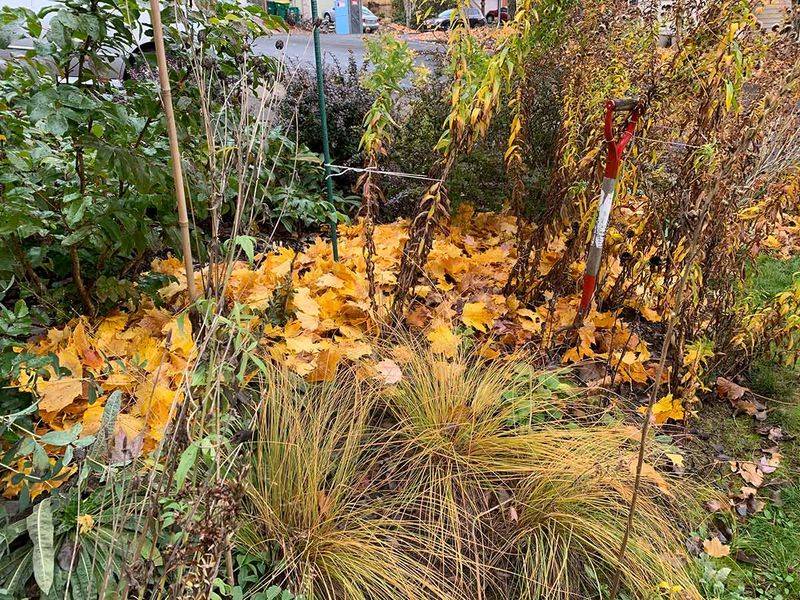
Frogs need cool, moist places to rest, and they do not stay in water all the time. CDFW notes that adults use cover on land, and Washington’s wildlife agency describes leaf litter, logs, rocks, and dense plants as useful shelter away from breeding water.
That is general habitat information from Washington, not California law or California-specific advice.
For a California yard, the trick is to pick your spots. A patch of leaf litter under a shrub, a few stones, or a low log pile in a quiet corner can give frogs somewhere to tuck in.
Pair it with plants that suit your area.
Keep fire safety in mind. Dry leaves and woody debris should stay out of the zone right next to your house, so check your local defensible-space rules before you decide where cover goes.
Water use matters too. You do not need to irrigate extra or keep the yard damp to attract frogs, and doing so would clash with local water limits.
Finally, do not keep every slug hiding place beside your lettuce. Slugs love the same shady, damp spots, so keep frog cover a good distance from vulnerable seedlings.
Protect Lettuce With Direct Slug Management
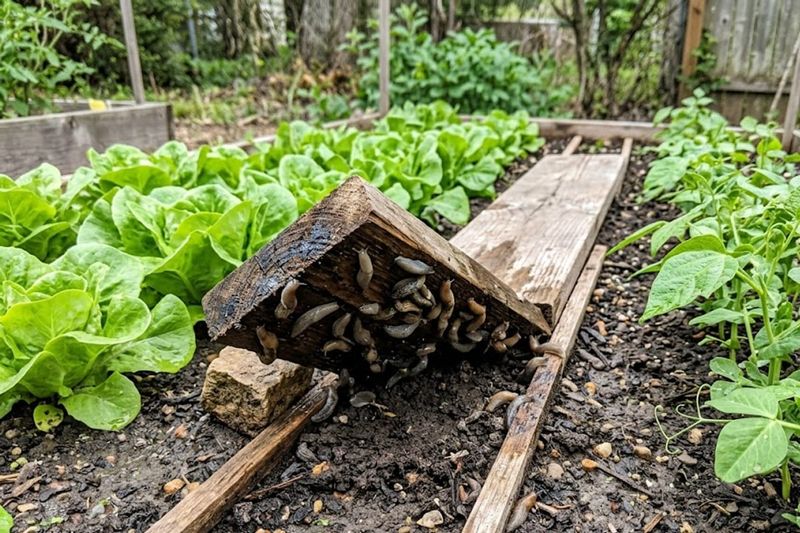
Lettuce needs its own plan, and the steps are simple. UC Integrated Pest Management guidance on snails and slugs recommends a mix of tactics rather than a single fix.
Start with a night patrol. Slugs feed after dark, so a flashlight check of leaves and soil lets you handpick them.
A few evenings in a row can make a real dent.
Next, lay a flat board near the bed as a daytime trap. Slugs hide beneath it, and you can collect them in the morning.
Then cut back on moisture. Drip irrigation keeps water at the roots instead of soaking leaves and surrounding soil, and morning watering lets the surface dry before evening.
This also helps with water-wise gardening.
Baits alone do not give long-term control while food, shelter, and moisture remain around. If you use any, follow the label.
Here is how it all fits together. Clear slug shelters right next to the lettuce, and keep your selected frog cover elsewhere in the yard, away from the beds.
You get a protected crop and a welcoming corner for wildlife.
Use Care With Chemicals Around Amphibians
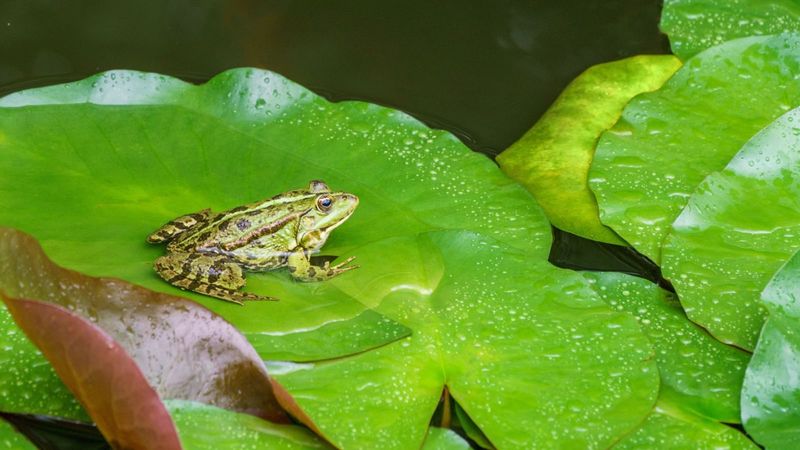
Frogs breathe and drink partly through their skin, which is thin and permeable. The National Park Service lists contaminants among the threats amphibians face, and their aquatic life stages add to the exposure.
Research on frogs and chemicals is ongoing. The USGS describes methods for studying frog exposure to pesticides in farm settings.
The risk depends on the chemical and how a frog is exposed, so it is not the same for every product.
For home gardeners, that suggests a gentle precaution. Skip unnecessary pesticide and herbicide use near spots where frogs shelter or gather.
No source here shows that any slug bait is frog-safe. UC IPM describes some bait choices in terms of risks to people, pets, and wildlife in general, which is not a finding about frogs in particular.
If you do use a product, follow the label closely. None of this means a product has harmed frogs in your garden.
It simply favors hands-on methods first, and keeps chemicals a last resort.
Welcome Frogs, but Don’t Rely on Them for Lettuce
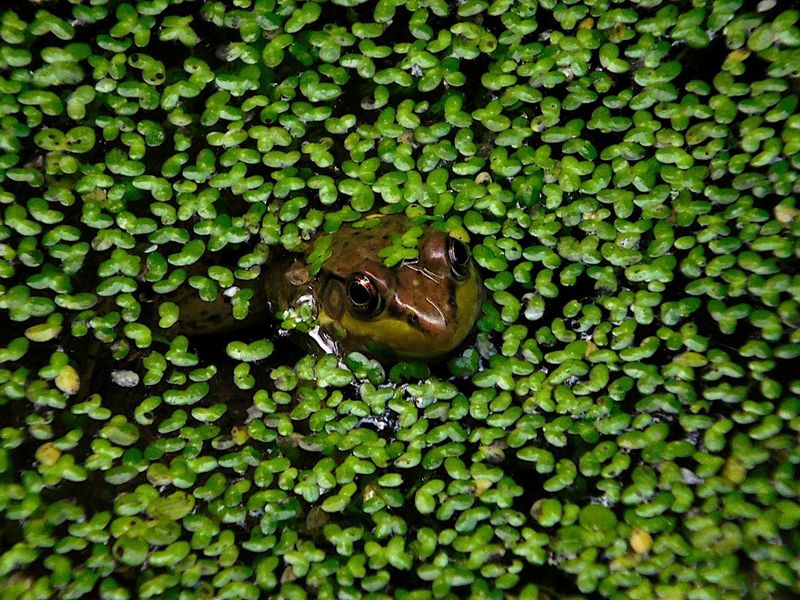
Think of frogs as welcome neighbors in your garden’s food web. CDFW lists slugs among their possible prey, which is a nice perk but no promise.
Keep a little suitable cover in a spot that fits your water and fire rules, and protect your greens with the hands-on steps from UC IPM. Neither guarantees frogs or slug-free lettuce.
Next rainy night, step outside and listen. The chorus is a gift on its own, and your lettuce can do just fine alongside it.