
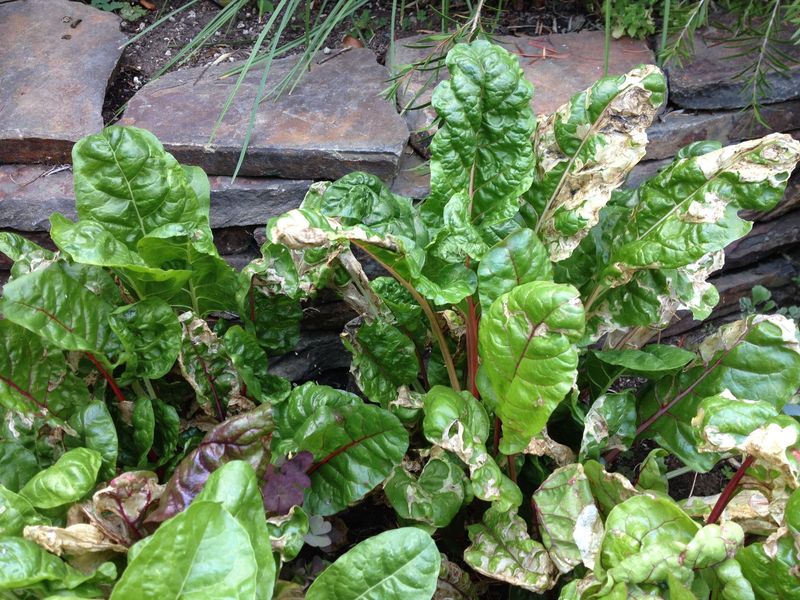
Pale, squiggly tunnels on your chard or beet leaves can make a gardener’s stomach drop. Those marks are made by tiny insect larvae that feed inside the leaf.
The good news is that a mark does not always mean a bug is still there, and it rarely means your plant is in trouble. A quick look at the leaf will tell you what to do next.
A mine records feeding, not necessarily a live larva
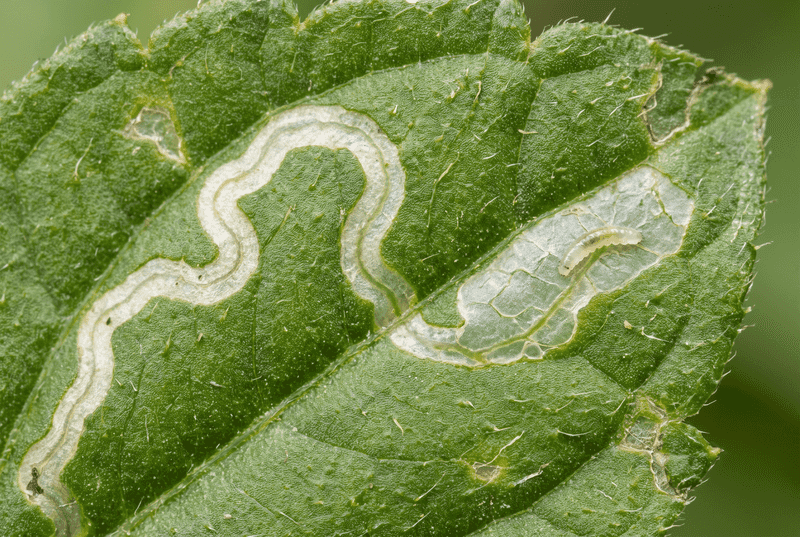
Spinach and beet leafminer flies lay eggs on leaves. When the eggs hatch, the larvae feed between the leaf’s outer layers, according to UMass Extension.
The mine often starts as a narrow track and can widen into a blotch. Swiss chard, beets, and spinach are all hosts.
Here is the catch. A mine stays in the leaf after the larva is gone.
Mature larvae can leave the leaf and drop to the soil to pupate, so a pale tunnel only tells you that feeding happened at some point. It cannot tell you whether anything is still inside.
A winding trail also does not name the culprit. Spinach and beet leafminers commonly make blotchy mines, while other leafminers can make winding trails, as noted by UC IPM.
So the old advice to pinch every trail today needs a small correction. Look first, then decide.
Inspect the mine before choosing an action
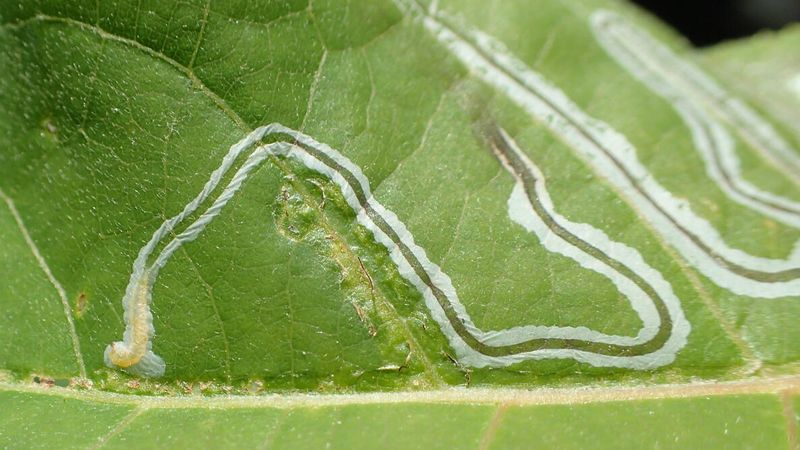
Grab a leaf and turn it over. Check both the top and the underside, since eggs and larvae can show up on either side.
Hold the leaf up to the light so the mined tissue glows and any larva stands out.
If you spot a larva that is visibly active inside the mine, pinch or crush it right through the leaf. That is the approach suggested by University of Maryland Extension for small plantings.
A quick squeeze is all it takes.
No larva in sight? Then the mine is probably old.
Pinching an empty tunnel does nothing, because the larva has likely left the leaf already, a habit described by UMass Extension.
Treat this as a spot check, not a promise. You will not clear every mine, and you do not need to.
Check a few leaves each week, and mark the ones that still hold active larvae.
Remove badly mined leaves and discard them
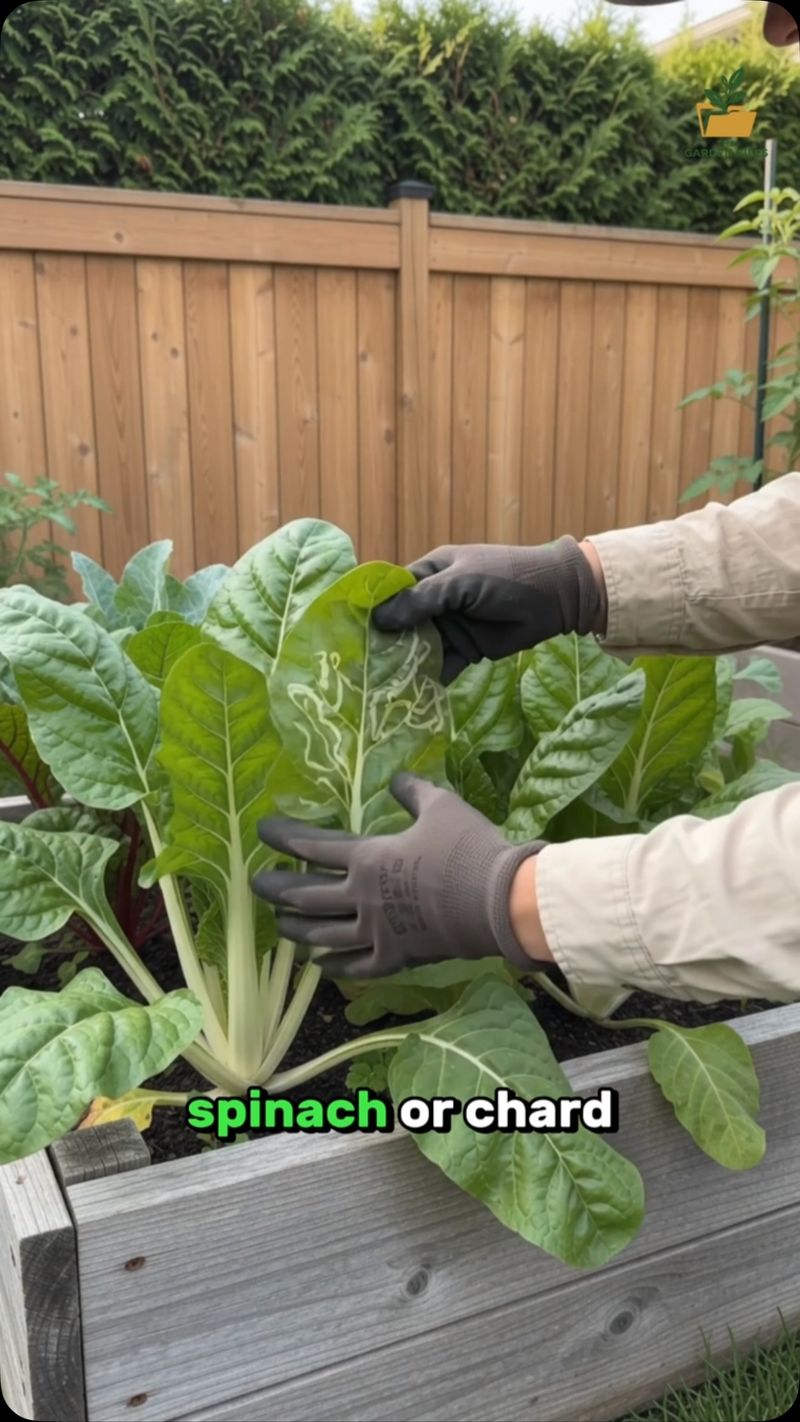
Some leaves are too chewed up to be worth eating. When most of a leaf is blotched, you can simply take it off.
Doing so removes any larvae still inside and tidies the plant for fresh growth.
What happens next matters. Colorado State University recommends bagging and discarding infested leaves rather than composting them.
A closed trash bag keeps larvae from finishing development in your compost or dropping into the bed.
Keep it targeted. A leaf with one small pale squiggle can stay on the plant and may still make a fine meal.
Stripping every marked leaf is not necessary, and it will not guarantee a clean plant.
Do this cleanup when you harvest, and carry a bag with you. That way infested leaves never touch the ground.
The Maryland Extension guidance fits this simple routine well.
Match the response to the damage and harvest
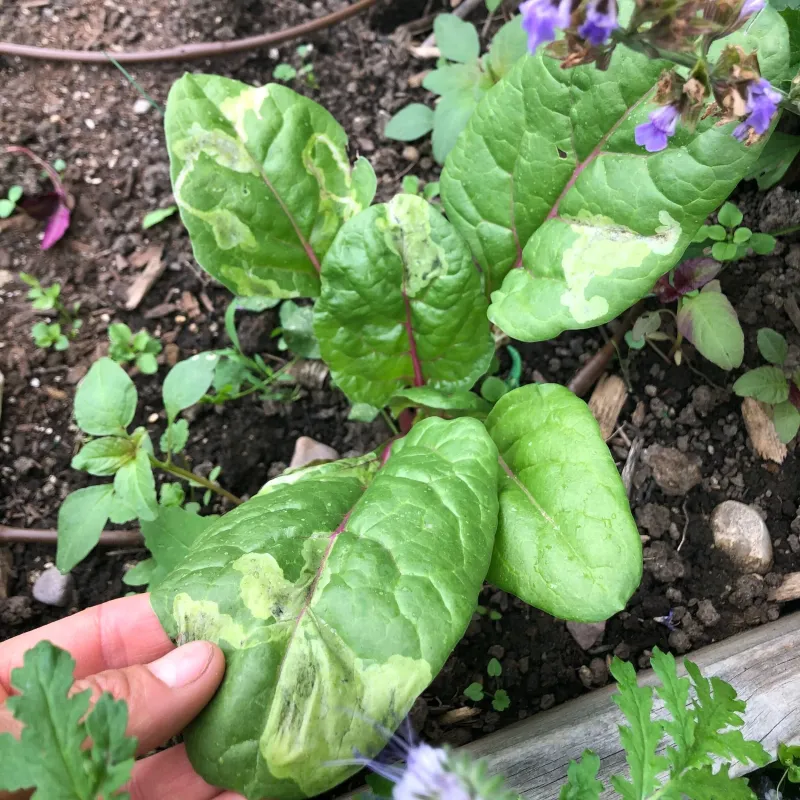
Plants are tougher than they look. Leafminers often have little effect on overall plant growth, according to University of Minnesota Extension, and natural enemies such as parasitic wasps often help hold them in check.
Mined chard is not a plant in danger of dying.
The bigger issue is how the harvest looks. When the leaves are the crop, as with chard, spinach, or beet greens, blotchy foliage can cut into what you can use.
Pick clean leaves first and trim away the worst ones.
Beets grown for roots are a different story. If you do not care about the tops, you may have little reason to fuss, as Maryland Extension points out for home gardens.
Mined leaves are not treated as a food safety hazard in these sources. Wash them as you would any greens, cut away damaged spots if you like, and enjoy the rest.
Use row covers to prevent new egg-laying
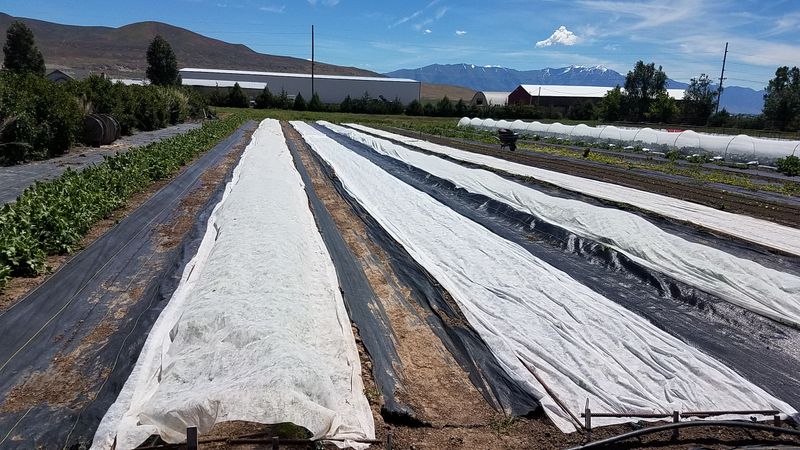
Adult flies need leaves to lay eggs on. A lightweight row cover keeps them out, but only if it goes on before they arrive, as UMass Extension explains.
Think of it as prevention at planting time.
A cover will not fix leaves that are already mined. Larvae and tunnels already inside the leaf stay put, so covering an infested planting will not clean it up.
There is another limit. If leafminers were in that bed recently, pupae in the soil may emerge beneath the cover and lay eggs right on your plants.
Choose a spot that was not recently infested when you can.
Secure the edges tightly with soil, boards, or pins, and leave enough slack for growth. University of Minnesota Extension also lists covers among its home garden options.
Used on a fresh bed, they can reduce new mines.
Plan future plantings without assuming a regional pest calendar
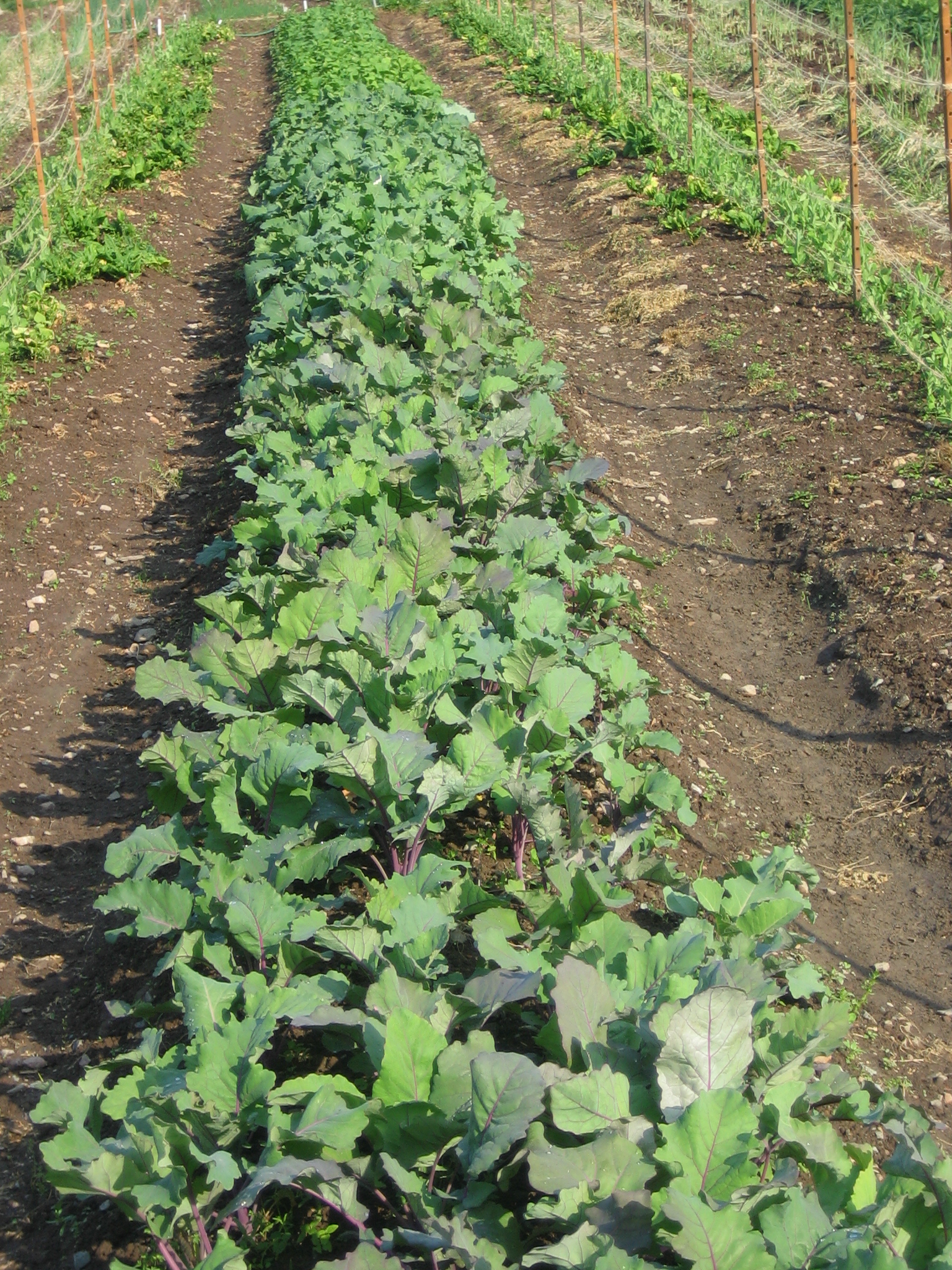
Next season’s plan starts with where you plant. Moving chard, beets, and spinach to a different bed than last time can help, since pupae may be waiting in the old soil.
Pulling host weeds such as lambsquarters where practical removes another place for flies to lay eggs, a step recommended by UMass Extension. Neither step will wipe out leafminers, but both may lower pressure.
Timing is where Southern gardeners should be careful. UF/IFAS lists chard planting windows of September through May in North and Central Florida and September through March in South Florida.
Those dates tell you when chard can be planted, not when leafminers are active.
Leafminer activity can differ by region, year, and even yard. Watch your own plants for fresh mines and eggs rather than trusting a calendar.
A few good habits beat any schedule: rotate, weed, and look under leaves.