
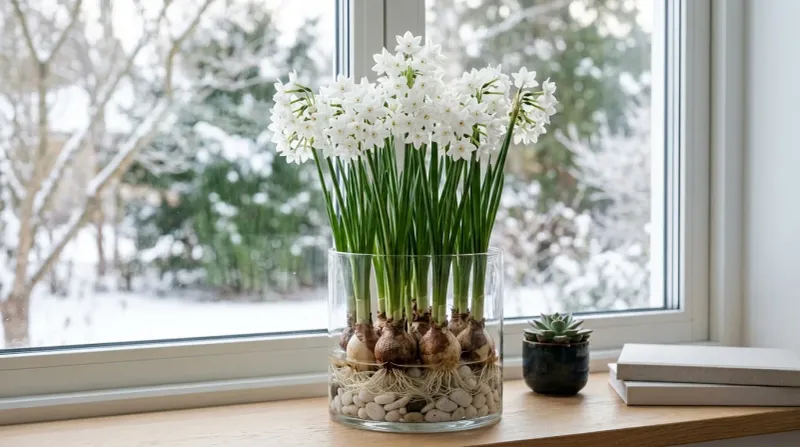
Paperwhites often shoot up fast indoors, then lean and flop before the flowers even open. A popular tip says a splash of gin fixes it.
Research points to something more careful: a measured, diluted ethanol mix that can make stems shorter, though it may not keep them upright. Here is how to try it this week, and where it can go wrong.
Dilute ethanol can shorten stems, but it cannot promise upright blooms
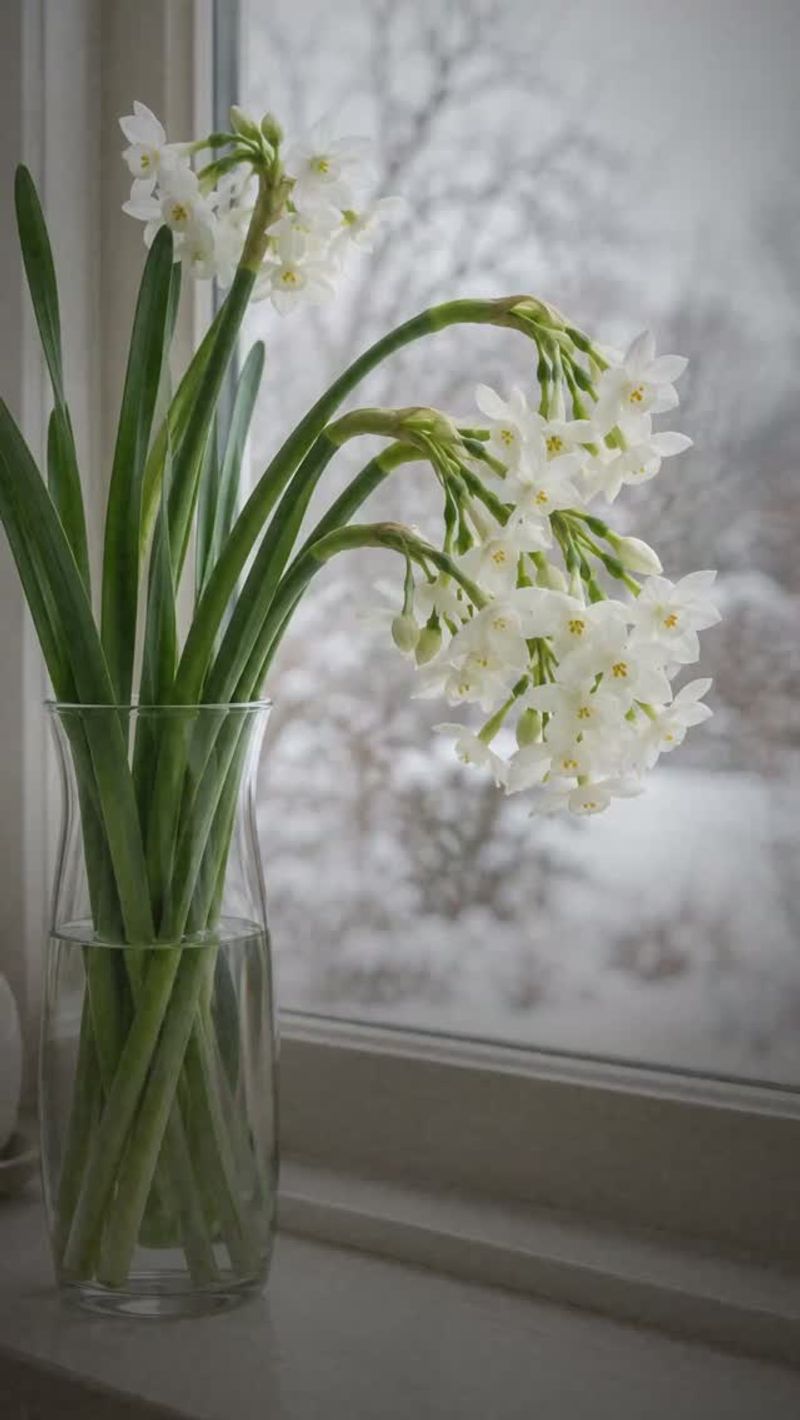
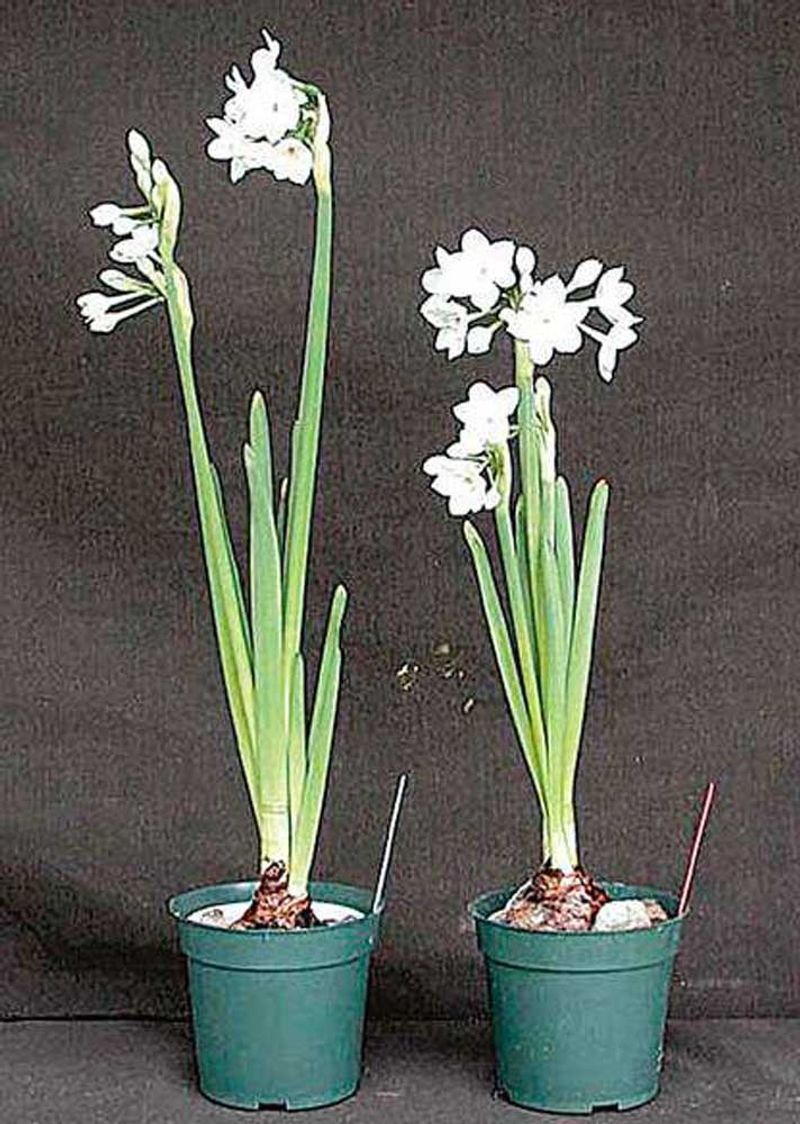
Here is the catch in the gin tip: a splash is not a dose, and shorter is not the same as upright. In a controlled study from Cornell researchers, diluted alcohol cut the height of paperwhites grown in pebbles and water.
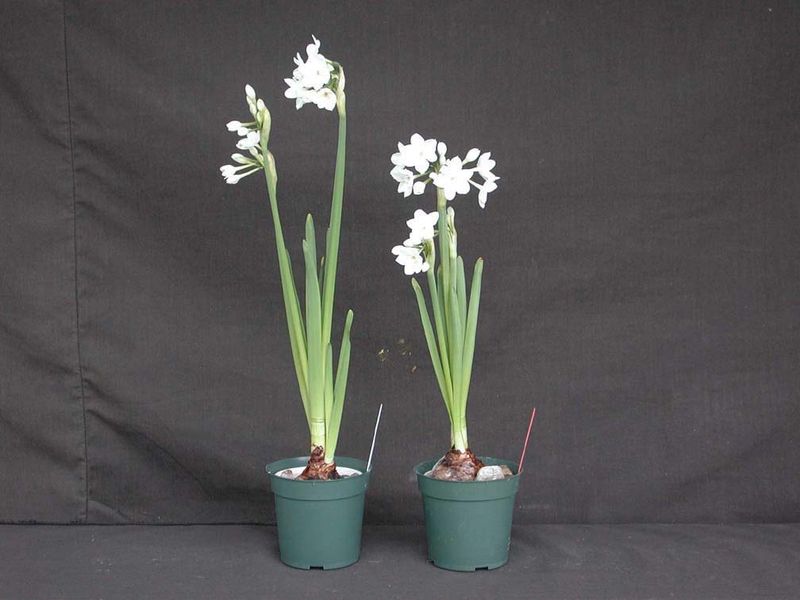
The numbers are specific. In one comparison, 4% ethanol supplied as gin reduced average stem length from 58 cm to 42 cm.
Across the whole study, 5% ethanol cut average stem length by about 40% compared with plain water.
Now the limits. The researchers measured height, not whether stalks stayed standing.
Shorter stems may be less likely to topple, but the study did not test that. The plants were ‘Ziva’ paperwhites grown in pebble culture, with eight plants per treatment in the reported comparisons.
So think of dilute ethanol as a measured height-control option. It is not a guaranteed fix, and it has not been proven for every cultivar or for bulbs grown in potting soil.
Wait for roots and shoots before switching from water
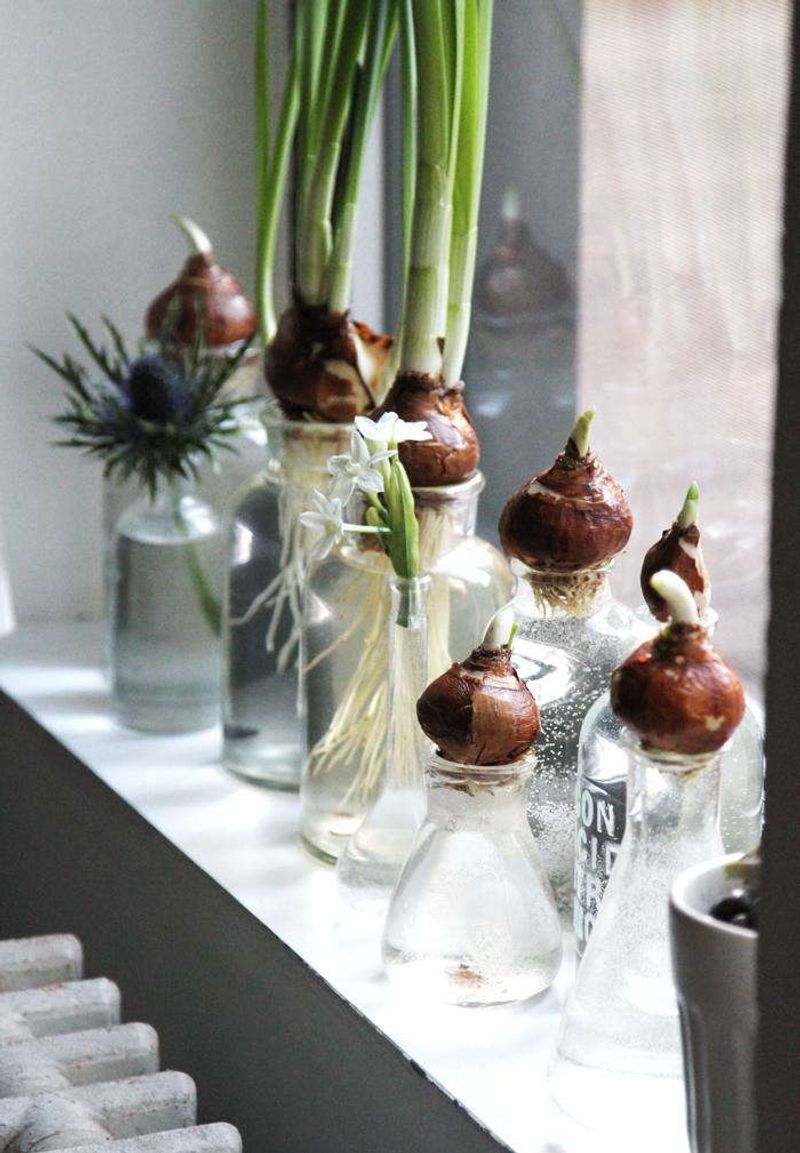
Timing matters more than the recipe. Start every bulb in plain water, with the water level kept at the base of the bulb, and let the roots grow first.
In the study, growers waited about 7 to 10 days, until roots were established and new growth stood 4 to 6 cm above the bulb. University of Illinois Extension describes the same switch point, with shoots about 1 to 2 inches tall.
Treat those numbers as a rough guide, not a calendar. A cool room can slow growth, and a warm one can speed it up.
Look at the bulb, not the date.
A quick check helps: you should see a good mass of white roots in the pebbles and green shoots clearly rising. If the roots look thin or the shoots are barely showing, keep using plain water a few more days.
Do not pour alcohol in at planting time.
Measure the solution instead of adding a splash
Grab a measuring cup. For 40% liquor such as gin, vodka or similar, mix one part liquor with seven parts water.
That makes a 5% ethanol solution.
A small batch might be 2 tablespoons of liquor plus 14 tablespoons (a bit under a cup) of water. Stir it, then use it.
Once roots and shoots have developed, pour off the plain water and replace it with this mix. When the container runs low, top it up with the same solution, not with plain water, so the strength stays steady.
Keep the level at the base of the bulb.
Gin is simply an ethanol source here. The research tested ethanol and several drinks, and nothing shows that gin’s botanicals do the work.
Illinois Extension also lists a rubbing alcohol option: one part 70% alcohol to 11 parts water, which lands near 6%.
Avoid high concentrations, beer, and wine
More alcohol does not mean shorter, healthier plants. The Cornell study saw visible plant injury at ethanol concentrations of 10% and above.
Stay with a carefully measured 4 to 5% mix and skip the stronger pours.
Beer and wine are out too. The researchers found them unsuitable and reported apparent microbial growth and unhealthy plants.
Sugary drinks seem to invite trouble in the container.
A practical clue: if the water turns cloudy, smells sour, or leaves yellow and look damaged after a switch, go back to plain water and rinse the pebbles and container.
As for why alcohol shortens stems, the authors offered possible explanations but said the mechanism needed confirmation. Nobody can say for sure how it works, so stick to the tested recipe rather than improvising.
Protect pets and support plants with light and cool conditions
Start with safety. Keep the bulbs, the plants, and any alcohol solution where pets cannot reach them.
The ASPCA lists paperwhites as toxic to dogs, cats, and horses, and the bulbs are the most poisonous part. The FDA also warns that alcoholic drinks can be dangerous to pets.
That warning is general and was not about dilute plant solutions, but a high shelf is still smart.
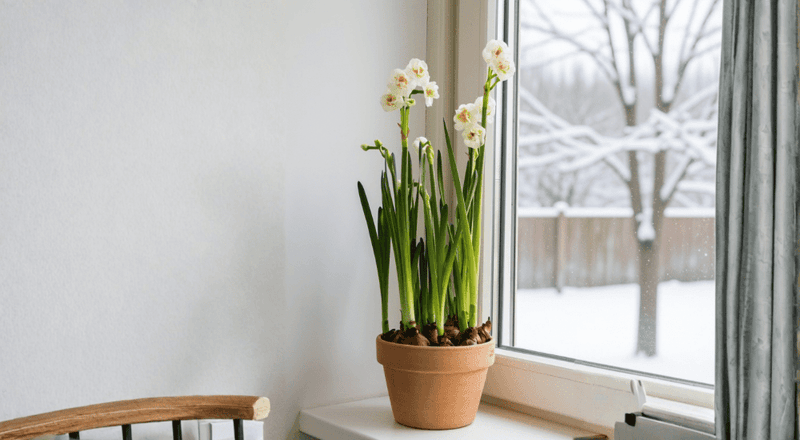
Next, help the stems from the outside. Give plants as much bright light as you can, since dim rooms push stretchy growth.
Illinois Extension suggests a cooler spot, in the 60s degrees F.
In pebble culture, keep water at the base of the bulb instead of covering it. If stalks start to lean, add a stake or a ring of twine.
You do not need to chill the bulbs first, since Iowa State Extension notes paperwhites bloom indoors without a chilling period. None of these steps guarantees upright stems.
Use height control during growth, not as a rescue for collapsed stems
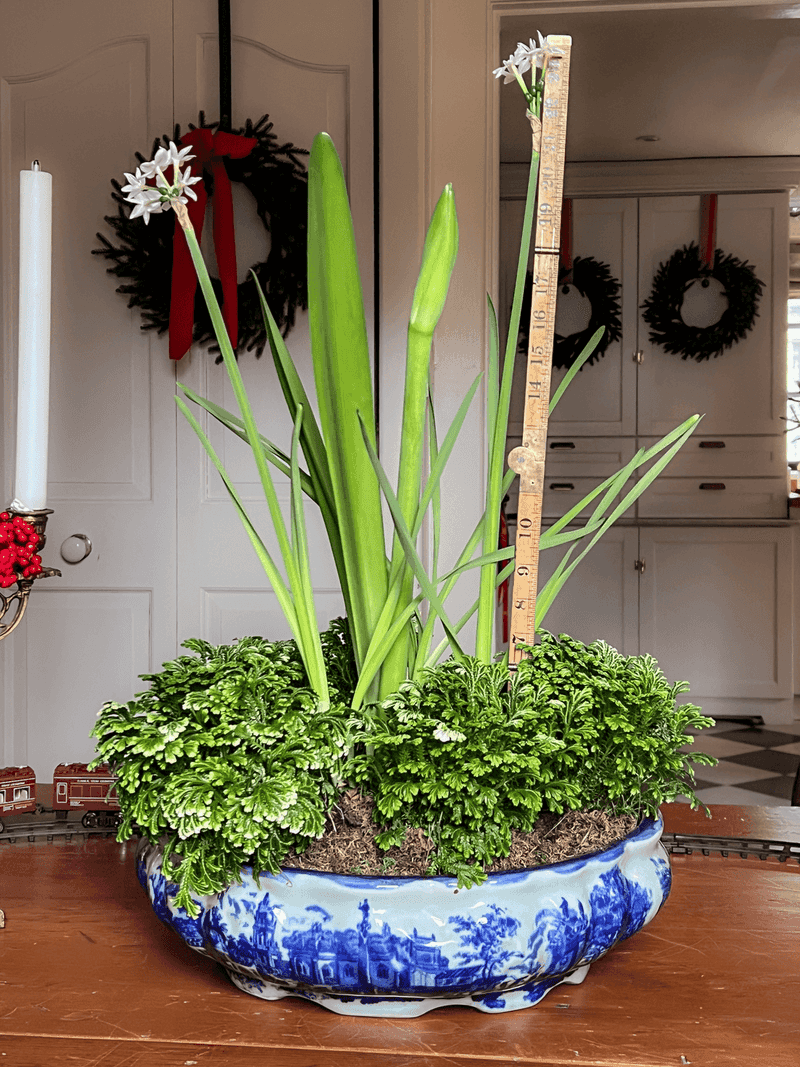
The plan is simple. Start bulbs in water, wait for established roots and developed shoots, then consider a carefully measured dilute ethanol solution to limit height.
This works as prevention. It has not been shown to revive stalks that have already flopped, so a bent stem still needs a stake or a gentle tie, as Illinois Extension advises.
A shorter paperwhite is easier to hold up, but a stake is cheaper insurance than hope.