 Complete Gardening
Gardening is a beloved hobby for many, offering tranquility and a sense of connection to nature. However, certain plants can turn a peaceful garden into an overwhelming chore. A passionate gardener has raised the alarm about a plant that, while appearing innocent, requires constant attention and care. This blog post explores five such plants, each with its unique challenges for even the most dedicated gardeners.
1. English Ivy
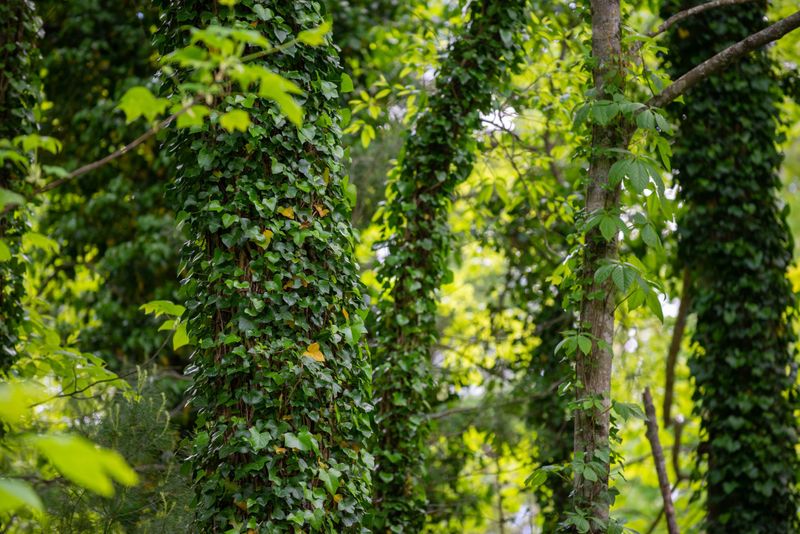
English Ivy is known for its ability to quickly cover grounds and structures. While its lush green appearance is appealing, it can become a gardener’s nightmare. Its aggressive growth often chokes other plants, leading to a battle for space. Maintained with regular pruning, it requires vigilance to ensure it doesn’t overtake your garden. Moreover, it can damage brickwork and trees by burrowing into crevices. With its roots firmly in the soil, removing it is challenging. Many gardeners find themselves entangled in a never-ending cycle of trimming and control to keep this plant in check.
2. Bamboo

Bamboo is admired for its tall, graceful stalks and soothing rustle. Yet, this plant is notorious for its rapid spread, often taking over entire sections of a garden. Its underground rhizomes expand aggressively, making containment difficult. Gardeners frequently struggle to prevent its unrelenting advance into unwanted areas. The task of controlling bamboo demands persistent effort, with barriers and regular cutting down its shoots. Once established, it becomes a formidable opponent in the garden, requiring innovative solutions and dedication to manage its growth effectively.
3. Mint

Mint might be a delightful addition to teas and recipes, yet its growth habits can be overwhelming. This herb spreads quickly, often elbowing out other plants in a garden. Its root system is tenacious, giving mint the ability to dominate a space if left unchecked. Although its aroma is inviting, controlling mint requires strategic planting and consistent pruning. Gardeners often resort to pots or barriers to contain this plant’s ambitious nature. Despite its culinary benefits, mint’s aggressive expansion can turn a simple garden into a management challenge.
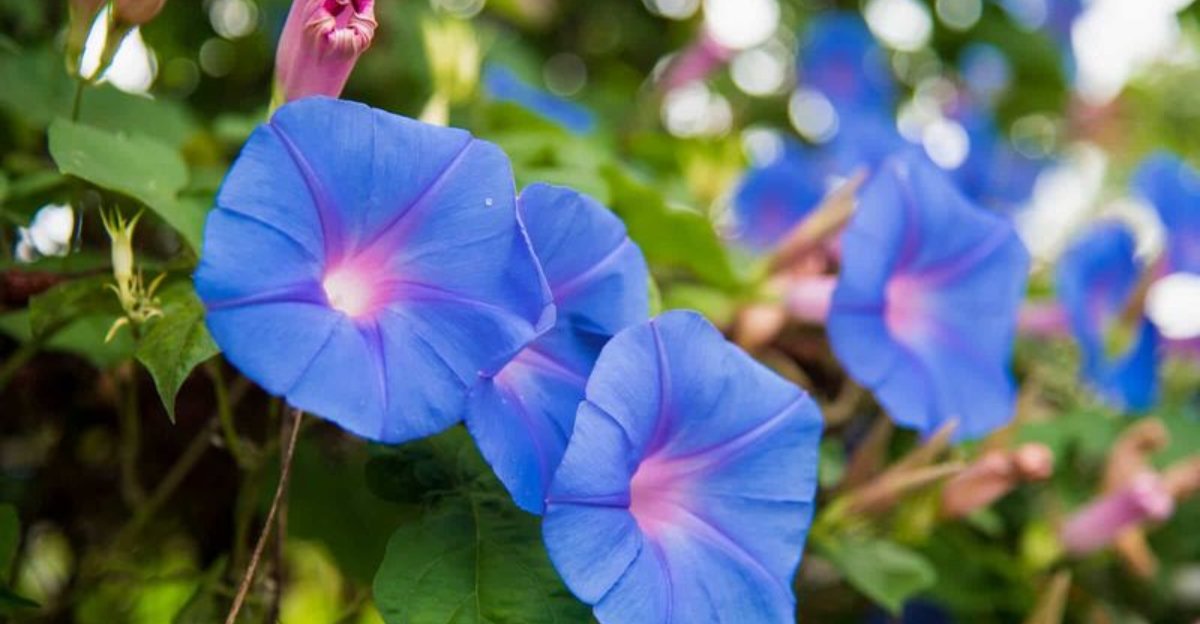
4. Morning Glory

Morning Glory captures the heart with its charming blossoms, but its growth can be relentless. This plant’s tendrils quickly wrap around structures and other plants, making it a formidable presence in gardens. Gardeners find themselves frequently cutting back its vines to prevent it from overshadowing other flora. Known for its rapid spread, Morning Glory requires vigilance and ongoing attention to control. Its beauty is undeniable, but without regular maintenance, it can transform an orderly garden into a tangled maze of vines and flowers.
5. Wisteria
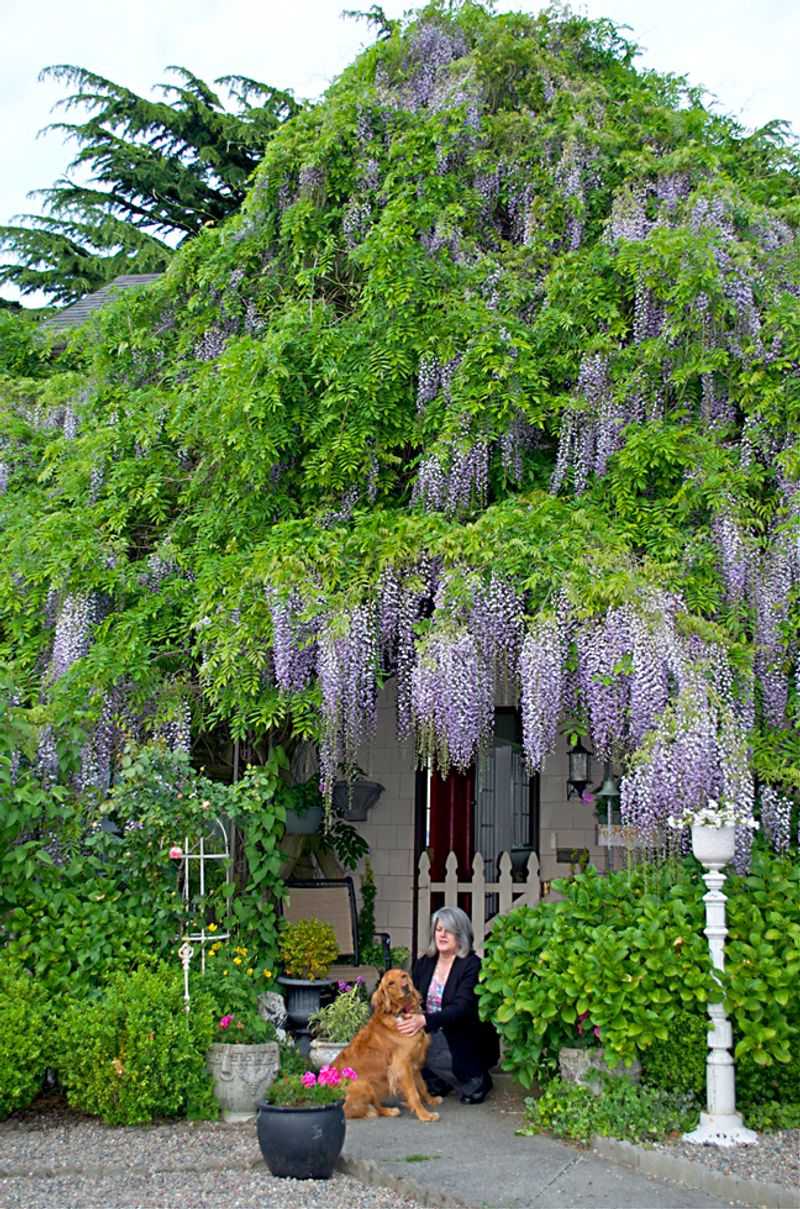
Wisteria is celebrated for its stunning, cascading flowers, yet its growth can be overpowering. This plant’s vines are strong and rapidly envelop structures, sometimes causing damage. Gardeners must regularly prune and guide its growth to prevent chaos. While its beauty is captivating, wisteria’s need for control and direction makes it a demanding garden companion. Its roots can spread aggressively, posing a challenge for containment. Despite its allure, the effort to maintain wisteria is substantial, requiring a balance between admiration and management.
6. Lamb’s Ear

Its soft, velvet-like texture might tempt gardeners to plant it everywhere. Lamb’s Ear, however, spreads rapidly, invading garden beds.
Known for its downy leaves, it’s a favorite in children’s gardens. Yet, its tendency to thrive and spread means constant trimming is essential.
Ignoring it even for a short while can lead to an overwhelming number of these plants, overshadowing other, more delicate species.
7. Creeping Charlie
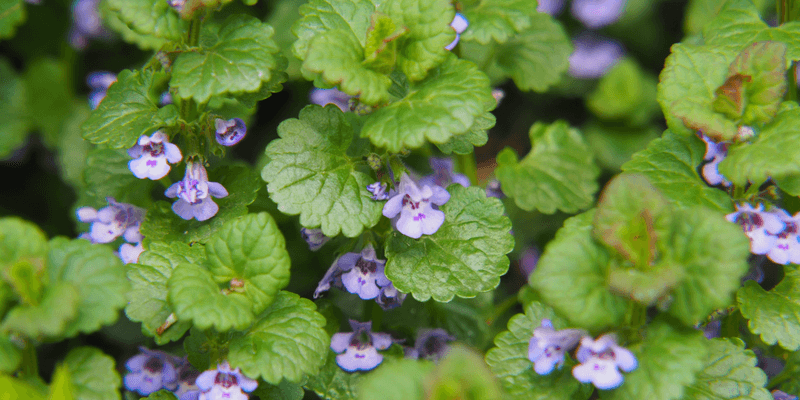
Creeping Charlie, with its round leaves and tiny purple flowers, is a lovely sight. But beware, this plant is a relentless spreader.
It can quickly take over lawns and gardens if left unchecked, as it creeps and roots at every node.
Gardeners must be vigilant, as even a small patch can become a full invasion, demanding regular monitoring and removal.
8. Russian Vine
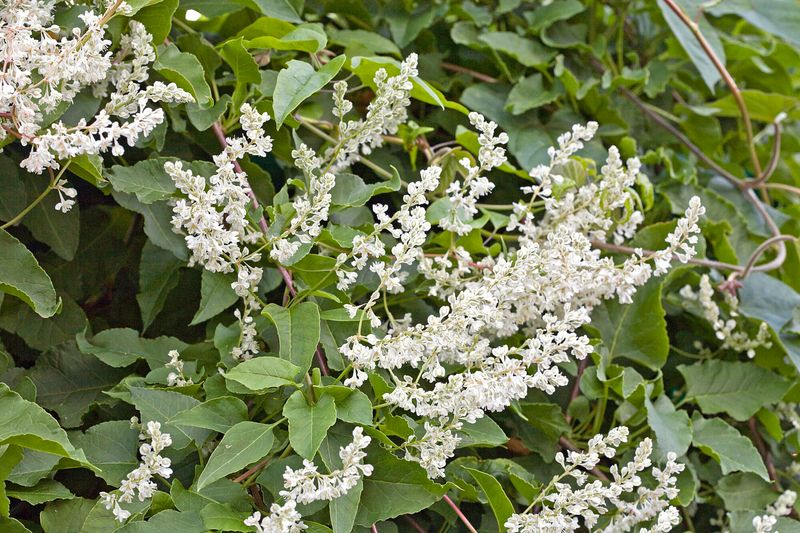
Russian Vine, also known as the ‘mile-a-minute’ vine, is notorious for its rapid growth. Its pretty white flowers mask its invasive nature.
This vine can cover fences and trellises in no time, entwining with other plants and stealing their light and nutrients.
Gardeners often find themselves battling to keep it from engulfing everything in its path.
9. Kudzu

Kudzu is a legend among invasive plants, earning the title ‘the vine that ate the South.’ Its aggressive nature is well-documented.
This fast-growing vine can envelop entire buildings, trees, and landscapes in a thick, green blanket.
Gardeners dealing with Kudzu face a formidable challenge, needing persistent efforts to keep it from taking over entirely.
10. Garlic Mustard

With its garlicky aroma, Garlic Mustard might seem intriguing. Yet, this plant is a master of domination, especially in woodland areas.
It quickly outcompetes native flora by releasing chemicals into the soil, inhibiting the growth of other plants.
Vigilant removal is crucial, as its seeds can remain viable in the soil for years, ensuring future invasions.
11. Japanese Knotweed

Japanese Knotweed is infamous for its destructive roots that can damage foundations and roads. Its bamboo-like appearance is deceiving.
It grows vigorously, with roots that can extend several meters underground, making complete removal difficult.
This plant demands respect and persistence, as a small oversight can lead to a significant infestation.
12. Common Ragweed
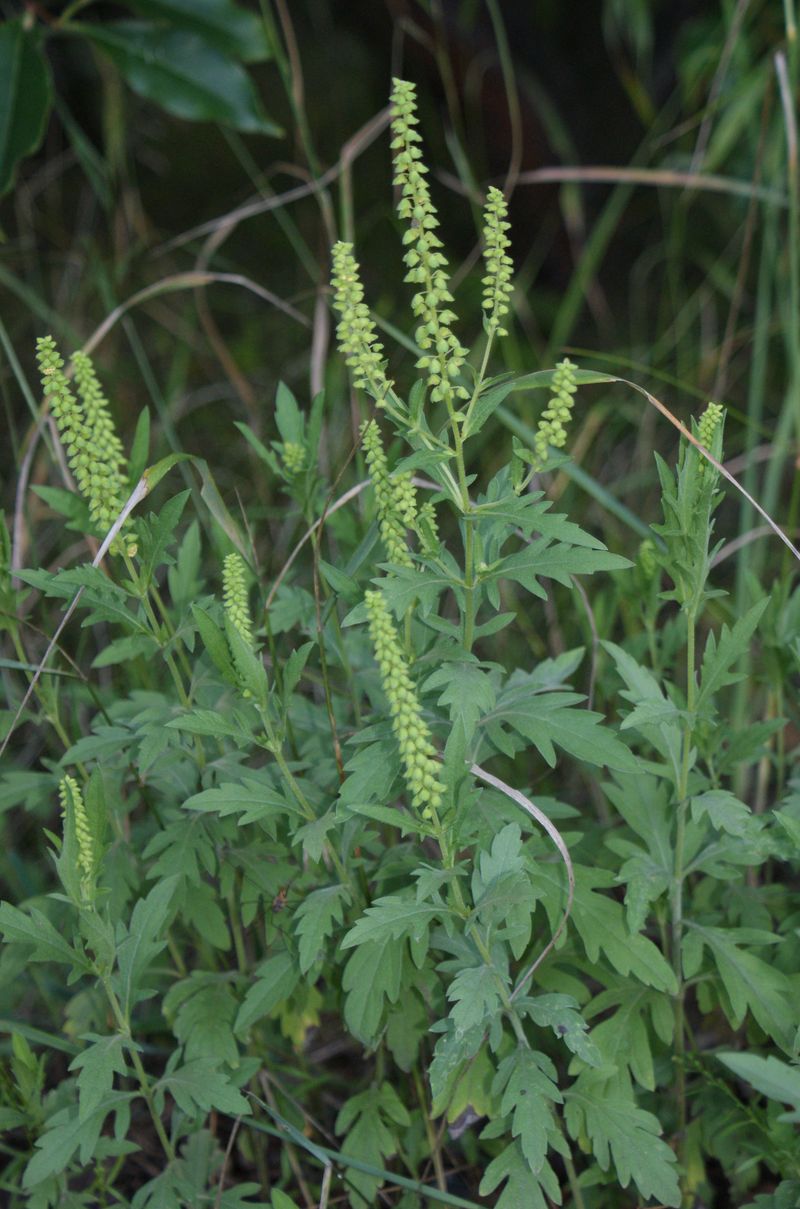
Common Ragweed is not only notorious for its allergens but also for its invasive capabilities. It thrives in disturbed soils and can spread rapidly.
This plant’s ability to produce large amounts of pollen makes it a nightmare for allergy sufferers.
Controlling its spread involves regular mowing and monitoring, as it can quickly overtake open spaces if neglected.
13. Yellow Archangel
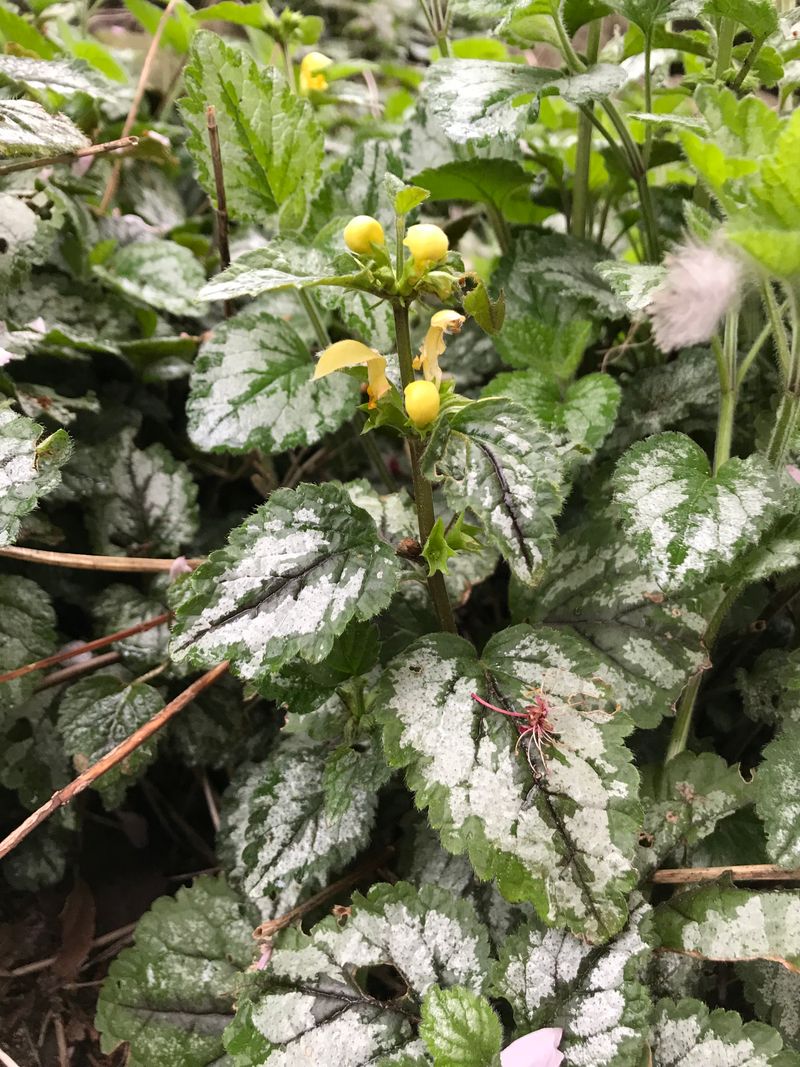
The allure of Yellow Archangel lies in its vibrant yellow flowers and decorative leaves. However, its beauty conceals its aggressive nature.
It spreads across the forest floor with alarming speed, often outcompeting native species for resources.
Gardeners must act decisively to control its spread, as it can overwhelm natural habitats if left unchecked.
14. Ground Elder

Ground Elder, with its broad leaves, is often mistaken for a benign garden plant. In reality, it is a relentless spreader.
Its underground rhizomes enable it to swiftly colonize garden spaces, making eradication a challenging task.
Consistent monitoring and removal are essential to prevent it from taking over entire beds and outcompeting other plants.
15. Tree of Heaven

The Tree of Heaven is a fast-growing deciduous tree that thrives in urban environments, making it a common sight.
Its rapid growth and allelopathic properties allow it to outcompete native trees and plants, often leading to monocultures.
Managing it requires a strategic approach, as its prolific seed production and strong root system make it a persistent urban invader.