 Complete Gardening
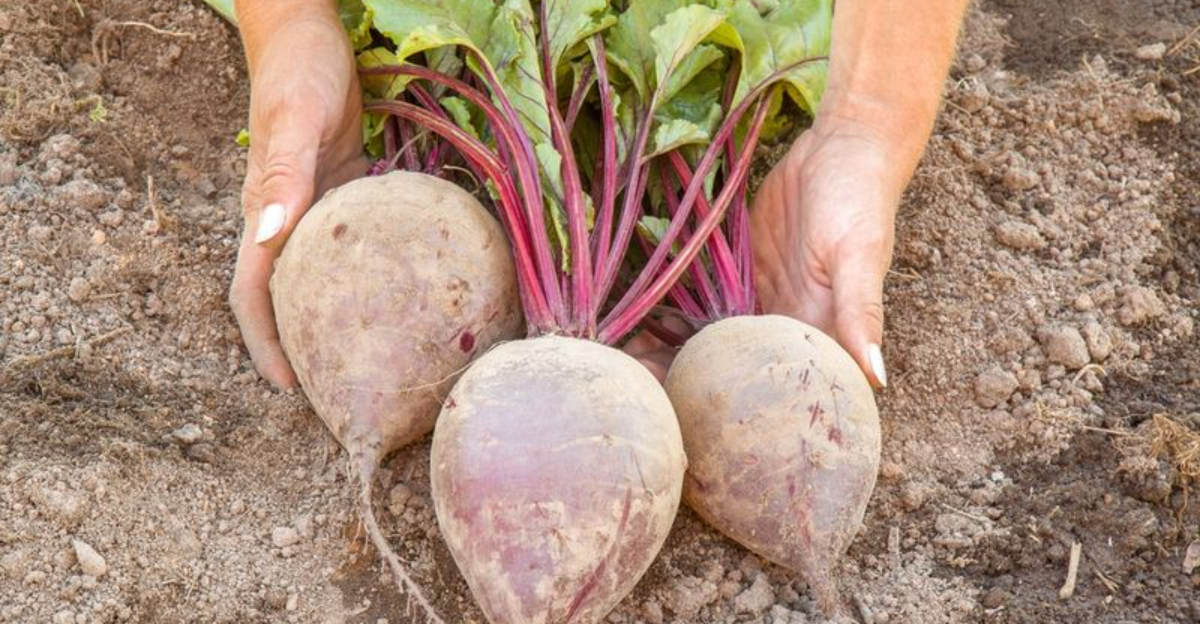
Want sweeter, bigger, and healthier beets straight from your garden?
With the right planting techniques, you can grow a crop so good you’ll forget store-bought ever existed.
Follow these 11 essential tips to unlock the secret to a truly bountiful beet harvest.
1. Start with Loose, Well-Draining Soil
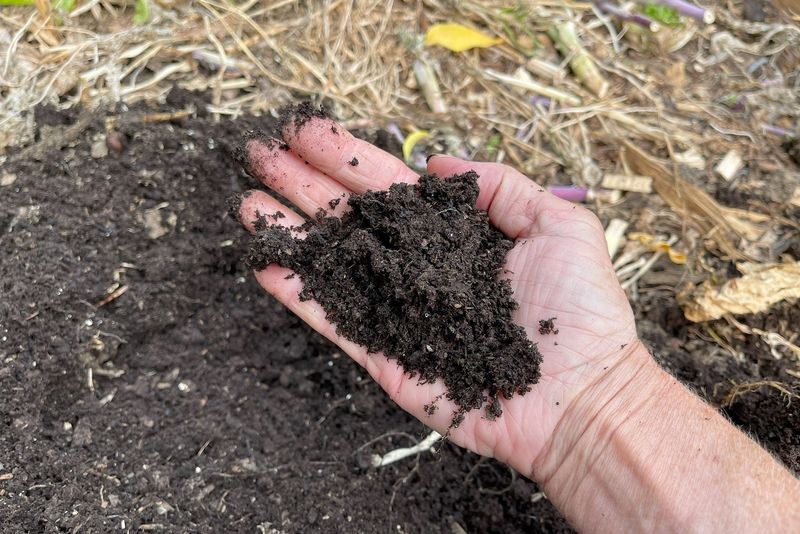
Ready your garden for beets by ensuring the soil is loose and well-draining. Beets, being root crops, require unobstructed growth space. Loamy soil without rocks or debris offers the best conditions.
Raised beds or deeply cultivated rows enhance root development. The difference is astonishing when you compare the results of properly prepared soil; the beets grow large and round, just as they were meant to be.
Remember, the foundation you lay makes all the difference.
2. Plant in Cool Weather (Spring and Fall)
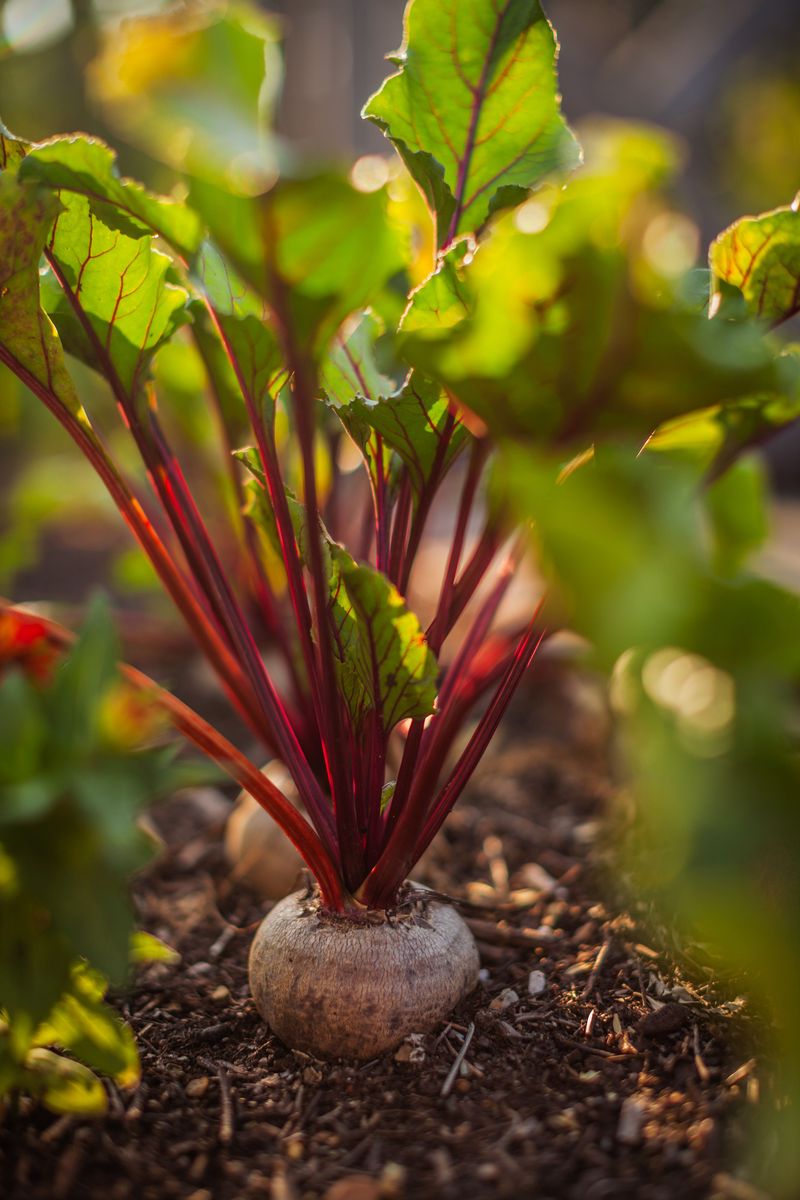
Timing is everything for tasty beets. Plant them in cooler weather, specifically in early spring or fall. Soil temperatures between 50-70°F are ideal.
Cool temperatures ensure better flavor and root growth. During these cooler periods, beets thrive, developing the sweetness and texture we all love.
Miss this window, and you might find your beets lackluster. Nature offers a perfect schedule; align with it for the best harvest.
3. Sow Seeds ½ Inch Deep and Thin Early
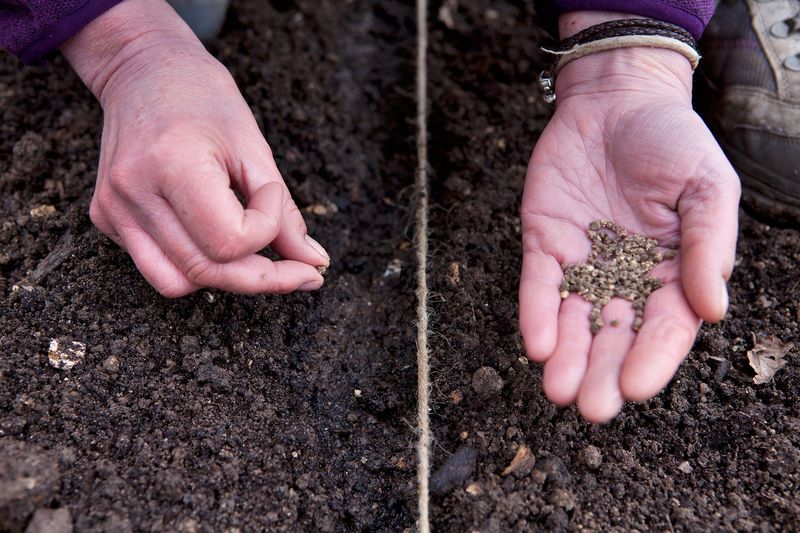
Beet seeds are unique; they come in clusters, leading to multiple sprouts from a single spot. Thin them early, leaving 3-4 inches between each plant.
Space is the key to swelling roots. The thinnings are not waste—they make delicious microgreens.
Enjoy the dual harvest: tender greens early on and robust beet roots later. This step is crucial for proper development and maximum yield. Don’t overlook it.
4. Soak Seeds Before Planting for Faster Germination
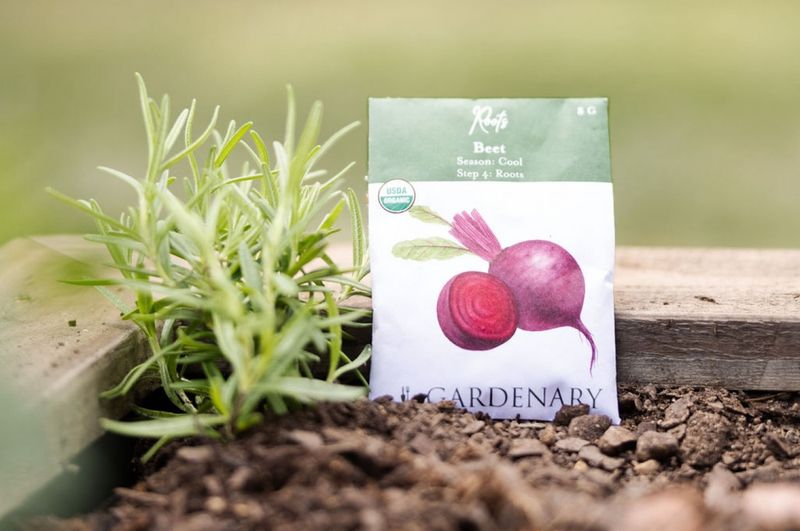
Speed up your beet growing success by soaking seeds in warm water for 12-24 hours before planting. This softens the tough outer coating of beet seeds.
Soaked seeds germinate faster, giving you a head start on the growing season. This simple step can make a noticeable difference in your garden’s productivity.
A little preparation can lead to a flourishing beet harvest, showing that small efforts reap big rewards.
5. Keep the Soil Consistently Moist
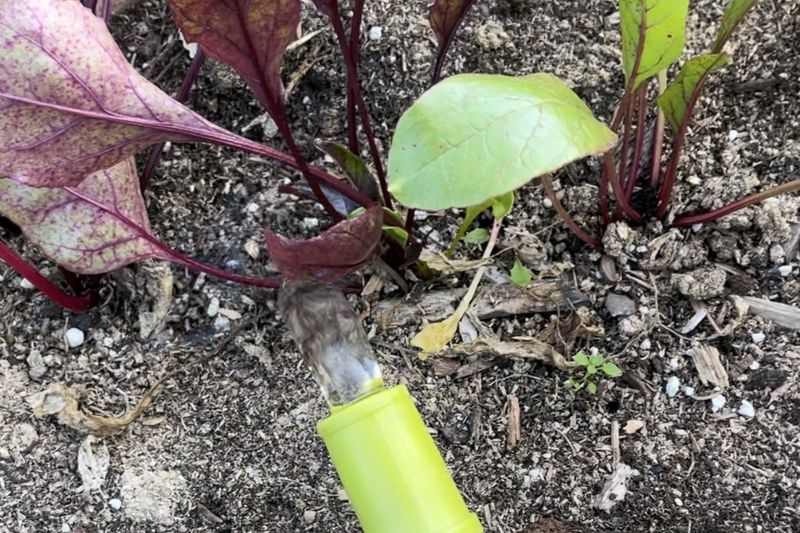
Moisture is magical for beet growth. Keep the soil consistently moist, ensuring roots grow sweet and tender. Drying out can lead to woody, cracked roots.
Check the top inch of soil; water when it’s dry, about one inch per week. This routine is pivotal for healthy development.
Maintaining moisture prevents stress on plants, allowing them to flourish. Remember, a well-watered beet is a happy beet, ready to grace your table.
6. Grow in Full Sun for the Best Flavor and Size
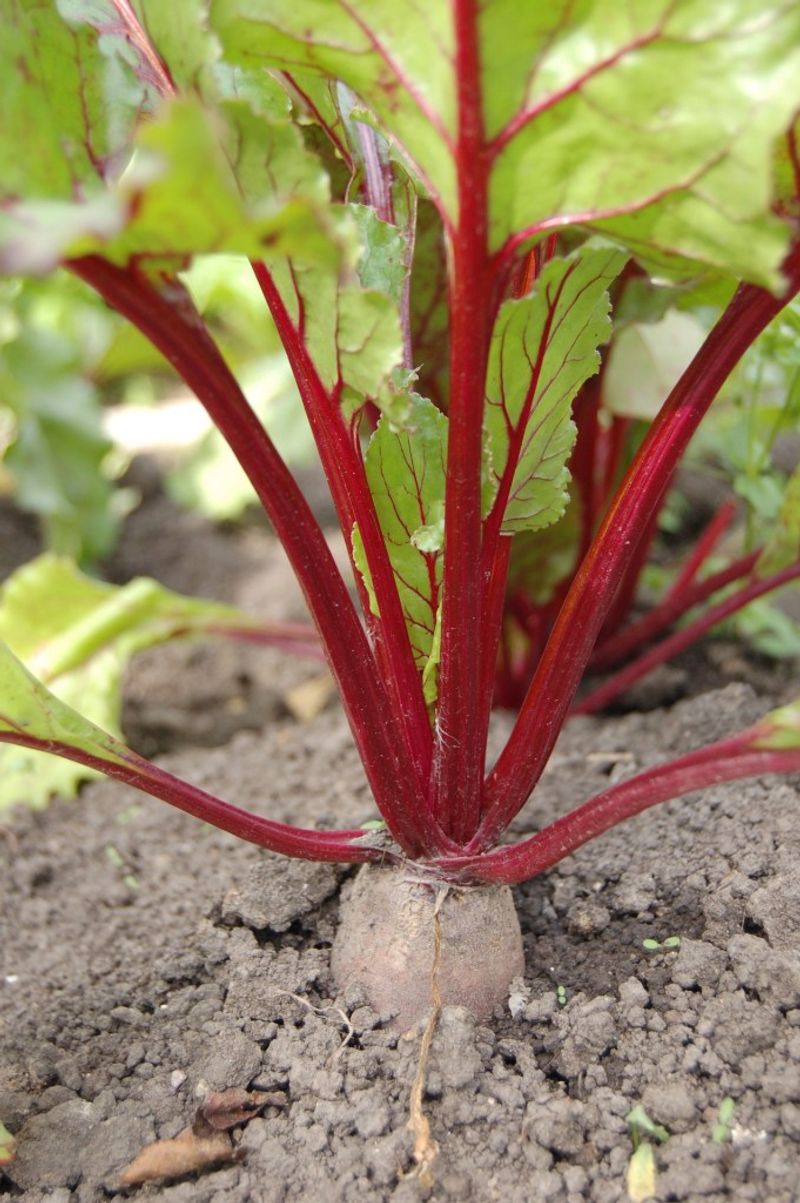
Sunshine is the secret ingredient for prosperous beets. While they can handle partial shade, full sun produces the largest, most flavorful roots.
Allow at least six hours of direct sunlight daily. This exposure enhances both root and greens growth, making them lush and robust.
Sunshine not only nourishes but also adds depth to flavor. Plant your beets where they can bask in sunlight’s glow for the best results.
7. Add Boron to Prevent Black Spots and Improve Growth
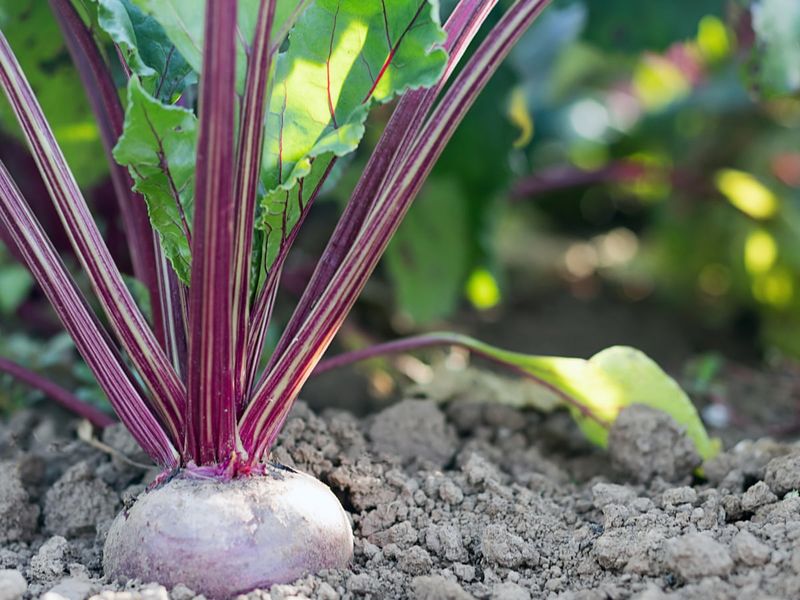
Beets are sensitive to boron deficiency, which causes unsightly black spots inside the root. Adding a small amount of boron early in the season can prevent this.
Mix one tablespoon of borax per gallon of water and apply it to the soil. This boosts growth and ensures healthy, spot-free roots.
By addressing nutrient needs, your beets will thrive, showcasing their natural beauty and taste. A little boron goes a long way.
8. Mulch to Retain Moisture and Block Weeds
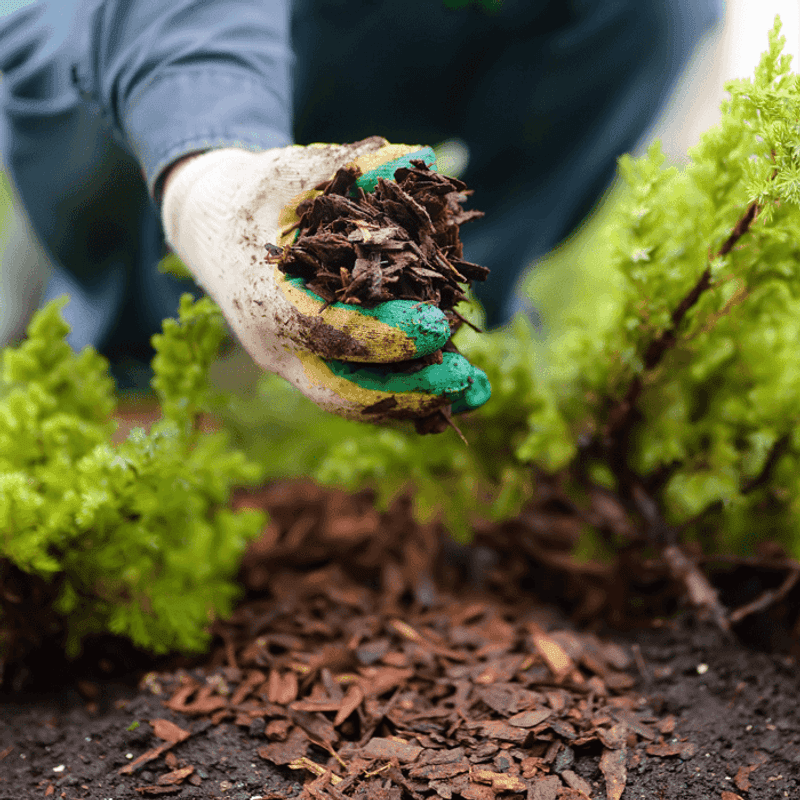
Mulching serves as a garden’s guardian. A layer of straw or compost around beet plants helps retain moisture and suppress weed growth.
This protective blanket keeps soil cool and prevents water evaporation. By managing these conditions, beets can grow undisturbed, leading to a more fruitful harvest.
Mulching is a simple yet effective step, creating an ideal environment for your beets to flourish. Protect and nurture with a little mulch.
9. Harvest at the Right Time—Not Too Late!
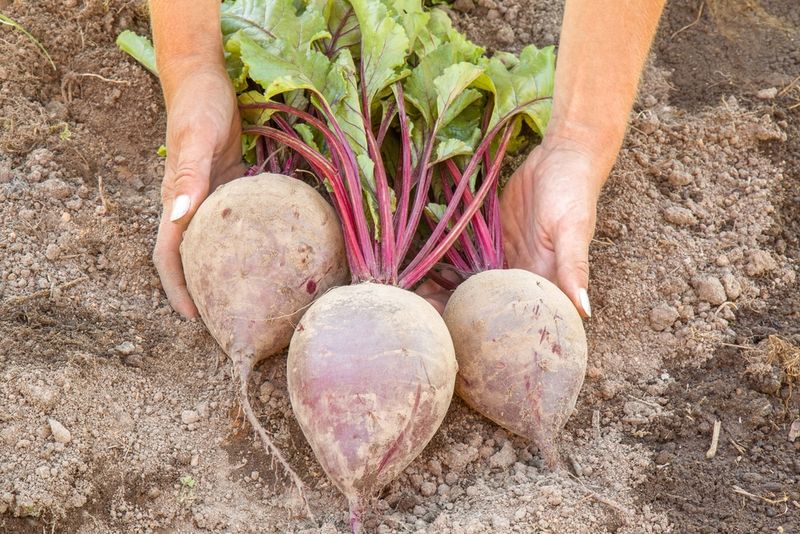
Timing your harvest is key to enjoying beets at their best. Aim to pick them when they’re 2-3 inches in diameter. Waiting too long can result in tough, woody roots.
Pay attention to growth; the right time enhances flavor and texture. Experience shows that a timely harvest leads to the most satisfying results.
Enjoy the fruits of your labor by observing, waiting, and picking at the perfect moment.
10. Don’t Forget the Greens—They’re Edible and Nutritious
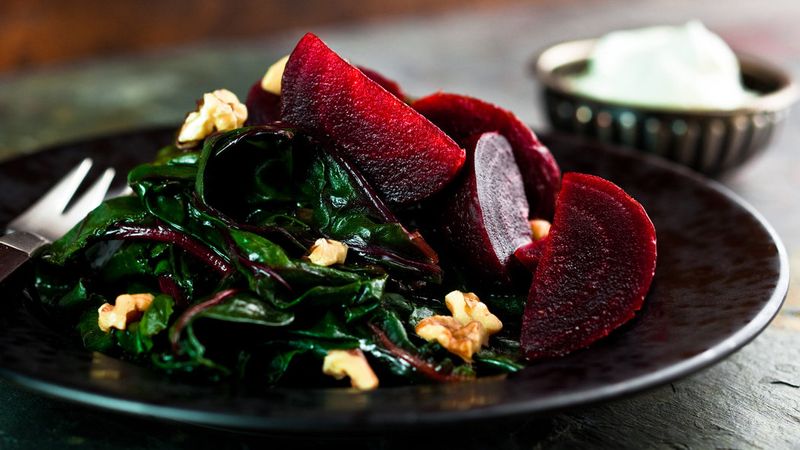
Beet greens are a delightful surprise, packed with nutrients and a flavor akin to chard or spinach. You can harvest a few leaves at a time or enjoy them when pulling the roots.
They add color and health benefits to any meal. Often overlooked, these greens are a gardener’s bonus. Embrace them in your cooking to enhance your culinary creations.
A true garden-to-table experience awaits those who appreciate every part of the plant.
11. Rotate Crops to Avoid Disease
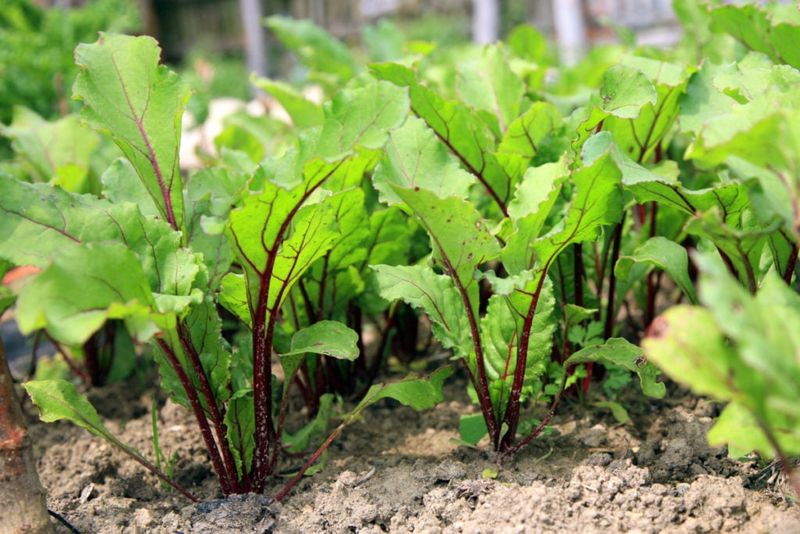
Keep your garden healthy by rotating beet crops annually. Avoid planting beets or similar root crops in the same spot every year.
This practice prevents soil-borne diseases and nutrient depletion. A well-planned rotation ensures that your soil remains fertile and productive.
By embracing crop rotation, gardeners can enjoy continuous, thriving harvests. It’s a simple method with impactful results, safeguarding the future of your planting efforts.