
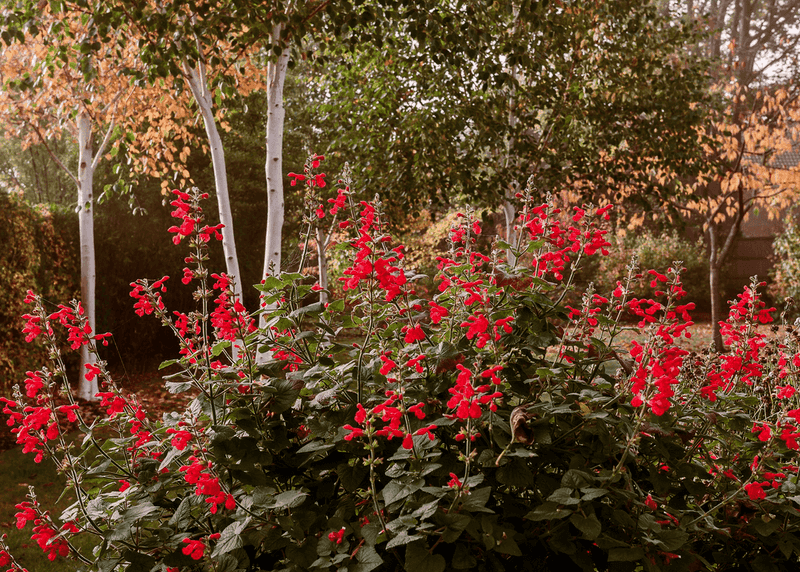
Red flowers glowing under a live oak in early spring can stop you in your tracks. Cedar sage is a small Texas native that may bring that sight to a shaded Hill Country yard.
It blooms early, and its red tubular flowers can offer nectar when migrating hummingbirds pass through. Planting it this fall gives the roots time to settle before the bloom season, though site conditions and weather decide how well it does.
Cedar sage fits some Hill Country understories
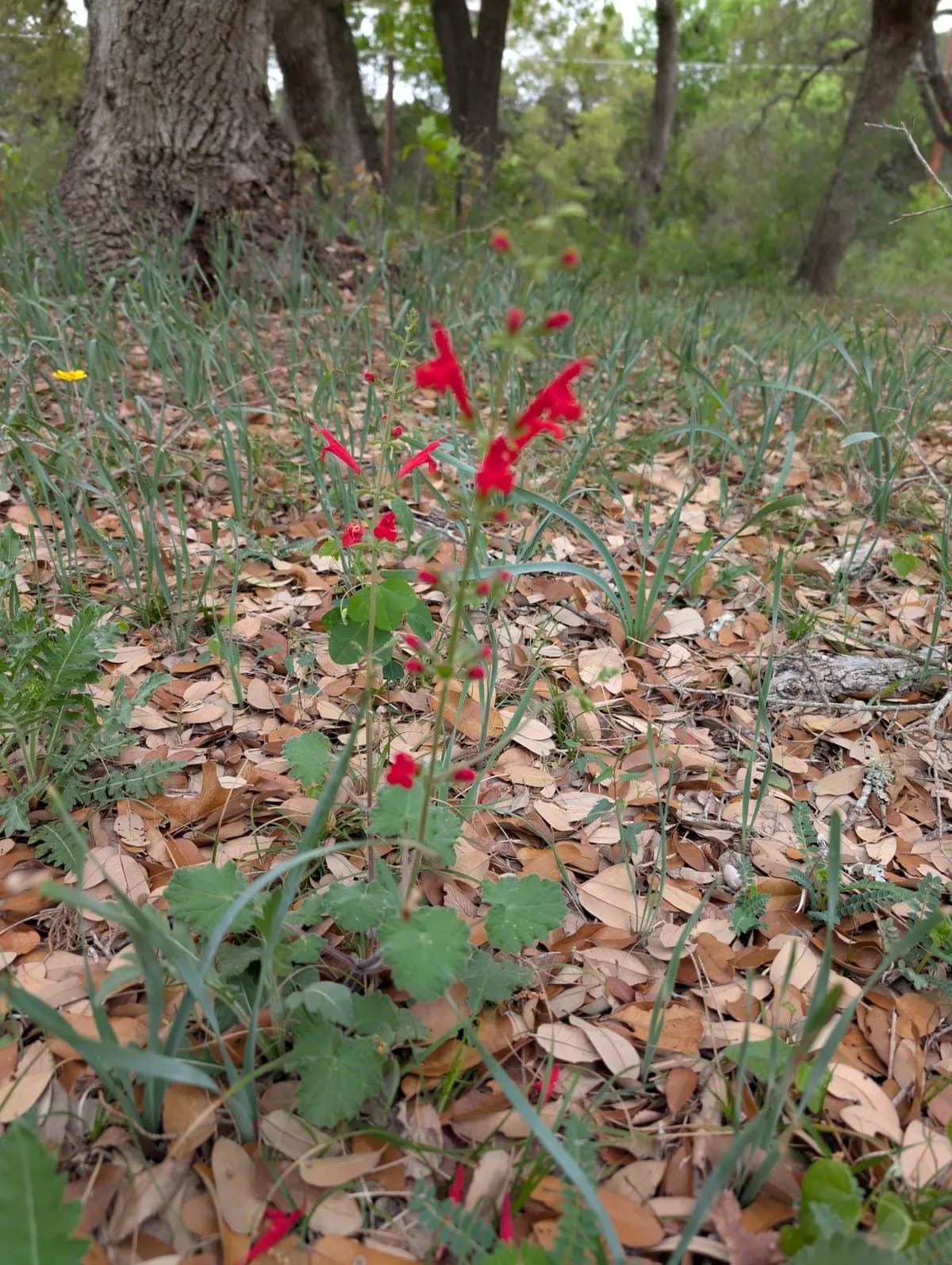
Out in the shaded cedar brakes and oak woods of the Edwards Plateau, a low red-flowered perennial shows up each spring. That plant is cedar sage (Salvia roemeriana).
The City of Austin plant guide lists it as an Edwards Plateau native with red flowers and spring-to-summer interest.
It stays small, generally around 1 to 2 feet tall, so it works as a ground-level accent rather than a shrub. Its leaves are rounded and soft, and the flower spikes rise above them like little red lanterns.
Because it is native to this region, it already fits Hill Country soils, which tend to be shallow, rocky, and limestone-based.
Texas sources describe the bloom period as spring into summer. The Native Plant Society of Texas and a University of Texas at Austin field guide both list March through August.
That is a wide window, and the plant will not necessarily be in full flower the whole time.
Native to shade does not mean it will thrive in every shady corner. A spot with filtered light, decent drainage, and room for roots will treat it far better than a dark, packed patch of ground.
Think of cedar sage as a good candidate for the right understory, not a guaranteed fix for every one.
Favor bright or dappled shade beneath live oaks
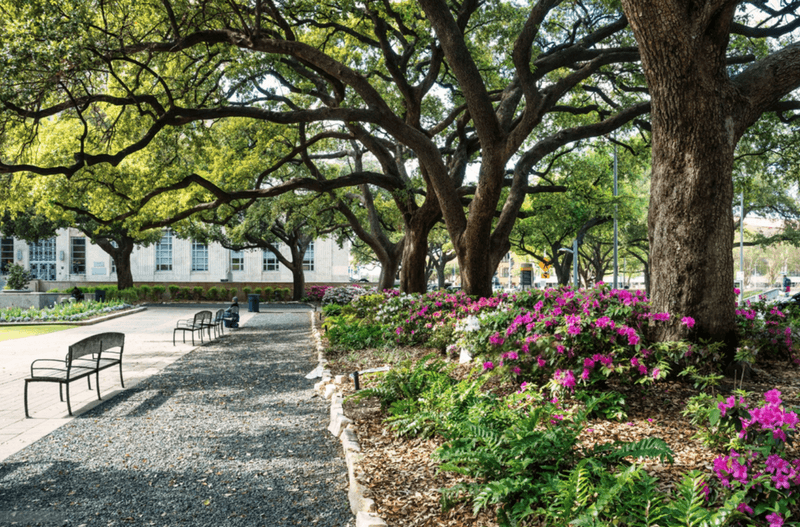
Before you buy a plant, spend a day watching your oak’s shadow. Light advice for cedar sage is not the same everywhere.
Austin’s guide lists sun to part shade, while Round Rock’s shade guide lists part shade to full shade.
Given that spread, aim for bright or dappled shade under the canopy, where sunlight flickers across the ground for part of the day. Deep shade under a dense, low canopy may keep the plant alive but give you fewer flowers.
If your spot stays dark all day, expect a modest show at best.
Next, check drainage. After a good rain, see whether water pools or drains within a few hours.
Cedar sage prefers soil that sheds water, so a gentle slope or a spot beside a rock can beat a low pocket.
Then think about the roots. Live oaks spread a wide network of shallow feeder roots that compete for water and nutrients.
Notes on planting under oaks from University of California extension also stress gentle handling of the soil around them. Choose a spot with some open ground between major roots, and adjust your expectations to what the site offers.
Plant in fall while disturbing oak roots as little as possible
November is a comfortable month for planting in Central Texas. Cooler air and softer sun are easier on new transplants, and Texas Parks and Wildlife guidance points to fall as a generally good time to plant.
Fall helps, but it does not guarantee survival or a spring bloom.
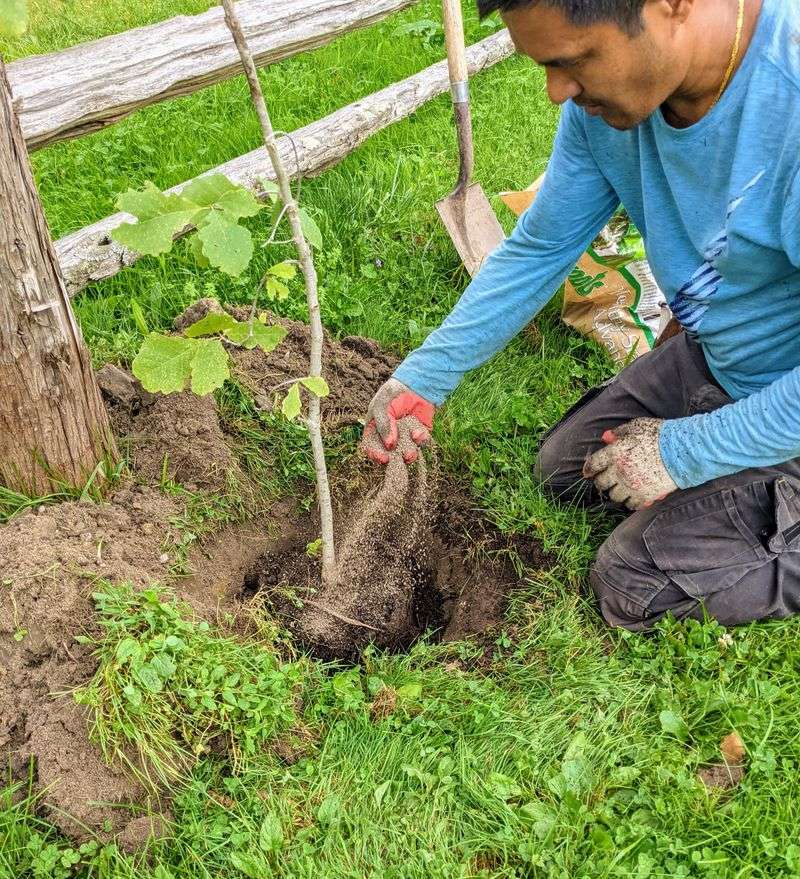
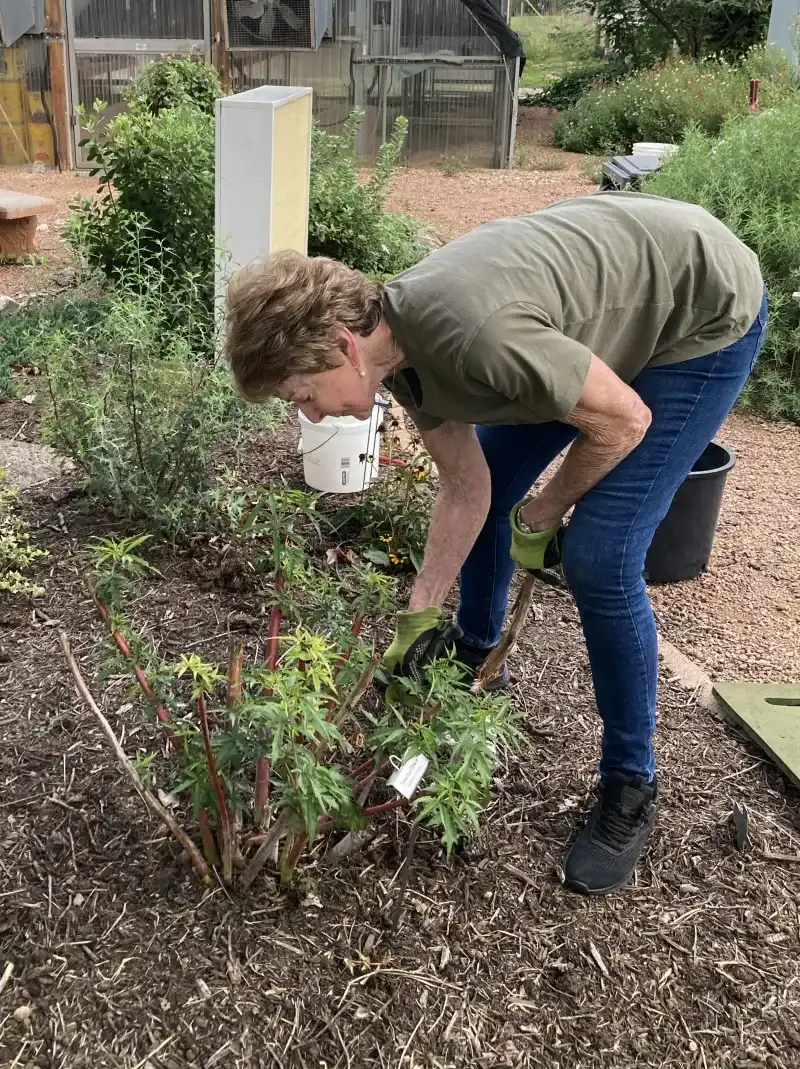
Here is a simple sequence. Dig a hole just big enough for the root ball, using a hand trowel instead of a shovel where roots are close.
Set the plant so the top of the root ball sits level with the surrounding soil, backfill gently, and water it in right away. Texas SmartScape’s perennial advice recommends planting spring- and summer-blooming perennials in fall and watering in immediately.
If you hit a thick root, stop and move the hole a few inches rather than cutting it. Skip tilling, avoid stacking soil against the trunk, and do not change the grade around the tree.
Foot traffic and wheelbarrows can also pack the soil, so lay a board down while you work.
The oak-protection tips here come from a California extension source. They are general advice about protecting oak roots, not Texas-specific research, and your site may differ.
The safe approach is simple: disturb as little soil as you practically can.
Keep the crown drained as the plant establishes
Wet feet are the quickest way to lose this plant. After the first deep soaking at planting, check the soil with your finger every few days instead of watering on a fixed schedule.
Water again when the top inch or two feels dry, and ease off during cool, damp weather.
Central Texas Gardener warns against overwatering, especially in heavy soil. The Native Plant Society of Texas says poor drainage, excess water, or too much mulch can lead to crown rot.
A light layer of mulch around the plant is fine, but keep it pulled back so the crown stays open to air.
Hot, dry summers can change the look of the plant. The University of Texas Plant Resources Center notes that it may go dormant and brown in drought.
It can recover after rain, but that is not certain, so do not panic or drown it if the leaves fade in August.
Cedar sage can also self-seed, as noted by NC State Extension’s plant database. If you would like seedlings, leave a small patch of bare ground nearby and keep mulch from smothering it.
Treat any babies as a bonus, not something to count on.
Spring flowers can overlap with hummingbird migration
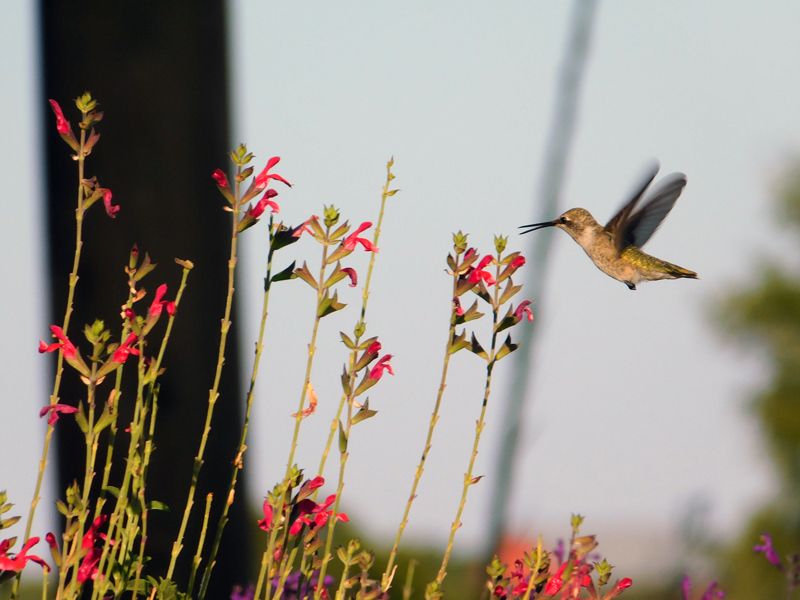
Timing is where cedar sage gets interesting. Texas sources list its bloom period as spring into summer, and the University of Texas at Austin field guide gives March through August.
Early flowers matter because few shade plants offer red tubular blooms that early.
Texas Parks and Wildlife lists ruby-throated hummingbird migration from late March to mid-May for most of Texas, while noting that its examples are not exhaustive. That window sits inside cedar sage’s early bloom period.
Central Texas Gardener also describes the plant as attracting hummingbirds.
So the overlap makes cedar sage a plausible nectar source. It does not mean a hummingbird will stop at your yard, or that the same bird will return every year.
Migration varies with weather, food supplies, and where your property sits along the route.
A practical way to use this: mark your calendar for late March and watch the plants for a few minutes in the morning. If your first spring brings no visitors, that is not proof the plant failed.
Birds often need time to learn where the food is.
Build a wider habitat instead of relying on one plant
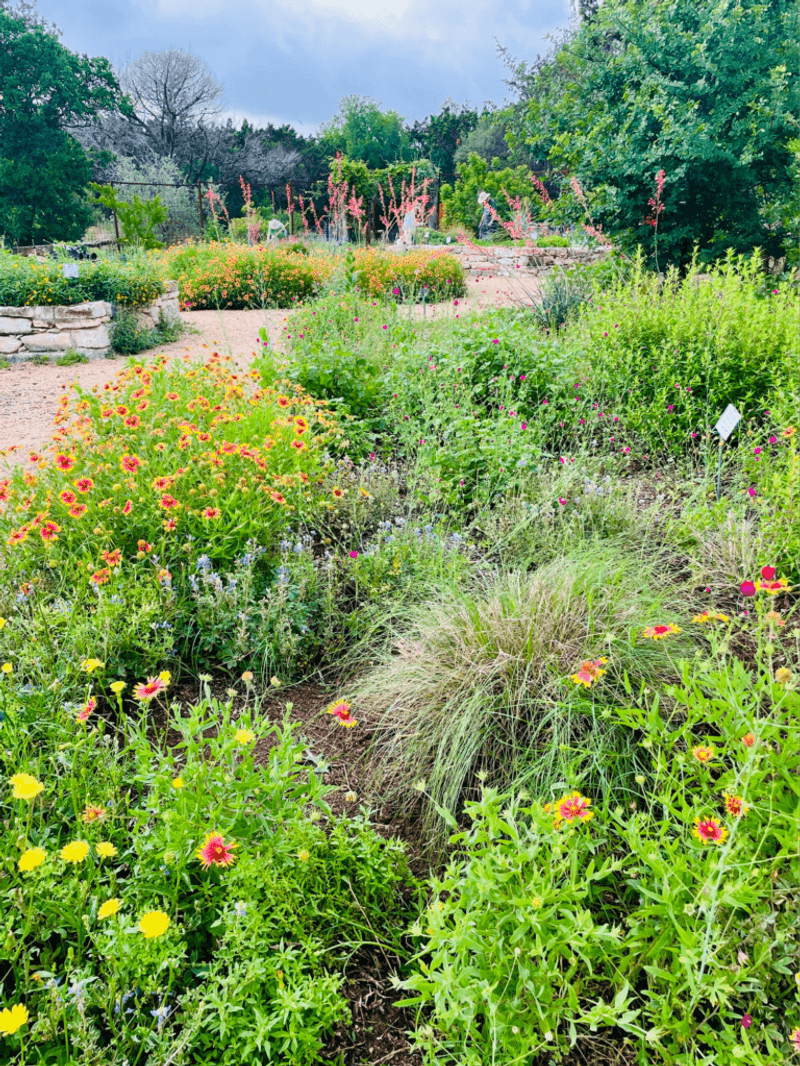
One red flower patch is a nice start, but hummingbirds look for more than that. Audubon’s guide to attracting hummingbirds points to a succession of blooms, shelter, water, and pesticide-free habitat as the things that support them best.
Plan for flowers across the seasons. Pair early cedar sage with natives that bloom later, so nectar is available when the sage slows down in summer heat.
Add shrubs or small trees for perching and cover, and a shallow water source or mister if you can maintain it.
Pesticides deserve special care. Audubon notes that hummingbirds eat insects and that systemic products can end up in flower nectar.
Do not treat chemicals as routine care around flowering plants.
Patience also helps. Audubon notes that birds can take weeks to find new food sources, and a young planting may be easy to miss.
As the plant matures, NC State’s plant profile reports that it attracts hummingbirds, which is encouraging but not a promise for your yard. A fuller habitat simply gives visiting birds more reasons to stay.
Choose the site before you count on the bloom
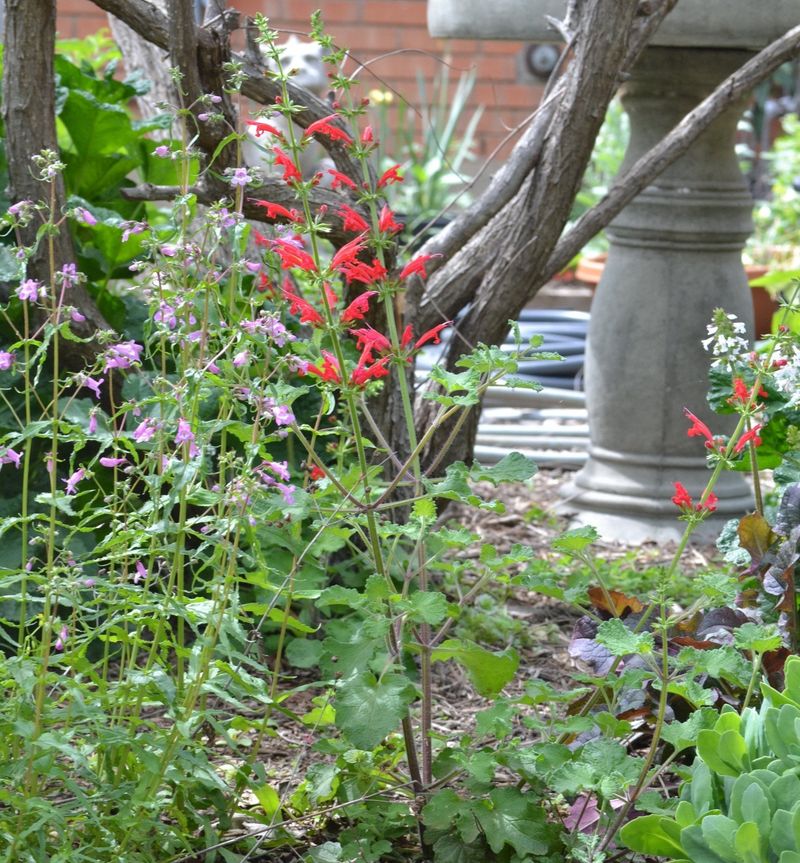
Start with bright or dappled shade and good drainage, as Austin’s plant guide suggests for a plant of this range. Plant in fall with a small hole and little soil disruption, then water it in and check moisture as it settles, following Texas SmartScape’s perennial guidance.
Cedar sage can add early flowers and potential nectar, and Audubon’s habitat advice shows how to support the birds beyond one plant. Light, roots, and weather will write the final chapter.
Give the plant a good start, and let spring show you what your oak shade can do.