
Bare dirt under a big Texas tree is a tough spot to fill. Inland sea oats, a native grass with dangling seed heads, is one plant that can handle the shade.
Its seeds are food for birds, and dark-eyed juncos spend winter across much of the state hunting for seeds on the ground. Here is how to decide if your shady spot fits, how to plant it, and what to expect from the birds.
Inland sea oats brings native texture to shaded Central Texas yards
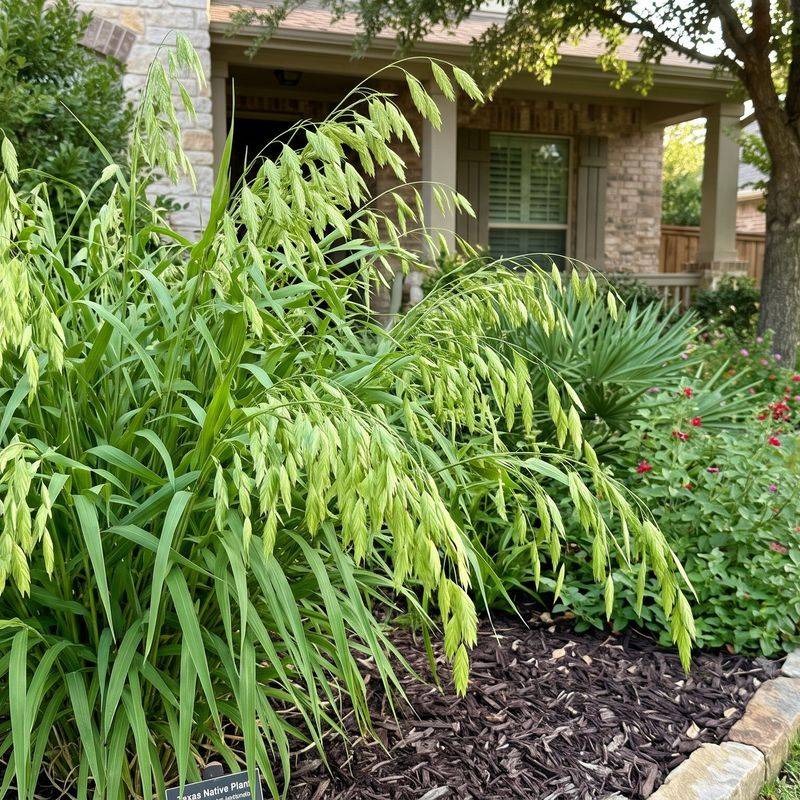
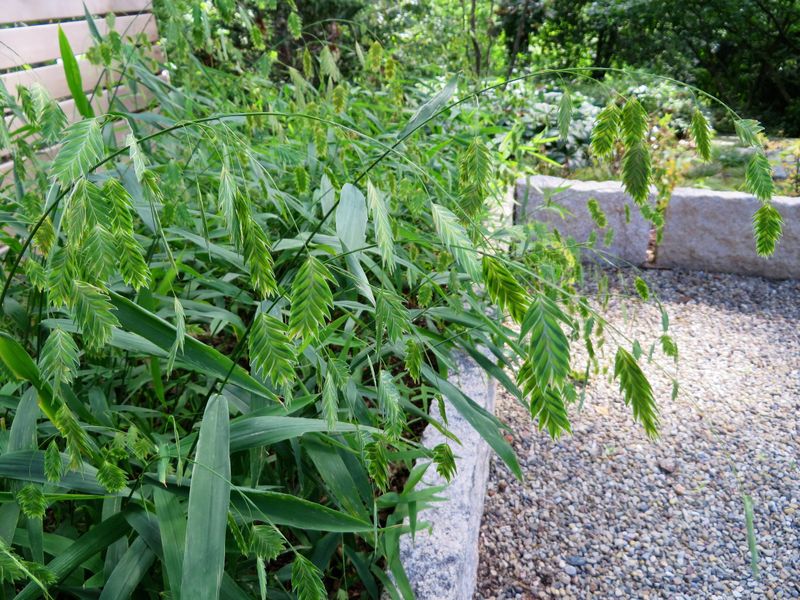
Picture a clump of arching green leaves topped with flat, dangling seed heads that sway in the slightest breeze. That is Chasmanthium latifolium, a Texas native better known as inland sea oats.
It is a warm-season perennial grass, which means it grows through the hot months, rests in the cold, and returns from the same roots.
According to the Native Plant Society of Texas, the grass is listed in several ecoregions, including the Edwards Plateau, the Texas Blackland Prairies, and the Cross Timbers. That covers a big slice of Central Texas, from Hill Country limestone to blackland clay.
It typically stands about 2 to 4 feet tall.
The seed heads are the showpiece. They start green, then turn golden in fall, giving a shady corner a warm glow just when most other plants are fading.
The flattened, drooping clusters look a bit like tiny oat flakes strung on thin stems, which explains the common name.
Because several plants share the word sea oats, it helps to use the botanical name when you shop. Nurseries and native plant sales may list it as Chasmanthium latifolium, and that is the label to look for.
It also goes by names such as woodoats and wild oats in some references.
In a yard, the grass works well as a soft, textured groundcover beneath trees, along a shaded fence, or at the edge of a woodland bed. Its fine leaves contrast nicely with broad-leaved shade plants.
Before you buy anything, though, check the conditions under your tree, because not every shady patch suits it.
Could inland sea oats contribute to junco habitat?
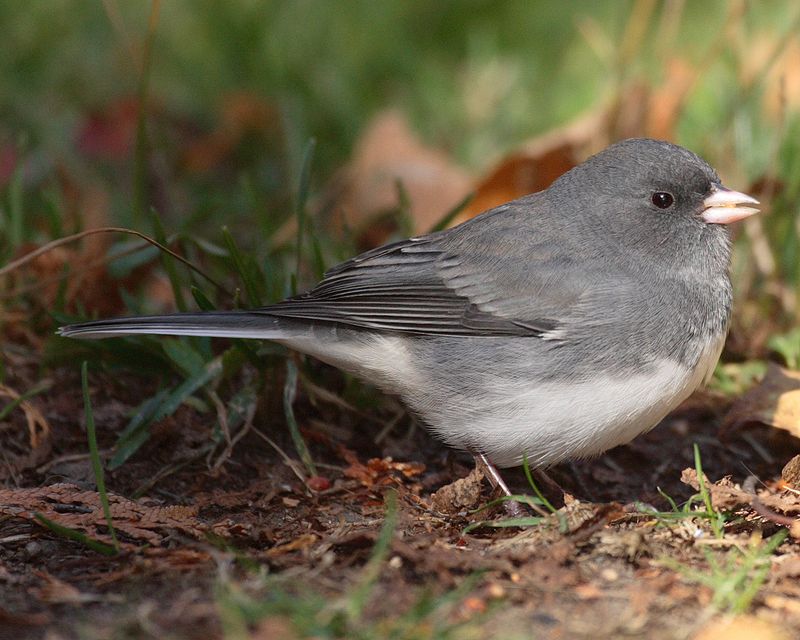
Two facts line up nicely here. The USDA fact sheet says inland sea oats seeds are food for birds and rodents.
And the Audubon field guide says dark-eyed juncos forage mostly on the ground and eat plenty of grass and weed seeds in winter.
Juncos are also plausible visitors for Central Texas. The Texas Breeding Bird Atlas describes them as winter residents across the northern two-thirds of the state, ranging from uncommon to abundant depending on place and season.
Put those pieces together and the plant looks like a sensible addition to bird-friendly under-tree habitat. Seeds drop to the ground, where juncos like to feed, and a patch of grass offers cover at ground level.
Still, these are general facts, not proof. None of the sources say juncos eat inland sea oats seeds, and none say juncos will visit your particular yard.
Some yards get flocks every winter, and others get few or none.
The same caution applies to sparrows. Many sparrows eat seeds, but the sources do not name any sparrow species that uses this grass, so treat that as an open question.
A fair way to think about it: you are adding native seed and cover that may help birds, alongside other habitat features such as leaf litter and shrubs. Then you watch and see who shows up.
Check the soil beneath the tree before you plant
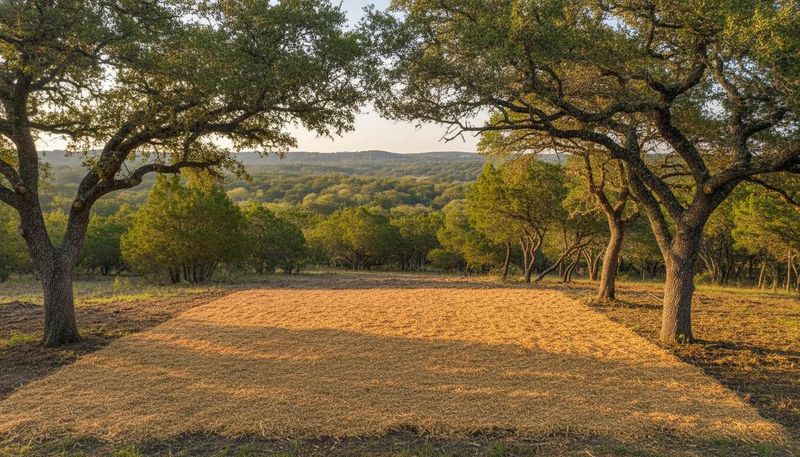
Shade is only half the story. According to Texas Parks and Wildlife, inland sea oats grows in part, dappled, or full shade and is found in moist woodland soils, including creek bottoms.
It also tolerates sands, loams, and clays, so soil texture is rarely the dealbreaker.
Moisture is the bigger question. The USDA fact sheet says the grass is not found on droughty sites.
Texas Tech lists both shade tolerance and high heat tolerance, but other Texas sources describe only moderate drought tolerance.
So a shaded spot is not automatically a good one. A patch packed with thirsty tree roots, where the soil turns dusty by July, may leave the grass struggling.
Try a simple test. A day or two after a good rain, push a trowel down a few inches in several spots.
If the soil is still damp, or the area catches runoff from a roof or slope, it is a promising site.
If it dries out quickly, you have options. Plan on regular watering during dry spells, especially the first year, or choose a drier-site plant instead.
Also look at how much light reaches the ground. Dappled sun under an oak canopy is a fine match, and deep shade is still within the plant’s range.
Choose seed or transplants for establishment
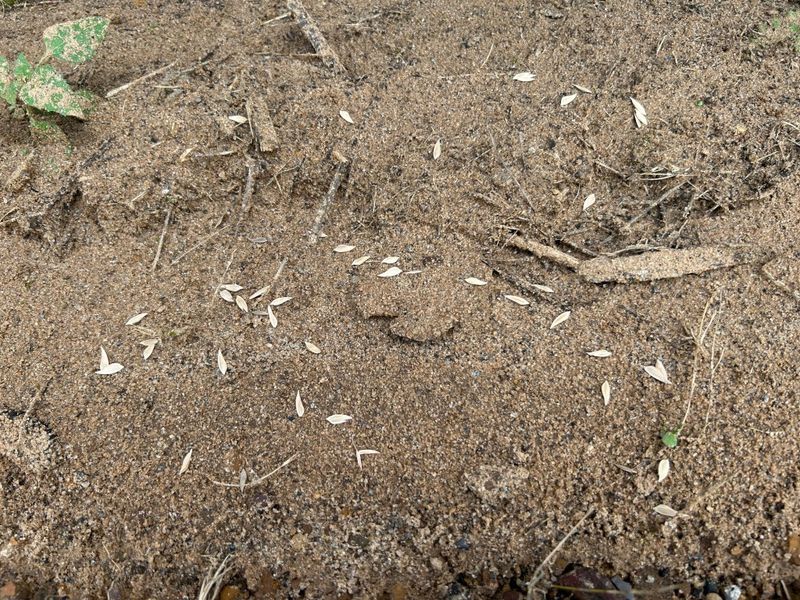
You have two straightforward ways to get started. The Native Plant Society of Texas suggests sowing seed outdoors about 1/4 inch deep in late fall or early spring.
Seed is inexpensive and works well if you are filling a larger area and do not mind waiting.
Rake the soil lightly, press the seed in, and cover it with a thin layer. Keep the spot from drying out once growth begins.
Results vary with weather and site, so scatter a bit more than you think you need and thin later.
The same source says seedlings can be transplanted about a foot apart. That is a good route if you want faster coverage or a more controlled layout.
Set each plant at the same depth it grew in its pot and water it in well.
You may notice another number out there. The USDA fact sheet suggests 2 to 3 feet between plants when growing it as an ornamental.
That is separate advice for a different goal, giving each plant room to show off its form.
In practice, closer spacing fills in sooner, and wider spacing looks more like individual clumps. Pick the spacing that matches the look you want, and expect to adjust.
Mulch lightly between plants to hold moisture, but keep it off the seed rows while you wait for sprouts.
Leave the stalks standing, but don’t promise a winter-long buffet
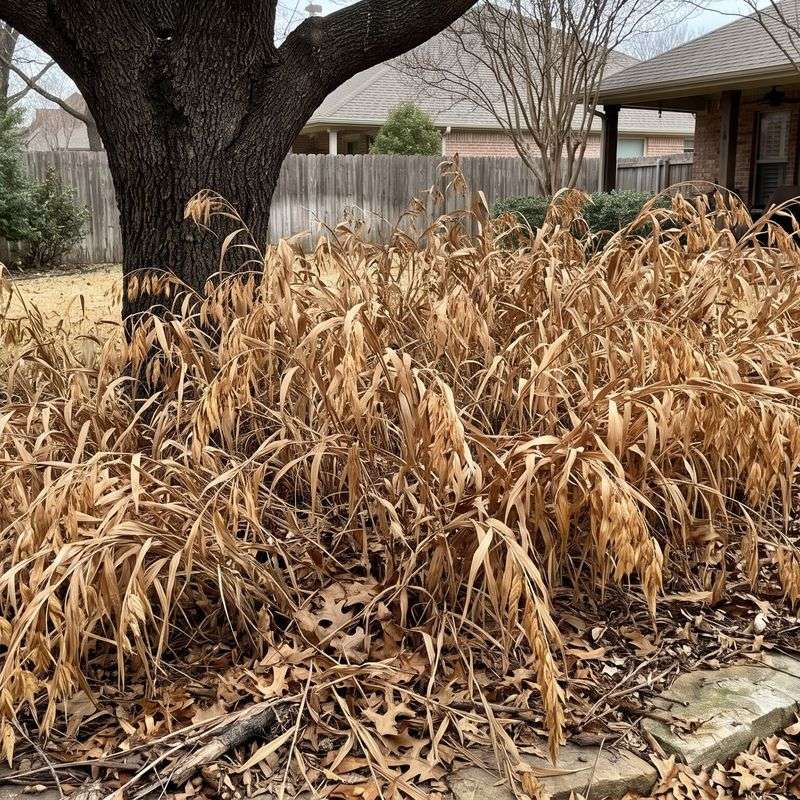
When fall turns the seed heads gold and brown, resist the urge to tidy up. The Native Plant Society of Texas recommends leaving the dry stalks through winter and cutting them back in spring before new shoots emerge.
Standing stalks look good in a quiet winter garden and give the planting some structure.
Here is the catch. Seed heads that look full are not the same as a full pantry.
The Texas Prairie Alliance says the seeds turn ivory by mid-summer, then brown, and then drop. Nobody has documented how much viable seed stays on the plant through the whole season.
Much of what falls lands on the ground, which fits how juncos feed. The Audubon field guide notes they forage mostly there.
The USDA also lists the seeds as food for birds and rodents, so some of it may go to other animals.
A practical approach: leave the stalks, walk by on a cold morning, and look at the ground beneath them for fallen seed and any small birds scratching around. That tells you more than any guide can.
Think of the planting as one useful piece of bird habitat, not a guaranteed junco feeder. Cutting back in late winter, just before green shoots appear, keeps the cover as long as possible.
Make room for a grass that can spread
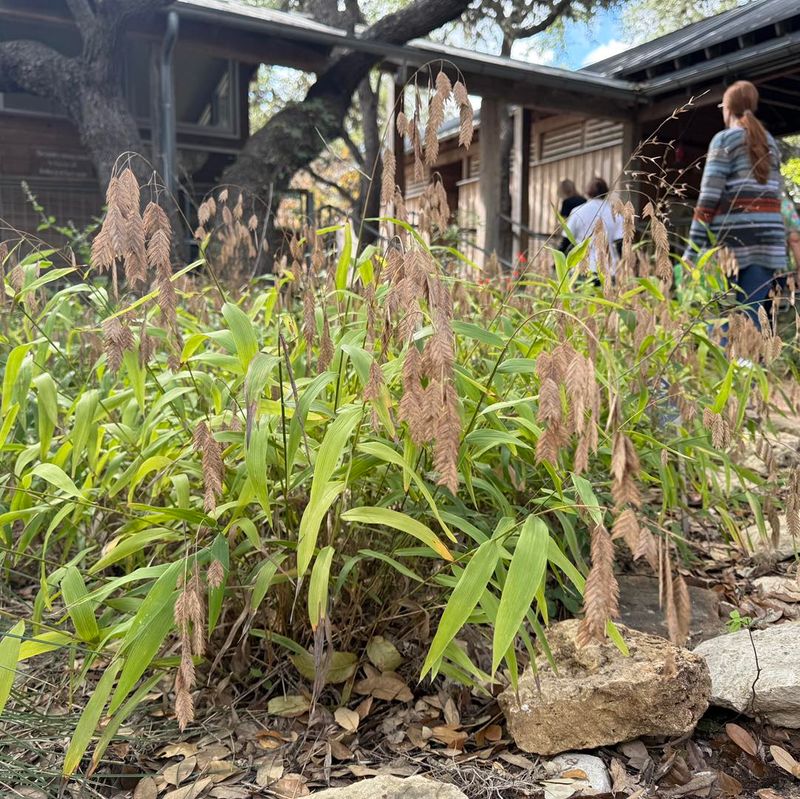
Plant it once, and you may be seeing it for years in more places than you planned. The Native Plant Society of Texas notes that inland sea oats reseeds and spreads by rhizomes, which are underground stems that send up new shoots.
It advises allowing room for it or pulling unwanted sprouts.
The USDA fact sheet goes a step further and warns that it can become aggressive if left unmanaged. That does not make it a bad choice, but it does mean it behaves more like a spreading groundcover than a tidy, stay-put clump.
Start by choosing a spot with a natural boundary, such as a sidewalk, a driveway, or a stretch of lawn you mow. A border like that makes edges easy to see.
In spring, scan the area around your planting for small seedlings. They pull easily when the soil is damp, and a few minutes now and then usually handles it.
Seedlings that pop up in a flower bed are easier to spot while they are small.
If you plan to share plants with a neighbor, dig up extra clumps in early spring. Spread is also an upside if you want to fill a large, bare area under a tree without buying many plants.
Wherever you put it, give it a footprint on purpose and keep an eye on the margins.
Treat the planting as habitat, not a guaranteed junco feeder
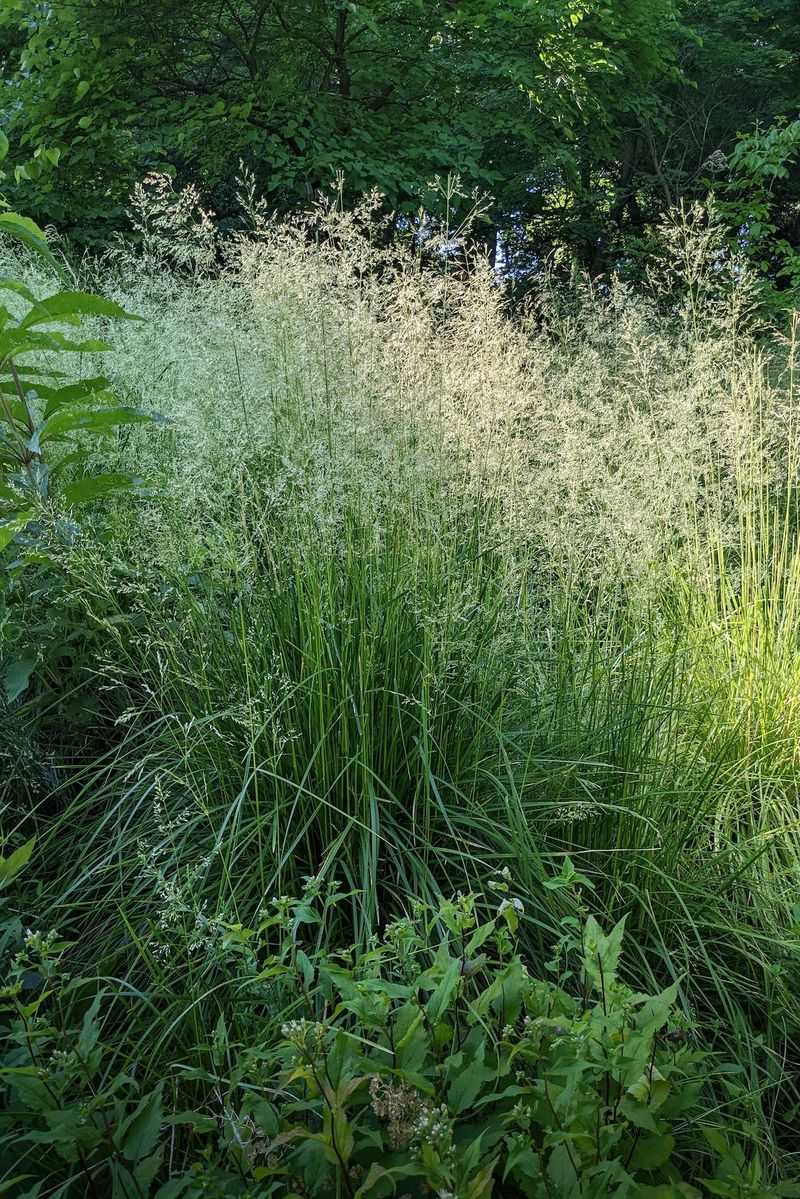
Inland sea oats can be a smart fit for a shaded Central Texas site, as long as the soil stays reasonably moist. Choose the spot carefully, get it established, and leave the stalks standing through winter, as the Native Plant Society of Texas suggests.
Juncos winter across much of the state and forage on the ground, according to Audubon, but whether they visit your yard is uncertain. Seeds also turn brown and drop over time.
Plant it for the habitat, and let any junco be a bonus.