 Complete Gardening
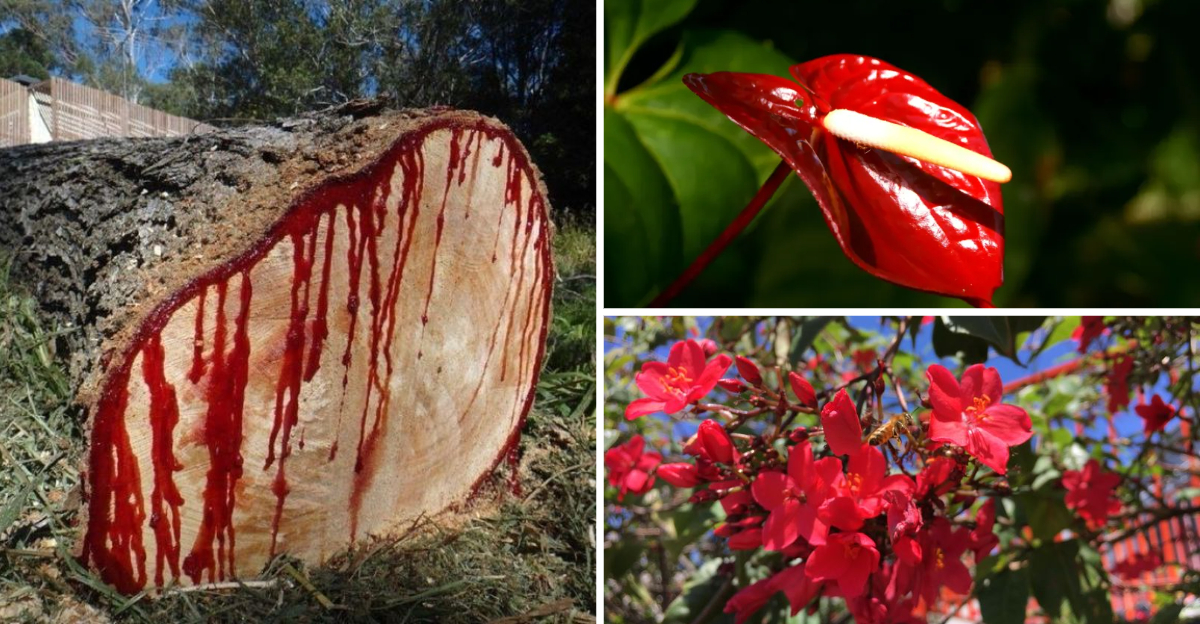
The natural world offers a plethora of surprises, and among them are plants that appear to “bleed” when cut. This phenomenon may be unusual, but it reveals fascinating insights into the plant’s biology and survival mechanisms. Whether it’s a vibrant red sap or a milky white liquid, these secretions serve various purposes from deterring herbivores to healing wounds. Let’s explore five intriguing plants that exhibit this bleeding behavior and uncover what it means for their survival and interaction with the environment.
Dragon’s Blood Tree
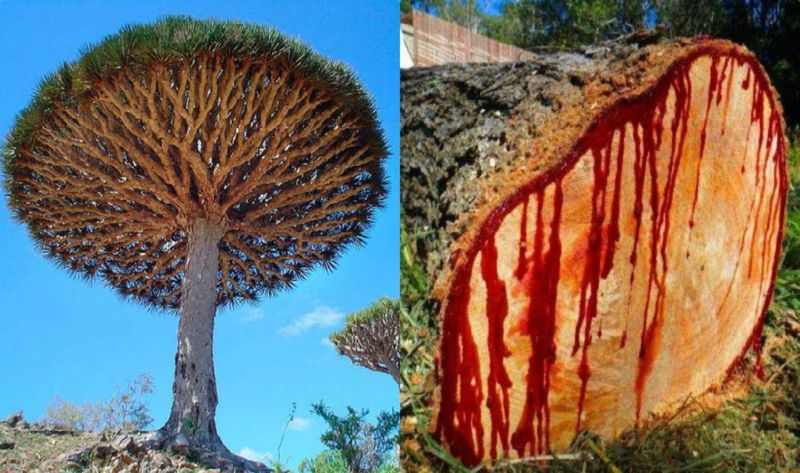
The Dragon’s Blood Tree, native to Socotra Island, stands as a captivating symbol of the strange and wondrous. Known for its umbrella-like canopy, this remarkable tree bleeds a crimson resin when cut.
The red sap, known as dragon’s blood, has been used for centuries in medicine, art, and rituals. Its vivid color and medicinal properties make it an essential part of local culture.
Interestingly, the tree’s unique shape and resin are adaptations to survive in arid environments, serving both as a protective barrier and a healing agent.
Bloodwood Tree
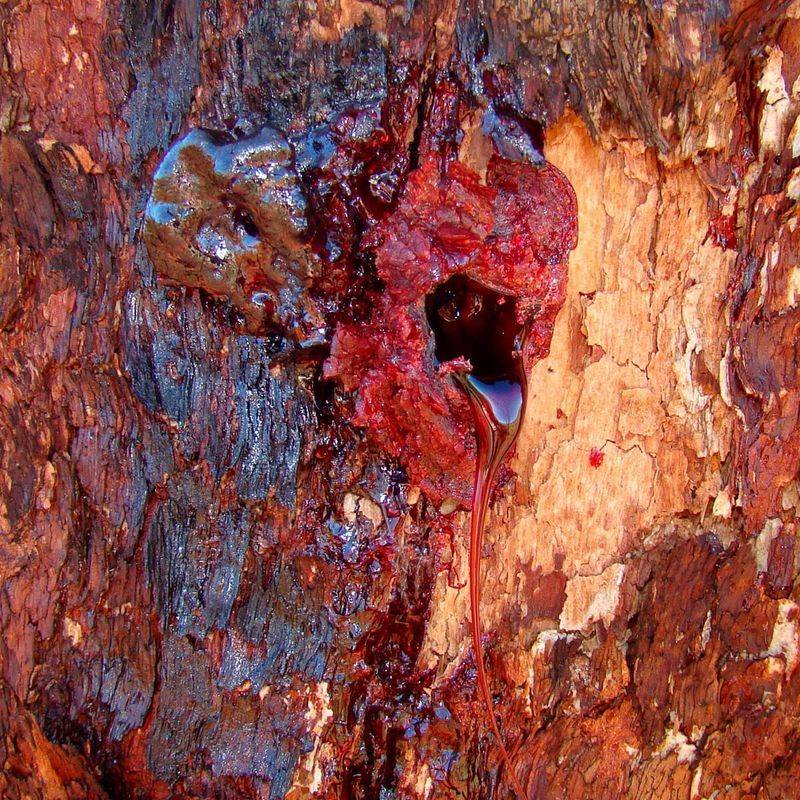
In the wild heart of Australia, the Bloodwood Tree stands as a testament to nature’s resilience. When its bark is injured, it releases a rich, red sap that resembles blood.
This vivid secretion isn’t just for show; it serves to seal wounds and deter pests. The sap’s antiseptic properties help the tree heal, while its color warns potential threats.
Embodying the harsh beauty of the Australian outback, the Bloodwood Tree’s bleeding is both a defensive mechanism and a fascinating natural phenomenon.
Euphorbia
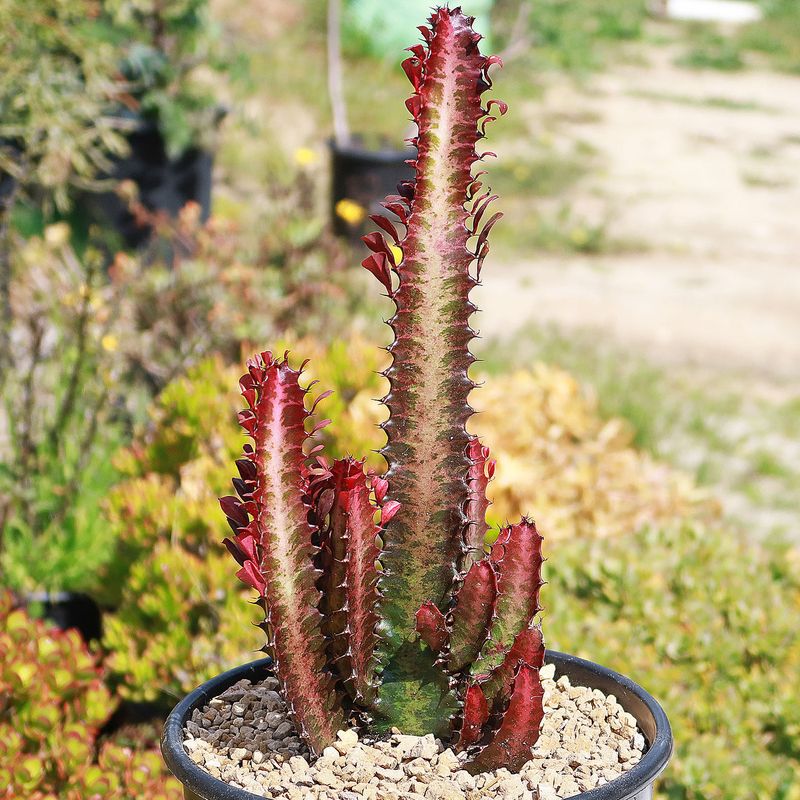
Euphorbia, a diverse genus of flowering plants, offers a glimpse into the complexities of plant defenses. When cut, many species release a milky latex that appears to bleed from the wound.
This latex contains toxic compounds, serving as a deterrent for herbivores and a healing salve for the plant. The white sap is a testament to the plant’s intricate survival strategies.
With its myriad shapes and sizes, Euphorbia’s bleeding is a vivid reminder of nature’s ingenuity in protection and adaptation.
Sangre de Grado
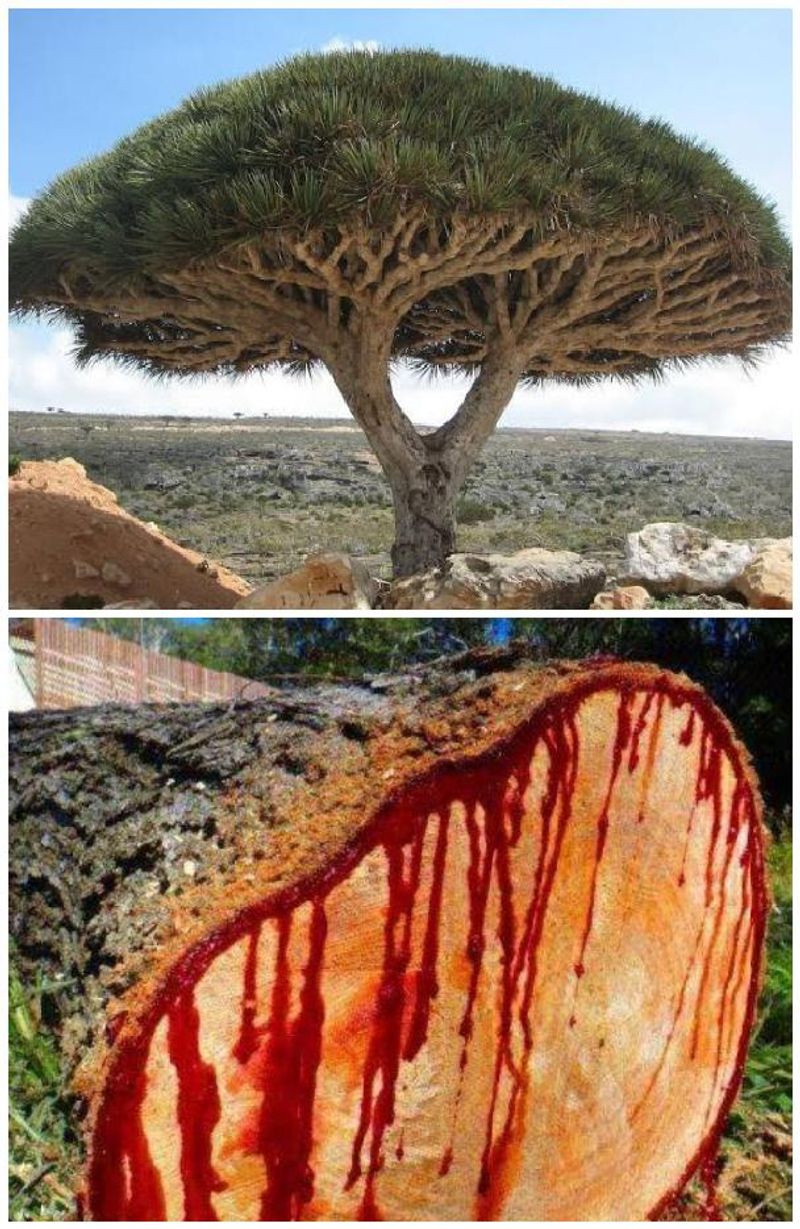
From the depths of the Amazon rainforest, Sangre de Grado emerges as a guardian of the tropics. Its name, meaning “blood of the dragon,” reflects the dark red sap that flows when its bark is cut.
Utilized by indigenous peoples for its medicinal properties, this sap acts as a natural bandage and antiseptic.
The tree’s bleeding is not just a defense mechanism; it symbolizes a profound connection with human culture and traditional medicine, illustrating the vital role plants play in ecological and human health.
Pterocarpus angolensis
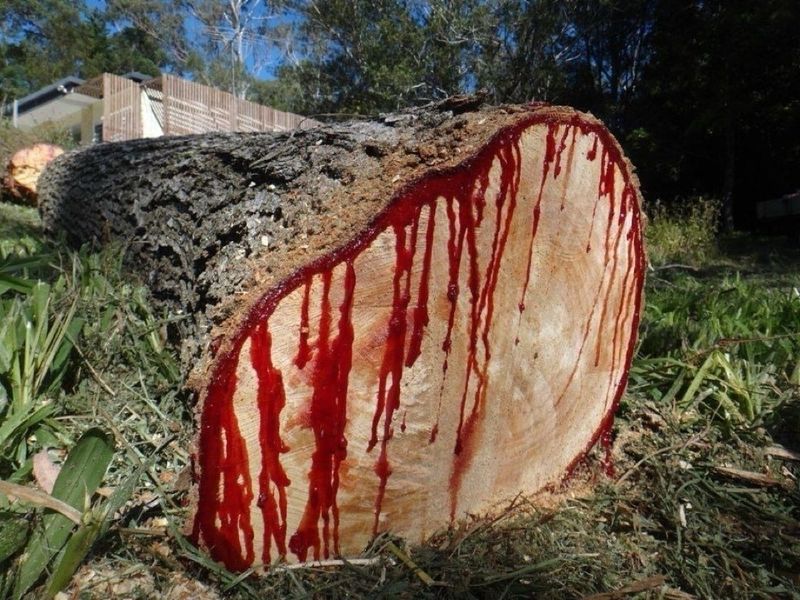
Pterocarpus angolensis, often called the African Teak, is known for its striking amber resin that seeps from wounds in its bark. This tree, native to southern Africa, offers a stunning visual of nature’s artistry.
The sap’s unique hue and properties make it valuable for woodworkers and traditional healers alike.
This bleeding sap acts as a natural sealant and deterrent, highlighting the tree’s evolutionary strategy to thrive in diverse environments and its integral role in local economies and cultures.
Bloodroot
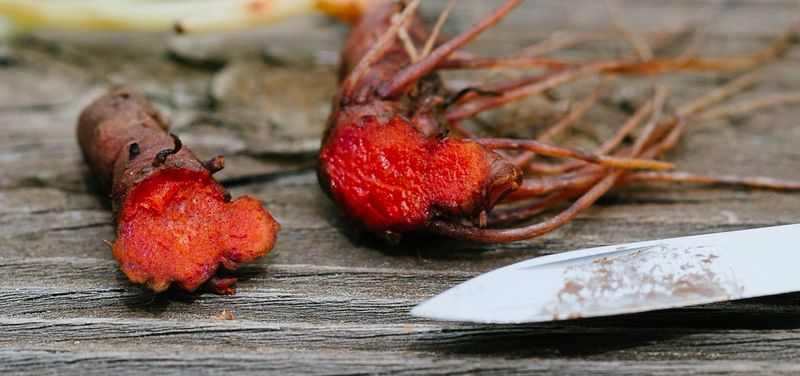
In early spring, Bloodroot breaks through the cold earth, its delicate white petals heralding the season’s change. Native Americans revered this plant for its medicinal properties, using the red sap, reminiscent of blood, to treat various ailments. The sap’s vibrant hue made it a natural dye for textiles and crafts. Nestled within deciduous forests, Bloodroot’s presence is fleeting, as its flowers close by midday. Its “bleeding” quality is both a survival mechanism and a visual spectacle. Today, it stands as a testament to nature’s resilience and adaptability, captivating those who tread its woodland paths.
Sangre de Toro
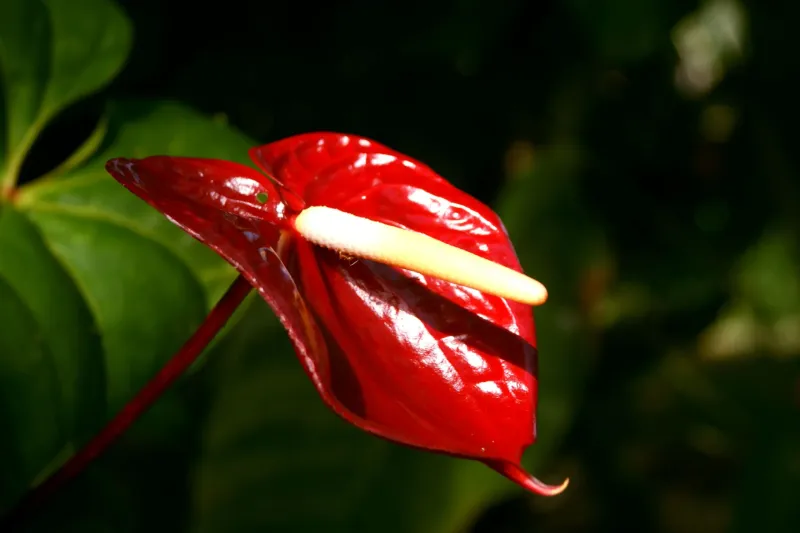
Amidst the arid desert, the Sangre de Toro cactus stands resilient, its thick skin guarding precious moisture. This plant’s name, translating to “Bull’s Blood,” references the deep red sap it secretes when cut. Indigenous cultures have long utilized this sap, believing it to hold protective and healing properties. The cactus’s ability to thrive where few others can is a testament to its strength. Its “bleeding” is a defense, deterring predators and sealing wounds. As the sun dips below the horizon, the Sangre de Toro’s silhouette is a powerful reminder of survival in harsh conditions.
Jatropha
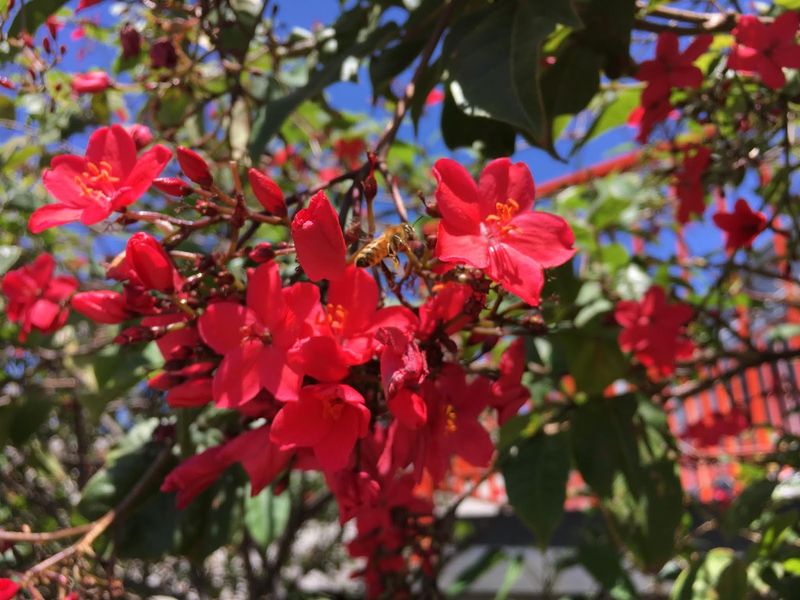
In tropical gardens, Jatropha plants stand out with their vibrant blooms and unusual sap. When injured, they release a milky red liquid that plays a crucial role in their survival. This sap is toxic, deterring herbivores from feasting on its lush foliage. Cultivated for ornamental purposes, Jatropha’s beauty hides its potent defense mechanism. The plant is a favorite among gardeners seeking bold, low-maintenance greenery. Its resilience in the face of challenges is inspiring, showcasing nature’s ingenuity. Whether admired for its aesthetic appeal or its unique bleeding trait, Jatropha captivates all who encounter it.
Sanguinaria canadensis
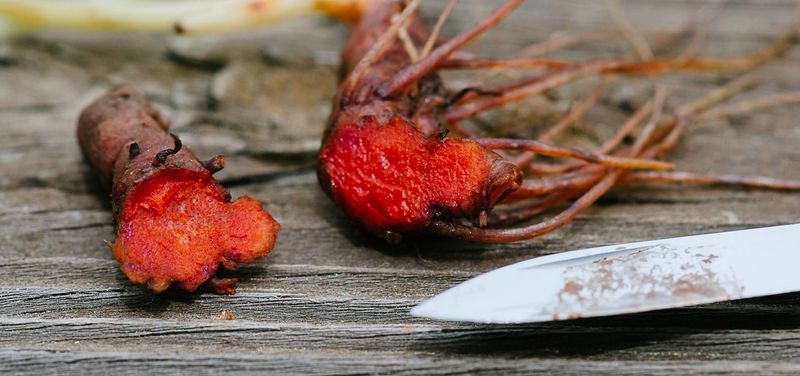
Sanguinaria canadensis, commonly known as Bloodroot, is named for its striking orange-red sap. This perennial blooms early in spring, its ephemeral flowers a fleeting woodland treasure. Native tribes used the sap for dyes and medicinal purposes, recognizing its powerful properties. The plant’s ability to “bleed” serves as a deterrent to animals, ensuring its survival. Its roots hold the key, secreting the sanguine liquid when disturbed. Bloodroot’s presence enriches forest ecosystems, offering both beauty and function. Amidst the shade, it silently contributes to the delicate balance of its environment, leaving a lasting impact.
Croton Lechleri

Deep within the Amazon rainforest, the Croton Lechleri tree is a vital part of the ecosystem. Known for its “Dragon’s Blood,” this tree releases a deep red sap when its bark is cut. Indigenous tribes have long harvested this sap for its medicinal properties, using it to treat wounds and infections. The tree’s towering presence and vibrant sap highlight the rainforest’s incredible biodiversity. Its “bleeding” serves as both a defense and a healing agent, benefiting both the tree and local communities. Croton Lechleri embodies the interconnectedness of nature, with its sap acting as a lifeline for many.
Caladium Bicolor

Caladium Bicolor, known for its strikingly colorful leaves, surprises with its red-tinged sap. Native to South America, this plant thrives in humid environments, adding vibrancy to gardens. The sap, while less known, acts as a deterrent to pests, ensuring the plant’s lush display remains undisturbed. Gardeners prize Caladium for its low maintenance and dramatic appearance, often using it in decorative arrangements. Its bleeding sap is an unseen guardian, protecting its brilliant hues. This plant’s dual role as an aesthetic centerpiece and a resilient survivor underscores the diverse strategies plants employ to flourish in their habitats.
Papaver Rhoeas
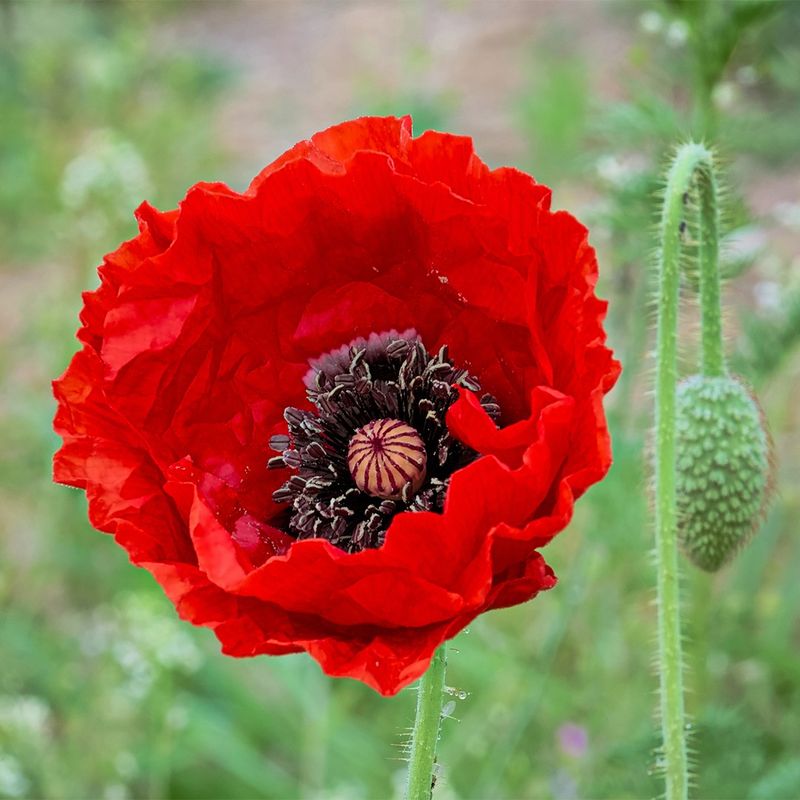
Papaver Rhoeas, commonly known as the common poppy, is a symbol of remembrance and beauty. Its delicate red petals are a familiar sight in fields and gardens. When the stem is cut, it releases a white sap that gradually turns red upon exposure to air. This transformation is both a defense mechanism and a fascinating natural process. The poppy’s vibrant display belies its tenacity, flourishing in disturbed soils and bringing color to barren landscapes. Its “bleeding” is a reminder of nature’s complexity and resilience, captivating all who pause to observe its vibrant dance in the breeze.
Spurge Laurel
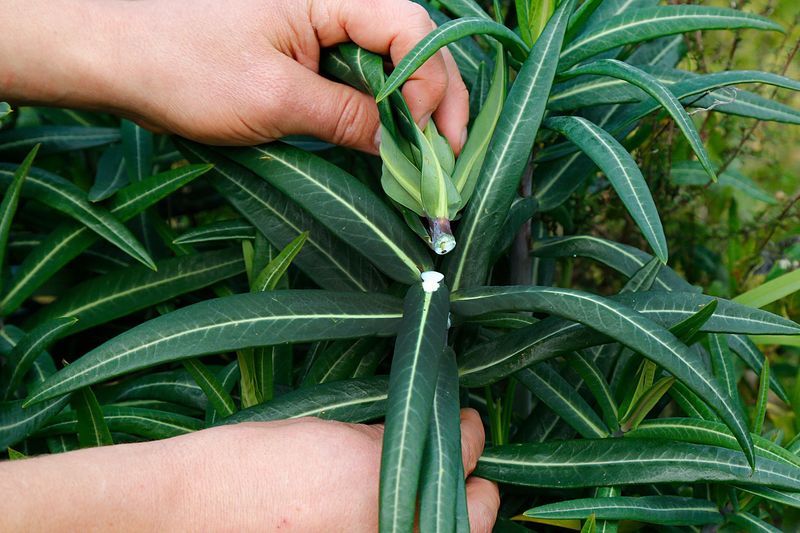
Spurge Laurel, a hardy evergreen, thrives in woodland gardens where others might falter. Its glossy leaves and fragrant flowers are deceptive, hiding a toxic secret. When cut, the plant exudes a milky sap that deters herbivores, protecting its lush foliage from grazing. This sap is potent, serving as both a weapon and a warning. Despite its toxicity, Spurge Laurel contributes to biodiversity, providing shelter for various wildlife. Its ability to “bleed” is a testament to nature’s innovative defenses, ensuring its survival in competitive environments. This plant’s dual nature fascinates and warns those who venture near.
Aloe Ferox
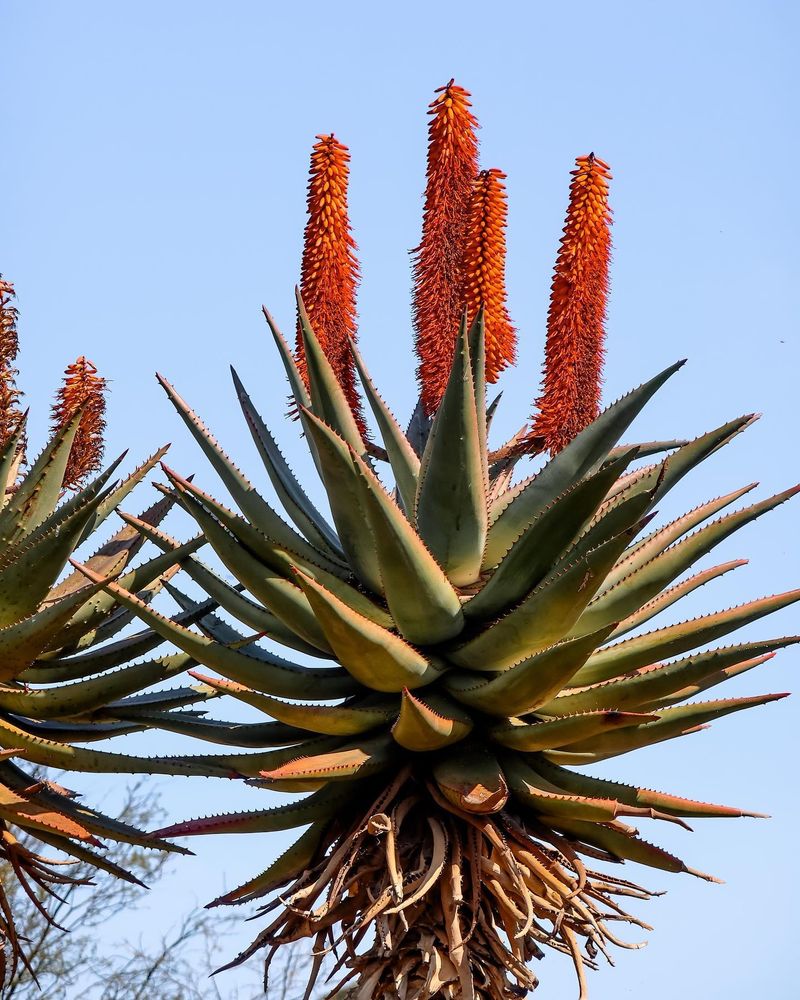
Aloe Ferox, a robust succulent, thrives in arid regions with scarce resources. Its thick, spiky leaves store water, enabling it to endure droughts. When injured, the plant secretes a golden-red sap, rich in medicinal properties. Traditionally used to treat skin ailments, this sap is highly valued for its healing capabilities. Aloe Ferox’s resilience is remarkable, withstanding harsh conditions and emerging unscathed. Its “bleeding” is both a protective measure and a gift to those who understand its potential. This plant exemplifies strength through adversity, carving out a niche in unforgiving landscapes and offering aid to its surroundings.
Cochineal
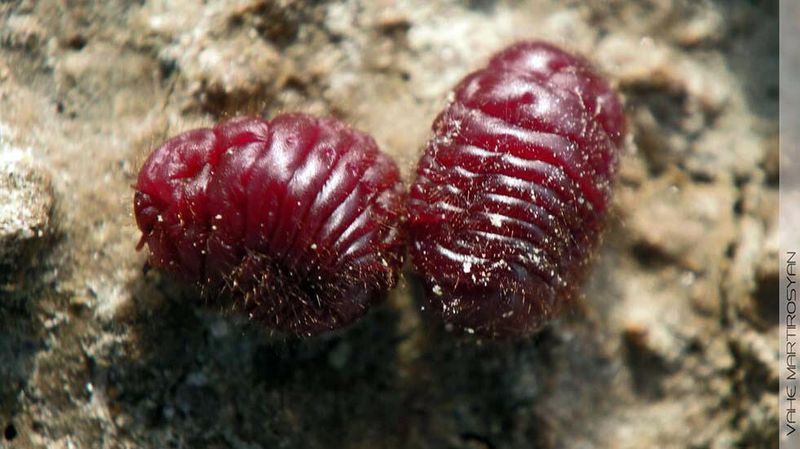
Though not a plant, the cochineal insect’s relationship with its cactus host transforms the landscape. Cultivated primarily for the vibrant red dye they produce, these insects are a vital part of traditional textile industries. When crushed, the cochineal releases a carmine dye, closely guarded by the host cactus’s defensive spines. This “bleeding” partnership between insect and plant is a unique ecological relationship. The dye’s historical importance is immense, coloring fabrics and foods worldwide. Cochineal insects and their host cacti symbolize the interdependent bonds within ecosystems, where even the smallest creatures play pivotal roles in biodiversity.
Coral Tree
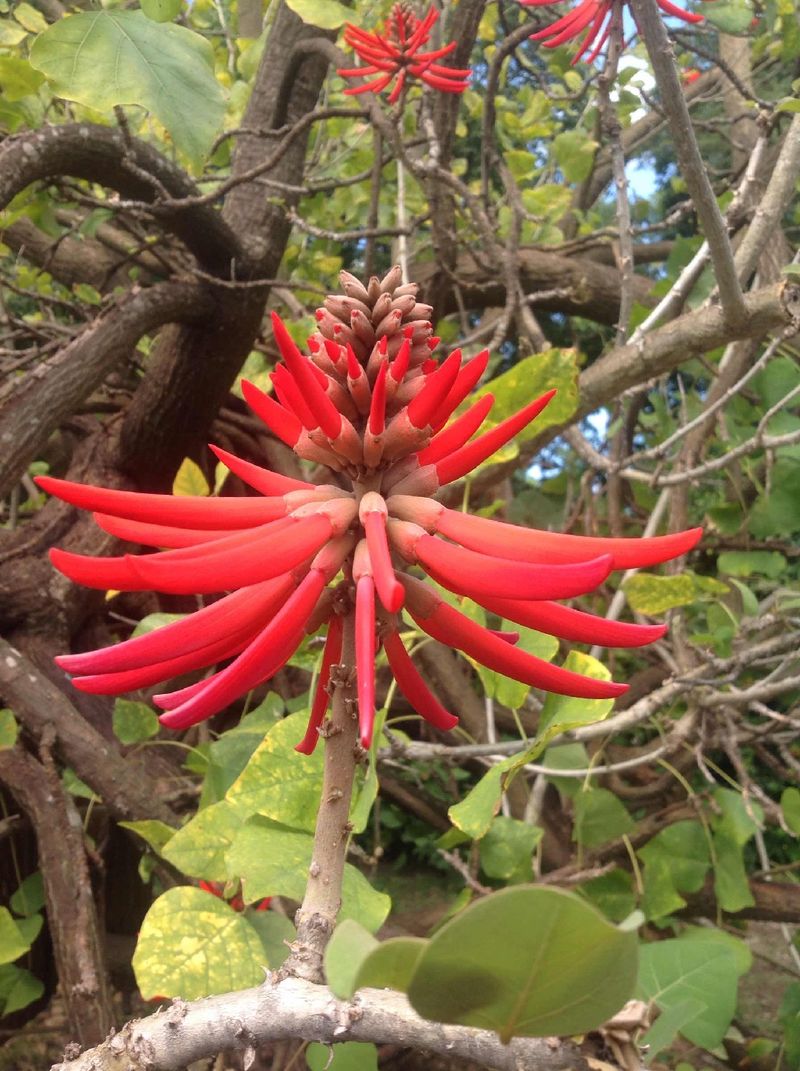
Coral Trees, with their vibrant blossoms, are a spectacle in tropical and subtropical regions. When a branch is cut, the tree “bleeds” a red sap, a vivid reminder of its vitality. This sap acts as a deterrent, discouraging herbivores from munching on its lush foliage. Beyond its defensive properties, the sap has been used in traditional medicine for its healing attributes. The Coral Tree’s striking appearance and unique bleeding trait make it a beloved ornamental choice. Its presence adds color and life to gardens, showcasing nature’s artistry and the intricate ways plants protect themselves.
Monstera Deliciosa
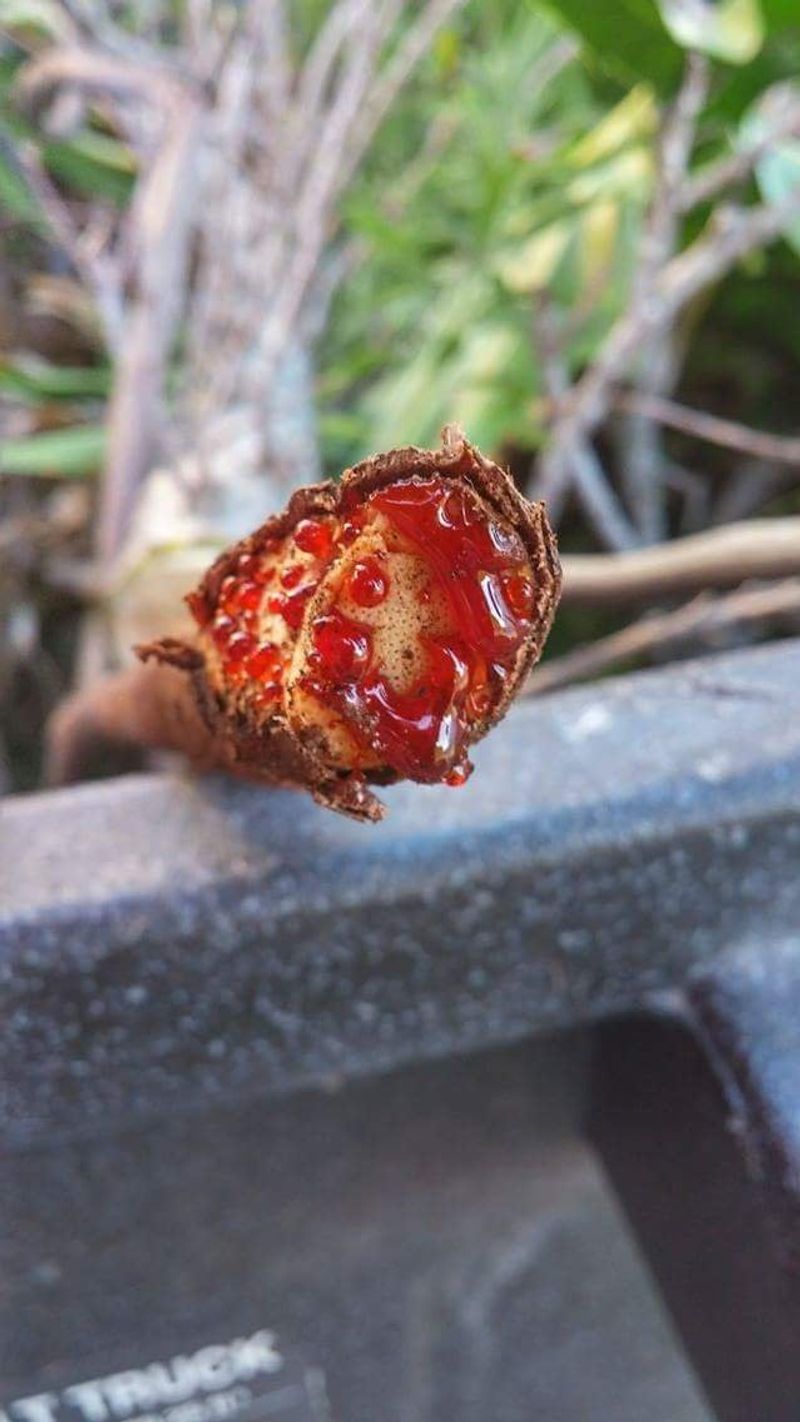
Monstera Deliciosa, with its iconic perforated leaves, is a tropical favorite among indoor plant enthusiasts. When a stem is cut, it releases a clear sap that turns reddish over time. This sap serves as a deterrent to pests, safeguarding the plant’s lush foliage. Native to Central America, Monstera thrives in humid, shaded environments, adding a unique touch to homes and gardens. Its “bleeding” is a subtle defense, protecting its verdant beauty. The plant’s adaptability and striking appearance make it a cherished addition to any collection, embodying nature’s creativity and resilience in the face of challenges.