 Complete Gardening
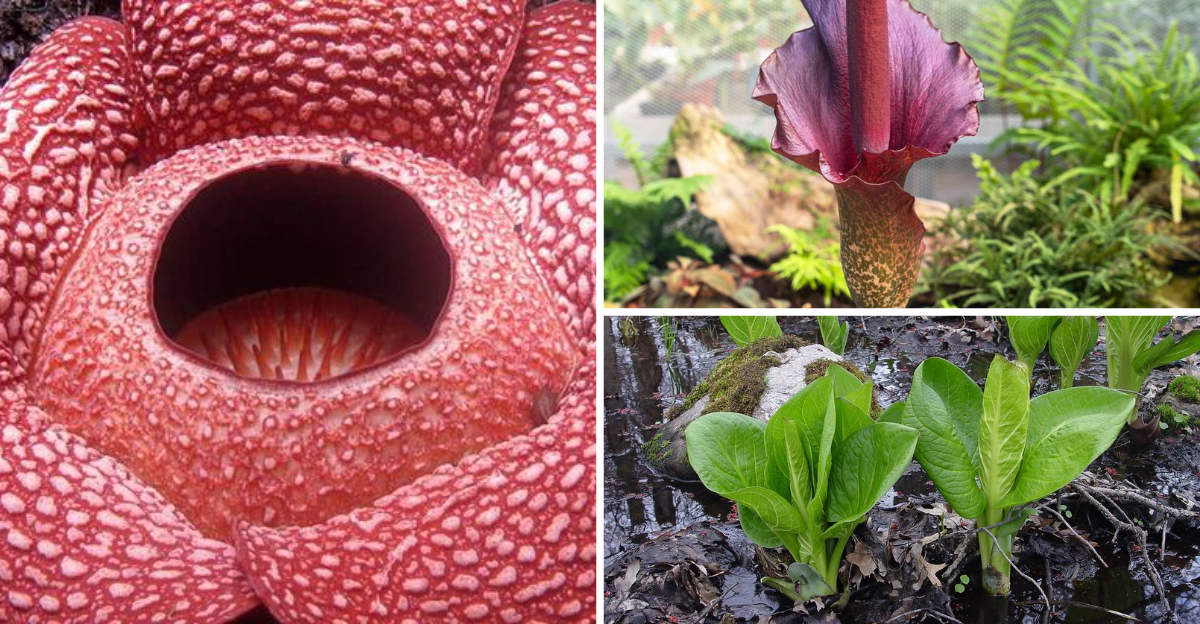
Some plants may surprise you with their skunky scent, but these aromatic wonders offer unique benefits or aesthetics. Despite their odor, these plants have qualities that make them valuable additions to gardens and homes.
Crown Imperial
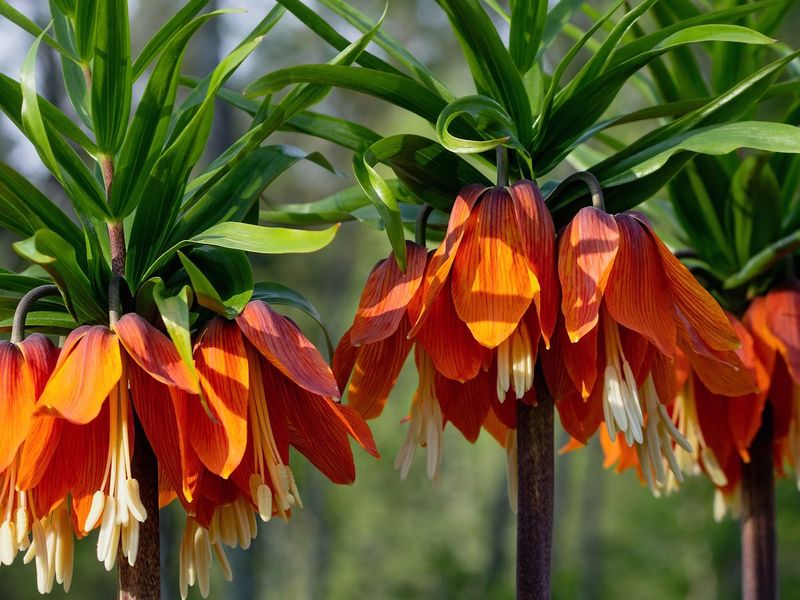
Standing tall and proud, the Crown Imperial’s striking appearance is a sight to behold. Its bell-shaped flowers, cascading like a royal diadem, captivate gardens with their grandeur. Despite the pungent skunk-like smell, this plant’s visual appeal is undeniable.
Gardeners often use Crown Imperials as a bold statement, adding vertical interest to flowerbeds. Interestingly, the strong odor deters garden pests, acting as a natural repellent. Once admired by European royalty, this plant carries an air of historical elegance.
For those who value beauty over scent, the Crown Imperial remains a regal choice.
Skunk Cabbage
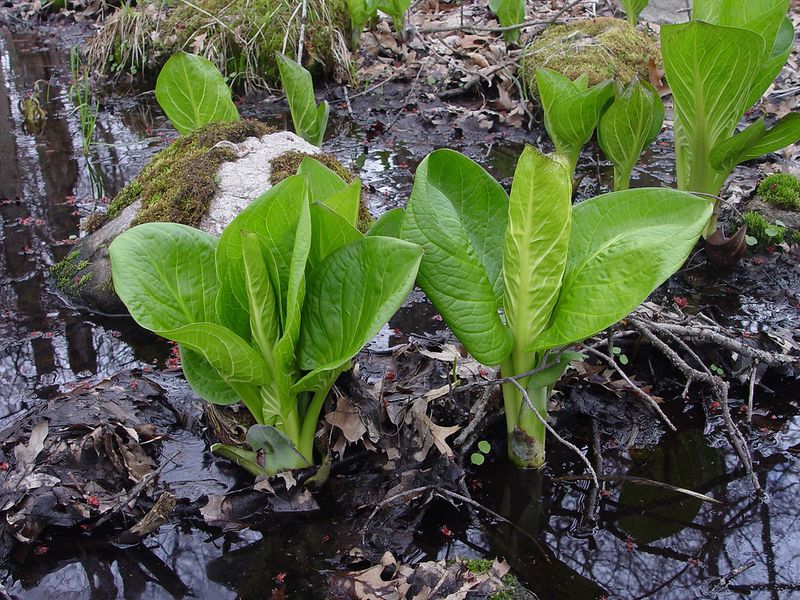
Emerging with the first hint of spring, Skunk Cabbage is a harbinger of new beginnings. Its large, lush leaves signal the season’s start, even as its skunky odor fills the air.
This plant thrives in wetlands, where it plays a vital ecological role. It’s an early bloomer, providing essential nourishment to pollinators when few other flowers are available. Native to North America, its presence in marshy areas supports diverse wildlife.
For nature enthusiasts, Skunk Cabbage’s skunky scent is a small trade-off for witnessing its role in sustaining wetland ecosystems.
Coral Vine
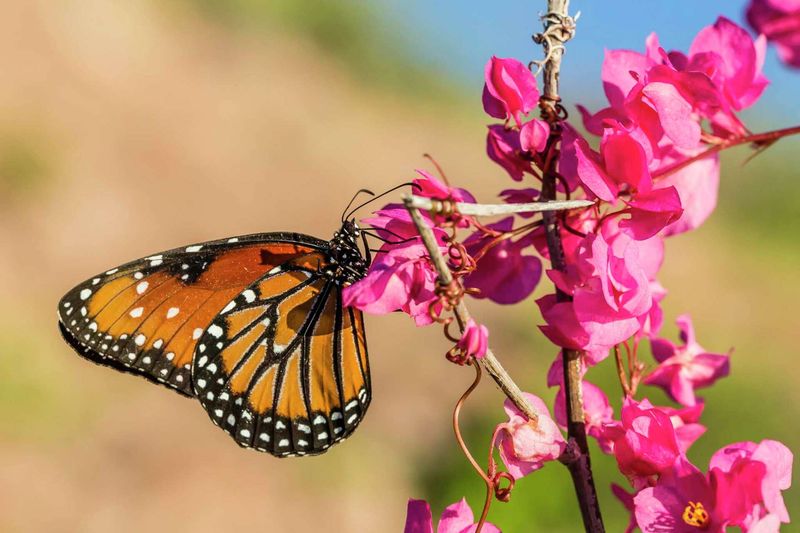
The Coral Vine enchants with its cascading pink flowers, creating a tropical paradise in any garden. Known for its vigorous growth, this vine quickly covers trellises, offering a lush backdrop for outdoor spaces.
Despite its skunky aroma, the Coral Vine’s beauty is irresistible. It attracts butterflies and bees, turning gardens into lively ecosystems. Originating from Mexico, this plant is a symbol of resilience, thriving in diverse climates.
Gardeners seeking vibrant colors and pollinator-friendly environments will find the Coral Vine an excellent choice, even with its peculiar scent.
Pineapple Sage
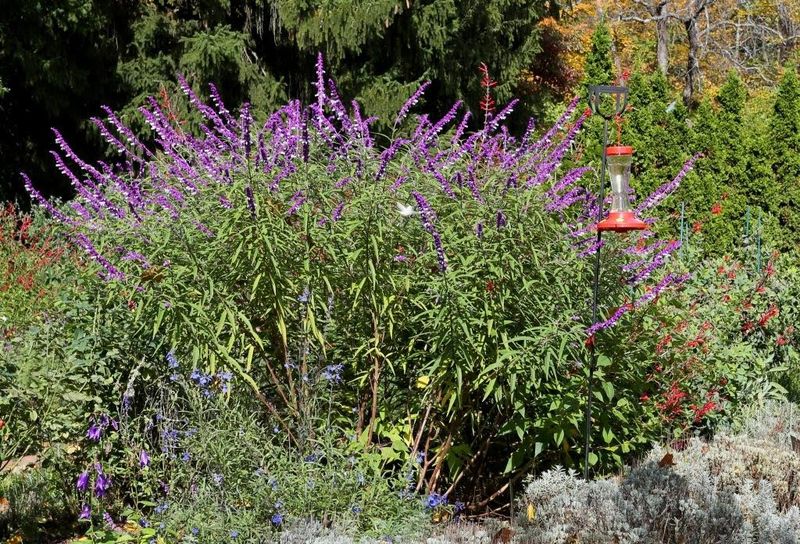
Pineapple Sage dances in the breeze, its vibrant red flowers and lush green leaves adding charm to herb gardens. The unexpected blend of pineapple sweetness and skunky undertones creates a unique fragrance experience.
This plant is not only ornamental but also culinary, with leaves that enhance teas and dishes. Hummingbirds adore its nectar-rich blooms, making gardens a haven for these winged jewels.
For those who appreciate a sensory garden, Pineapple Sage offers both visual splendor and aromatic intrigue, proving that beauty and unusual scents can harmoniously coexist.
Papaya Tree
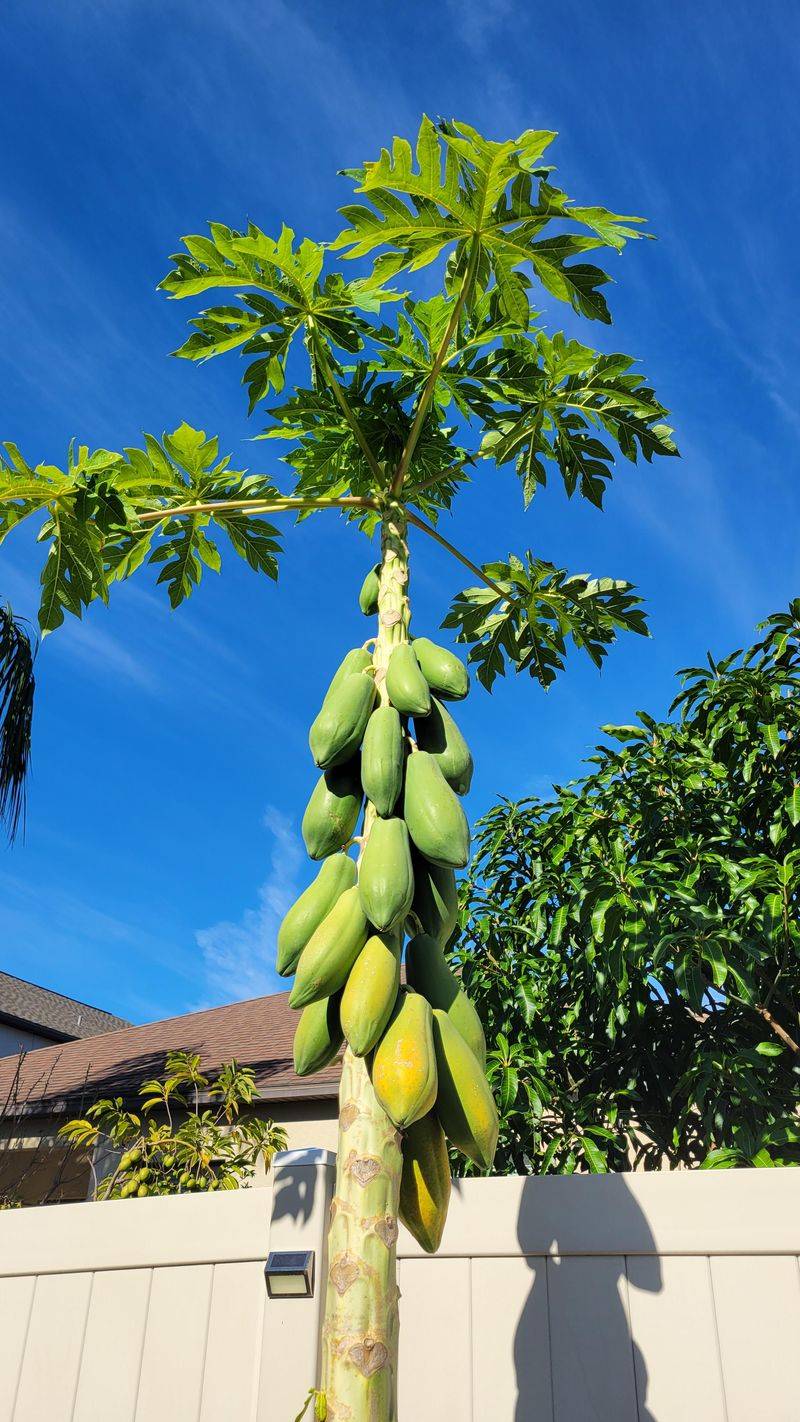
Towering in tropical landscapes, the Papaya Tree offers a bounty of golden fruits. While its fruits are sweet and nutritious, the tree’s skunky odor is a curious contrast that intrigues the senses.
Papayas are celebrated for their health benefits, rich in vitamins and enzymes. This tree’s presence supports biodiversity, providing food for various species.
Despite the smell, the Papaya Tree’s contributions to both diet and ecosystem are immense. Gardeners in tropical regions value its fruitfulness, making it a staple in sustainable gardening practices.
Stinking Hellebore
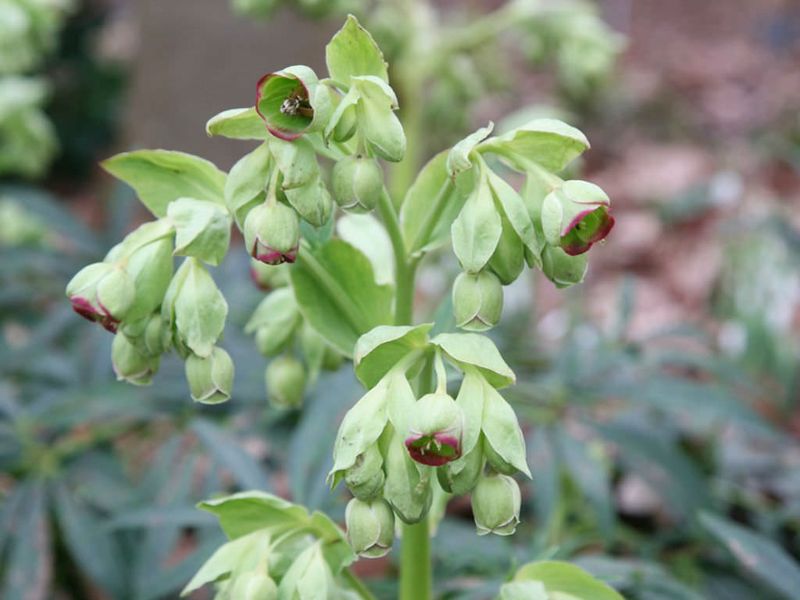
The Stinking Hellebore, with its greenish-purple blooms, is a plant that defies first impressions. Known for its strong, skunky scent, it thrives in shaded garden areas. Despite its odor, this plant is cherished for its long-lasting flowers. Gardeners appreciate its ability to bloom in late winter, offering a touch of color when most plants are dormant. Its evergreen foliage adds texture to any garden. Interestingly, the smell deters pests, making it a natural garden protector. With proper care, it can become a unique focal point in a woodland garden. An unusual beauty indeed.
Rafflesia
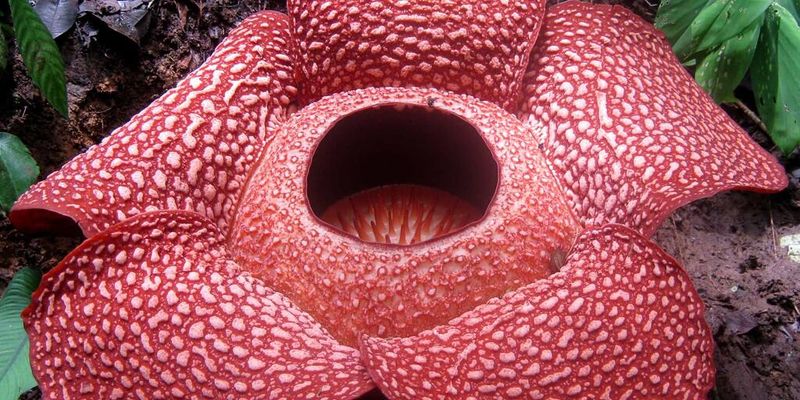
Rafflesia, known for having the largest single flower, is an enigma. Its bloom can reach up to three feet in diameter. Despite its unpleasant odor reminiscent of rotting meat, it attracts specific pollinators. Native to Southeast Asian rainforests, it emerges without any leaves, stems, or roots. The flower’s striking appearance is one for the books. While its smell may deter humans, it plays a crucial role in the ecosystem. Its rarity and size make it a sought-after sight for botanists and tourists alike, drawing attention to the wonders of biodiversity.
Durian Tree
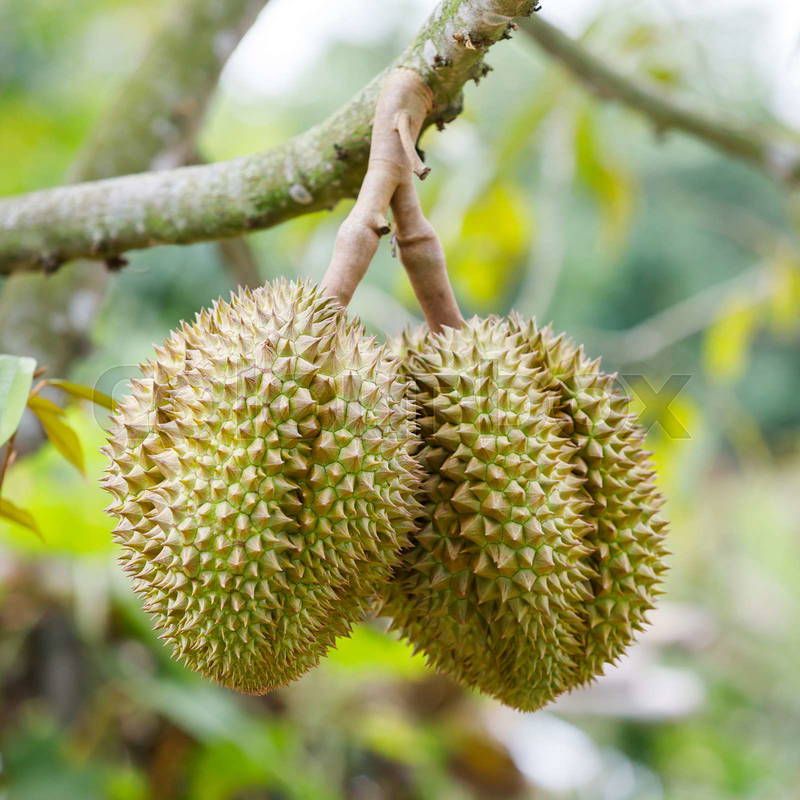
Dubbed the king of fruits, the Durian’s smell is notorious. Its aroma is so potent that it’s banned in many public areas in Asia. However, for those who brave it, the reward is a creamy, custard-like fruit. Originating in Southeast Asia, the Durian tree is a tall, tropical wonder. The fruit is considered a delicacy, celebrated for its unique taste. Its cultivation supports local economies, adding to its worth. While the smell might be off-putting, many swear by its flavor, making it a culinary adventure worth exploring.
Ginkgo Biloba
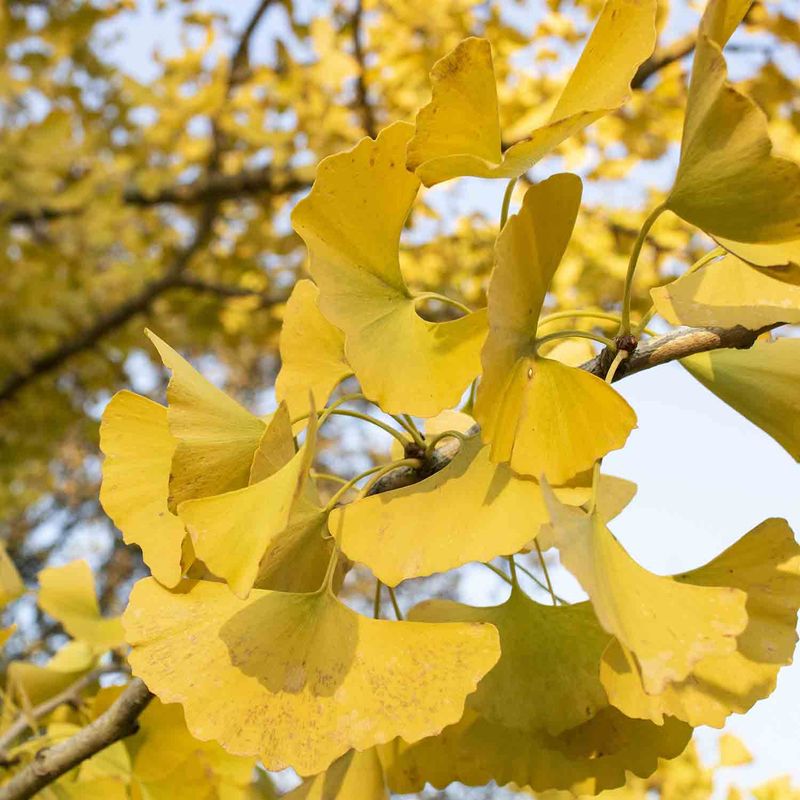
The Ginkgo Biloba is a living fossil, with origins tracing back over 270 million years. While its fruit emits a strong odor, reminiscent of rancid butter, its leaves are a different story. Known for their fan shape, they turn a brilliant yellow in autumn, decorating streets and parks. Beyond aesthetics, it’s celebrated for its health benefits, often used in supplements. A symbol of resilience, this tree can thrive in urban environments, surviving pollution and pests. Its unique blend of beauty and history makes it a cherished addition to any landscape.
Carrion Flower
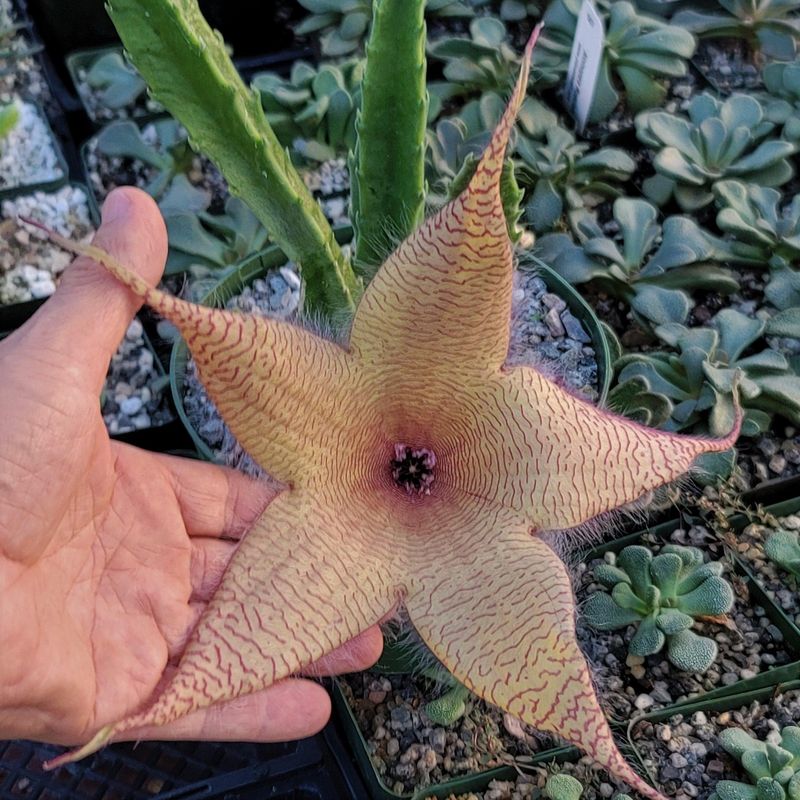
The Carrion Flower, with its star-shaped blooms, is a fascinating desert dweller. Its scent, akin to rotting flesh, attracts specific insects for pollination. While the smell is strong, its beauty is undeniable. The intricate patterns on its petals are a visual treat. Native to arid regions, it’s a master of survival, enduring harsh conditions. This plant is a testament to nature’s ingenuity, showcasing how beauty can coexist with the bizarre. Despite its odor, it’s a captivating addition to succulent gardens, offering a touch of the exotic.
Corpse Lily
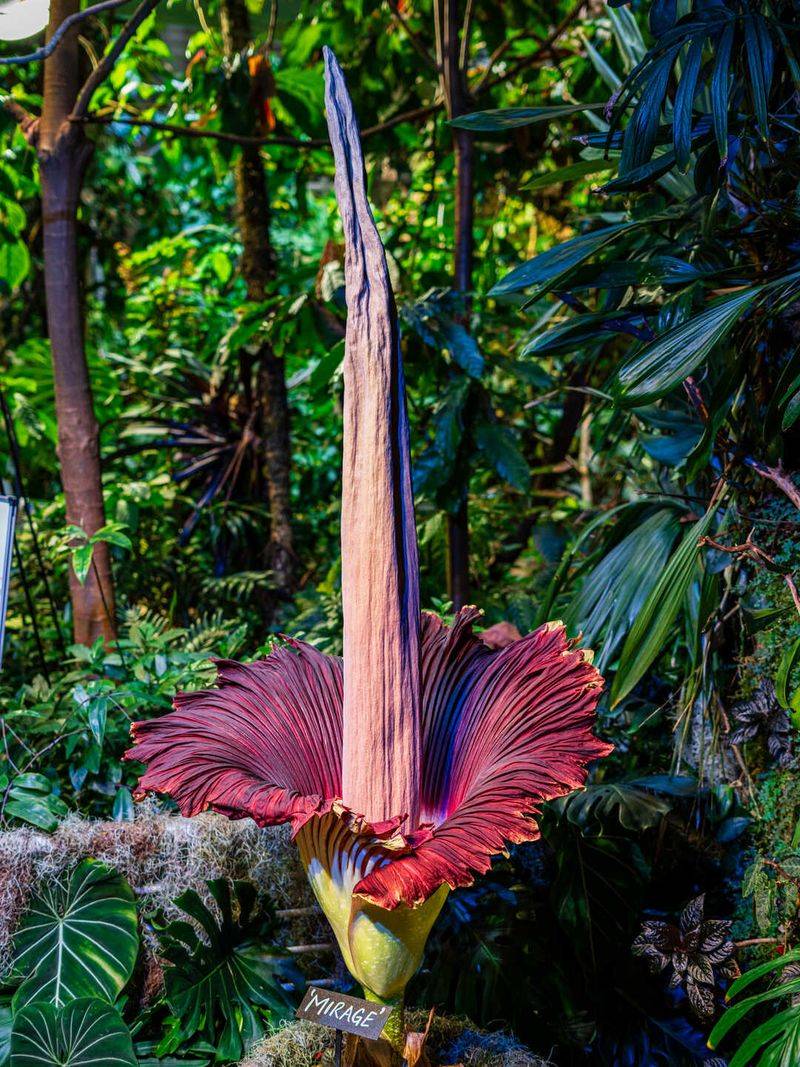
Amorphophallus titanum, or the Corpse Lily, is a spectacle in the plant world. Its bloom, which can reach up to ten feet, emits a smell akin to decaying flesh. This olfactory oddity is nature’s way of attracting pollinators. Found in Sumatra’s rainforests, its rare blooming events draw crowds worldwide. Beyond its smell, its sheer size is awe-inspiring. A marvel of evolution, it highlights the intricate relationships between plants and pollinators. For those who witness it, the Corpse Lily is an unforgettable experience, blending wonder with the unusual.
Skunk Vine
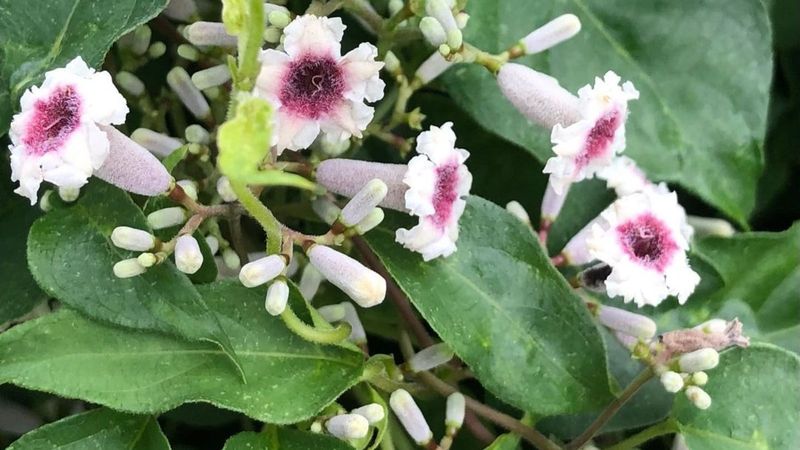
The Skunk Vine is an aromatic anomaly. Its name says it all, as it releases a skunk-like odor when disturbed. Yet, it’s not without charm. Its lavender flowers add a touch of elegance to gardens. Native to Asia, it’s often used in traditional medicine, believed to have various health benefits. While it can be invasive, with proper care, it can be a unique addition to trellises and arbors. The contrast between its smell and visual appeal makes it a conversation starter, bringing a bit of intrigue to any garden.
Valerian
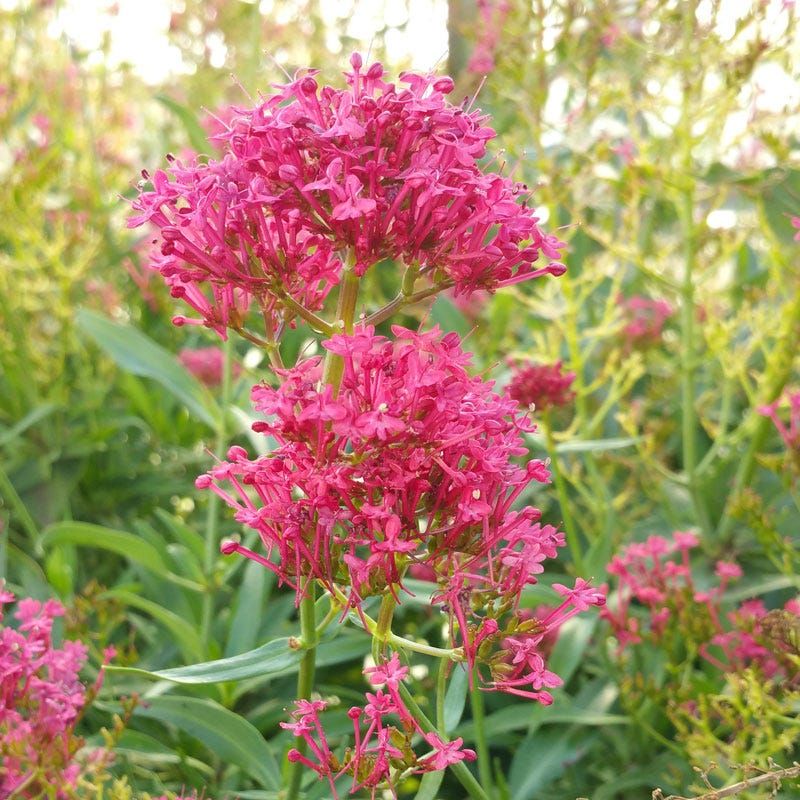
Valerian is a paradox in the plant kingdom. While its roots emit a strong, musky odor, its flowers are sweetly scented. Known for its calming properties, it’s a popular herbal remedy for anxiety and insomnia. Its pink blooms attract butterflies, adding life to any garden. Historically, it’s been used since ancient times for its medicinal properties. Growing Valerian means balancing its earthy scent with its beneficial uses. For herbal enthusiasts, it’s a treasure trove of natural remedies, offering both beauty and function in one package.
Giant Leopard Plant
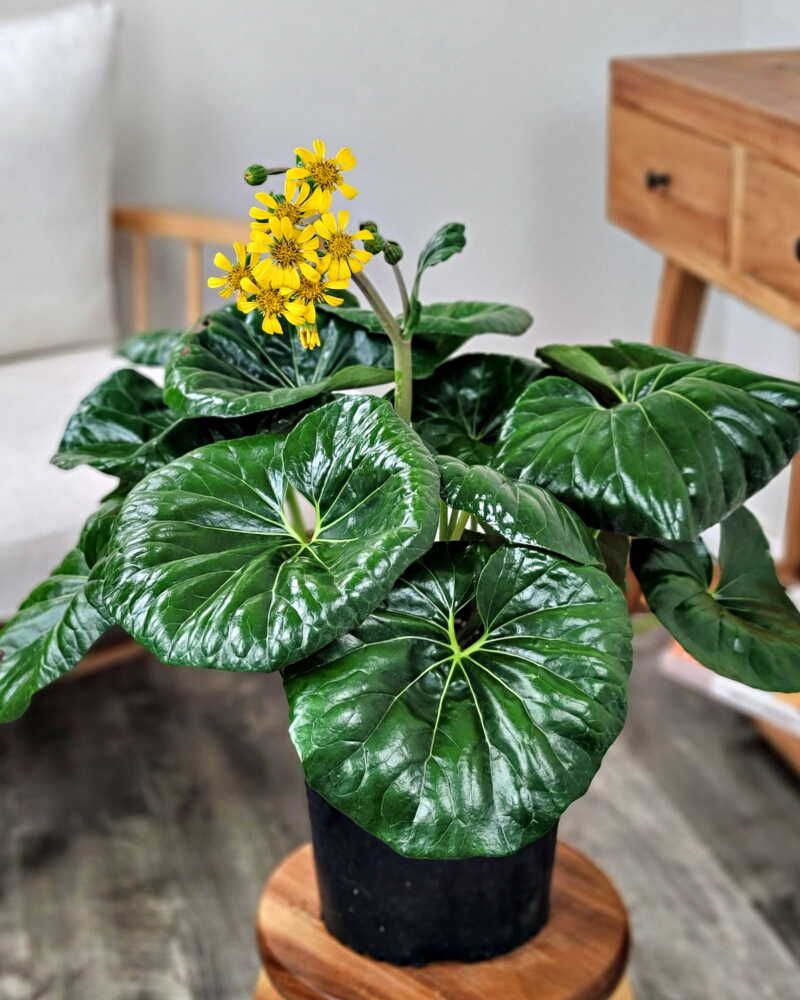
The Giant Leopard Plant is a shade lover’s delight. Known for its large, glossy leaves, it’s often used for ground cover. However, when bruised, it releases a strong odor that deters pests. Its bright yellow flowers are a visual treat, brightening up any shaded area. Native to China, it’s prized for its resilience and ornamental value. This plant is a statement piece in any garden, offering both form and function. Its ability to thrive in low light makes it a favorite among gardeners seeking lush foliage.
Curry Leaf Plant
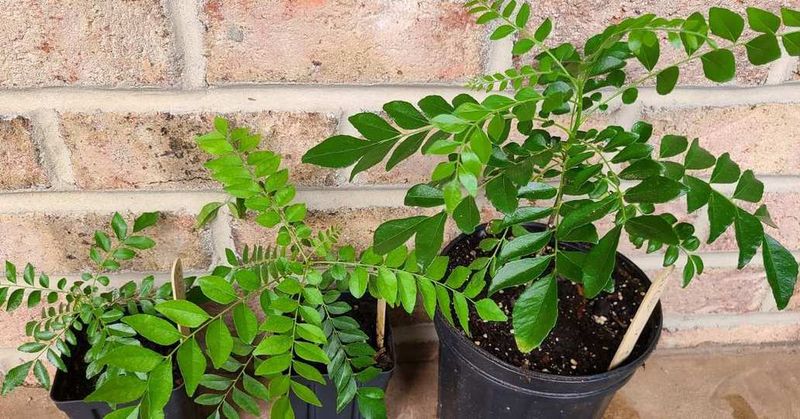
The Curry Leaf Plant is beloved in culinary circles, especially in Indian cuisine. While its leaves have a distinct aroma, reminiscent of a skunky smell, they’re a staple in many dishes. Beyond the kitchen, it’s known for its medicinal properties. Growing this plant is a rewarding endeavor, offering fresh leaves for cooking. Its adaptability makes it suitable for pots and gardens alike. For those exploring new flavors, the Curry Leaf Plant is a worthy addition, blending culinary tradition with gardening satisfaction.
Asafoetida Plant
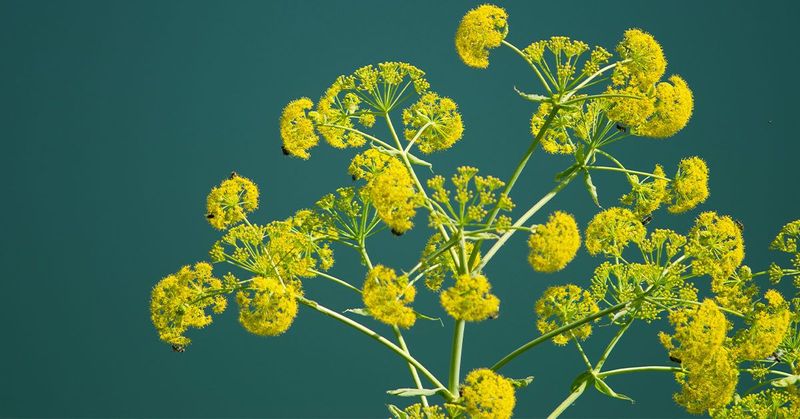
Asafoetida, often dubbed the devil’s dung, is a spice with a potent odor. The plant itself is less known but offers a glimpse into its origins. Its resin is extracted from the plant’s roots, providing a key ingredient in various dishes. Rich in history, it’s been used in Ayurvedic medicine for centuries. While its smell is strong, its flavor profile is complex, enhancing the culinary experience. For those interested in spice cultivation, growing Asafoetida offers a unique journey into the world of aromatic plants.
Sea Holly
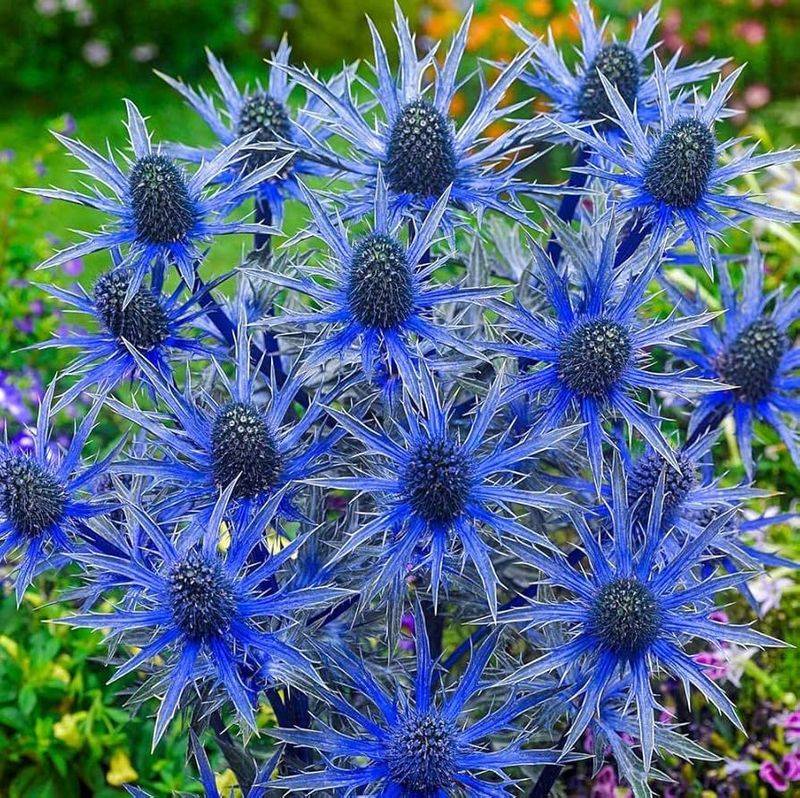
Sea Holly, a coastal beauty, is renowned for its striking appearance. Its spiky blue flowers are a standout in any garden. However, when its leaves are crushed, they emit an earthy odor. A hardy plant, it thrives in sandy soils and is salt-tolerant, making it ideal for seaside gardens. Beyond its allure, it’s a favorite among pollinators. Sea Holly adds texture and color to landscapes, blending well with other coastal flora. Its resilience and unique look make it a popular choice for gardeners near the shore.
Voodoo Lily
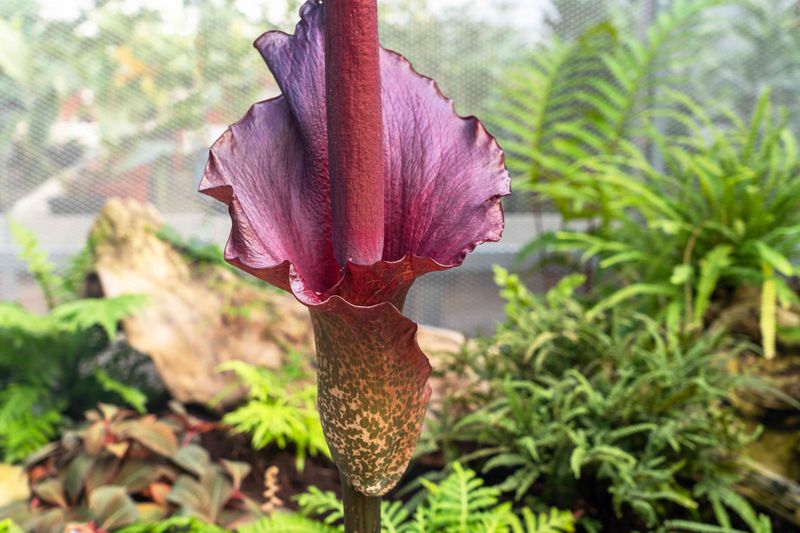
The Voodoo Lily is both mysterious and captivating. Its dark maroon spathe envelops a towering spadix, creating a visual drama. The scent, reminiscent of decay, serves a purpose: attracting pollinators that thrive on carrion. Native to tropical regions, it’s a conversation piece in any garden. Its blooming is a spectacle, drawing curious eyes. Beyond its appearance, it represents the complex interplay of scent and pollination in nature. For those daring enough to grow it, the Voodoo Lily offers a glimpse into the fascinating world of exotic plants.