 Complete Gardening
Not every plant that fills a nursery shelf is cut out for life inside your home. Some of the most popular houseplants are actually pretty miserable indoors, dropping leaves, turning yellow, or slowly fading no matter how carefully you tend to them.
The good news? For every struggling plant, there is a tougher, happier alternative that will actually thrive on your windowsill.
Knowing the difference can save you money, frustration, and a lot of wilted disappointment.
Gardenia
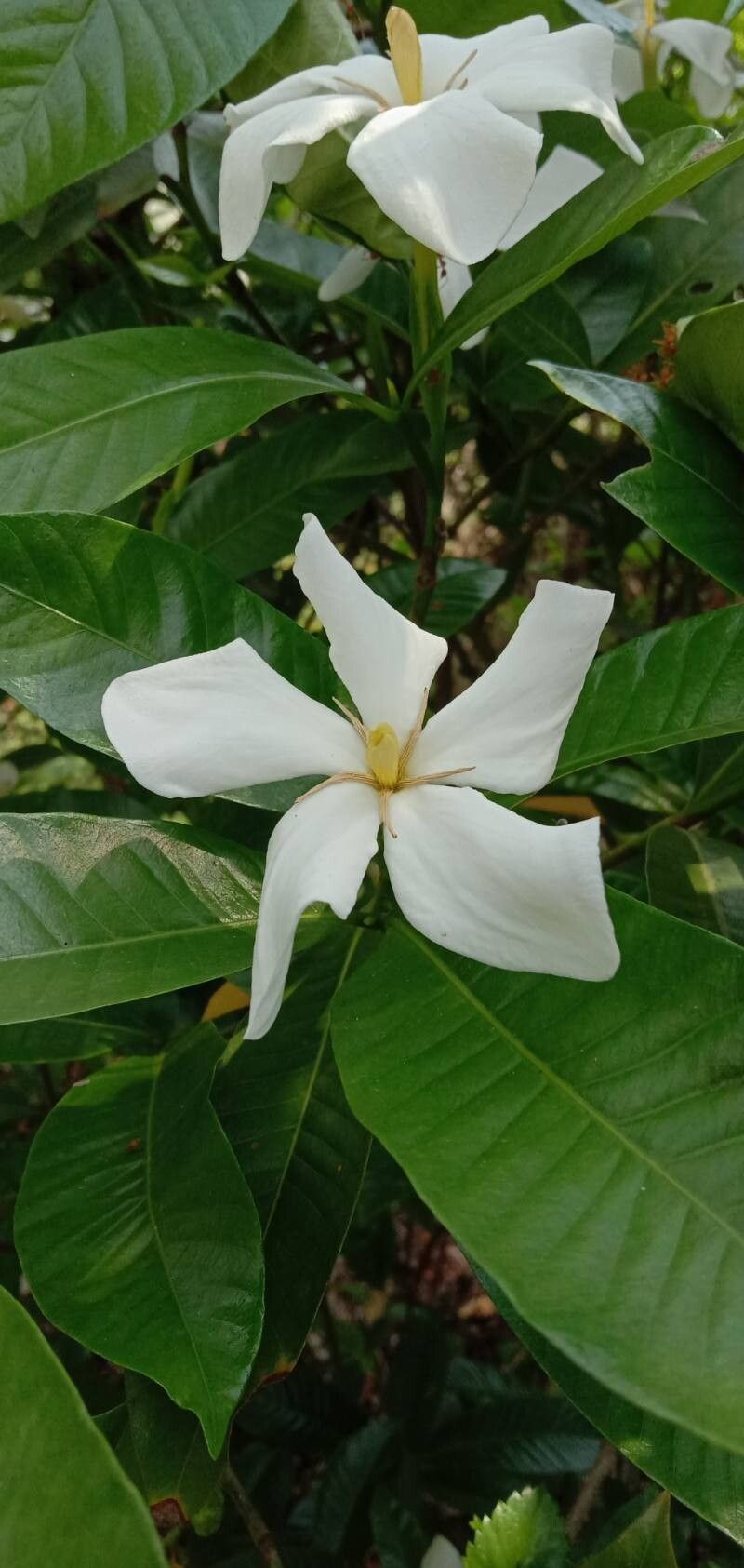
Gardenias look like something out of a romantic garden catalog, but indoors they are notoriously cranky. They demand high humidity, bright indirect light, and perfectly consistent watering.
Miss any one of those, and the buds drop before they even open.
A much better swap is the Peace Lily. It blooms beautifully in low light, tolerates some neglect, and actually helps filter indoor air.
You get the elegant white flowers without the constant drama.
Rosemary
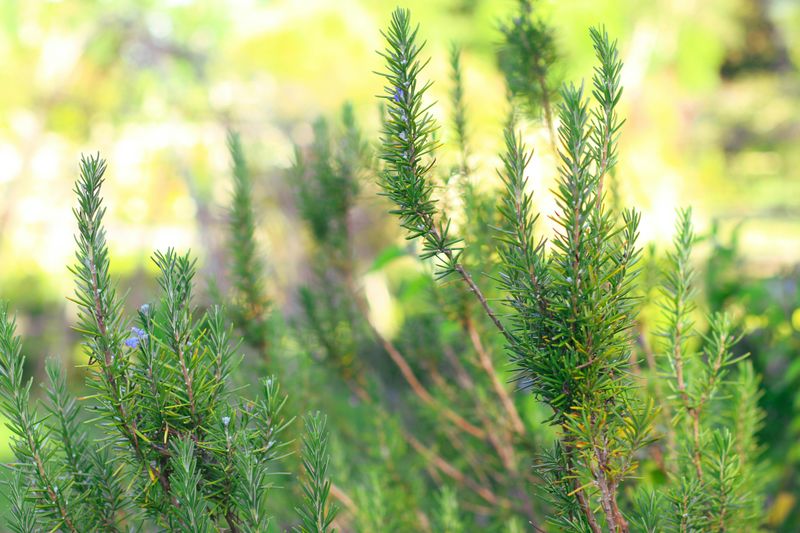
Rosemary smells incredible and looks great in a kitchen, so it is no wonder people bring it inside. The problem is that it craves intense sunlight and excellent airflow, two things most kitchens simply cannot provide.
Without them, it dries out, gets powdery mildew, and slowly gives up.
Try Mint instead. It grows happily in moderate light, handles indoor conditions well, and is just as useful for cooking.
Plus, it spreads eagerly, so you will never run short.
Bird of Paradise
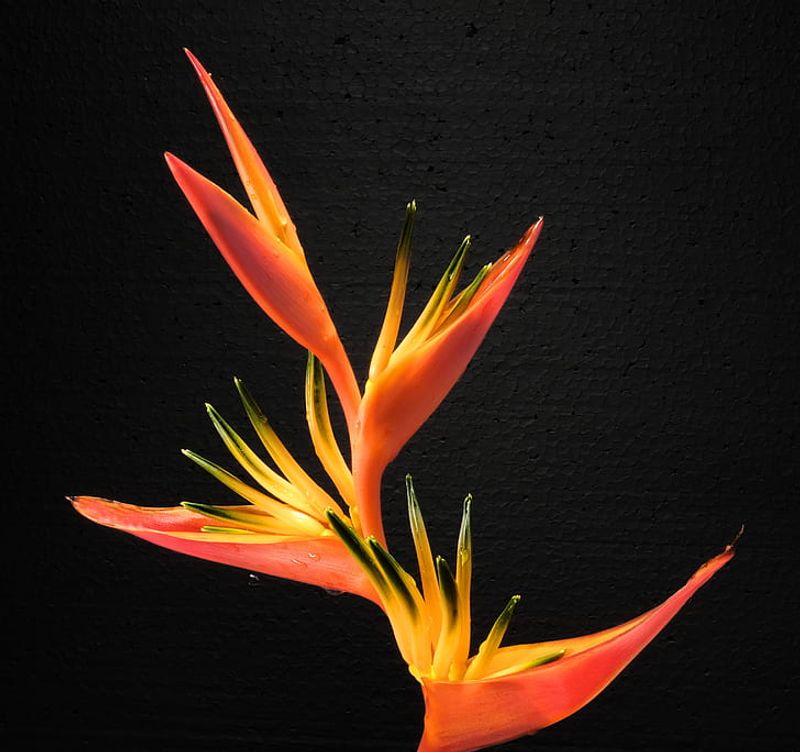
Bird of Paradise plants look absolutely stunning in design magazines, usually posed next to floor-to-ceiling windows in sunlit lofts. Real homes rarely match that setup.
Without genuinely bright, direct light for several hours daily, these plants stall, develop brown tips, and never produce their famous blooms.
The Fiddle Leaf Fig has a similar dramatic look and also prefers bright light, but the Kentia Palm is the smarter pick for average indoor light levels.
Lavender
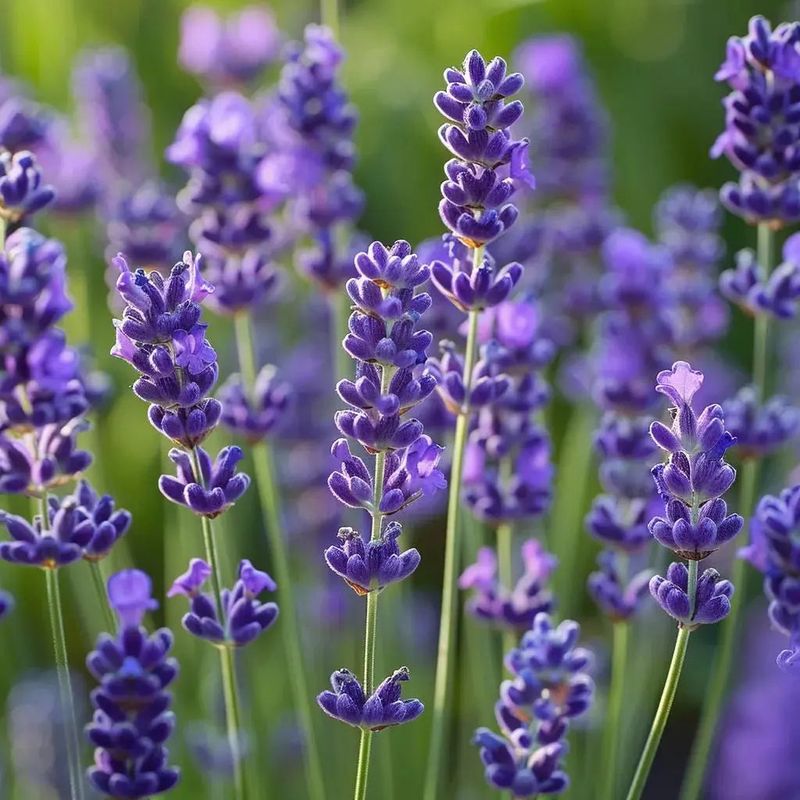
Few scents are as calming as lavender, which is exactly why people keep trying to grow it indoors. But lavender is a full-sun Mediterranean plant that needs six to eight hours of direct sunlight daily.
Indoors, it goes pale and leggy fast, then collapses entirely.
For a fragrant indoor alternative, consider Lemon Balm or Scented Geranium. Both handle lower light better, smell wonderful, and stay lush without demanding a greenhouse-level sun commitment.
Fiddle Leaf Fig
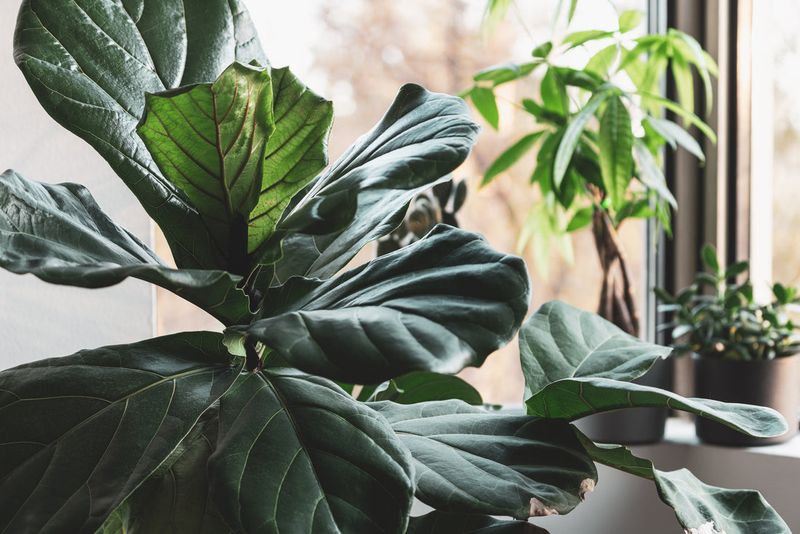
The fiddle leaf fig became the unofficial mascot of interior design for about a decade, and honestly, it deserves its reputation for being difficult. It hates drafts, uneven watering, low light, and being moved around.
Even a small change in environment can trigger a dramatic leaf-dropping episode.
The Rubber Plant offers a similar bold, sculptural look with far more forgiving habits. It adapts to different light levels and does not throw a tantrum every time you open a window.
Maidenhair Fern
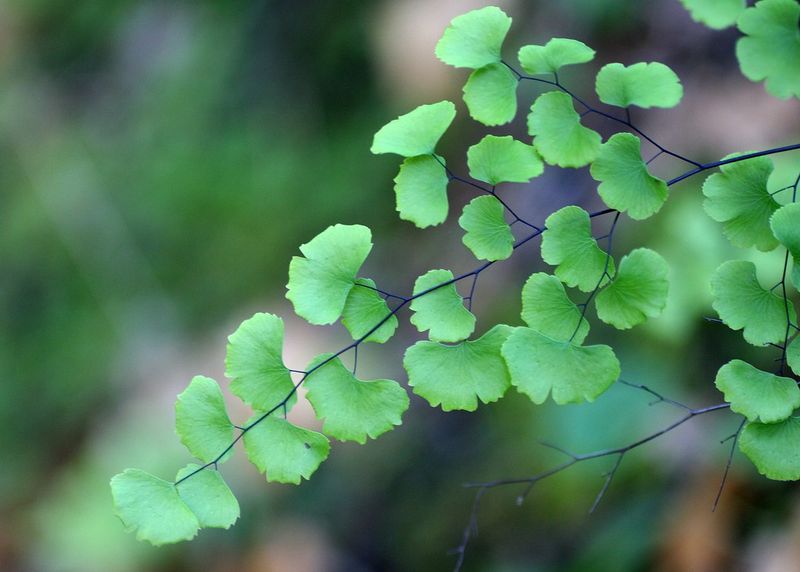
Maidenhair ferns are breathtakingly delicate, with wispy fronds that look like living lace. They are also among the most unforgiving houseplants you can choose.
Miss one watering, let the air get too dry, or give them too much direct sun, and those pretty fronds turn crispy almost overnight.
Boston Ferns are a tougher fern option, but for the easiest greenery win, try a Pothos. It stays lush with minimal effort and even forgives occasional forgetfulness.
Wisteria
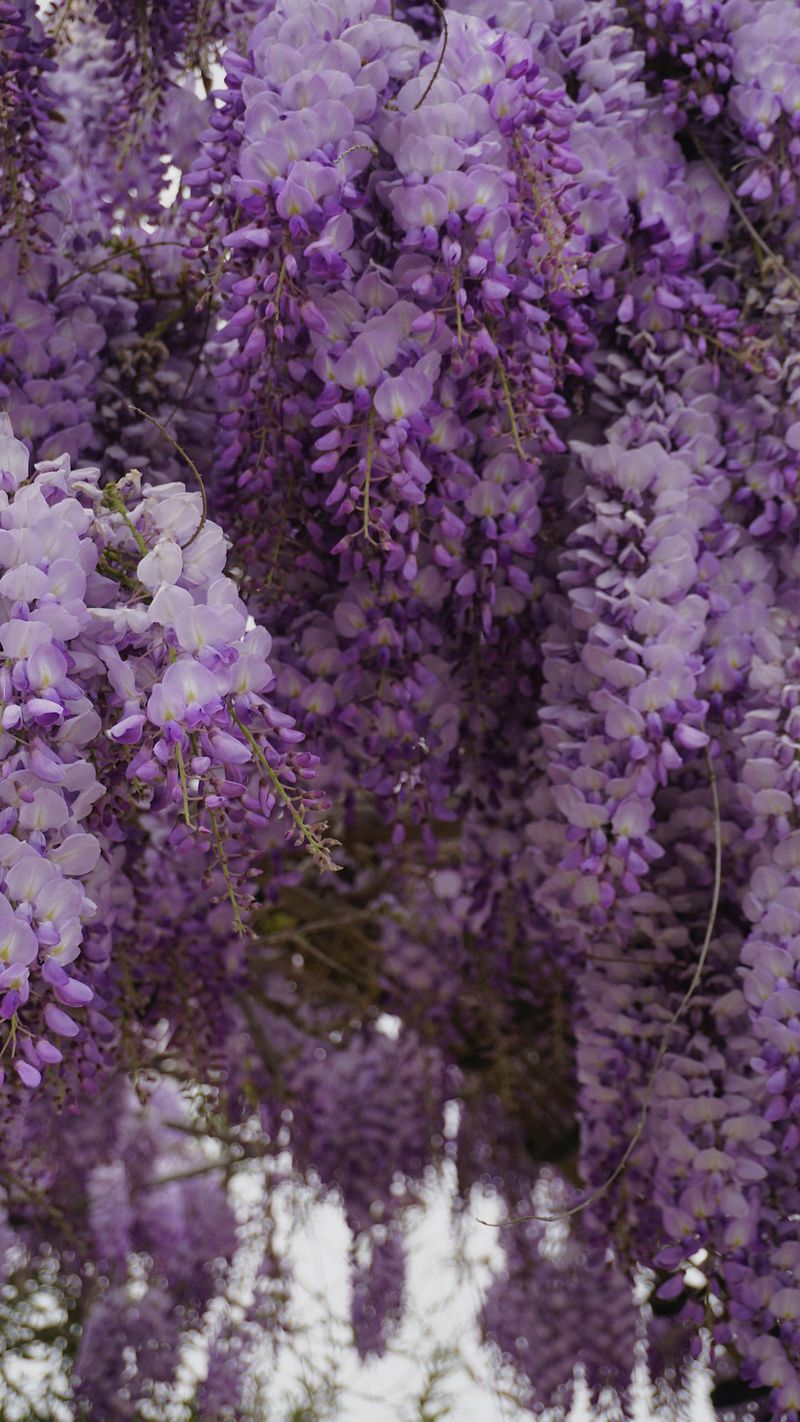
Wisteria is a showstopper outside, draping over trellises in cascades of purple blooms. Indoors, though, it is basically impossible to keep happy.
It needs enormous root space, cold winters to trigger blooming, and far more sun than any window can realistically deliver.
If you love trailing vines indoors, Hoya plants are a far smarter choice. They produce waxy, sweet-smelling clusters of flowers, handle indoor light beautifully, and require surprisingly little fuss to keep thriving.
Croton
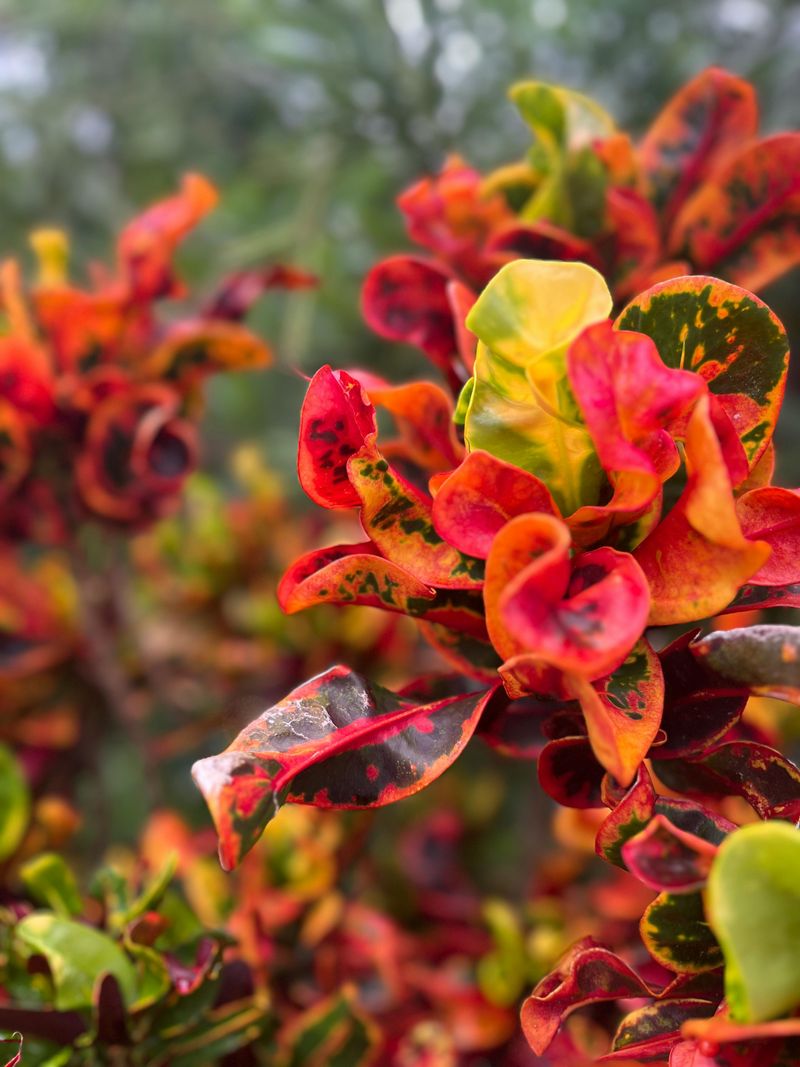
Walk into any garden center and crotons practically shout at you with their wild, multicolored foliage. The catch?
Those vivid colors need very bright light to stay brilliant. Move a croton to a typical indoor corner, and the leaves fade to a dull, disappointing green before dropping off entirely.
For bold foliage without the fuss, Caladiums in a bright spot or a striking Purple Waffle Plant offer great color with more reasonable indoor light requirements.
Azalea
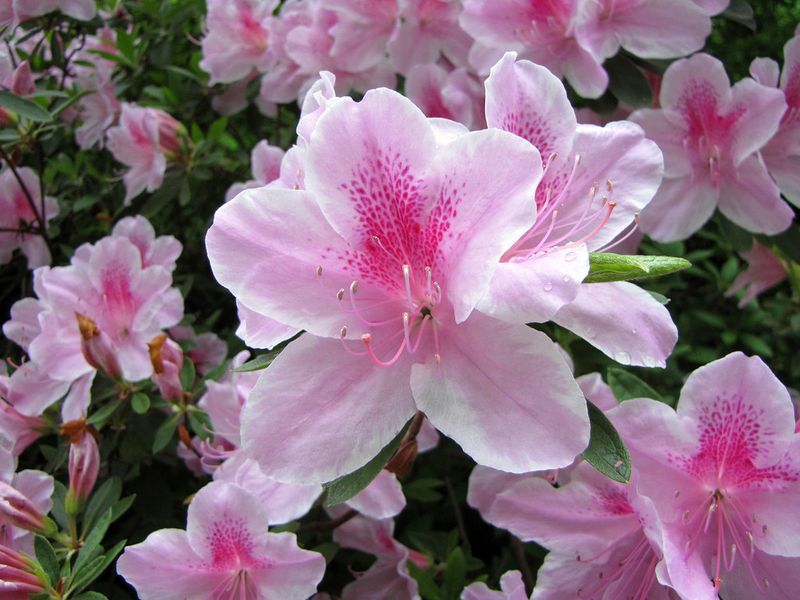
Azaleas sold around the holidays look gorgeous for about two weeks, then they start their slow indoor decline. They prefer cool temperatures, high humidity, and acidic soil, none of which most living rooms naturally provide.
Once the flowers fade, getting them to rebloom indoors is a real challenge.
For long-lasting indoor color, African Violets are a far more reliable bet. They bloom repeatedly throughout the year and genuinely seem to enjoy typical indoor conditions, asking very little in return.
Bonsai Tree (Outdoor Species)
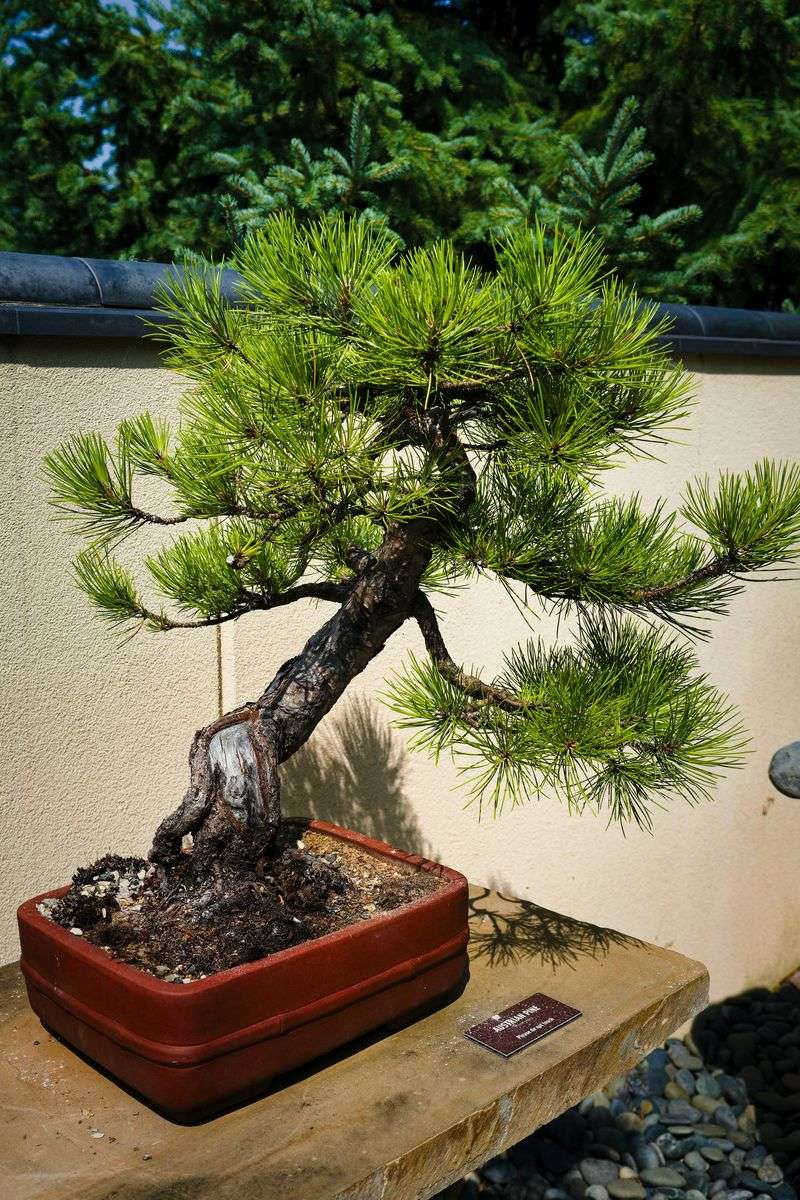
Bonsai trees carry an almost mythical reputation for being tricky, and when people buy outdoor species like juniper or pine for indoor display, that reputation is fully earned. These trees need cold dormancy periods and outdoor sunlight levels that no windowsill can replicate.
Indoors, they decline fast.
If you love the bonsai aesthetic, choose Ficus or Fukien Tea varieties, which are bred specifically for indoor environments and respond well to careful shaping and pruning.
Umbrella Plant (Schefflera)
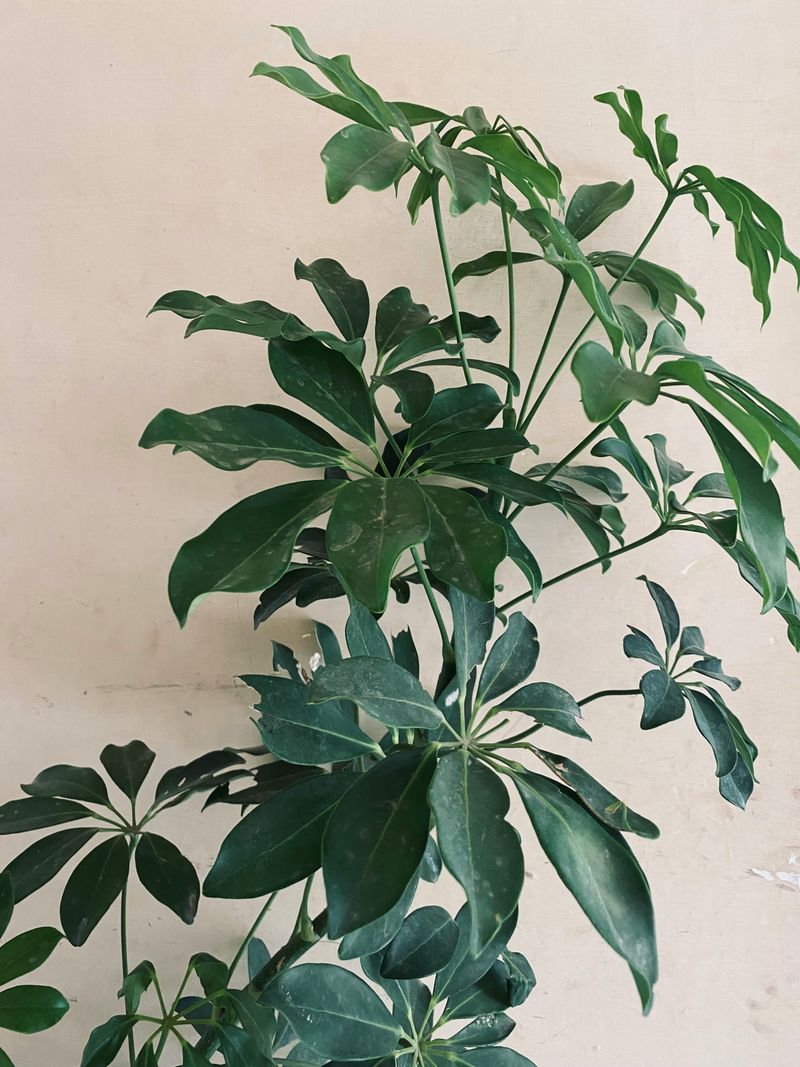
Schefflera, often called the umbrella plant, has a reputation as an easy houseplant, but it earns complaints more often than praise. In low light, it grows tall and scraggly, drops leaves constantly, and becomes a spider mite magnet.
It really needs a bright spot to stay full and healthy.
The Arrowhead Plant handles lower light with much more grace, staying compact and lush without demanding premium window real estate. It is a quiet overachiever that rarely gets the credit it deserves.
Orchid (Post-Bloom)
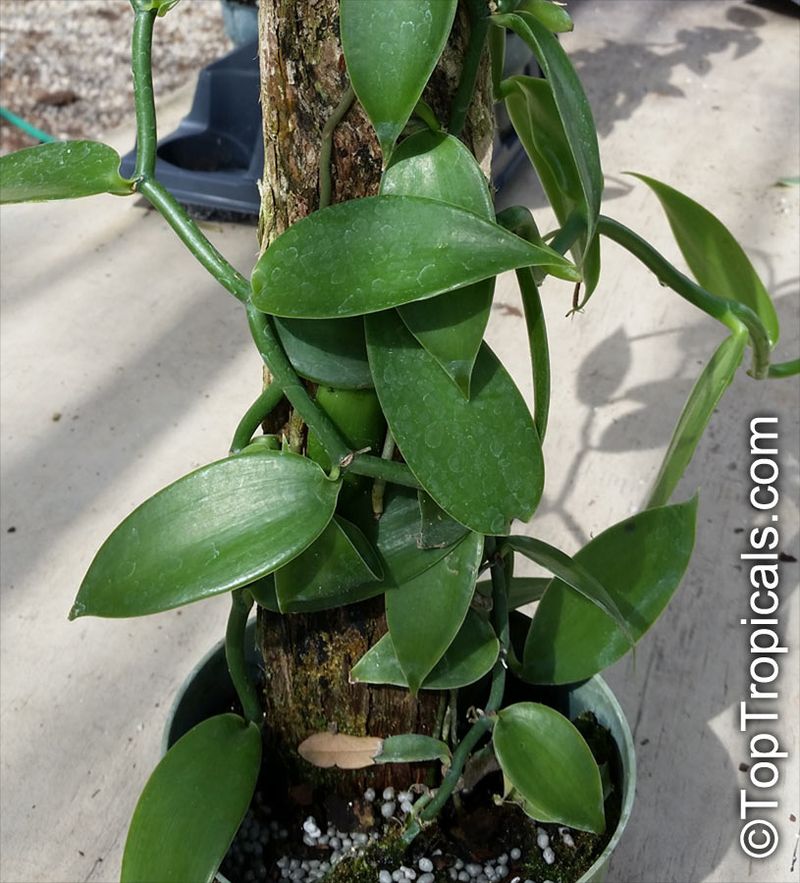
Phalaenopsis orchids are everywhere, from grocery stores to garden centers, and they look stunning in bloom. The tricky part comes after the flowers drop.
Getting an orchid to rebloom requires specific temperature drops, careful fertilizing, and precise light. Many people stare at a bare green stem for months feeling defeated.
For reliable repeat blooms with less strategy, Kalanchoe is a cheerful winner. It reblooms readily under normal indoor light and comes in a rainbow of colors that brighten any shelf.
Banana Plant
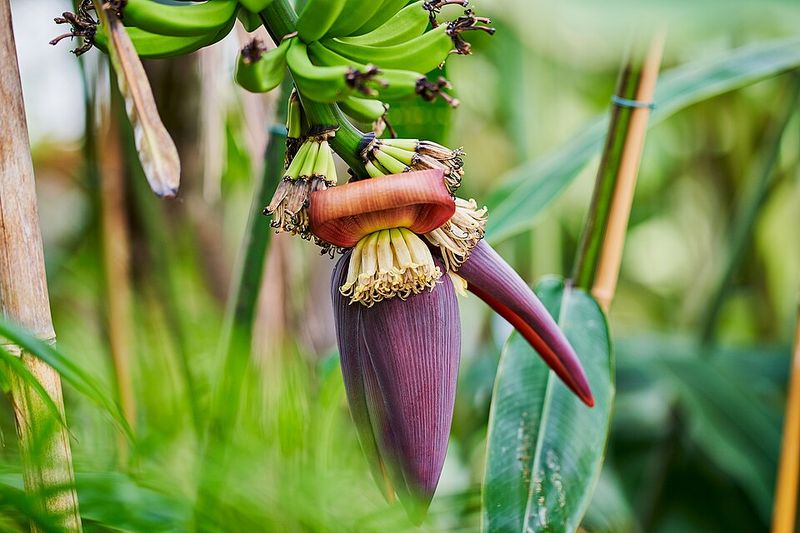
Dwarf banana plants bring a genuine tropical vibe indoors, and that is exactly why they keep ending up in shopping carts. The reality check hits fast.
They need massive amounts of light, warmth, consistent moisture, and space that most rooms simply do not have. The leaves tatter, brown, and look tired within weeks.
For lush tropical drama without the headache, Bird’s Nest Fern or a large Monstera Deliciosa delivers big, bold foliage with far more realistic indoor growing conditions.
Cactus (Forest Types Sold as Desk Plants)
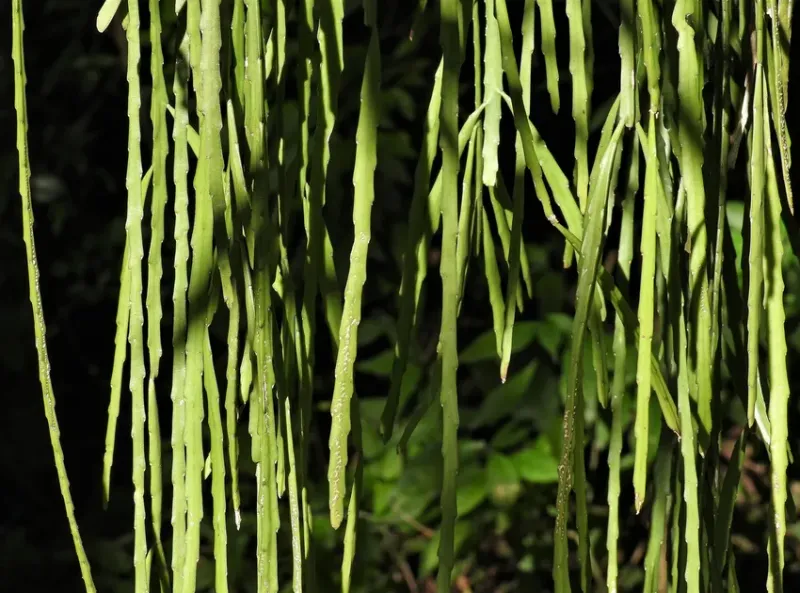
Not all cacti are created equal, and the cute little holiday and forest cacti sold as easy desk plants are frequently mislabeled as low-maintenance. They actually need bright indirect light, careful seasonal watering changes, and a cool rest period to bloom.
Under typical office fluorescent lighting, they just sit there and sulk.
For a genuinely forgiving desk plant, a ZZ Plant or Sansevieria handles low light and irregular watering without complaint, staying green and upright no matter what.