
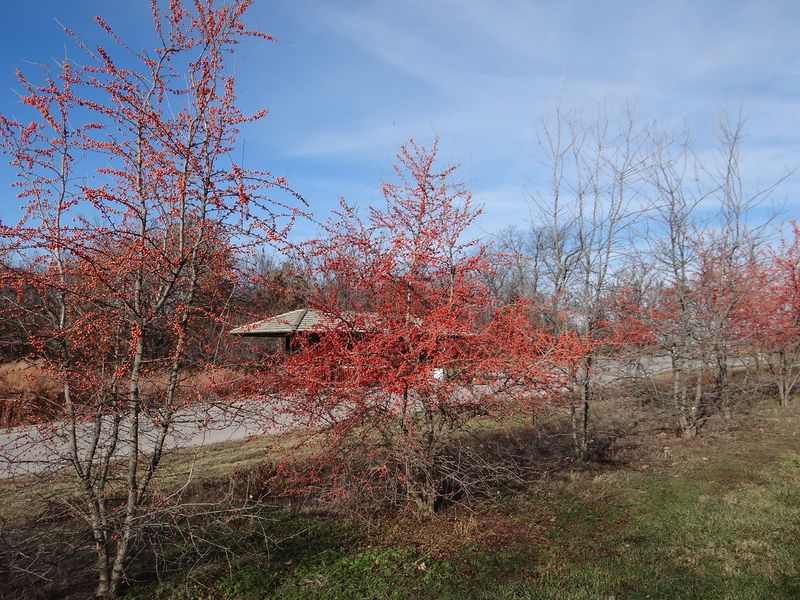
Picture a bare branch in January, dotted with bright red or orange fruit. That is the look possumhaw holly can give a Central Texas yard after its leaves drop.
This native shrub also offers food for birds when the season turns lean. Whether you get that show depends on a few smart choices at the nursery and in your yard.
A female plant makes the best bet for berries
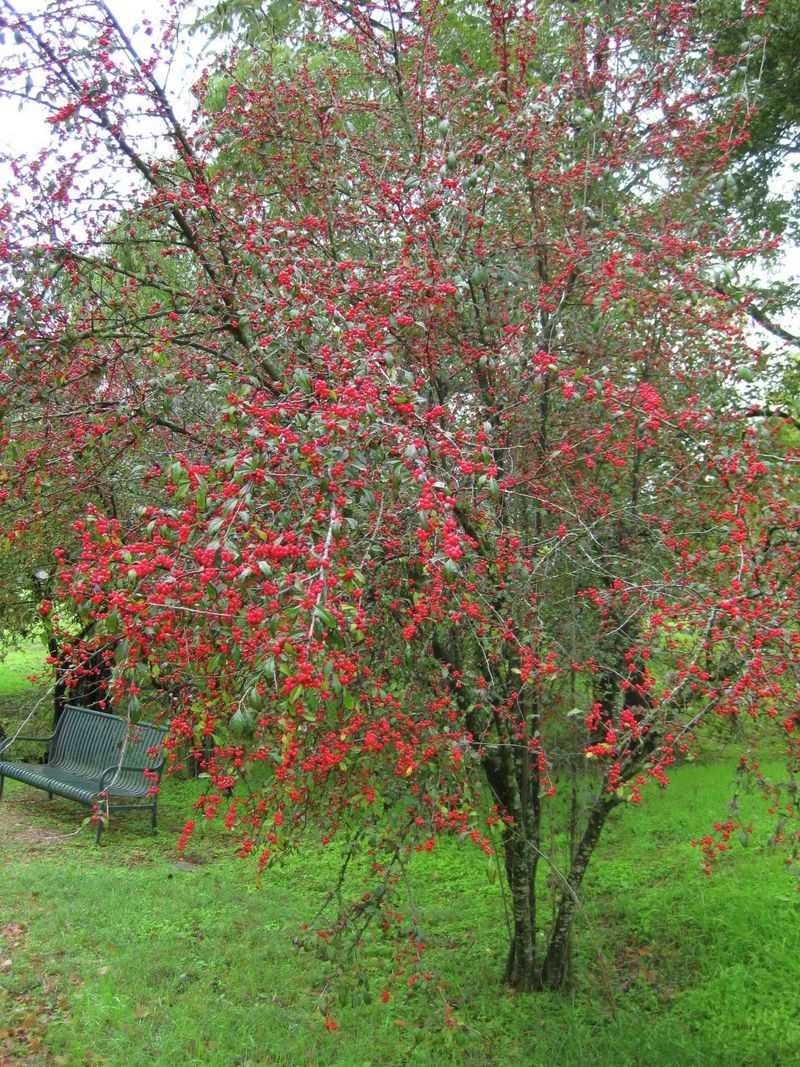
Berries start with plant sex. Most possumhaw plants carry separate male and female flowers, and only the females make fruit.
According to the Texas A&M tree selector, gardeners who want winter interest should choose a female plant.
A female also needs pollen from a compatible male plant nearby. NC State Extension notes that some plants have perfect flowers, which hold both parts.
That is the exception, though, so nobody should assume every plant will fruit. The sources reviewed give no reliable distance for how close a male must be, so avoid trusting any promised number of feet.
A plant labeled only as possumhaw may be a male, a female, or an unsold mystery. Ask the nursery staff to identify the sex of each plant.
Ask which males are growing nearby, in your yard or a neighbor’s, that could supply pollen.
Fall shopping helps here. A Bexar County Master Gardener guide explains that visible berries let you spot a female plant.
Fruit on a nursery plant is a good sign, but it does not guarantee a display in later seasons. Pollination, weather, and hungry wildlife all play a part.
Color on branches after leaf drop
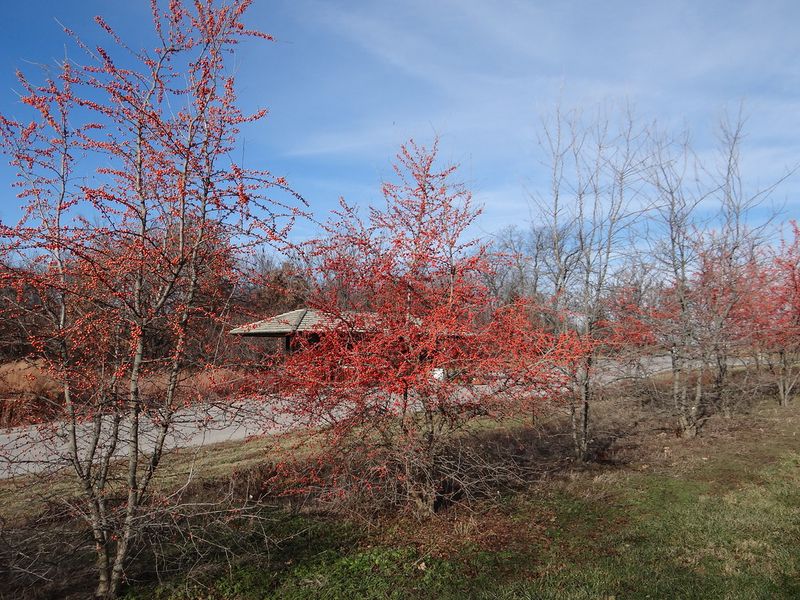
Possumhaw is deciduous, so it drops its leaves and leaves the stage to its fruit. On a bare gray branch, clusters of red or orange berries can stand out sharply against a pale winter sky.
Texas A&M lists winter interest among its selling points for this native tree.
The timing runs in a sequence. Fruit ripens in fall, and the USDA Forest Service reports that it can persist into winter.
Persist does not mean forever. How long berries hang on changes with the plant, the weather, and what is eating them.
Its native status matters in Central Texas. The City of Austin plant guide includes it among local plants, and a native shrub is already suited to the region’s soils and seasons.
Think of the berries as a possible bonus on a plant that already fits the landscape, not a display on a fixed schedule.
Birds may use the fruit
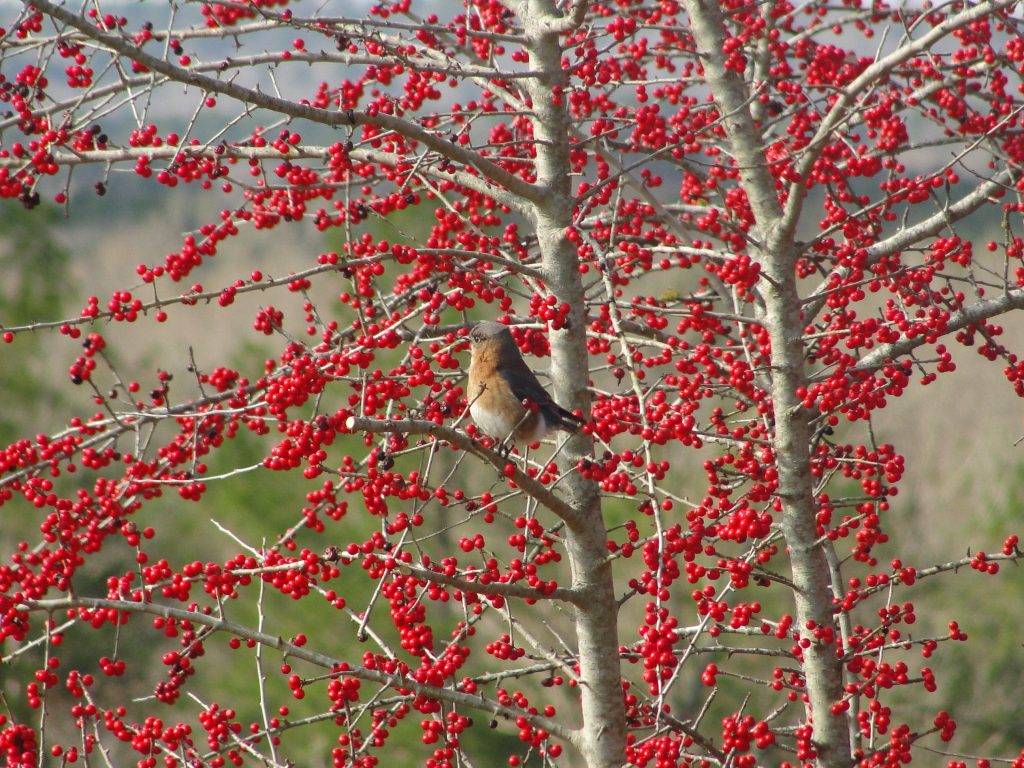
Ripe fruit on a bare branch is easy for birds to find. The USDA Forest Service review lists eastern bluebirds among the animals that eat possumhaw fruit.
It also notes use by other songbirds and wildlife.
Closer to home, Central Texas Gardener reports that American robins feed on the berries in the Austin area. These are two separate sources, and neither promises that a particular bird will show up at your yard.
Visits depend on your neighborhood and the other food around.
Wildlife eating the fruit also changes the view. University of Missouri Extension includes possumhaw in a list of wildlife food plants.
Expect the berry count to drop as the season goes on, especially when other food gets scarce. A thinning display is a sign the plant is doing its wildlife job.
Choose a site with room and suitable light
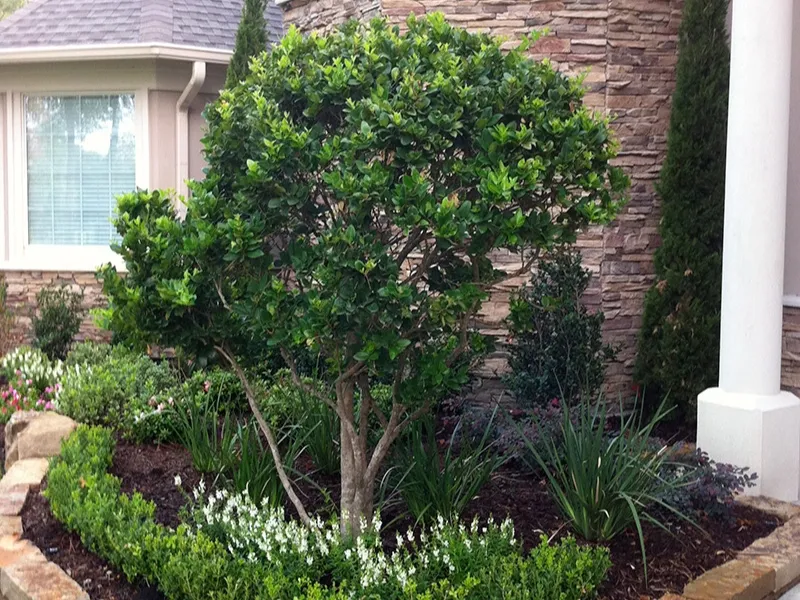
Measure the space before you buy. Possumhaw is a large shrub or small tree, not a tidy foundation plant.
The City of Austin lists 12 to 20 feet tall and about 12 feet wide.
Published sizes differ. NC State Extension gives 7 to 15 feet in cultivation, with larger wild specimens.
Plan for the bigger numbers, and keep it away from walls, power lines, and walkways.
For light, aim for sun to partial shade. A sunnier spot is the better choice if you want the most visible fruit.
Shadier sites can work, but results vary.
The plant handles a range of conditions. Texas A&M lists tolerance of poorly drained sites, and NC State notes it can handle occasional flooding.
That does not make it right for every soil or corner, so look at how your own yard drains before planting. Remember the male pollen source too, since the fruiting plant needs one close by.
Use fall to shop, not to count on an instant display
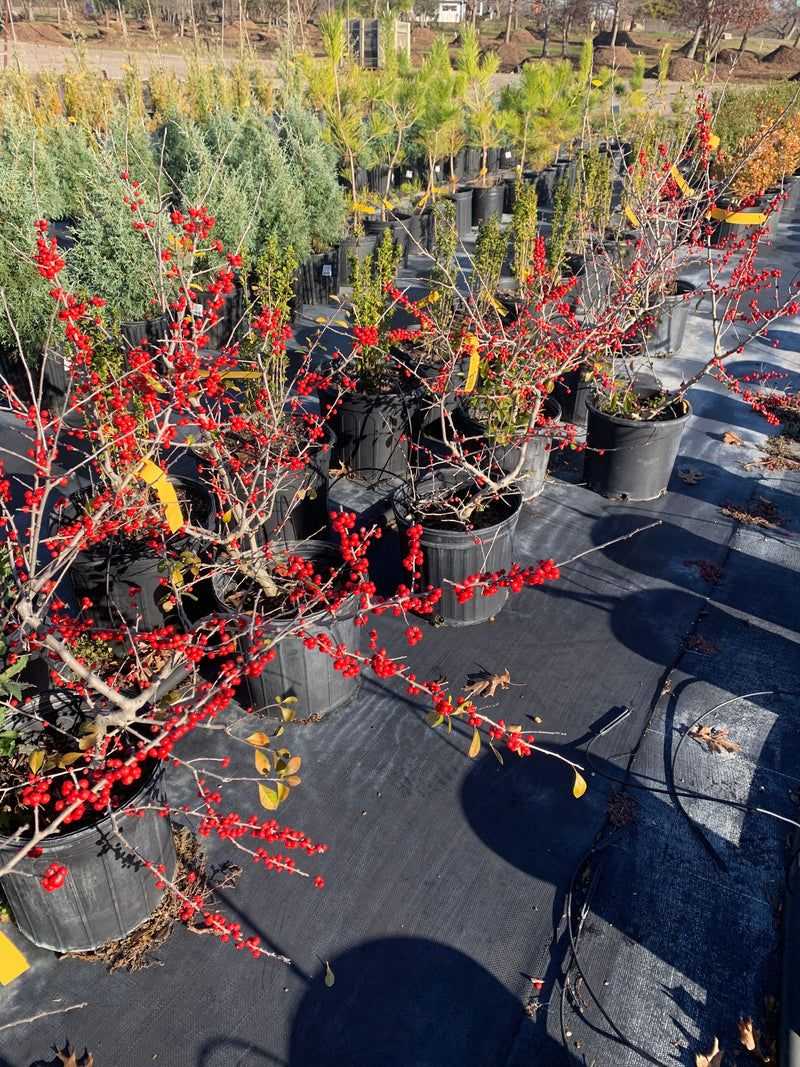
Fall earns its place on the calendar for one reason: you can see what you are buying. A Bexar County Master Gardener guide says fall is best partly because berries help shoppers spot a female plant.
It also says planting is possible at other times.
Buying a fruiting female is the clearest route to a display this winter. A bare-root or leafless young plant bought without fruit may not produce berries for a while, and no nursery label can promise otherwise.
Treat a berry-covered pot as your best shot, not a sure thing.
Berries can also disappear. As noted by University of Missouri Extension, the fruit is wildlife food, so birds may strip it as winter moves along.
This advice comes from Central Texas sources, so do not treat it as a planting calendar for the whole South.
Plant carefully and monitor moisture
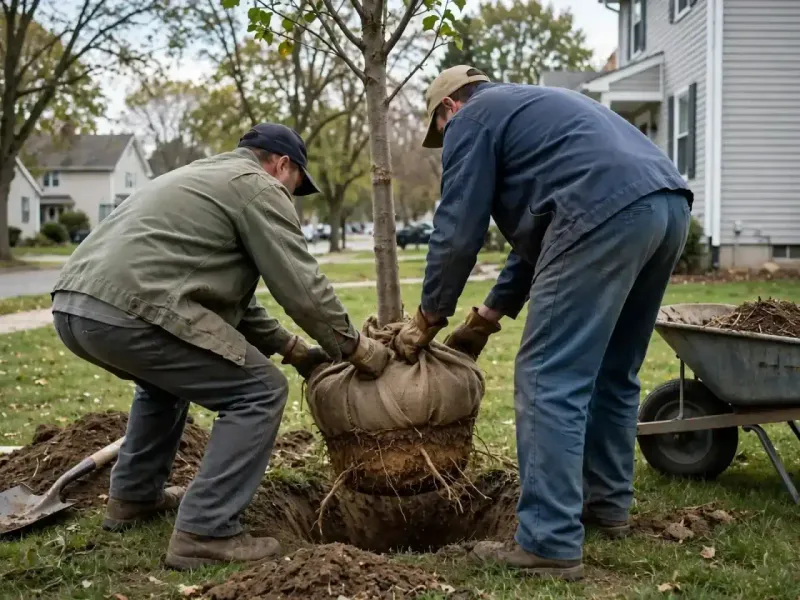
Good planting habits help a new shrub settle in. The steps below come from Texas A&M AgriLife Extension.
They are general tree-planting guidance, not research done on possumhaw.
Dig the hole about twice as wide as the root ball and no deeper. Set the plant in, then backfill with the soil you dug out.
Water it in well to settle the soil around the roots.
After that, check the soil instead of following a fixed watering calendar. Poke a finger or trowel a few inches down near the root zone.
If it feels dry, water. If it is soggy, wait.
Texas weather swings between heat, drought, and sudden rain, so a set schedule can overwater one week and underwater the next. Checking moisture lets you respond to what the plant actually faces while it establishes.
Keep the berries for wildlife, not people
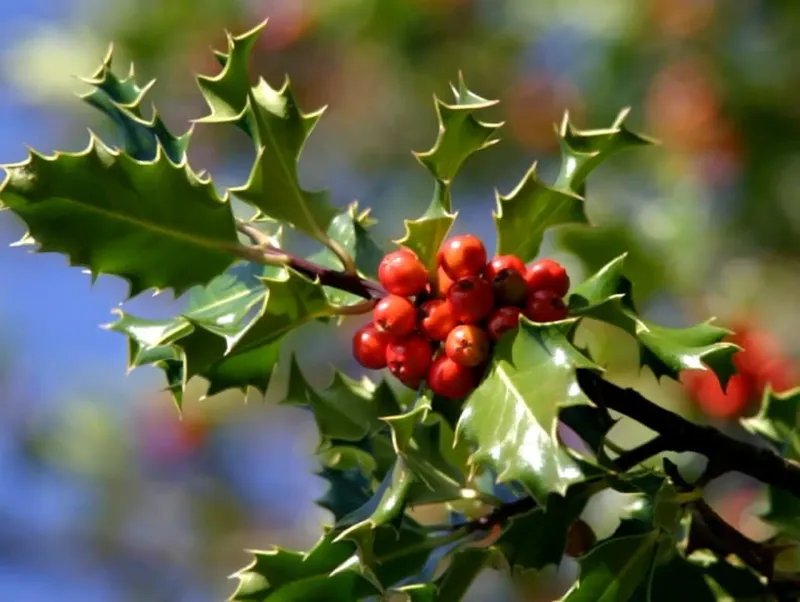
Pretty berries can look tempting, but these are for birds. Treat possumhaw fruit as ornamental wildlife food and never as something for people to eat.
Poison Control warns that swallowing holly berries can cause nausea, vomiting, and sometimes diarrhea. If you think someone has eaten them, contact Poison Control for advice.
Families with young children may want to talk about the berries early. Teach kids that bright fruit in the yard is look-only, and place the shrub where little hands are less likely to grab it.
Set expectations for the winter display
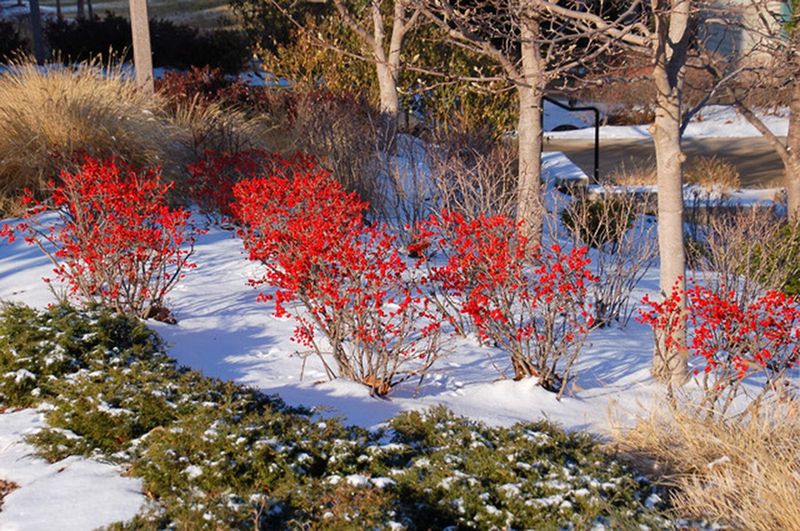
The smart choice comes down to a few pieces: a fruiting female, a compatible male nearby, and enough room for a plant that grows large. As Texas A&M points out, plant choice drives the winter payoff.
Fall is a good time to shop, but it is an opportunity, not a promise of berries this winter.
If it all comes together, you may get bright fruit on bare branches and a menu for local birds, as USDA Forest Service records describe. Some years the show will be brief.
A shrub that feeds the neighborhood birds is still doing its job.