
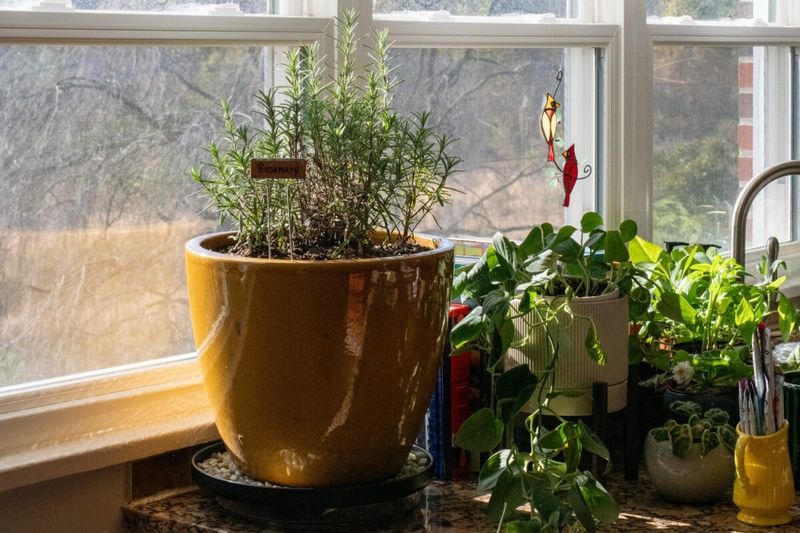
You step onto the porch after the first chilly night and your rosemary looks dull and feels crisp. It is a worrying sight, especially when this herb usually looks so tough.
Cold may be one reason, but it is not the only one, and a few simple checks can help you sort it out. Here is how to look at the plant, care for it, and protect it before the next freeze.
Brittle foliage after a cold night may signal injury, but gray alone proves little
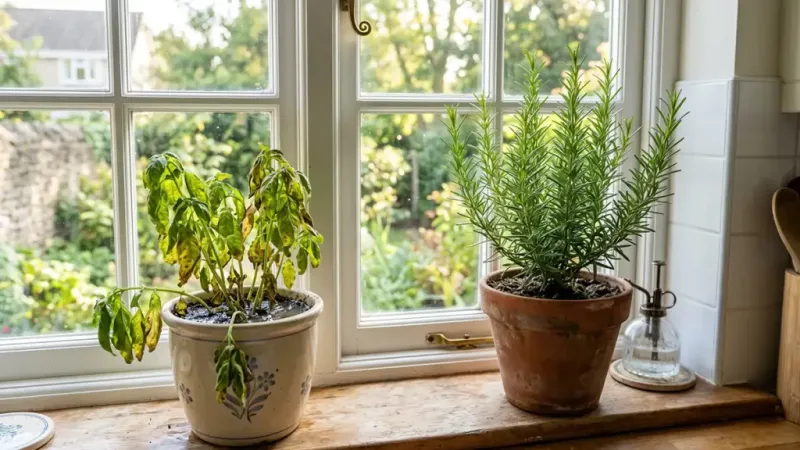
Start by looking at the whole plant, not one leaf. Rosemary leaves are naturally grayish-white underneath, so a pale underside by itself is normal, as noted in UC IPM’s rosemary guide.
The bigger warning sign is a broad change, such as foliage turning brittle or the plant visibly declining.
A cold night right before the change makes cold injury a fair possibility. It does not prove it, though.
Timing is a clue, not a diagnosis, and plants that were already struggling can look worse after any stress.
Ask a few questions before you decide. Was the plant healthy last week?
Has the pot been sitting in soggy mix, or has it dried out? Did the pot sit in an open, exposed spot overnight?
Frost and freeze exposure can harm plants in different ways, as Texas A&M AgriLife Extension explains in its freeze protection guidance.
Jot down what you see today, including which branches feel crisp and which still bend. A quick note or photo makes it much easier to tell in a couple of weeks whether the plant is recovering or still slipping.
Container roots can face more cold exposure
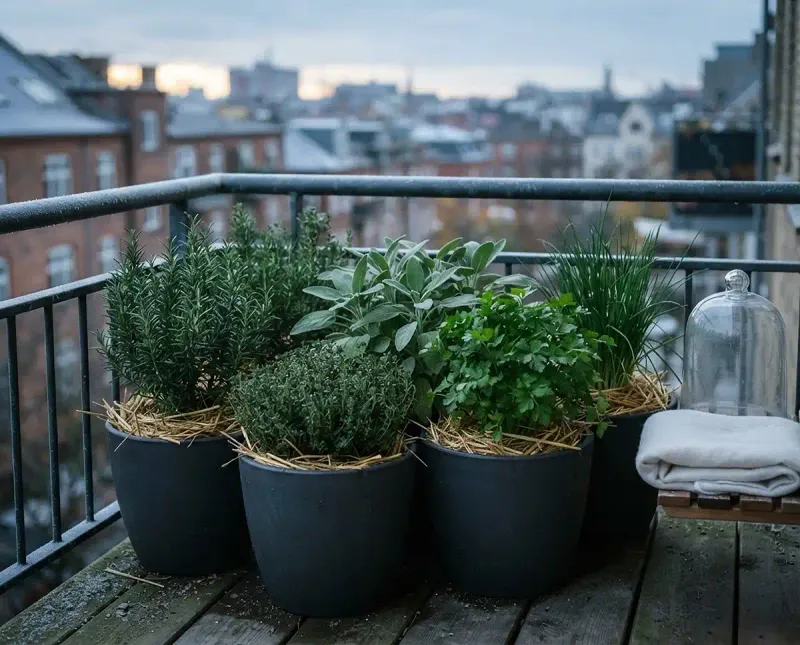
Think of garden soil as a blanket. Roots in the ground are surrounded by a large mass of earth that holds some warmth, while a pot sits in open air with cold reaching it from every side.
Texas A&M AgriLife Extension notes that container plants have roots more exposed to cold than plants in the ground.
That is why a porch rosemary can look rough after a night when the one in your garden bed seems fine. Pot size, pot material, and how open the spot is can all change how much cold the roots feel.
You may read that rosemary can handle a light freeze. Texas A&M’s rosemary guide describes that tolerance for healthy plants, but it is not a promise for every plant.
Cultivar, plant health, how well the plant adjusted to cooling weather, and how long the cold lasted all matter.
So avoid hunting for one magic temperature. Treat a pot as a more exposed home than the ground, and expect results to vary from plant to plant.
Check for living tissue before pruning
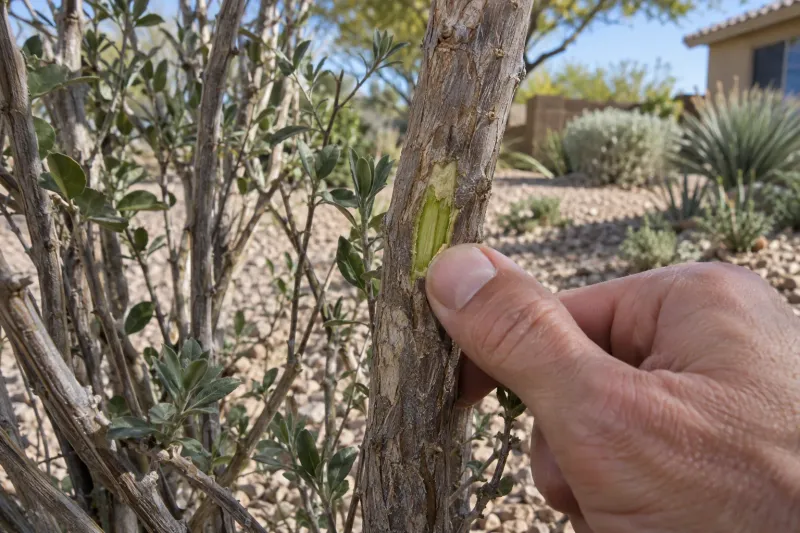
Resist the urge to grab the shears right away. A simple scratch test tells you more.
Use a fingernail or a clean knife tip to scrape a small spot on a woody stem, and look underneath the bark for green, living tissue.
Green means that part of the stem is still alive. Brown and dry suggests that section is injured, though check a few stems at different heights, since damage can be uneven.
If you cannot tell how far the injury goes, wait. UF/IFAS cold protection guidance advises delaying pruning when the extent of damage is unclear, and cutting back dead or injured wood once it becomes evident.
Keep in mind what pruning does. It removes damaged material and tidies the plant, but it does not reverse injury.
Cutting too early can remove stems that might have recovered, or open fresh cuts to more cold. Mark the stems you tested with a bit of yarn so you can recheck them over the next few weeks.
Give rosemary more sun for healthy growth, not as a cold-injury cure
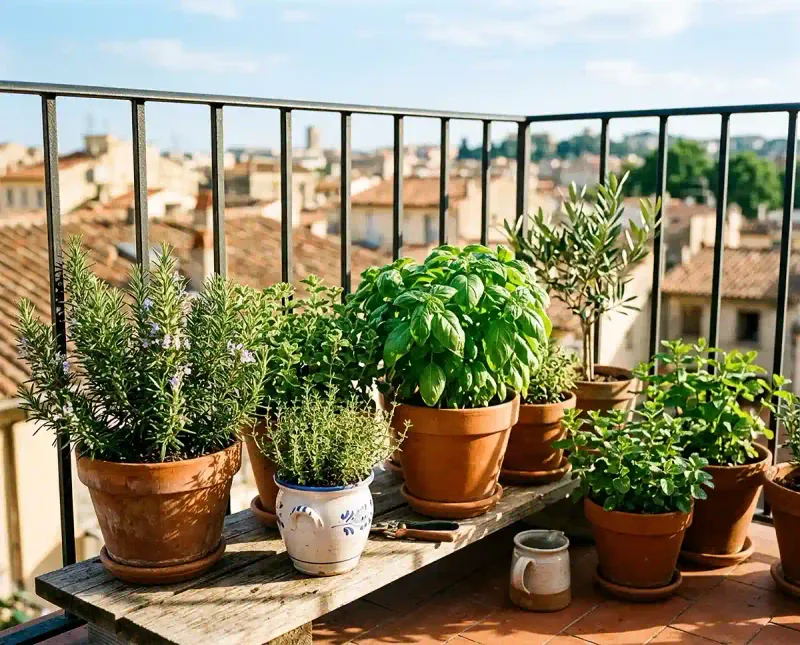
That dark corner may well be a poor home for rosemary, just not necessarily the reason for last night’s symptoms. Those are two separate questions.
Cold may explain sudden damage, while low light is a slower, longer-term problem.
Rosemary grows best in full sun. UF/IFAS Gardening Solutions recommends at least six hours of sun a day, along with well-drained soil.
A plant in deep shade often grows thin and weak over months.
When conditions allow, shift the pot to a brighter spot. A porch edge that gets morning and afternoon sun is a good example.
If the forecast is cold, make the move to a sheltered bright place rather than an open one.
Be realistic about what the move does. Better light supports new growth and a sturdier plant going forward, but it cannot bring back tissue already hurt by cold.
Think of it as helping the healthy parts keep going, and give the plant time to show you where new growth appears.
Check soil moisture and drainage before watering
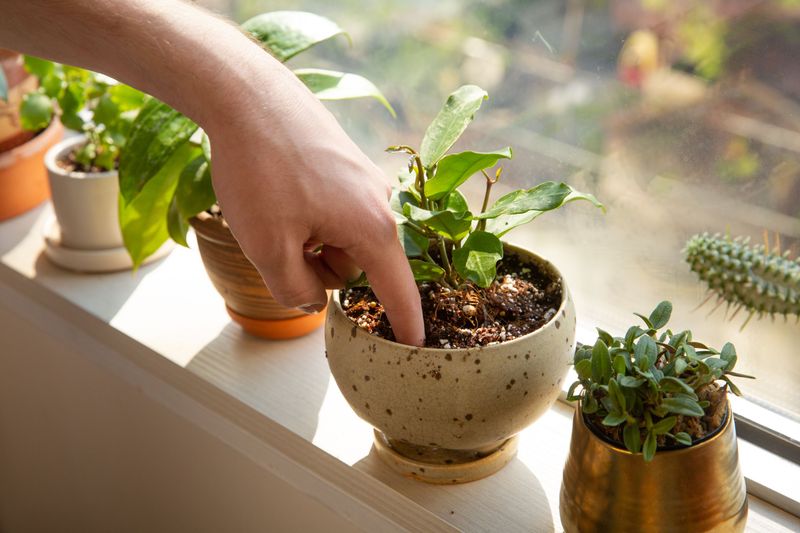
Before you reach for the watering can, poke a finger two inches into the mix. If it feels damp, hold off.
Rosemary prefers dry conditions and soil that drains well, and too much water can contribute to trouble, according to UF/IFAS Gardening Solutions.
Brittle foliage can tempt you to soak the pot, but dry-feeling leaves do not mean the soil is dry. Keeping the mix wet could add a second problem on top of any cold stress, since soggy roots may struggle to function.
Look at drainage too. Make sure the holes are not blocked, the pot is not sitting in a full saucer, and the mix is not packed down and heavy.
UC IPM’s cultural tips point to good water management as key for rosemary.
If the mix is truly dry, water slowly until it runs out the bottom, then let it drain. If it is wet, wait.
Checking first also helps you rule watering problems in or out as you sort through what happened.
Protect the pot before another hard freeze
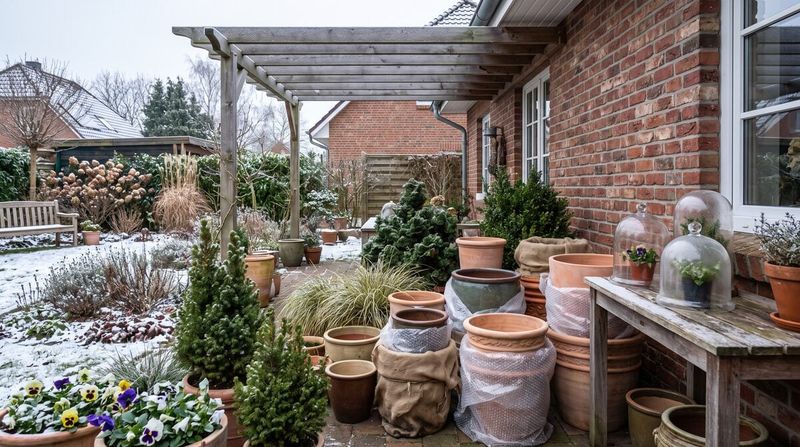
If a hard freeze is in the forecast, act that afternoon. For a plant you value, moving the pot into a protected spot such as a garage is a solid option, as described by Texas A&M AgriLife Extension.
If you cannot move it, cluster pots close together against a sheltered part of the house, and wrap or insulate the containers to help shield the roots. Take covers off once the weather warms so the plant does not stay damp or overheated.
Your risk depends on where you live. UF/IFAS describes rosemary as suitable year-round in Florida, but colder areas of the state may need freeze protection.
Texas gardeners face the same range from mild coast to chilly north.
Rosemary can tolerate a light freeze when healthy, according to Texas A&M’s rosemary guide, yet that is no guarantee for every potted plant. A few minutes of prep is cheap insurance, because a pot has far less cold protection than the ground.